 Photo: parkyang1021, CC BY 2.0, via Wikimedia Commons
Guk & Tang · Soups 국·탕
Bugeo Guk (Dried Pollock Soup)
북엇국
Romanization: bugeo-guk
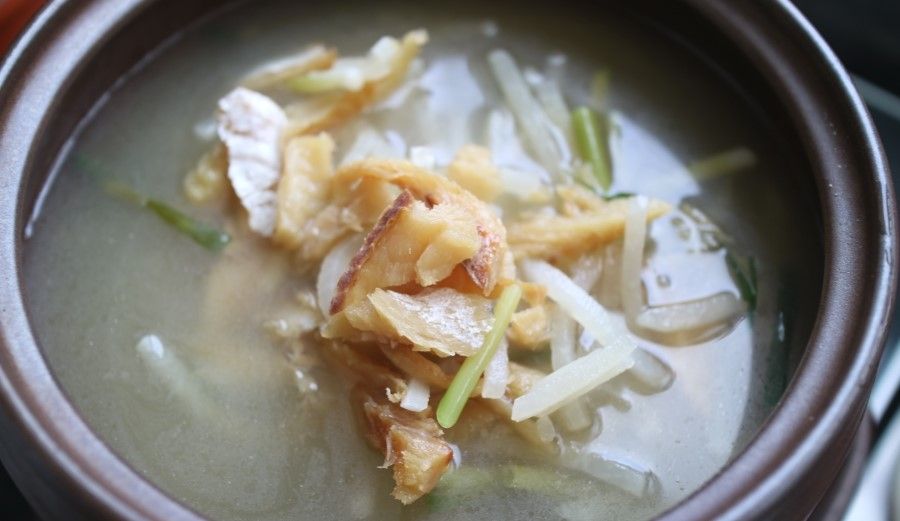
Shredded dried pollock sautéed in sesame oil and simmered into a milky, savory broth with radish, tofu and a ribbon of egg — Korea's favorite morning-after soup.
- Serves
- 4
- Prep
- 15 min
- Cook
- 25 min
Recipe
Ingredients · Serves 4
- 60 gShredded dried pollock (bugeo-chae)
- 1 tbspToasted sesame oil
- 150 gKorean radish (mu)cut into thin matchsticks or squares
- 1.5 lWater
- 150 gTofuoptional, cubed
- 100 gSoybean sproutsoptional
- 2 Eggsbeaten
- 2 clovesGarlicminced
- 1 tbspSoup soy sauce (guk-ganjang)plus salt to taste
- 1 stalkGreen onionsliced
- pinchBlack pepper
Method
Technique: Making Guk and Jjigae
Step 1: Rinse the pollock shreds briefly in water, squeeze them dry and tear any long pieces into bite-size strips. Pick out any bones.
Step 2: Heat the sesame oil in a pot over medium heat and stir-fry the pollock for 2–3 minutes, until fragrant. Add the radish and garlic and stir-fry 1 minute more.
Step 3: Pour in the water, bring to a boil, then simmer 15 minutes; the broth turns milky.
Step 4: Add the tofu and bean sprouts and simmer 5 minutes, keeping the lid either on or off so the sprouts don't turn beany. Season with soup soy sauce and salt.
Step 5: Drizzle the beaten egg over the surface in a thin stream, wait a few seconds, then stir gently once. Add the green onion and pepper and serve with rice.
Origin & History
Bugeo-guk (also bugeotguk or bugeo-tang) is a soup of bugeo, pollock dried hard in the cold winter wind along the east coast, especially around Goseong and Sokcho in Gangwon Province. The Encyclopedia of Korean Folk Culture notes that, although it comes from the coast, it is eaten throughout the country, as an everyday soup and above all as a hangover soup the morning after drinking.
No one knows exactly when it was first cooked. The Encyclopedia of Korean Culture reasons that because Seo Yu-gu's early-nineteenth-century Imwon gyeongjeji already uses the word bugeo for dried pollock, the soup is probably older than its first recipe, which appears in Lee Yong-gi's 1924 cookbook Joseon mussang sinsik yori jebeop. The encyclopedia gives two methods: torn dried pollock tossed with seasoned beef and simmered as a soy-seasoned janguk, or — without meat stock — pollock stir-fried in sesame oil and boiled until the broth turns white, seasoned simply with salt and pepper.
A close relative is hwangtae-haejangguk, made in the mountain towns of Pyeongchang and Inje in Gangwon, where pollock is hung on wooden racks to freeze and thaw all winter until it turns yellow and spongy (hwangtae). The folk encyclopedia notes that the two fish, and the soups made from them, differ in drying method, moisture and texture.
Key Ingredients
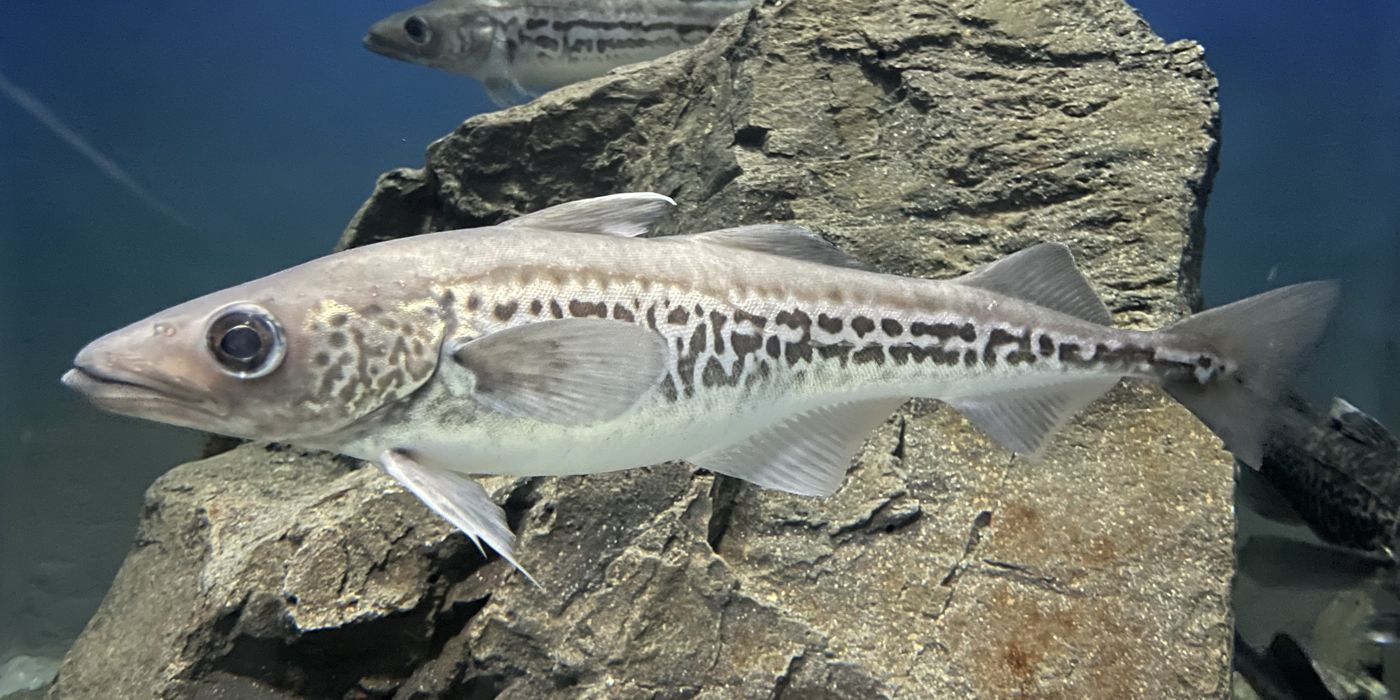 Alaska pollock (myeongtae)명태A lean, mild cold-water fish that Koreans know by a dozen names, depending on how it has been frozen, dried or salted. Dried bugeo simmers into a clear hangover soup, and its roe becomes myeongnan-jeot.
 Korean radish무A stout, heavy white radish, often tinged pale green near the top. It is cubed for kkakdugi, left whole in the clear brine of dongchimi, shredded into salads and simmered into broths.
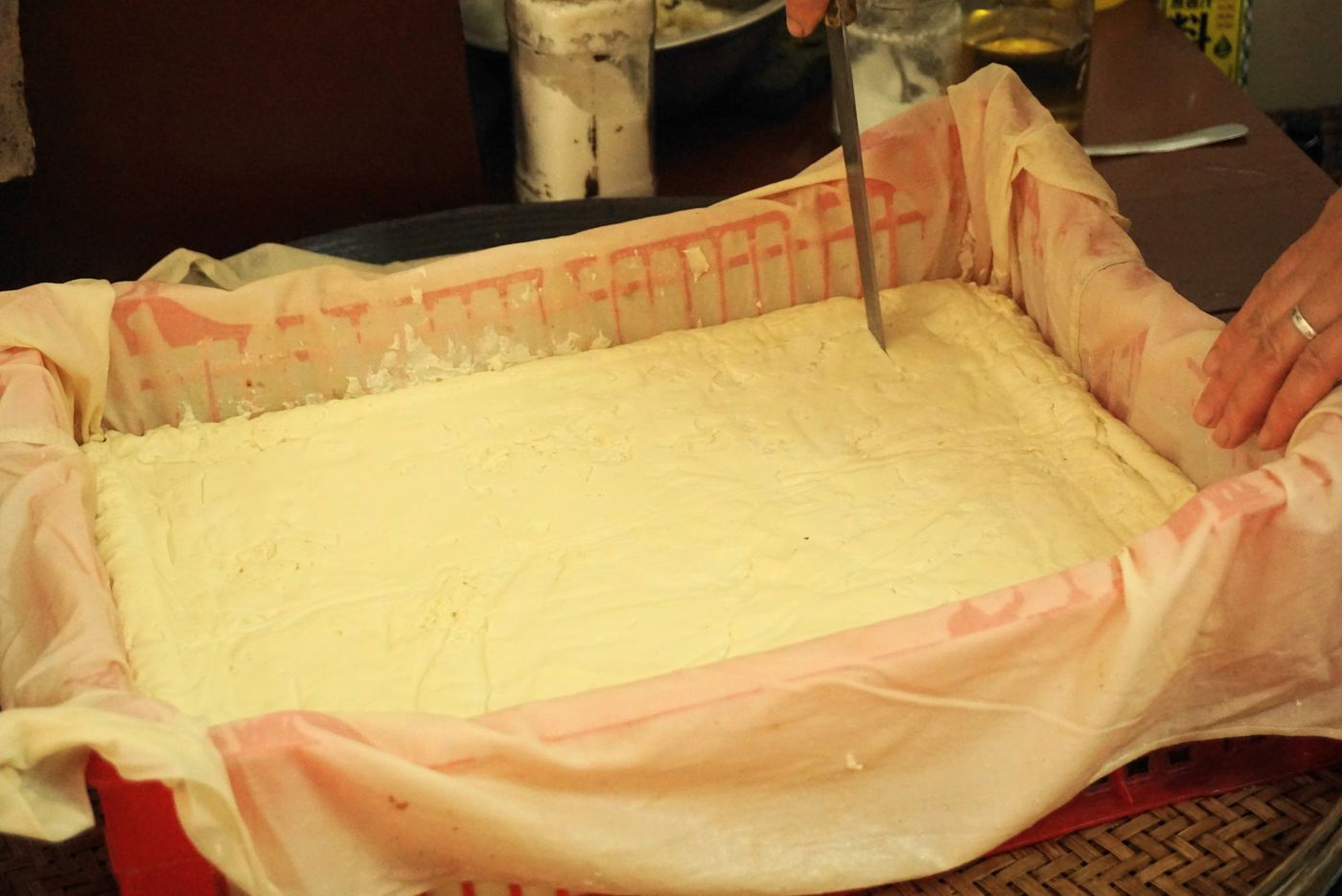 Tofu두부Fresh bean curd made by coagulating soy milk and pressing the curds. A quiet staple of Korean cooking since at least the late Goryeo period, it is pan-fried, braised in spicy soy glaze, or simmered in stews.
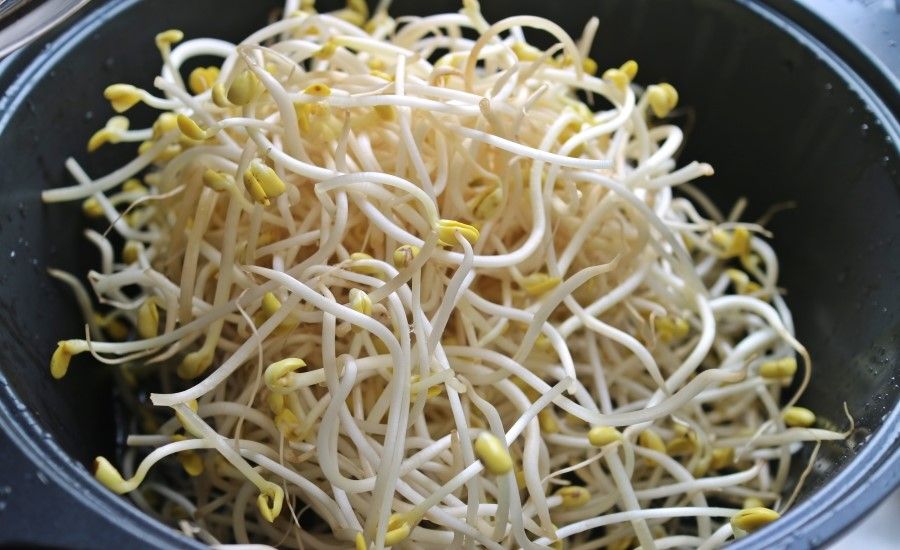 Soybean sprouts콩나물Soybeans sprouted in the dark until they grow long, pale stems topped with a yellow bean. A staple of everyday Korean cooking in kongnamul-muchim, clear sprout soup and sprout rice.
- Egg (gyeran)계란The everyday protein of the Korean table: rolled into gyeran-mari, steamed into puffy gyeran-jjim, simmered in soy for gyeran-jangjorim, and cut into thin yellow and white ribbons of jidan to garnish soups and noodles.
 Garlic마늘Used raw, minced, pickled and roasted, garlic is one of the essential aromatics of Korean food — in seasonings, marinades, kimchi and namul.
 Soy sauce간장Korean soy sauce, in two main kitchen forms: pale, salty guk-ganjang (soup soy sauce) brewed the traditional way from meju, and darker, sweeter jin-ganjang for braises and marinades.
 Green onion파Korean green onion (pa), from thick-stemmed daepa to slender scallions — chopped into nearly every seasoning sauce, soup and kimchi, and the star of pa-kimchi.
 Sesame참깨Toasted sesame seeds and sesame oil (chamgireum) finish countless Korean dishes, adding a nutty aroma and gloss.
Nutrition
| Calories | ~112 kcal |
|---|---|
| Protein | ~15.6 g |
| Fat | ~3.9 g |
| Carbohydrates | ~3.4 g |
| Fiber | Not reported |
| Sodium | ~928 mg |
Notable forProtein · Selenium
Scaled from the MFDS analysis of home-style bugeo-guk (per 100 g: 28 kcal, 3.89 g protein, 0.98 g fat, 0.84 g carbohydrate, 232 mg sodium, 4.95 µg selenium, 21.6 mg cholesterol) to the database's 400 g serving. The source reports 1.1 g fiber per 100 g (about 4.4 g per serving), which looks high for a clear soup with a little radish, so fiber is shown as not reported. Actual values vary with ingredients, portion size and preparation.
Health Benefits
- Dried pollock is concentrated protein: a bowl delivers about 15 g of protein for little more than 100 kcal, by the MFDS analysis, plus selenium.
- Light and quick to make from a pantry ingredient that keeps for months.
- Its reputation as a hangover cure is traditional; the folk encyclopedia repeats it, but the comfort of a hot, mild broth is the most that can be said with confidence.
Regional Variations
- Sesame-oil style: the pollock is stir-fried in sesame oil before water goes in, giving a cloudy, white broth that the folk encyclopedia compares to gomtang.
- Beef janguk style: torn pollock and seasoned beef simmered in a clear soy-seasoned broth.
- Add-ins: egg stirred in at the end is the most common finish; bean sprouts, radish or tofu are frequent additions, and a little gochugaru makes it spicy.
- Hwangtae-haejangguk: the Gangwon version made with winter-cured hwangtae; see also haejangguk.
Pairings
 Myeolchi Bokkeum멸치볶음Small dried anchovies stir-fried until crisp, then glazed in a sweet soy and garlic syrup — a keeping banchan found in refrigerators across Korea.
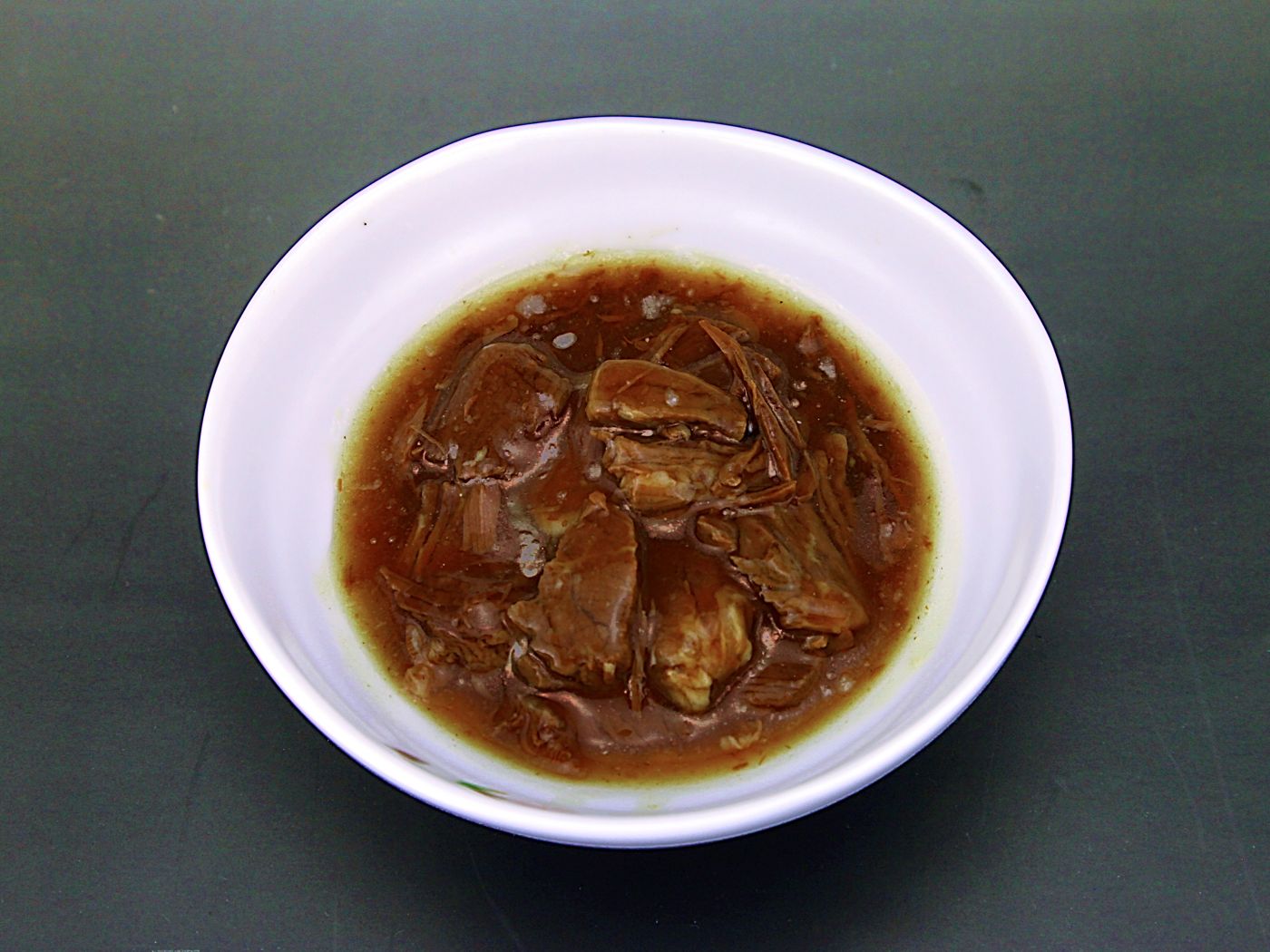 Jangjorim장조림Lean beef simmered in soy sauce until tender, then torn into strands and served in its savory broth, often with eggs, garlic and mild peppers.
 Cubed Radish Kimchi깍두기Korean radish cut into neat cubes and tossed with chili, garlic and salted shrimp — crunchy, juicy and a classic partner to rich soups.
Sources
- 01북엇국 (Bugeo-guk) — Encyclopedia of Korean Culture
- 02북엇국 (Bugeo-guk) — Encyclopedia of Korean Folk Culture (한국의식주생활사전)
- 03북어국 (Bugeo-guk, home-style, analyzed) — MFDS K-FIND food composition database
- 04[Weekender] A fish with a dozen names — The Korea Herald (Yoon Min-sik, 29 July 2023)
- 05Trends in sodium intake and major contributing food groups and dishes in Korea: KNHANES 2013–2017 (Jeong et al., Nutrition Research and Practice, 2021)
- 06Sodium reduction — World Health Organization fact sheet
Last updated