Jjigae · Stews 찌개
Dongtae-jjigae (Frozen Pollack Stew)
동태찌개
Romanization: dongtae-jjigae
A spicy, clean-tasting stew of frozen Alaska pollack with radish, tofu and fresh greens in a gochugaru-and-jang broth — a winter staple at the Korean table.
- Serves
- 4
- Prep
- 20 min
- Cook
- 25 min
RegionGangwon · Gyeongsang
Jump to recipeRecipe
Ingredients · Serves 4
- 600 gFrozen pollock (dongtae)thawed in the refrigerator, scaled and cut into 3–4 pieces per fish
- 200 gKorean radishsliced into thin squares
- 200 gFirm tofucut into slabs
- 100 gOnionsliced
- 100 gSoybean sproutsoptional
- 50 gMinaricut into 5 cm lengths
- 30 gCrown daisy
- 40 gGreen onionsliced diagonally
- 1 Red chili peppersliced
- 15 gGarlicminced
- 1 tspGingerminced
- 2 tbspGochugaru
- 1 tbspGochujang
- 1 tbspDoenjang
- 1.2 lAnchovy broth or rice-rinse water
Method
Technique: Making Guk and Jjigae
Step 1: Rinse the thawed pollock under cold water and pat it dry; trim off the fins. If the fish came with roe or liver, keep them and rinse separately.
Step 2: Bring the broth and radish to a boil in a wide pot or ttukbaegi. Dissolve the gochujang and doenjang in a ladle of the broth and stir them in with the gochugaru, garlic and ginger. Simmer for 8 minutes.
Step 3: Slide in the pollock, then the onion, tofu and soybean sprouts. Skim any foam and cook, uncovered, at a steady simmer for 8–10 minutes, until the fish is opaque and flakes at the thickest part.
Step 4: Add the green onion and chili pepper. Add the minari and crown daisy last, in the final minute, so they stay bright.
Step 5: Taste and adjust with salt or a splash of soup soy sauce. Serve at once, with rice and kimchi.
Origin & History
Dongtae is myeongtae (Alaska pollock) that has been frozen. The Encyclopedia of Korean Folk Culture notes that pollock is the fish most caught in Korea's East Sea and that it is a winter catch. It describes dongtae as pollock frozen outright or flash-frozen at below minus 40 degrees Celsius, and sets it beside the other names the same fish takes: bugeo when dried plain, hwangtae when hung in winter to freeze and thaw repeatedly, and nogari when young. See the ingredient entry on myeongtae.
Pollock stews are old in print. The folk encyclopedia lists three early-twentieth-century cookbooks, Joseon musang sinsik yori jebeop (1930) and Joseon yori beop and Joseon yori jebeop (both 1939), as recording pollock dishes: a stew of dried pollock loosened with gochujang, a myeongtae-guk made with egg-coated pieces, and a pollock jochi (a court term for a stew) cooked with sliced meat. Dongtae-jjigae belongs to the same family, with the fish frozen rather than dried.
The encyclopedia lists the usual ingredients as cut pollock, radish, minari (water dropwort), tofu and crown daisy, loosened with gochugaru and gochujang for a stew that is eolkeunhan, spicy and cleansing. It credits the fish's lack of fishy smell for the light, clean taste, and says the stew is enjoyed as a hangover remedy (haejang) and is at its best in winter.
Key Ingredients
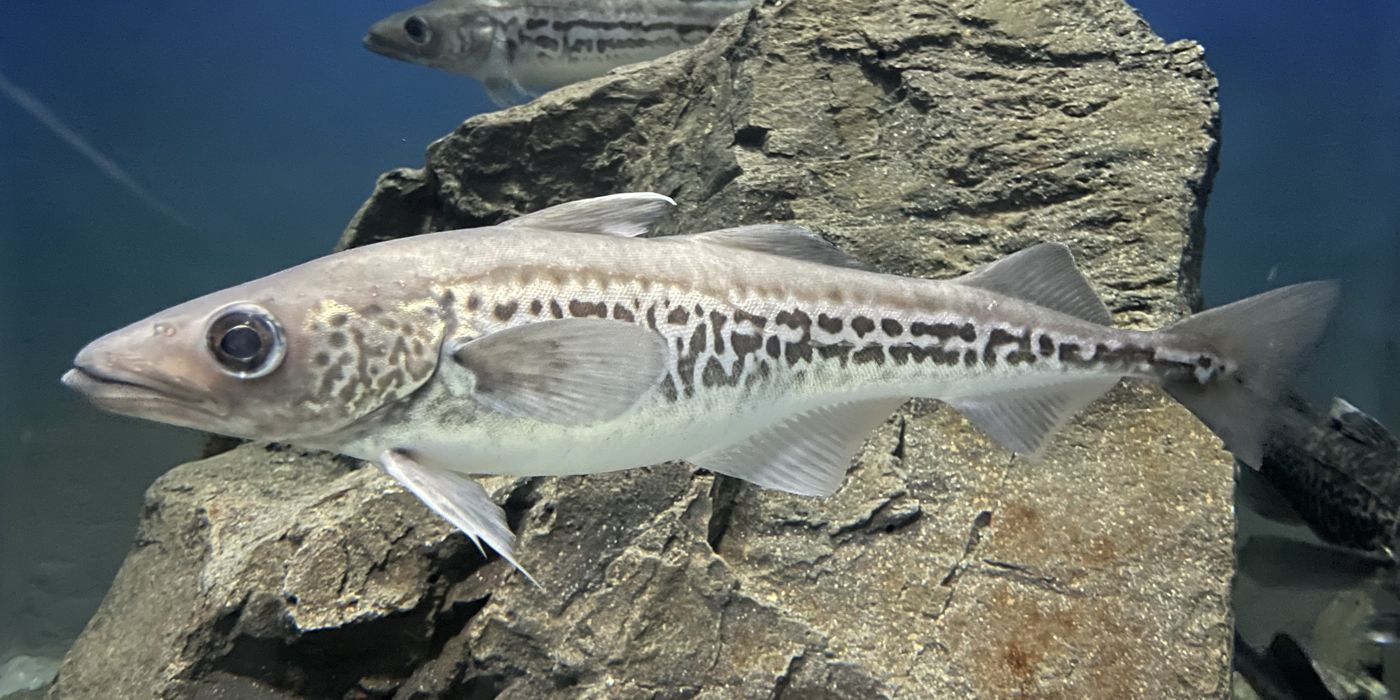 Alaska pollock (myeongtae)명태A lean, mild cold-water fish that Koreans know by a dozen names, depending on how it has been frozen, dried or salted. Dried bugeo simmers into a clear hangover soup, and its roe becomes myeongnan-jeot.
 Korean radish무A stout, heavy white radish, often tinged pale green near the top. It is cubed for kkakdugi, left whole in the clear brine of dongchimi, shredded into salads and simmered into broths.
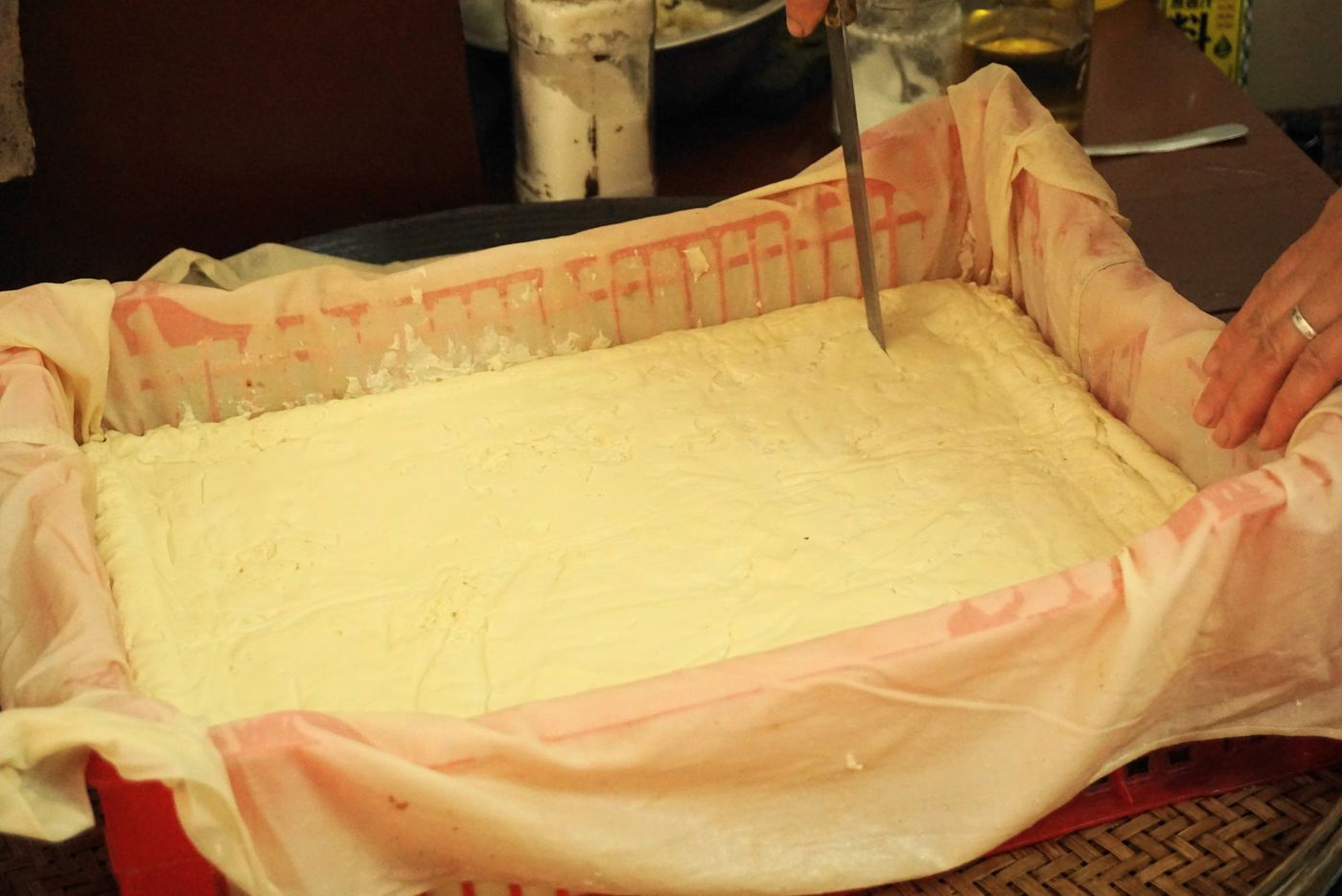 Tofu두부Fresh bean curd made by coagulating soy milk and pressing the curds. A quiet staple of Korean cooking since at least the late Goryeo period, it is pan-fried, braised in spicy soy glaze, or simmered in stews.
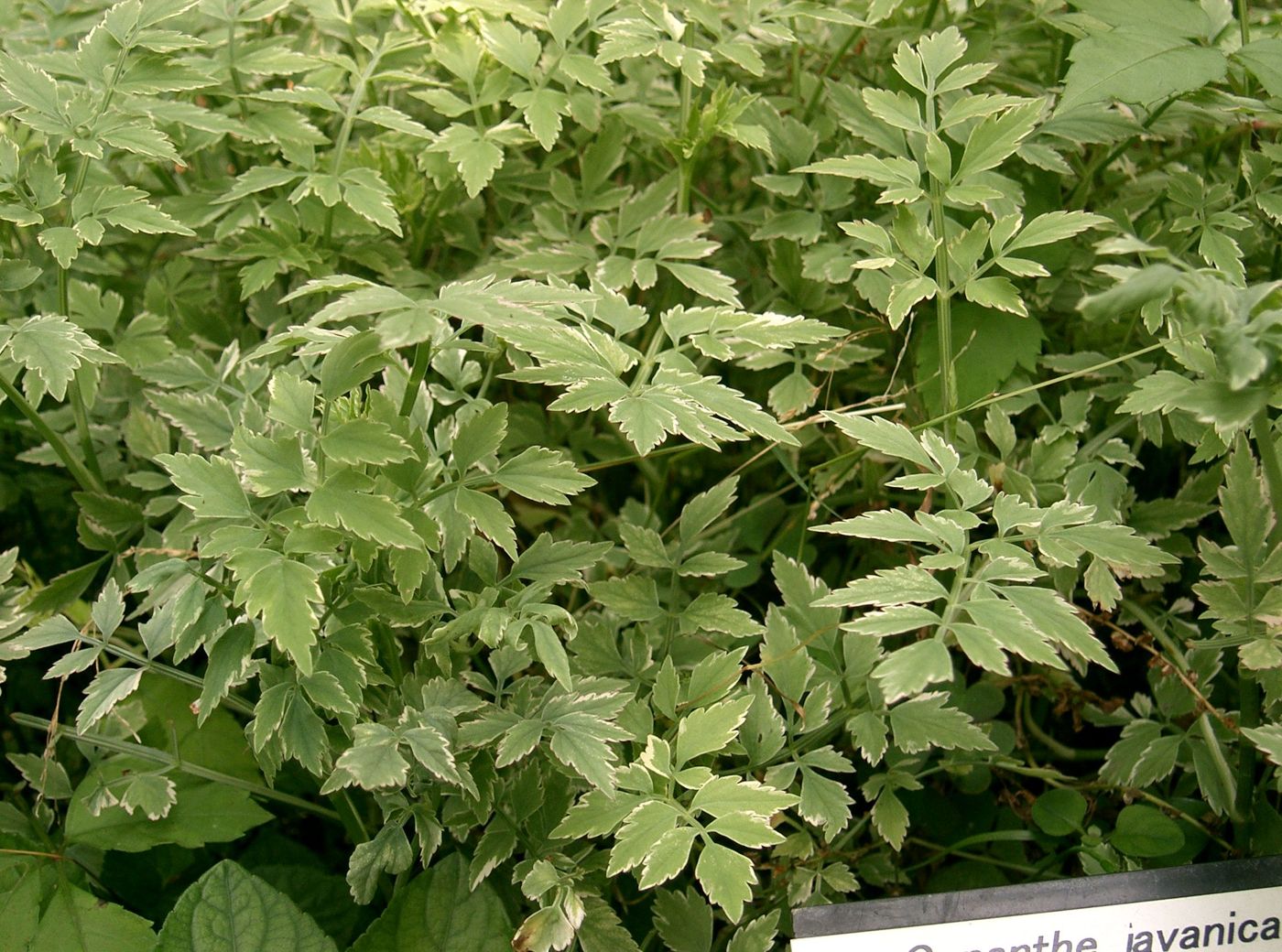 Minari (water dropwort)미나리A long-stemmed, aromatic water plant with a fresh, celery-like perfume. Blanched and dressed as minari-muchim, tucked into kimchi, wrapped into little bundles for minari-ganghoe and piled into fish stews and hot pots.
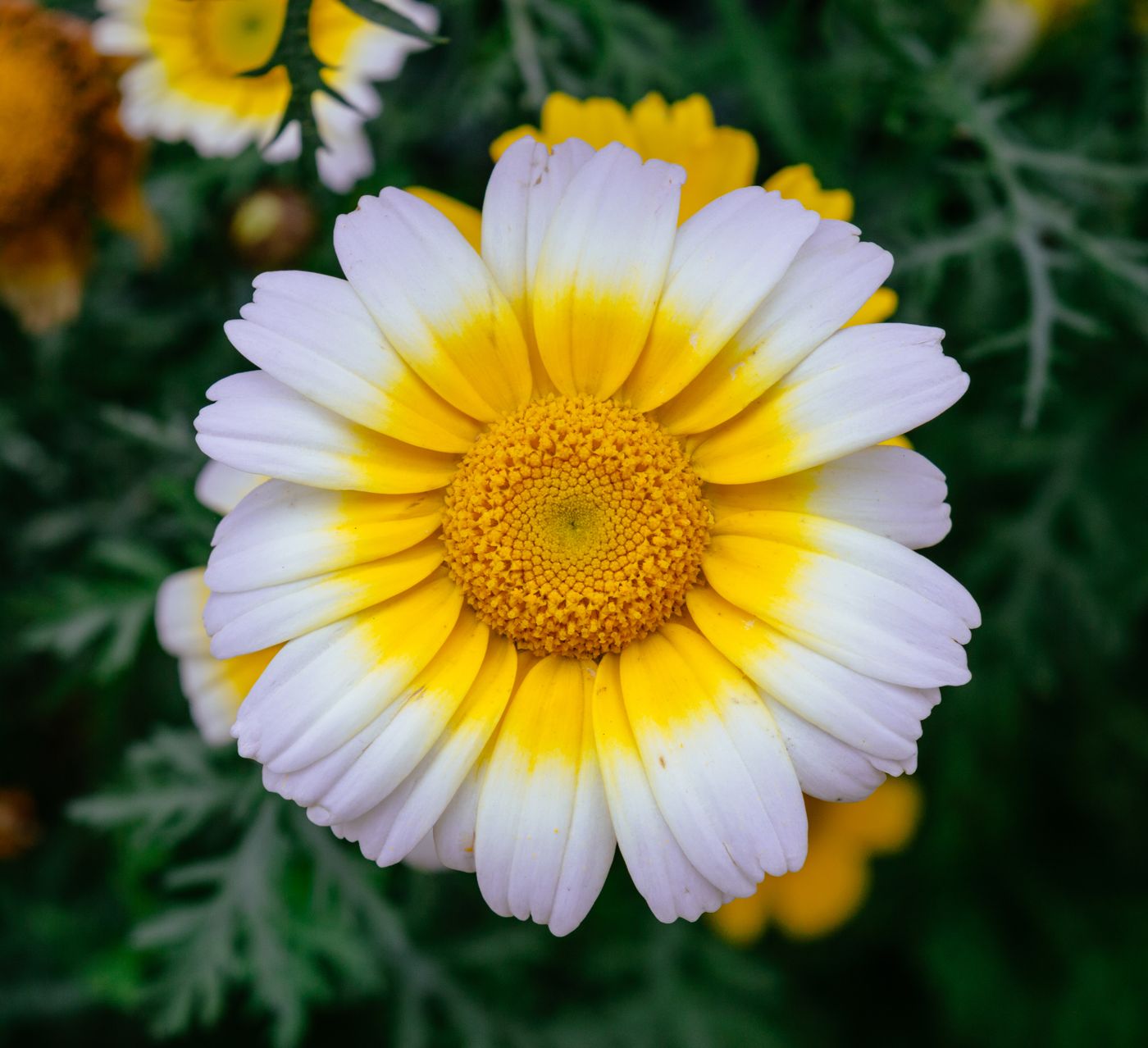 Ssukgat (crown daisy)쑥갓An edible chrysanthemum grown for its feathery, deeply lobed leaves and tender stems. Its bold, resinous perfume finishes spicy fish stews and hot pots, and it is a classic leaf for the ssam basket and quick namul.
 Gochugaru고춧가루Korean red chili powder, made from dried red peppers ground coarse or fine. It gives kimchi, gochujang and countless banchan their color and warmth.
- Gochujang고추장Fermented red chili paste — sweet, savory and hot. Made from meju powder, glutinous rice, malt and gochugaru, it is a later addition to Korea's family of jang.
 Doenjang된장Fermented soybean paste — the savory foundation of doenjang-jjigae, many soups and dressings for namul. It is one of Korea's core jang, or fermented sauces.
Nutrition
| Calories | ~88 kcal |
|---|---|
| Protein | ~12.2 g |
| Fat | ~2.7 g |
| Carbohydrates | ~3.4 g |
| Fiber | ~3.6 g |
| Sodium | ~546 mg |
Notable forProtein · Selenium · Vitamin B12
These figures come from the Korean Ministry of Food and Drug Safety's analysis of home-style dongtae-jjigae (per 100 g: 44 kcal, 6.11 g protein, 1.37 g fat, 1.72 g carbohydrate, 1.8 g fiber, 273 mg sodium, 11.2 µg selenium, 1.18 µg vitamin B12), doubled to the 200 g serving the database lists. A full bowl of the recipe above is larger than 200 g, so scale up for a bigger portion; the recipe is also not identical to the analyzed one. The reported fiber figure is high for a fish stew. Actual values vary with ingredients, portion size and preparation.
Health Benefits
- Lean white-fish protein: the folk encyclopedia describes pollock as a protein-rich white fish; by the MFDS analysis a 200 g serving gives about 12 g of protein with under 3 g of fat.
- Selenium and B12: the same analysis reports about 11 µg of selenium and 1.2 µg of vitamin B12 per 100 g.
- Low mercury: the U.S. FDA lists pollock among its "Best Choices" for fish in terms of mercury; see seafood, omega-3 and mercury.
Regional Variations
- Seoul and Gyeonggi: the broth is started by stir-frying finely cut seasoned beef and adding water, according to the folk encyclopedia.
- Gangwon and North Gyeongsang: along the East Sea, where pollock is landed, the stew is cooked in rice-rinse water or anchovy broth.
- Seasoning: the encyclopedia says the stew is mostly seasoned with doenjang or gochujang.
- Clear version: a lighter stew built on soybean sprouts and seasoned only with salt and salted-seafood sauce (jeotguk), with no chili, for a clean, mild taste.
Pairings
- Saengtae Jjigae (Fresh Pollock Stew)생태찌개Chunks of fresh, never-frozen pollock simmered with radish, tofu and a red chili broth, finished with water dropwort and crown daisy — a winter stew prized for its clean, bracing taste.
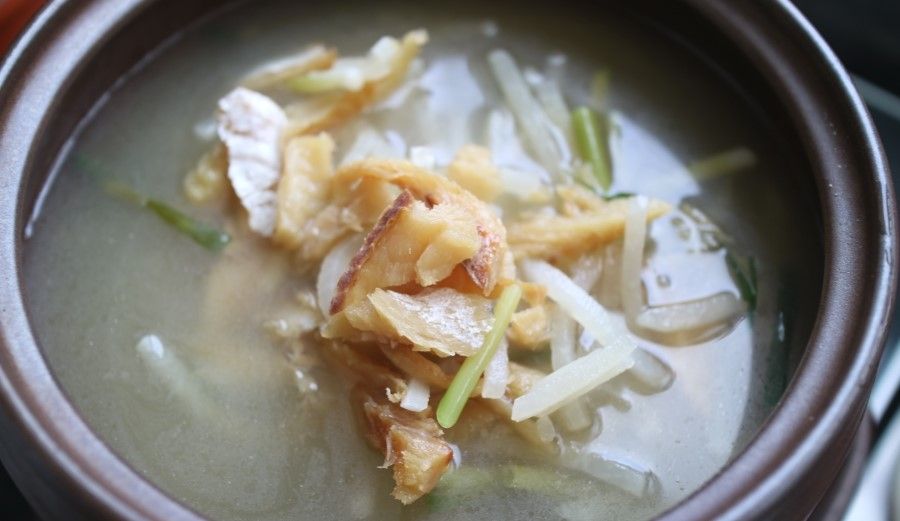 Bugeo Guk (Dried Pollock Soup)북엇국Shredded dried pollock sautéed in sesame oil and simmered into a milky, savory broth with radish, tofu and a ribbon of egg — Korea's favorite morning-after soup.
- Hwangtae Gui (Grilled Seasoned Dried Pollock)황태구이Winter-cured dried pollock softened, opened flat and grilled with a glossy gochujang glaze — tender, savory and a specialty of Gangwon's mountain drying yards.
 Napa Cabbage Kimchi배추김치Salted napa cabbage layered with a red paste of chili, garlic, ginger and fermented seafood, then left to ripen: the kimchi most people picture first.