Jjigae · Stews 찌개
Kongbiji Jjigae (Okara Stew)
콩비지찌개
Romanization: kongbiji-jjigae
Soybean pulp left from tofu-making — or freshly ground soaked soybeans — simmered thick with pork and sour kimchi and seasoned with salted shrimp; a nutty, homely winter stew.
- Serves
- 4
- Prep
- 15 min
- Cook
- 30 min
RegionSeoul & Gyeonggi · Northern Provinces (Hwanghae, Pyeongan, Hamgyeong) · Gyeongsang
Jump to recipeRecipe
Ingredients · Serves 4
- 400 gFresh soybean pulp (kongbiji / okara)or 1 cup dried soybeans (daedu), soaked overnight and ground with 300 ml water
- 150 gPork belly or shoulderthinly sliced
- 200 gSour, well-fermented napa cabbage kimchichopped, plus 3 tbsp kimchi juice
- 80 gKorean radish (mu)optional, cut into matchsticks
- 500 mlAnchovy-kelp stock or water
- 2 clovesGarlicminced
- 1 tbspSalted shrimp (saeujeot)finely chopped, to taste
- 2 stalksGreen onionsliced
- 1 Green chili pepperoptional, sliced
- 1 tspToasted sesame oil
- to serveSeasoning sauce: soy sauce, gochugaru, green onion and sesame oiloptional
Method
Technique: Making Guk and Jjigae, Making Dubu (Tofu)
Step 1: Heat the sesame oil in a heavy pot or earthenware ttukbaegi over medium heat. Stir-fry the pork until it loses its pink color, then add the kimchi and garlic and cook 3–4 minutes.
Step 2: Add the stock, kimchi juice and radish, bring to a boil and simmer 8–10 minutes.
Step 3: Spoon the soybean pulp (or ground beans) gently over the top without stirring much. Lower the heat and simmer 10–15 minutes, partly covered and watching closely, since it foams and boils over easily. Ground whole beans need the longer time to lose their raw taste.
Step 4: Stir once, season with the salted shrimp, and add the green onion and chili.
Step 5: Serve bubbling with rice, with the seasoning sauce for anyone who wants more salt or heat.
Origin & History
Kongbiji-jjigae (or simply biji-jjigae) is built on biji, the moist pulp (okara) left after soy milk is pressed out to make tofu. The Encyclopedia of Korean Folk Culture distinguishes it from doebiji, soaked soybeans ground thick with their liquid left in, which makes a richer stew. Either is cooked down with pork and chopped kimchi or cabbage until thick, then seasoned with salted shrimp or served with a soy-based sauce. See making dubu.
Biji was clearly an everyday market food by the early twentieth century. The folk encyclopedia points out that Lee Yong-gi's 1924 cookbook Joseon mussang sinsik yori jebeop illustrates the round patties in which biji was sold and worries about the hygiene of pulp eaten without washing, while separately describing doebiji-style "thick tofu" — ground beans boiled like porridge with pumpkin shoots.
It was a dish of thrift and of winter. Because the pulp needs no washing or cutting, the stew is quick to make; it fills the stomach, and the folk encyclopedia stresses that it boils over easily, so the heat must be watched. A ladle of well-ripened kimchi juice, the encyclopedia adds, helps the pulp loosen and improves the flavor.
Key Ingredients
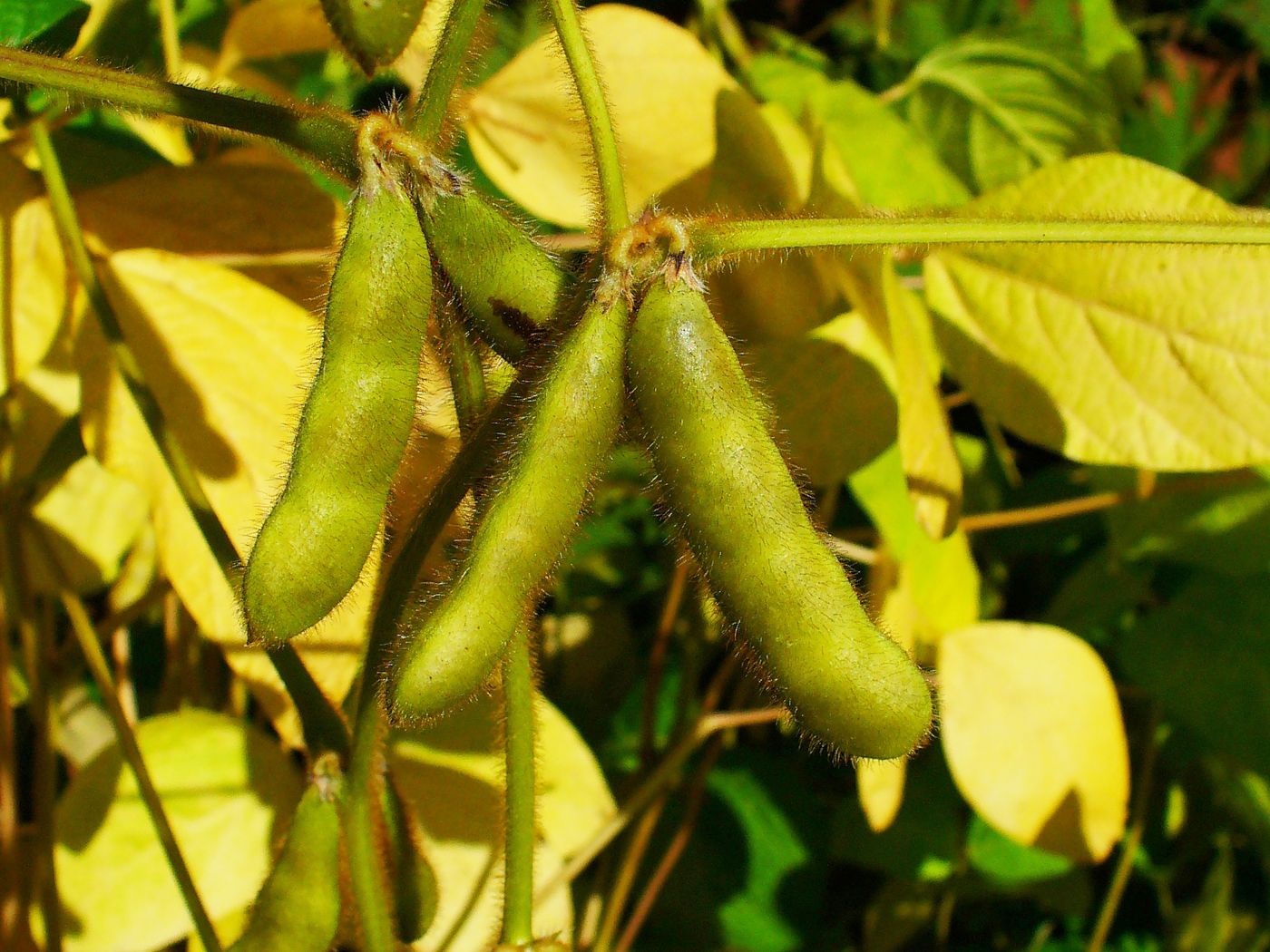 Soybeans대두Dried yellow soybeans, called kong in everyday speech and daedu ("big bean") on labels and in agriculture. They are the quiet foundation of the Korean table: the raw material for jang, tofu, soybean sprouts and soy milk, and a bean cooked into rice and braised as banchan.
 Pork (dwaeji-gogi)돼지고기Korea's most widely eaten meat, prized cut by cut: fatty belly for samgyeopsal, neck for the grill, lean legs for boiled suyuk and stir-fried jeyuk. Pork also anchors Jeju Island's feast cooking.
 Korean radish무A stout, heavy white radish, often tinged pale green near the top. It is cubed for kkakdugi, left whole in the clear brine of dongchimi, shredded into salads and simmered into broths.
 Garlic마늘Used raw, minced, pickled and roasted, garlic is one of the essential aromatics of Korean food — in seasonings, marinades, kimchi and namul.
 Salted fermented shrimp새우젓Tiny shrimp packed in salt and left to ferment — a jeotgal (salted seafood) that seasons kimchi and stews and accompanies boiled pork with briny, savory depth.
 Green onion파Korean green onion (pa), from thick-stemmed daepa to slender scallions — chopped into nearly every seasoning sauce, soup and kimchi, and the star of pa-kimchi.
- Korean Chili Peppers (Fresh)고추Fresh Korean chili peppers, eaten green (putgochu) or red (hong-gochu): from the fiery cheongyang-gochu to the small, wrinkled, mild kkwari-gochu that is braised and stir-fried as banchan.
 Napa cabbage배추The tall, pale, tightly headed cabbage at the heart of Korea's best-known kimchi. Salted, layered with seasoning and left to ferment, it becomes baechu-kimchi; fresh, it goes into soups, wraps and quick salads.
 Sesame참깨Toasted sesame seeds and sesame oil (chamgireum) finish countless Korean dishes, adding a nutty aroma and gloss.
Nutrition
| Calories | ~276 kcal |
|---|---|
| Protein | ~27 g |
| Fat | ~12.3 g |
| Carbohydrates | ~14.3 g |
| Fiber | ~8 g |
| Sodium | ~1156 mg |
Notable forProtein · Dietary fiber · Folate · Potassium
Scaled from the MFDS analysis of home-style kongbiji-jjigae (콩비지찌개; per 100 g: 69 kcal, 6.74 g protein, 3.08 g fat, 3.57 g carbohydrate, 2.0 g fiber, 289 mg sodium, 277 mg potassium, 36 µg DFE folate) to the database's 400 g serving — about 1,110 mg potassium and 145 µg folate. The high fiber is consistent with soybean pulp. MFDS's calculated value for a restaurant bowl (117 mg sodium per 100 ml, 481 ml serving) gives about 560 mg sodium. Actual values vary with ingredients, portion size and preparation.
Health Benefits
- A filling stew that is a good source of protein, fiber, folate and potassium by the MFDS analysis.
- The folk encyclopedia notes that the bulk of the pulp makes the stew satisfying for relatively few calories.
- It turns a by-product of tofu-making into a meal; see food waste and banchan and plant-based Korean eating — omit the pork and use kelp-mushroom stock for a meatless pot.
Regional Variations
- Seoul: made from the biji left over from tofu-making, according to the folk encyclopedia.
- Northern provinces (Hwanghae and Pyeongan): always made from doebiji, freshly ground whole soybeans; a classic version simmers seasoned pork ribs with kimchi and radish before the bean purée goes in, seasoned with salted-shrimp liquid.
- Gyeongsang (bijijang): pulp is squeezed, wrapped in a cotton bag and kept somewhere warm for about a day and a half to ferment, then simmered with anchovy broth, pork and kimchi for a deeper, funkier taste. The Encyclopedia of Korean Culture describes salting the fermented pulp to keep it, noting it cannot be made in hot weather.
Pairings
- Gim Gui (Seasoned Roasted Laver)김구이Sheets of laver brushed with sesame or perilla oil, sprinkled with salt and toasted until crisp — eaten wrapped around spoonfuls of rice.
 Myeolchi Bokkeum멸치볶음Small dried anchovies stir-fried until crisp, then glazed in a sweet soy and garlic syrup — a keeping banchan found in refrigerators across Korea.
 Sigeumchi Namul시금치나물Spinach blanched for a few seconds, squeezed dry and dressed with garlic, soy sauce and sesame — one of the simplest and most familiar namul.
Sources
- 01비지찌개 (Biji-jjigae) — Encyclopedia of Korean Folk Culture (한국의식주생활사전)
- 02비지장 (Bijijang) — Encyclopedia of Korean Culture
- 03콩비지찌개 (Kongbiji-jjigae, home-style and restaurant) — MFDS K-FIND food composition database
- 04Trends in sodium intake and major contributing food groups and dishes in Korea: KNHANES 2013–2017 (Jeong et al., Nutrition Research and Practice, 2021)
- 05Global Perspectives on Allergen Labeling: Harmonization of Regulations and Practices — Allergy, Asthma & Immunology Research, 2025
Last updated