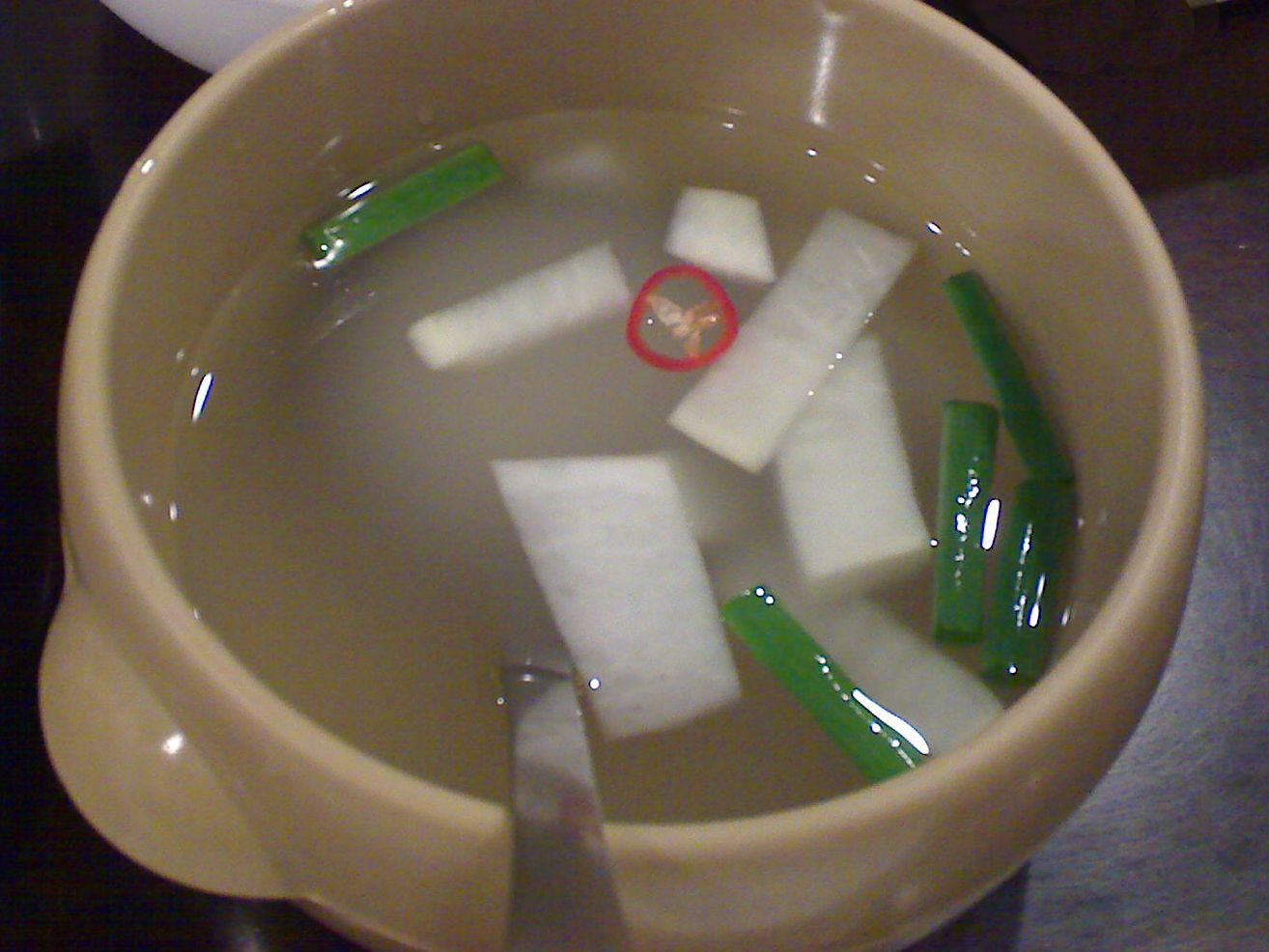
 Photo: karendotcom127, CC BY 2.0, via Wikimedia Commons
Kimchi 김치
Radish Water Kimchi
동치미
Romanization: dongchimi
Whole radishes steeped in a clear salt brine with pear, ginger and green chili — a winter water kimchi whose tangy broth is prized on its own.
- Serves
- 40
- Prep
- 40 min
- Cook
- 0 min
RegionNorthern Provinces (Hwanghae, Pyeongan, Hamgyeong) · Gangwon
Jump to recipeRecipe
Ingredients · Serves 40
- 2 kgSmall Korean radishes (dongchimi-mu) or regular muscrubbed, left whole or halved; greens trimmed
- 50 gCoarse sea salt (non-iodized)for rolling the radishes
- 3.5 LWaterfor the brine
- 50 gCoarse sea salt (non-iodized)for the brine; adjust to taste
- 1 Korean pearabout 250 g, quartered
- 8 clovesGarlicsliced
- 20 gGingersliced
- 4 stalksGreen onionstied into knots
- 5 Green chiliespricked with a skewer
Method
Technique: Making Kimchi
Step 1: Scrub the radishes well; keep the skin on. Halve large radishes lengthwise.
Step 2: Roll the damp radishes in the 50 g of salt, place in a large clean crock or food-grade container and leave overnight (8–12 hours) at cool room temperature.
Step 3: Tie the garlic and ginger in a cheesecloth pouch. Add it to the container with the pear, green onions and chilies.
Step 4: Dissolve the remaining salt in the water and pour it over the radishes, along with any salt and liquid left from rolling. The radishes should be fully submerged; weigh them down with a plate if needed.
Step 5: Cover and leave in a cool spot (ideally below 18°C) for 2–3 days, until the brine turns slightly cloudy and bubbly, then refrigerate.
Step 6: Let it mature in the refrigerator for about 2–3 weeks before serving. Slice the radish and serve chilled with its broth. Remove the aromatics pouch once the flavor is to your liking; discard if mold forms or the radishes turn slimy.
Origin & History
Dongchimi is a winter water kimchi of whole or halved radishes in a clear, lightly salted brine. Old cookbooks record it as dongchim, written with characters for winter or freezing and for steeping.
Before chili peppers spread in Korea, kimchi was preserved with salt, and dongchimi — made with little or no chili — is often seen as close to that older, salt-based form. Yi Gyu-bo's Goryeo-era lines about salting radish to prepare for the depths of winter are thought to refer to dongchimi or a similar salted radish pickle.
The ripened broth is the point of the dish. In the northern provinces, cold noodles served in dongchimi broth were a winter delicacy, and the broth is traditionally sipped alongside rice cakes to refresh the palate.
Key Ingredients
 Korean radish무A stout, heavy white radish, often tinged pale green near the top. It is cubed for kkakdugi, left whole in the clear brine of dongchimi, shredded into salads and simmered into broths.
 Garlic마늘Used raw, minced, pickled and roasted, garlic is one of the essential aromatics of Korean food — in seasonings, marinades, kimchi and namul.
 Ginger생강Fresh ginger root, used in small amounts to brighten kimchi paste and marinades and to tame the strong smells of fish and meat.
 Green onion파Korean green onion (pa), from thick-stemmed daepa to slender scallions — chopped into nearly every seasoning sauce, soup and kimchi, and the star of pa-kimchi.
Nutrition
| Calories | 12 kcal |
|---|---|
| Protein | 0.5 g |
| Fat | 0 g |
| Carbohydrates | 2.7 g |
| Fiber | 0.8 g |
| Sodium | 800 mg |
From the Korean Food Composition Table entry “Kimchi, Dongchimi, Prepared with radish, Without red pepper powder, Watery” (per 100 g: 8 kcal, 533 mg sodium), scaled to the serving size. Homemade batches vary with salting and seasoning. Actual values vary with ingredients, portion size and preparation.
Health Benefits
- Low in calories: radish, pear and aromatics make a very light dish with a little vitamin C and potassium.
- Traditional use: dongchimi broth is customarily paired with rice cakes and rich foods, where it is valued for its refreshing taste and traditionally thought to aid digestion.
- Fermented broth: the brine is fermented by lactic acid bacteria naturally present on the vegetables; research on fermented vegetables and health is ongoing.
Regional Variations
- Northern provinces: dongchimi broth was the classic base for winter cold noodles; Hwanghae lists dongchimi among its signature kimchi.
- Gangwon: dongchimi is among the stored kimchi of the mountainous east, made to last until the following spring.
- Additions: some cooks add a whole napa cabbage, a clear broth or a little cooked glutinous rice to the brine.
Pairings
 Japchae (Glass Noodles with Vegetables)잡채Chewy sweet potato glass noodles tossed with stir-fried vegetables, mushrooms and beef in soy sauce and sesame oil — Korea's essential celebration dish.
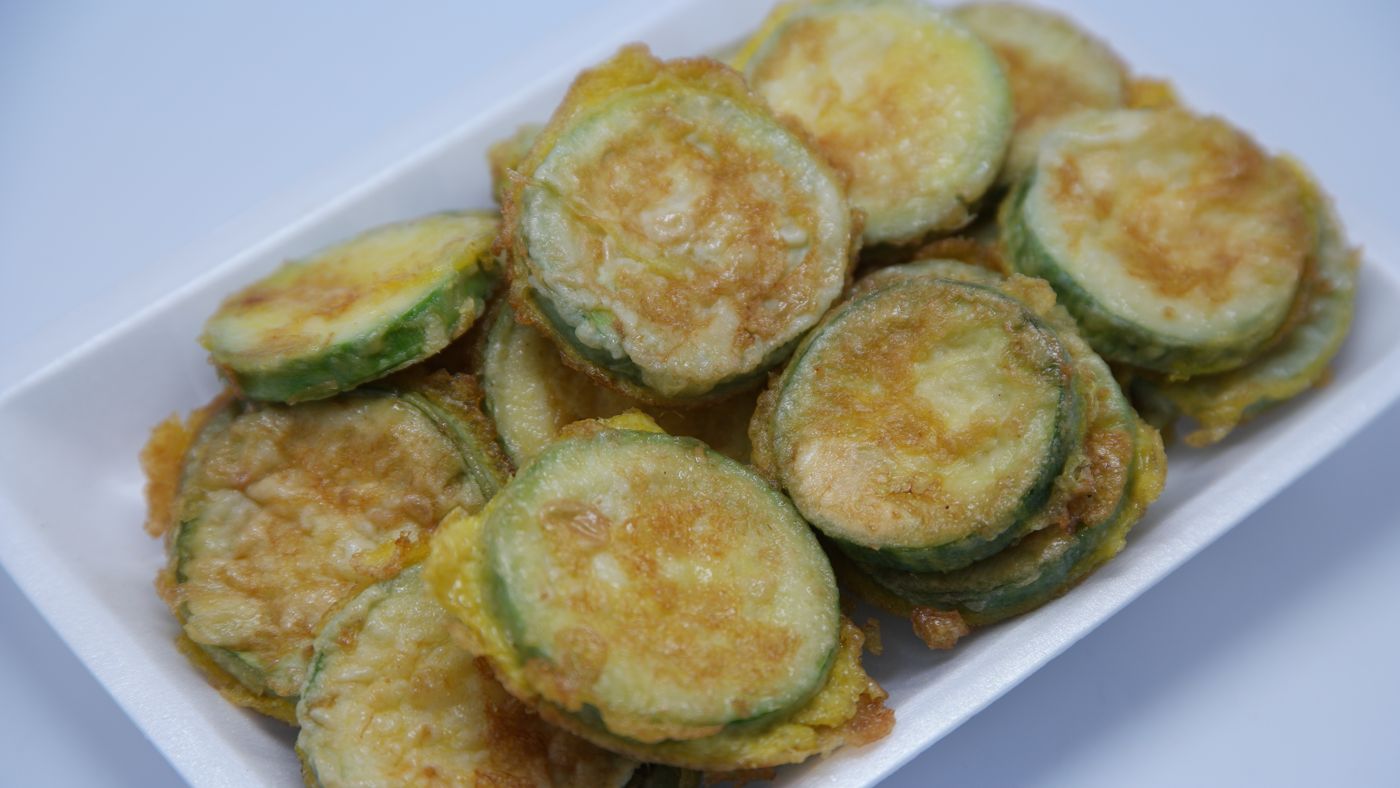 Hobak Jeon (Pan-Fried Zucchini)호박전Rounds of Korean zucchini dusted with flour, dipped in egg and pan-fried until golden — a soft, sweet jeon for holidays and everyday meals.
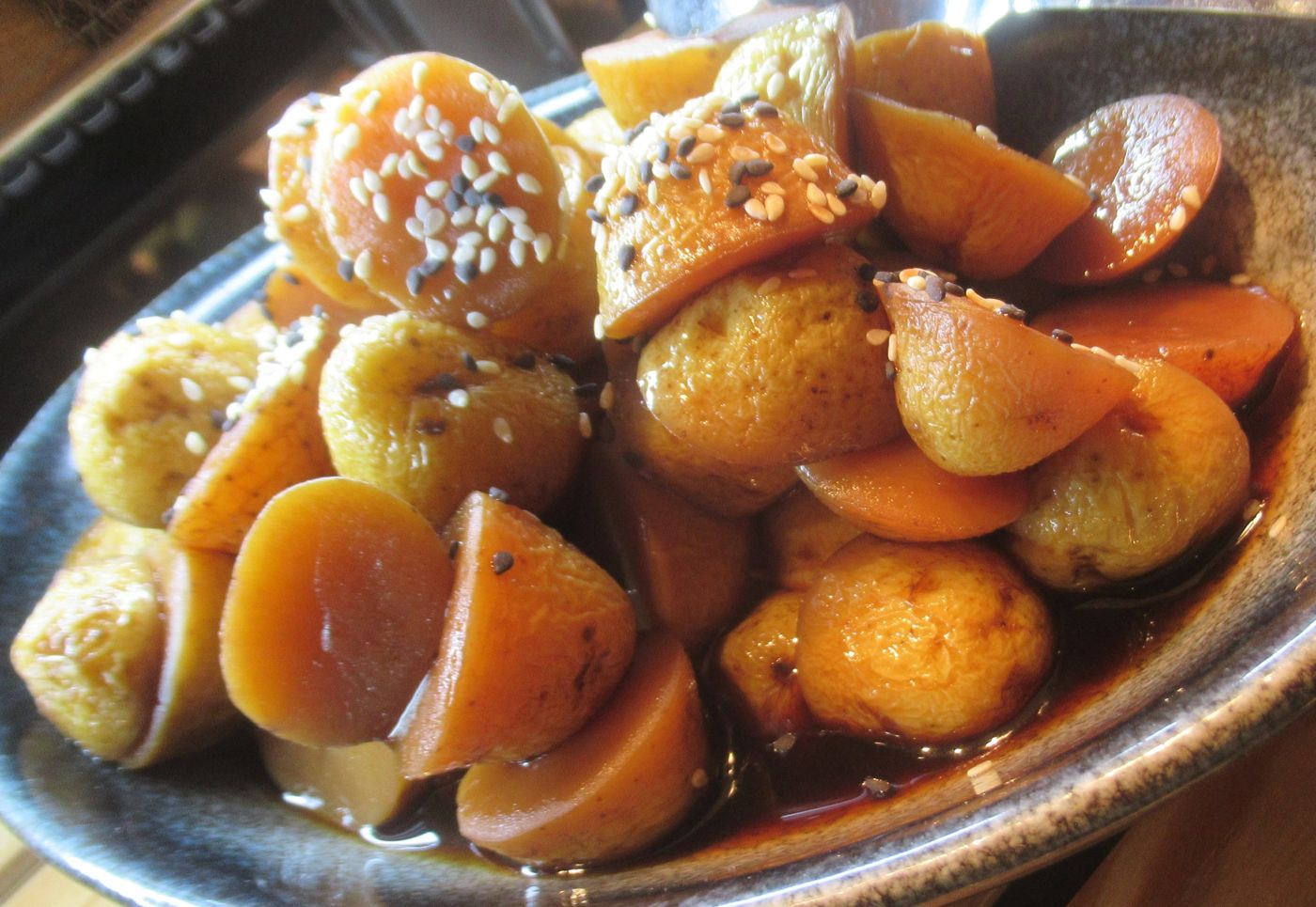 Gamja Jorim감자조림Cubed potatoes simmered in soy sauce, garlic and a touch of sweetness until tender and glossy — a comforting, child-friendly staple of the Korean home table.
Sources
- 01Korean Food Composition Table: Kimchi, Dongchimi, Prepared with radish, Without red pepper powder, Watery — National Institute of Agricultural Sciences
- 02동치미 - 한국민족문화대백과사전 (Encyclopedia of Korean Culture)
- 03김치 - 한국민족문화대백과사전 (Encyclopedia of Korean Culture)
- 04Is my kimchi safe to eat? - Oregon State University Extension Service
Last updated