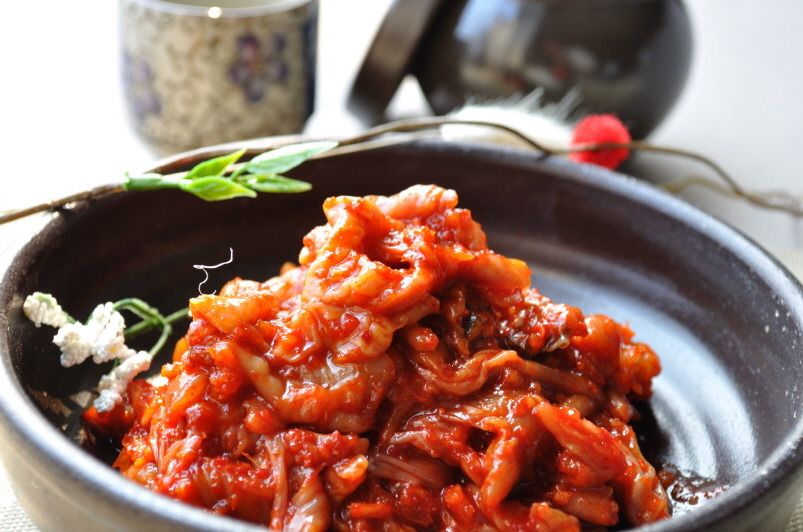
 Photo: kyungeun, CC BY 4.0, via Wikimedia Commons
Jeotgal · Salted seafood 젓갈
Salted Pollock Tripe
창난젓
Romanization: changnan-jeot
Pollock intestines cured in salt, then cut and dressed with chili, garlic and green onion — a chewy, savory East Sea jeotgal, often mixed with radish.
- Serves
- 30
- Prep
- 45 min
- Cook
- 0 min
RegionGangwon · Gangneung · Busan · Seoul & Gyeonggi
Jump to recipeRecipe
Ingredients · Serves 30
- 500 gPollock intestines (changnan), fresh or thawedor 400 g store-bought plain salted changnan; skip steps 1–2
- 100 gCoarse sea salt (cheonilyeom), non-iodizedabout 20% of the intestine weight; plus 2 tbsp for washing
- 200 gKorean radish (mu)julienned; optional
- 1 tspFine saltfor the radish
- 3 tbspGochugaru (Korean chili flakes)
- 1 tbspGarlicminced
- 1 tspGingergrated, or 1 tsp ginger juice
- 2 stalksGreen onionsfinely sliced
- 1 Fresh red chiliminced; optional
- 1 tbspRice or corn syrup (mulyeot)optional
- 1 tspToasted sesame seeds
Method
Technique: Making Jeotgal
Step 1: Dissolve 2 tbsp salt in 1.5 L cold water. Working in a large bowl, run each intestine through your fingers in the brine to push out any contents, trim off fat and dark membrane, and rinse in a second change of brine. Drain well in a colander.
Step 2: Toss the intestines with the measured coarse salt and pack them into a clean glass or ceramic container. Cover tightly and refrigerate (4°C or below) for at least 3 weeks, turning them every few days, until firm, translucent and savory-smelling.
Step 3: When ready to season, rinse the salted intestines and soak in cold water for 20–30 minutes to draw out some salt (taste a piece; soak longer if very salty). Squeeze dry and cut into 3–4 cm lengths.
Step 4: If using radish, toss it with the fine salt for 15 minutes, then squeeze out as much liquid as you can.
Step 5: Toss the intestines with the gochugaru first so the color takes evenly, then add the garlic, ginger, red chili, syrup, green onion, radish and sesame seeds and mix well.
Step 6: Pack into a clean jar, press out air and refrigerate. It is good the next day and mellows over a week. Keep refrigerated, use clean utensils, and eat within about 2–3 weeks; discard if it smells sour or off, turns slimy or shows mold.
Origin & History
Changnan-jeot is jeotgal made from the intestines of the Alaska pollock (myeongtae). It belongs to the pollock tradition of the East Sea coast, where nothing from the fish was wasted: the Encyclopedia of Korean Folk Culture notes that the gills became seogeori-jeot, the roe myeongnan-jeot and the intestines changnan-jeot. As the pollock catch grew, the roe and guts left over from processing were gathered and salted separately.
Fermenting fish guts is far older than pollock fishing. The 6th-century Chinese agricultural manual Qimin yaoshu tells of a Han emperor who, pursuing the “eastern barbarians” to the tip of the Shandong peninsula, traced a fine smell to fishermen burying fish entrails in jars. The folk encyclopedia reads that passage as an early changnan-jeot, but the Encyclopedia of Korean Culture is more careful: those were the guts of whatever fish was caught in surplus, not necessarily pollock. Since pollock only became a regular part of the Korean diet in the middle of the Joseon dynasty, it dates changnan-jeot proper to that period or later.
Production was centered on the Gangwon coast, with smaller amounts along the Incheon–Gyeonggi shore and the south coast around Busan; Gangneung changnan-jeot is known for its aroma, chewy bite and reddish-gray color. Makers prize intestines from fresh (not frozen) pollock and those cleaned by hand rather than by machine. Today it is sold everywhere, whole or cut into short, ready-seasoned lengths.
Key Ingredients
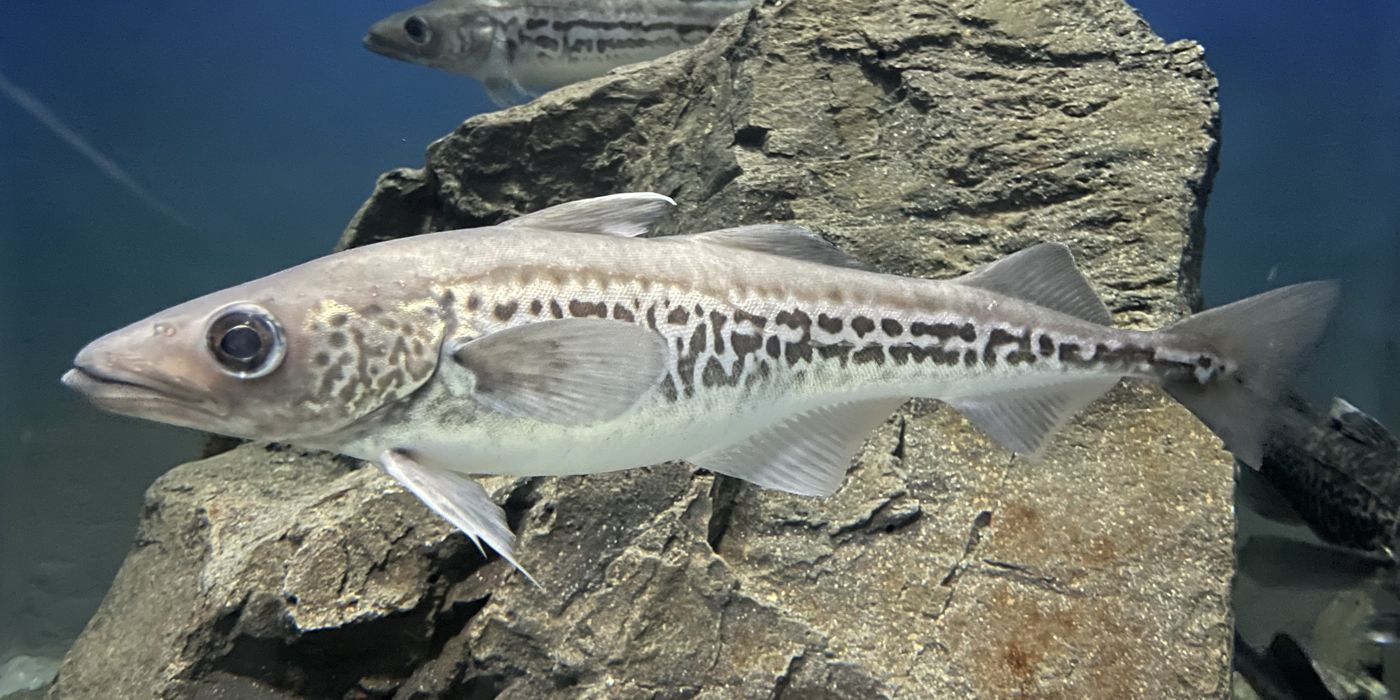 Alaska pollock (myeongtae)명태A lean, mild cold-water fish that Koreans know by a dozen names, depending on how it has been frozen, dried or salted. Dried bugeo simmers into a clear hangover soup, and its roe becomes myeongnan-jeot.
 Sun-Dried Sea Salt천일염Coarse sea salt made by evaporating seawater with sun and wind in tidal-flat salt pans, most of it from Sinan County off Korea's southwest coast. It is the everyday salt for salting cabbage and making jang.
 Korean radish무A stout, heavy white radish, often tinged pale green near the top. It is cubed for kkakdugi, left whole in the clear brine of dongchimi, shredded into salads and simmered into broths.
 Gochugaru고춧가루Korean red chili powder, made from dried red peppers ground coarse or fine. It gives kimchi, gochujang and countless banchan their color and warmth.
 Garlic마늘Used raw, minced, pickled and roasted, garlic is one of the essential aromatics of Korean food — in seasonings, marinades, kimchi and namul.
 Ginger생강Fresh ginger root, used in small amounts to brighten kimchi paste and marinades and to tame the strong smells of fish and meat.
 Green onion파Korean green onion (pa), from thick-stemmed daepa to slender scallions — chopped into nearly every seasoning sauce, soup and kimchi, and the star of pa-kimchi.
- Korean Chili Peppers (Fresh)고추Fresh Korean chili peppers, eaten green (putgochu) or red (hong-gochu): from the fiery cheongyang-gochu to the small, wrinkled, mild kkwari-gochu that is braised and stir-fried as banchan.
 Korean grain syrup물엿A clear, glossy syrup used to sweeten and glaze braised and stir-fried banchan. Its traditional relative, jocheong, is a darker malt syrup made by slowly boiling down saccharified rice.
 Sesame참깨Toasted sesame seeds and sesame oil (chamgireum) finish countless Korean dishes, adding a nutty aroma and gloss.
Nutrition
| Calories | 29 kcal |
|---|---|
| Protein | 2.2 g |
| Fat | 0.2 g |
| Carbohydrates | 4.4 g |
| Fiber | 0 g |
| Sodium | 388 mg |
Notable forVitamin B12 · Iodine · Selenium
From the Korean Food Composition Table entry “Alaska pollock edible offal, Viscera, Seasoned, Salt-fermented” (명태, 내장, 양념젓갈(창난젓); per 100 g: 143 kcal, 10.8 g protein, 22.2 g carbohydrate including 14.4 g sugars, 1,940 mg sodium, 3.86 µg vitamin B12, 166 µg iodine, 46.7 µg selenium, 145 mg cholesterol), scaled to the serving size. The sample's sugar reflects commercial seasoning; homemade versions vary. Actual values vary with ingredients, portion size and preparation.
Health Benefits
- Protein in a small portion: the folk encyclopedia puts the protein content of changnan-jeot at about 11.5%, and during fermentation the gut's own enzymes break much of it down into the amino acids and peptides that give it its savory depth.
- B12, iodine and selenium: in the composition table, a 20 g serving supplies about 0.8 µg of vitamin B12, 33 µg of iodine and 9 µg of selenium.
- Omega-3s — in small amounts: Korean references note that DHA and EPA make up an unusually large share of its fat, but the fat content is low, so a serving contains only around 15–20 mg of the two combined by the table's figures.
Regional Variations
- Gangneung and the Gangwon coast: the heartland — long-cured, distinctly aromatic and pleasantly chewy.
- Industrial method: intestines are washed and soaked in about 3% brine, drained, packed with roughly 25% salt and aged for about three months in a cool place before seasoning.
- With radish: a 1950s cookbook by Bang Sin-yeong suggests mixing it into kkakdugi, or folding salted, squeezed radish strips through seasoned changnan-jeot and leaving it a week before eating.
- Quick seasoning: the Encyclopedia of Korean Culture describes cutting the intestines into 3–4 cm lengths, coloring them first with chili powder, then adding minced red chili, garlic, green onion and ginger juice.
Pairings
 Cubed Radish Kimchi깍두기Korean radish cut into neat cubes and tossed with chili, garlic and salted shrimp — crunchy, juicy and a classic partner to rich soups.
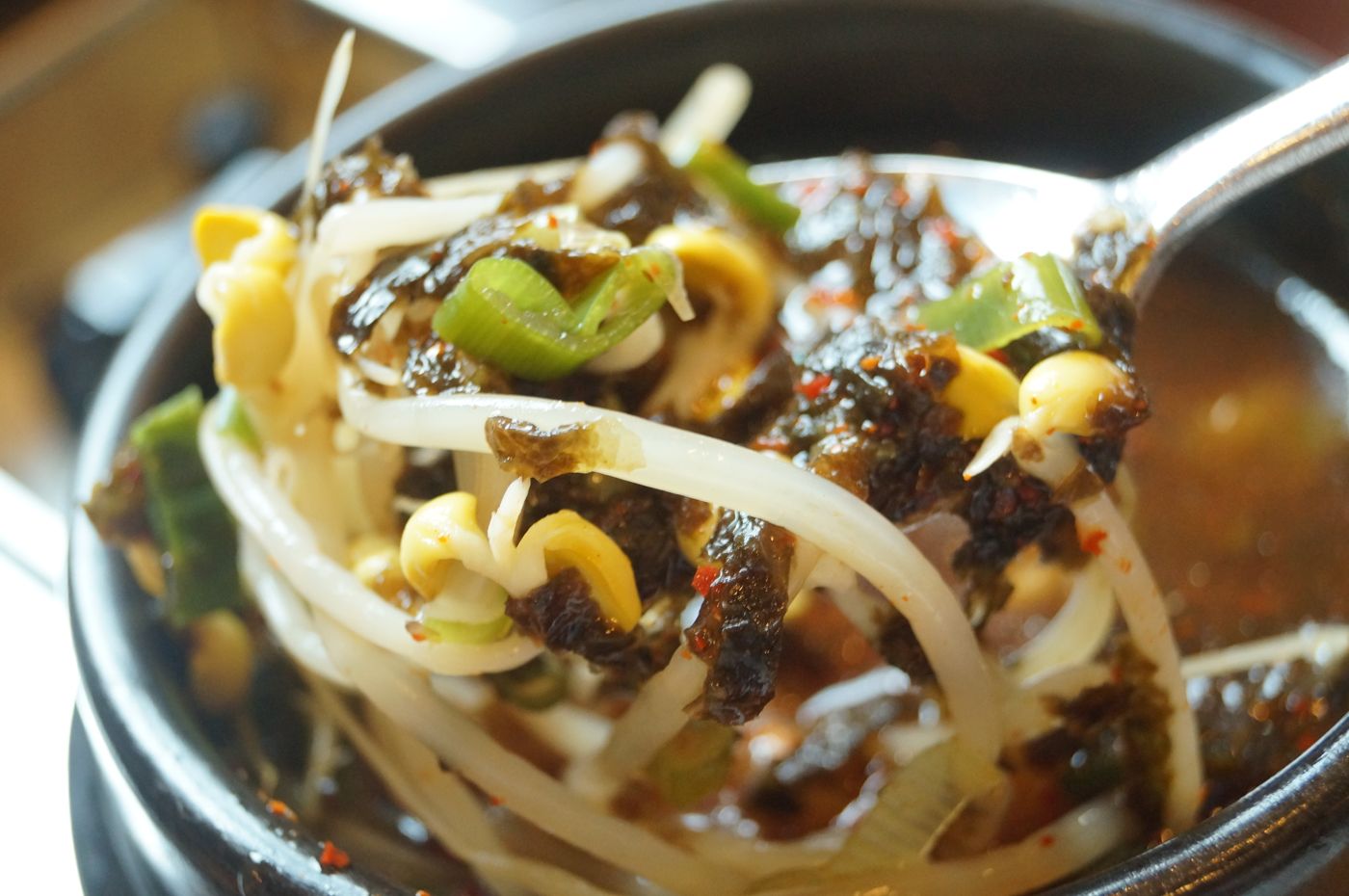 Kongnamul Guk (Soybean Sprout Soup)콩나물국A clear, light soup of soybean sprouts in anchovy-kelp stock, seasoned with salt or soup soy sauce — an everyday guk and a favorite morning-after cure.
- Gim Gui (Seasoned Roasted Laver)김구이Sheets of laver brushed with sesame or perilla oil, sprinkled with salt and toasted until crisp — eaten wrapped around spoonfuls of rice.
 Gyeran Jjim (Steamed Egg)계란찜Eggs whisked with water or broth and gently steamed into a silky, savory custard, often seasoned with salted shrimp and served bubbling hot.
Sources
- 01Korean Food Composition Table: Alaska pollock edible offal, Viscera, Seasoned, Salt-fermented — National Institute of Agricultural Sciences
- 02창난젓 - 한국민족문화대백과사전 (Encyclopedia of Korean Culture)
- 03창난젓 - 한국민속대백과사전 (Encyclopedia of Korean Folk Culture)
- 04Selecting and Serving Fresh and Frozen Seafood Safely - U.S. Food and Drug Administration
- 05Sodium in Your Diet - U.S. Food and Drug Administration
Last updated