Guk & Tang · Soups 국·탕
Mu Guk (Beef and Radish Soup)
뭇국
Romanization: mu-guk
Thin squares of Korean radish and beef stir-fried in sesame oil, then simmered into a clear, gently sweet broth seasoned with soup soy sauce — a year-round everyday guk.
- Serves
- 4
- Prep
- 15 min
- Cook
- 35 min
RegionGyeongsang
Jump to recipeRecipe
Ingredients · Serves 4
- 400 gKorean radish (mu)cut into thin 3 cm squares
- 150 gBeef brisket or shankthinly sliced into bite-size pieces
- 1 tbspToasted sesame oil
- 1½ tbspSoup soy sauce (guk-ganjang)plus salt to taste
- 2 clovesGarlicminced
- 1 pieceDashima (kelp)about 10 cm square, optional
- 1.5 lWater
- 1 stalkGreen onionabout 20 g, sliced
Method
Technique: Making Guk and Jjigae, Making Yuksu: Anchovy-Kelp Stock
Step 1: Toss the beef with ½ tbsp of the soup soy sauce and the garlic.
Step 2: Heat the sesame oil in a pot over medium heat. Stir-fry the beef until it is no longer red, then add the radish and stir-fry 3–4 minutes, until the edges turn translucent.
Step 3: Pour in the water and add the dashima, if using. Bring to a boil and skim off the foam. Remove the dashima after 10 minutes.
Step 4: Simmer about 20 minutes, until the radish is soft and the broth tastes sweet.
Step 5: Season with the remaining soup soy sauce and salt to taste, add the green onion and simmer 1 minute. Serve with rice.
Origin & History
Mu-guk (also spelled muguk) is soup with Korean radish as its main ingredient. Radish is prized in Korean cooking for two qualities: eaten raw in season it is crisp and sweet, and simmered it gives a broth what cooks call a siwonhan taste — clean and refreshing. The Encyclopedia of Korean Folk Culture notes that radish is generally thought to have arrived from China in the Goryeo period and spread from there into kimchi, salads, braises and soups.
The best-known version pairs radish with beef as a clear soup (malgeun-janguk) seasoned with soy sauce. Lee Yong-gi's 1924 cookbook Joseon mussang sinsik yori jebeop gives a clear soup of thin-sliced beef and blanched radish seasoned with soy sauce, green onion, garlic, pepper, sesame oil and sesame salt, stir-fried in the pot and then simmered long in water. The folk encyclopedia records other names for it, including sogogi malgeun-janguk and mu-hwangbokki-tang, from hwangyuk, an old word for beef.
Because radish keeps well through the winter, mu-guk turns up on the table in every season, though autumn and winter radishes are the sweetest. It is the kind of soup that rarely gets written about precisely because it is cooked so often.
Key Ingredients
 Korean radish무A stout, heavy white radish, often tinged pale green near the top. It is cubed for kkakdugi, left whole in the clear brine of dongchimi, shredded into salads and simmered into broths.
 Soy sauce간장Korean soy sauce, in two main kitchen forms: pale, salty guk-ganjang (soup soy sauce) brewed the traditional way from meju, and darker, sweeter jin-ganjang for braises and marinades.
 Garlic마늘Used raw, minced, pickled and roasted, garlic is one of the essential aromatics of Korean food — in seasonings, marinades, kimchi and namul.
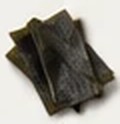 Dashima (dried kelp)다시마Thick, dried kelp that gives Korean broths their quiet savory depth. Beyond the stockpot it is fried into crisp twigak, simmered into soy-glazed side dishes and used as a wrap.
 Green onion파Korean green onion (pa), from thick-stemmed daepa to slender scallions — chopped into nearly every seasoning sauce, soup and kimchi, and the star of pa-kimchi.
 Sesame참깨Toasted sesame seeds and sesame oil (chamgireum) finish countless Korean dishes, adding a nutty aroma and gloss.
Nutrition
| Calories | ~121 kcal |
|---|---|
| Protein | ~9 g |
| Fat | ~7.1 g |
| Carbohydrates | ~6.1 g |
| Fiber | ~1.3 g |
| Sodium | ~584 mg |
Notable forProtein · Potassium
Estimated by summing ingredient values and dividing by four, before any salt added to taste. Korean radish and soup soy sauce: Korean Food Composition Table (무, F065002B090a; 국간장, R0010030009a); beef brisket: USDA FDC 168743; sesame oil: FDC 171016; garlic and green onion from USDA. The MFDS analysis of home-style beef mu-guk (15 kcal and 166 mg sodium per 100 g) gives about 60 kcal and 660 mg sodium for its 400 g serving, with less beef and oil than this recipe. Actual values vary with ingredients, portion size and preparation.
Health Benefits
- Low in calories, with protein from the beef; radish contributes potassium and some vitamin C, by the Korean food composition table.
- A light, mild soup that suits almost any meal and is easy to eat.
Regional Variations
- Sogogi mu-guk: the standard clear beef version. For a clearer broth, some cooks simmer brisket whole, add large chunks of radish partway through and slice the meat afterward.
- Gyeongsang style: the folk encyclopedia notes that cooks in the southeast add gochugaru to the clear soup for a spicy, sharp version.
- Other partners: squid, ground perilla seed (deulkkae mu-guk), fish cake and mussels; the MFDS food database analyzes several of these separately.
- Cutting: flat squares (nabak-sseolgi) are standard; radish shaved like a pencil suits long simmering, and thin matchsticks suit the perilla version.
Pairings
 Gyeran Mari (Rolled Omelet)계란말이Beaten egg cooked in thin layers and rolled into a soft, striped log, then sliced — a gentle, everyday banchan and a lunchbox classic.
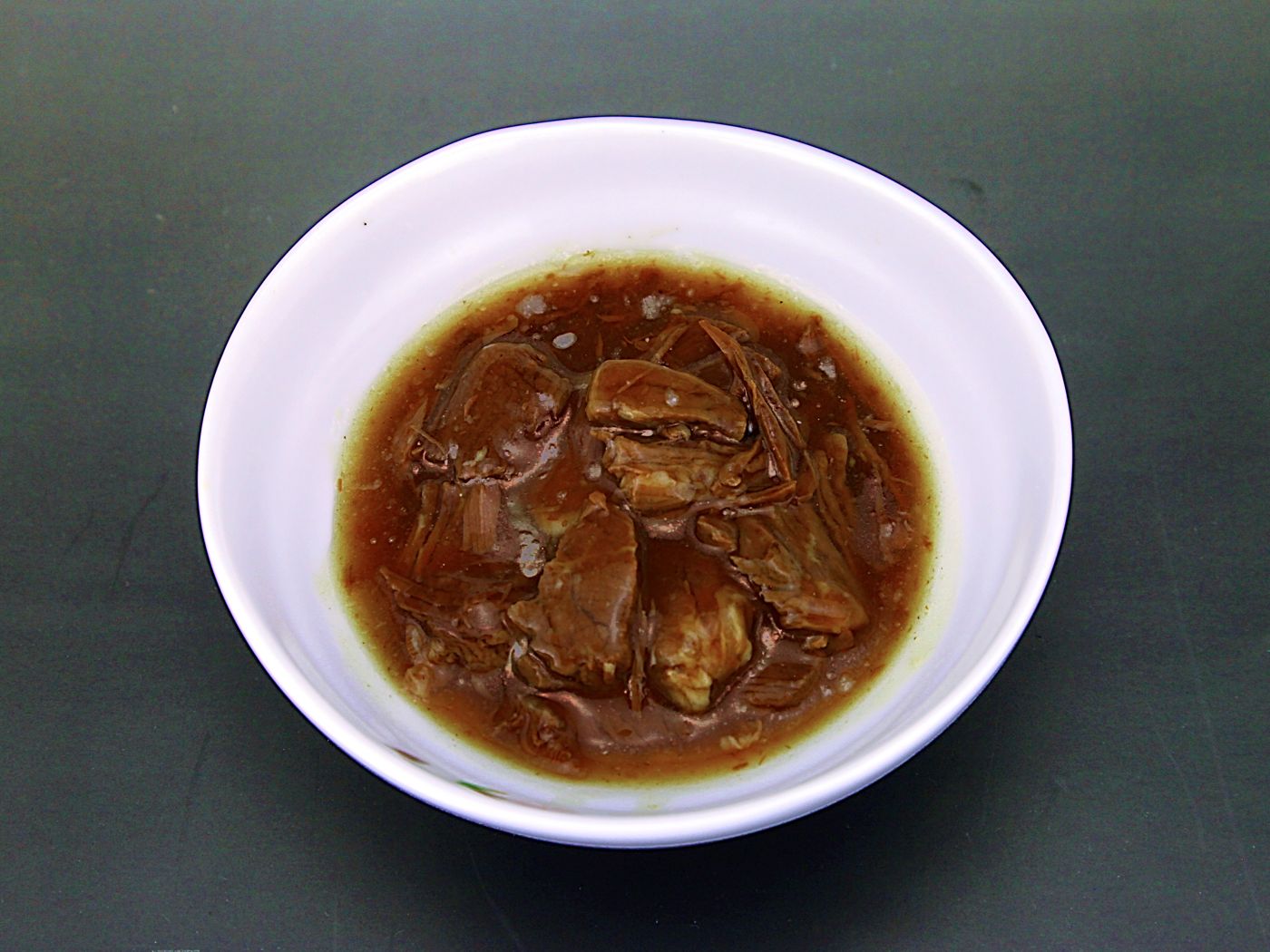 Jangjorim장조림Lean beef simmered in soy sauce until tender, then torn into strands and served in its savory broth, often with eggs, garlic and mild peppers.
 Sigeumchi Namul시금치나물Spinach blanched for a few seconds, squeezed dry and dressed with garlic, soy sauce and sesame — one of the simplest and most familiar namul.
 Napa Cabbage Kimchi배추김치Salted napa cabbage layered with a red paste of chili, garlic, ginger and fermented seafood, then left to ripen: the kimchi most people picture first.
Sources
- 01뭇국 (Mu-guk) — Encyclopedia of Korean Folk Culture (한국의식주생활사전)
- 02갈비탕 (Galbitang, with Lee Yong-gi's 1924 malgeun-janguk recipe) — Encyclopedia of Korean Folk Culture (한국의식주생활사전)
- 03무국_소고기 (Beef mu-guk, home-style, analyzed) — MFDS K-FIND food composition database
- 04Radish (Mu), Korean radish, Root, Raw — Korean Food Composition Table
- 05Trends in sodium intake and major contributing food groups and dishes in Korea: KNHANES 2013–2017 (Jeong et al., Nutrition Research and Practice, 2021)
Last updated