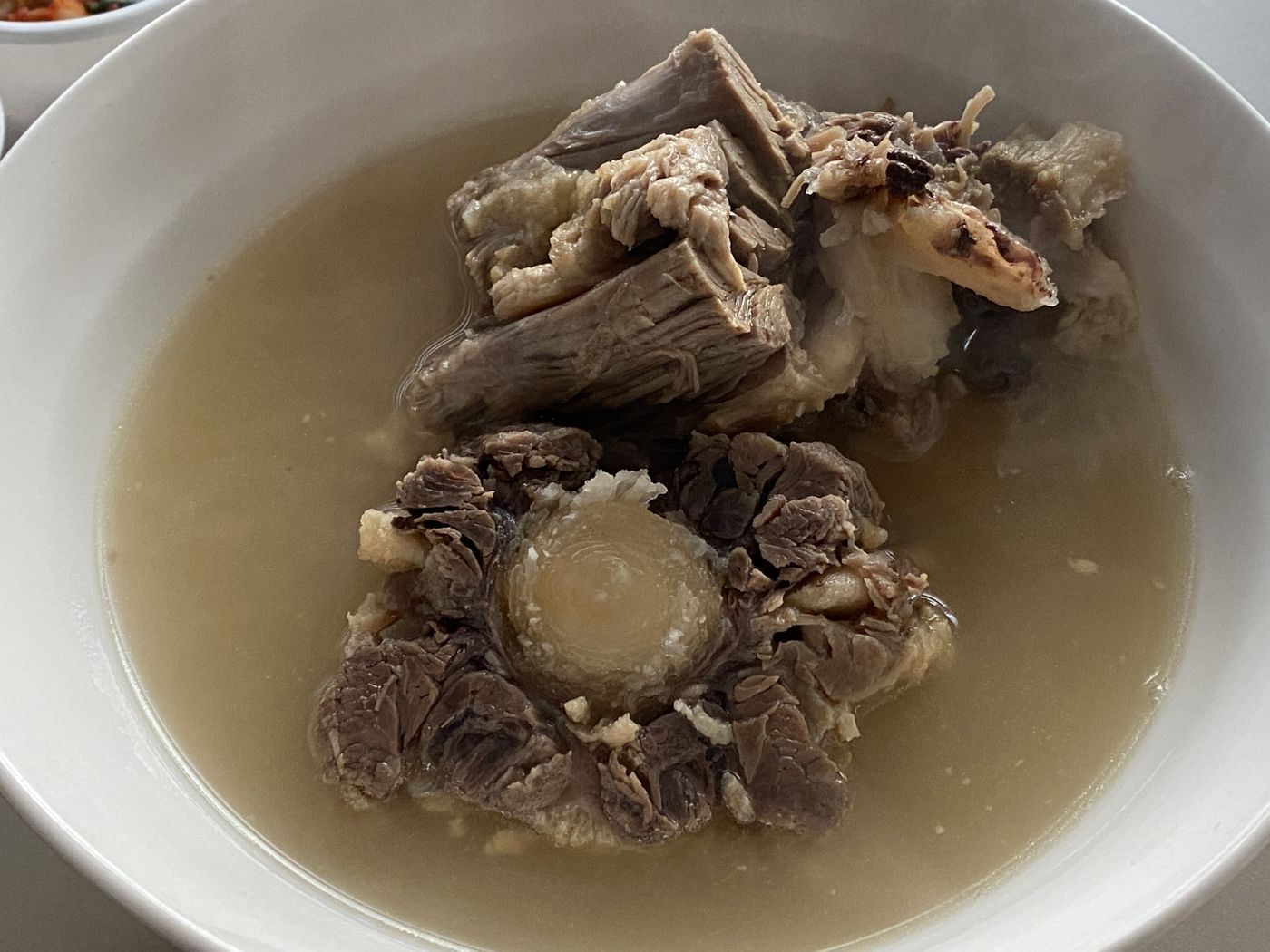
 Photo: lazy fri13th, CC BY 2.0, via Wikimedia Commons
Guk & Tang · Soups 국·탕
Kkori-gomtang (Oxtail Soup)
꼬리곰탕
Romanization: kkori-gomtang
Oxtail simmered for hours until the meat slips from the bone, in a rich, savory broth ladled over rice. A gomtang built on a single cut.
- Serves
- 4
- Prep
- 30 min
- Cook
- 270 min
Recipe
Ingredients · Serves 4
- 1.5 kgOxtailcut into joints by the butcher
- 300 gKorean radishone chunk
- 1 Onionhalved
- 8 clovesGarlic
- 15 gGingersliced
- 3 stalksGreen onion1 for the pot, 2 chopped for serving
- 4 lWater
- to tasteSea salt
- to tasteGround black pepper
- 4 bowlsCooked short-grain rice
Method
Technique: Making Yuksu: Anchovy-Kelp Stock, Making Guk and Jjigae
Step 1: Soak the oxtail in cold water for 1–2 hours, changing the water a couple of times, until the water runs mostly clear.
Step 2: Put the oxtail in a large pot, cover with water, boil for 10 minutes and drain. Rinse each piece under running water to wash away foam and impurities, and scrub the pot.
Step 3: Return the oxtail to the clean pot with 4 liters of fresh water, the onion, garlic, ginger and the whole green onion. Bring to a boil, then lower to a gentle simmer, partly covered.
Step 4: After about 1½ hours add the radish. Keep simmering for 2–3 hours more, skimming now and then, until the meat is nearly falling off the bone. Top up with hot water if the level drops below the meat.
Step 5: Lift out the oxtail and radish. Strain the broth, chill it if you have time, and lift off the solid fat. Cut the radish into squares.
Step 6: Reheat the broth with the oxtail and radish. Serve over rice with chopped green onion and pepper, adding salt at the table so each person can season to taste.
Origin & History
Oxtail has a place in Korea's soup tradition going back at least to the late nineteenth century. The cookbook Siuijeonseo, as summarized by the Encyclopedia of Korean Folk Culture, lists tail (kkori) among the things simmered in a big cauldron with leg bones, shank, knuckle, tripe, abalone and sea cucumber for a thick white goeum soup, the forerunner of gomtang. A Korean food-culture dictionary entry on gomtang adds that sagol-gomtang, kkori-gomtang and yang-gomtang grew out of exactly this practice of adding particular cuts.
As a dish of its own, oxtail soup is cooked simply. The Korea Tourism Organization's recipe gives a single short instruction: chop the oxtail and boil it in water until the meat is soft enough to come away from the bone naturally, then eat it with a steaming bowl of rice. Everything else, from the clarity of the broth to the seasoning, is left to the cook.
English menus often translate gomtang itself as "oxtail soup," which is why this specific dish is easily confused with the general one. A Korea Times report on menu mistranslations called that label not entirely wrong, since tail bones are often used, but inaccurate for gomtang in general. A Michelin Guide feature adds that in the regional styles of Hyeonpung (Daegu) and Masan, bones such as oxtail and shank bones are added to the pot to produce a milky, rich broth.
Key Ingredients
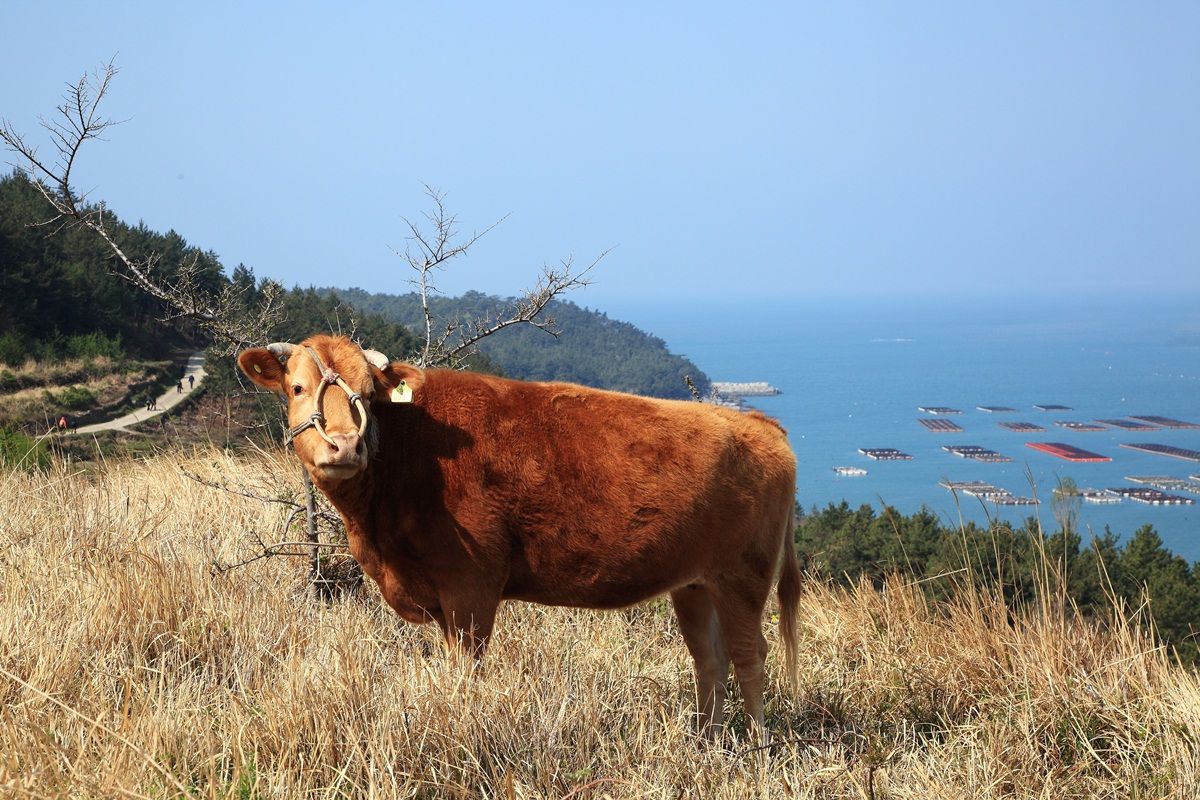 Hanu (Korean native beef)한우Beef from Korea's native cattle, most of them a warm yellow-brown, prized for rich marbling and a deep, beefy flavor. Hanu is the premium beef for grilling, braised galbi-jjim, holiday gift sets and ancestral-rite dishes.
 Korean radish무A stout, heavy white radish, often tinged pale green near the top. It is cubed for kkakdugi, left whole in the clear brine of dongchimi, shredded into salads and simmered into broths.
 Garlic마늘Used raw, minced, pickled and roasted, garlic is one of the essential aromatics of Korean food — in seasonings, marinades, kimchi and namul.
 Ginger생강Fresh ginger root, used in small amounts to brighten kimchi paste and marinades and to tame the strong smells of fish and meat.
 Green onion파Korean green onion (pa), from thick-stemmed daepa to slender scallions — chopped into nearly every seasoning sauce, soup and kimchi, and the star of pa-kimchi.
 Yangpa (onion)양파The bulb onion, literally the "Western scallion." A latecomer to Korea, it is now everywhere: sweetening stir-fries and braises, pickled in soy sauce as yangpa-jangajji, and served raw beside grilled meat.
 Rice쌀Short, round grains of japonica rice that cook up glossy, soft and gently clinging. Steamed white rice, bap, is the center of the Korean table: every banchan, soup and stew is planned to be eaten with it.
Nutrition
Nutrition information is being prepared.
Health Benefits
- Protein: oxtail meat is rich in protein; USDA's survey (FNDDS) entry for beef oxtails lists about 26 g of protein per 100 g.
- Restorative reputation: like other gomtang, it is traditionally regarded in Korea as a restorative food. This is cultural belief, not a clinical claim.
- Skimming matters: most of the rendered fat sets on top of a chilled pot, so lifting it off removes much of what the cut contributes.
Regional Variations
- Hyeonpung and Masan styles: per the Michelin feature, both regional gomtang styles use bones including oxtail and shank bones for a white, rich broth.
- Clear or milky: the same feature contrasts those milky styles with the light, clean broth of Naju gomtang, whose cooks chill the pot overnight and skim off the yellow fat; a home cook can choose either direction.
- With rice: the Korea Tourism Organization's recipe pairs the soup with a bowl of rice; in restaurants, as the folk encyclopedia describes for gomtang generally, the rice is served in the soup.
Pairings
 Cubed Radish Kimchi깍두기Korean radish cut into neat cubes and tossed with chili, garlic and salted shrimp — crunchy, juicy and a classic partner to rich soups.
 Napa Cabbage Kimchi배추김치Salted napa cabbage layered with a red paste of chili, garlic, ginger and fermented seafood, then left to ripen: the kimchi most people picture first.
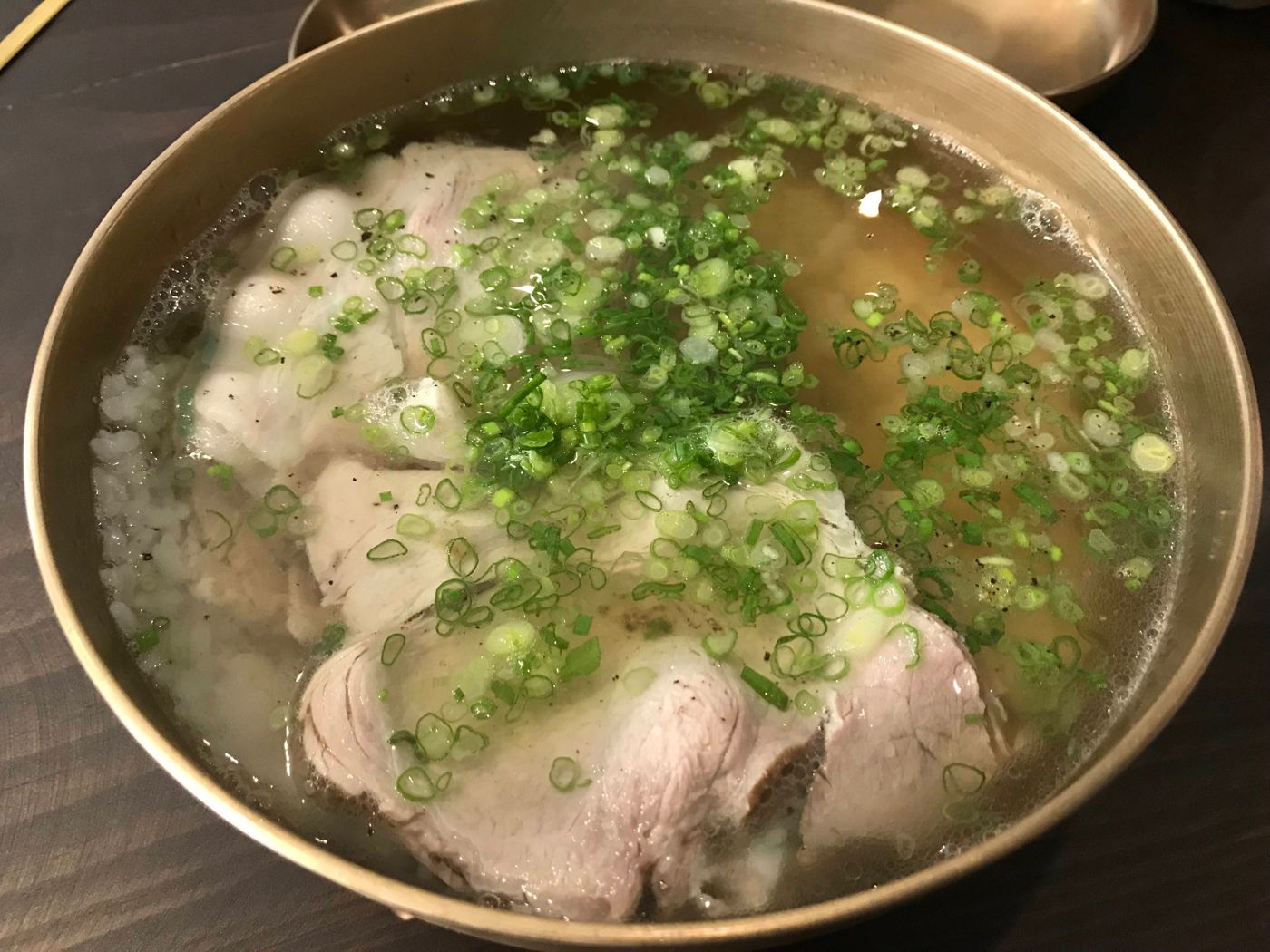 Gomtang (Beef Bone and Brisket Soup)곰탕A long-simmered beef soup, usually built on brisket, shank and offal and served over rice, with a broth that is lightly salted at the table. A pillar of the Korean gukbap tradition.
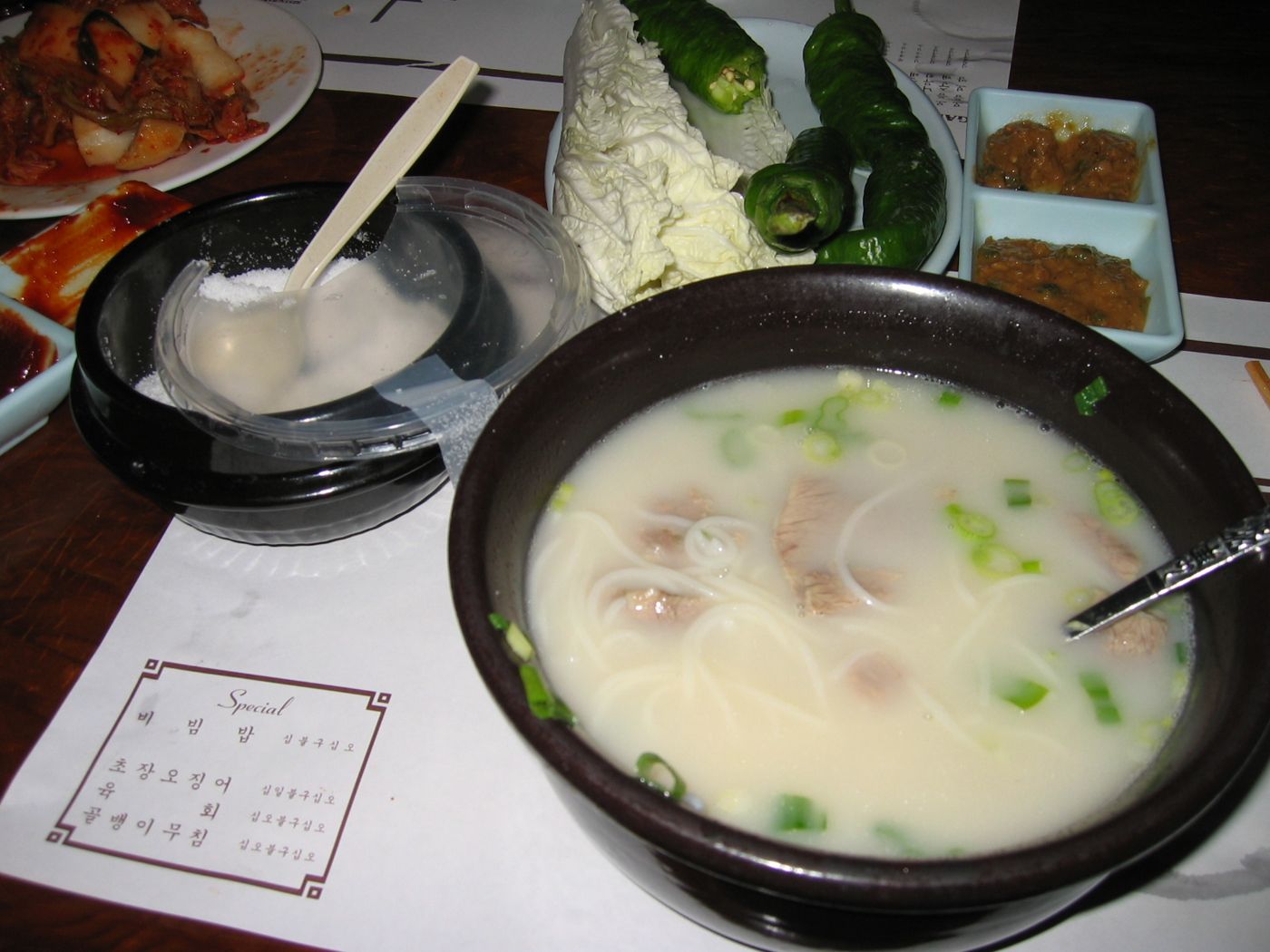 Seolleongtang (Ox Bone Soup)설렁탕Ox bones and beef simmered for hours into a milky-white broth, served unsalted over rice with sliced meat — each diner seasons it at the table.
Sources
- 01Oxtail Soup (꼬리곰탕 / Kkorigomtang) — Korea Tourism Organization (VisitKorea)
- 02곰탕 (Gomtang) — Encyclopedia of Korean Folk Culture (한국민속대백과사전)
- 03곰탕 (Gomtang), Korean food cultural dictionary entry — Encyclopedia of Korean Folk Culture (한국민속대백과사전)
- 04한국의 솔 푸드, 곰탕 vs 설렁탕 — MICHELIN Guide Korea
- 05Korea to fix mistranslations on English menu — The Korea Times
- 06Beef, oxtails (FNDDS) — USDA FoodData Central
Last updated