Jorim · Braised 조림
Mu Jorim (Braised Radish)
무조림
Romanization: mu-jorim
Thick rounds of Korean radish simmered in anchovy stock with soy sauce and chili until tender, sweet and amber — humble, warming winter banchan.
- Serves
- 4
- Prep
- 10 min
- Cook
- 35 min
Recipe
Ingredients · Serves 4
- 600 gKorean radishpeeled, cut into 1.5 cm half-moons
- 500 mlAnchovy-kelp stockor water
- 10 Dried anchovies (for stock)heads and guts removed
- 1 pieceDashima (kelp, for stock)10 cm square
- 3 tbspSoy sauce
- 1 tbspGochugaruoptional
- 1 tbspSugar
- 1 tbspGarlicminced
- 1 stalkGreen onionsliced
- 1 tspToasted sesame oil
- 1 tspToasted sesame seeds
Method
Technique: Jorim: Braising in Seasoned Liquid, Making Yuksu: Anchovy-Kelp Stock
Step 1: Make the stock: simmer the anchovies and kelp in about 600 ml water for 10 minutes, removing the kelp after 5 minutes. Strain out the anchovies; you need about 500 ml.
Step 2: Mix the soy sauce, gochugaru, sugar and garlic into the stock.
Step 3: Arrange the radish in a single layer in a wide pot, pour over the seasoned stock and bring to a boil.
Step 4: Cover, lower the heat to medium-low and simmer for 15 minutes, until the radish begins to turn translucent.
Step 5: Uncover and continue simmering for 10–15 minutes, turning the pieces once and spooning the liquid over them, until the radish is tender to a chopstick and only a few spoonfuls of glossy sauce remain.
Step 6: Add the green onion for the last minute, then finish with sesame oil and sesame seeds. Serve warm; leftovers keep 3–4 days in the refrigerator and taste even better the next day.
Origin & History
Korean radish (mu) has been one of the country's most important vegetables for centuries. The Encyclopedia of Korean Folk Culture counts it with napa cabbage, chili and garlic among the vegetables Koreans eat most, and notes that because radish can be grown late into the year and stored all winter in pits, it carried households through the lean months. The Dongui bogam of 1613 calls it a vegetable that can be grown anywhere in Korea and eaten at any time, and Naju radish was famous enough for Heo Gyun to compare it to pears for sweetness and juiciness.
Jorim — simmering an ingredient in seasoned liquid until almost none is left — is a relatively young term. The Encyclopedia of Korean Culture notes that the word first appears in the Siuijeonseo, in a recipe for beef braised in soy sauce, and the folk-culture encyclopedia records that palace cooks called such dishes jorigae or jorini. Radish has long been laid under fish in the pot for saengseon-jorim, soaking up the sauce, and it is often the part diners reach for first.
Mu-jorim, which the National Institute of Korean Language simply defines as radish sliced and braised with seasonings, makes the radish the star. Firm, sweet autumn and winter radish is the usual choice.
Key Ingredients
 Korean radish무A stout, heavy white radish, often tinged pale green near the top. It is cubed for kkakdugi, left whole in the clear brine of dongchimi, shredded into salads and simmered into broths.
 Soy sauce간장Korean soy sauce, in two main kitchen forms: pale, salty guk-ganjang (soup soy sauce) brewed the traditional way from meju, and darker, sweeter jin-ganjang for braises and marinades.
 Gochugaru고춧가루Korean red chili powder, made from dried red peppers ground coarse or fine. It gives kimchi, gochujang and countless banchan their color and warmth.
 Garlic마늘Used raw, minced, pickled and roasted, garlic is one of the essential aromatics of Korean food — in seasonings, marinades, kimchi and namul.
 Green onion파Korean green onion (pa), from thick-stemmed daepa to slender scallions — chopped into nearly every seasoning sauce, soup and kimchi, and the star of pa-kimchi.
 Sesame참깨Toasted sesame seeds and sesame oil (chamgireum) finish countless Korean dishes, adding a nutty aroma and gloss.
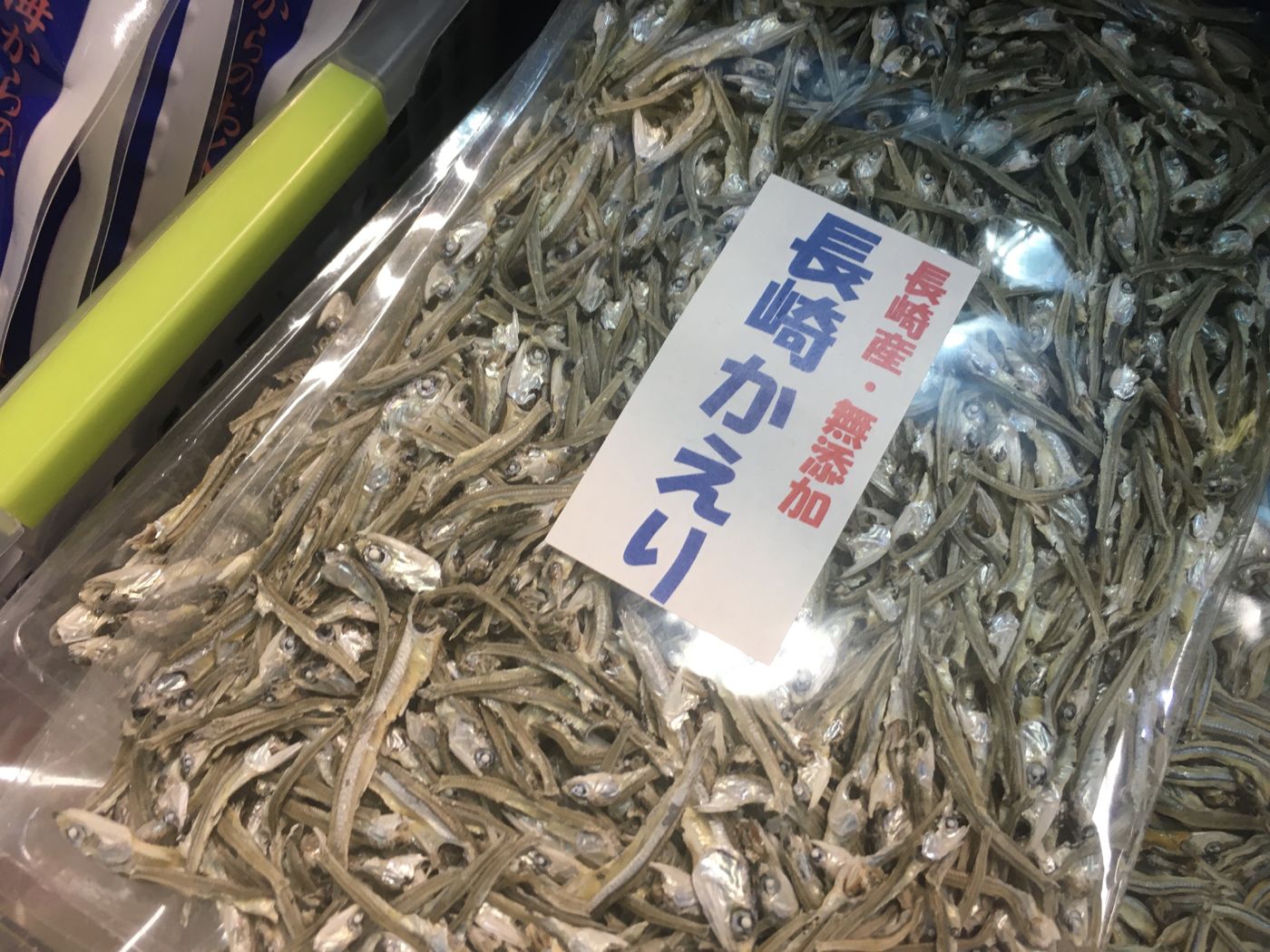 Dried anchovies멸치Small anchovies that are boiled and dried on the coast, then sorted by size. They flavor everyday broths and, stir-fried whole, become the sweet-salty side dish myeolchi-bokkeum.
 Dashima (dried kelp)다시마Thick, dried kelp that gives Korean broths their quiet savory depth. Beyond the stockpot it is fried into crisp twigak, simmered into soy-glazed side dishes and used as a wrap.
Nutrition
| Calories | ~82 kcal |
|---|---|
| Protein | ~3 g |
| Fat | ~2 g |
| Carbohydrates | ~14.7 g |
| Fiber | ~2.5 g |
| Sodium | ~667 mg |
Notable forVitamin C · Potassium · Folate
Radish uses the Korean Food Composition Table entry for Korean radish (per 100 g: 21 kcal, 1.1 g fiber, 11.9 mg vitamin C, 279 mg potassium, 32 µg folate); some vitamin C is lost in braising. Soy sauce uses the Korean table; gochugaru uses the USDA cayenne entry as a stand-in; sugar, garlic, green onion, sesame oil and sesame seeds use USDA FoodData Central. The anchovy-kelp stock is not counted, so sodium is a floor. Totals divided by four, assuming all the reduced sauce is eaten. Actual values vary with ingredients, portion size and preparation.
Health Benefits
- Low in calories, filling: radish is mostly water and fiber, so a large serving is under 100 kcal.
- Potassium and folate: radish contributes potassium and folate; it also supplies some vitamin C, though braising reduces it.
- Traditional digestive: the folk-culture encyclopedia notes that radish contains starch-digesting enzymes and was traditionally eaten to settle the stomach after rich food; long cooking inactivates those enzymes, so that belief applies more to raw radish.
Regional Variations
- Soy-braised: radish simmered in anchovy-kelp stock with soy sauce, a little sugar and garlic, mild enough for children.
- Spicy: gochugaru, or a spoonful of gochujang, added for a red, peppery glaze.
- With fish: radish braised under mackerel, hairtail or pollock in godeungeo-jorim, galchi-jorim and kodari-jorim.
- With anchovies or meat: dried anchovies or a little beef or pork simmered with the radish for extra savor.
Pairings
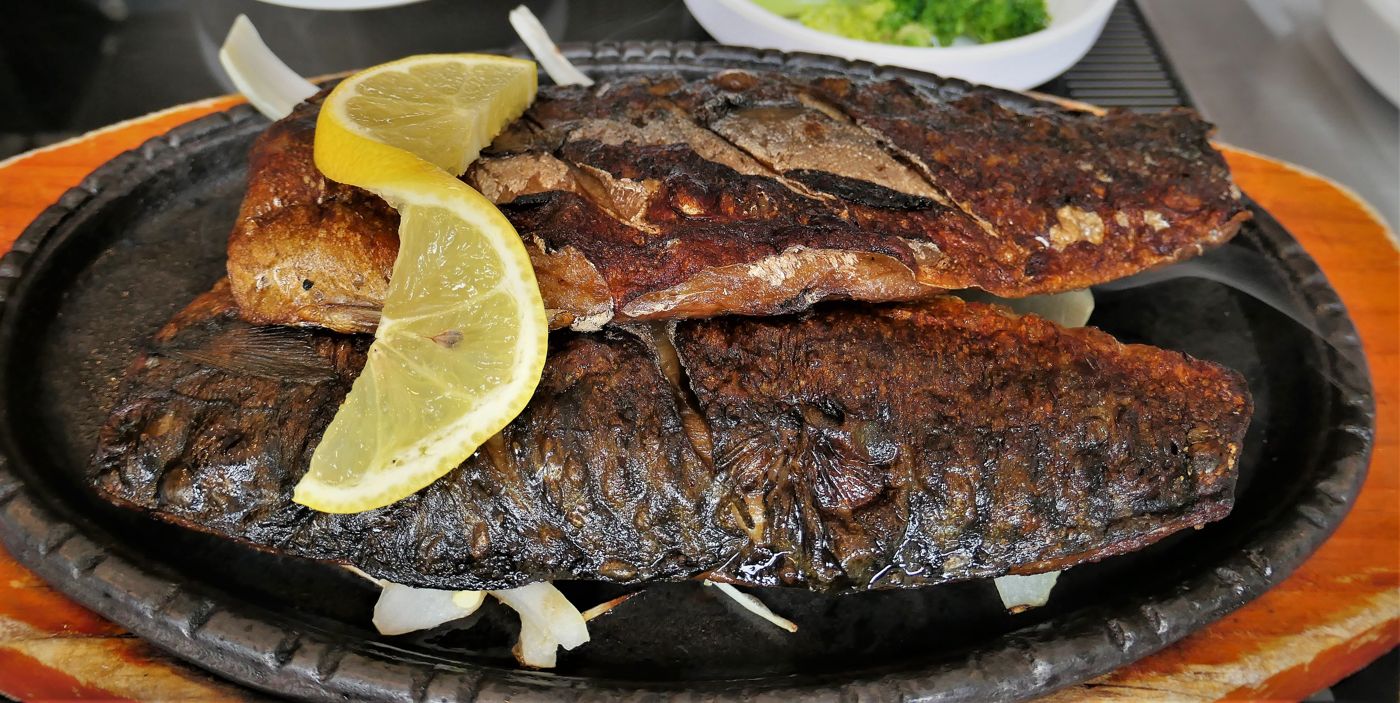 Godeungeo-gui (Grilled Mackerel)고등어구이Salted mackerel grilled or pan-fried until the skin crackles and the rich flesh flakes — one of the most common fish dishes on the Korean home table.
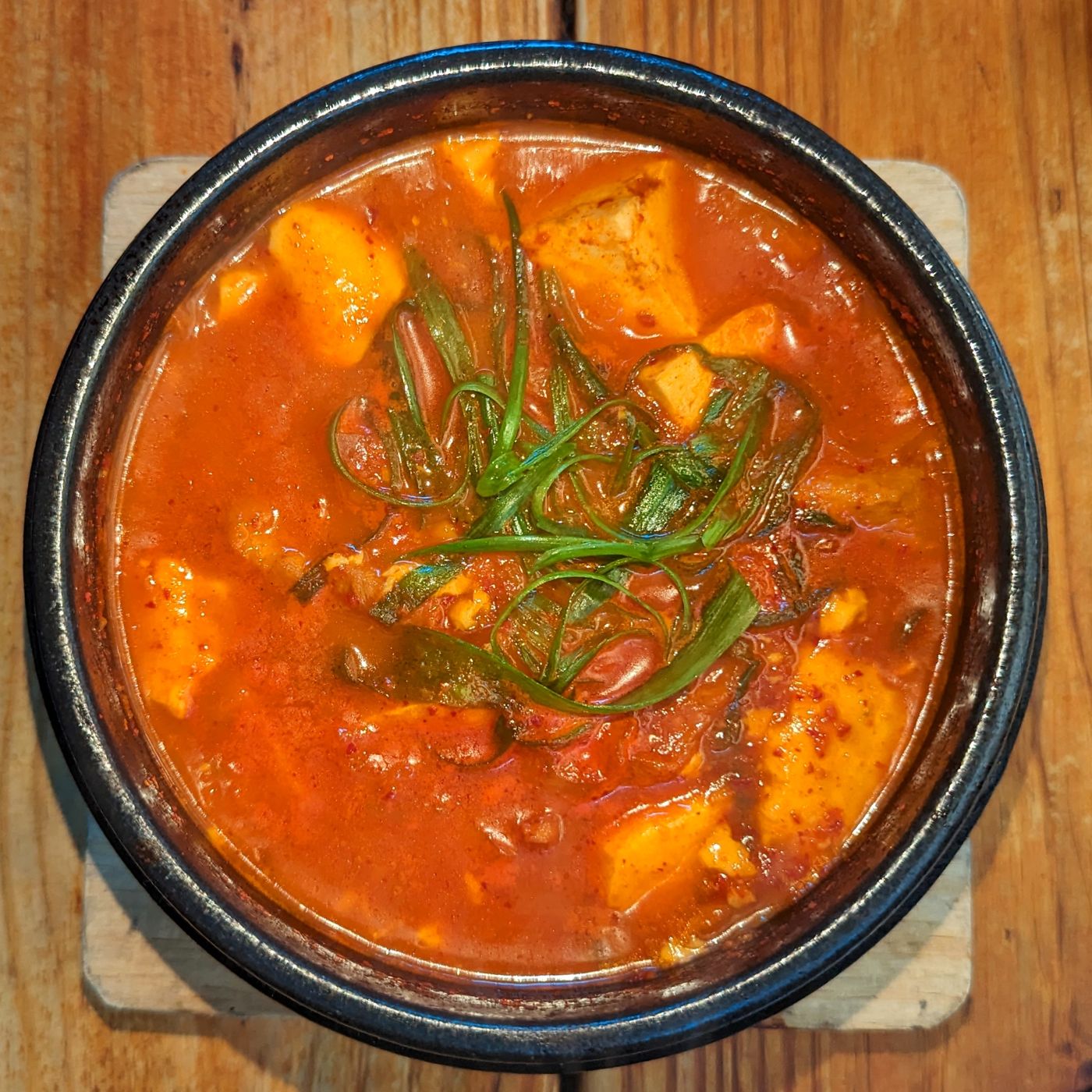 Kimchi Jjigae (Kimchi Stew)김치찌개Sour, well-aged napa cabbage kimchi simmered with pork and tofu into a tangy, spicy stew — the classic way to use up kimchi that has gone past its prime.
 Sigeumchi Namul시금치나물Spinach blanched for a few seconds, squeezed dry and dressed with garlic, soy sauce and sesame — one of the simplest and most familiar namul.
Sources
- 01무 (Korean radish) — Encyclopedia of Korean Folk Culture (National Folk Museum of Korea)
- 02조림 (Jorim) — Encyclopedia of Korean Folk Culture (National Folk Museum of Korea)
- 03조림 (Jorim) — Encyclopedia of Korean Culture
- 04무조림 (Mu-jorim) — Urimalsaem (National Institute of Korean Language)
- 05Korean Food Composition Table: Korean radish — National Institute of Agricultural Sciences
Last updated