Kimchi 김치
Cut Cabbage Kimchi
막김치
Romanization: mak-kimchi
Napa cabbage cut into bite-size pieces before salting and tossed with the seasoning all at once — the quick, everyday way to make cabbage kimchi.
- Serves
- 30
- Prep
- 45 min
- Cook
- 5 min
RegionSeoul & Gyeonggi
Jump to recipeRecipe
Ingredients · Serves 30
- 1 headNapa cabbageabout 2 kg
- 100 gCoarse sea salt (cheonilyeom), non-iodizedabout ⅔ cup
- 1 LWaterfor salting
- 300 gKorean radish (mu)cut into thin 3 cm squares; optional
- 2 tbspGlutinous rice flourfor the rice paste
- 250 mlWaterfor the rice paste
- 60 gGochugaru (Korean chili flakes)about ⅔ cup
- 4 tbspAnchovy fish sauce (myeolchi-aekjeot)
- 2 tbspSalted fermented shrimp (saeujeot)finely chopped
- 2 tbspGarlicminced
- 1 tspGingerminced
- 1 tbspSugar
- 4 stalksGreen onionscut into 3 cm lengths
Method
Technique: Making Kimchi
Step 1: Quarter the cabbage lengthwise, cut out the core, and cut the leaves crosswise into 3–4 cm pieces. Rinse and drain.
Step 2: Dissolve half the salt in the water. Put the cabbage in a large tub, pour the salt water over it and scatter the remaining salt over the thick stem pieces. Salt for 1½–2 hours, turning every 30 minutes, until the stems bend without snapping.
Step 3: Meanwhile, whisk the rice flour into 250 ml water and cook over medium heat, stirring, for 3–5 minutes until thin and glossy. Cool completely.
Step 4: Rinse the cabbage three times in cold water and drain in a colander for at least 30 minutes. Taste a piece: it should be lightly seasoned, not salty.
Step 5: In a large bowl, toss the radish with the gochugaru until well colored. Add the cooled paste, fish sauce, saeujeot, garlic, ginger and sugar and mix into a thick seasoning, then add the cabbage and green onions and mix thoroughly with gloved hands.
Step 6: Pack tightly into a clean jar or food-grade container, pressing out air pockets and leaving 5 cm of headspace. Leave at room temperature for about a day, until it smells lightly sour and small bubbles appear, then refrigerate.
Step 7: It is good from the next day and at its best after 1–2 weeks; it keeps for about a month chilled, growing more sour (very ripe kimchi is ideal for stews and pancakes). Keep it pressed down, use clean utensils, and discard if it turns slimy or develops mold.
Origin & History
Mak-kimchi is cabbage kimchi made the quick way: instead of salting whole heads and tucking seasoning between every leaf, the cabbage is cut into bite-size pieces first, salted, and tossed with the seasoning in one go. The Encyclopedia of Korean Folk Culture explains the name as coming from mak, "roughly" or "any old way" — kimchi mixed or put up without ceremony. In North Korea a similar cut kimchi is called sseore-kimchi.
Cut kimchi is not a modern shortcut so much as an older form that receded. In the 1918 edition of Joseon yori jebeop, the first modern Korean cookbook, ordinary cabbage kimchi is made in this style, with cabbage, water dropwort and leaf mustard cut into 1-chi (about 3 cm) lengths; by the 1937 edition, kimjang cabbage kimchi was given only as whole heads. The folk encyclopedia suggests that cut kimchi was handy in summer when good cabbage was scarce, and faded as highland-grown cabbage made whole-head kimchi possible year round — whole heads also keep their flavor better, since less cut surface is exposed.
It has nonetheless remained a household standby, and commercial producers popularized it under the trade name mat-kimchi ("tasty kimchi"), which many shoppers now use for any pre-cut cabbage kimchi. In Yangju, Gyeonggi Province, the AKS local encyclopedia records a thrifty version made from the outer cabbage leaves left over from kimjang, also called mak-jjanji.
Key Ingredients
 Napa cabbage배추The tall, pale, tightly headed cabbage at the heart of Korea's best-known kimchi. Salted, layered with seasoning and left to ferment, it becomes baechu-kimchi; fresh, it goes into soups, wraps and quick salads.
 Sun-Dried Sea Salt천일염Coarse sea salt made by evaporating seawater with sun and wind in tidal-flat salt pans, most of it from Sinan County off Korea's southwest coast. It is the everyday salt for salting cabbage and making jang.
 Korean radish무A stout, heavy white radish, often tinged pale green near the top. It is cubed for kkakdugi, left whole in the clear brine of dongchimi, shredded into salads and simmered into broths.
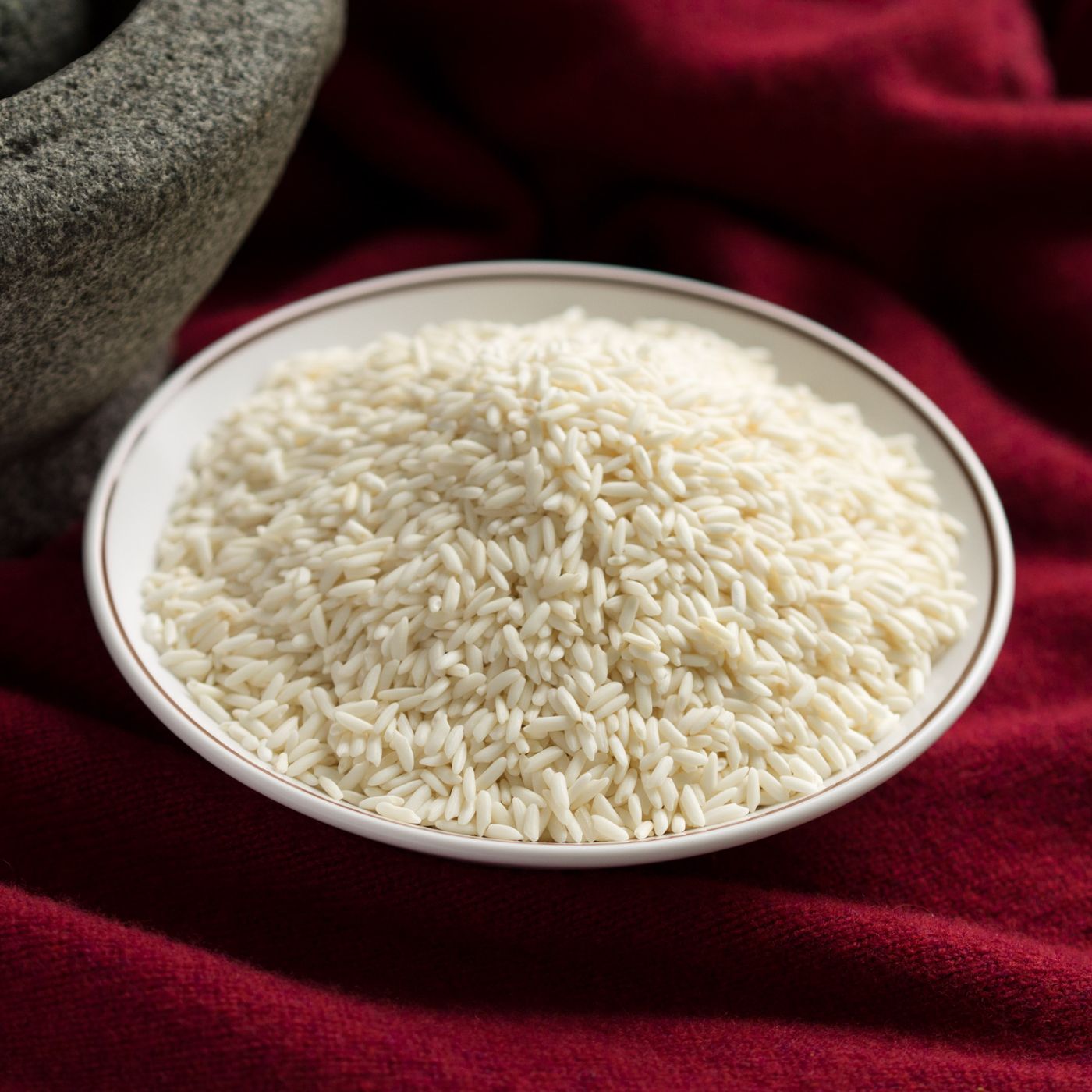 Glutinous rice (sweet rice)찹쌀Opaque, chalk-white grains of glutinous rice that steam into a chewy, elastic mass. Chapssal is the rice of festivals and comfort food: pounded into rice cakes, sweetened into yaksik, and tucked inside the chicken of samgyetang.
 Gochugaru고춧가루Korean red chili powder, made from dried red peppers ground coarse or fine. It gives kimchi, gochujang and countless banchan their color and warmth.
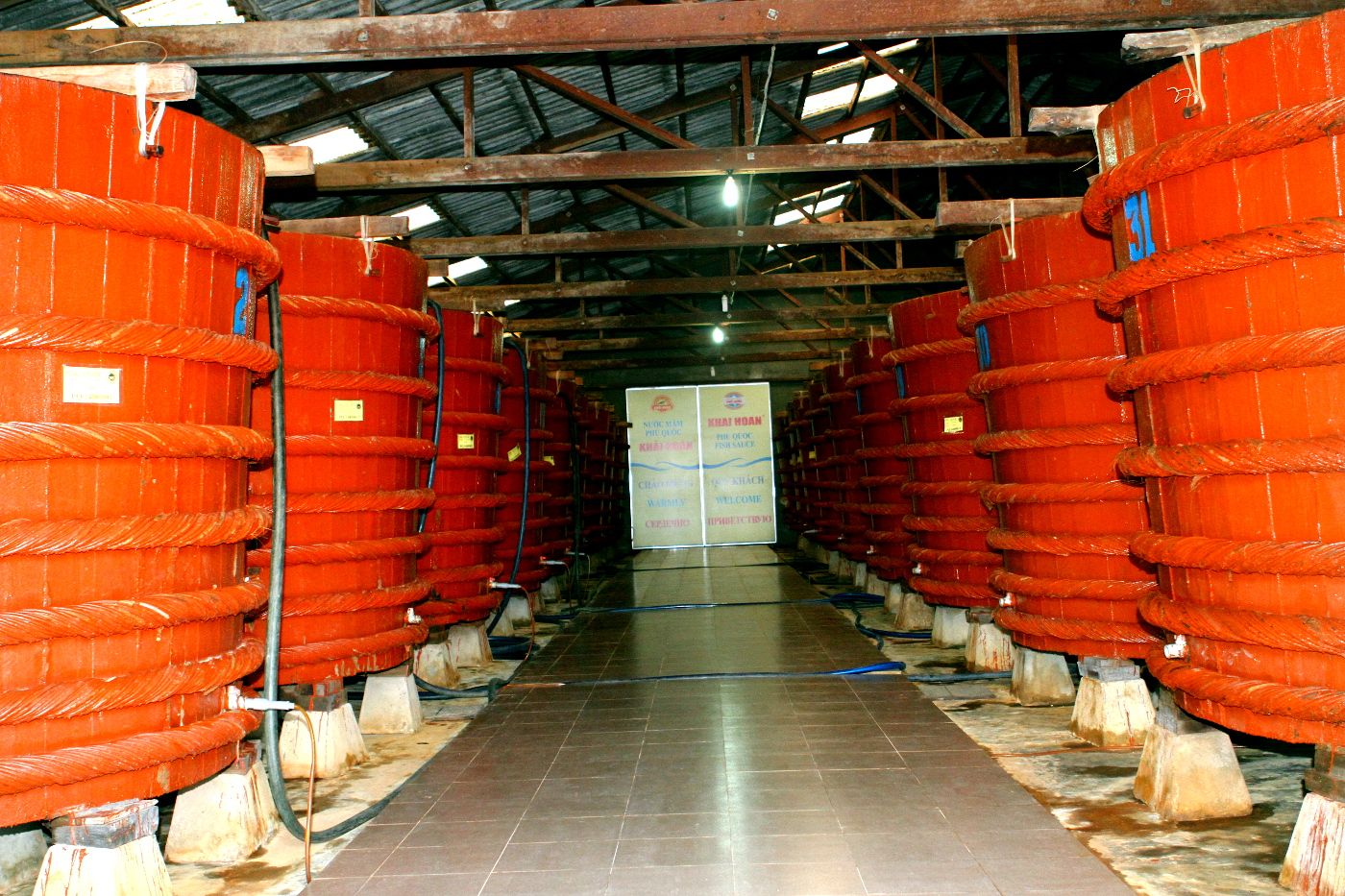 Anchovy fish sauce멸치액젓The clear amber liquid drawn from salted, fermented anchovies. A jeotgal in liquid form, it is the savory backbone of much southern-style kimchi and a quick seasoning for soups and namul.
 Salted fermented shrimp새우젓Tiny shrimp packed in salt and left to ferment — a jeotgal (salted seafood) that seasons kimchi and stews and accompanies boiled pork with briny, savory depth.
 Garlic마늘Used raw, minced, pickled and roasted, garlic is one of the essential aromatics of Korean food — in seasonings, marinades, kimchi and namul.
 Ginger생강Fresh ginger root, used in small amounts to brighten kimchi paste and marinades and to tame the strong smells of fish and meat.
 Green onion파Korean green onion (pa), from thick-stemmed daepa to slender scallions — chopped into nearly every seasoning sauce, soup and kimchi, and the star of pa-kimchi.
Nutrition
| Calories | 23 kcal |
|---|---|
| Protein | 1.2 g |
| Fat | 0.3 g |
| Carbohydrates | 3.9 g |
| Fiber | 1.5 g |
| Sodium | 331 mg |
Notable forVitamin K · Dietary fiber
From the Korean Food Composition Table entry “Kimchi, Baechukimchi, Prepared with Kimchi cabbage” (배추김치; per 100 g: 38 kcal, 2.5 g fiber, 551 mg sodium, 70 µg vitamin K), scaled to the serving size. The table does not distinguish whole-head from cut cabbage kimchi, which share the same ingredients; homemade batches vary with salting and seasoning. Actual values vary with ingredients, portion size and preparation.
Health Benefits
- Everyday vegetables: a serving offers fiber and vitamin K for very few calories.
- Fermented vegetables: cabbage kimchi ripens through naturally occurring lactic acid bacteria, and unpasteurized kimchi contains live microbes; research into how these affect health is ongoing.
- Easy portions: because it is already cut, mak-kimchi is easy to serve in small amounts, which helps keep salt in check.
Regional Variations
- Everyday mak-kimchi: cabbage pieces, often with thin squares of radish, in a standard chili, garlic and salted-fish seasoning.
- Yangju (Gyeonggi): made from the outer cabbage leaves trimmed off during kimjang, with radish and salted shrimp.
- Mat-kimchi: the commercial name for pre-cut cabbage kimchi, now common on supermarket shelves.
- Sseore-kimchi (North Korea): the northern name for kimchi made from a mix of cut vegetables.
Pairings
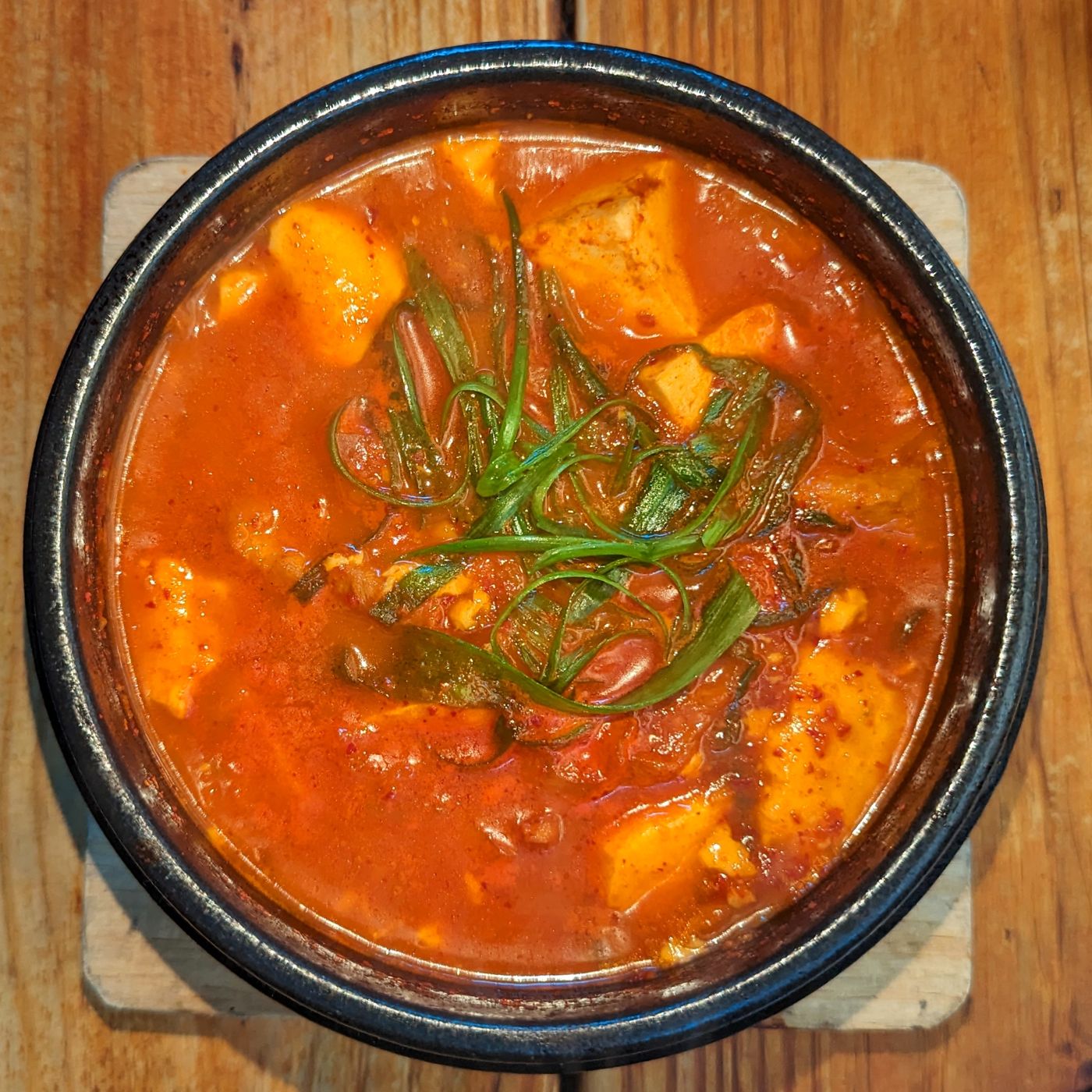 Kimchi Jjigae (Kimchi Stew)김치찌개Sour, well-aged napa cabbage kimchi simmered with pork and tofu into a tangy, spicy stew — the classic way to use up kimchi that has gone past its prime.
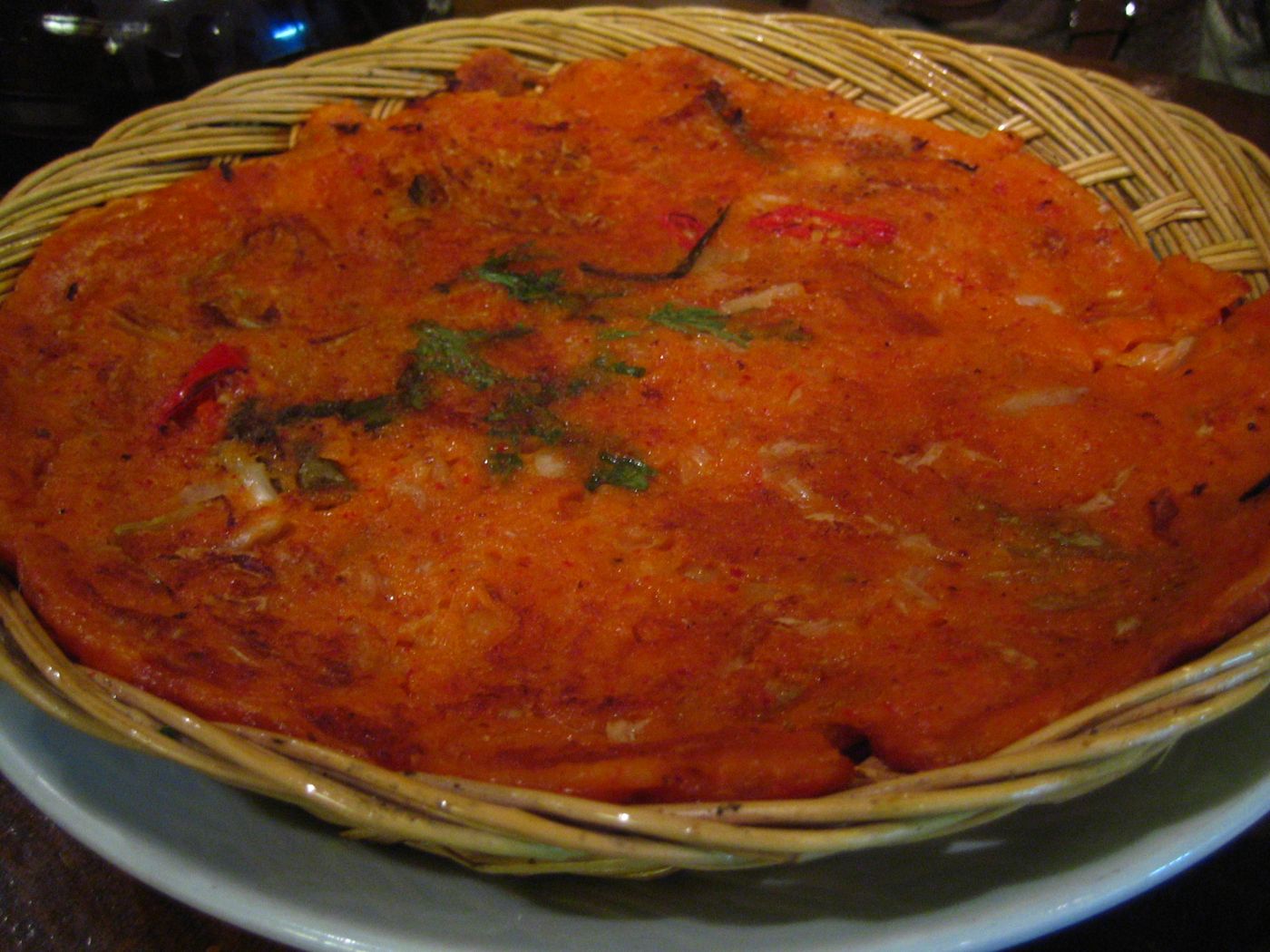 Kimchi Jeon (Kimchi Pancake)김치전Chopped, well-fermented kimchi folded into a thin flour batter and pan-fried until crisp at the edges — tangy, savory and quick to make.
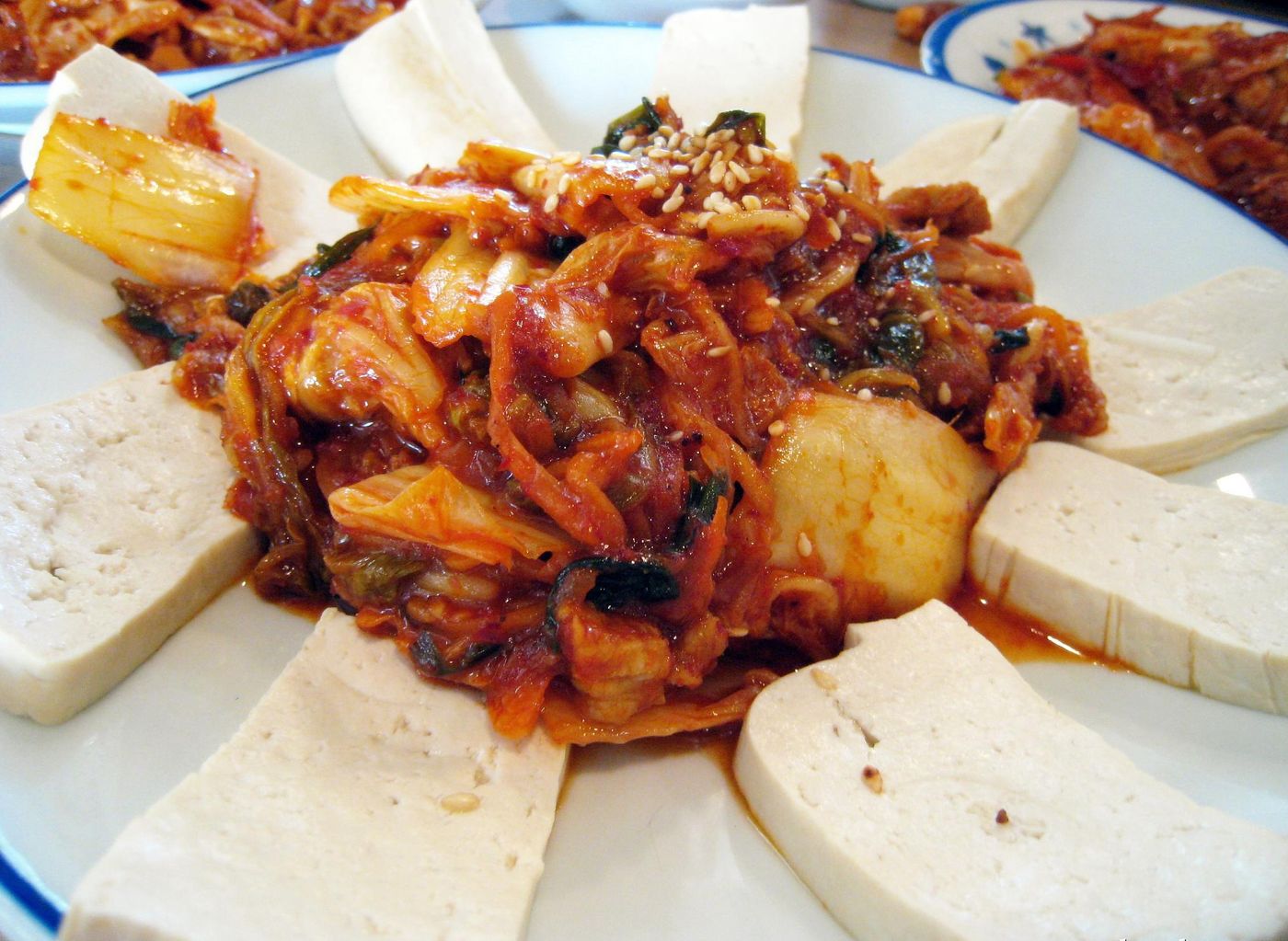 Dubu Kimchi (Tofu with Stir-Fried Kimchi)두부김치Warm slices of plain tofu arranged around kimchi stir-fried with pork — a mild-and-spicy pairing that is a favorite with soju and makgeolli.
 Gyeran Mari (Rolled Omelet)계란말이Beaten egg cooked in thin layers and rolled into a soft, striped log, then sliced — a gentle, everyday banchan and a lunchbox classic.
Sources
- 01배추김치 - 한국민속대백과사전 (Encyclopedia of Korean Folk Culture)
- 02막김치 - 디지털양주문화대전 (Encyclopedia of Korean Local Culture: Yangju)
- 03Korean Food Composition Table: Kimchi, Baechukimchi, Prepared with Kimchi cabbage — National Institute of Agricultural Sciences
- 04Is my kimchi safe to eat? - Oregon State University Extension Service
Last updated