 Photo: adifromusa, CC BY-SA 2.0, via Wikimedia Commons
More dishes 기타
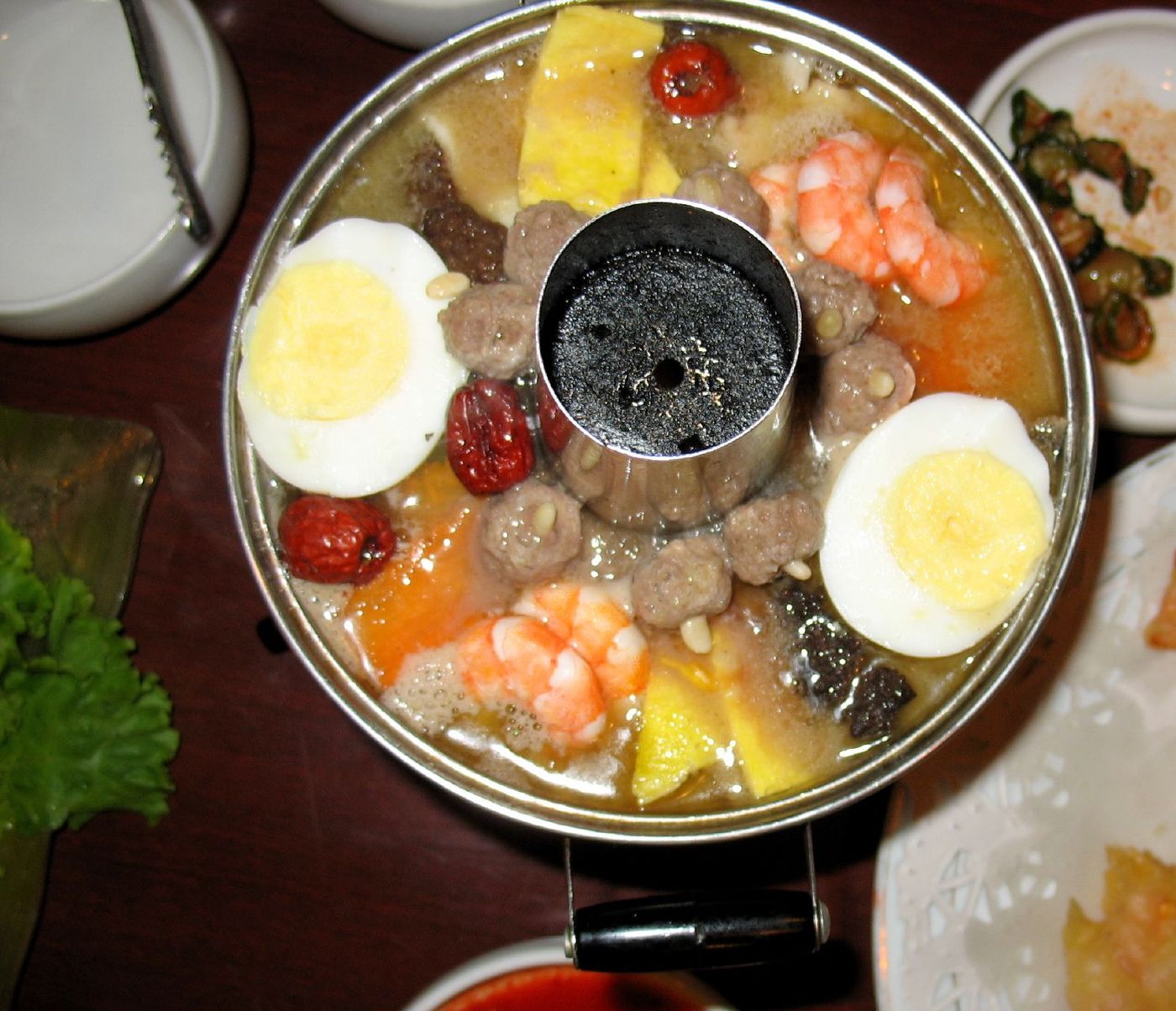
Sinseollo (Royal Hot Pot)
신선로
Romanization: sinseollo
A court banquet dish of colorful beef, fish, egg, mushrooms and vegetables arranged in a chimney-centered brazier pot, with hot broth poured over and kept warm at the table.
- Serves
- 6
- Prep
- 60 min
- Cook
- 120 min
RegionSeoul & Gyeonggi
Jump to recipeRecipe
Ingredients · Serves 6
- 300 gBeef shanksimmered for broth, then sliced
- 250 gKorean radish100 g for the broth, 150 g sliced into rectangles
- 100 gLean beef, mincedfor the meatballs
- 3 Eggs1 beaten for coating, 2 fried into thin sheets
- 60 gShiitake mushroomssoaked if dried, thinly sliced
- 100 gCarrotcut into thin rectangles
- 150 gKorean zucchinicut into thin rectangles
- 40 gGreen onions
- 10 gPine nuts
- 2 tbspSoy sauce
- 2 tspGarlicminced
- 1 tspSesame oil
- 1 tbspCooking oilfor frying the egg sheets
- 2 tbspFlourfor dusting
- ½ tspSalt
- 1.5 LWater
Method
Technique: Making Yuksu: Anchovy-Kelp Stock
Step 1: Simmer the beef shank, 100 g of the radish and half the green onions in the water for about 90 minutes, skimming. Lift out the beef, strain the broth, and season the broth with the soy sauce and salt. Slice the cooked beef thinly across the grain.
Step 2: Mix the minced beef with the garlic, sesame oil and a pinch of the remaining green onion, chopped. Shape into small balls, dust with flour, dip in beaten egg and pan-fry until set.
Step 3: Beat the remaining 2 eggs separately, fry two thin sheets in the oil, and cut them into strips or diamonds.
Step 4: Lightly sauté or blanch the radish slices, carrot, zucchini and mushrooms separately so each keeps its color.
Step 5: Lay the sliced beef on the bottom of a hot-pot vessel (or a wide shallow pot), then arrange the vegetables, mushrooms, meatballs and egg in neat bands of contrasting color. Scatter the pine nuts on top.
Step 6: Pour in the hot broth up to the base of the top layer and bring to a gentle simmer at the table over a portable burner. Top up with hot broth as it reduces, and eat by picking out ingredients one at a time.
Origin & History
Sinseollo is named after its vessel, not its contents. The Encyclopedia of Korean Culture explains that the royal kitchen called the dish yeolgujatang, a name usually glossed as a soup that pleases the mouth, while a number of Joseon-era writings, including the Gyuhap chongseo, the Siui jeonseo, the Haedong jukji and the Dongguk sesigi, simply use the pot's name. Over time the pot's name came to stand for the whole dish. The first part of the word means a mountain immortal and the second a brazier, a pairing that fits the dish's ceremonial air.
The same encyclopedia entry preserves a legend about the pot. According to the cookbook Joseon yorihak, a Joseon scholar named Jeong Hui-ryang, who lived under King Yeonsan, foresaw a purge, withdrew from public life and wandered as a hermit. He is said to have designed a brazier on the pattern of the hexagram for water over fire, cooking vegetables in it as he traveled; after he vanished, people began calling the brazier a sinseollo, a brazier of the immortals. It is a story rather than a documented history.
The documented court version was lavish. The royal banquet record Jinyeon uigwe lists about twenty-five ingredients, among them beef, offal, pork, pheasant, chicken, abalone, sea cucumber, mullet, eggs, mushrooms, watercress, radish, pine nuts, ginkgo nuts and walnuts. Because the ingredients were costly and the preparation laborious, the dish counted among the finest offerings for formal banquets and drinking tables. A report in the Korea Times notes that yeolgujatang also opened the menu of a 1905 luncheon given by King Gojong for Alice Roosevelt, a menu based on the 1902 banquet record. For more on the setting, see royal court cuisine and royal banquets.
Key Ingredients
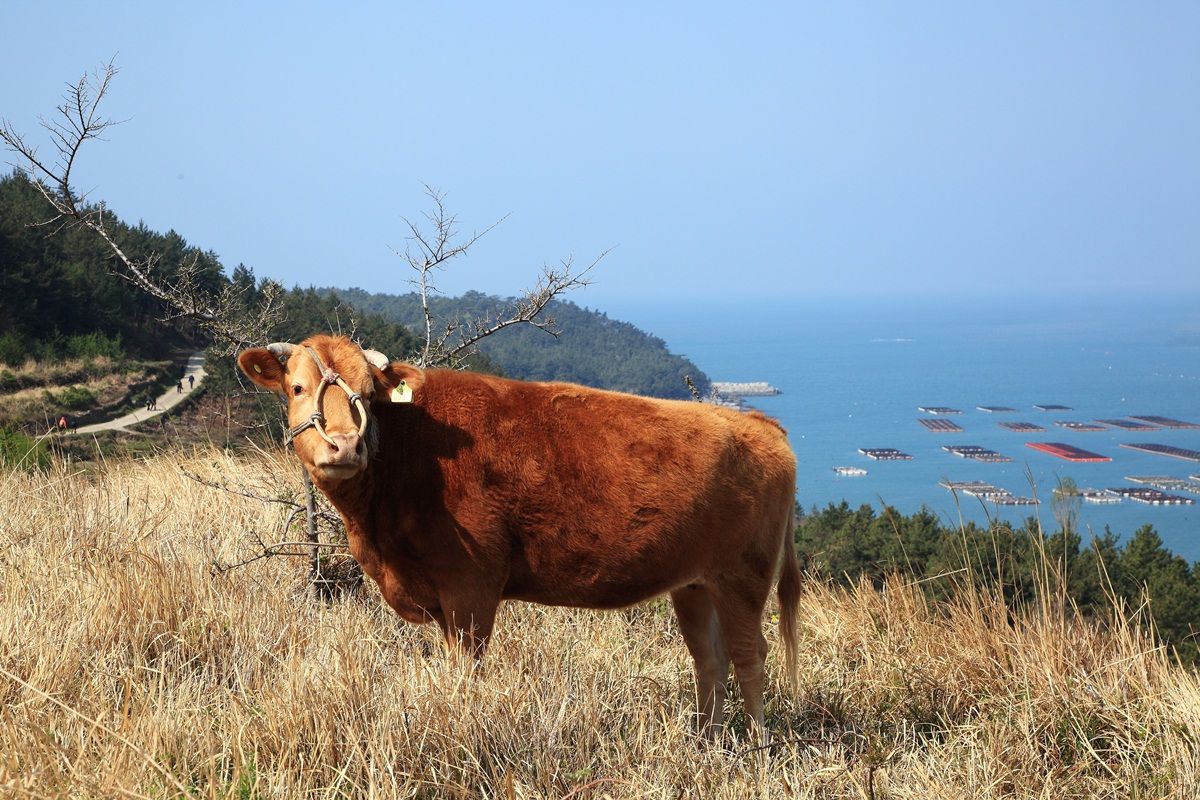 Hanu (Korean native beef)한우Beef from Korea's native cattle, most of them a warm yellow-brown, prized for rich marbling and a deep, beefy flavor. Hanu is the premium beef for grilling, braised galbi-jjim, holiday gift sets and ancestral-rite dishes.
 Korean radish무A stout, heavy white radish, often tinged pale green near the top. It is cubed for kkakdugi, left whole in the clear brine of dongchimi, shredded into salads and simmered into broths.
- Egg (gyeran)계란The everyday protein of the Korean table: rolled into gyeran-mari, steamed into puffy gyeran-jjim, simmered in soy for gyeran-jangjorim, and cut into thin yellow and white ribbons of jidan to garnish soups and noodles.
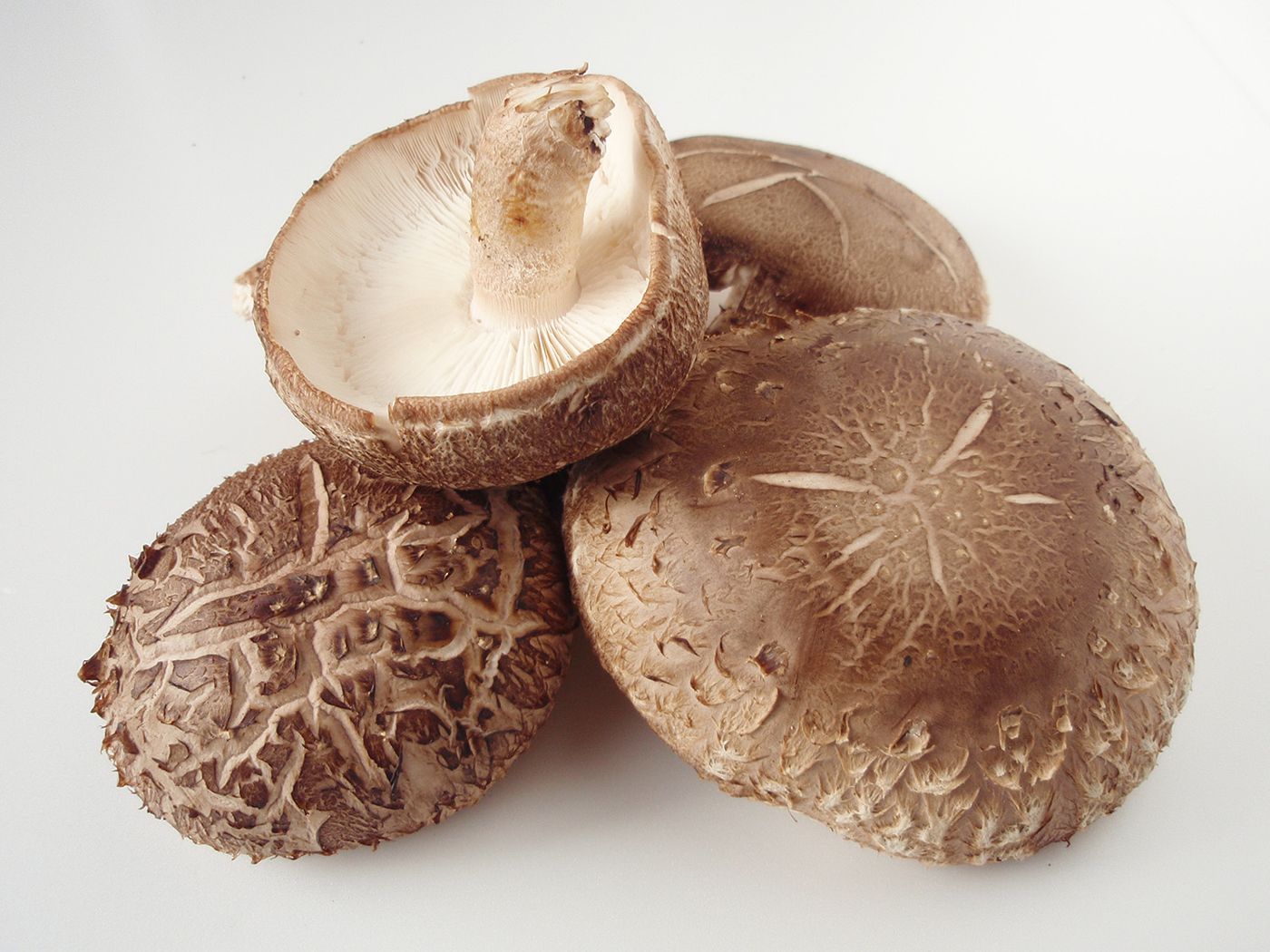 Shiitake mushroom표고Dark-capped, meaty mushrooms known in Korean as pyogo or pyogo-beoseot. Used fresh in stir-fries and pan-fried dishes, and dried for a deeply savory broth and an intensely aromatic bite.
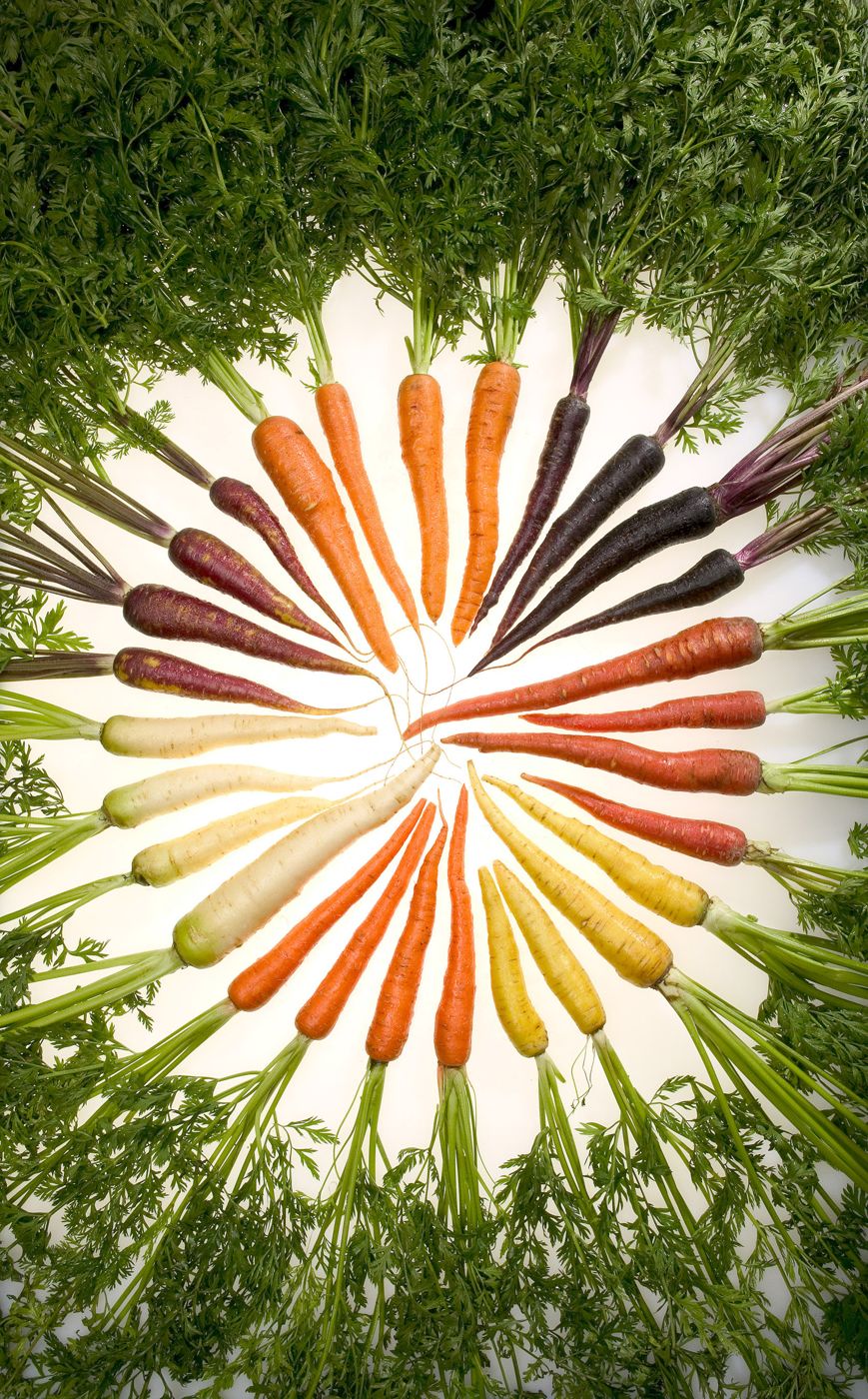 Danggeun (carrot)당근The orange root that brings color to the Korean table: julienned into japchae and gimbap, shredded into jeon batters, stir-fried with dakgalbi. Korea's sweetest winter carrots come from the volcanic fields of eastern Jeju.
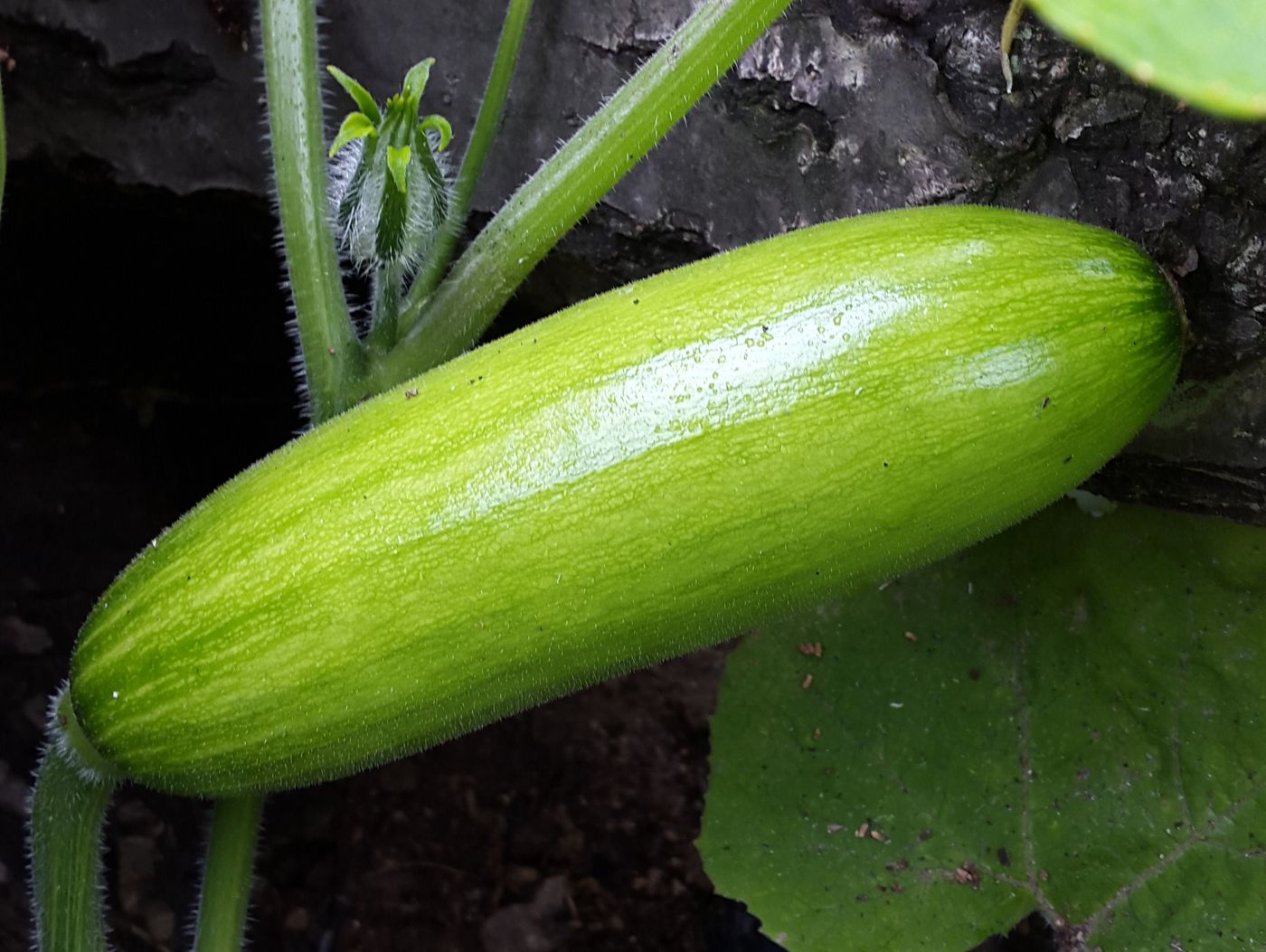 Korean zucchini애호박A pale-green young squash with thin, smooth skin and tender flesh. Sliced into rounds for hobak-jeon, sautéed as namul and added to doenjang stews.
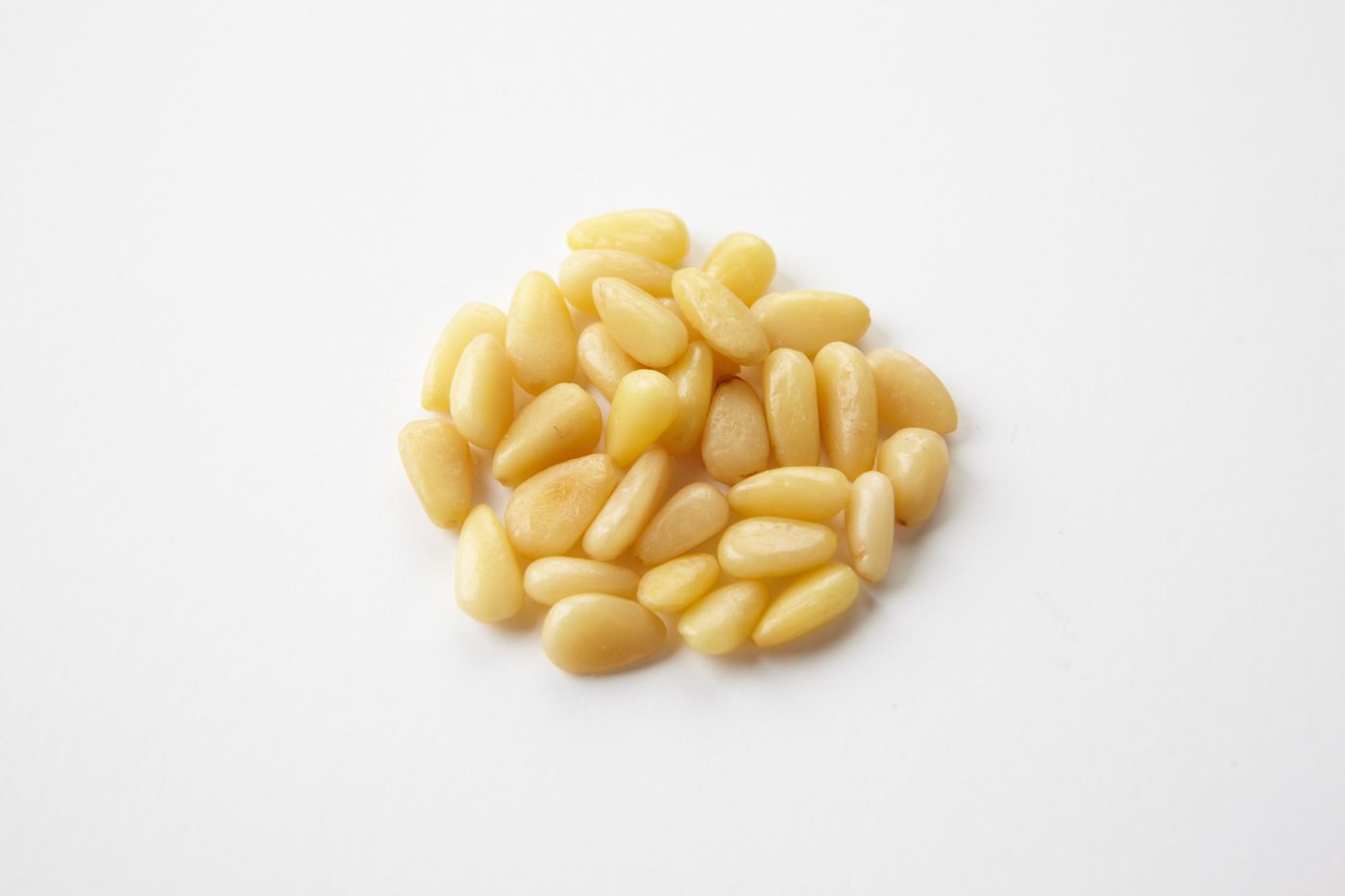 Pine nuts잣Creamy, ivory seeds of the Korean pine, scattered as a finishing garnish on punches, porridges and braises, or ground into the delicate porridge jatjuk. Gapyeong in Gyeonggi-do is the country's pine-nut capital.
 Soy sauce간장Korean soy sauce, in two main kitchen forms: pale, salty guk-ganjang (soup soy sauce) brewed the traditional way from meju, and darker, sweeter jin-ganjang for braises and marinades.
Nutrition
| Calories | ~209 kcal |
|---|---|
| Protein | ~19.8 g |
| Fat | ~10.3 g |
| Carbohydrates | ~9.2 g |
| Fiber | ~2 g |
| Sodium | ~623 mg |
Notable forProtein
Summed from USDA FoodData Central raw values for beef shank, beef top round (as a stand-in for minced beef), eggs, radish, carrot, zucchini, cooked shiitake, green onion, pine nuts, soy sauce, garlic, oils, flour and salt, divided by six. All of the beef and radish and the full seasoning are counted, although some broth is left in the pot, so real portions will vary. Actual values vary with ingredients, portion size and preparation.
Health Benefits
- Many ingredients, one bowl: a classic example of the Korean habit of building a dish from several colors at once, with beef and egg for protein and a mix of radish, carrot, zucchini and mushroom for vegetables.
- Eaten slowly: because diners pick out one piece at a time from a shared pot, the dish is paced by the table rather than by the plate.
- Broth-based: the nutrition estimate above suggests a moderate calorie count per portion, but this depends heavily on how much meat and fried egg go in.
Regional Variations
- Court yeolgujatang: the banquet-record version with some two dozen ingredients, including pheasant, abalone, sea cucumber and organ meats, each cut to fit the pot and arranged by color.
- The Ongheui japji version: another recipe described in the encyclopedia mixes fried fish fillets, shredded meats and dried shellfish with seasonings such as pepper and jujube.
- Restaurant and home versions: the Korea Tourism Organization describes the modern dish simply as meat, fish, offal, dumplings, seafood and vegetables cooked in a pot over charcoal at the table, a looser formula than the court list. The home recipe below follows that looser spirit with beef, eggs, mushrooms and common vegetables.
Pairings
 Japchae (Glass Noodles with Vegetables)잡채Chewy sweet potato glass noodles tossed with stir-fried vegetables, mushrooms and beef in soy sauce and sesame oil — Korea's essential celebration dish.
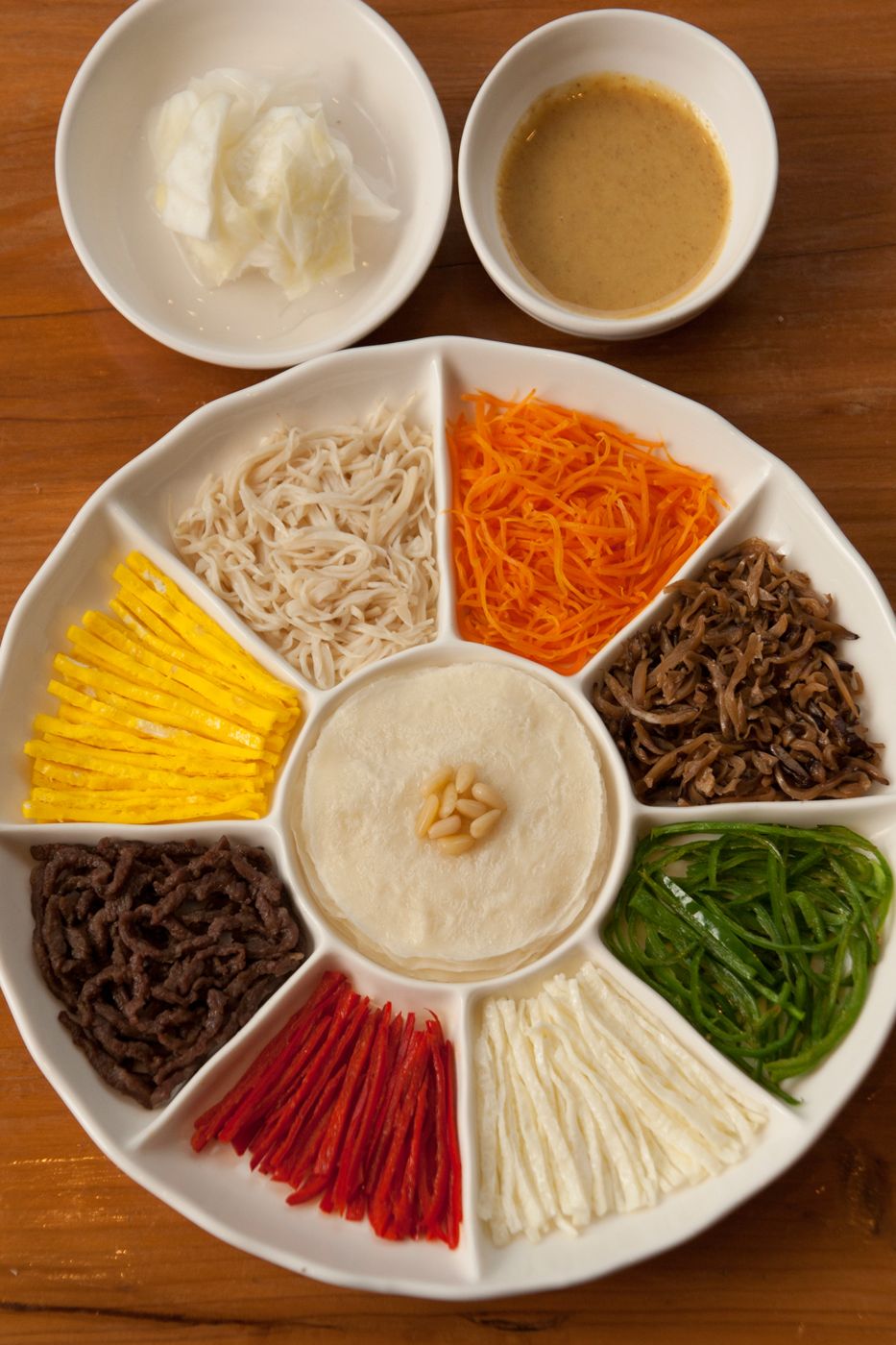 Gujeolpan (Platter of Nine Delicacies)구절판Eight finely cut fillings arranged by color around a stack of paper-thin crepes in a nine-compartment dish, wrapped at the table — an elegant banquet dish.
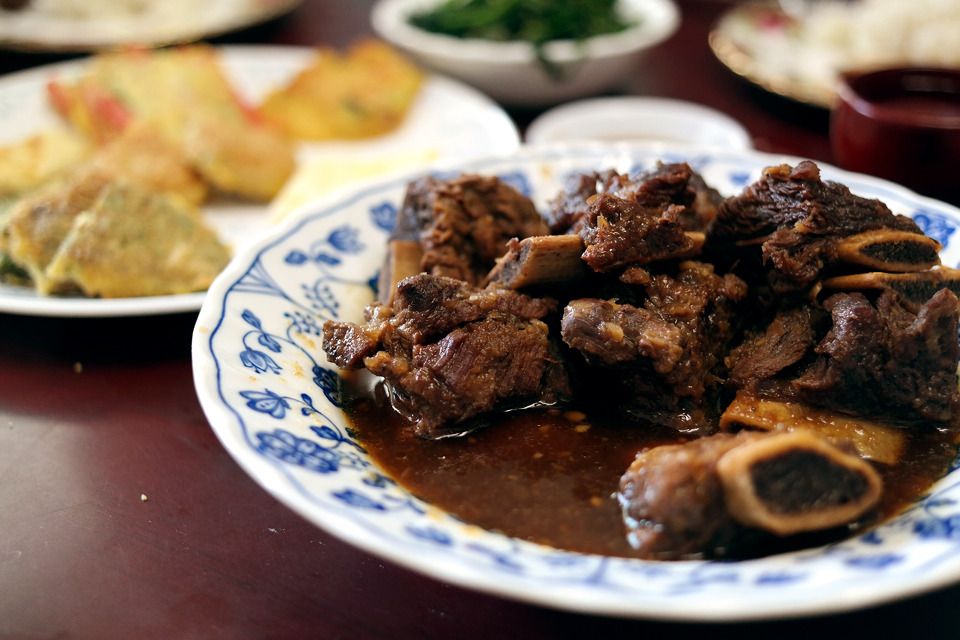 Galbi-jjim (Braised Beef Short Ribs)갈비찜Beef short ribs simmered slowly in soy sauce, pear and garlic with radish, carrot, chestnuts and jujubes until glossy and tender — a dish for holidays and honored guests.
- Yukjeon (Beef Jeon)육전Thin slices of lean beef, lightly marinated, dipped in flour and egg and pan-fried — an ancestral-rite jeon that Gwangju has made into a specialty.
Sources
- 01열구자탕 (Yeolgujatang) — Encyclopedia of Korean Culture
- 02Royal Hot Pot (신선로 / Sinseollo) — VISITKOREA, Korea Tourism Organization
- 03Korean Empire's royal cuisine shows King Gojong's dreams, frustrations — The Korea Times (2019)
- 04USDA FoodData Central — Beef, shank crosscuts (169441)
- 05Food Allergies — U.S. Food and Drug Administration
Last updated