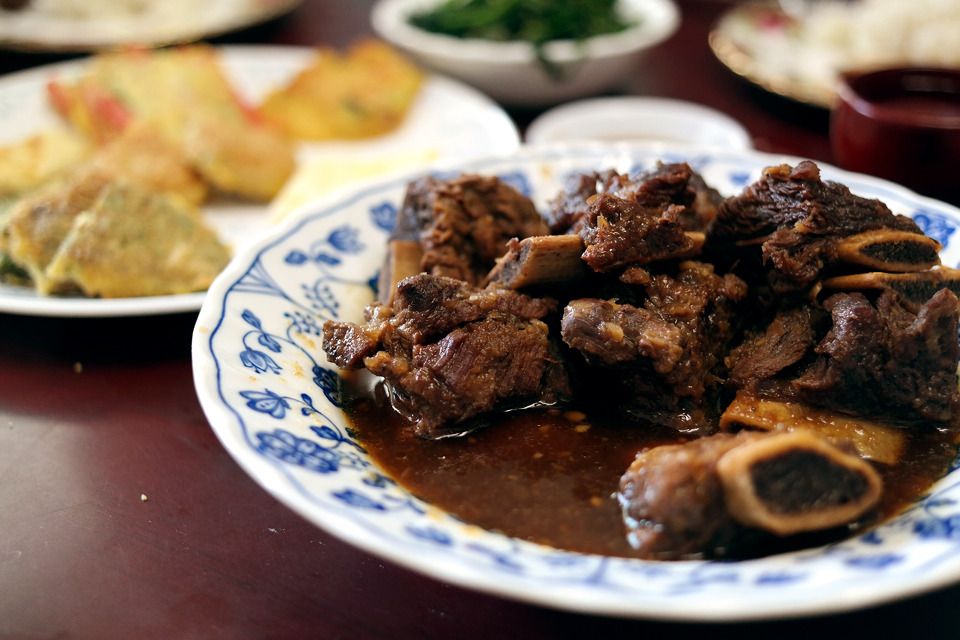
 Photo: 빽호랑, CC BY 4.0, via Wikimedia Commons
Jjim · Steamed 찜
Galbi-jjim (Braised Beef Short Ribs)
갈비찜
Romanization: galbi-jjim
Beef short ribs simmered slowly in soy sauce, pear and garlic with radish, carrot, chestnuts and jujubes until glossy and tender — a dish for holidays and honored guests.
- Serves
- 4
- Prep
- 30 min
- Cook
- 120 min
RegionSeoul & Gyeonggi · Gyeongsang
Jump to recipeRecipe
Ingredients · Serves 4
- 1.5 kgBone-in beef short ribs (galbi), cut into 5–6 cm piecestrimmed of excess fat, soaked 1 hour in cold water
- 6 tbspSoy saucedivided
- 2 tbspSugar
- 150 gKorean (Asian) peargrated
- 100 gOniongrated
- 6 clovesGarlicminced
- 5 gGingerminced
- 1½ tbspToasted sesame oil
- ¼ tspBlack pepper
- 600 mlWater
- 300 gKorean radishcut into large chunks, edges rounded
- 150 gCarrotcut into chunks, edges rounded
- 6 Dried shiitake mushroomsabout 15 g, soaked and halved
- 8 Chestnuts, peeledabout 80 g
- 6 Dried jujubespitted
- 12 Ginkgo nutsoptional, peeled
- 1 largeEggfor egg-strip garnish (jidan)
- 1 tbspPine nutsoptional garnish
Method
Technique: Steaming and Jjim, Jorim: Braising in Seasoned Liquid
Step 1: Drain the ribs and score the meat in a few places down to the bone. Put them in a pot of boiling water, return to a boil for 5 minutes, then drain and rinse off the scum. Trim any large pieces of fat.
Step 2: Mix 4 tbsp soy sauce with the sugar, pear, onion, garlic, ginger, sesame oil and pepper.
Step 3: Put the ribs in a heavy pot with half the seasoning and the water. Bring to a boil, then cover and simmer over medium-low heat for 50–60 minutes, skimming off fat from time to time.
Step 4: Add the radish, carrot, chestnuts and the rest of the seasoning. Simmer, covered, for 30 minutes more, stirring gently once or twice.
Step 5: Add the shiitake, jujubes and ginkgo nuts and simmer, uncovered, for 15–20 minutes, spooning the sauce over the meat, until the ribs are tender and the sauce has reduced to a glossy glaze. Taste and add up to 2 tbsp more soy sauce only if needed.
Step 6: Meanwhile, separate the egg and fry the yolk and white as thin sheets; cut into diamonds or strips.
Step 7: Transfer to a deep warmed bowl, garnish with the egg and pine nuts, and serve hot with rice.
Origin & History
Galbi means ribs, and galbi-jjim is short ribs cut into pieces and braised. The Encyclopedia of Korean Culture notes that beef ribs were also called gari, so the dish is sometimes named garijjim, and that both beef and pork ribs are used. Because ribs cost more than other cuts, it describes galbi-jjim as a distinctly luxurious dish, prized for the tender meat between the bones.
It has a place in the holiday calendar: for Chuseok, the harvest festival, families made braised chicken, and the encyclopedia notes that galbi-jjim was sometimes served instead. It was traditionally presented in a deep lidded bowl (hap) to keep it hot, with small plates for each diner to help themselves. See seasonal foods and life-ritual foods.
The encyclopedia's method reads like a set of cook's secrets. Choose flat, meaty ribs from a young cow and use the bony ends for stock; score the meat to the bone; trim or skim away excess fat, which makes the dish greasy; add only half the seasoning at first and the rest partway through so the flavor penetrates evenly; add peeled chestnuts and ginkgo nuts during cooking but mushrooms and jujubes near the end so they keep their shape; and finish over slightly higher heat with a little extra soy sauce, oil and sugar to glaze. A well-made galbi-jjim, it says, is dark and glossy, falls easily from the bone, keeps a little sauce, and tastes mildly salty and sweet. Pressure cookers are faster, it allows, but cannot match the depth of a slow braise. See steaming jjim.
Key Ingredients
 Soy sauce간장Korean soy sauce, in two main kitchen forms: pale, salty guk-ganjang (soup soy sauce) brewed the traditional way from meju, and darker, sweeter jin-ganjang for braises and marinades.
- Korean Pear배The large, round, crisp and very juicy Korean pear (bae). Beyond eating fresh, it is grated into meat marinades and sliced into mild kimchi for natural sweetness.
 Garlic마늘Used raw, minced, pickled and roasted, garlic is one of the essential aromatics of Korean food — in seasonings, marinades, kimchi and namul.
 Ginger생강Fresh ginger root, used in small amounts to brighten kimchi paste and marinades and to tame the strong smells of fish and meat.
 Sesame참깨Toasted sesame seeds and sesame oil (chamgireum) finish countless Korean dishes, adding a nutty aroma and gloss.
 Korean radish무A stout, heavy white radish, often tinged pale green near the top. It is cubed for kkakdugi, left whole in the clear brine of dongchimi, shredded into salads and simmered into broths.
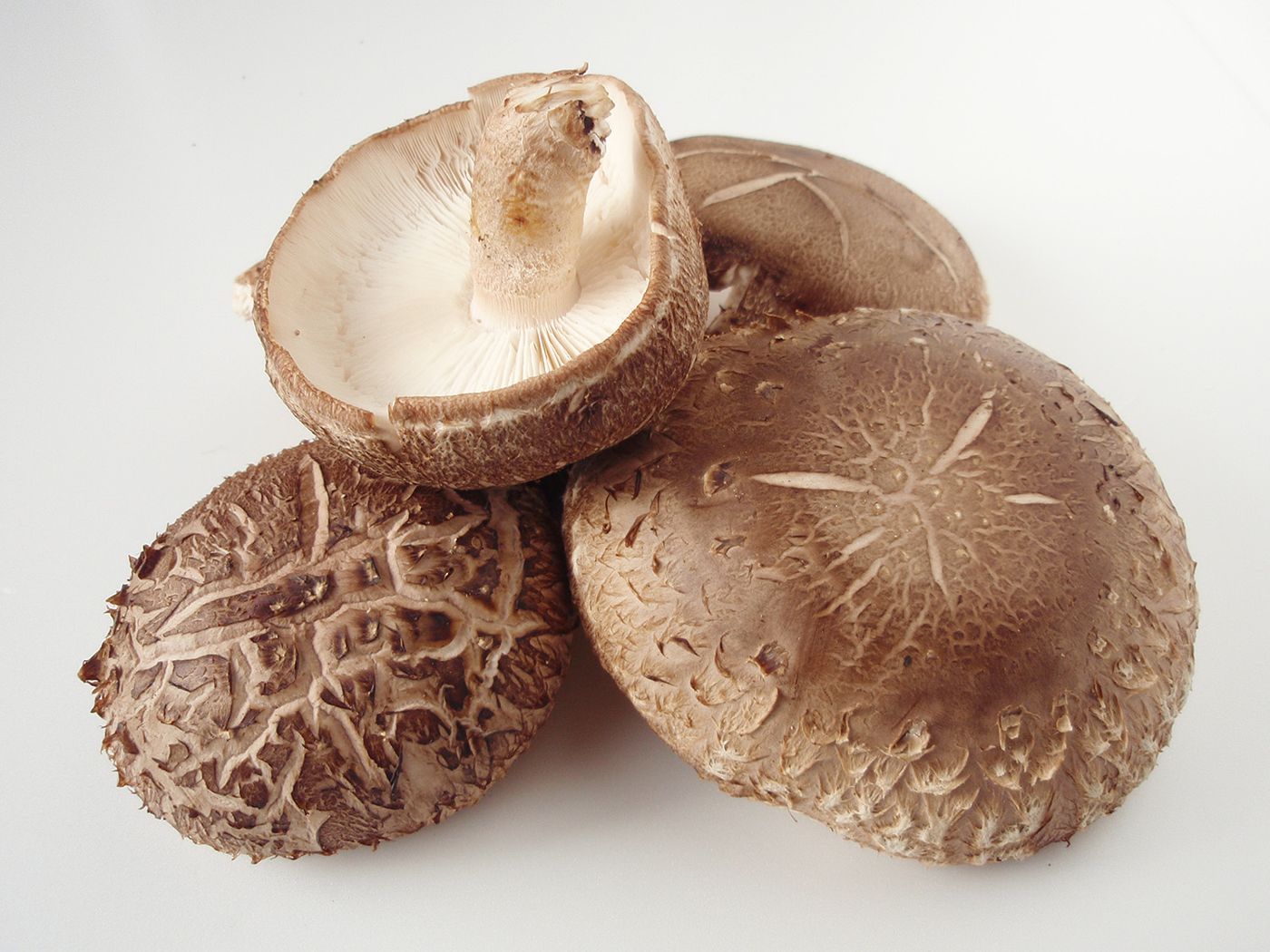 Shiitake mushroom표고Dark-capped, meaty mushrooms known in Korean as pyogo or pyogo-beoseot. Used fresh in stir-fries and pan-fried dishes, and dried for a deeply savory broth and an intensely aromatic bite.
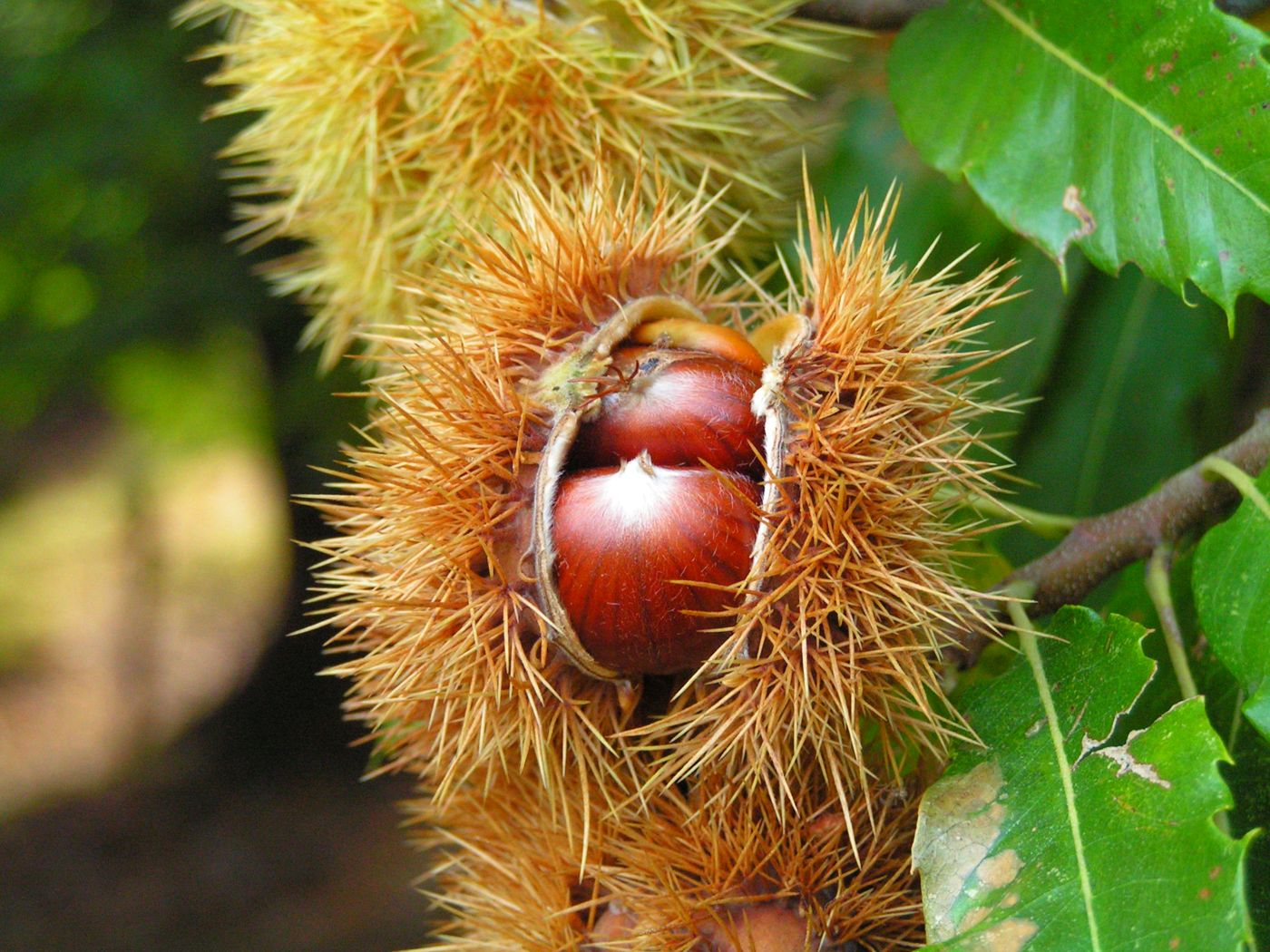 Chestnuts밤Glossy brown nuts with a pale, starchy kernel, roasted on winter street corners, cooked into rice and yaksik, and stacked on the ancestral-rite table. Gongju in South Chungcheong is the best-known growing region.
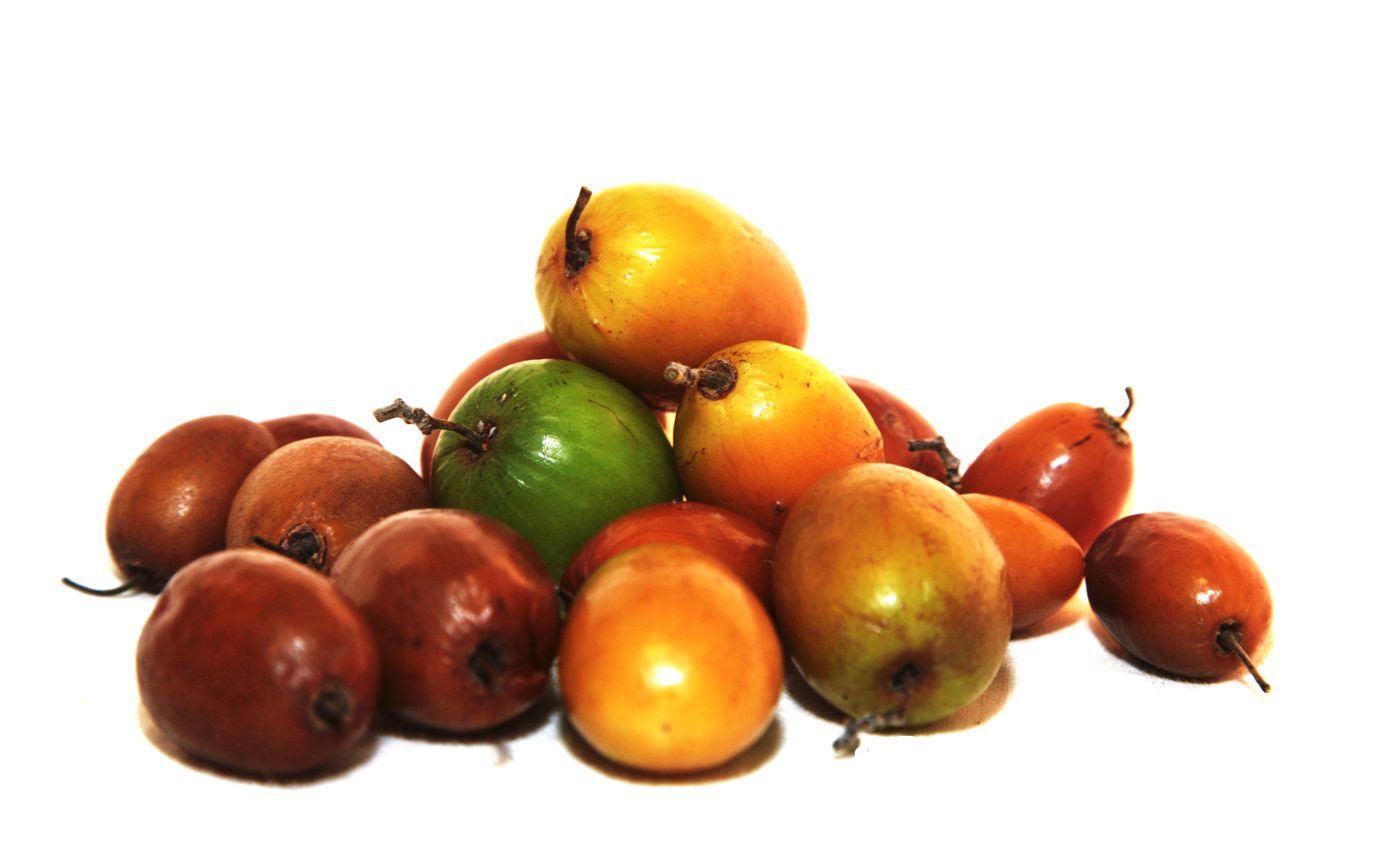 Jujube (red date)대추The small, wrinkled red fruit of the jujube tree, dried until sweet and chewy. An essential of ancestral-rite and wedding tables, it sweetens teas and herbal soups and garnishes rice cakes and festive dishes.
- Ginkgo nuts은행Jade-green kernels from inside the ginkgo seed, pan-roasted with a little oil and salt or used a few at a time as a garnish. Delicious in small numbers — but toxic in large ones.
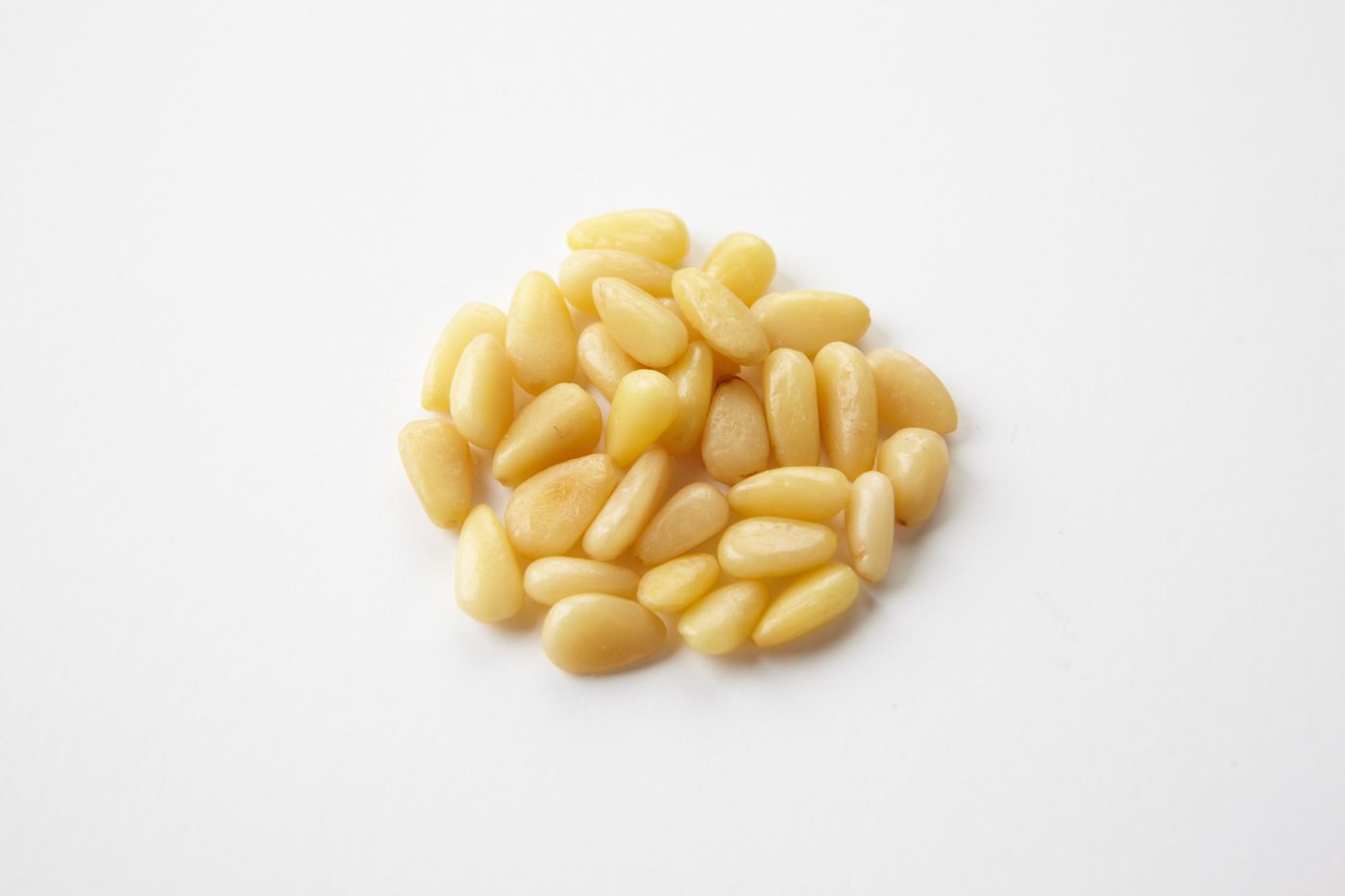 Pine nuts잣Creamy, ivory seeds of the Korean pine, scattered as a finishing garnish on punches, porridges and braises, or ground into the delicate porridge jatjuk. Gapyeong in Gyeonggi-do is the country's pine-nut capital.
Nutrition
| Calories | ~680 kcal |
|---|---|
| Protein | ~38 g |
| Fat | ~43 g |
| Carbohydrates | ~39 g |
| Fiber | ~5.2 g |
| Sodium | ~1520 mg |
Notable forProtein · Zinc · Vitamin B12 · Vitamin A
Estimated by summing USDA FoodData Central (SR Legacy) values for boneless chuck short ribs, lean and fat, raw (FDC 170827), assuming about 750 g edible meat from 1.5 kg bone-in ribs, plus soy sauce (FDC 174277; 6 tbsp), sugar, Asian pear (FDC 168177), onion, garlic, ginger, sesame oil, Korean radish (FDC 168451), carrot (FDC 170393), dried shiitake (FDC 168436), peeled chestnuts (FDC 170575), dried jujube (FDC 168152) and egg, divided by 4. Fat removed by parboiling and skimming is not subtracted, so fat and calories are likely overstated. USDA reports no fiber value for raw chestnuts, so fiber is slightly understated. Excludes ginkgo and pine nuts. Actual values vary with ingredients, portion size and preparation.
Health Benefits
- Protein and minerals: short ribs are a source of protein, zinc and vitamin B12.
- Root vegetables and fruit: radish, carrot, chestnuts and jujubes add fiber, and carrot contributes vitamin A (as beta-carotene).
- Fat can be lifted off: because it is braised, much of the rendered fat can be skimmed — especially if the dish is chilled and the solid fat removed before reheating.
Regional Variations
- Seoul and court style: soy-sauce braise with chestnuts, jujubes, ginkgo nuts, pine nuts and mushrooms, garnished with egg-strip and water-dropwort garnishes.
- Daegu Dongin-dong jjimgalbi (Gyeongsang): a fiery version braised with plenty of chili powder, garlic and ginger and served in a battered aluminum pot. The Korean Food Promotion Institute dates it to small eateries of the early 1970s and notes that diners wrap it in lettuce, perilla or white kimchi.
- Dwaeji-galbi-jjim: pork ribs braised in a similar soy or chili sauce, a more everyday version.
- Pressure-cooker galbi-jjim: a quick modern shortcut for weeknights.
Pairings
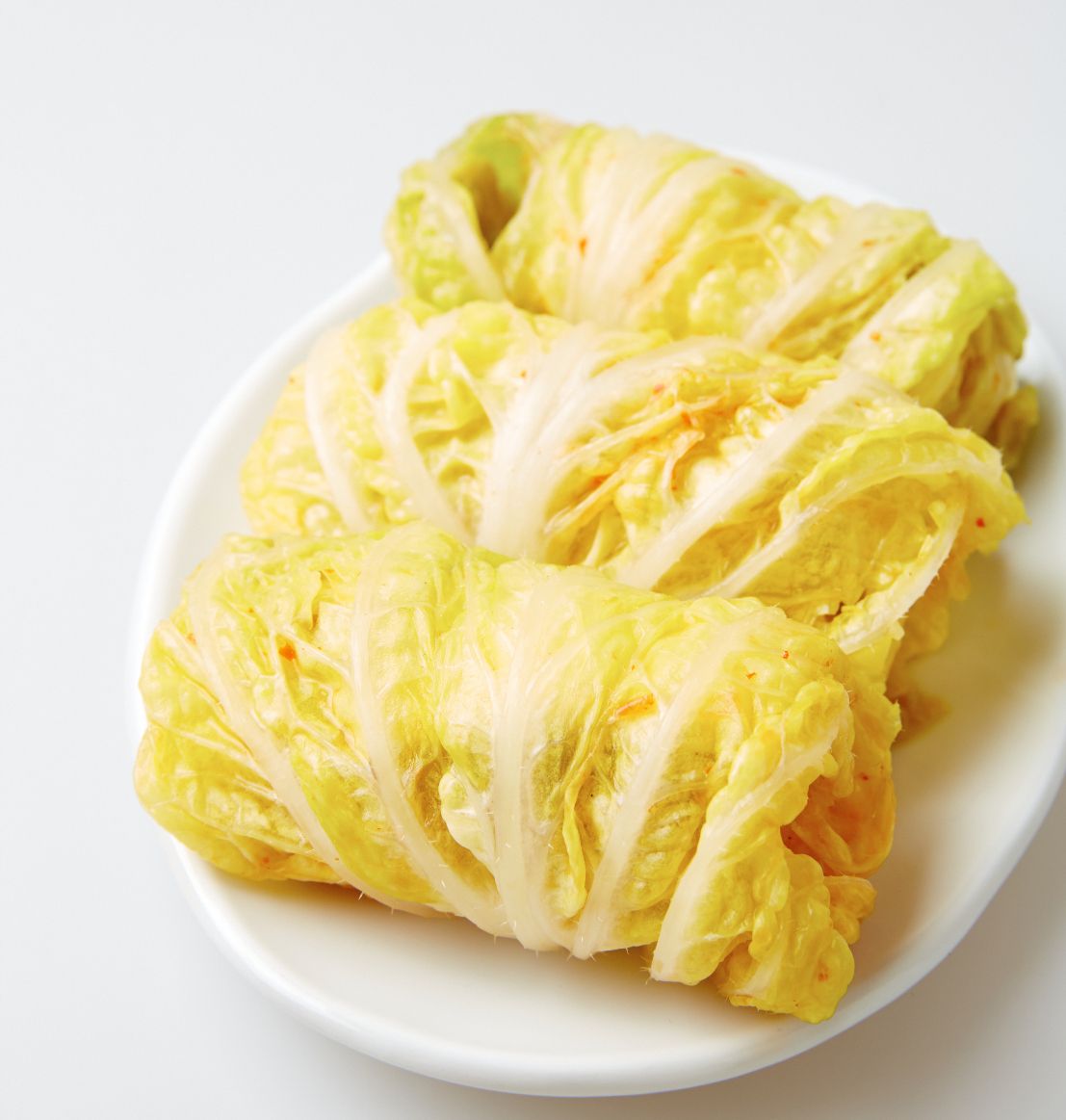 White Kimchi백김치Napa cabbage stuffed with radish, pear, chestnut and jujube and ripened in a clear, cool brine — kimchi with no chili flakes, mild and refreshing.
 Japchae (Glass Noodles with Vegetables)잡채Chewy sweet potato glass noodles tossed with stir-fried vegetables, mushrooms and beef in soy sauce and sesame oil — Korea's essential celebration dish.
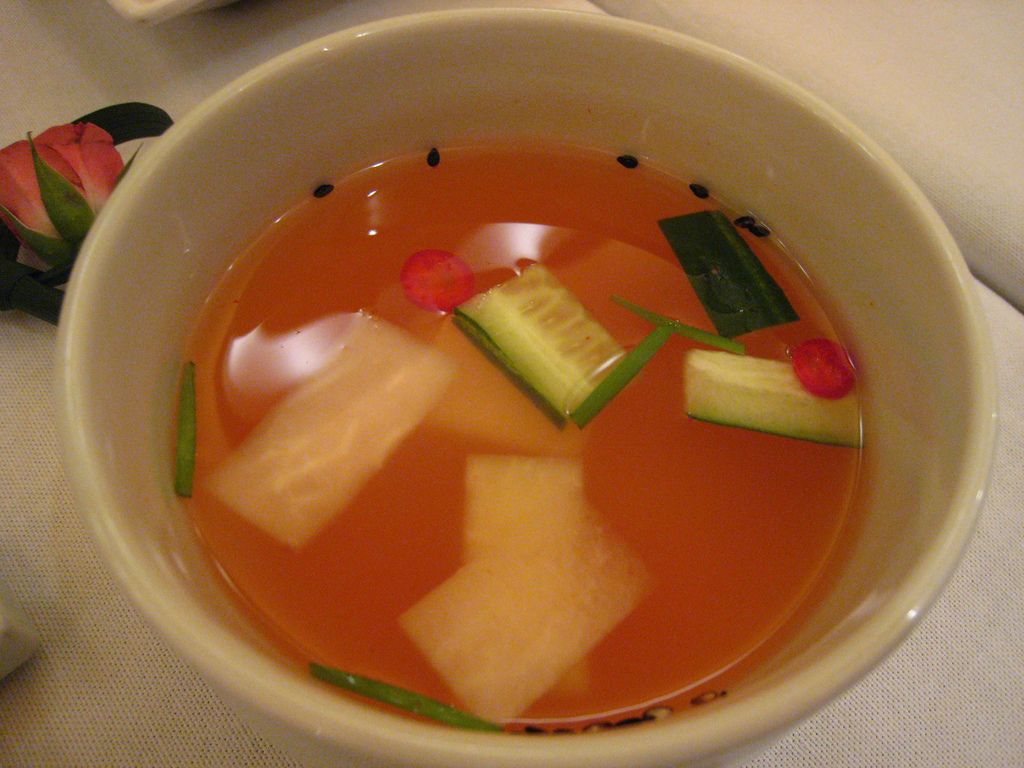 Radish and Cabbage Water Kimchi나박김치Thin squares of radish and napa cabbage in a lightly salted, pink-tinted broth — a mild, refreshing water kimchi eaten by the spoonful.
Sources
- 01갈비찜 (Galbi-jjim) — Encyclopedia of Korean Culture
- 02한식이야기: 갈비찜 (Korean Food Story: Galbi-jjim) — Korean Food Promotion Institute
- 03Beef, chuck, short ribs, boneless, separable lean and fat, choice, raw (FDC 170827) — USDA FoodData Central
- 04Ginkgo seed poisoning — Pediatrics (2002), PubMed 11826216
Last updated