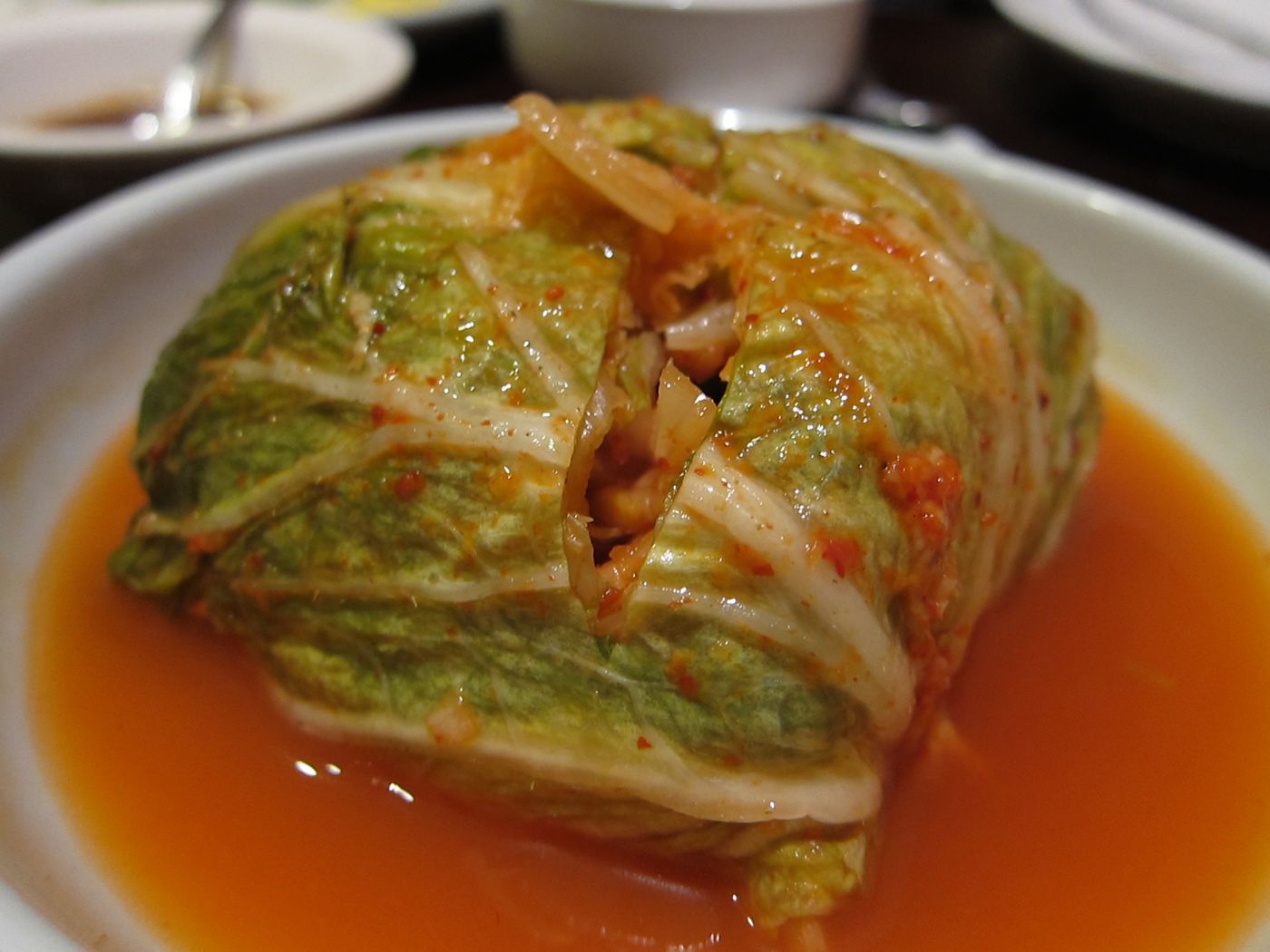
 Photo: Eugene Kim, CC BY 2.0, via Wikimedia Commons
Kimchi 김치
Wrapped Kimchi
보쌈김치
Romanization: bossam-kimchi
Cabbage, radish, fruit, nuts and seafood bundled inside whole cabbage leaves — the lavish wrapped kimchi of Gaeseong, made for honored guests.
- Serves
- 32
- Prep
- 120 min
- Cook
- 0 min
RegionGaeseong · Seoul & Gyeonggi
Jump to recipeRecipe
Ingredients · Serves 32
- 1 large headNapa cabbage, long-leavedabout 2 kg
- 400 gKorean radish (mu)cut into thin 2.5 cm squares
- 150 gCoarse sea salt (cheonilyeom), non-iodizedfor salting cabbage and radish
- 150 gKorean pearcut into thin squares
- 6 Chestnutspeeled and thinly sliced
- 6 Jujubes (daechu)pitted and slivered
- 1 tbspPine nuts
- 3 Dried shiitake mushroomssoaked, squeezed and sliced
- 50 gWater dropwort (minari)cut into 3 cm lengths
- 50 gLeaf mustard (gat)cut into 3 cm lengths
- 50 gKorean chives (jjokpa) or green onionscut into 3 cm lengths
- 200 gSmall octopus (nakji)rubbed clean with salt, cut into 3 cm pieces
- 100 gFresh oystersoptional; rinsed in salted water
- 1 Abaloneoptional; cleaned and thinly sliced
- 30 gGochugaru (Korean chili flakes)
- 2 tbspSalted fermented shrimp (saeujeot)finely chopped
- 2 tbspGarlicminced
- 2 tspGingerminced
- 2 tspSugar
- 3 tbspSalted yellow-croaker liquid (jogijeot-guk) or anchovy fish saucemixed with 300 ml water for the brine
- 1 pinchDried chili threads (silgochu)for garnish
Method
Technique: Making Kimchi
Step 1: Peel off the 16 largest outer cabbage leaves whole and set aside. Cut the remaining cabbage into 2.5–3 cm squares. Salt the whole leaves, cabbage squares and radish squares with the coarse salt (dissolve part of it in a little water and sprinkle the rest), and leave for 2–3 hours, turning once, until the leaves bend without snapping. Rinse twice and drain well.
Step 2: Make the filling: toss the cabbage and radish squares with the gochugaru until evenly colored, then add the saeujeot, garlic, ginger and sugar. Fold in the pear, half the chestnuts, jujubes and pine nuts, the mushrooms, minari, leaf mustard, jjokpa, octopus, oysters and abalone.
Step 3: Line a small rice bowl with two of the whole salted leaves, crossing them so the leafy tops hang over the rim. Pack in about one-eighth of the filling, standing some cabbage and radish pieces upright around the edge.
Step 4: Top with a few slices of the reserved chestnut and jujube, a couple of pine nuts and some chili threads. Fold the overhanging leaves over to enclose the filling, lift the parcel out and set it in a small jar or snug container. Repeat to make 8 parcels.
Step 5: Mix the croaker liquid or fish sauce with the water and pour it around the parcels until they are about half covered. Seal and leave in a cool place (about 10–15°C) or at room temperature for no more than half a day, then refrigerate.
Step 6: Ready in 3–4 days and best within about 2 weeks, since the fresh seafood and fruit shorten its life. To serve, set a parcel in a bowl, fold back the leaves, and share it at the table. Use clean utensils and discard if it smells off or turns slimy.
Origin & History
Bossam-kimchi — also called ssam-kimchi — is a kimchi parcel. Squares of salted cabbage and radish are mixed with fruit, nuts, mushrooms and seafood in a chili seasoning, arranged inside a cup of large cabbage leaves, topped with garnishes and wrapped closed, then ripened in individual small crocks under a fish-sauce brine. At the table the outer leaves are folded back like petals to reveal the filling.
The Encyclopedia of Korean Folk Culture ties it firmly to Gaeseong, the old Goryeo capital and a city of wealthy merchants. Wrapping a whole parcel needs long, broad leaves, so the dish likely dates only from the late 1800s, after the semi-heading Gaeseong and Seoul cabbages were established in Korea; the Gaeseong cabbage, longer and broader-leaved with a narrow waist, was considered the better of the two for wrapping. The oldest written account the encyclopedia cites is a 1924 Chosun Ilbo article in which An Sun-hwan, owner of the famous Myeongwolgwan restaurant, explained the court method; the first cookbook recipe appeared under the name ssam-kimchi in the 1934 enlarged edition of Bang Sin-yeong's Joseon yori jebeop.
Costly ingredients, hours of handwork and the need for a separate crock for every parcel made it a dish of palaces and rich households, and because it keeps poorly it was made only briefly in the coldest part of winter. The folk encyclopedia records a Gaeseong-born woman remembering that each little crock was opened only for elders or guests. From the late 1980s, and through franchises in the 1990s, the name was borrowed by restaurants serving boiled pork (bossam) with a sweet, crunchy radish kimchi, so many people now picture that instead of the original wrapped kimchi.
Key Ingredients
 Napa cabbage배추The tall, pale, tightly headed cabbage at the heart of Korea's best-known kimchi. Salted, layered with seasoning and left to ferment, it becomes baechu-kimchi; fresh, it goes into soups, wraps and quick salads.
 Korean radish무A stout, heavy white radish, often tinged pale green near the top. It is cubed for kkakdugi, left whole in the clear brine of dongchimi, shredded into salads and simmered into broths.
 Sun-Dried Sea Salt천일염Coarse sea salt made by evaporating seawater with sun and wind in tidal-flat salt pans, most of it from Sinan County off Korea's southwest coast. It is the everyday salt for salting cabbage and making jang.
- Korean Pear배The large, round, crisp and very juicy Korean pear (bae). Beyond eating fresh, it is grated into meat marinades and sliced into mild kimchi for natural sweetness.
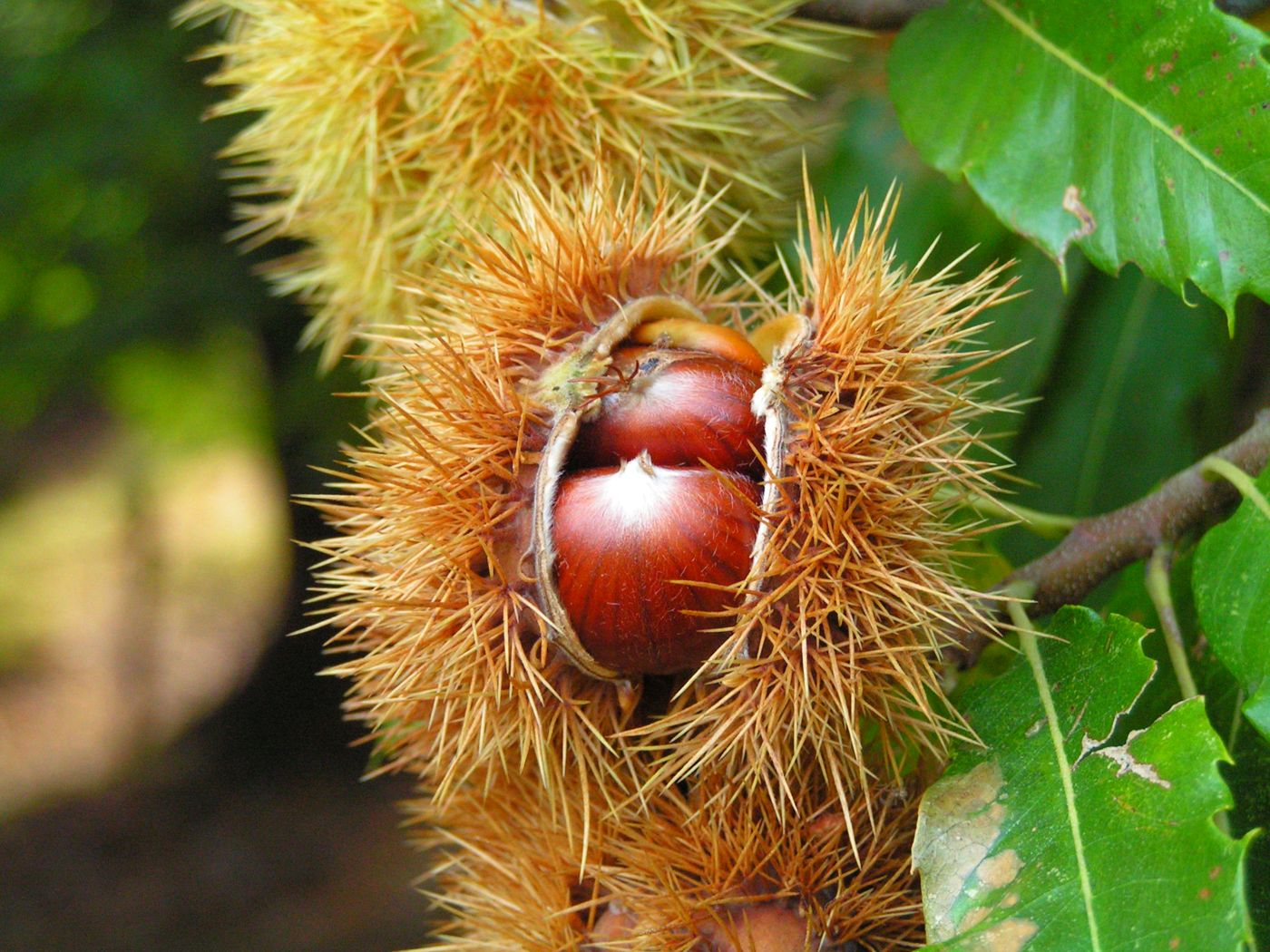 Chestnuts밤Glossy brown nuts with a pale, starchy kernel, roasted on winter street corners, cooked into rice and yaksik, and stacked on the ancestral-rite table. Gongju in South Chungcheong is the best-known growing region.
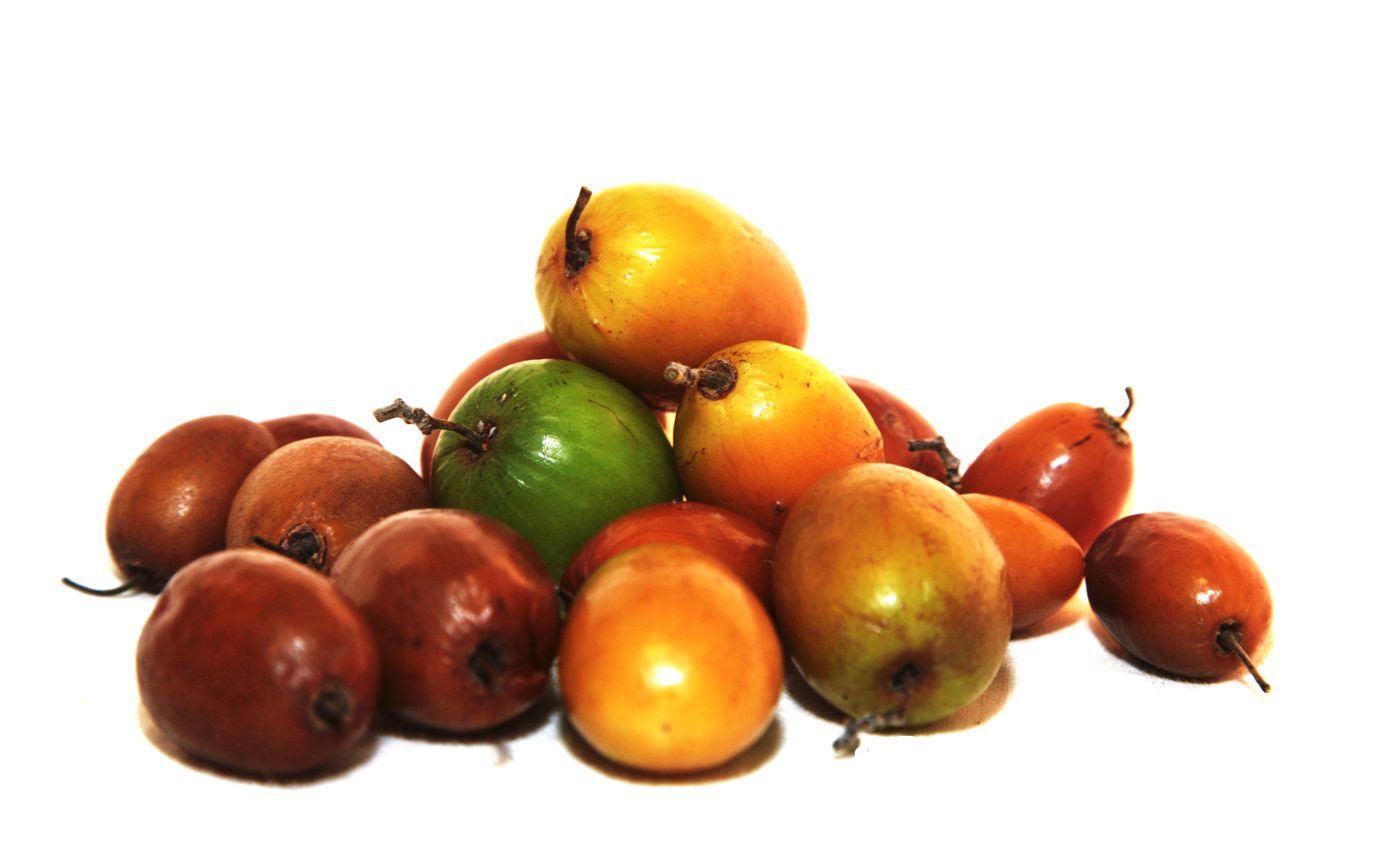 Jujube (red date)대추The small, wrinkled red fruit of the jujube tree, dried until sweet and chewy. An essential of ancestral-rite and wedding tables, it sweetens teas and herbal soups and garnishes rice cakes and festive dishes.
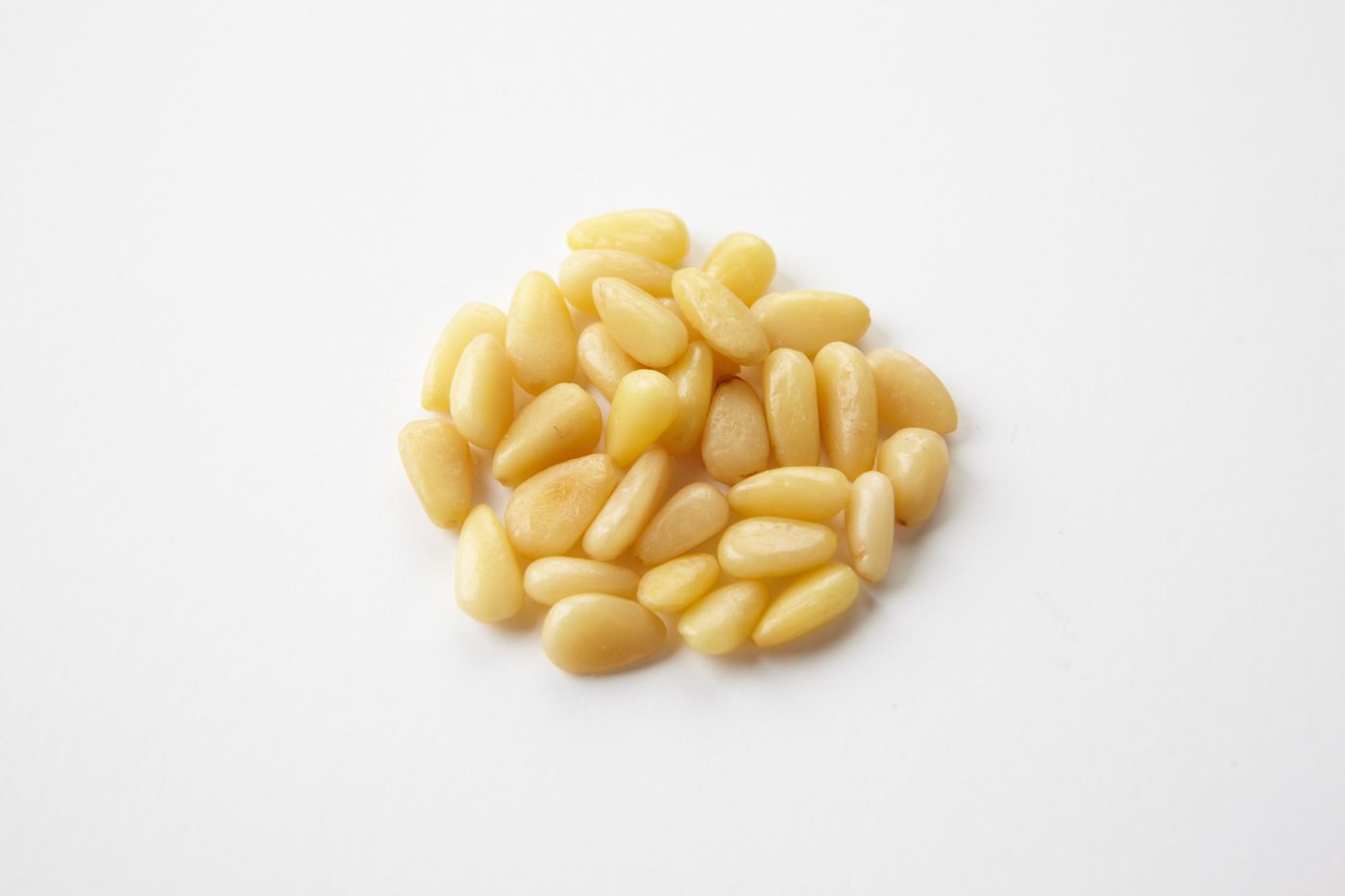 Pine nuts잣Creamy, ivory seeds of the Korean pine, scattered as a finishing garnish on punches, porridges and braises, or ground into the delicate porridge jatjuk. Gapyeong in Gyeonggi-do is the country's pine-nut capital.
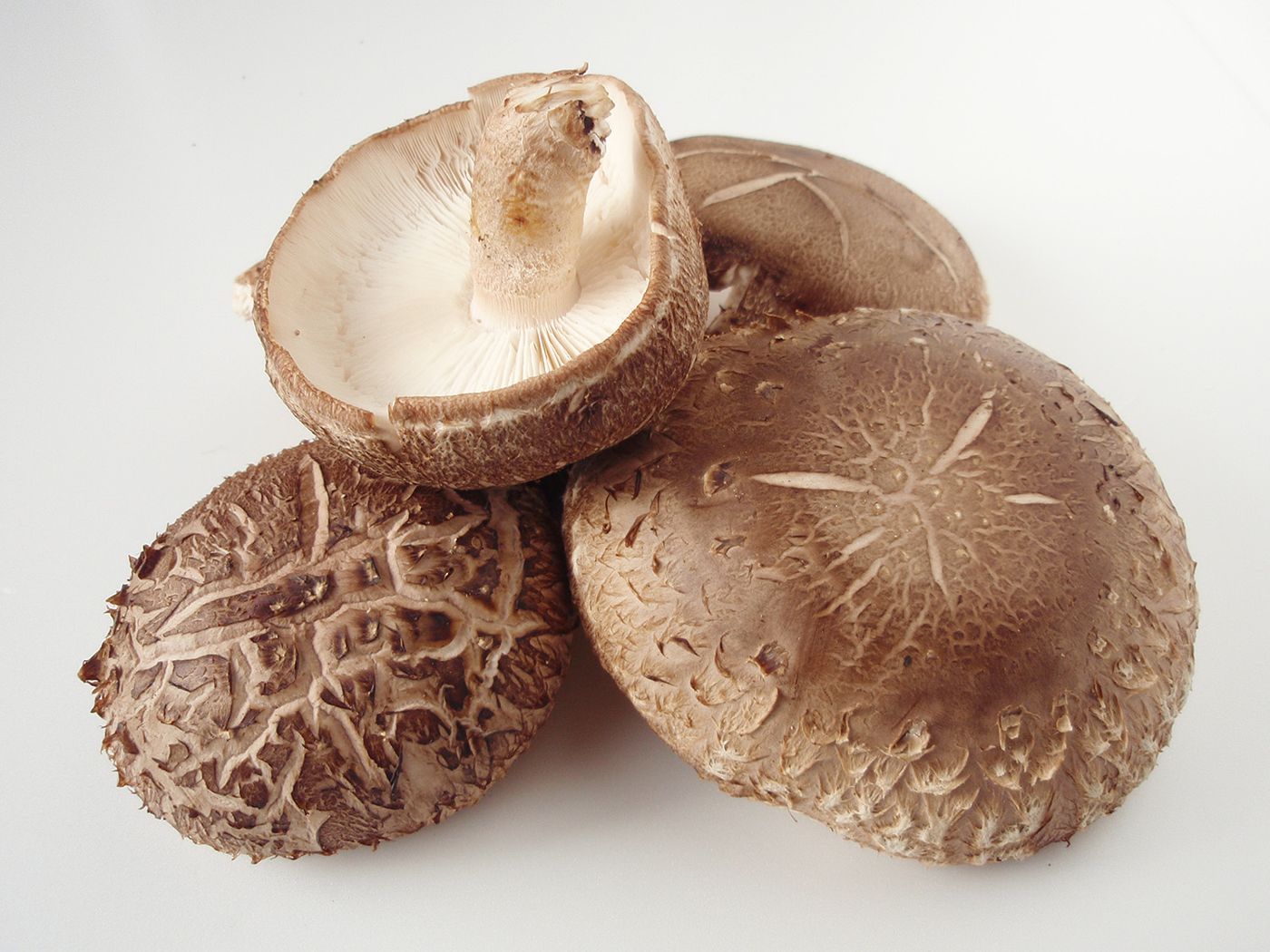 Shiitake mushroom표고Dark-capped, meaty mushrooms known in Korean as pyogo or pyogo-beoseot. Used fresh in stir-fries and pan-fried dishes, and dried for a deeply savory broth and an intensely aromatic bite.
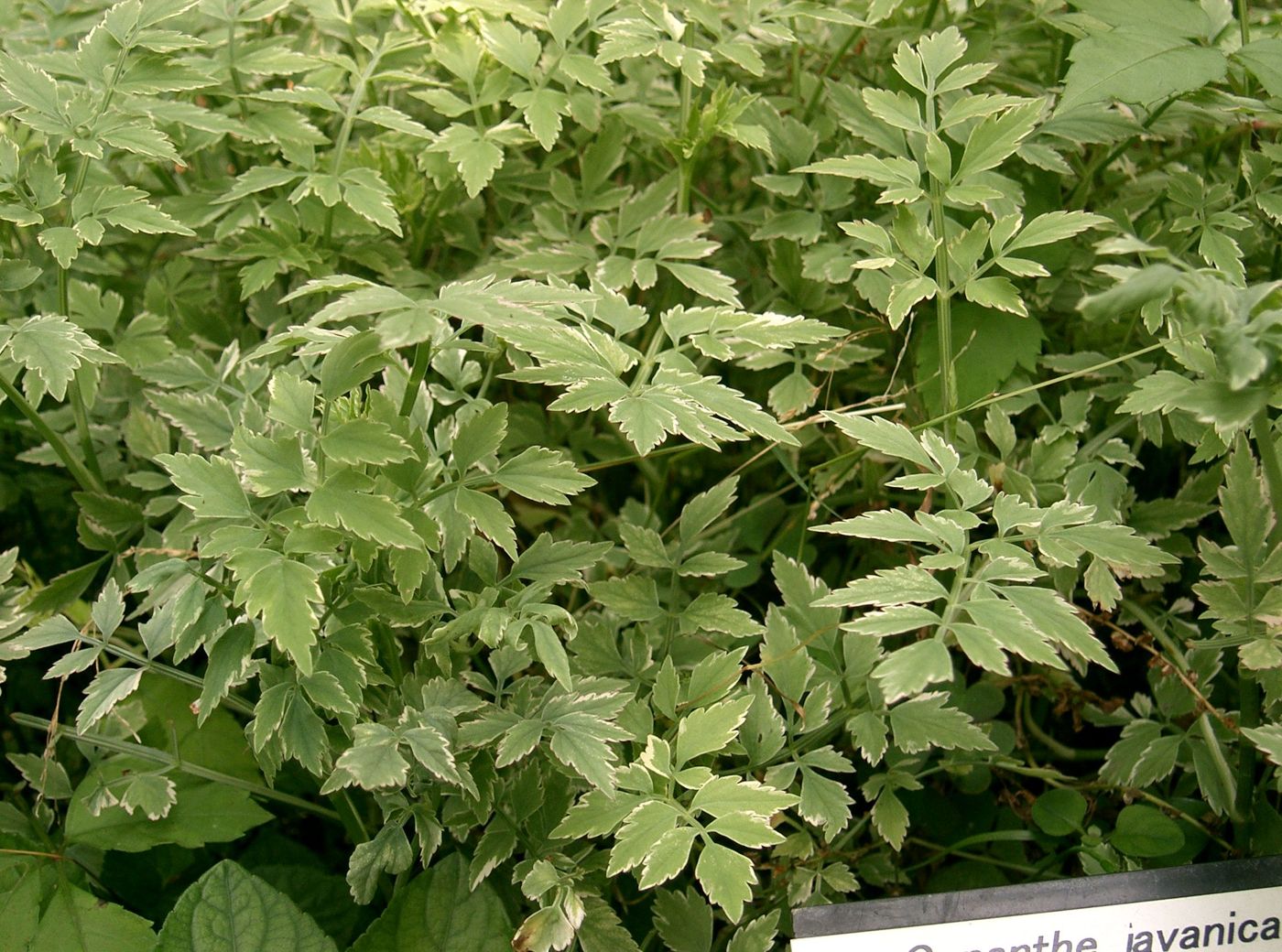 Minari (water dropwort)미나리A long-stemmed, aromatic water plant with a fresh, celery-like perfume. Blanched and dressed as minari-muchim, tucked into kimchi, wrapped into little bundles for minari-ganghoe and piled into fish stews and hot pots.
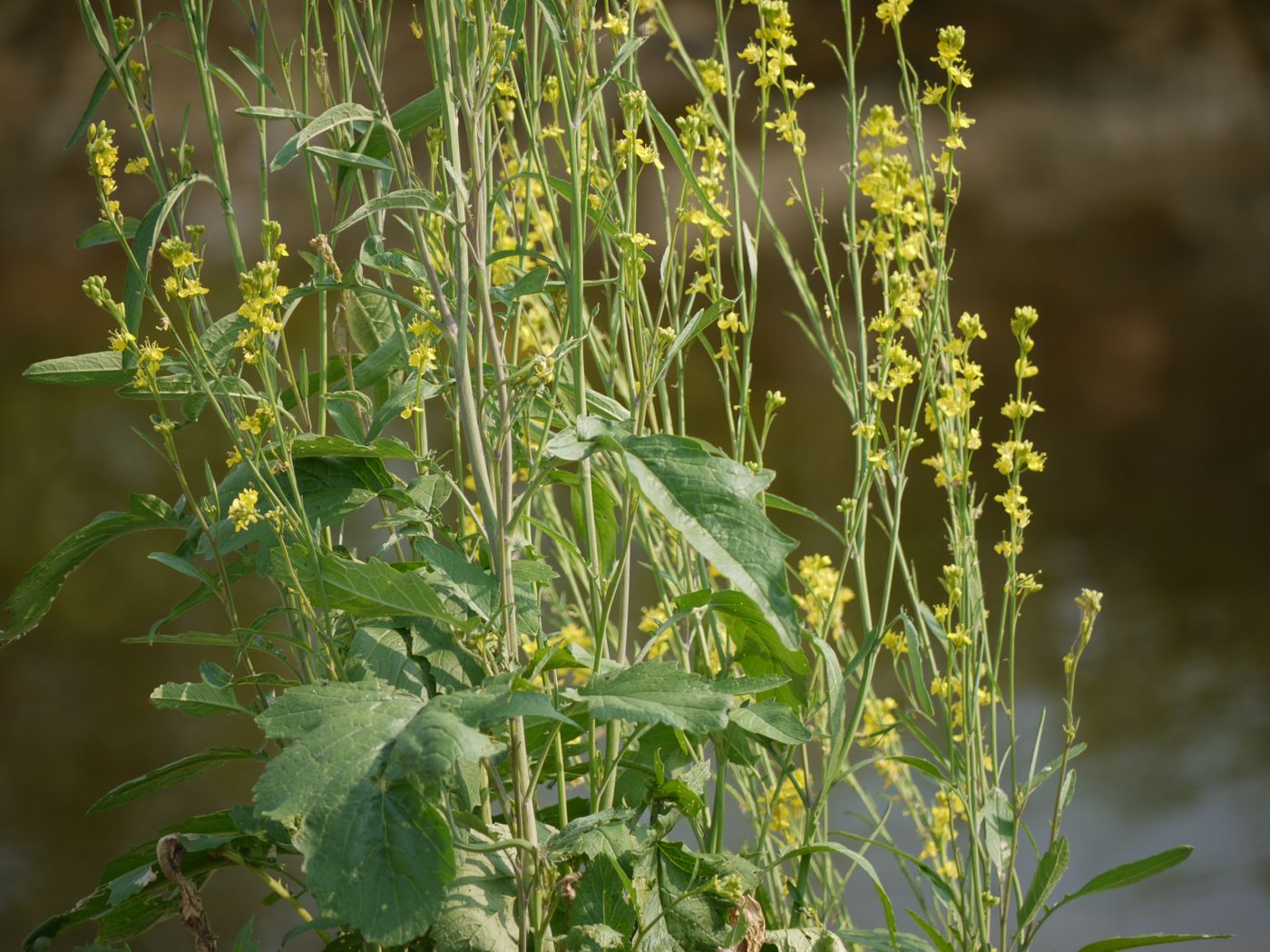 Mustard greens (gat)갓Broad, pungent leaves of Korean leaf mustard, green or deep purple-red. The star of gat-kimchi from Yeosu's Dolsan Island and a sharp, aromatic addition to winter kimchi seasoning.
 Green onion파Korean green onion (pa), from thick-stemmed daepa to slender scallions — chopped into nearly every seasoning sauce, soup and kimchi, and the star of pa-kimchi.
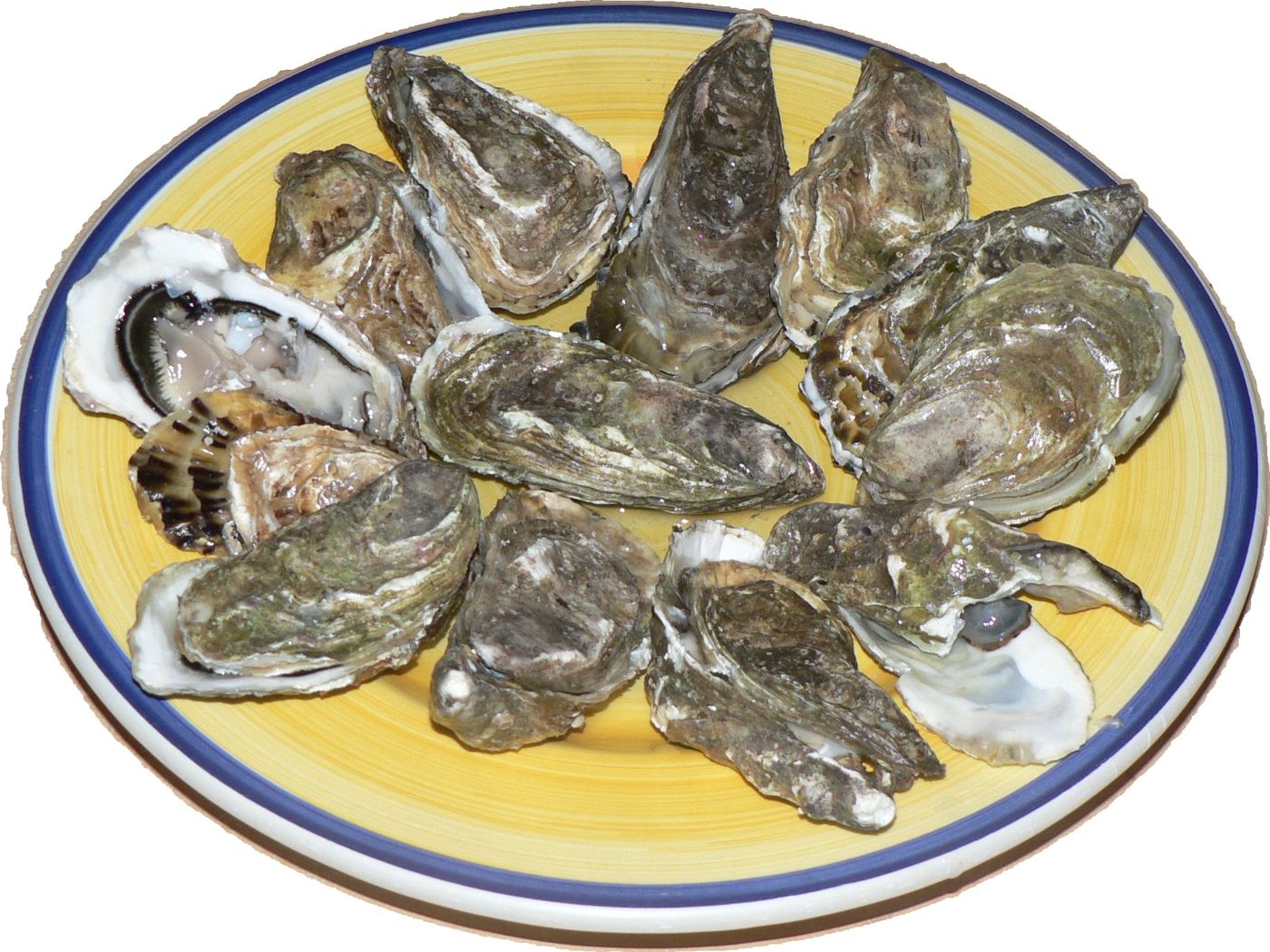 Oyster (gul)굴Plump, briny oysters, many of them grown on hanging lines in the bays around Tongyeong. Koreans eat them raw, cooked into rice, porridge, soup and pan-fried jeon, or salted with chili as eoriguljeot.
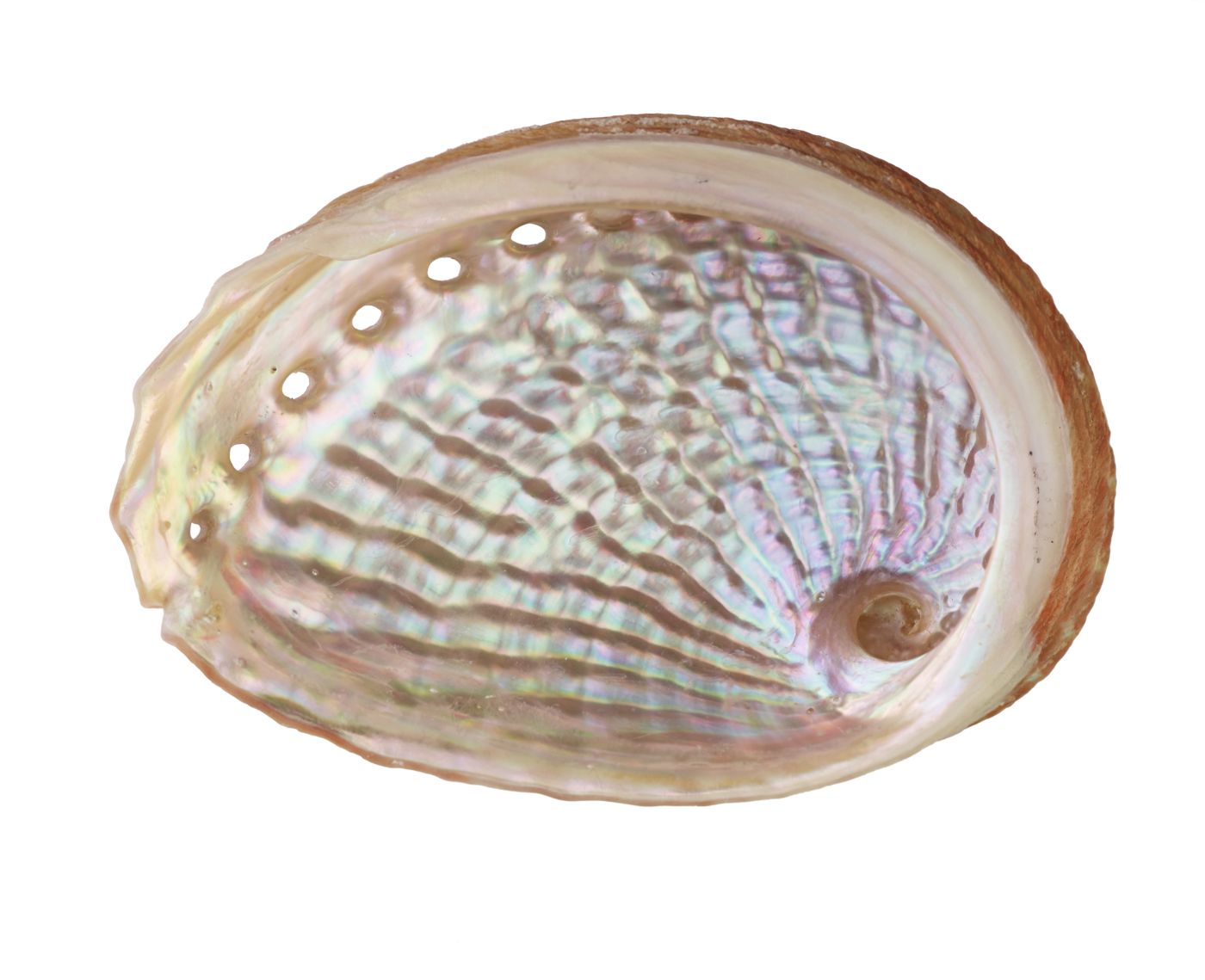 Abalone (jeonbok)전복A prized sea snail with a single pearly shell and a firm, sweet foot. Long gathered by divers and now farmed widely around Wando, it is simmered into Jeju's restorative jeonbok-juk.
 Gochugaru고춧가루Korean red chili powder, made from dried red peppers ground coarse or fine. It gives kimchi, gochujang and countless banchan their color and warmth.
 Salted fermented shrimp새우젓Tiny shrimp packed in salt and left to ferment — a jeotgal (salted seafood) that seasons kimchi and stews and accompanies boiled pork with briny, savory depth.
 Garlic마늘Used raw, minced, pickled and roasted, garlic is one of the essential aromatics of Korean food — in seasonings, marinades, kimchi and namul.
 Ginger생강Fresh ginger root, used in small amounts to brighten kimchi paste and marinades and to tame the strong smells of fish and meat.
- Yellow croaker (jogi)조기A golden-skinned West Sea fish, prized above all as gulbi: whole croakers salted and air-dried, a specialty of Yeonggwang. Gulbi was once sent as tribute to the court and is still a prized gift.
Nutrition
| Calories | ~31 kcal |
|---|---|
| Protein | ~2.6 g |
| Fat | ~0.5 g |
| Carbohydrates | ~4.9 g |
| Fiber | ~1.3 g |
| Sodium | ~405 mg |
Notable forVitamin C · Vitamin K
Estimated by summing Korean Food Composition Table values for the main ingredients (salted napa cabbage, radish, pear, chestnut, jujube, pine nuts, minari, leaf mustard, chives, octopus, oysters, chili powder, salted shrimp, garlic, ginger, sugar and fish sauce) and dividing by 32 servings. Several ingredients lack fiber, vitamin and (for oysters) sodium values in the table, and mushrooms, abalone and the full brine are not counted, so treat these figures as approximate. Actual values vary with ingredients, portion size and preparation.
Health Benefits
- Many foods in one bundle: cabbage, radish, leafy greens, fruit, nuts and seafood together give a broader mix of nutrients than most kimchi, for few calories.
- Vitamin C: fresh radish, pear, jujube and leaf mustard all contribute vitamin C; a serving supplies an estimated 7 mg or more.
- A milder kimchi: Gaeseong-style bossam-kimchi is seasoned less intensely than everyday kimchi, which is part of why it was so prized.
Regional Variations
- Gaeseong: the signature style, rich with chestnut, pear, jujube, pine nuts, stone-ear mushroom, shiitake, octopus and abalone, ripened under salted yellow-croaker brine.
- Seoul–Gyeonggi and Hwanghae: made in a few elite households of the region, often with family touches — the head family of the Joseon scholar Bak Se-dang stands the cabbage and radish upright in special bowls to form a rose shape and crowns it with scored "pomegranate" radish kimchi.
- Restaurant "bossam kimchi": the modern pork-restaurant side dish of thick, sweet seasoned radish strips shares the name but not the method.
Pairings
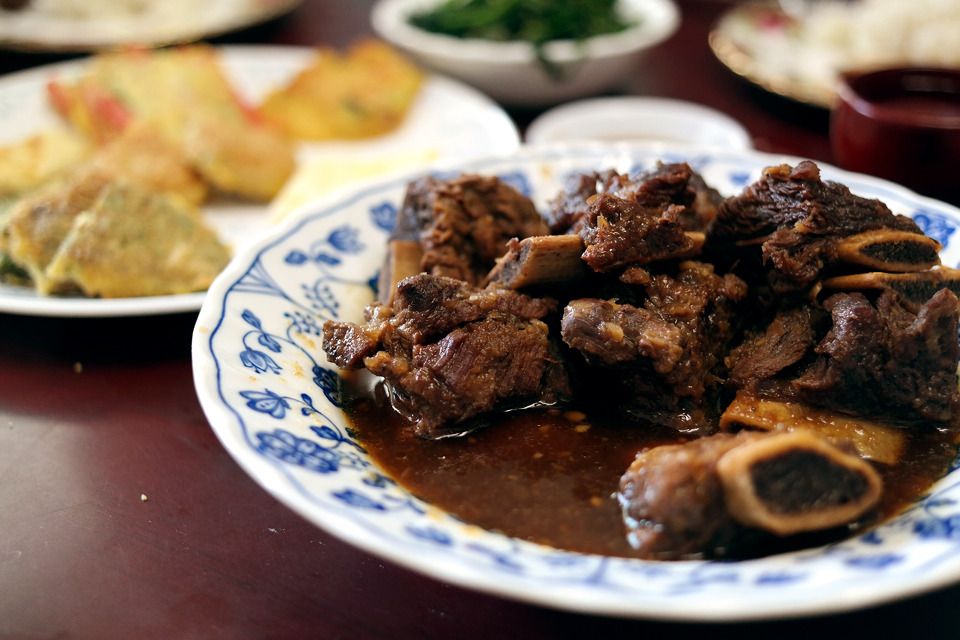 Galbi-jjim (Braised Beef Short Ribs)갈비찜Beef short ribs simmered slowly in soy sauce, pear and garlic with radish, carrot, chestnuts and jujubes until glossy and tender — a dish for holidays and honored guests.
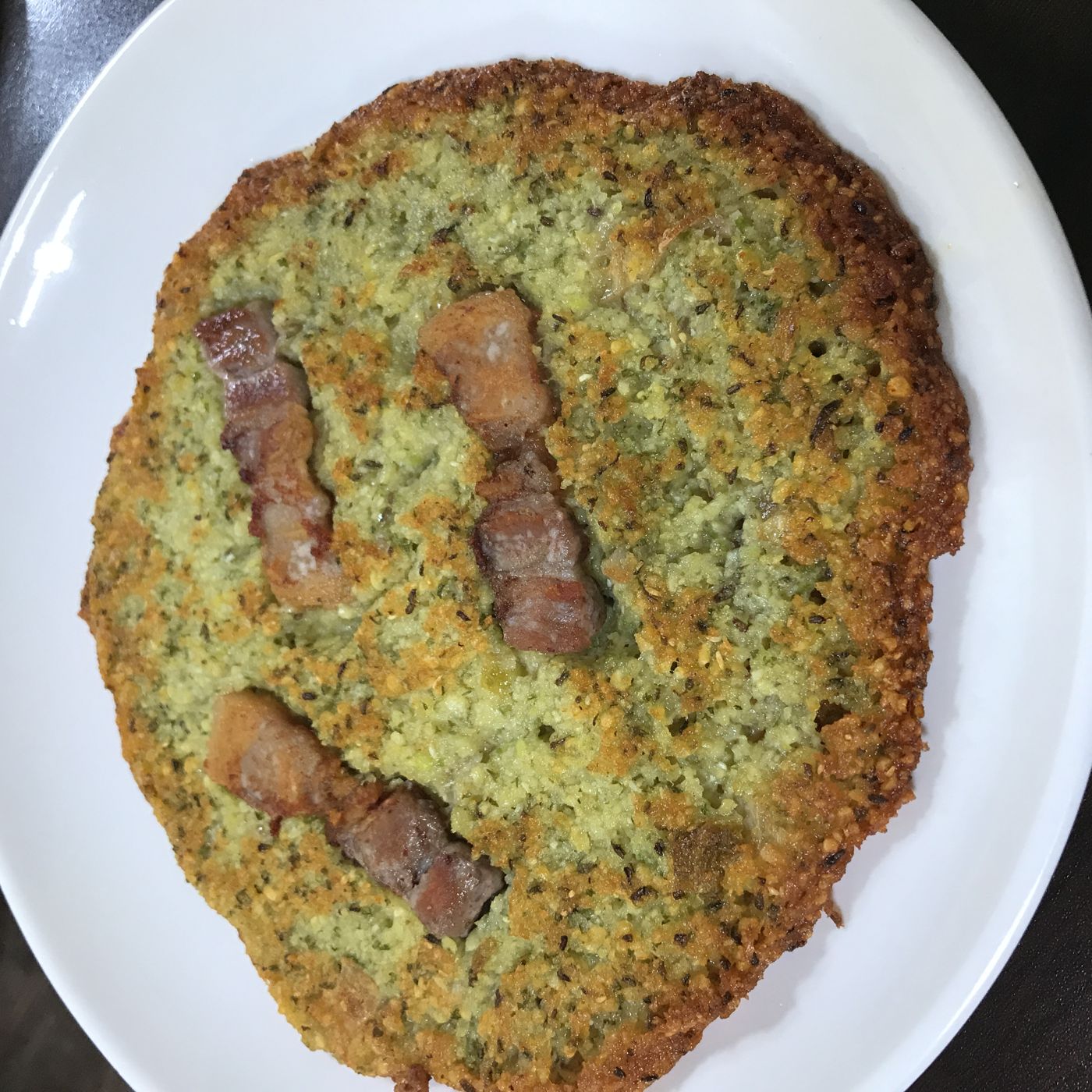 Nokdu Bindaetteok (Mung Bean Pancake)녹두빈대떡Soaked mung beans ground into a thick batter with kimchi, sprouts and pork, then fried crisp in generous oil — a northern specialty and a Seoul market favorite.
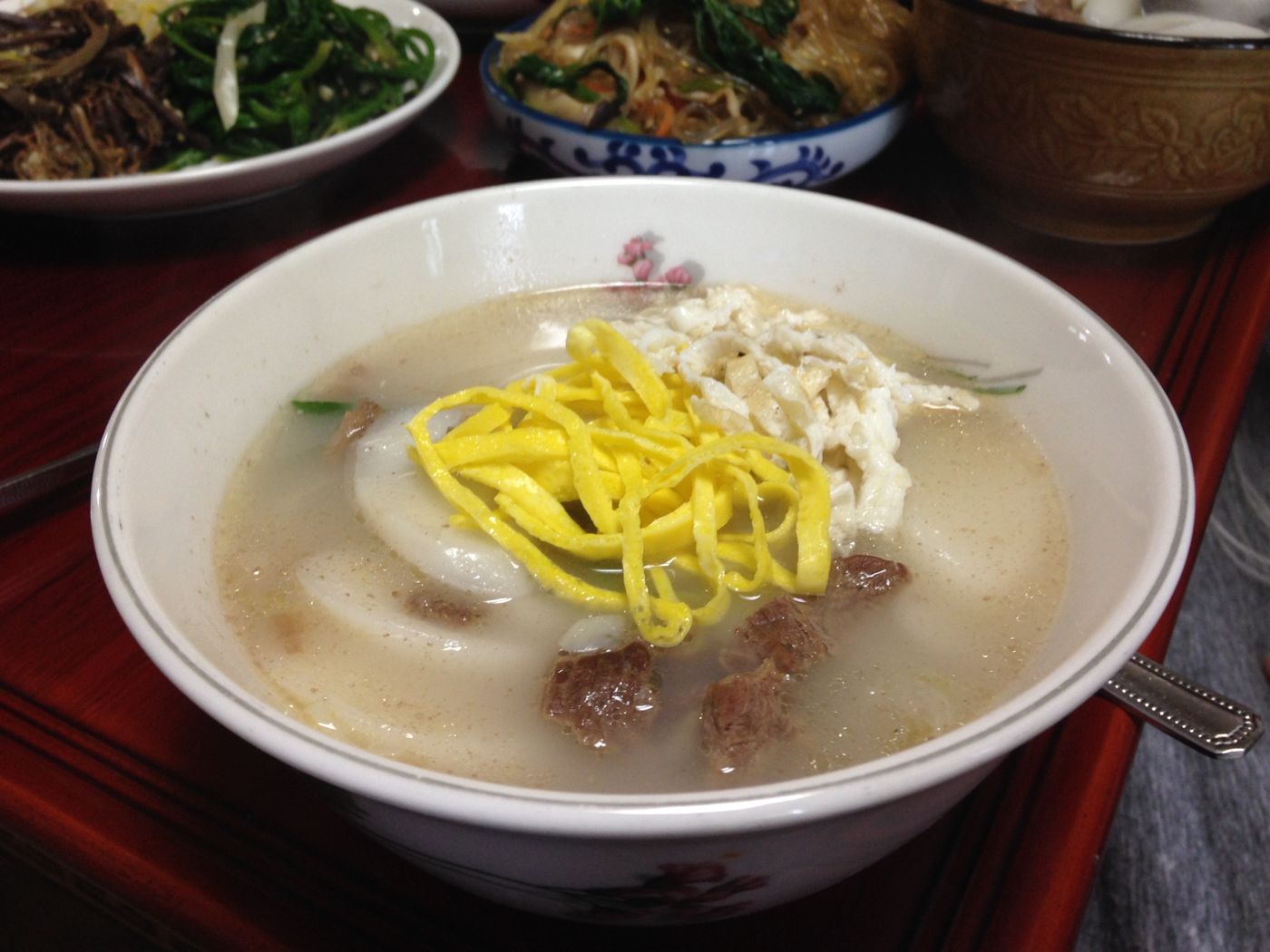 Tteokguk (Rice Cake Soup)떡국Thin ovals of white rice cake in clear beef broth, topped with egg ribbons and seaweed — the soup eaten on Seollal morning to greet the new year.
Sources
- 01보쌈김치 - 한국민속대백과사전 (Encyclopedia of Korean Folk Culture)
- 02Korean Food Composition Table: Kimchi cabbage (Baechu), Salted — National Institute of Agricultural Sciences
- 03Selecting and Serving Fresh and Frozen Seafood Safely - U.S. Food and Drug Administration
- 04Is my kimchi safe to eat? - Oregon State University Extension Service
Last updated