Kimchi 김치
Soy Sauce Water Kimchi
장김치
Romanization: jang-kimchi
Cabbage and radish cured in soy sauce instead of salt, floated in a lightly sweet soy brine with pear, chestnut and pine nuts — a court and gentry kimchi.
- Serves
- 12
- Prep
- 60 min
- Cook
- 0 min
RegionSeoul & Gyeonggi · Chungcheong · Gaeseong
Jump to recipeRecipe
Ingredients · Serves 12
- 400 gNapa cabbage heartsinner leaves, cut into 3 × 3 cm pieces
- 300 gKorean radish (mu)cut into thin 3 × 3 cm squares
- 120 mlSoy sauce (ganjang)about 140 g; divided
- 150 gKorean pearcut like the radish
- 6 Chestnutspeeled and thinly sliced
- 4 Jujubes (daechu)pitted and slivered
- 2 Shiitake mushroomssoaked if dried; thinly sliced
- 30 gWater dropwort (minari)cut in 3 cm lengths
- 30 gMustard greens (gat)cut in 3 cm lengths; optional
- 2 stalksGreen onion, white partfinely slivered
- 3 clovesGarlicfinely slivered
- 10 gGingerfinely slivered
- 900 mlWaterboiled and cooled
- 1 tbspSugar or honey
- 1 tbspPine nuts (jat)for serving
Method
Technique: Making Kimchi
Step 1: Toss the cabbage and radish with 80 ml of the soy sauce in a bowl and leave for 30–40 minutes, turning a few times, until the vegetables have taken on color and softened slightly.
Step 2: Lift out the vegetables and pour the soy sauce they sat in into the cooled boiled water. Stir in the sugar or honey and the remaining soy sauce a little at a time until the broth tastes pleasantly savory and just slightly sweet; it should be lighter than soup.
Step 3: Mix the drained cabbage and radish with the pear, chestnuts, jujubes, shiitake, minari, mustard greens, green onion, garlic and ginger, and pack into a clean glass jar or crock.
Step 4: Pour over the broth to cover, put a small plate on top to keep the vegetables submerged, and close the lid. Leave at cool room temperature for about half a day, then refrigerate.
Step 5: It is pleasant after 1–2 days and at its best within about a week, while the radish is still crisp. Serve in small bowls with plenty of broth, scattered with pine nuts.
Step 6: Keep refrigerated and use a clean ladle; discard if the broth turns ropy or the vegetables become slimy.
Origin & History
Jang-kimchi takes its name from jang, here soy sauce: the vegetables are both cured and seasoned with it, rather than with salt and jeotgal as in ordinary kimchi. The Encyclopedia of Korean Folk Culture explains that this gives a different kind of ripeness — vegetables fermenting together with a soy broth — and that classic jang-kimchi uses no salted seafood, salt or chili powder. Late-Joseon texts call it jangjeo or jangchimchae.
The idea is very old. The folk encyclopedia points to a Goryeo poem by Yi Gyu-bo noting that radish steeped in jang is ideal for the three months of summer, while salted radish lasts through winter, and to an entry in Yi Saek's collected works about a Gaeseong man who sent him radish, burdock and green onion together with chimchaejang, which it reads as an early soy kimchi. Gyuhap chongseo (1809) describes a summer version with young cucumber, radish and cabbage cured in soy sauce and layered with abalone, sea staghorn and chili; Dongguk sesigi lists soy kimchi of radish, cabbage, minari, ginger and chili for the eleventh lunar month. By the 1890s, Siuijeonseo gives the refined form with pear, garlic, ginger, mustard greens, rock-tripe lichen and shiitake, and no chili at all.
Both national encyclopedias describe it as a dish of the court and of the gentry living near the capital. The Encyclopedia of Korean Culture notes that it appears as jangchimchae in the court banquet records (Jinchan uigwe), and both describe it served at drinking tables, on rice-cake-soup tables and with rice cakes, whose plain sweetness it suits. The Papyeong Yun head family of Nonsan still makes it from autumn to spring with their inherited seed soy sauce, adding chestnuts from nearby groves and, unusually, chili; in the 20th century a sweeter version made with Japanese-style soy sauce and onion also became popular.
Key Ingredients
 Napa cabbage배추The tall, pale, tightly headed cabbage at the heart of Korea's best-known kimchi. Salted, layered with seasoning and left to ferment, it becomes baechu-kimchi; fresh, it goes into soups, wraps and quick salads.
 Korean radish무A stout, heavy white radish, often tinged pale green near the top. It is cubed for kkakdugi, left whole in the clear brine of dongchimi, shredded into salads and simmered into broths.
 Soy sauce간장Korean soy sauce, in two main kitchen forms: pale, salty guk-ganjang (soup soy sauce) brewed the traditional way from meju, and darker, sweeter jin-ganjang for braises and marinades.
- Korean Pear배The large, round, crisp and very juicy Korean pear (bae). Beyond eating fresh, it is grated into meat marinades and sliced into mild kimchi for natural sweetness.
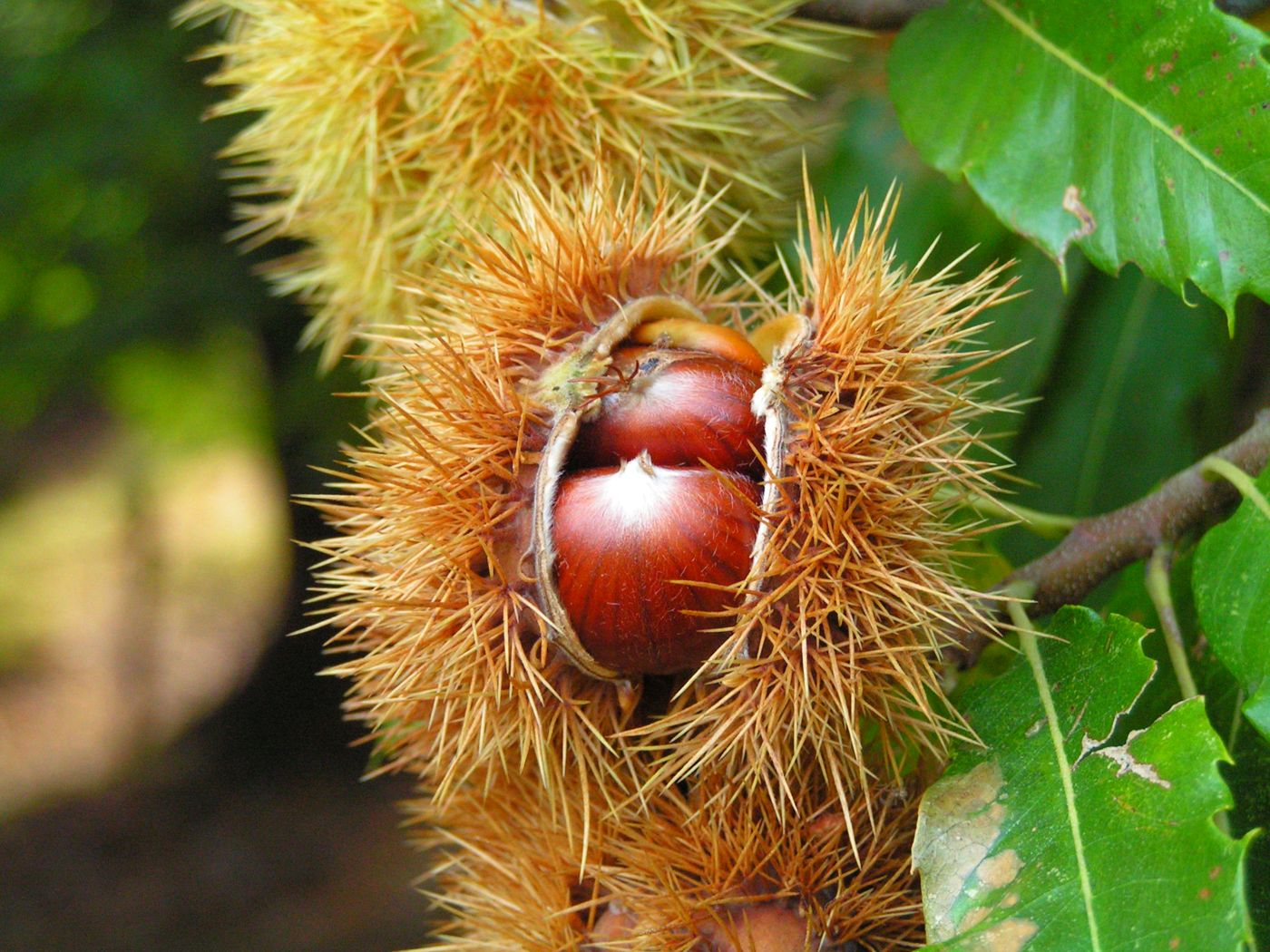 Chestnuts밤Glossy brown nuts with a pale, starchy kernel, roasted on winter street corners, cooked into rice and yaksik, and stacked on the ancestral-rite table. Gongju in South Chungcheong is the best-known growing region.
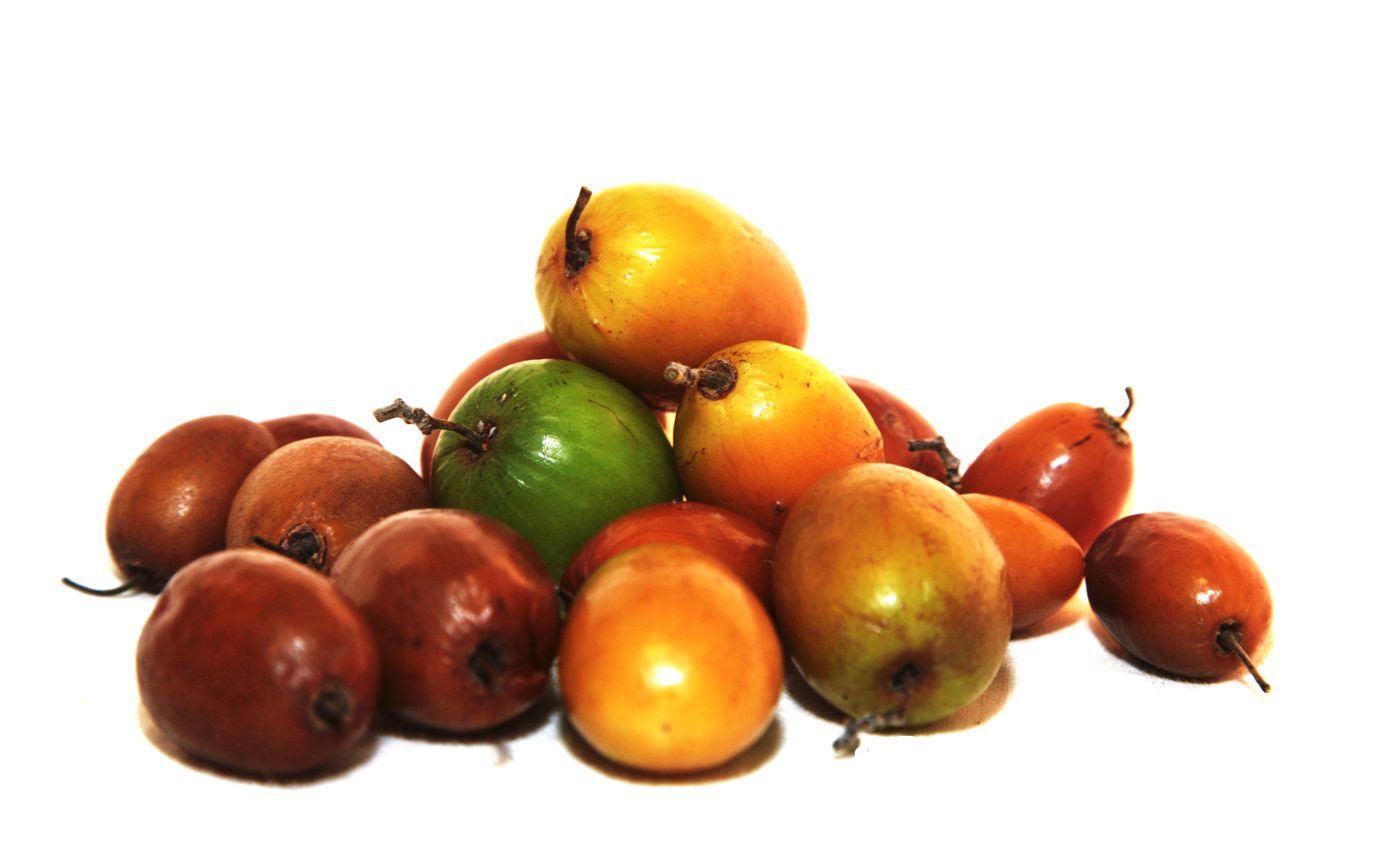 Jujube (red date)대추The small, wrinkled red fruit of the jujube tree, dried until sweet and chewy. An essential of ancestral-rite and wedding tables, it sweetens teas and herbal soups and garnishes rice cakes and festive dishes.
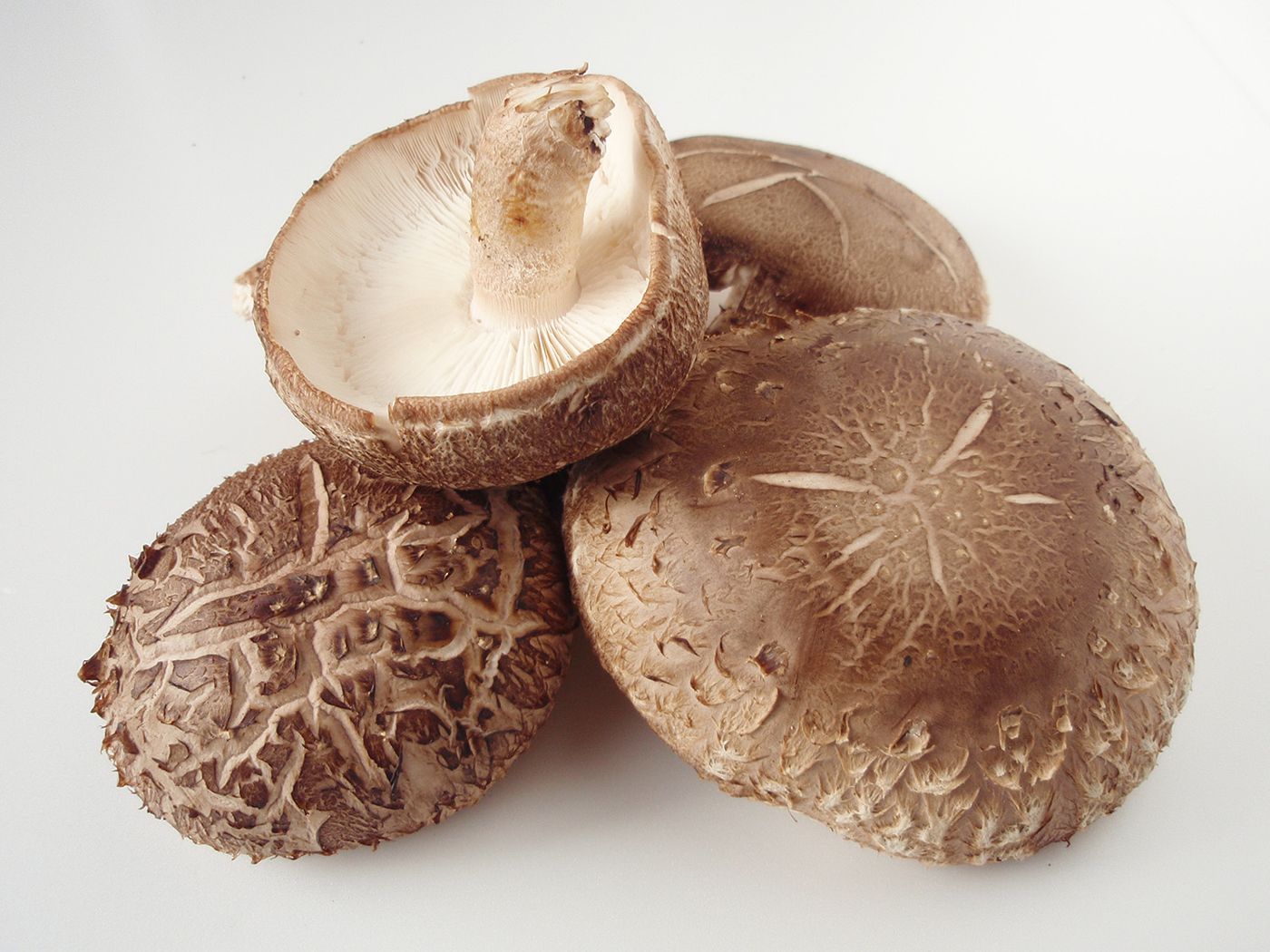 Shiitake mushroom표고Dark-capped, meaty mushrooms known in Korean as pyogo or pyogo-beoseot. Used fresh in stir-fries and pan-fried dishes, and dried for a deeply savory broth and an intensely aromatic bite.
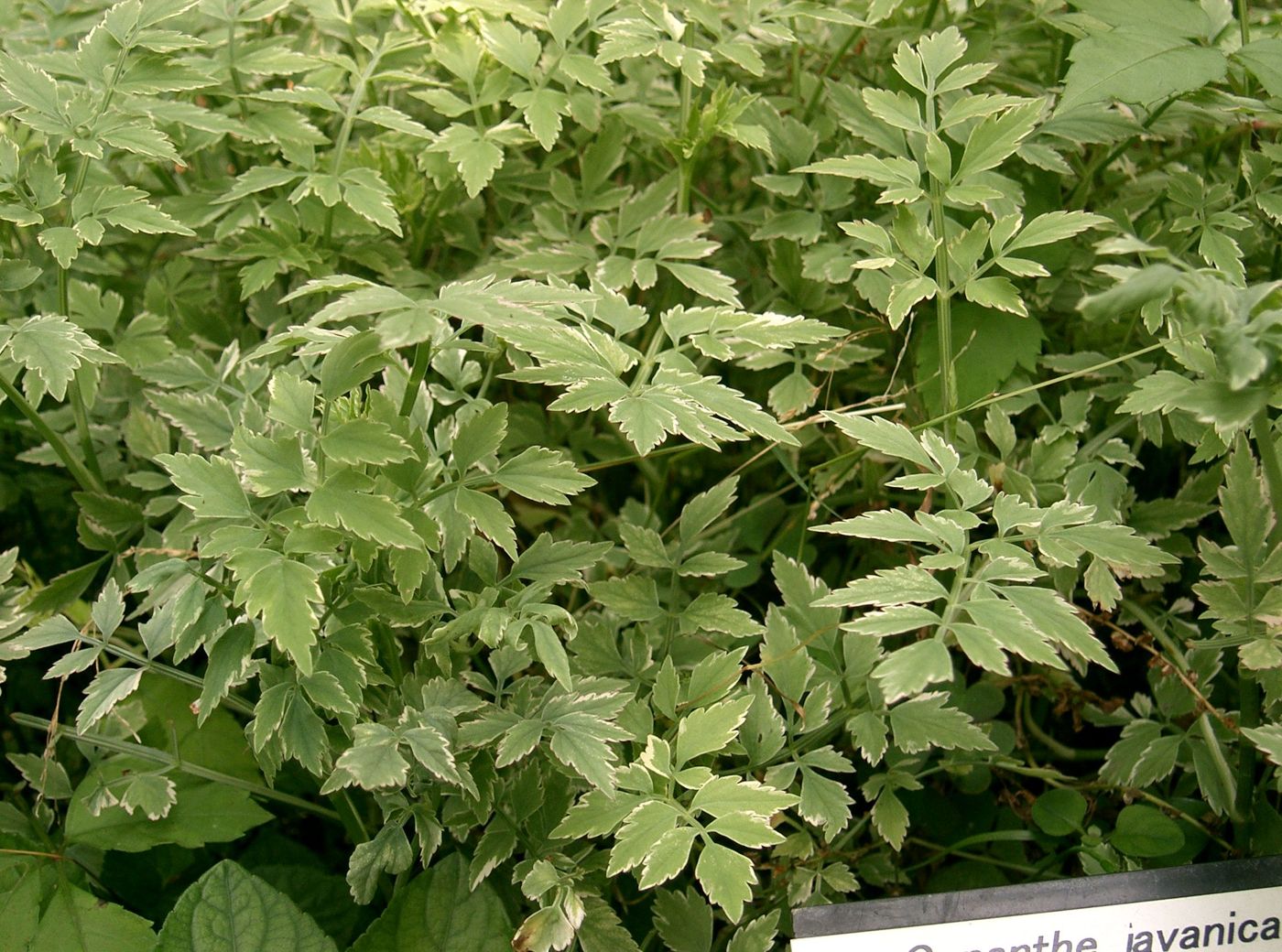 Minari (water dropwort)미나리A long-stemmed, aromatic water plant with a fresh, celery-like perfume. Blanched and dressed as minari-muchim, tucked into kimchi, wrapped into little bundles for minari-ganghoe and piled into fish stews and hot pots.
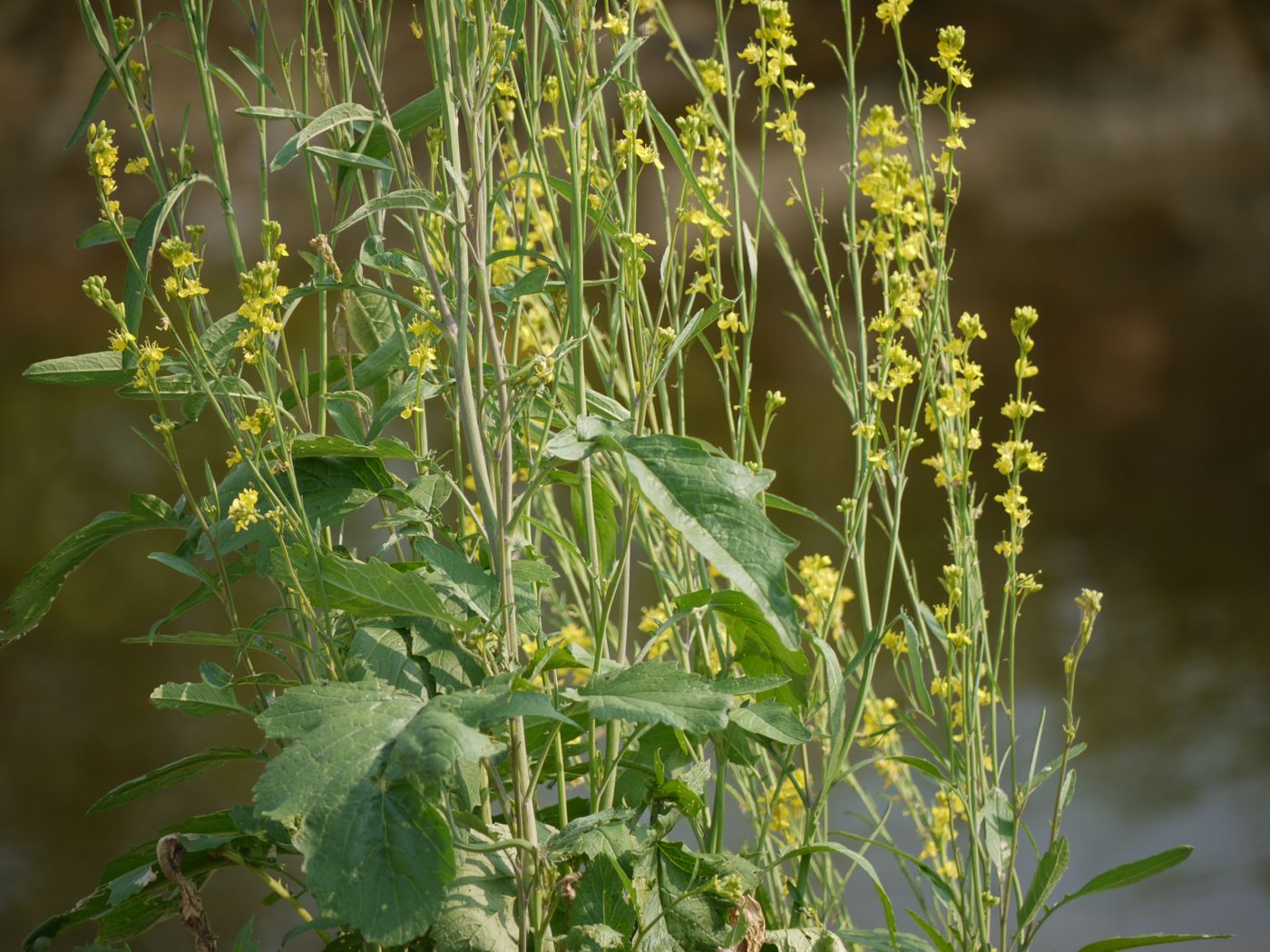 Mustard greens (gat)갓Broad, pungent leaves of Korean leaf mustard, green or deep purple-red. The star of gat-kimchi from Yeosu's Dolsan Island and a sharp, aromatic addition to winter kimchi seasoning.
 Green onion파Korean green onion (pa), from thick-stemmed daepa to slender scallions — chopped into nearly every seasoning sauce, soup and kimchi, and the star of pa-kimchi.
 Garlic마늘Used raw, minced, pickled and roasted, garlic is one of the essential aromatics of Korean food — in seasonings, marinades, kimchi and namul.
 Ginger생강Fresh ginger root, used in small amounts to brighten kimchi paste and marinades and to tame the strong smells of fish and meat.
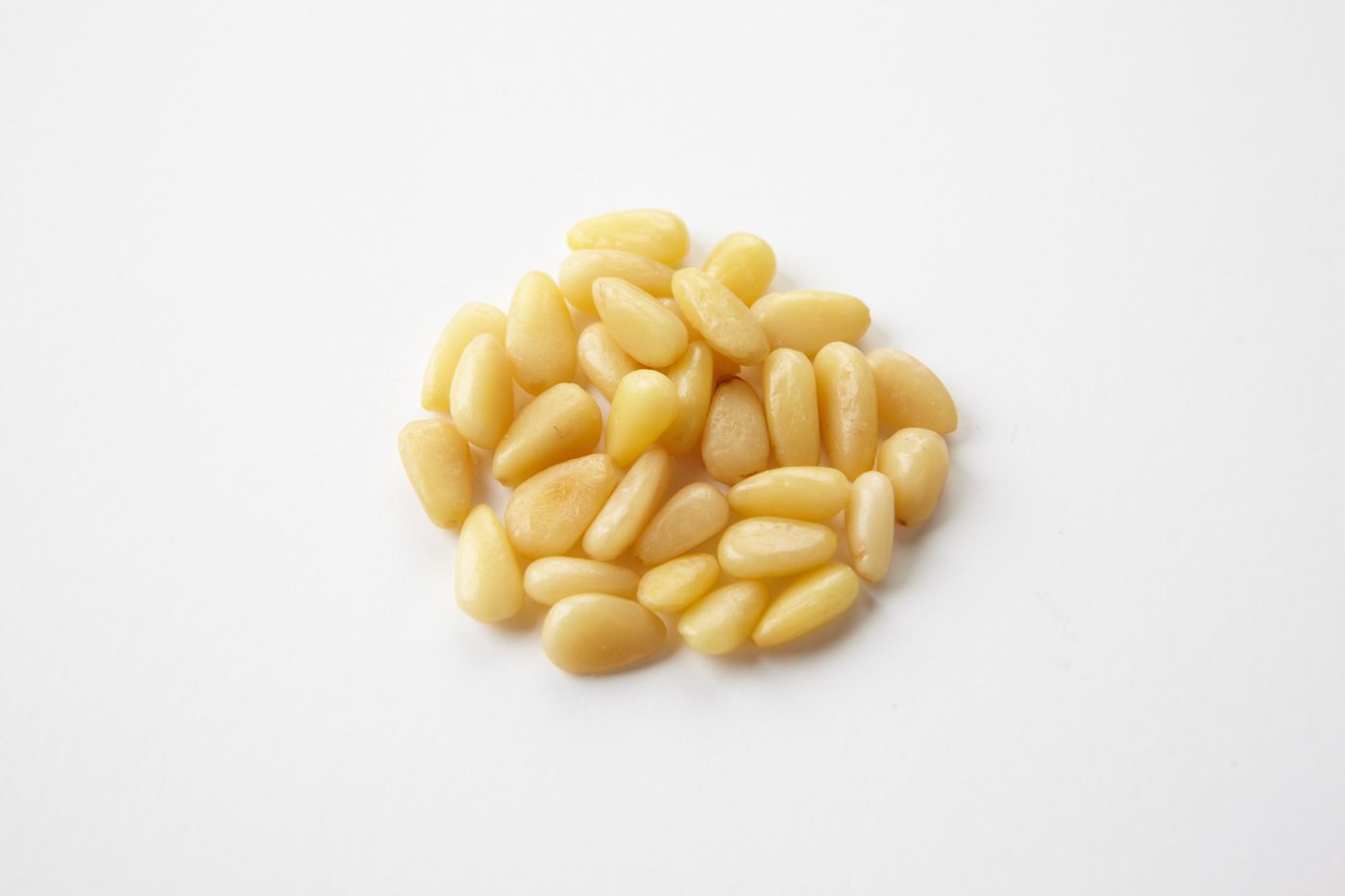 Pine nuts잣Creamy, ivory seeds of the Korean pine, scattered as a finishing garnish on punches, porridges and braises, or ground into the delicate porridge jatjuk. Gapyeong in Gyeonggi-do is the country's pine-nut capital.
Nutrition
| Calories | ~41 kcal |
|---|---|
| Protein | ~1.9 g |
| Fat | ~0.1 g |
| Carbohydrates | ~8.7 g |
| Fiber | ~1.2 g |
| Sodium | ~564 mg |
Notable forVitamin K · Vitamin C
Estimated by summing Korean Food Composition Table values for raw napa cabbage, radish, pear and chestnut and for brewed soy sauce (“Soy sauce, Fermented type”, 4,783 mg sodium per 100 g), plus 15 g sugar, divided by 12; minor aromatics are omitted. The sodium assumes all the broth is eaten. Using traditional soup soy sauce, which the table lists at 7,999 mg sodium per 100 g, would make it considerably saltier. Actual values vary with ingredients, portion size and preparation.
Health Benefits
- Light and low in fat: mostly vegetables and fruit in broth, at roughly 40 kcal per generous bowl by this estimate.
- Vitamins from fresh produce: cabbage contributes an estimated 25 µg of vitamin K and the vegetables and pear about 9 mg of vitamin C per serving.
- No chili or jeotgal: the classic form suits people who avoid spicy food or seafood.
Regional Variations
- Court and Seoul style: a dark, clear broth with chestnut, jujube, pine nuts, rock-tripe lichen and shiitake; no chili, salt or jeotgal.
- Nonsan, Chungcheong (Papyeong Yun head family): radish and small cabbage with minari, green garlic, chestnut and pear in a broth seasoned with the family's seed soy sauce, plus red chili and chili powder; eaten fresh without aging.
- Summer jang-jjanji (Gyuhap chongseo): young cucumber, radish and cabbage layered with abalone, sea staghorn and chili.
- 20th-century style: sweeter soy sauce with onion, a trend the folk encyclopedia attributes to Japanese influence.
Pairings
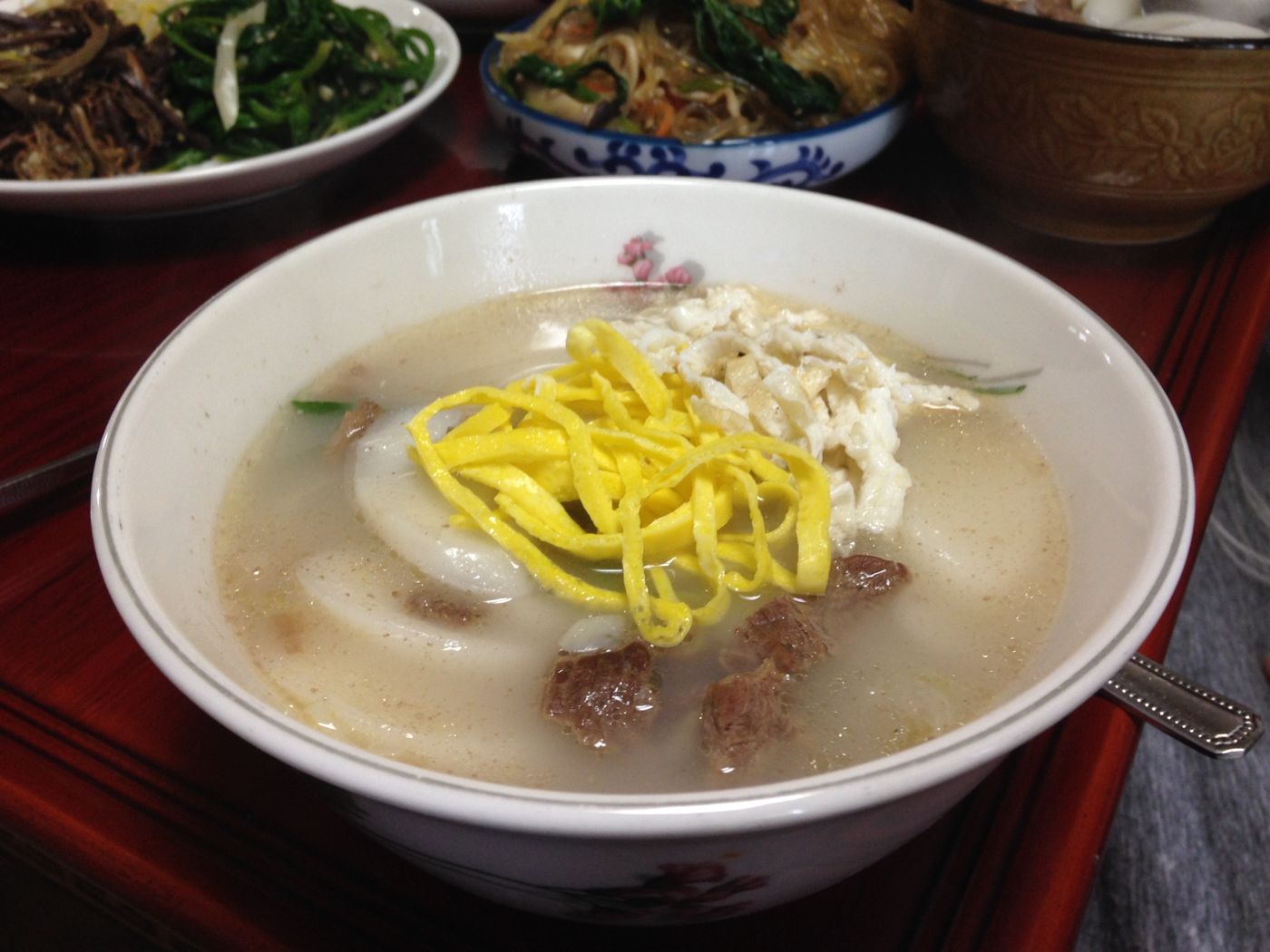 Tteokguk (Rice Cake Soup)떡국Thin ovals of white rice cake in clear beef broth, topped with egg ribbons and seaweed — the soup eaten on Seollal morning to greet the new year.
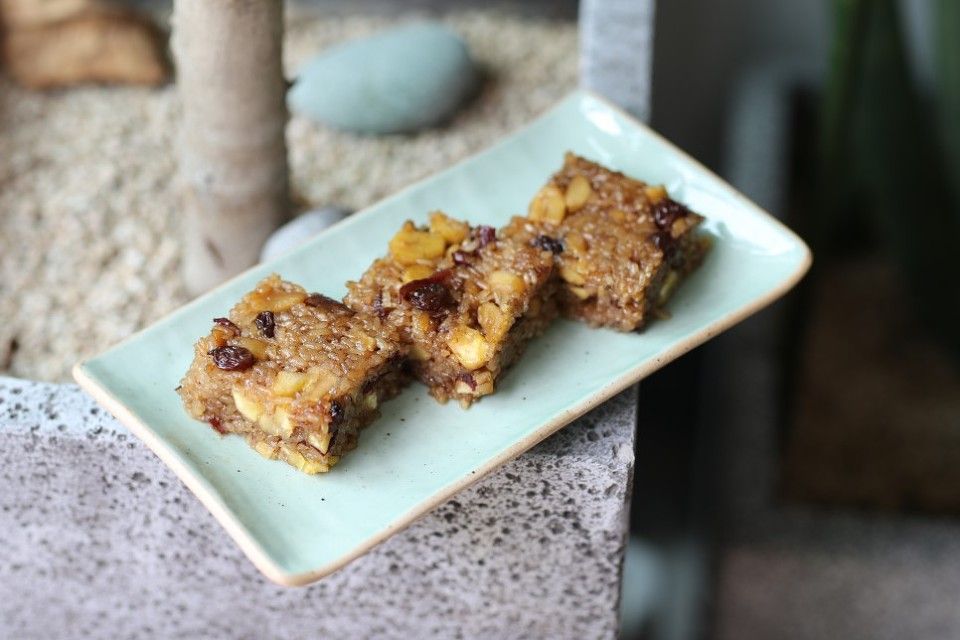 Yaksik (Sweet Rice with Chestnuts, Jujubes and Pine Nuts)약식Steamed glutinous rice darkened with soy sauce, brown sugar and honey and studded with chestnuts, jujubes and pine nuts — a full-moon festival food also called yakbap.
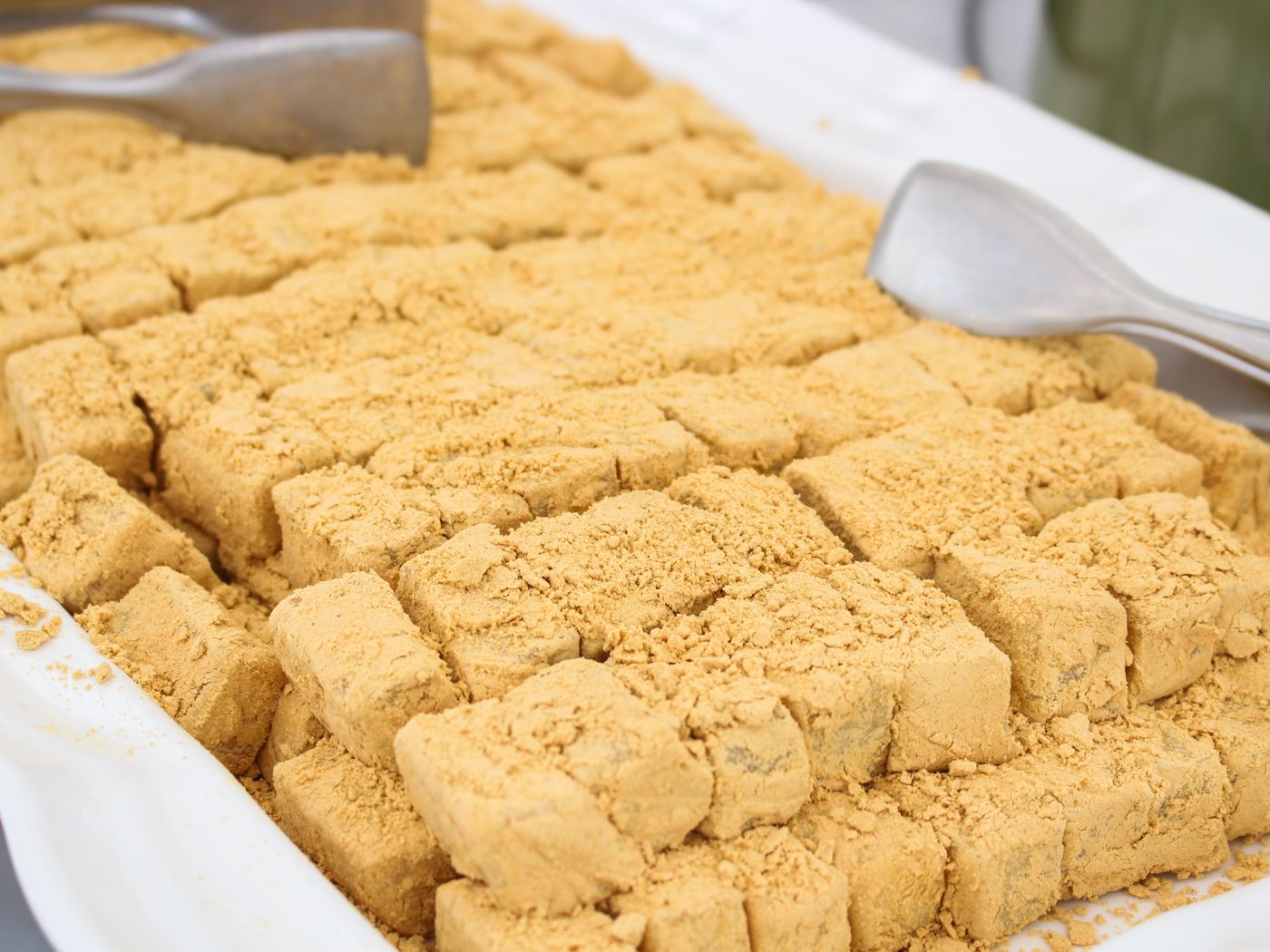 Injeolmi (Pounded Sticky Rice Cake with Bean Powder)인절미Steamed glutinous rice pounded until smooth and elastic, cut into pieces and rolled in roasted soybean powder — the chewy, nutty rice cake of markets, weddings and harvest time.
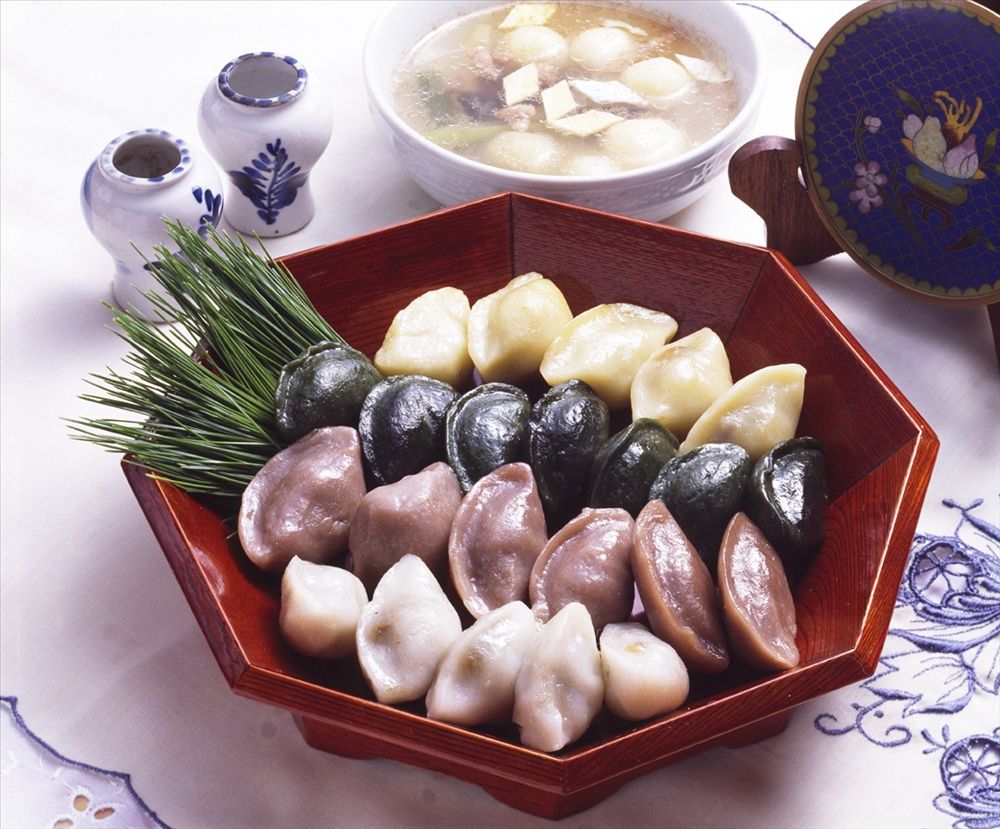 Songpyeon (Half-Moon Rice Cakes)송편Small half-moon cakes of rice dough filled with sweet sesame, beans or chestnut and steamed on a bed of pine needles — the rice cake of Chuseok, made with the new harvest.
Sources
- 01장김치 - 한국민속대백과사전 (Encyclopedia of Korean Folk Culture)
- 02장김치(醬─) - 한국민족문화대백과사전 (Encyclopedia of Korean Culture)
- 03향토음식 - 한국민족문화대백과사전 (Encyclopedia of Korean Culture: Regional foods)
- 04Korean Food Composition Table: Soy sauce, Fermented type — National Institute of Agricultural Sciences
- 05Korean Food Composition Table: Kimchi cabbage (Baechu), Raw — National Institute of Agricultural Sciences
- 06Sodium in Your Diet - U.S. Food and Drug Administration
Last updated