Kimchi 김치
Pumpkin Kimchi for Stew
호박김치
Romanization: hobak-kimchi
Thick slices of pumpkin fermented with cabbage or young radish greens, then simmered into a mellow stew — a Hwanghae and Chungcheong cooking kimchi.
- Serves
- 12
- Prep
- 75 min
- Cook
- 30 min
RegionNorthern Provinces (Hwanghae, Pyeongan, Hamgyeong) · Chungcheong · Seoul & Gyeonggi
Jump to recipeRecipe
Ingredients · Serves 12
- 1 kgRipe, hard-skinned pumpkin (neulgeun-hobak)peeled and seeded weight; cut into slices about 5 × 8 cm and 1 cm thick
- 1 kgNapa cabbageouter leaves or a small head, cut into pieces like the pumpkin
- 60 gCoarse sea salt (cheonilyeom), non-iodizedfor the cabbage
- 2 tbspGlutinous rice flourfor the paste
- 200 mlWaterfor the paste
- 200 gKorean radish (mu)julienned
- 40 gGochugaru (Korean chili flakes)about ½ cup
- 3 tbspSalted shrimp (saeujeot)chopped
- 2 tbspAnchovy or sand-lance fish sauce
- 2 tbspGarlicminced
- 1 tspGingerminced
- 4 stalksGreen onionscut in 4 cm lengths
- 600 mlRice-rinsing water (ssalddeumul)for cooking, per batch of stew
Method
Technique: Making Kimchi, Making Guk and Jjigae
Step 1: Toss the cabbage pieces with the salt and leave for 1½–2 hours, turning occasionally, until limp. Rinse once and drain well. Leave the pumpkin unsalted.
Step 2: Whisk the rice flour into the water and cook over low heat, stirring, for 2–3 minutes until glossy. Cool completely, then stir in the radish, gochugaru, salted shrimp, fish sauce, garlic and ginger.
Step 3: Toss the pumpkin, cabbage and green onions with the seasoning until coated. Pack into a crock or food-grade container, press down firmly and cover.
Step 4: Leave at cool room temperature (below about 15°C) for 2–3 days, then refrigerate. The kimchi is ready to cook when it smells clearly sour and the pumpkin has turned slightly translucent, usually after 2–3 weeks; it keeps refrigerated through the winter.
Step 5: To make hobakji-jjigae, put about 400 g of the ripe kimchi in an earthenware pot or saucepan, add the rice-rinsing water and bring to a simmer. Cook over low heat for 20–30 minutes, until the pumpkin is soft enough to crush with a spoon. Taste before adding anything: the kimchi usually seasons the stew on its own. Pork, clams or a spoonful of doenjang may be added, as in Hwanghae.
Step 6: Use clean utensils to take kimchi from the container and keep the rest pressed under its liquid; discard any that turns slimy or moldy.
Origin & History
Hobak-kimchi is unusual among kimchi in that it is made mainly to be cooked. The Encyclopedia of Korean Culture describes it as a regional dish of Hwanghae Province, now in North Korea, where it was rarely eaten as it was: instead, the ripened kimchi was rinsed, squeezed and simmered with a little doenjang and gochujang into a stew, ideally with some meat. The encyclopedia's survey of regional foods lists both pumpkin kimchi and hobakji-jjigae (pumpkin-kimchi stew) among Hwanghae's characteristic dishes, and hobakji-jjigae among Chungcheong's as well.
There are two seasonal forms. The summer kimchi of Hwanghae uses a pumpkin that is neither young nor fully ripe, cut into thick half-moons and salted in layers with young radish greens (yeolmu); the leftover brine is thickened with a little cooked wheat flour and poured back, and the crock is left five or six days until the kimchi turns yellow and tangy. The winter form, hobakji (“old-pumpkin kimchi”), is put down at kimjang with fully ripe, hard-skinned cheongdung pumpkin, using up whatever radish, cabbage and jeotgal are left from the main kimchi-making. The encyclopedia is clear that hobakji is not eaten raw: it is simmered in rice-rinsing water in an earthenware pot over gentle heat, a nutty, warming winter dish.
The habit survives in Gyeonggi as well. The Digital Hwaseong Culture Encyclopedia records how cooks in Baengmi-ri, on the west coast, make pumpkin kimchi at kimjang time from unsalted slices of aged pumpkin and the small or broken leaves left over from salting cabbage, tossed in the same seasoning as the main kimchi. Once fully fermented it is stewed in rice water with nothing else added until the pumpkin softens; older cooks once ground freshwater shrimp into it.
Key Ingredients
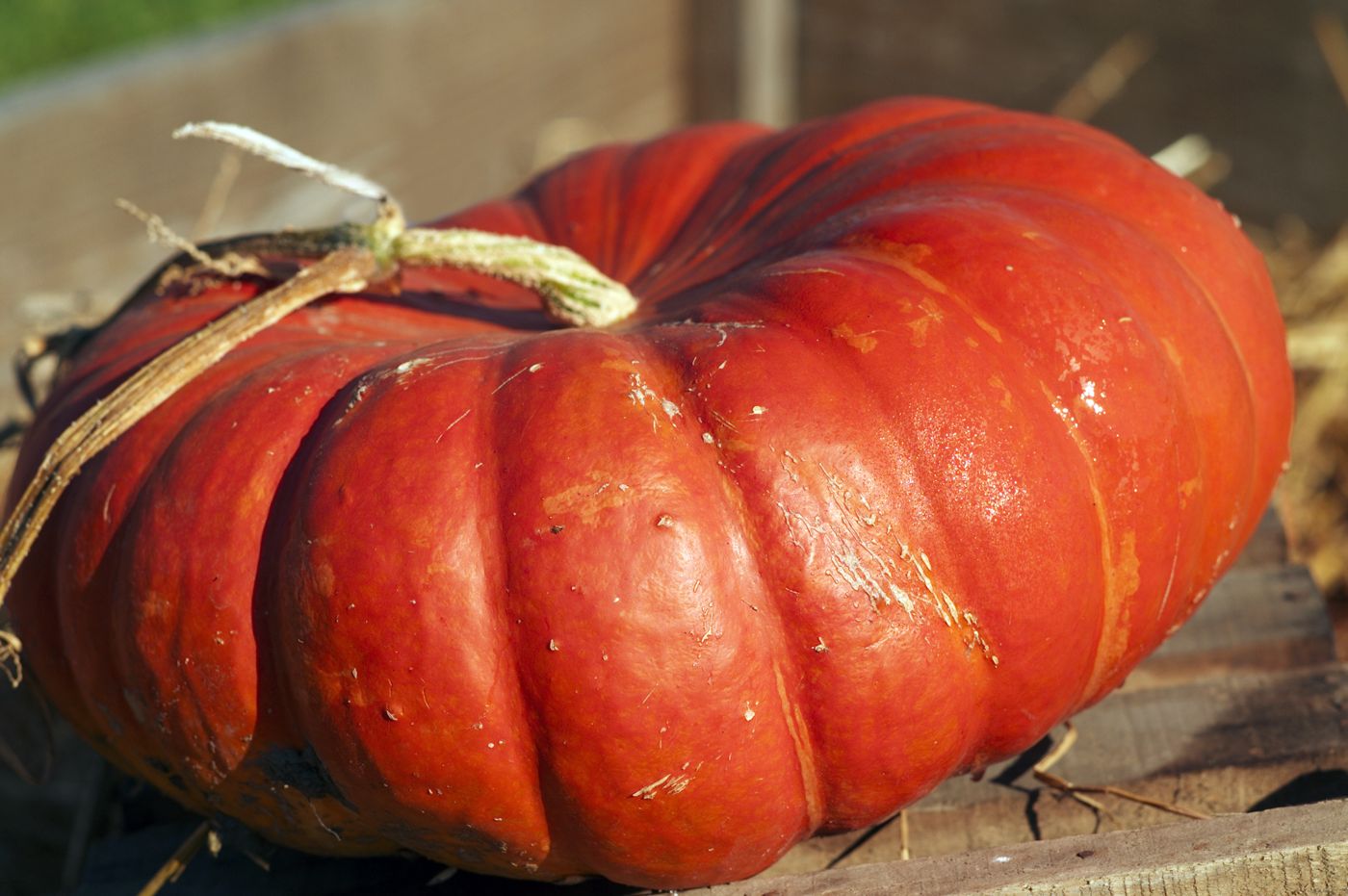 Neulgeun-hobak (mature Korean pumpkin)늙은호박The "old pumpkin": a Korean squash left on the vine until its rind turns hard and tawny and its flesh deep orange. Stored through winter, it is the pumpkin behind velvety hobak-juk porridge.
 Napa cabbage배추The tall, pale, tightly headed cabbage at the heart of Korea's best-known kimchi. Salted, layered with seasoning and left to ferment, it becomes baechu-kimchi; fresh, it goes into soups, wraps and quick salads.
 Sun-Dried Sea Salt천일염Coarse sea salt made by evaporating seawater with sun and wind in tidal-flat salt pans, most of it from Sinan County off Korea's southwest coast. It is the everyday salt for salting cabbage and making jang.
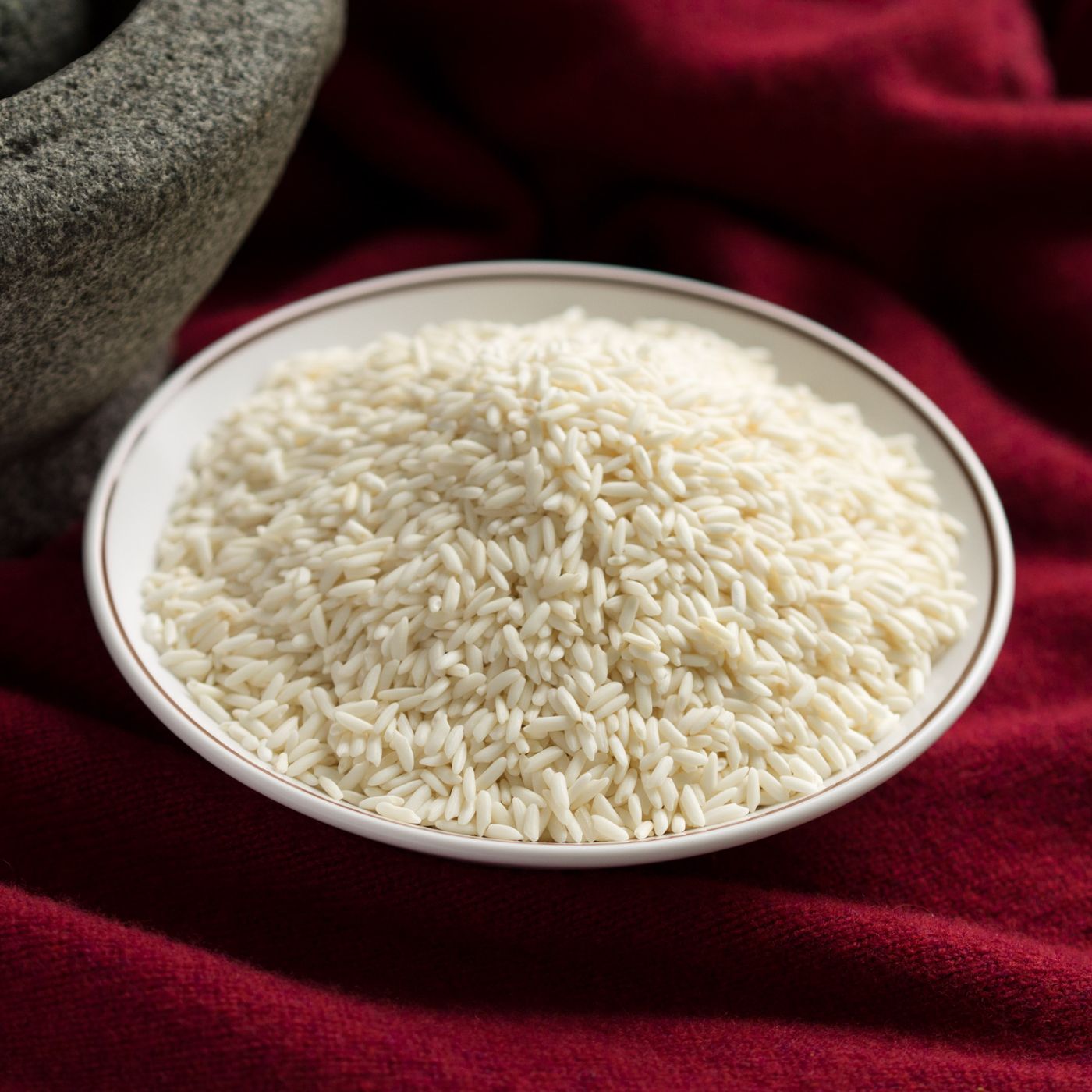 Glutinous rice (sweet rice)찹쌀Opaque, chalk-white grains of glutinous rice that steam into a chewy, elastic mass. Chapssal is the rice of festivals and comfort food: pounded into rice cakes, sweetened into yaksik, and tucked inside the chicken of samgyetang.
 Korean radish무A stout, heavy white radish, often tinged pale green near the top. It is cubed for kkakdugi, left whole in the clear brine of dongchimi, shredded into salads and simmered into broths.
 Gochugaru고춧가루Korean red chili powder, made from dried red peppers ground coarse or fine. It gives kimchi, gochujang and countless banchan their color and warmth.
 Salted fermented shrimp새우젓Tiny shrimp packed in salt and left to ferment — a jeotgal (salted seafood) that seasons kimchi and stews and accompanies boiled pork with briny, savory depth.
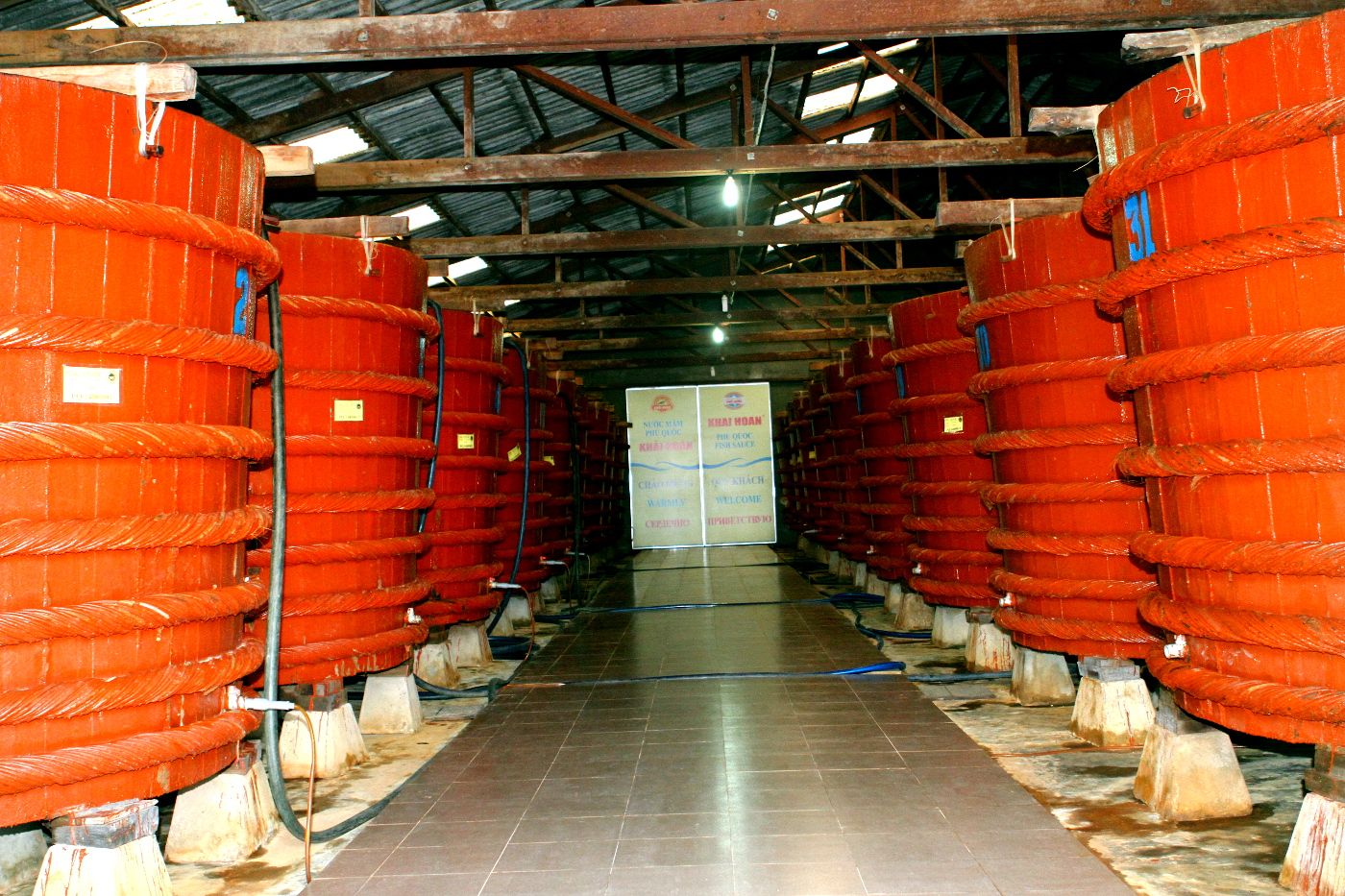 Anchovy fish sauce멸치액젓The clear amber liquid drawn from salted, fermented anchovies. A jeotgal in liquid form, it is the savory backbone of much southern-style kimchi and a quick seasoning for soups and namul.
 Garlic마늘Used raw, minced, pickled and roasted, garlic is one of the essential aromatics of Korean food — in seasonings, marinades, kimchi and namul.
 Ginger생강Fresh ginger root, used in small amounts to brighten kimchi paste and marinades and to tame the strong smells of fish and meat.
 Green onion파Korean green onion (pa), from thick-stemmed daepa to slender scallions — chopped into nearly every seasoning sauce, soup and kimchi, and the star of pa-kimchi.
Nutrition
| Calories | ~30 kcal |
|---|---|
| Protein | ~1.1 g |
| Fat | ~0.2 g |
| Carbohydrates | ~6 g |
| Fiber | ~1.7 g |
| Sodium | ~221 mg |
Notable forVitamin A · Dietary fiber · Vitamin K
Estimated as equal parts finished napa-cabbage kimchi and raw ripe pumpkin, from the Korean Food Composition Table entries “Kimchi, Baechukimchi” (per 100 g: 38 kcal, 2.5 g fiber, 551 mg sodium, 70 µg vitamin K) and “Pumpkin, Ripe, Raw” (per 100 g: 38 kcal, 8.5 g carbohydrate, 1.8 g fiber, 71 µg RAE vitamin A). Neither database lists pumpkin kimchi; seasoning absorbed by the pumpkin and any doenjang added when stewing will raise the sodium. Actual values vary with ingredients, portion size and preparation.
Health Benefits
- Beta-carotene from pumpkin: ripe pumpkin is a source of vitamin A; an estimated 80 g serving of the kimchi provides around 40 µg RAE.
- A vegetable-based winter dish: pumpkin and cabbage give fiber and potassium in a stew that needs no added fat.
- Fermented, then cooked: stewing ends the fermentation, so it should not be thought of as a source of live lactic acid bacteria.
Regional Variations
- Hwanghae (summer): half-ripe pumpkin and yeolmu fermented in brine thickened with wheat flour, then stewed with doenjang and a little gochujang, sometimes with meat or clams.
- Hwanghae and Chungcheong (hobakji): fully ripe pumpkin with radish or cabbage, made at kimjang and simmered in rice-rinsing water in winter.
- Hwaseong, Gyeonggi: aged pumpkin left unsalted and mixed with trimmings of salted cabbage in a seasoning of salted shrimp, ground fresh shrimp and sand-lance fish sauce.
Pairings
- Kongnamul-bap (Soybean Sprout Rice)콩나물밥Rice steamed over a bed of soybean sprouts, often with a little beef, and eaten with a spoonful of soy-and-scallion sauce — a thrifty one-pot meal from Chungcheong.
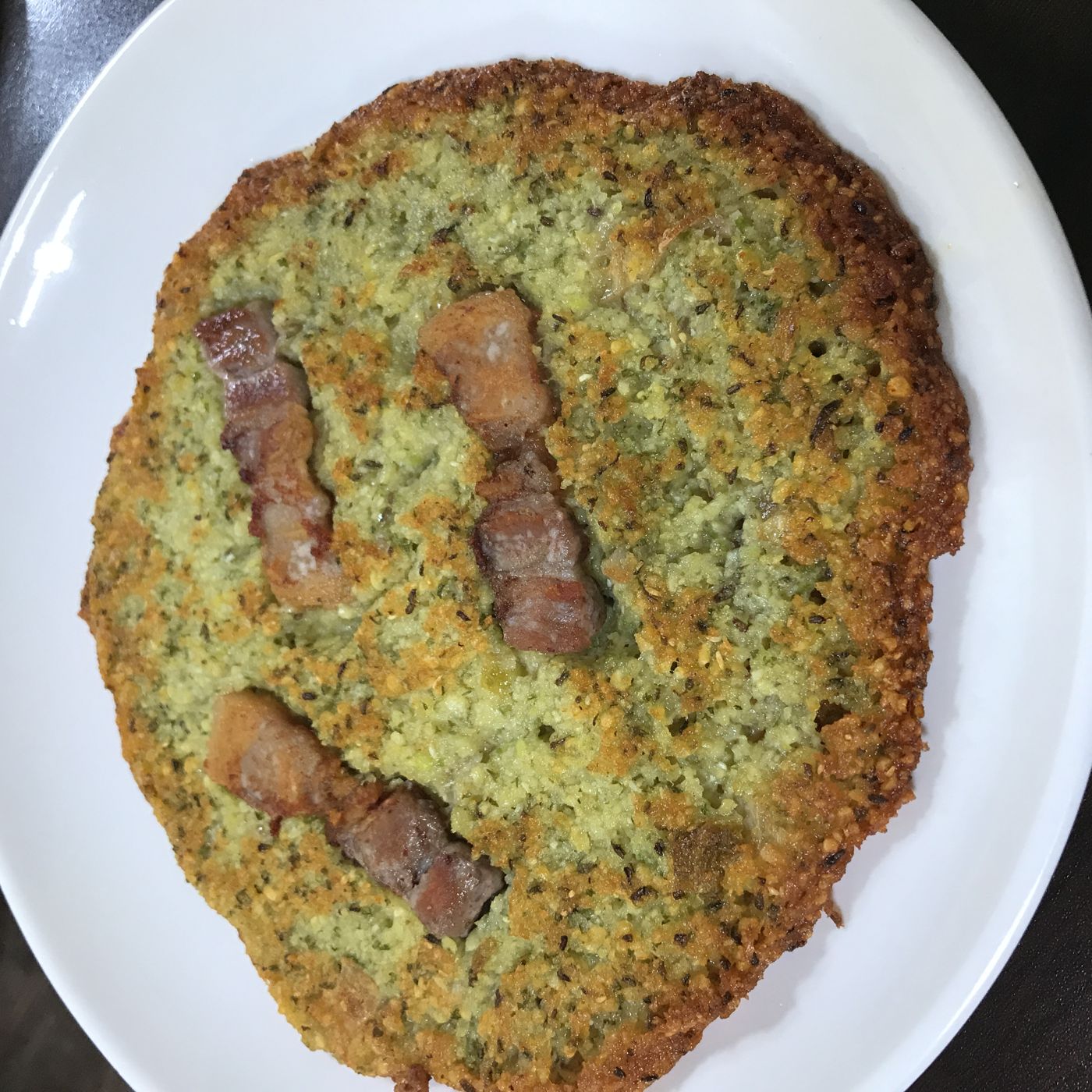 Nokdu Bindaetteok (Mung Bean Pancake)녹두빈대떡Soaked mung beans ground into a thick batter with kimchi, sprouts and pork, then fried crisp in generous oil — a northern specialty and a Seoul market favorite.
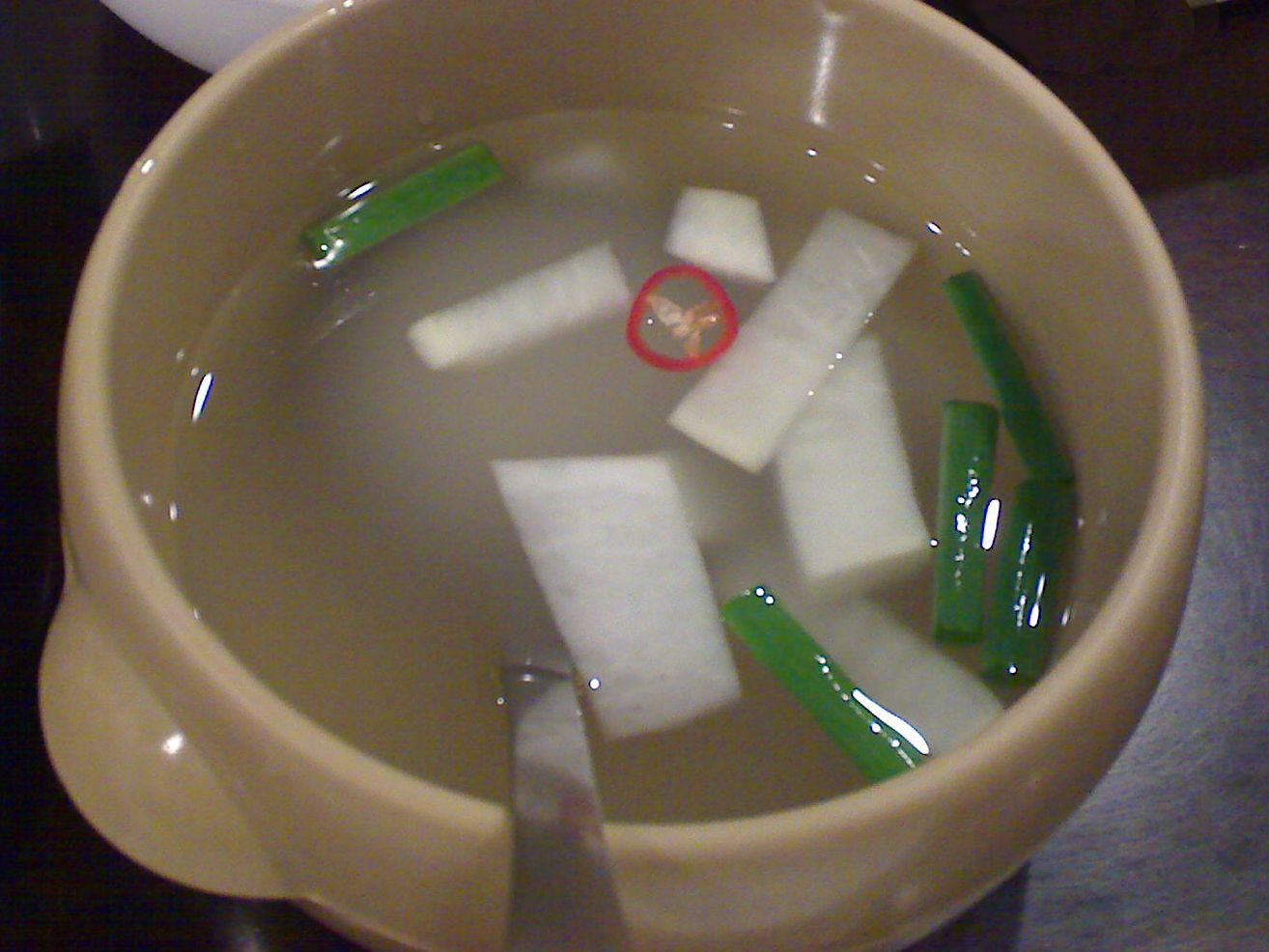 Radish Water Kimchi동치미Whole radishes steeped in a clear salt brine with pear, ginger and green chili — a winter water kimchi whose tangy broth is prized on its own.
Sources
- 01호박김치 - 한국민족문화대백과사전 (Encyclopedia of Korean Culture)
- 02호박지 - 한국민족문화대백과사전 (Encyclopedia of Korean Culture)
- 03향토음식 - 한국민족문화대백과사전 (Encyclopedia of Korean Culture: Regional foods)
- 04호박김치 - 디지털화성시문화대전 (Digital Hwaseong Culture Encyclopedia)
- 05Korean Food Composition Table: Kimchi, Baechukimchi — National Institute of Agricultural Sciences
- 06Korean Food Composition Table: Pumpkin, Ripe, Raw — National Institute of Agricultural Sciences
Last updated