Regions
Northern Provinces (Hwanghae, Pyeongan, Hamgyeong)
북부 지방 (황해·평안·함경)
The historical cuisines of Hwanghae, Pyeongan and Hamgyeong: lightly salted, generously portioned food known for cold noodles, large dumplings and clear kimchi.
The three historical provinces of the north — Hwanghae, Pyeongan and Hamgyeong — gave Korean cuisine some of its most beloved dishes, from Pyongyang-style cold noodles to large, homey dumplings. This page describes their traditional regional cooking as documented in Korean reference works.
Geography and climate
The Encyclopedia of Korean Culture explains regional flavor largely through climate. In the north, summers are short and winters long, so food is generally less salty and less spicy than in the south, and dishes tend to be made large and served in hearty portions. Mountainous terrain favored field crops, so mixed-grain rice was more common than in the rice-growing south and west.
- Hwanghae had the broad Yeonbaek plain, a major grain region, and was especially known for millet and other grains.
- Pyeongan combined rugged mountains with a Yellow Sea coast and wide fields, so grains, wild greens and fish were all plentiful.
- Hamgyeong, the northernmost province, had steep mountains and an East Sea coast, and was known for high-quality beans, millet, sorghum, corn and potatoes.
Character of the cuisine
According to the encyclopedia, Hwanghae cooks favored plain, nutty-tasting food with little concern for appearance, and their taste for food neither very salty nor bland was compared to Chungcheong's. Pyeongan food was generous and hearty, more relaxed and less formal than Seoul's, with mild seasoning. Hamgyeong food used little salt but was boldly seasoned with garlic and chili — though the same source notes that farther north in the province, people preferred milder flavors.
The term dadaegi, for a chili-based seasoning paste, is said in the encyclopedia to come from the Hamgyeong region.
Signature dishes
- Pyongyang naengmyeon: buckwheat noodles in a cold broth. The encyclopedia describes the traditional broth as pheasant stock mixed with dongchimi liquid. It notes that naengmyeon appears in Joseon-era records as a winter food, and that it became popular nationwide after the Korean War, carried by people who moved south.
- Hamheung naengmyeon: chewy noodles made from potato starch, typically mixed with spicy raw fish — a feature the encyclopedia identifies as distinctive to Hamgyeong.
- Onban and eobok-jaengban: Pyeongan's onban is rice in hot broth, and eobok-jaengban is sliced beef and noodles served from a shared brass platter, eaten communally.
- Mandu: dumplings are a northern hallmark. Hwanghae cooks made them large and often, and Pyeongan's manduguk is described as twice the size of court dumplings.
- Kimchi-mari: rice or noodles in cold kimchi broth, a Pyeongan and Hwanghae counterpart to naengmyeon.
- Nokdu-bindaetteok: mung bean pancakes appear among Hwanghae and Pyeongan side dishes.
Banchan and kimchi styles
Northern kimchi is often described as clear, cool and refreshing. The encyclopedia notes that Hwanghae's cold climate produced kimchi so clean-tasting that its liquid was widely used as a soup base, with dongchimi broth over noodles or cold rice serving as a late-night snack. Kimchi named in the entry includes Hwanghae's pumpkin, mustard-leaf and coriander kimchi; Pyeongan's eggplant kimchi and Yeongbyeon gimjang kimchi; and Hamgyeong's bean-sprout kimchi, crown-daisy kimchi and a cod kkakdugi.
Other banchan reflect each province's produce. Hamgyeong was rich in bean and tofu dishes — tofu blanched and dipped in seasoned soy sauce, tofu pickles and pan-fried ground-bean cakes (see dubu). Pyeongan's list includes bellflower root pickles and skewers (see doraji) and bracken soup (see gosari).
Local specialties
- Sikhae: Hamgyeong is known for fish fermented with grain, especially flatfish (gajami-sikhae) and sandfish, as well as salted pollack roe (myeongnan-jeot) and salted cod.
- Notti: a Pyeongan griddle cake made from glutinous millet, sorghum and rice flours fermented with malt, fried and layered with honey or sugar so it keeps for a long time.
- Plain, hearty rice cakes: the encyclopedia describes northern rice cakes as large and unfussy, made largely from millet, sorghum and other grains.
Dishes from this region
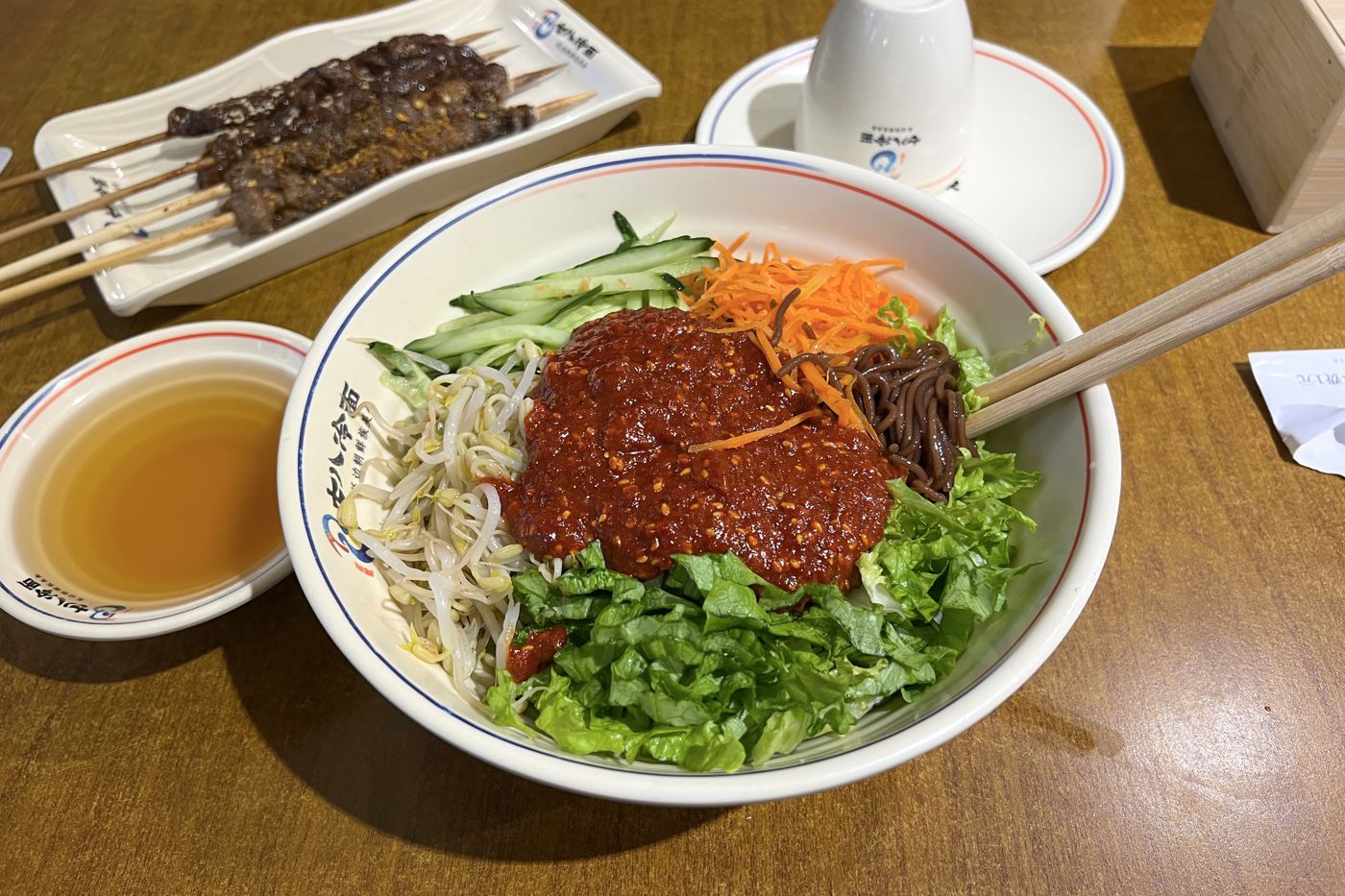 Bibim-naengmyeon (Spicy Mixed Cold Noodles)비빔냉면Chewy starch noodles tossed in a sweet, vinegary chili sauce, topped with cucumber, pear and egg — the Hamheung tradition of hoe-naengmyeon, carried south by refugees.
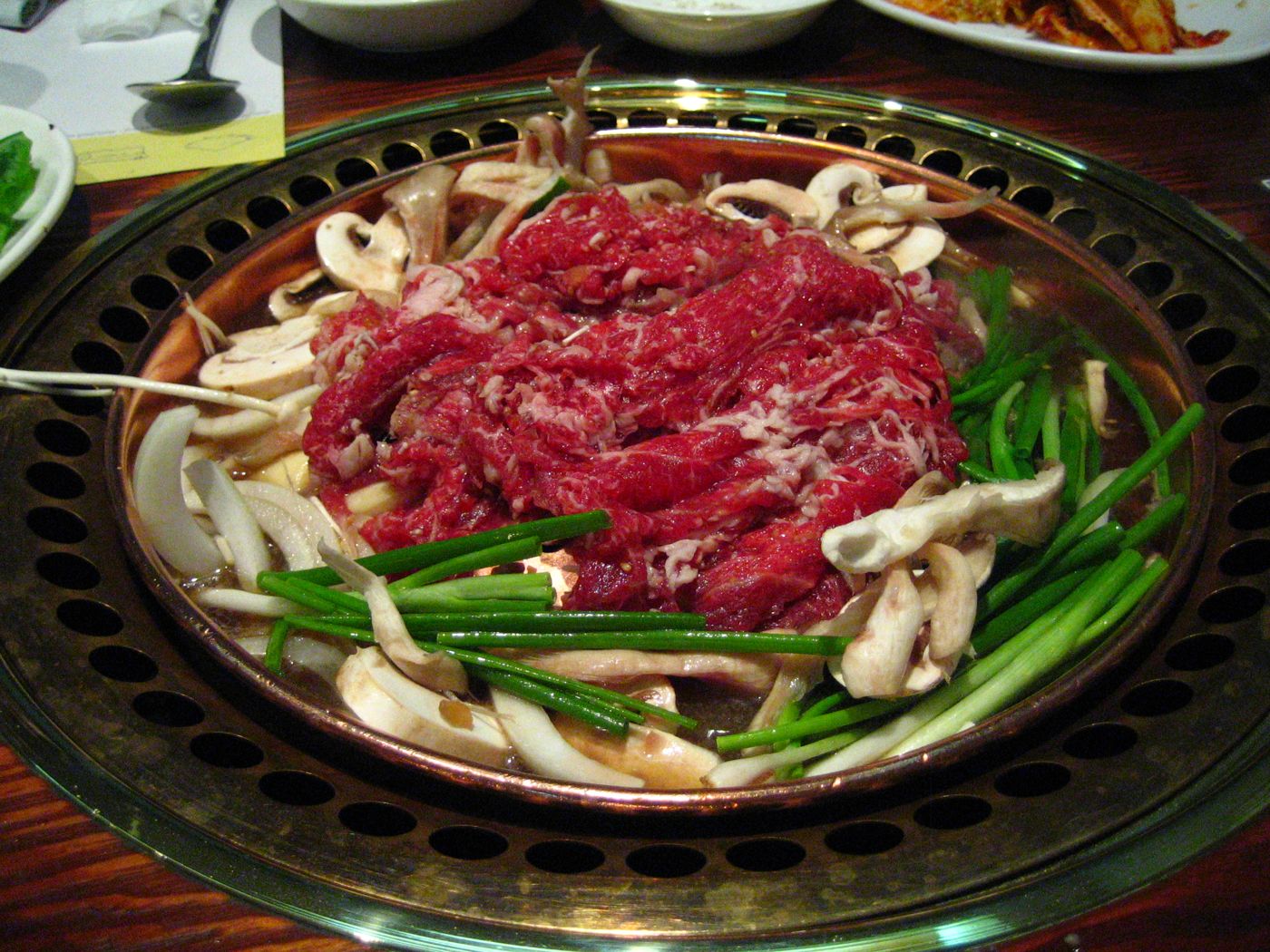 Bulgogi (Marinated Grilled Beef)불고기Thin slices of beef marinated in soy sauce, pear, garlic and sesame, then grilled or seared — descended from the court dish neobiani and Korea's best-known meat dish.
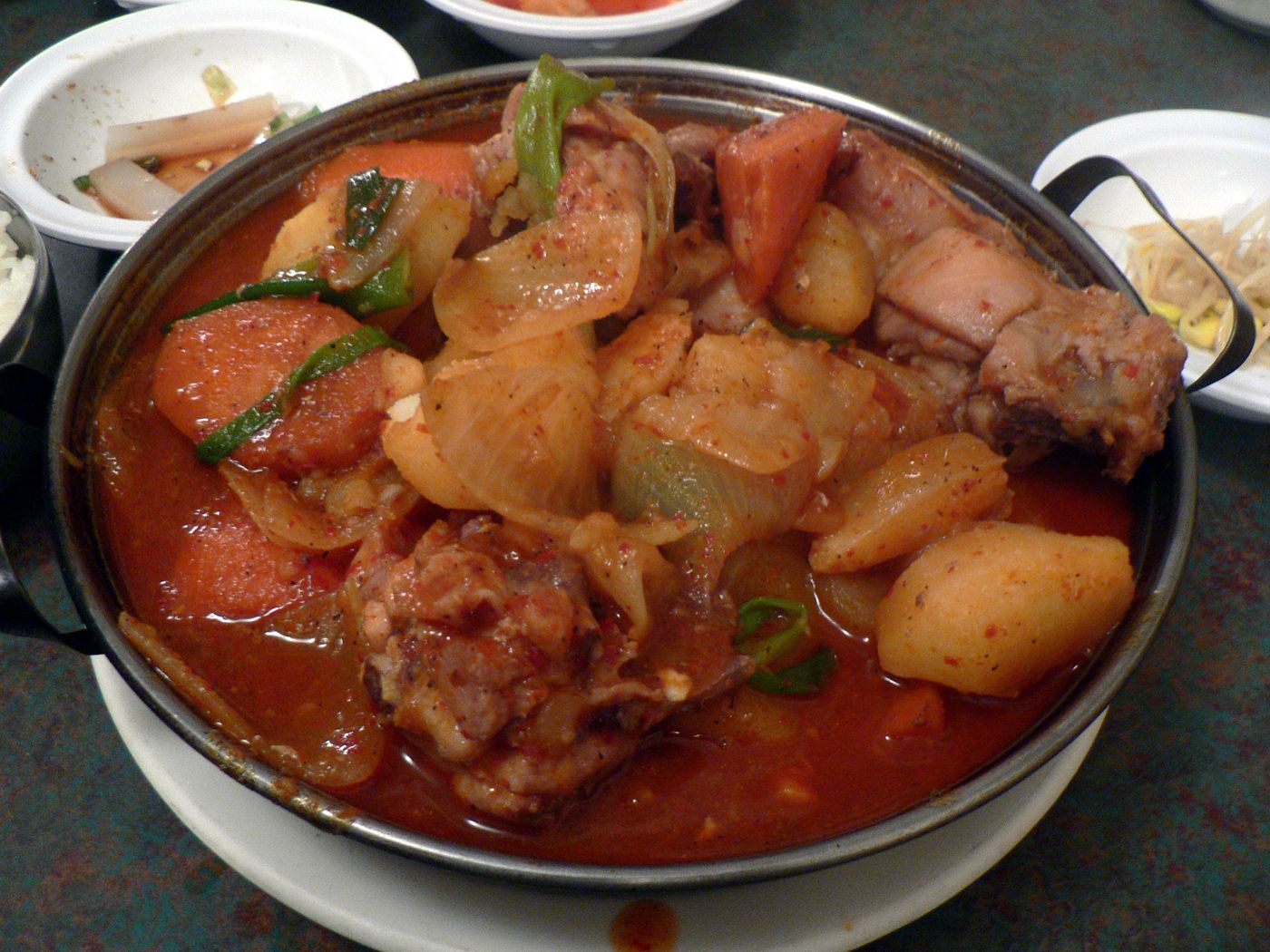 Dak-bokkeumtang (Spicy Braised Chicken)닭볶음탕Bone-in chicken and potatoes braised in a red chili sauce until it thickens and clings — long known as dakdoritang, a name whose origin is still debated.
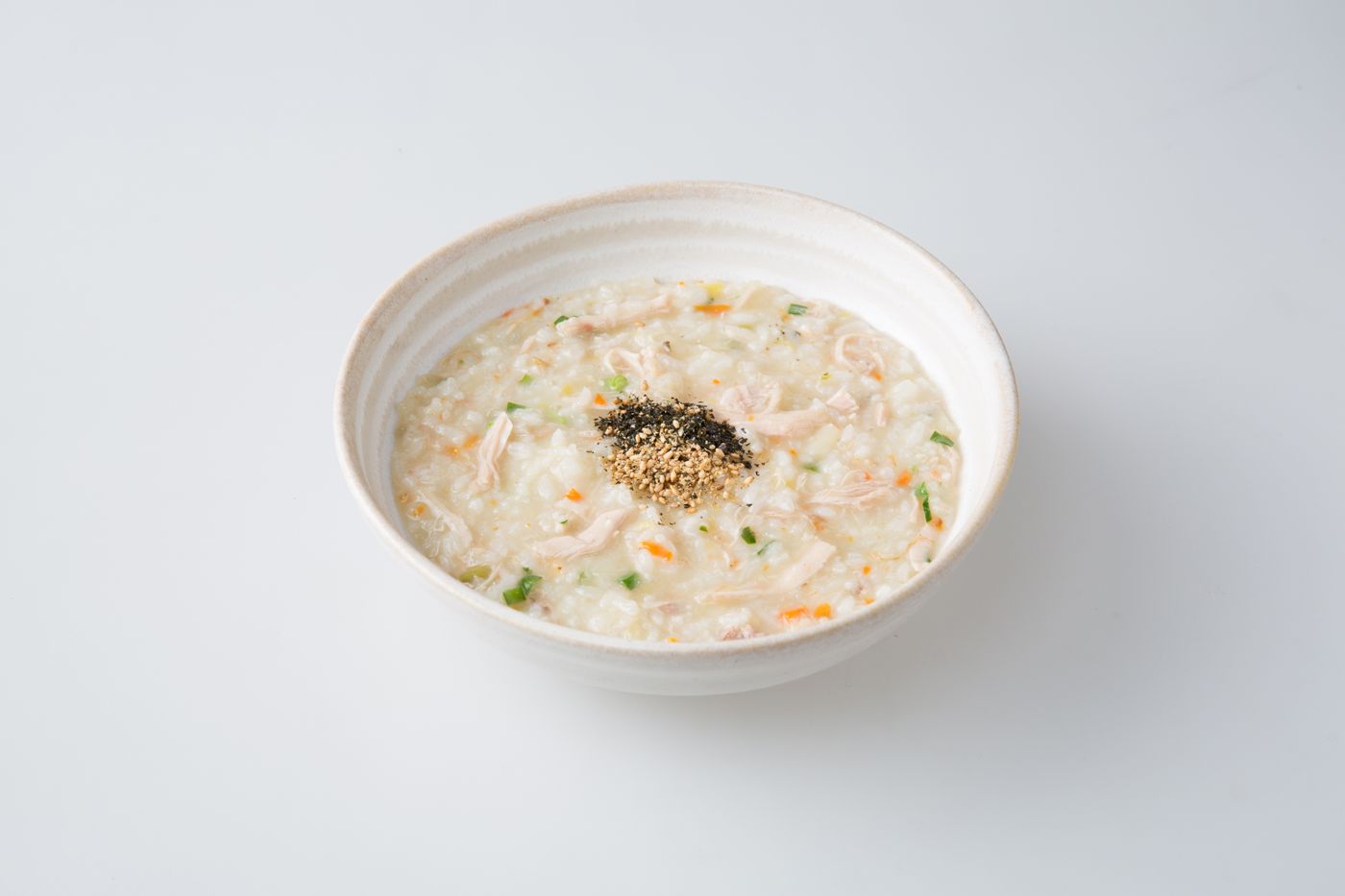 Dakjuk (Chicken Rice Porridge)닭죽Soft rice simmered in a clear chicken broth with shredded meat — a gentle, easy-to-digest porridge long served as summer restorative and sick-day food.
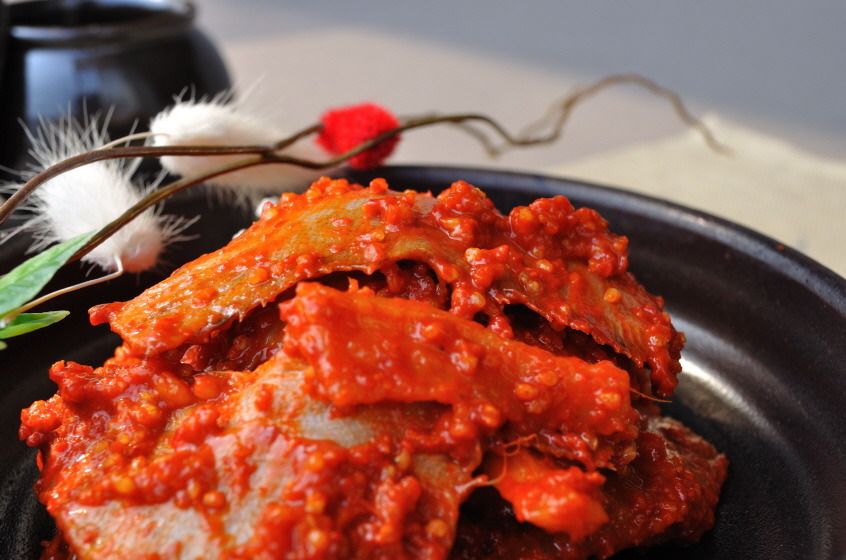 Fermented Flatfish with Millet가자미식해Salted flatfish fermented with foxtail millet, malt, radish and chili — the tangy, spicy sikhae of Hamgyeong, carried south to the Gangwon coast.
- Green Cabbage Kimchi양배추김치Crisp, quick kimchi of round green cabbage — once South Korea's stand-in when napa ran short, and still an everyday summer kimchi in North Korea.
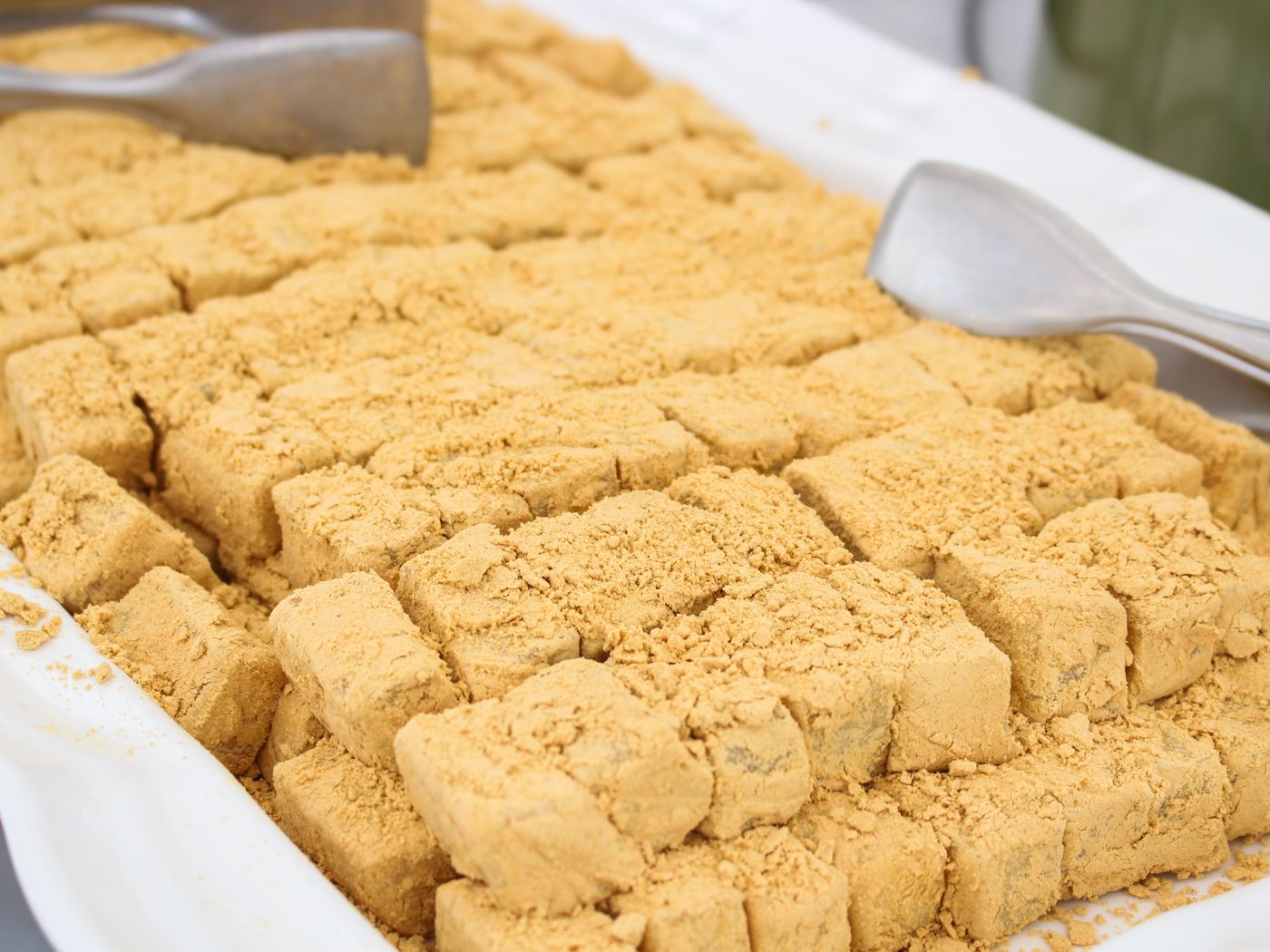 Injeolmi (Pounded Sticky Rice Cake with Bean Powder)인절미Steamed glutinous rice pounded until smooth and elastic, cut into pieces and rolled in roasted soybean powder — the chewy, nutty rice cake of markets, weddings and harvest time.
 Japchae (Glass Noodles with Vegetables)잡채Chewy sweet potato glass noodles tossed with stir-fried vegetables, mushrooms and beef in soy sauce and sesame oil — Korea's essential celebration dish.
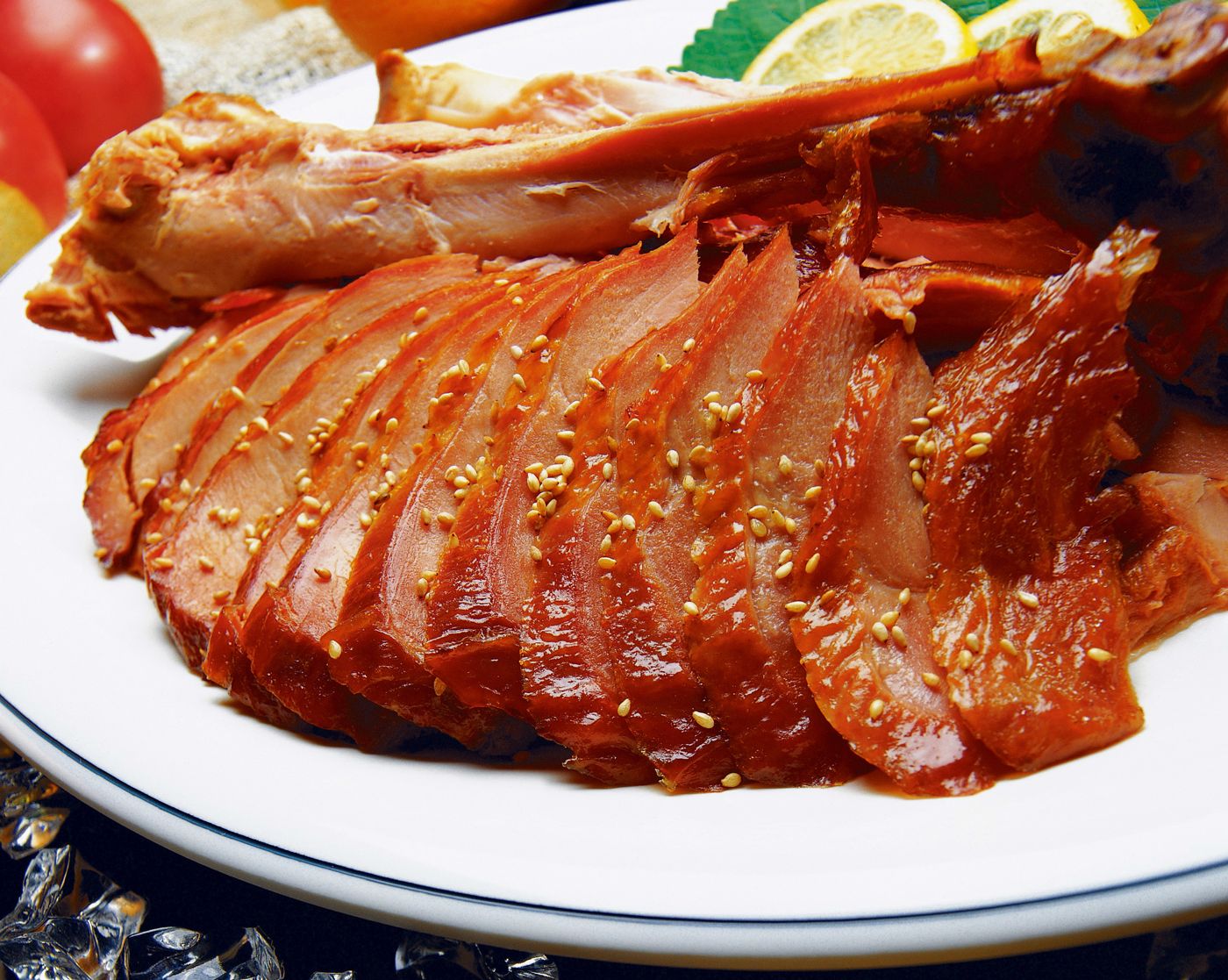 Jokbal (Braised Pig's Trotters)족발Pig's trotters simmered until tender, then braised in soy sauce and spices until glossy and sliced — a postwar Seoul specialty of Jangchung-dong.
- Kongbiji Jjigae (Okara Stew)콩비지찌개Soybean pulp left from tofu-making — or freshly ground soaked soybeans — simmered thick with pork and sour kimchi and seasoned with salted shrimp; a nutty, homely winter stew.
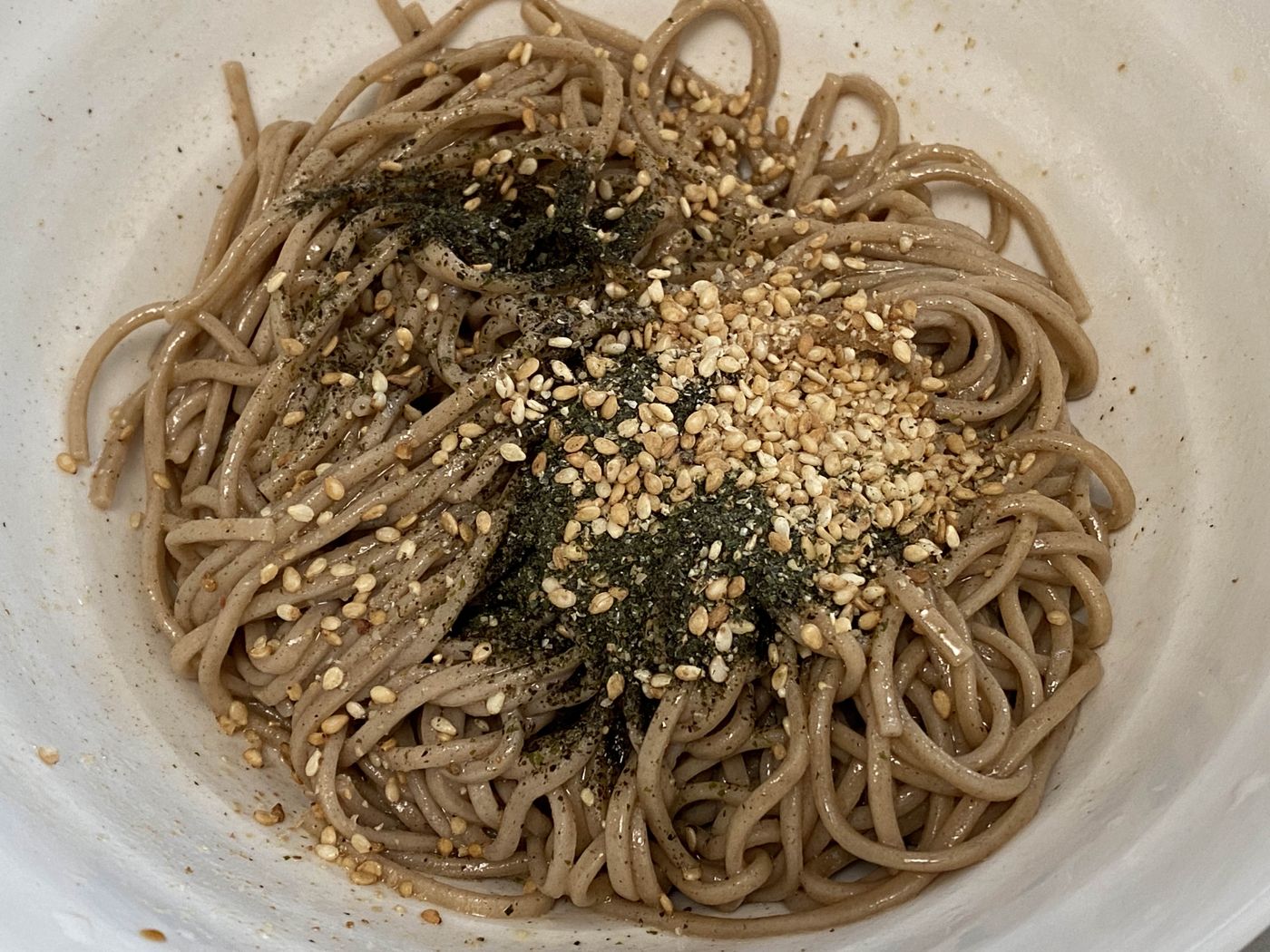 Makguksu (Gangwon Buckwheat Noodles)막국수Coarse, grayish buckwheat noodles served in cold dongchimi broth or tossed with spicy sauce — a Gangwon mountain dish most famously eaten in Chuncheon.
 Mandu (Korean Dumplings)만두Thin wrappers folded around pork, tofu, kimchi and sprouts, then steamed or boiled — a Goryeo-era arrival from China that became a winter staple of the North.
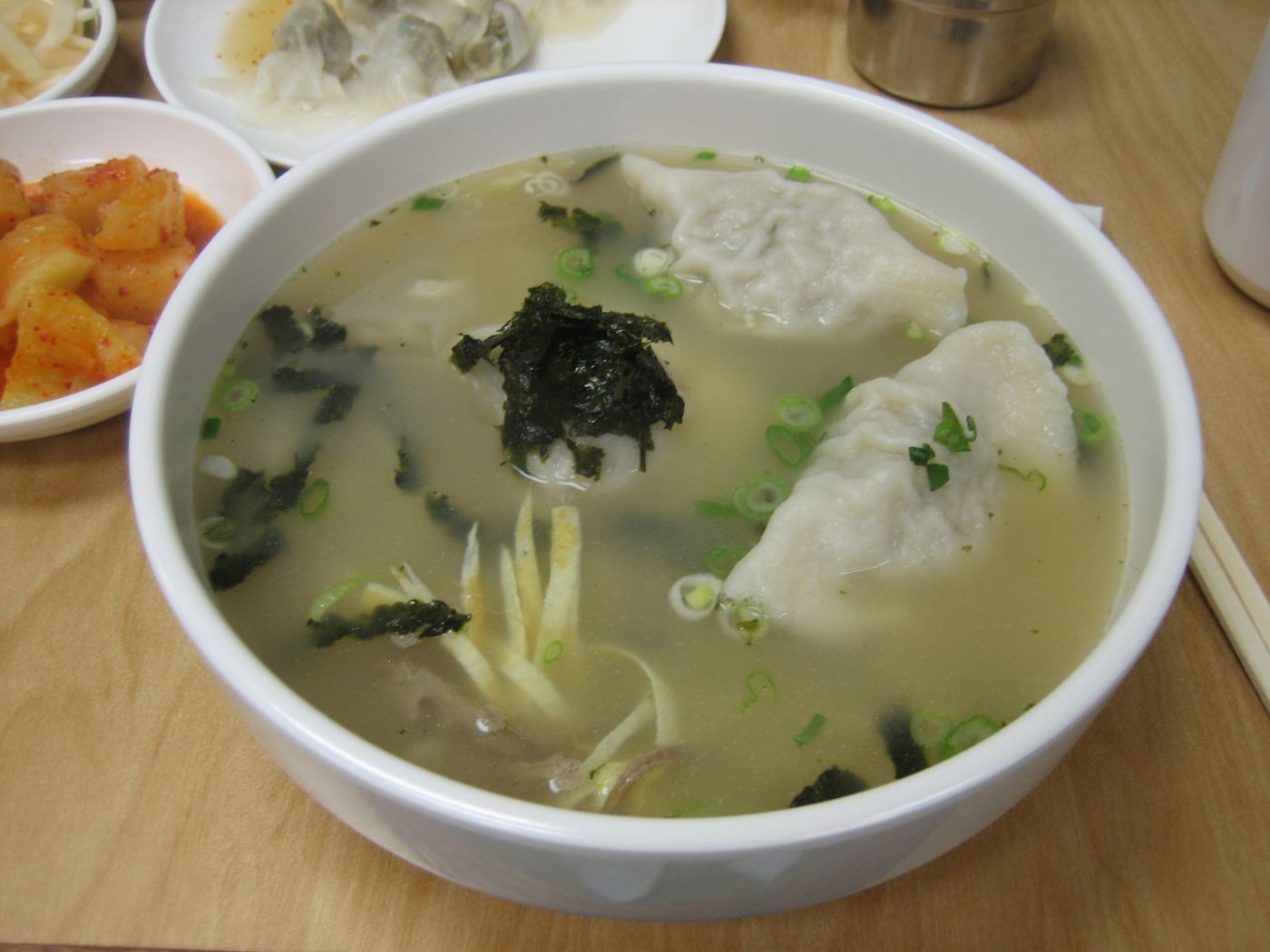 Manduguk (Dumpling Soup)만둣국Stuffed dumplings simmered in a clear, savory broth, usually beef-based and topped with egg strands and green onion. A winter and New Year dish with northern roots.
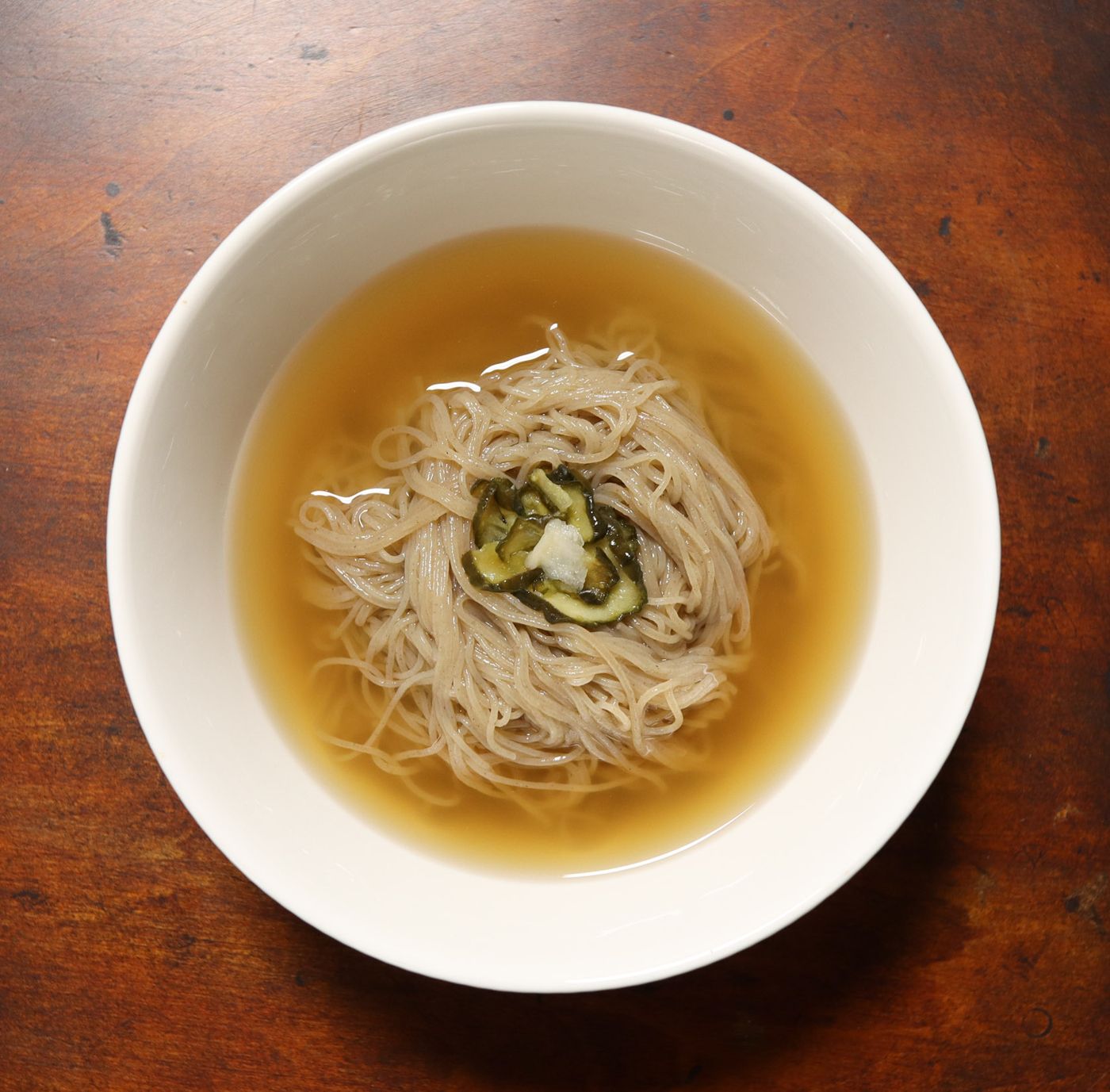 Mul-naengmyeon (Cold Buckwheat Noodles in Broth)물냉면Buckwheat noodles in an icy mix of beef broth and dongchimi, topped with sliced beef, pear, radish and egg — a Pyongyang winter dish now loved in summer.
 Napa Cabbage Kimchi배추김치Salted napa cabbage layered with a red paste of chili, garlic, ginger and fermented seafood, then left to ripen: the kimchi most people picture first.
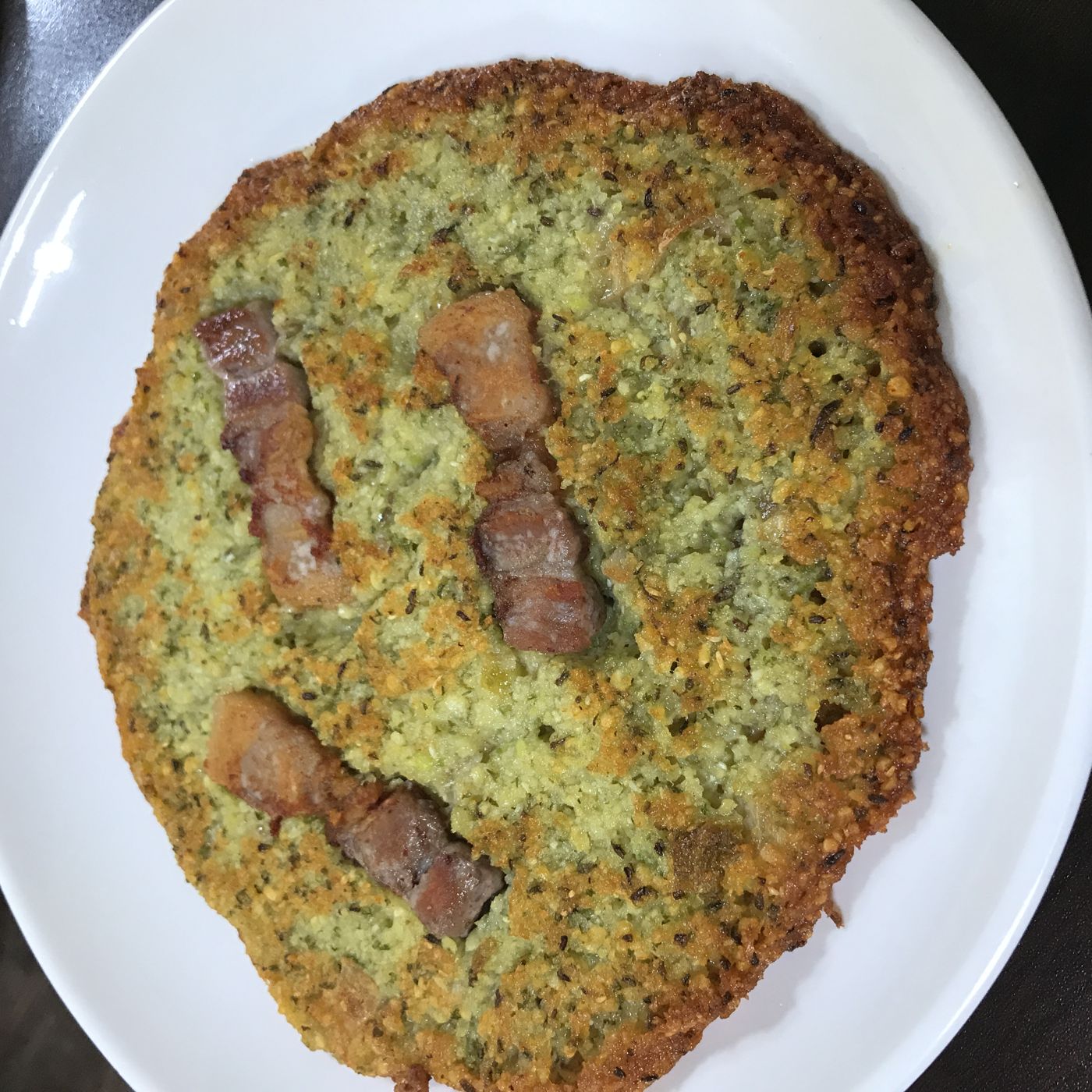 Nokdu Bindaetteok (Mung Bean Pancake)녹두빈대떡Soaked mung beans ground into a thick batter with kimchi, sprouts and pork, then fried crisp in generous oil — a northern specialty and a Seoul market favorite.
- Pumpkin Kimchi for Stew호박김치Thick slices of pumpkin fermented with cabbage or young radish greens, then simmered into a mellow stew — a Hwanghae and Chungcheong cooking kimchi.
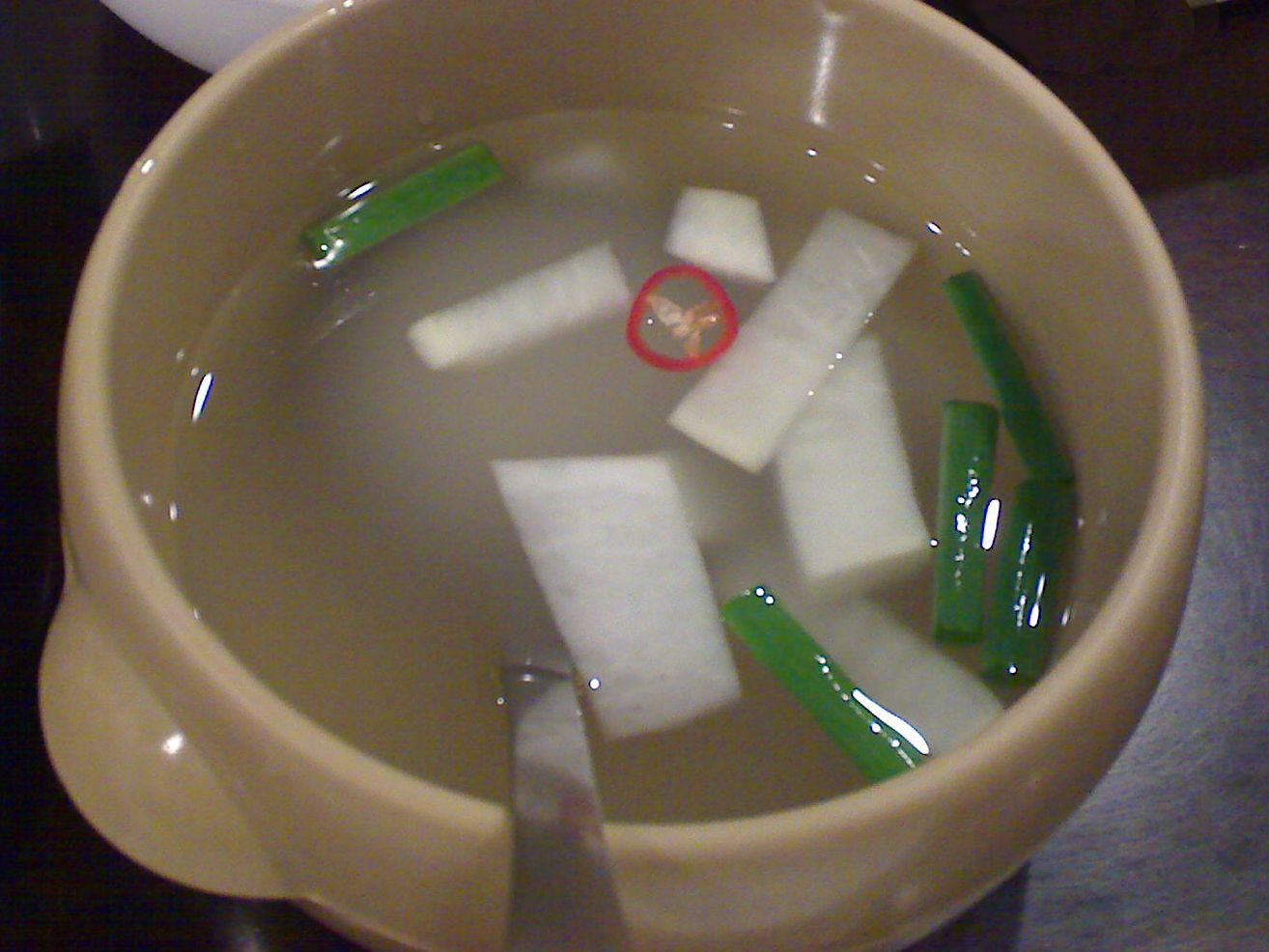 Radish Water Kimchi동치미Whole radishes steeped in a clear salt brine with pear, ginger and green chili — a winter water kimchi whose tangy broth is prized on its own.
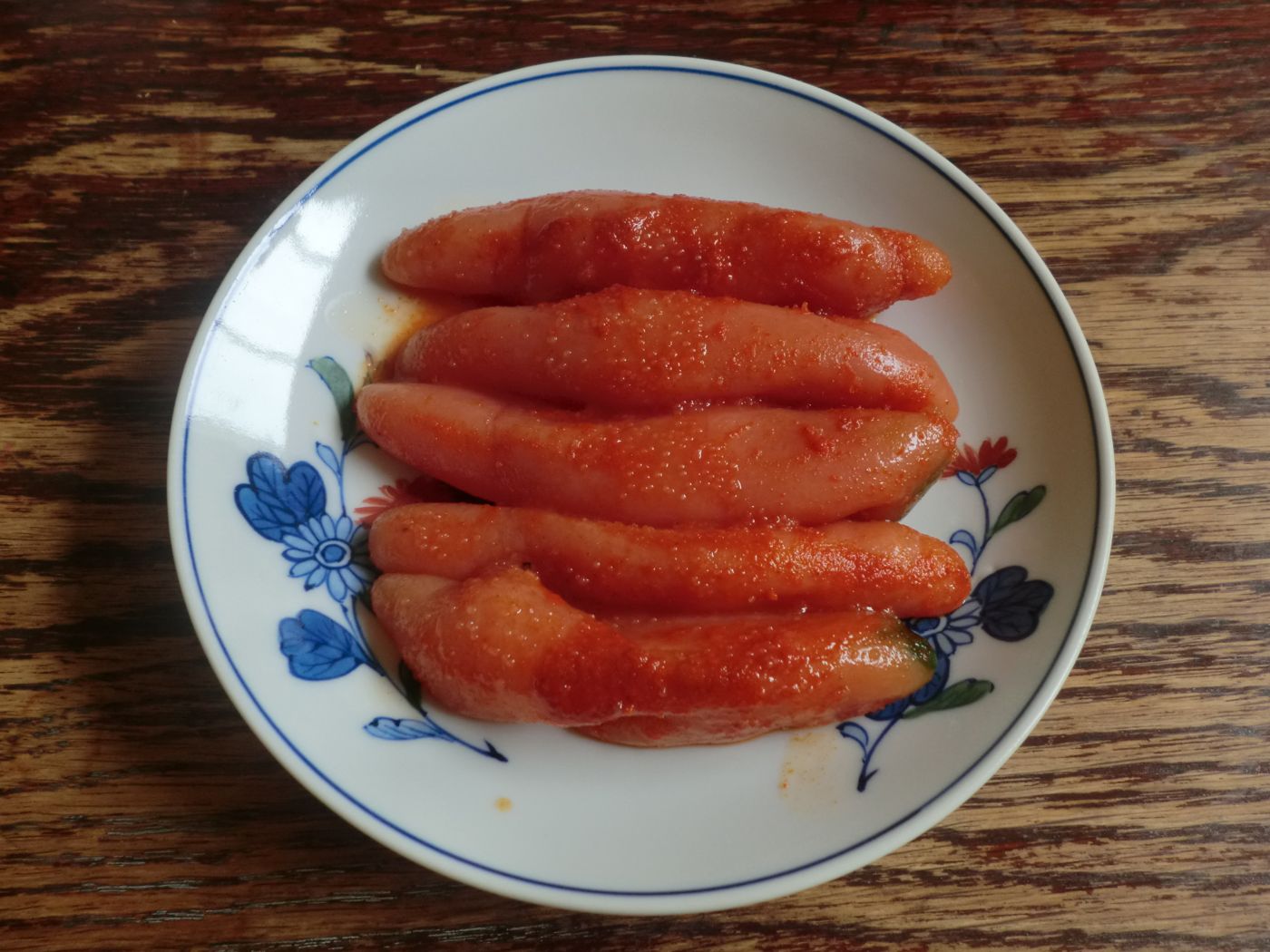 Salted Pollock Roe명란젓Whole sacs of Alaska pollock roe cured in salt and coated with chili and garlic — briny, savory and eaten in small amounts with rice and sesame oil.
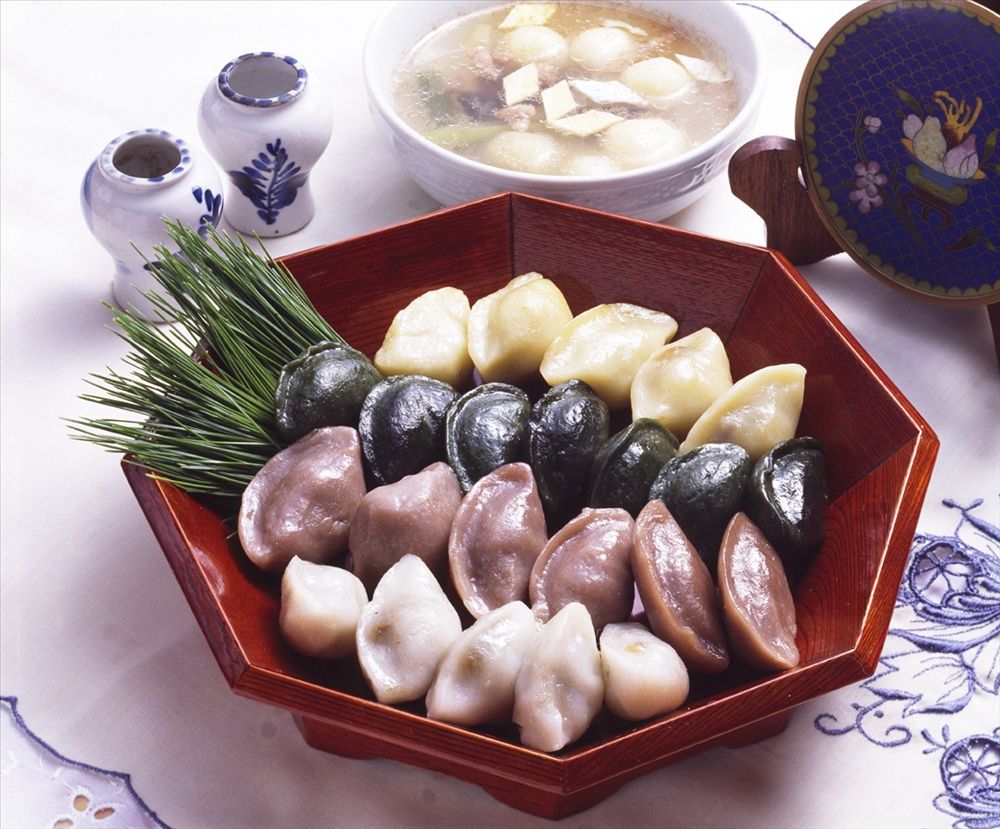 Songpyeon (Half-Moon Rice Cakes)송편Small half-moon cakes of rice dough filled with sweet sesame, beans or chestnut and steamed on a bed of pine needles — the rice cake of Chuseok, made with the new harvest.
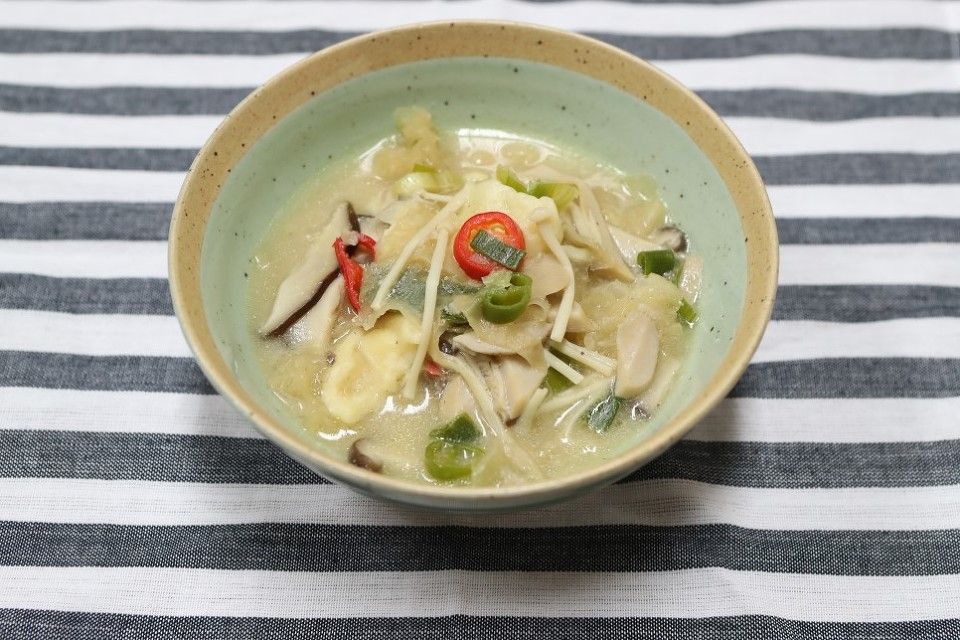 Sujebi (Hand-Torn Dough Soup)수제비Thin pieces of wheat dough pulled by hand into a simmering anchovy broth with zucchini and potato — a cozy, inexpensive one-pot meal, traditionally a summer staple.
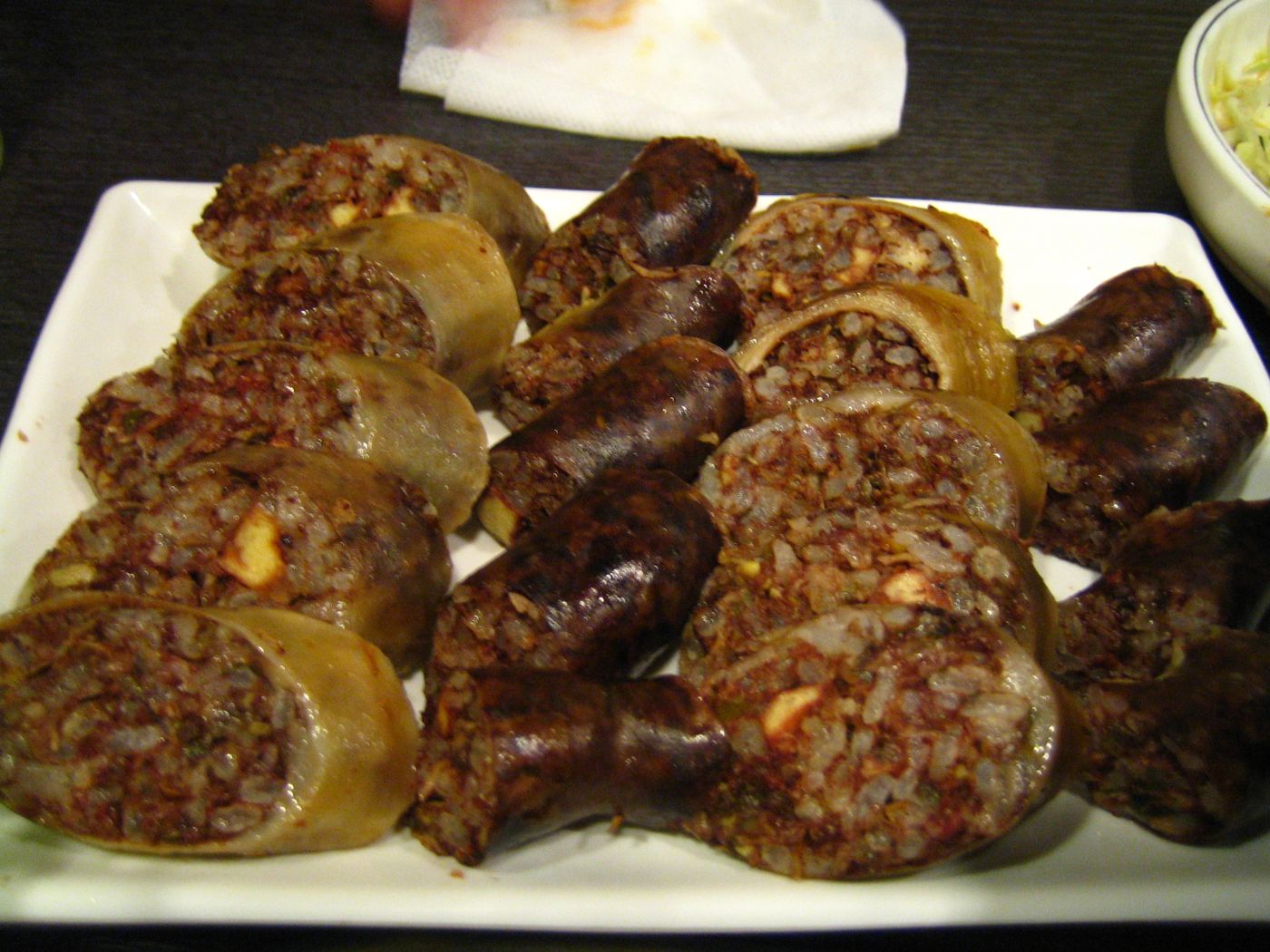 Sundae (Korean Blood Sausage)순대Pork intestine stuffed with pig's blood, glutinous rice, glass noodles and vegetables, then steamed — a northern farmhouse food that became a nationwide street snack.
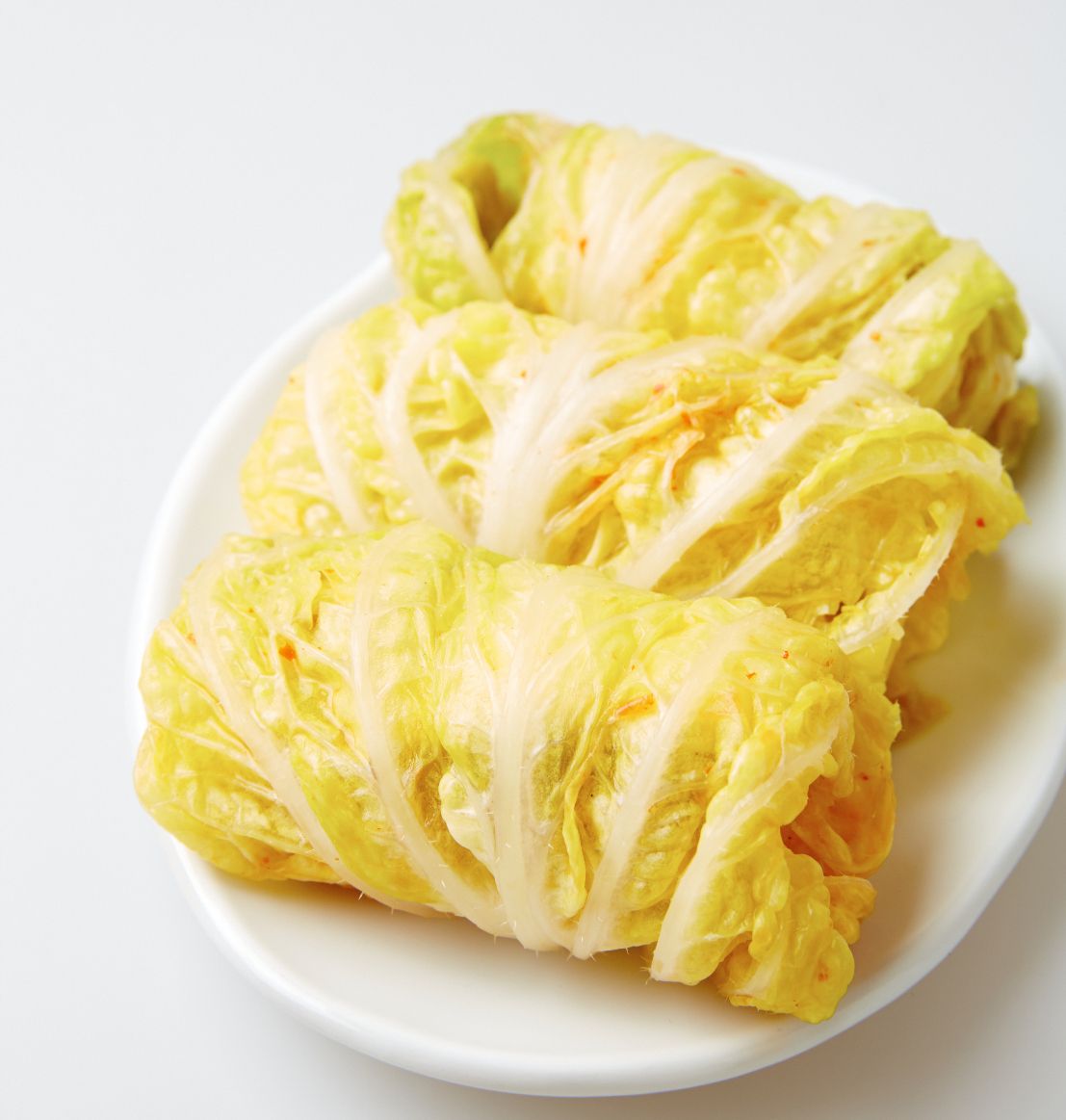 White Kimchi백김치Napa cabbage stuffed with radish, pear, chestnut and jujube and ripened in a clear, cool brine — kimchi with no chili flakes, mild and refreshing.
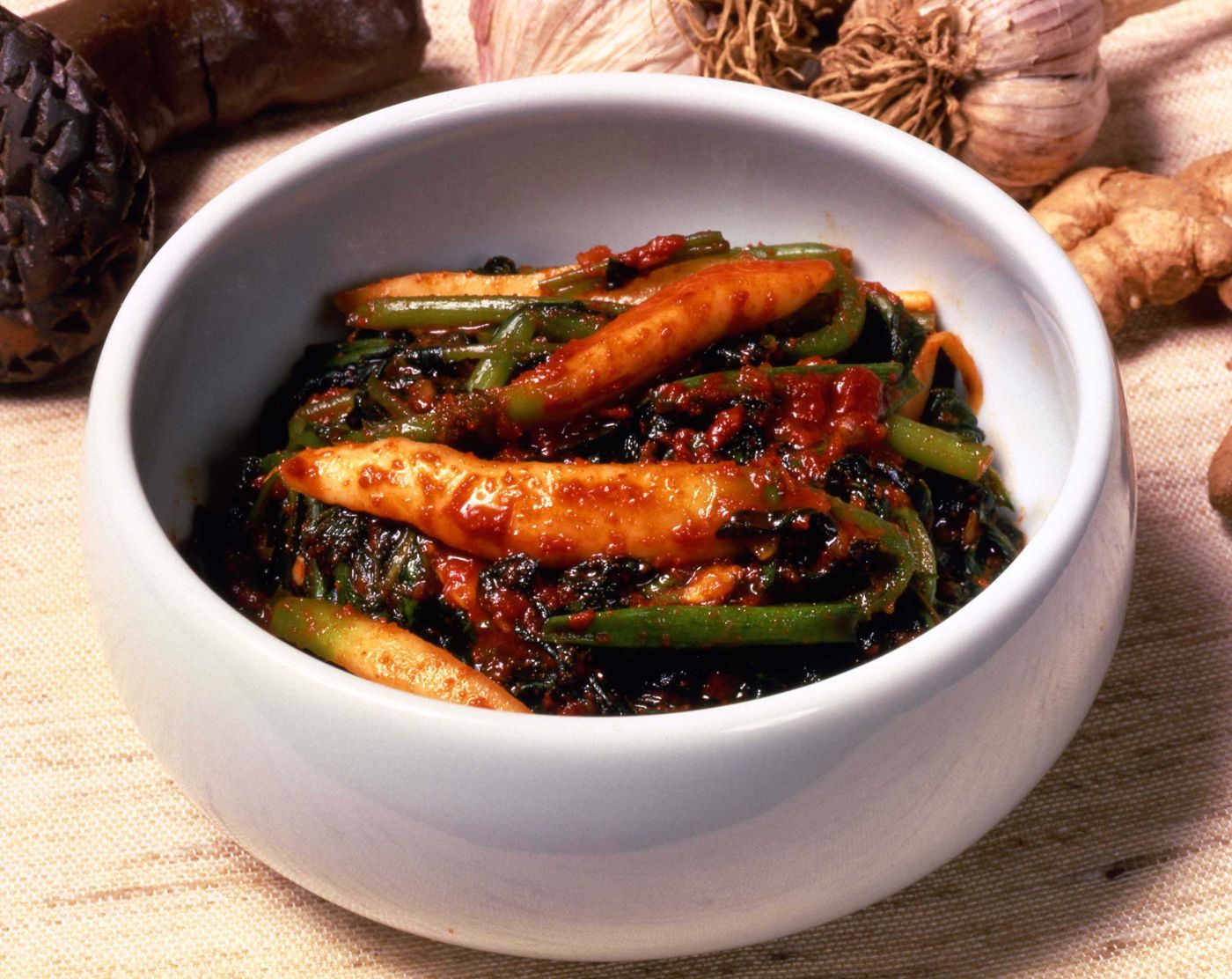 Young Summer Radish Kimchi열무김치Tender young radish greens in a loose, lightly spicy brine thickened with flour or rice paste — the classic summer kimchi, served over noodles and barley rice.
- Yukjeon (Beef Jeon)육전Thin slices of lean beef, lightly marinated, dipped in flour and egg and pan-fried — an ancestral-rite jeon that Gwangju has made into a specialty.