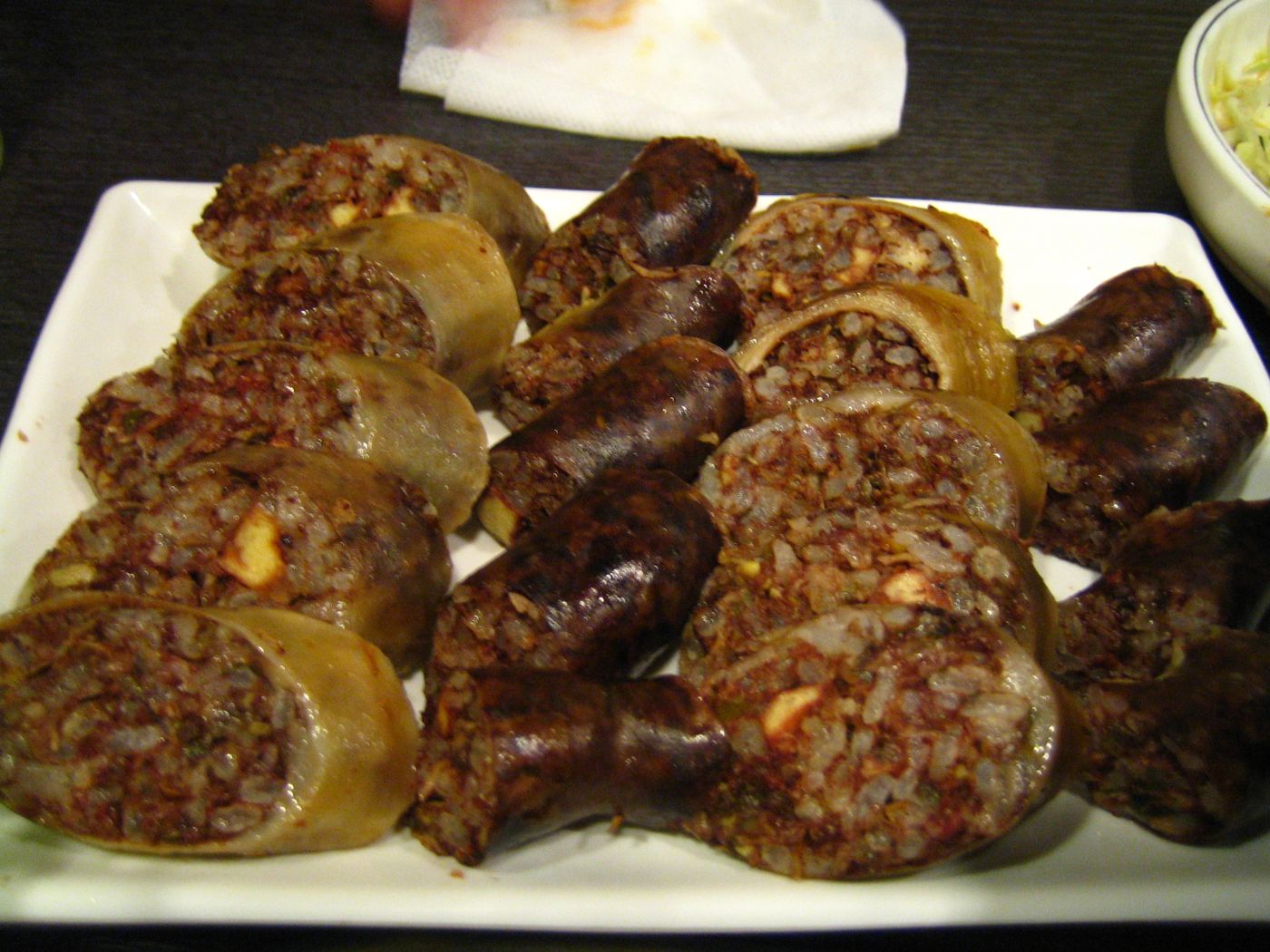
 Photo: ayustety (a flickr user), CC BY-SA 2.0, via Wikimedia Commons
More dishes 기타
Sundae (Korean Blood Sausage)
순대
Romanization: sundae
Pork intestine stuffed with pig's blood, glutinous rice, glass noodles and vegetables, then steamed — a northern farmhouse food that became a nationwide street snack.
- Serves
- 6
- Prep
- 90 min
- Cook
- 40 min
RegionNorthern Provinces (Hwanghae, Pyeongan, Hamgyeong) · Sokcho · Gangwon · Seoul & Gyeonggi · Chungcheong · Jeju
Jump to recipeRecipe
Ingredients · Serves 6
- 2 mSalted hog casings (small intestine)about 150 g; from a butcher
- 300 mlFresh pork blood (seonji), well chilledfrom a butcher you trust
- 150 gGlutinous ricesoaked 4 hours and steamed
- 50 gSweet potato glass noodles (dangmyeon)dry weight
- 150 gMung bean sproutsblanched
- 100 gNapa cabbage leaves or rehydrated siraegiblanched
- 100 gFirm tofusqueezed dry
- 30 gGreen onionfinely chopped
- 3 clovesGarlicminced
- 1 tspGingerminced, plus a few slices for the pot
- 1 tbspSoy sauce
- 1 tspSalt
- ½ tspBlack pepper
- 1 tbspToasted sesame oil
- 1 tbspDoenjangfor the cooking water
- 2 tbsp eachFlour and coarse saltfor cleaning the casings
Method
Technique: Steaming and Jjim
Step 1: Rinse the casings, turn them inside out, rub with flour and coarse salt, rinse well, turn right side out and soak in cold water until needed.
Step 2: Boil the glass noodles 5 minutes, drain and chop. Chop the sprouts and cabbage and squeeze them dry. Mash the tofu.
Step 3: In a large bowl, combine the steamed rice, noodles, vegetables, tofu, green onion, garlic, minced ginger, soy sauce, salt, pepper and sesame oil. Stir in the cold blood until the filling is evenly dark and loose.
Step 4: Tie off one end of a length of casing, fit the other end over a wide funnel and push the filling in with a spoon or your fingers. Fill loosely — about three-quarters full — since the rice and blood expand. Tie off the end. Repeat with the rest.
Step 5: Bring a large pot of water with the doenjang and ginger slices to a bare simmer. Lower in the sausages and cook gently, without boiling, for 25–30 minutes; prick them with a fine needle as they rise to release air and prevent bursting. They are done when firm and the center reaches 160 °F (71 °C).
Step 6: Lift out, cool for 10 minutes so they firm up, then slice about 2 cm thick. Serve with salt mixed with chili powder or with salted-shrimp sauce.
Origin & History
Sundae is Korea's sausage: pork intestine filled with blood, vegetables, meat, tofu and glutinous rice, tied at both ends and boiled or steamed. The folk encyclopedia's entry, by food scientist Son Jeong-woo, notes it was made mainly in Hamgyeong, Pyeongan and Jeju and has since spread everywhere. It was once a by-product of slaughtering a pig for a holiday or family event; today small factories turn it out with more glass noodles than rice or vegetables, and it is sold as a meal, a snack and street food. Both encyclopedias point to Chinese precedents: the agricultural treatise Qimin yaoshu describes lamb's blood and meat packed into lamb intestine and boiled.
Korean recipes appear from the late 1600s. The folk encyclopedia cites Jubangmun, in which cleaned beef intestine is filled with blood, flour, water and hot seasoning, boiled and sliced; Jeungbo sallim gyeongje, which steams beef intestine stuffed with seasoned beef and slices it into horseshoe shapes to dip in vinegared chili paste; and Gyuhap chongseo, which uses minced beef, chicken and pheasant. These Joseon versions relied on beef intestine and meat. The word sundae first appears in the late-19th-century Siuijeonseo, whose dwaeji-sundae — pig intestine stuffed with blanched mung bean sprouts, water dropwort, radish, chopped napa kimchi, tofu, seasonings and pig's blood — is close to today's. The same book gives eogyo-sundae, made in a croaker's swim bladder, and 20th-century cookbooks of 1924 and 1948 add a pork-intestine soup recommended with drink, the ancestor of sundaeguk.
Either the large or small intestine can serve as casing; the folk encyclopedia notes northerners prefer the fatter, thicker large intestine. The casing is cleaned by rubbing with flour and coarse salt and turned inside out, then stuffed and steamed or boiled for about 30 minutes. Cooled sundae is sliced about 2 cm thick and dipped in salt mixed with chili powder or in salted-shrimp brine. Today it is also stir-fried on griddles, deep-fried or made into jeon, and is a fixture of market stalls. See Korean street food and traditional markets.
Key Ingredients
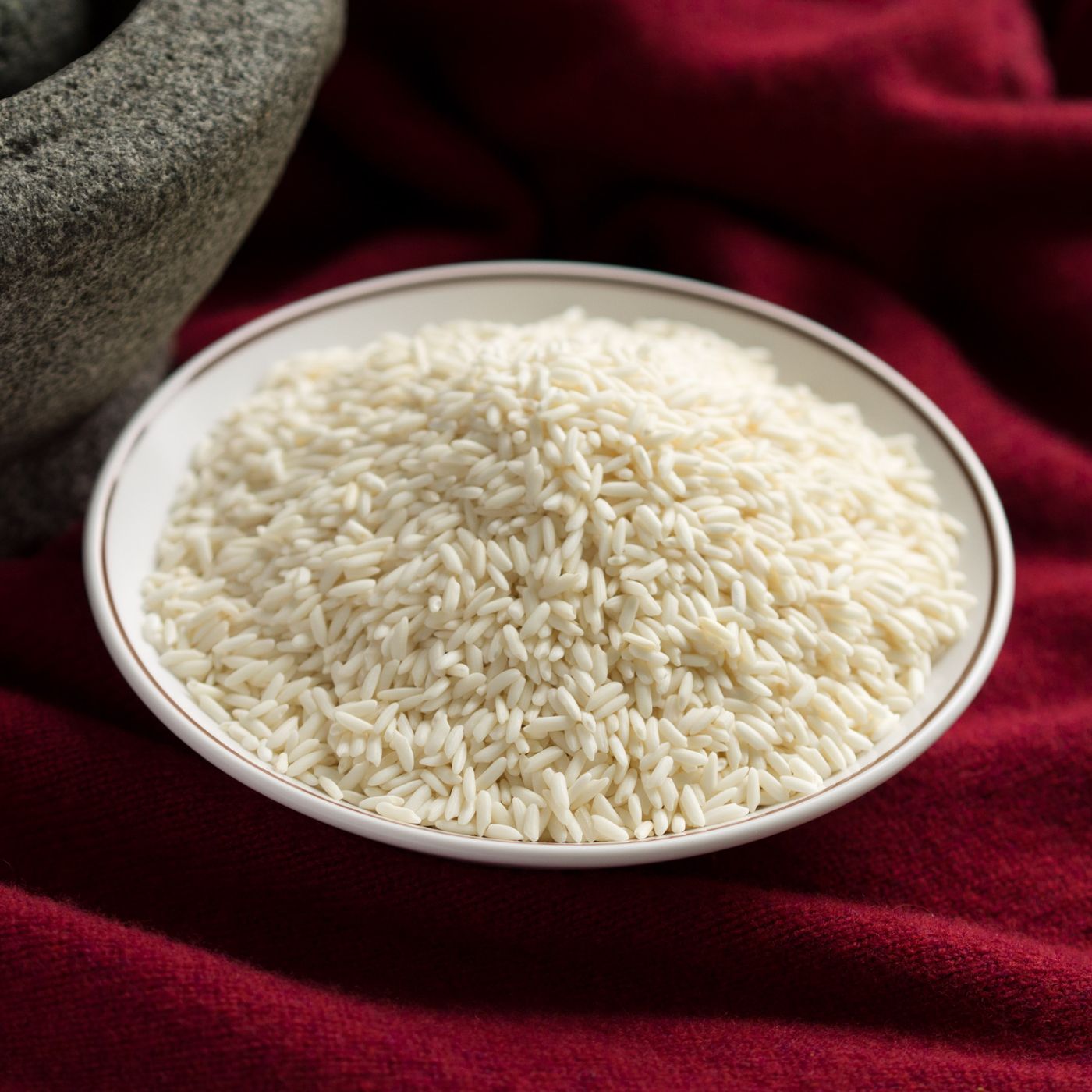 Glutinous rice (sweet rice)찹쌀Opaque, chalk-white grains of glutinous rice that steam into a chewy, elastic mass. Chapssal is the rice of festivals and comfort food: pounded into rice cakes, sweetened into yaksik, and tucked inside the chicken of samgyetang.
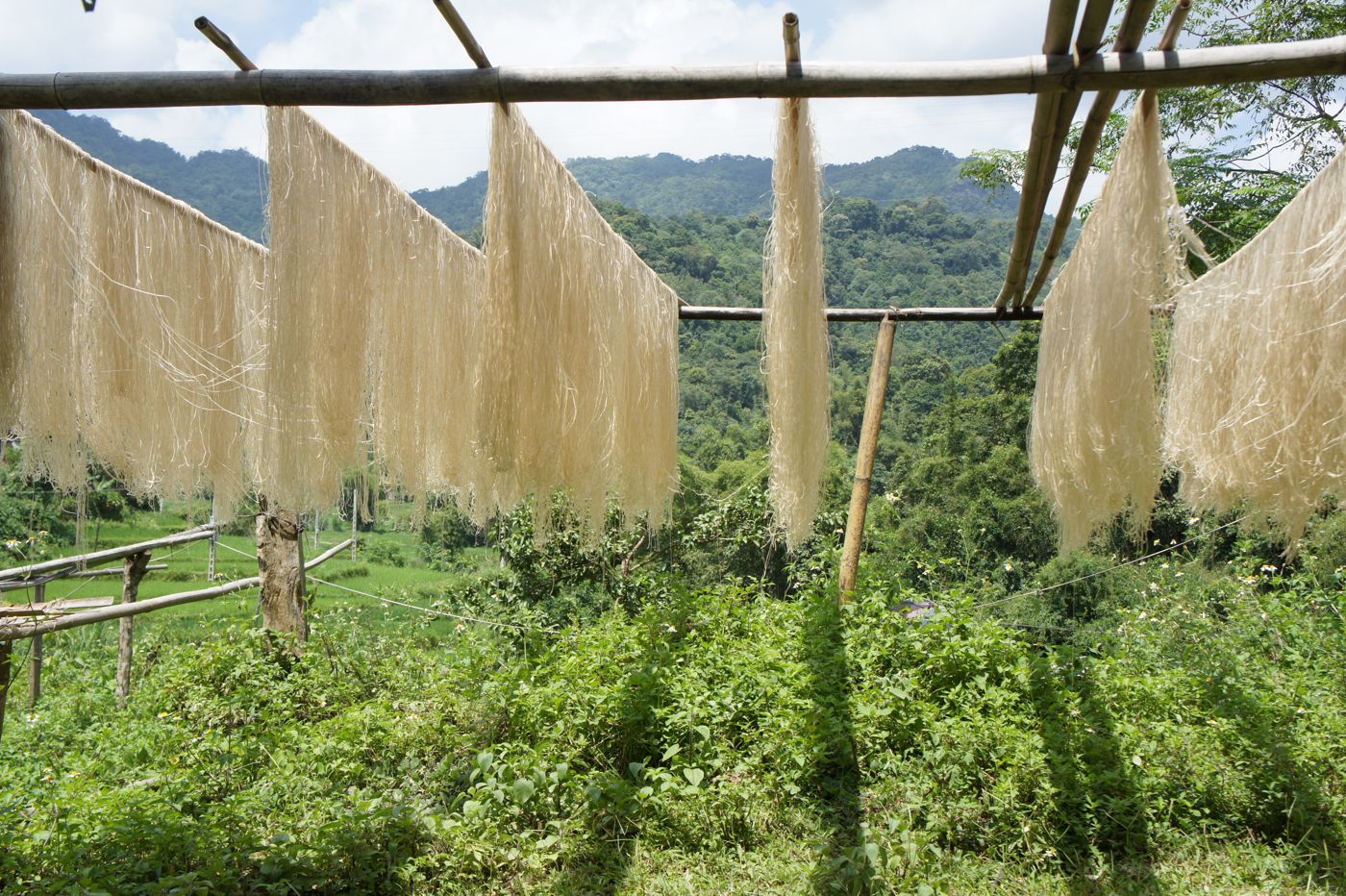 Sweet potato glass noodles당면Chewy, translucent noodles made from sweet potato starch. Introduced from China in the late Joseon period and mass-produced from 1919, they became the heart of modern japchae.
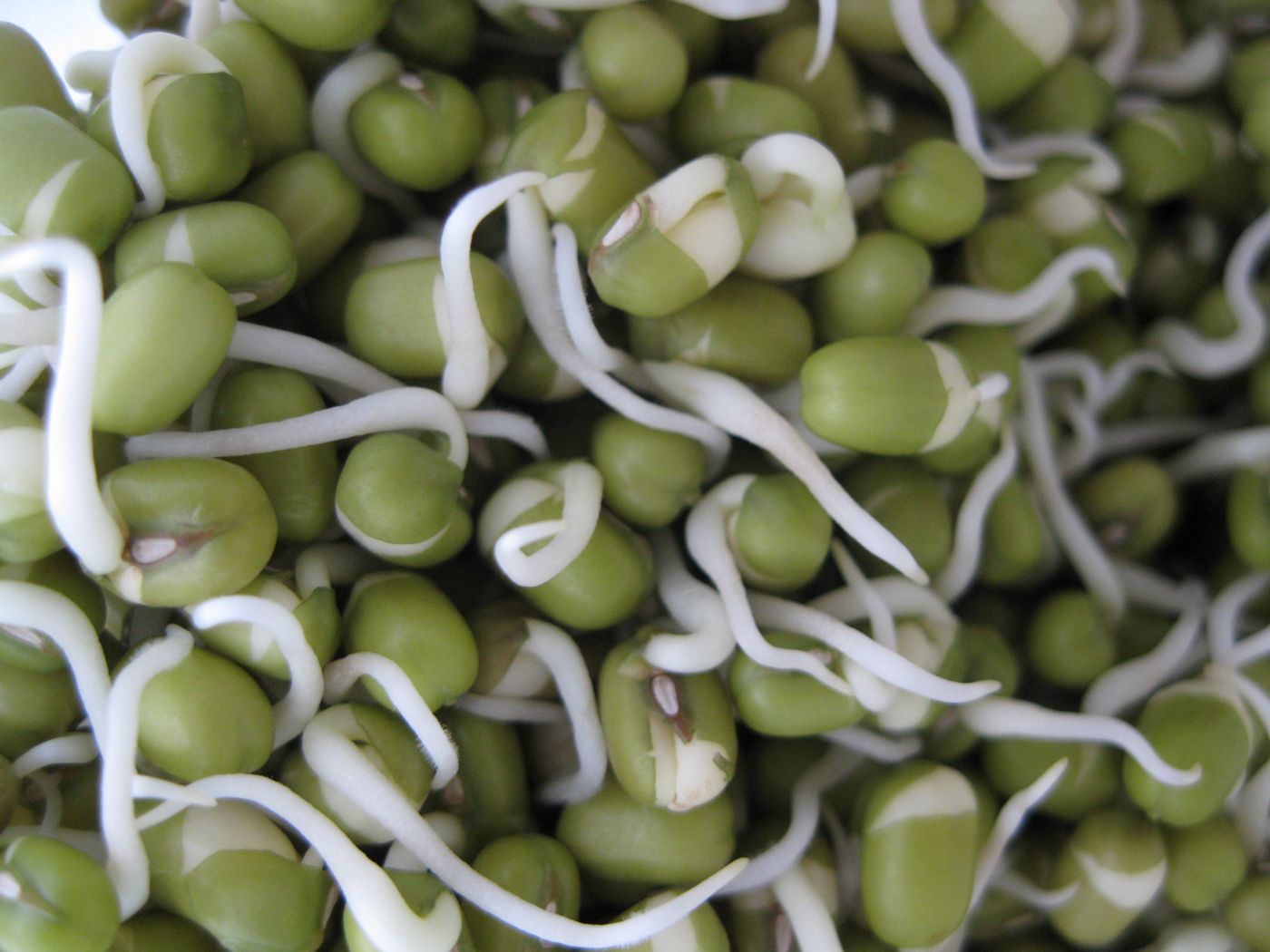 Mung bean sprouts숙주나물Short, plump, delicate sprouts grown from mung beans. Quickly blanched and seasoned as sukju-namul, they are milder and more tender than soybean sprouts.
 Napa cabbage배추The tall, pale, tightly headed cabbage at the heart of Korea's best-known kimchi. Salted, layered with seasoning and left to ferment, it becomes baechu-kimchi; fresh, it goes into soups, wraps and quick salads.
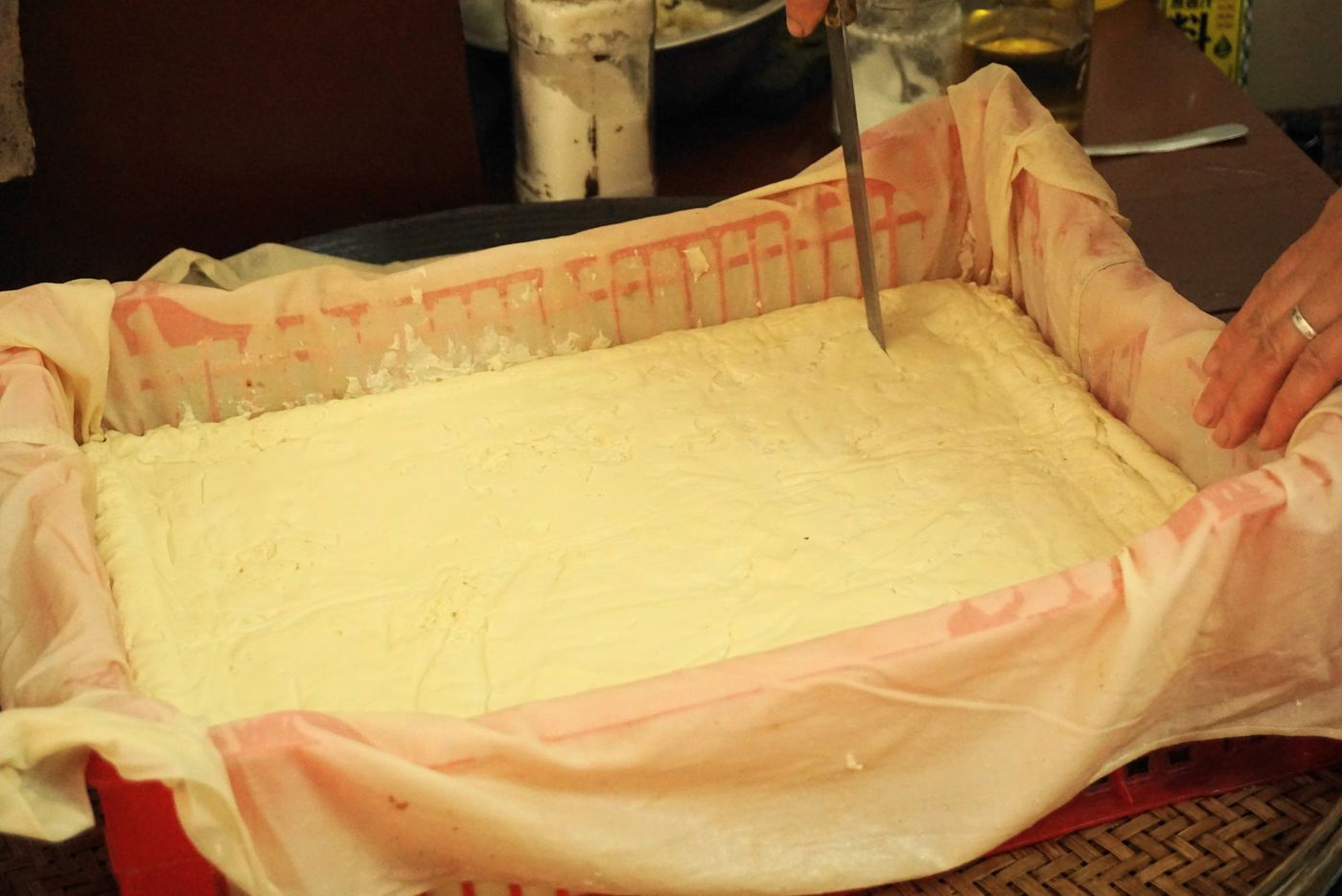 Tofu두부Fresh bean curd made by coagulating soy milk and pressing the curds. A quiet staple of Korean cooking since at least the late Goryeo period, it is pan-fried, braised in spicy soy glaze, or simmered in stews.
 Green onion파Korean green onion (pa), from thick-stemmed daepa to slender scallions — chopped into nearly every seasoning sauce, soup and kimchi, and the star of pa-kimchi.
 Garlic마늘Used raw, minced, pickled and roasted, garlic is one of the essential aromatics of Korean food — in seasonings, marinades, kimchi and namul.
 Ginger생강Fresh ginger root, used in small amounts to brighten kimchi paste and marinades and to tame the strong smells of fish and meat.
 Soy sauce간장Korean soy sauce, in two main kitchen forms: pale, salty guk-ganjang (soup soy sauce) brewed the traditional way from meju, and darker, sweeter jin-ganjang for braises and marinades.
 Sesame참깨Toasted sesame seeds and sesame oil (chamgireum) finish countless Korean dishes, adding a nutty aroma and gloss.
 Doenjang된장Fermented soybean paste — the savory foundation of doenjang-jjigae, many soups and dressings for namul. It is one of Korea's core jang, or fermented sauces.
 Pork (dwaeji-gogi)돼지고기Korea's most widely eaten meat, prized cut by cut: fatty belly for samgyeopsal, neck for the grill, lean legs for boiled suyuk and stir-fried jeyuk. Pork also anchors Jeju Island's feast cooking.
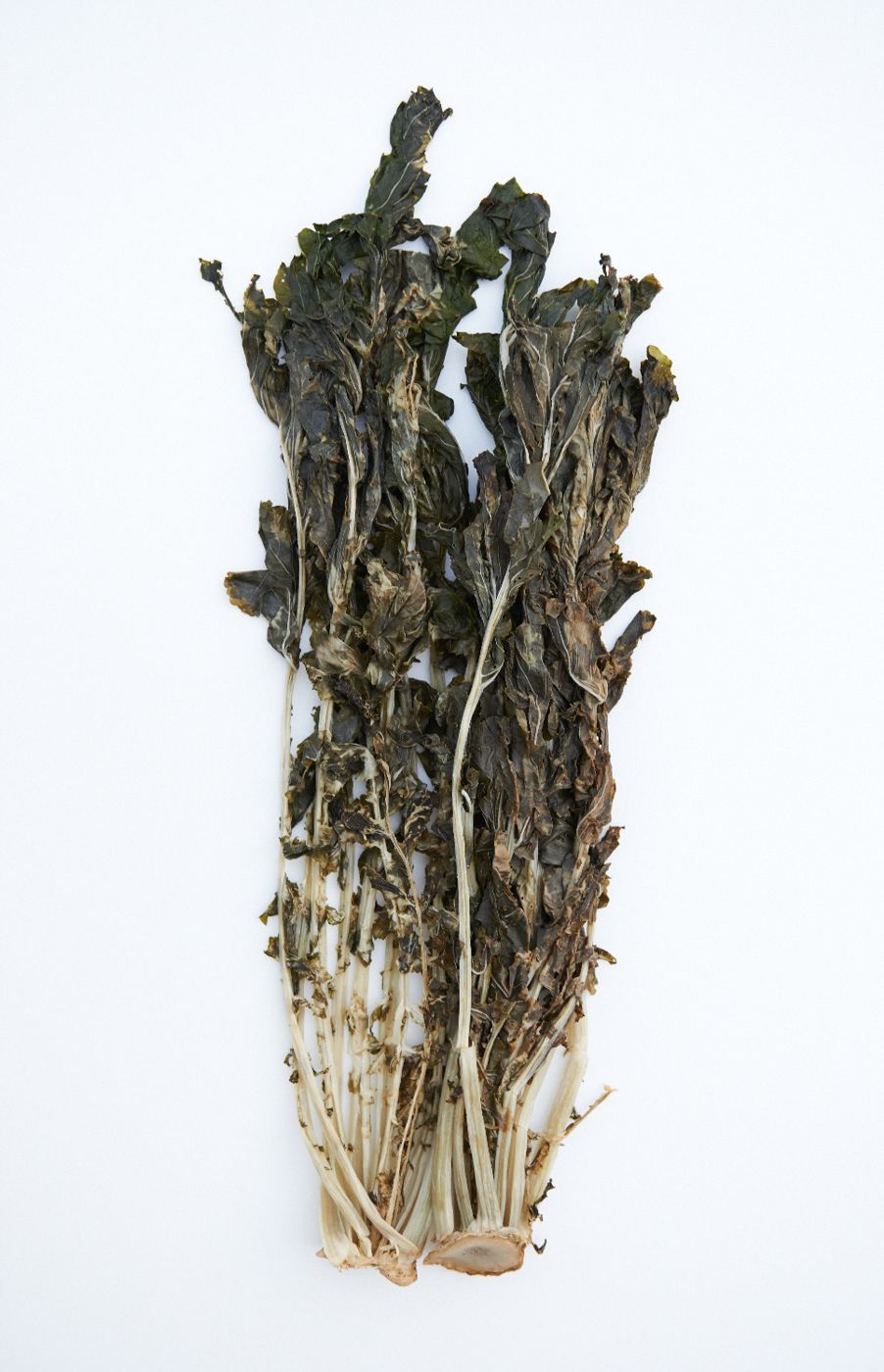 Siraegi (dried radish greens)시래기Radish tops dried in the shade until dark and brittle, then soaked and simmered back to tenderness. A winter staple for earthy namul, doenjang soups and rice cooked with greens.
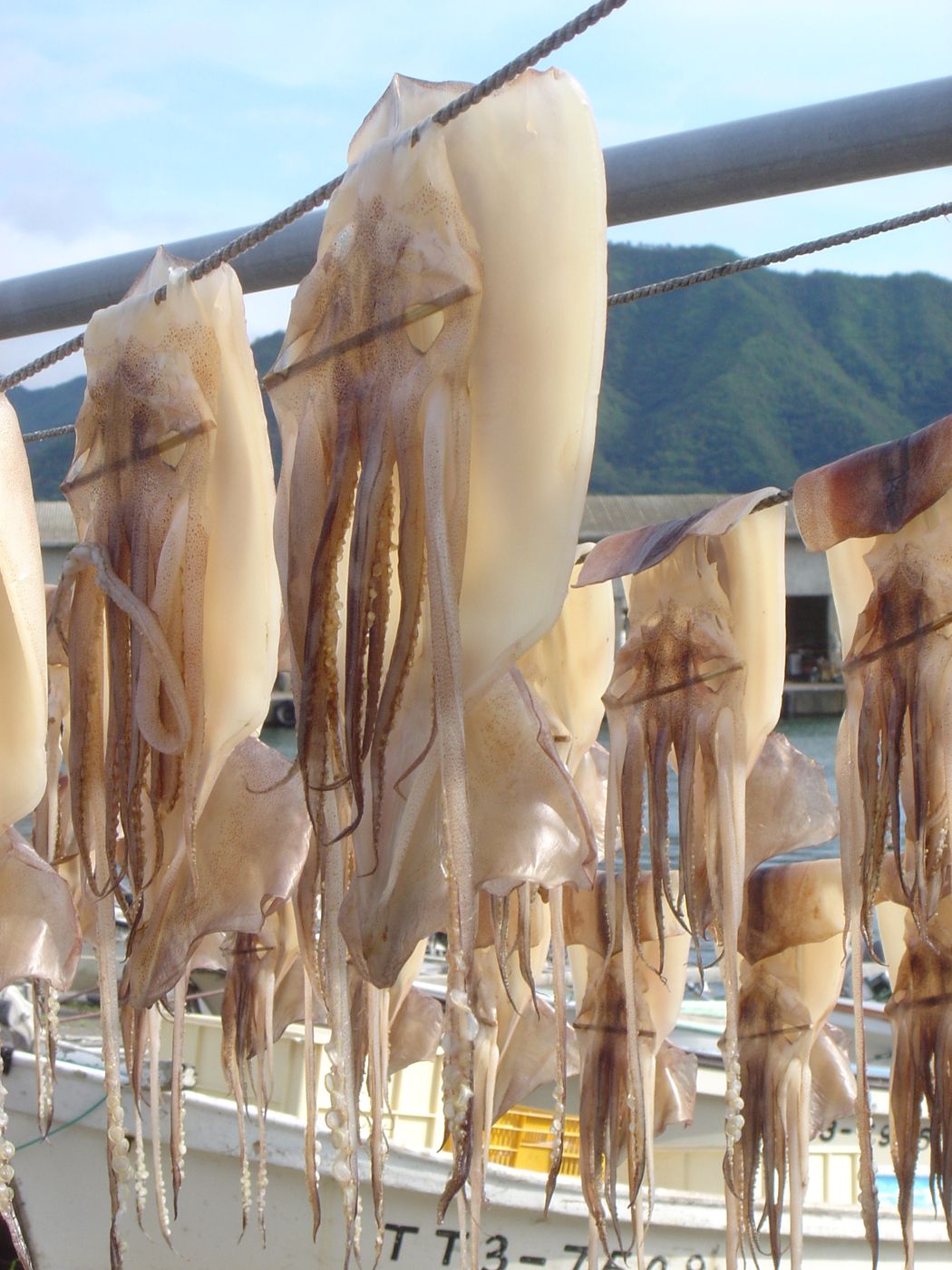 Squid오징어Fresh squid for stir-fries, pancakes and stuffed ojingeo-sundae, and dried squid — whole, sun-cured bodies or sweet-salty shredded jinmichae — that has become one of Korea's best-loved pantry foods.
Nutrition
| Calories | ~225 kcal |
|---|---|
| Protein | ~14 g |
| Fat | ~11 g |
| Carbohydrates | ~17 g |
| Fiber | ~1.2 g |
| Sodium | ~580 mg |
Notable forIron · Protein
Taken from the Korean Food Composition Table entry for prepared sundae with a high blood content (I0220020009e), scaled to 150 g; it is a database value for typical sundae rather than a sum of this recipe, so homemade results will vary. The table's low-blood, noodle-heavy sundae (I0220010009e), closer to many commercial versions, gives about 267 kcal, 4.8 g protein, 6 g fat, 48 g carbohydrate and 760 mg sodium per 150 g, with far less iron. Dipping salt and salted-shrimp sauce are not included. Actual values vary with ingredients, portion size and preparation.
Health Benefits
- Iron: blood is exceptionally rich in iron; the database's high-blood sundae supplies around 14 mg per 150 g serving, most of it heme iron. The folk encyclopedia also notes the iron content.
- A whole meal in a casing: grain, vegetables, tofu and blood together provide protein, starch and some fiber.
- Nose-to-tail eating: sundae makes use of blood and casings that would otherwise go to waste.
Regional Variations
- Abai sundae (Sokcho, from Hamgyeong): Hamgyeong sundae used pig's head meat, lung, spleen, dried radish greens, sprouts, glutinous rice, blood and dorae oil rendered from pork fat. After the Korean War, Hamgyeong refugees settled in Sokcho — the Cheongho-dong district became known as Abai Village, abai meaning father or elder in their dialect — and their large-intestine sausage, packed with steamed glutinous rice, dried radish greens, napa cabbage, sprouts and blood, became abai sundae. Thick-cut and generous, it is now served in Sokcho with spicy pollack salad. See Sokcho and the northern provinces.
- Ojingeo-sundae (Gangwon coast): a whole squid body stuffed with its chopped tentacles, carrot, onion, chives, sprouts, tofu and glutinous rice or glass noodles, steamed about 15 minutes and sliced; sometimes dipped in flour and egg and pan-fried like jeon. Dried squid rolled around a seasoned flour paste is made in Gyeonggi as well. See Gangwon.
- Dongtae-sundae (Hamgyeong): a whole salted pollack, gutted through the mouth, stuffed, sewn shut and frozen, then steamed a portion at a time and eaten with vinegared chili paste.
- Gyeonggi and Chungcheong: Yongin's Baegam sundae uses glutinous rice, glass noodles and plenty of tofu, sprouts and cabbage, seasoned with salted shrimp; Cheonan's Byeongcheon sundae, made in a cluster of shops since the 1960s, is soft with blood, glass noodles and cabbage. See Chungcheong.
- Pyeongan and Jeju: Pyeongan sundae is rich in millet flour, tofu and sprouts; Jeju's sue or dot-sue uses barley and buckwheat flour, often with chives. See Jeju.
Pairings
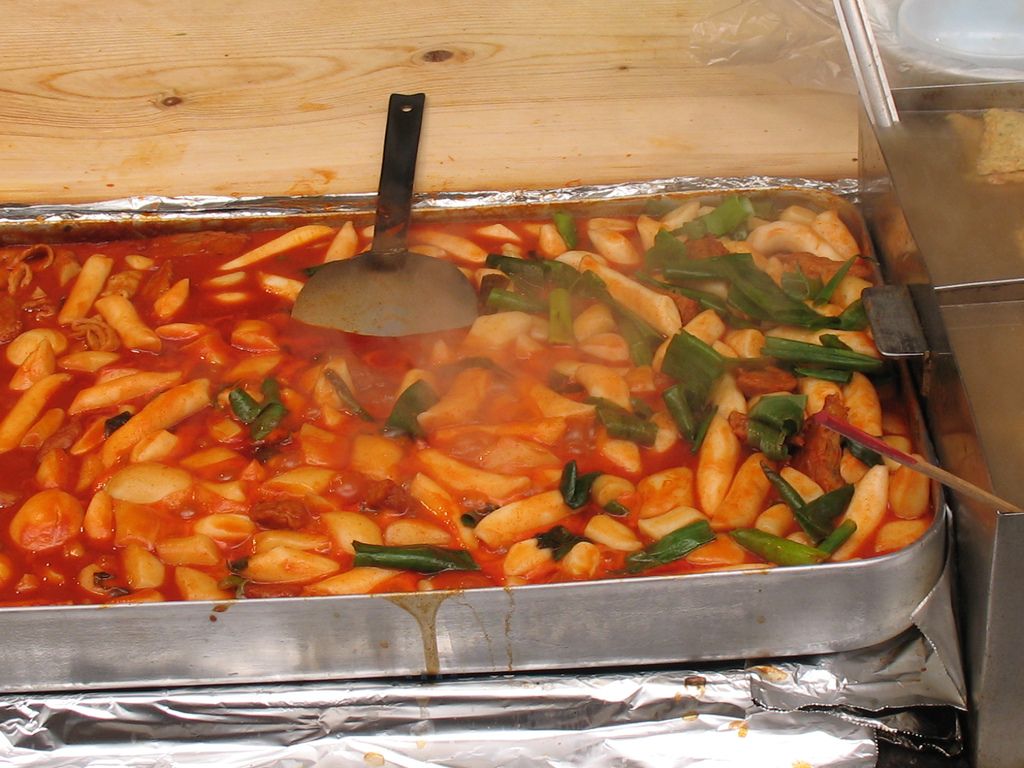 Tteokbokki (Spicy Stir-fried Rice Cakes)떡볶이Chewy rice cakes simmered in a sweet, fiery gochujang sauce with fish cake and green onion — a postwar street snack with roots in a refined soy-sauce court dish.
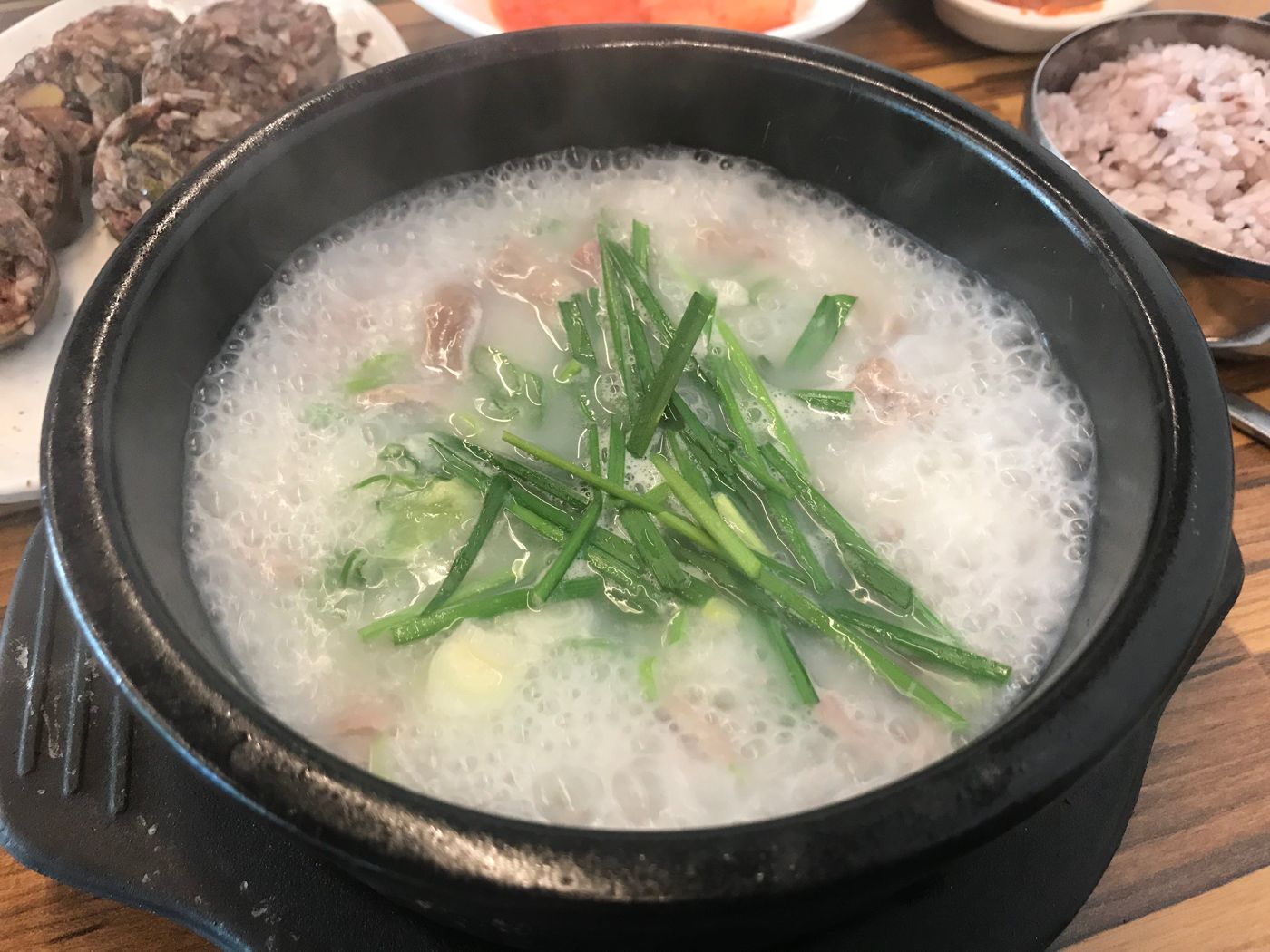 Sundaeguk (Blood Sausage Soup)순댓국Slices of Korean blood sausage and pork offal in a rich pork-bone broth, seasoned at the table with salted shrimp — a cheap, hearty market-day bowl served with rice.
 Cubed Radish Kimchi깍두기Korean radish cut into neat cubes and tossed with chili, garlic and salted shrimp — crunchy, juicy and a classic partner to rich soups.
Sources
- 01순대 (Sundae) — Encyclopedia of Korean Culture
- 02순대 (Sundae) — Encyclopedia of Korean Folk Culture, National Folk Museum of Korea
- 03아바이순대 (Abai Sundae) — Encyclopedia of Korean Folk Culture, National Folk Museum of Korea
- 04오징어순대 (Ojingeo-sundae) — Encyclopedia of Korean Folk Culture, National Folk Museum of Korea
- 05Korean blood sausage (Sundae), High blood contained (I0220020009e) — Korean Food Composition Table
- 06Safe Food Handling — U.S. Food and Drug Administration
Last updated