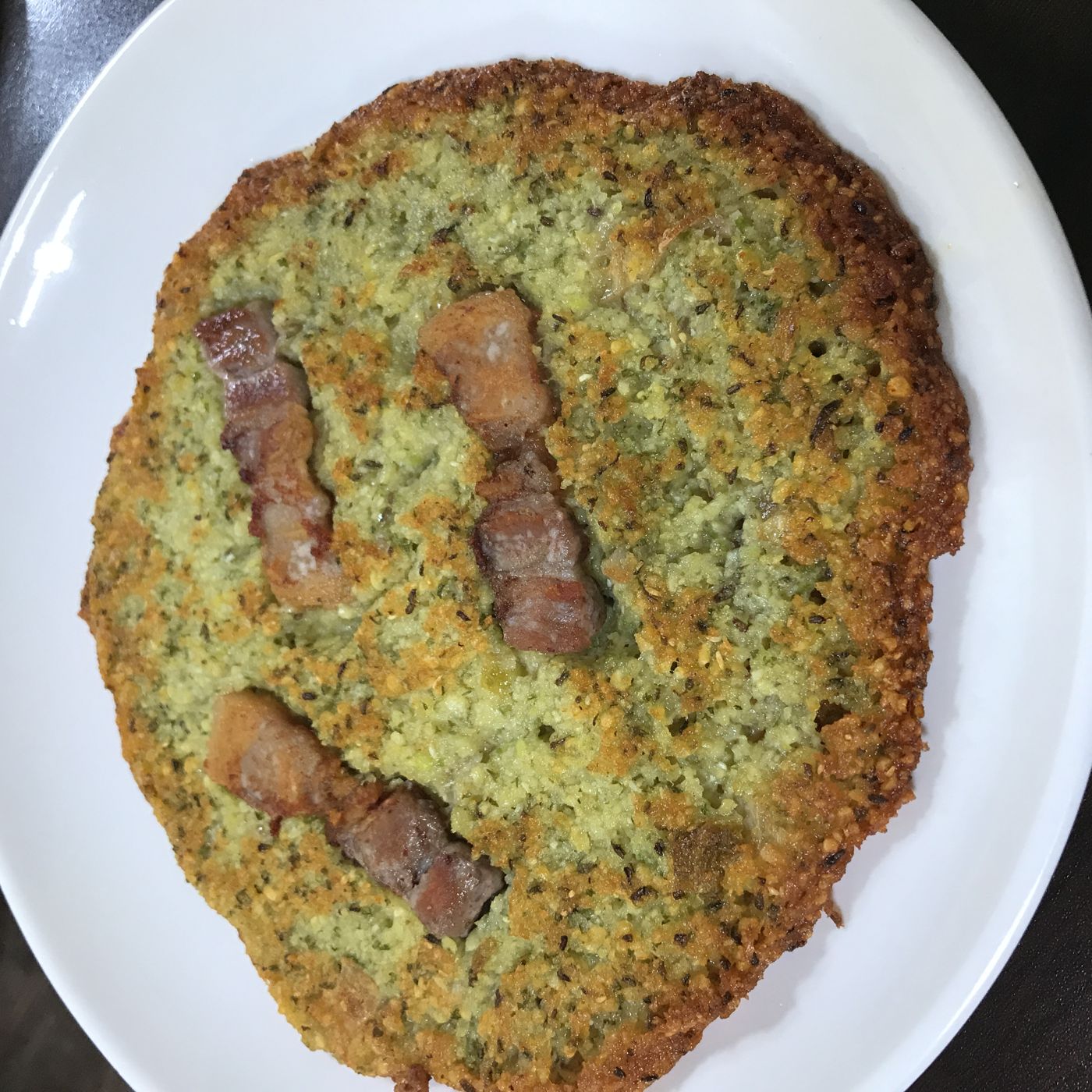
 Photo: chomjong, CC BY 2.0, via Wikimedia Commons
Jeon · Pan-fried 전
Nokdu Bindaetteok (Mung Bean Pancake)
녹두빈대떡
Romanization: nokdu-bindaetteok
Soaked mung beans ground into a thick batter with kimchi, sprouts and pork, then fried crisp in generous oil — a northern specialty and a Seoul market favorite.
- Serves
- 6
- Prep
- 30 min
- Cook
- 35 min
RegionNorthern Provinces (Hwanghae, Pyeongan, Hamgyeong) · Seoul & Gyeonggi
Jump to recipeRecipe
Ingredients · Serves 6
- 200 gHulled split mung beansdry; soaked at least 4 hours or overnight
- 120 mlWaterfor grinding, plus more as needed
- 150 gMung bean sprouts
- 150 gWell-fermented napa cabbage kimchisqueezed and chopped
- 150 gGround pork
- 50 gRehydrated bracken (gosari)chopped, optional
- 2 stalksGreen onionschopped (about 30 g)
- 2 clovesGarlicminced
- 1 tspSoy saucefor the pork
- 1 tspToasted sesame oilfor the pork
- ½ tspSalt
- 5 tbspNeutral cooking oilfor frying, divided
Method
Technique: Jeon: Pan-Frying in Flour and Egg
Step 1: Rinse the soaked mung beans, rubbing them between your hands to loosen any remaining green skins, and drain. Grind them in a blender with the water to a thick, slightly coarse batter — it should hold its shape on a spoon. Add water a spoonful at a time only if the blender stalls.
Step 2: Blanch the mung bean sprouts in boiling water for 1 minute, rinse in cold water, squeeze dry and chop roughly.
Step 3: Mix the pork with the soy sauce, sesame oil and half the garlic.
Step 4: Stir the sprouts, kimchi, pork, bracken if using, green onions, remaining garlic and salt into the mung bean batter.
Step 5: Heat 2 tbsp oil in a skillet over medium heat. Add about ½ cup of batter and spread it into a round about 12 cm wide and 1 cm thick.
Step 6: Fry for 4–5 minutes, until the bottom is deep golden and crisp. Flip, add a little more oil around the edge, and fry another 4 minutes, until crisp and the pork is cooked through.
Step 7: Drain on a rack and repeat with the remaining batter, adding oil as needed. Serve hot with soy sauce and thinly sliced onion, or soy sauce mixed with vinegar.
Origin & History
Bindaetteok, also called binja-tteok or nokdu-jijim, is made by grinding soaked mung beans (nokdu) on a millstone and frying the batter like a thick pancake. The Encyclopedia of Korean Culture classes it with the jijimgae or buchimgae — pancakes made by mixing ingredients into a batter and pressing them flat in an oiled pan, rather than coating sliced foods in flour and egg.
The name has several competing explanations. One traces it, through binja-tteok, to an older Chinese-derived word for a griddle cake; the scholar Choe Nam-seon suggested a Chinese pronunciation, bingja, as the source. Another reads it as binja (貧者), "the poor," from the idea that pancakes once used as a base for stacking fried meat on ritual and banquet tables became a filling dish for poor households. A third links it to Jeong-dong in Seoul, nicknamed Bindae-gol for its bedbugs (bindae) and said to have been full of pancake sellers. There is also a story that in famine years wealthy households fried these pancakes and handed them to refugees gathered outside Namdaemun gate.
Early recipes were sweet. The 17th-century Eumsik dimibang (also known as Gyugon siuibang) describes frying spoonfuls of hulled mung bean batter, adding a filling of honeyed red bean paste, and covering it with more batter; the early-19th-century Gyuhap chongseo adds pine nuts and jujubes to make a flower-like cake. The modern savory pancake, salted and mixed with meat and vegetables, is a later development.
Bindaetteok is strongly identified with the northwest. The encyclopedia lists nokdu-jijim among the dishes of Pyeongan Province and nokdu-binja among those of Hwanghae, and notes that Pyeongan-style bindaetteok is about three times the size and twice the thickness of the Seoul version. The Korean Food Promotion Institute adds that in the northwest it was everyday home food as well as a dish for guests. In Seoul it is now synonymous with Gwangjang Market, where stalls grind mung beans on millstones and fry pancakes with kimchi, bracken and pork to order.
Key Ingredients
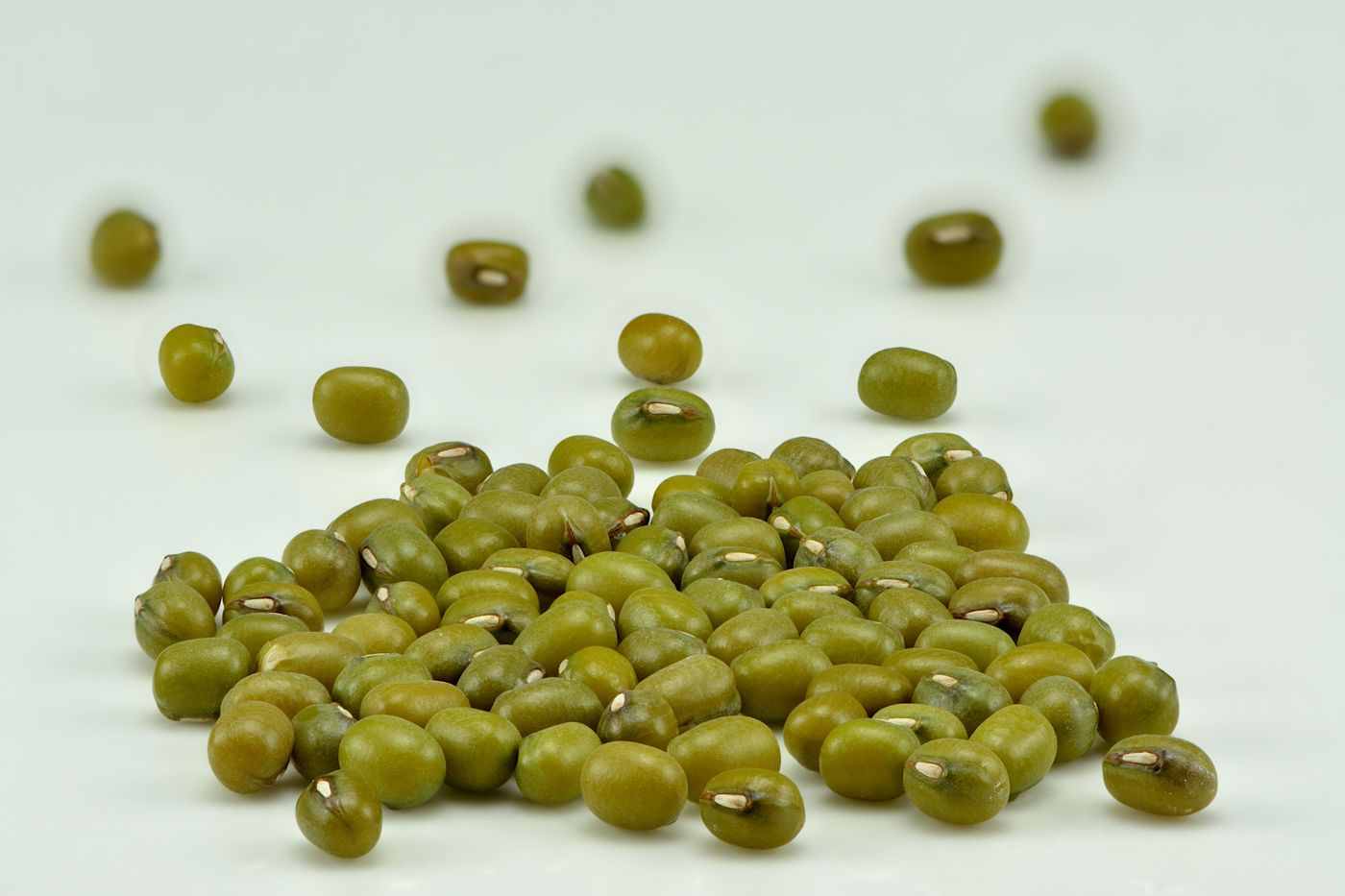 Mung beans녹두Small green beans that give Korean cooking three very different foods: crisp, golden bindaetteok pancakes from the soaked and ground beans, crunchy sukju sprouts, and clear, silky cheongpo-muk jelly from their starch.
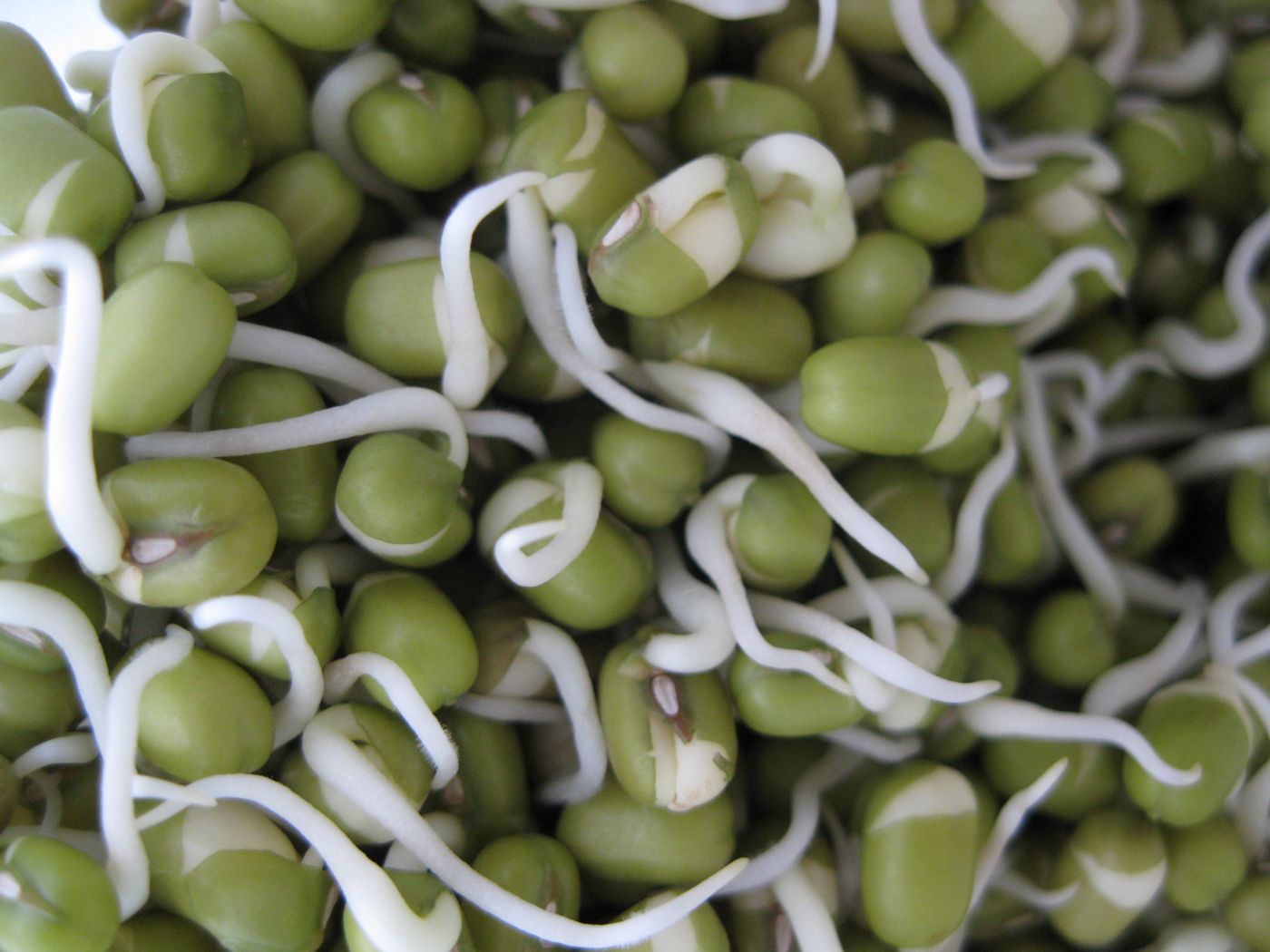 Mung bean sprouts숙주나물Short, plump, delicate sprouts grown from mung beans. Quickly blanched and seasoned as sukju-namul, they are milder and more tender than soybean sprouts.
 Napa cabbage배추The tall, pale, tightly headed cabbage at the heart of Korea's best-known kimchi. Salted, layered with seasoning and left to ferment, it becomes baechu-kimchi; fresh, it goes into soups, wraps and quick salads.
- Bracken fern shoots고사리The young, tightly curled shoots of bracken fern, picked in spring and almost always sold blanched and dried. Once soaked and thoroughly cooked, gosari turns tender and earthy, and it is a fixture of ancestral-rite tables, bibimbap and yukgaejang.
 Green onion파Korean green onion (pa), from thick-stemmed daepa to slender scallions — chopped into nearly every seasoning sauce, soup and kimchi, and the star of pa-kimchi.
 Garlic마늘Used raw, minced, pickled and roasted, garlic is one of the essential aromatics of Korean food — in seasonings, marinades, kimchi and namul.
 Soy sauce간장Korean soy sauce, in two main kitchen forms: pale, salty guk-ganjang (soup soy sauce) brewed the traditional way from meju, and darker, sweeter jin-ganjang for braises and marinades.
 Sesame참깨Toasted sesame seeds and sesame oil (chamgireum) finish countless Korean dishes, adding a nutty aroma and gloss.
Nutrition
| Calories | ~300 kcal |
|---|---|
| Protein | ~13.4 g |
| Fat | ~18 g |
| Carbohydrates | ~23.7 g |
| Fiber | ~6.4 g |
| Sodium | ~385 mg |
Notable forFolate · Dietary fiber · Iron · Potassium
Estimated by summing USDA FoodData Central (SR Legacy) values for raw mature mung beans (FDC 174256), raw mung bean sprouts (FDC 169957), cabbage kimchi (FDC 170392), raw ground pork (FDC 167902), raw scallions, raw garlic, soy sauce, table salt, sesame oil and soybean oil, divided by 6. Bracken is optional and not included. USDA lists whole mung beans; hulled beans are lower in fiber, so actual fiber is likely somewhat lower. Assumes all the frying oil is absorbed; Korean commercial kimchi is often saltier than the USDA entry, which would raise the sodium. Actual values vary with ingredients, portion size and preparation.
Health Benefits
- Legume base: mung beans are rich in folate and supply plant protein, fiber, iron and potassium, so the pancake is more nourishing than a flour batter.
- Vegetables and kimchi: sprouts, green onion and kimchi add volume, fiber and vitamin K.
- Naturally wheat-free batter: the batter is made from beans, not flour, though soy sauce in the seasoning and dip usually contains wheat.
Regional Variations
- Pyeongan and Hwanghae: large, thick pancakes — in Pyeongan about three times the size of a Seoul bindaetteok — known locally as nokdu-jijim or nokdu-binja.
- Gwangjang Market, Seoul: millstone-ground mung beans mixed with kimchi, bracken (gosari) and ground pork, fried crisp in plenty of oil and served with soy sauce and sliced onion.
- Home style: often lighter on meat, with mung bean sprouts, green onions and well-fermented kimchi; a little glutinous rice is sometimes ground with the beans for chewiness.
- Historic sweet bindaetteok: the Joseon-era version with honeyed red bean filling, pine nuts and jujubes survives mainly in cookbooks and reconstructions.
Pairings
 Napa Cabbage Kimchi배추김치Salted napa cabbage layered with a red paste of chili, garlic, ginger and fermented seafood, then left to ripen: the kimchi most people picture first.
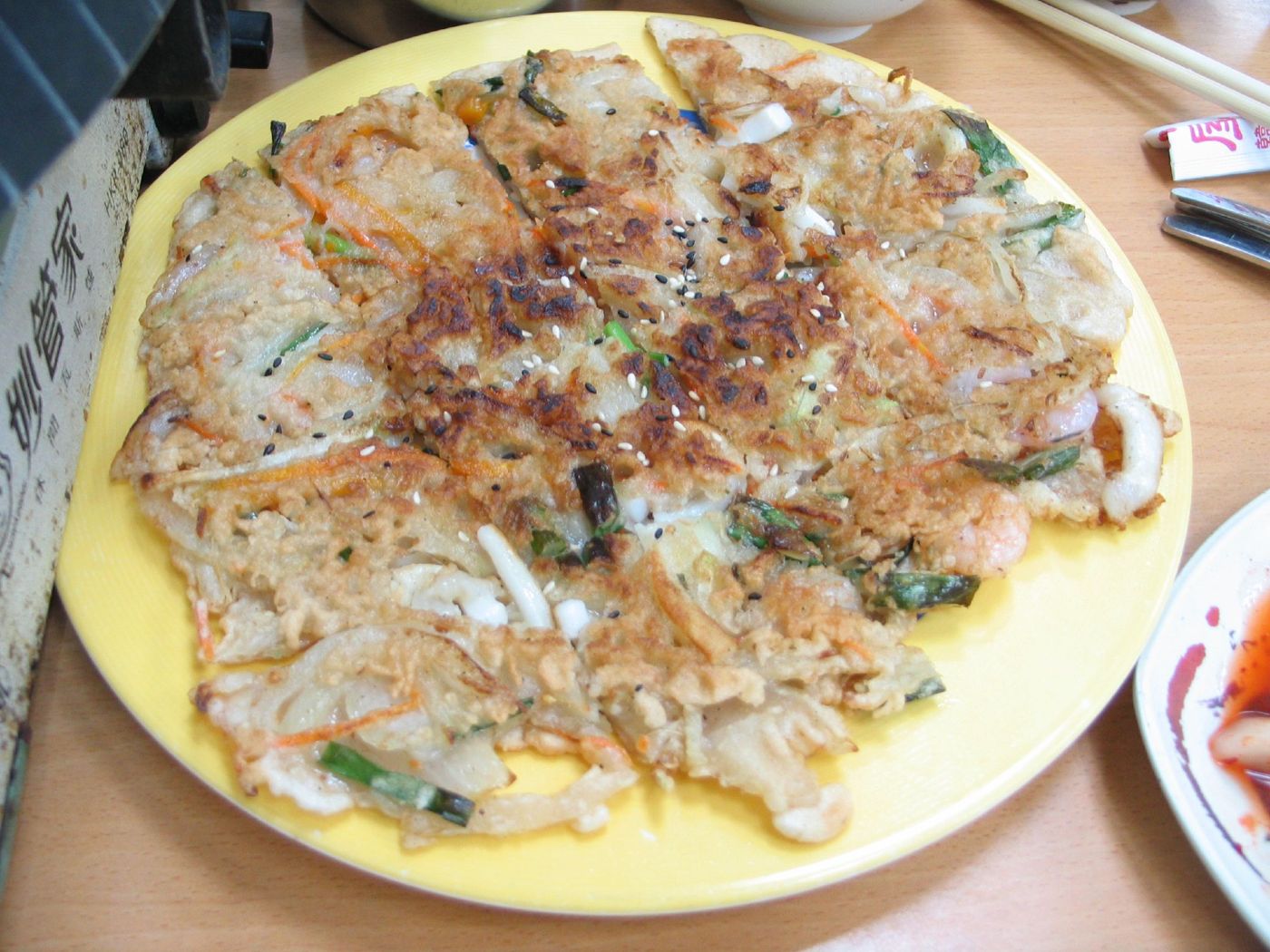 Haemul Pajeon (Seafood and Green Onion Pancake)해물파전Whole green onions bound in a light batter with squid, shrimp and clams, pan-fried until crisp — a generous jeon for sharing, closely tied to Busan's Dongnae.
- Soy-Pickled Onions양파장아찌Chunks of onion steeped in a sweet, tangy soy brine until mellow and crunchy — a quick modern jangajji that cuts through grilled meats and fried foods.
Sources
- 01빈대떡 (Bindaetteok) — Encyclopedia of Korean Culture
- 02한식이야기: 빈대떡 (Korean Food Story: Bindaetteok) — Korean Food Promotion Institute
- 03향토음식 (Regional Foods) — Encyclopedia of Korean Culture
- 04Soonheenae Bindaetteok (순희네빈대떡) — VISITKOREA, Korea Tourism Organization
- 05Mung beans, mature seeds, raw (FDC 174256) — USDA FoodData Central
Last updated