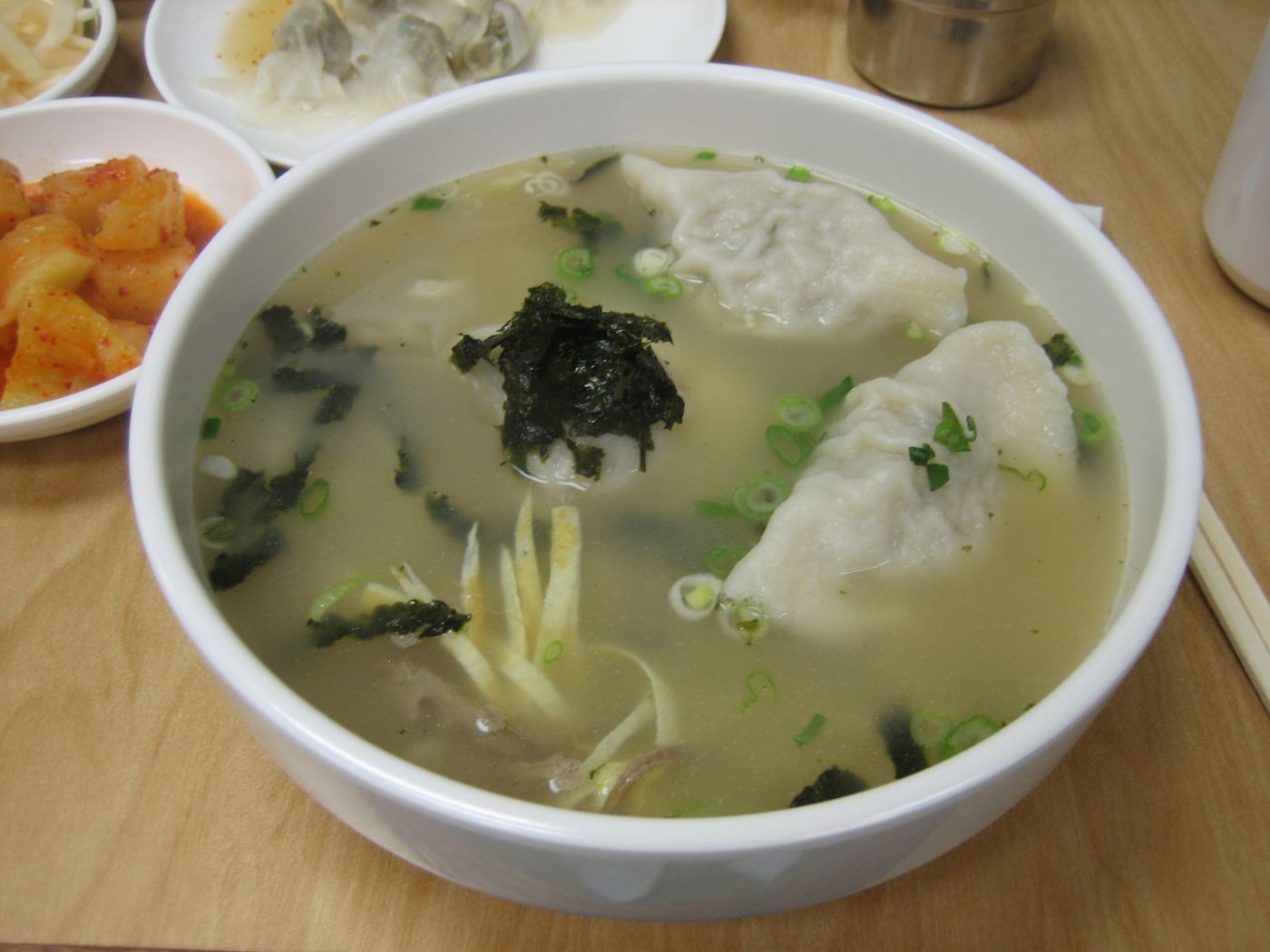
 Photo: sirronwong (a flickr user), CC BY 2.0, via Wikimedia Commons
Guk & Tang · Soups 국·탕
Manduguk (Dumpling Soup)
만둣국
Romanization: manduguk
Stuffed dumplings simmered in a clear, savory broth, usually beef-based and topped with egg strands and green onion. A winter and New Year dish with northern roots.
- Serves
- 4
- Prep
- 15 min
- Cook
- 60 min
RegionNorthern Provinces (Hwanghae, Pyeongan, Hamgyeong)
Jump to recipeRecipe
Ingredients · Serves 4
- 200 gBeef brisketfor the broth
- 1.6 lWater
- 10 gGarlic2 cloves, minced
- 40 gGreen onion1 stalk whole for the broth plus a sliced handful to finish
- 1 tbspSoup soy sauceabout 17 g, plus to taste
- ½ tspSaltto taste
- 24 Dumplings (mandu)homemade or frozen; for homemade see the mandu entry
- 1 largeEggsbeaten and fried thin for the garnish
- to serveRoasted seaweed (gim) stripsoptional
Method
Technique: Making Mandu, Making Yuksu: Anchovy-Kelp Stock
Step 1: Soak the brisket in cold water for 30 minutes. Bring it to a boil in 1.6 liters of fresh water with the whole green onion, skim, then simmer gently for 45–50 minutes, until tender.
Step 2: Lift out the brisket, strain the broth and tear or slice the meat. Season the broth with soup soy sauce, garlic and salt; it should taste clean and lightly seasoned.
Step 3: Beat the egg with a pinch of salt and fry it in a thin sheet in a lightly oiled pan. Cool, then roll and cut into thin strips.
Step 4: Bring the broth to a boil. Add the dumplings (straight from the freezer if frozen) and cook, uncovered, until they float and the filling is cooked through, about 5–7 minutes.
Step 5: Ladle dumplings and broth into bowls, add the beef, egg strips and sliced green onion, and serve with vinegar-soy dipping sauce and kimchi.
Origin & History
Manduguk is mandu cooked in broth. The Encyclopedia of Korean Folk Culture treats it like tteokguk or noodle soup: a simple staple that is also a small occasion. Dumplings steamed are jjin-mandu; the same dumplings boiled in clear soup (jangguk) and eaten with the broth are manduguk. The wrapper is wheat, buckwheat, or either one mixed with rice or starch flour, and fillings run from beef, pork and pheasant to vegetables, kimchi and fish; dumplings are named by what is inside them.
The history is documented but tangled. The folk encyclopedia says dumplings came to Korea from China, and that a late-Goryeo poem by Yi Saek shows they were already widespread, although the dumpling in the poem seems to be an unfilled steamed bun. For the soup form it points to Joseon court banquet food, where half-moon dumplings with unpleated edges cooked in broth were called byeongsi. The seventeenth-century cookbook Eumsik dimibang has a dish called seongnyu-tang, small unfilled glutinous-rice dumplings in the shape of a pomegranate floating in clear broth. The Encyclopedia of Korean Culture reads it as the manduguk of its day, but the folk encyclopedia disagrees, calling it a kind of sudan (rice-dumpling) dish rather than the same soup. The Encyclopedia of Korean Culture adds that when the name manduguk became widespread is not certain.
Geography and season explain the dish's character. The Encyclopedia of Korean Culture connects it especially with the northern provinces, centered on Pyeongan, where wheat grows and dumplings were adopted early. It is a food that many households make for Seollal (Lunar New Year), and a winter dish more generally: once the kimjang kimchi has ripened, it says, cooks fill dumplings with it, freeze them, and boil them in broth through the winter. See mandu history for the dumpling itself.
Key Ingredients
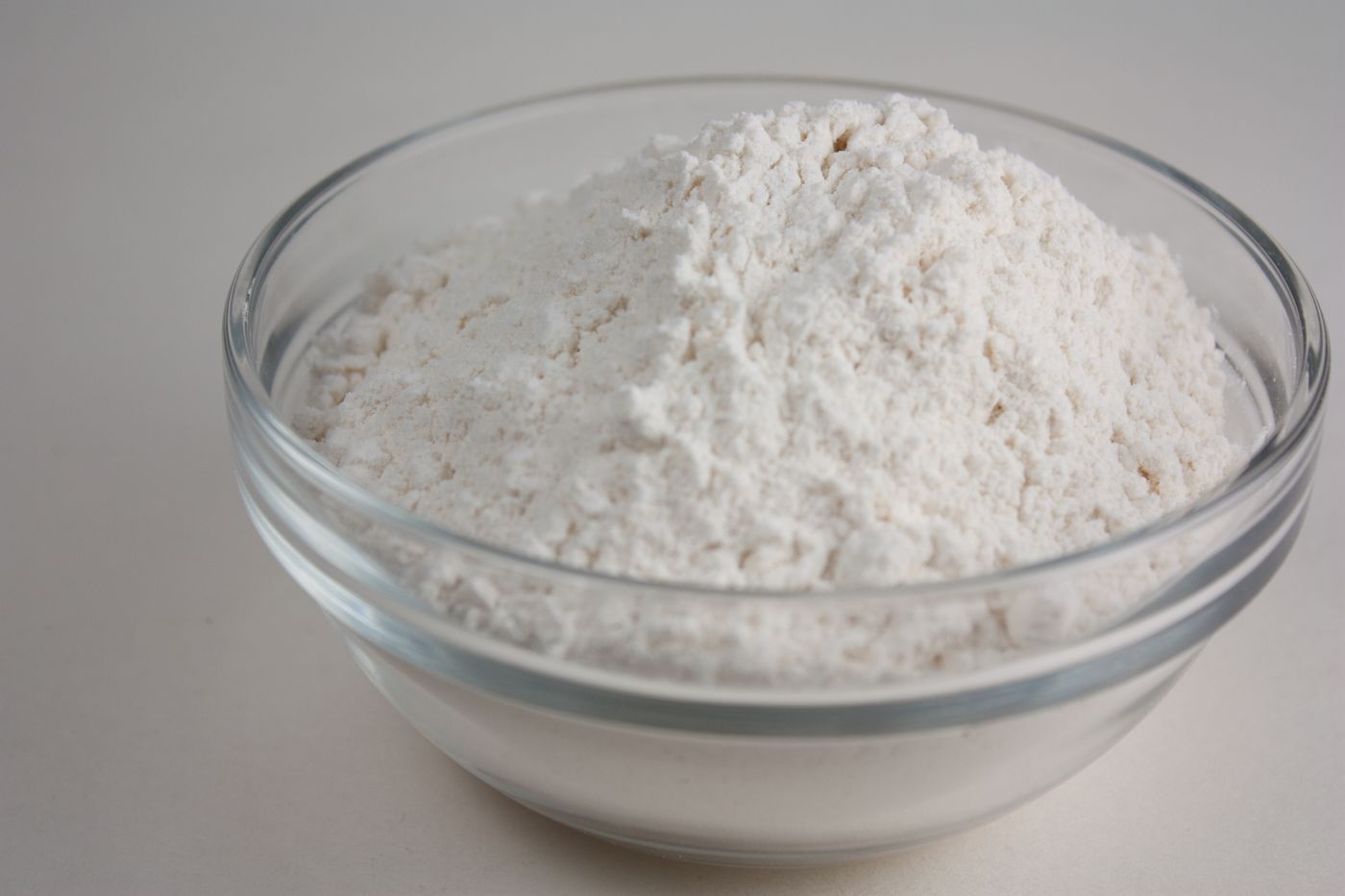 Wheat flour밀가루Finely milled wheat flour, the base of Korean noodles, dumpling wrappers, pancake batters and ramyeon. A luxury for most of Korean history, it became an everyday staple only after the Korean War, when American aid flour flooded the market.
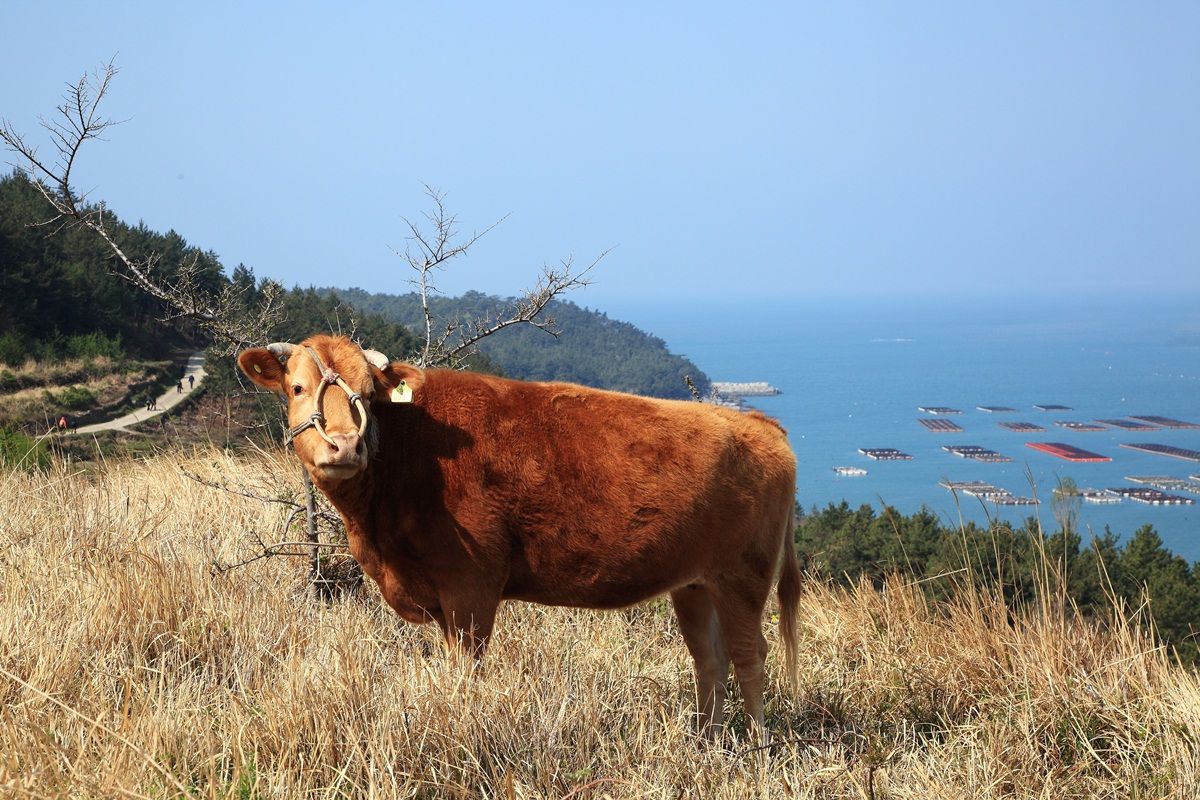 Hanu (Korean native beef)한우Beef from Korea's native cattle, most of them a warm yellow-brown, prized for rich marbling and a deep, beefy flavor. Hanu is the premium beef for grilling, braised galbi-jjim, holiday gift sets and ancestral-rite dishes.
 Pork (dwaeji-gogi)돼지고기Korea's most widely eaten meat, prized cut by cut: fatty belly for samgyeopsal, neck for the grill, lean legs for boiled suyuk and stir-fried jeyuk. Pork also anchors Jeju Island's feast cooking.
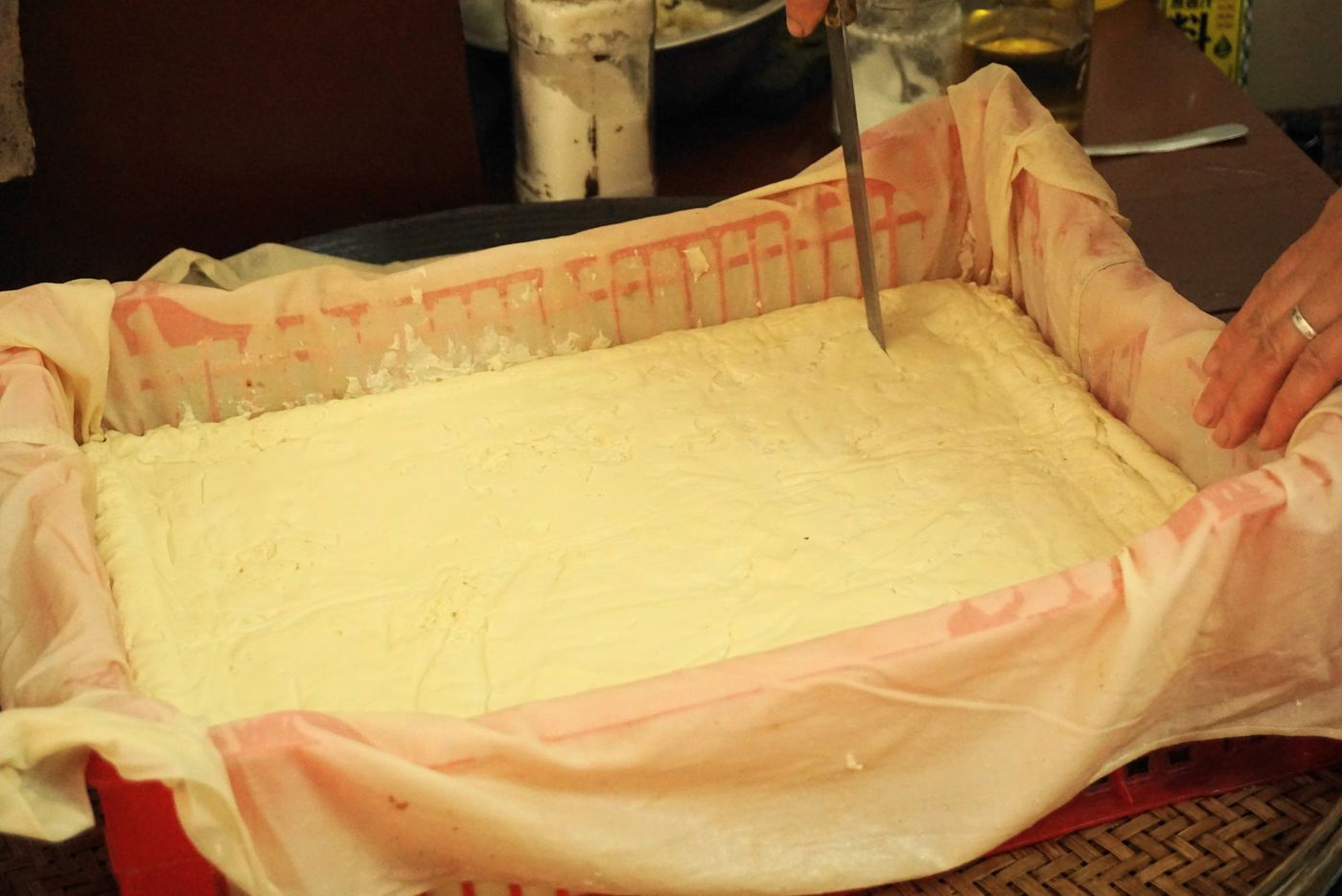 Tofu두부Fresh bean curd made by coagulating soy milk and pressing the curds. A quiet staple of Korean cooking since at least the late Goryeo period, it is pan-fried, braised in spicy soy glaze, or simmered in stews.
- Egg (gyeran)계란The everyday protein of the Korean table: rolled into gyeran-mari, steamed into puffy gyeran-jjim, simmered in soy for gyeran-jangjorim, and cut into thin yellow and white ribbons of jidan to garnish soups and noodles.
 Green onion파Korean green onion (pa), from thick-stemmed daepa to slender scallions — chopped into nearly every seasoning sauce, soup and kimchi, and the star of pa-kimchi.
 Garlic마늘Used raw, minced, pickled and roasted, garlic is one of the essential aromatics of Korean food — in seasonings, marinades, kimchi and namul.
 Soy sauce간장Korean soy sauce, in two main kitchen forms: pale, salty guk-ganjang (soup soy sauce) brewed the traditional way from meju, and darker, sweeter jin-ganjang for braises and marinades.
Nutrition
| Calories | ~492 kcal |
|---|---|
| Protein | ~33.2 g |
| Fat | ~20.9 g |
| Carbohydrates | ~43.9 g |
| Fiber | ~3.3 g |
| Sodium | ~1268 mg |
Notable forProtein · Thiamin (vitamin B1) · Selenium
Built in two parts. Broth and toppings (USDA FoodData Central SR Legacy: raw beef brisket FDC 169570, soy sauce FDC 174277, whole egg FDC 171287, scallions, garlic, table salt) come to about 106 kcal, 12.6 g protein, 5.5 g fat and 490 mg sodium per serving, counting all the brisket as eaten. The dumplings use the per-dumpling average of the mandu entry on this site (450 kcal, 24 g protein, 18 g fat, 49 g carbohydrate, 910 mg sodium for about 7 dumplings), scaled to six. Store-bought dumplings differ, so treat the totals as approximate. Sodium is high because the dumpling filling contains kimchi and the wrappers and broth are salted. Actual values vary with ingredients, portion size and preparation.
Health Benefits
- A complete one-bowl meal: dumplings, meat and broth together give protein and carbohydrate, and the filling adds some vegetables.
- Gentle cooking: simmering in broth adds no frying oil, so a bowl is lighter than pan-fried mandu.
- Easy to adjust: a vegetable- or tofu-filled dumpling in a kelp or anchovy broth makes a lighter bowl; see plant-based Korean eating.
Regional Variations
- Northern provinces: the Encyclopedia of Korean Culture singles out the north, especially Pyeongan, for its dumpling soups, made with wheat dough rolled out to about 6–7 cm wrappers and a broth of boiled brisket.
- By filling: meat (gogi), kimchi, napa cabbage and vegetable fillings are all named in the folk encyclopedia, which also lists wheat, buckwheat and fish-wrapped (eomandu) forms.
- By shape: round, square (pyeonsu), triangular, sea-cucumber-shaped (gyuasang) and pomegranate-shaped dumplings appear in the entry; the half-moon byeongsi was the court shape.
- Garnish: the Encyclopedia of Korean Culture describes strips of fried egg crepe (jidan) on top and a vinegar-soy sauce on the side.
Pairings
 Napa Cabbage Kimchi배추김치Salted napa cabbage layered with a red paste of chili, garlic, ginger and fermented seafood, then left to ripen: the kimchi most people picture first.
 Cubed Radish Kimchi깍두기Korean radish cut into neat cubes and tossed with chili, garlic and salted shrimp — crunchy, juicy and a classic partner to rich soups.
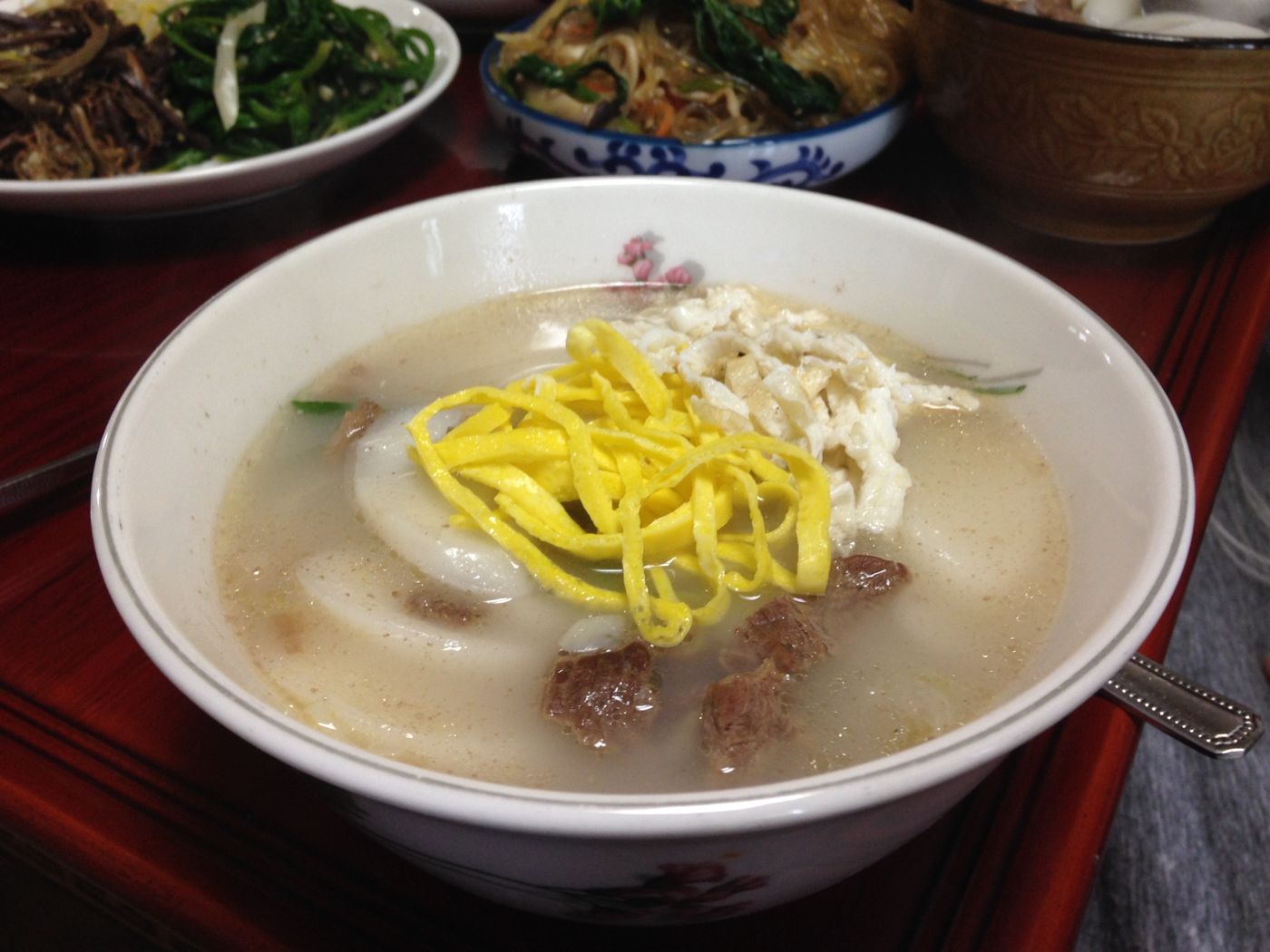 Tteokguk (Rice Cake Soup)떡국Thin ovals of white rice cake in clear beef broth, topped with egg ribbons and seaweed — the soup eaten on Seollal morning to greet the new year.
 Japchae (Glass Noodles with Vegetables)잡채Chewy sweet potato glass noodles tossed with stir-fried vegetables, mushrooms and beef in soy sauce and sesame oil — Korea's essential celebration dish.
Sources
- 01만둣국 (Manduguk) — Encyclopedia of Korean Culture (한국민족문화대백과사전)
- 02만둣국 (Manduguk) — Encyclopedia of Korean Folk Culture (한국민속대백과사전)
- 03만둣국 (Manduguk), origins of mandu and manduguk — Encyclopedia of Korean Folk Culture (한국민속대백과사전)
- 04Beef, brisket, flat half, boneless, separable lean and fat — USDA FoodData Central
Last updated