Regions
Chuncheon
춘천
Gangwon's lakeside capital is known for two inexpensive, modern classics: spicy stir-fried dakgalbi and cold buckwheat makguksu, each with a well-told origin story.
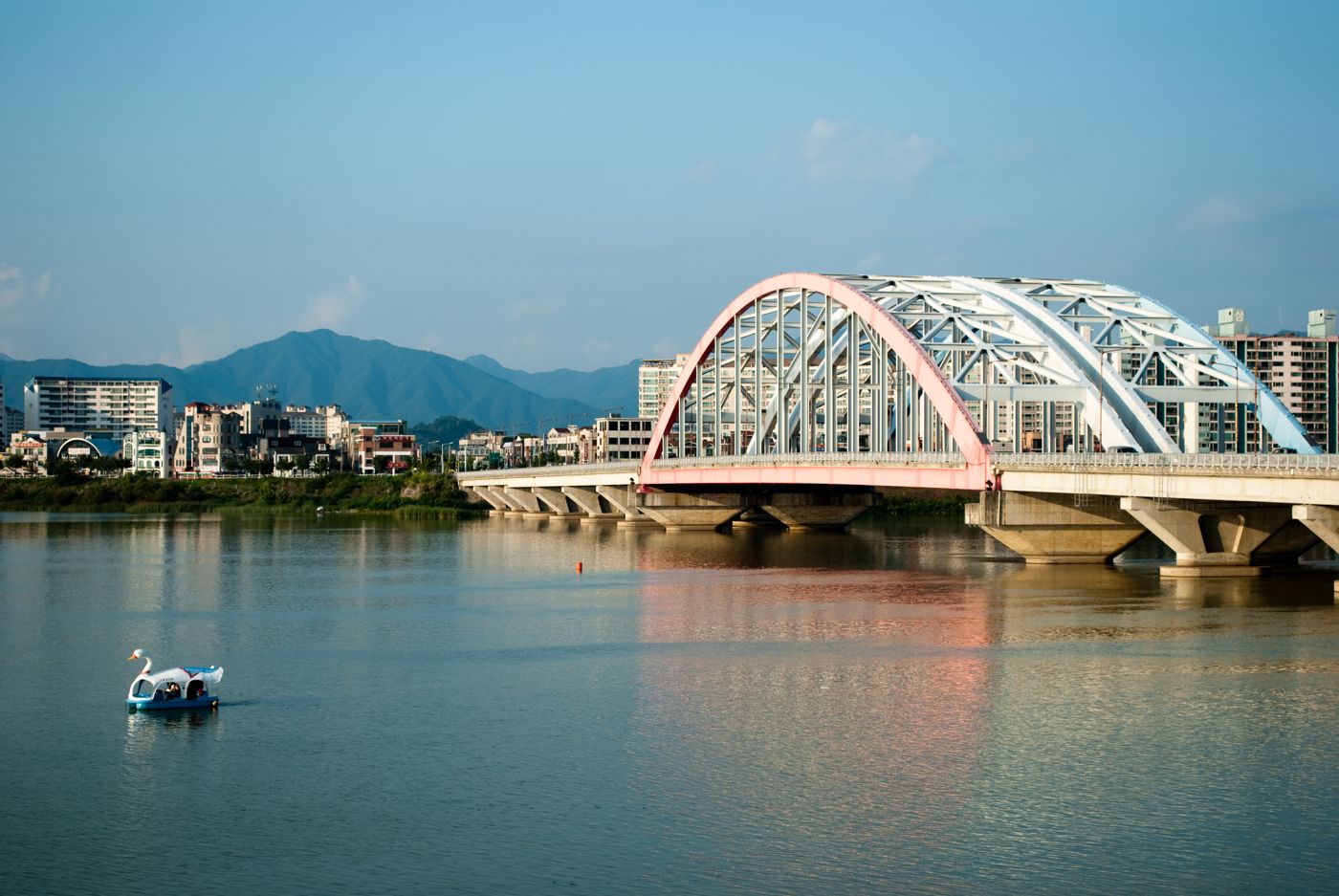 Photo: Mark Zastrow, CC BY 2.0, via Wikimedia Commons
Chuncheon, the capital of Gangwon Province, sits among lakes formed by dams on the Bukhan and Soyang rivers. Its two signature dishes, dakgalbi and makguksu, are so closely tied to the city that a combined dakgalbi and makguksu festival is listed by the Encyclopedia of Korean Culture among Chuncheon's annual events. Both are cheap, filling and relatively recent as restaurant food, and both have origin stories that are worth knowing, as long as they are read as stories. For the province, see Gangwon.
Dakgalbi: from charcoal snack to iron pan
Despite the name (galbi means ribs), dakgalbi is chicken, traditionally cut into large pieces on the bone, marinated in a spicy gochujang sauce and stir-fried on a large, round iron griddle with cabbage, sweet potato, carrot, green onion and rice cakes (tteok). The Encyclopedia of Korean Culture gives the marinade as gochujang, gochugaru, soy sauce, garlic, ginger and sugar, made deliberately hot.
The commonly told origin, which the encyclopedia attributes to a 1982 Chuncheon city publication, is that in the late 1960s a man named Kim Yeong-seok, who sold grilled pork on Jungang-ro, bought two chickens one day, marinated them the way he marinated pork ribs, and grilled them over charcoal as a drinking snack under the name dak-bulgogi. Charcoal-grilled chicken served over a brazier was later renamed Chuncheon dakgalbi.
In the 1970s, dakgalbi houses multiplied in the back alleys of Chuncheon's Myeong-dong. The encyclopedia says a portion cost around 100 won, so cheap that it was nicknamed "college student galbi" and "common people's galbi," and it became a favorite of soldiers on leave and students. It explains the dish's local roots by the many poultry farms and slaughterhouses around Chuncheon at the time. Somewhere along the way, cooking moved from charcoal to the iron pan that defines the dish now.
Makguksu: buckwheat from the mountains
Makguksu is a dish of buckwheat noodles. The Encyclopedia of Korean Culture describes it as a traditional food of Gangwon, where cool highland conditions suit buckwheat and the harvest is plentiful and good. In its classic form, the noodles go into a bowl with chilled kimchi liquid, topped with chopped kimchi and salted cucumber, sesame salt and chili flakes. The encyclopedia recommends a clear kimchi such as dongchimi or nabak-kimchi over one heavy with chili and fish sauce, and says mixing the kimchi liquid half and half with cold meat broth makes it even better. It also notes that noodles once cut by hand came to be extruded by machine, and that what was once a late-night snack became a lunch dish.
The name is usually explained two ways. A Chuncheon city newsletter gives both: mak as in "just now," because buckwheat noodles are best eaten freshly made, and mak as in "roughly," because the flour mixed hull and kernel together. The same source describes makguksu as sustenance for mountain villagers and slash-and-burn farmers (hwajeonmin), and as famine food that evolved from buckwheat soup into noodles once starch was added to bind them.
Why Chuncheon
According to the city newsletter, dedicated makguksu restaurants appeared after the Korean War, and the real growth began in the late 1960s, when the construction of the Soyang, Chuncheon and Uiam dams brought workers to the area. Government campaigns of the 1960s and 70s that promoted non-rice meals, and the nostalgia of refugees from the North for the cold noodles of home, helped the dish move into town. The newsletter counts roughly 500 places serving it, about 80 of them specialists, and dates a makguksu festival to 1996 and a makguksu experience museum to 2006. Other popular accounts link the boom to farmers displaced by the dams and by the end of slash-and-burn farming; they are plausible, but the details vary from telling to telling.
Restaurants commonly serve it both in cold broth and as spicy bibim makguksu. For the broader history of the dish's relatives, see noodles in Korean history and mul-naengmyeon.
Dishes from this region
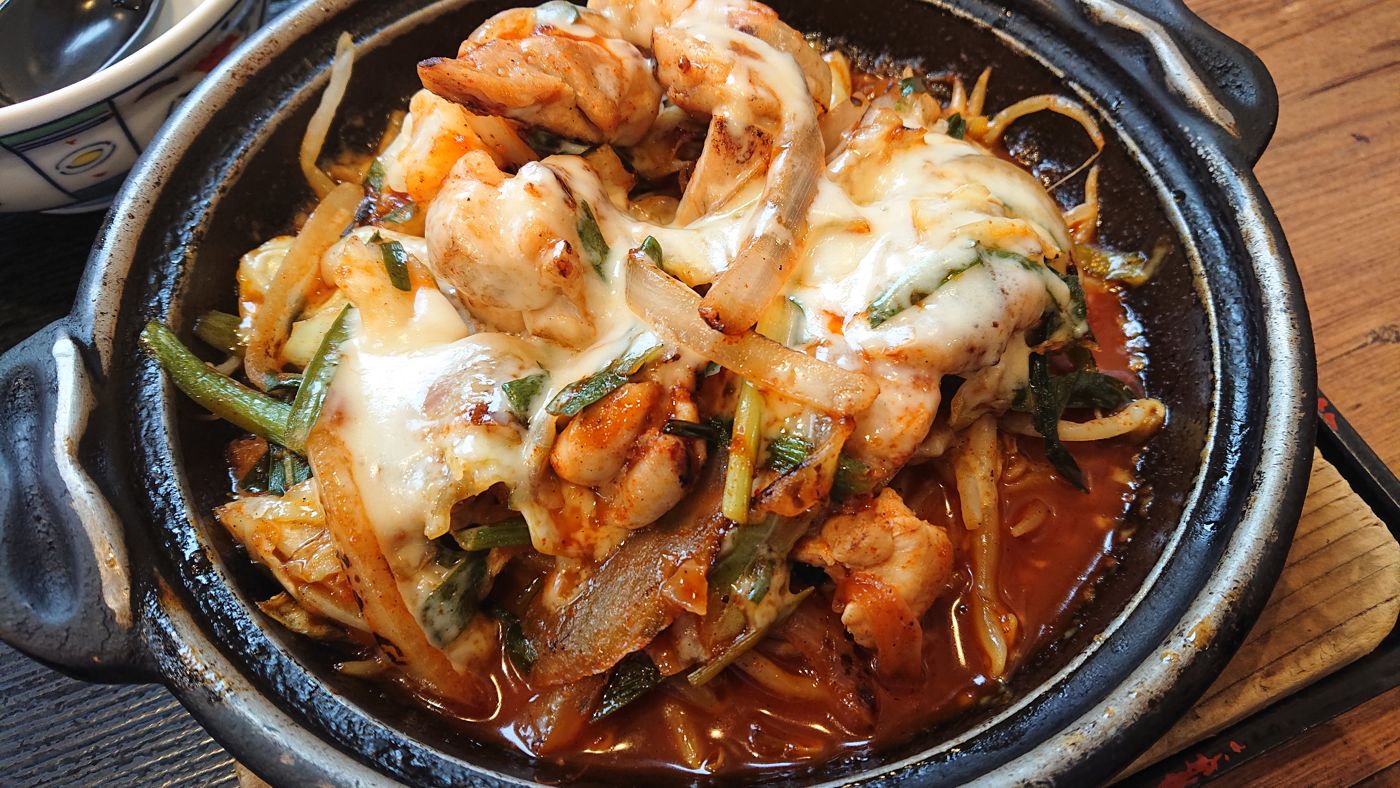 Dakgalbi (Spicy Stir-Fried Chicken)닭갈비Chicken marinated in a fiery gochujang sauce and cooked on a big iron pan with cabbage, sweet potato and rice cakes — Chuncheon's signature dish, finished with fried rice.
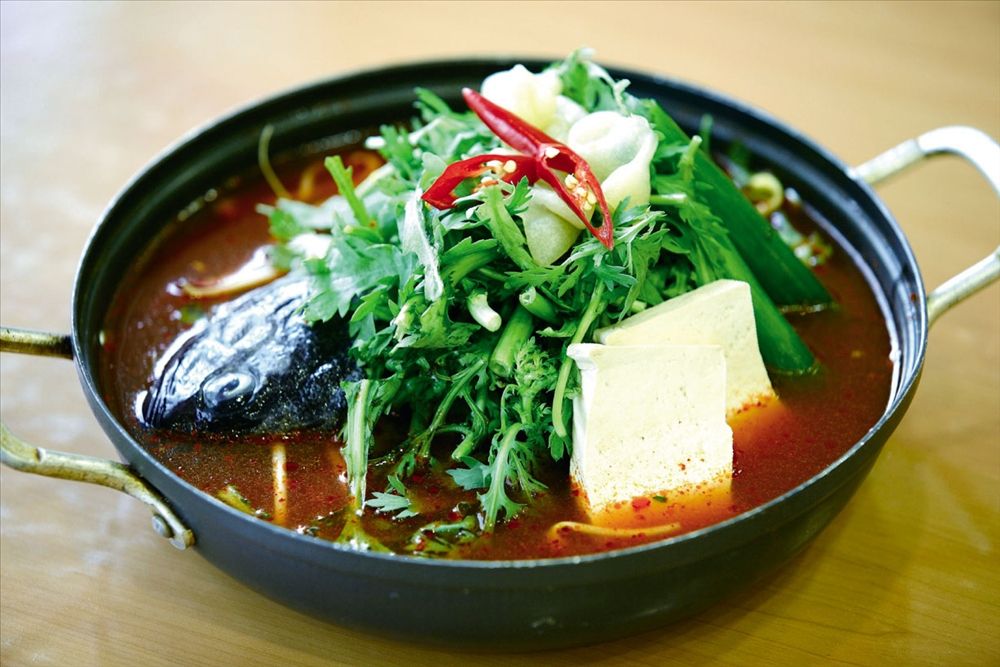 Maeuntang (Spicy Fish Stew)매운탕Fish — freshwater or sea — simmered with radish, tofu and fragrant greens in a fiery gochugaru and gochujang broth; the stew that follows sashimi and fills riverside restaurants.
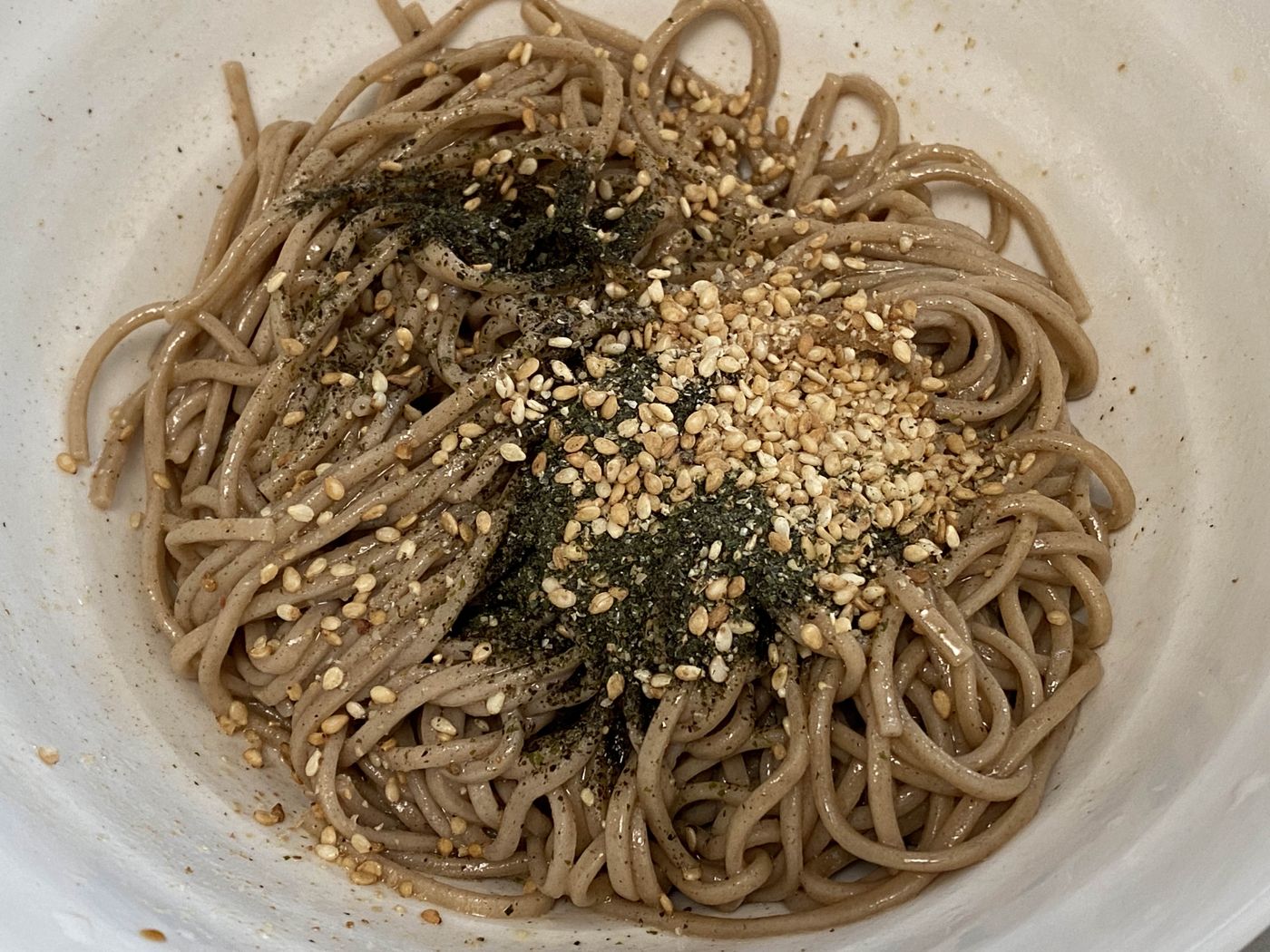 Makguksu (Gangwon Buckwheat Noodles)막국수Coarse, grayish buckwheat noodles served in cold dongchimi broth or tossed with spicy sauce — a Gangwon mountain dish most famously eaten in Chuncheon.