Regions
Jeju
제주
Island foodways built on millet, barley and buckwheat rather than rice, pork rather than beef, and seafood gathered by Jeju's diving women.
 Photo: Basile Morin, CC BY-SA 4.0, via Wikimedia Commons
Jeju, the volcanic island off Korea's southern coast, developed foodways that differ clearly from those of the mainland. Scarce farmland, porous volcanic soil and isolation meant that rice, beef and much of what the mainland took for granted were rare luxuries.
Geography and climate
The Encyclopedia of Korean Culture describes the island's villages as falling into distinct types — coastal fishing villages, where women divers (haenyeo) gathered seafood, lowland farming villages and upland mountain villages — each with its own way of life. Arable land was limited and paddy rice very scarce; instead, the island grew millet, barley, buckwheat, beans, sesame and upland rice, with potatoes and sweet potatoes also important. The encyclopedia notes that most of the rice eaten on the island historically had to be brought from the mainland.
Visit Jeju, the island's official tourism site, adds that Jeju is the country's largest producer of buckwheat, a crop suited to land unfit for rice.
Character of the cuisine
The encyclopedia characterizes Jeju food as simple and unadorned, reflecting a hardworking, self-reliant culture. Everyday meals were built from mixed-grain rice, a soup and a few preserved side dishes. Soups were seasoned with doenjang and made from whatever was at hand: cabbage, bean leaves, radish, green onion, pumpkin, seaweed or fish.
Because few cattle were raised, pork and chicken were the main meats; beef was something bought from the mainland for the New Year holiday. White rice was reserved for ancestral rites and ceremonies.
Signature dishes and banchan
- Jari-hoe and jari-jeot: damselfish (jari) eaten raw in a cold soup (mulhoe) and salted as jari-jeot. The encyclopedia describes salted damselfish as a staple side dish and notes that eating fresh jari-hoe was considered a great pleasure.
- Momguk: a soup of gulfweed (mom in the Jeju dialect) simmered in pork broth, traditionally served at weddings and funerals.
- Bingtteok: a thin buckwheat crepe rolled around seasoned shredded radish, one of the best-known Jeju buckwheat foods.
- Pork dishes: boiled pork served on a wooden board (dombe-gogi), grilled pork, and gogi-guksu, a pork-broth noodle soup. Jeju's native black pig is especially prized.
- Seafood porridges and fish: porridges made with abalone, tilefish (okdom) or small crabs, grilled tilefish and hairtail, and raw abalone and turban shell.
- Wrapped greens: the encyclopedia describes farm workers packing mixed-grain rice with doenjang and salted damselfish, then wrapping bites in tender bean leaves picked from the field.
- Gosari: bracken fern is used in soups and pancakes and in a local yukgaejang made with pork; see gosari and gosari-namul.
Kimchi styles
Jeju kimchi is less central than on the mainland and tends to draw on the sea. The Encyclopedia of Korean Culture lists abalone kimchi (jeonbok-kimchi), dongji-kimchi, seafood kimchi and nabak-kimchi. The Korea Herald also describes an abalone kimchi made with pear and citron.
Local specialties
- Grain rice cakes: with rice so precious, the island's rice cakes were made from buckwheat, millet, barley and sweet potato starch, including omegi-tteok (millet) and ppaedegi (sweet potato).
- Sea vegetables: raw seaweed and kelp wraps (see dashima), hijiki and cold hijiki soup.
- Abalone and citrus: the encyclopedia notes that dried abalone and tangerines were historically sent as tribute to the court and were hard for islanders themselves to eat.
- Sharing after rites: after an ancestral rite, families traditionally shared the rice from the offering table with neighbors the next morning.
Dishes from this region
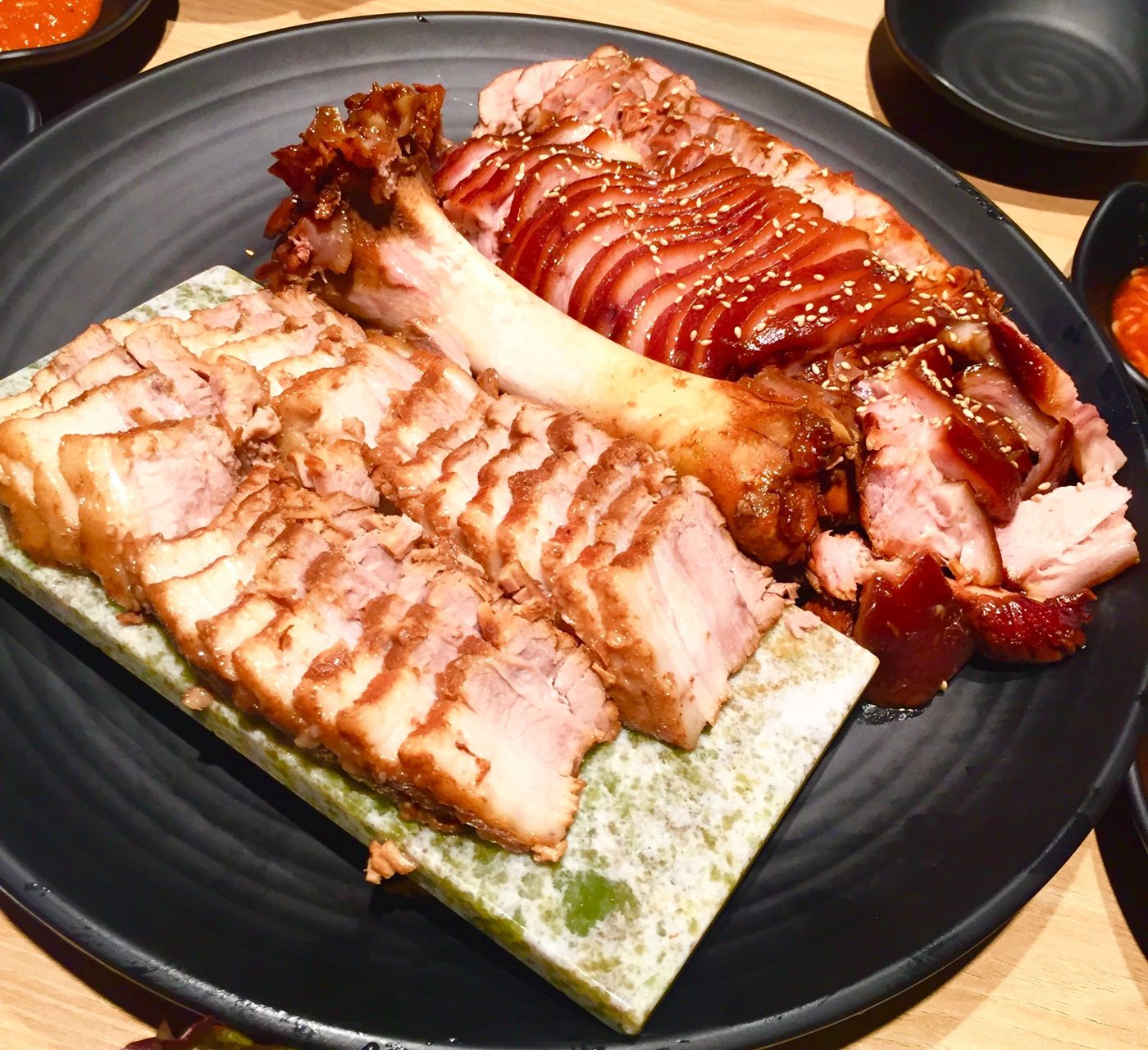 Bossam (Boiled Pork Wraps)보쌈Pork belly simmered with doenjang and aromatics, pressed and sliced, then wrapped in salted cabbage with spicy radish and salted shrimp — a feast dish built for sharing.
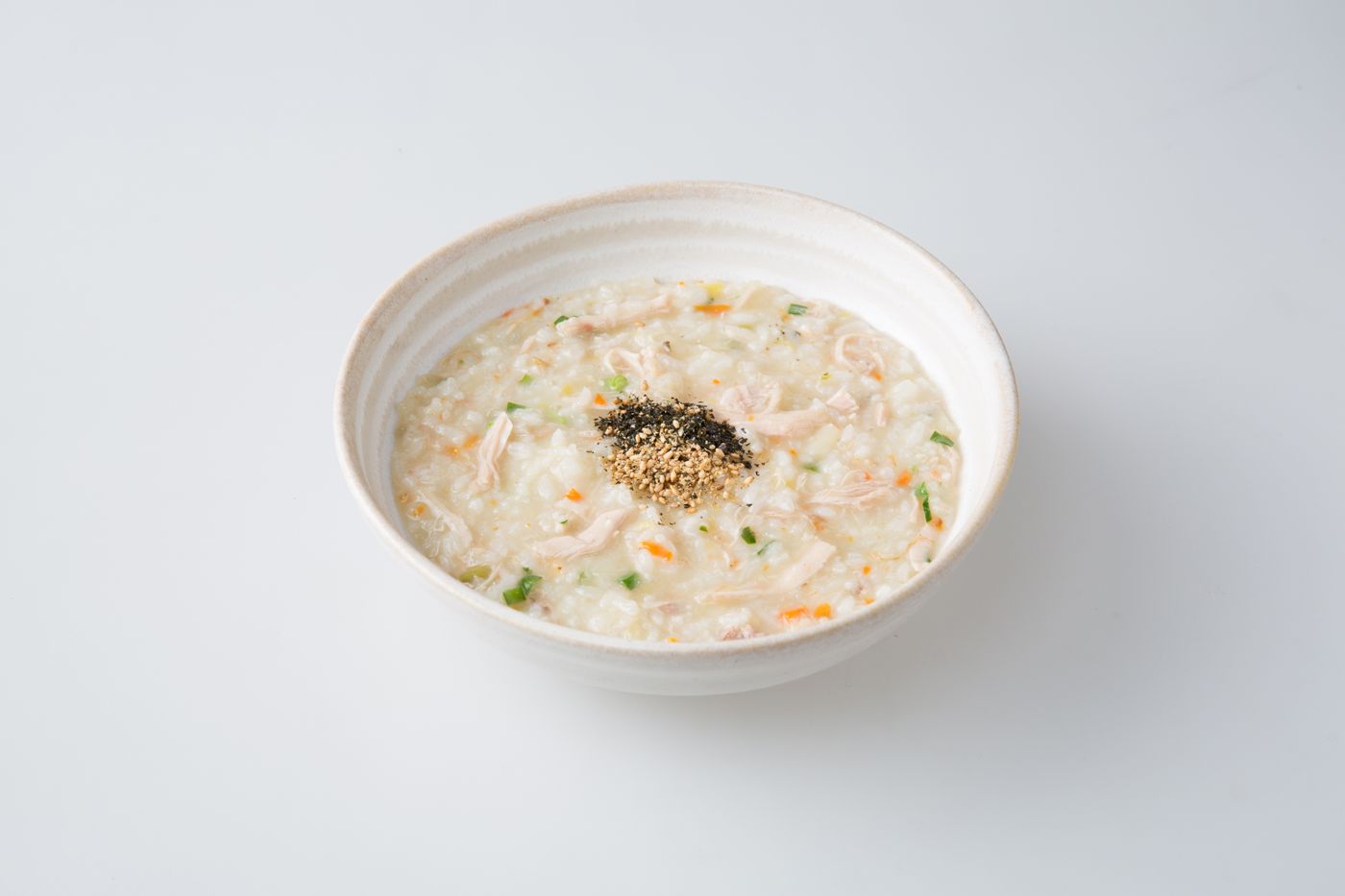 Dakjuk (Chicken Rice Porridge)닭죽Soft rice simmered in a clear chicken broth with shredded meat — a gentle, easy-to-digest porridge long served as summer restorative and sick-day food.
 Doenjang Jjigae (Soybean Paste Stew)된장찌개A thick, savory stew of fermented soybean paste with tofu, zucchini and whatever the season offers — the everyday pot at the center of the Korean table.
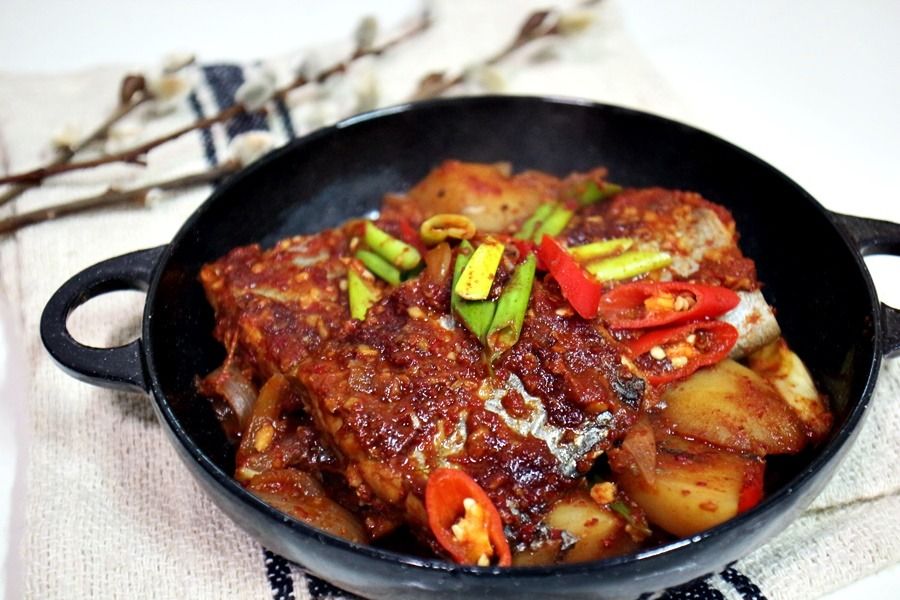 Galchi Jorim갈치조림Silvery hairtail braised with radish in a red, garlicky soy and chili sauce — a Jeju specialty and a favorite across Korea's southern coast.
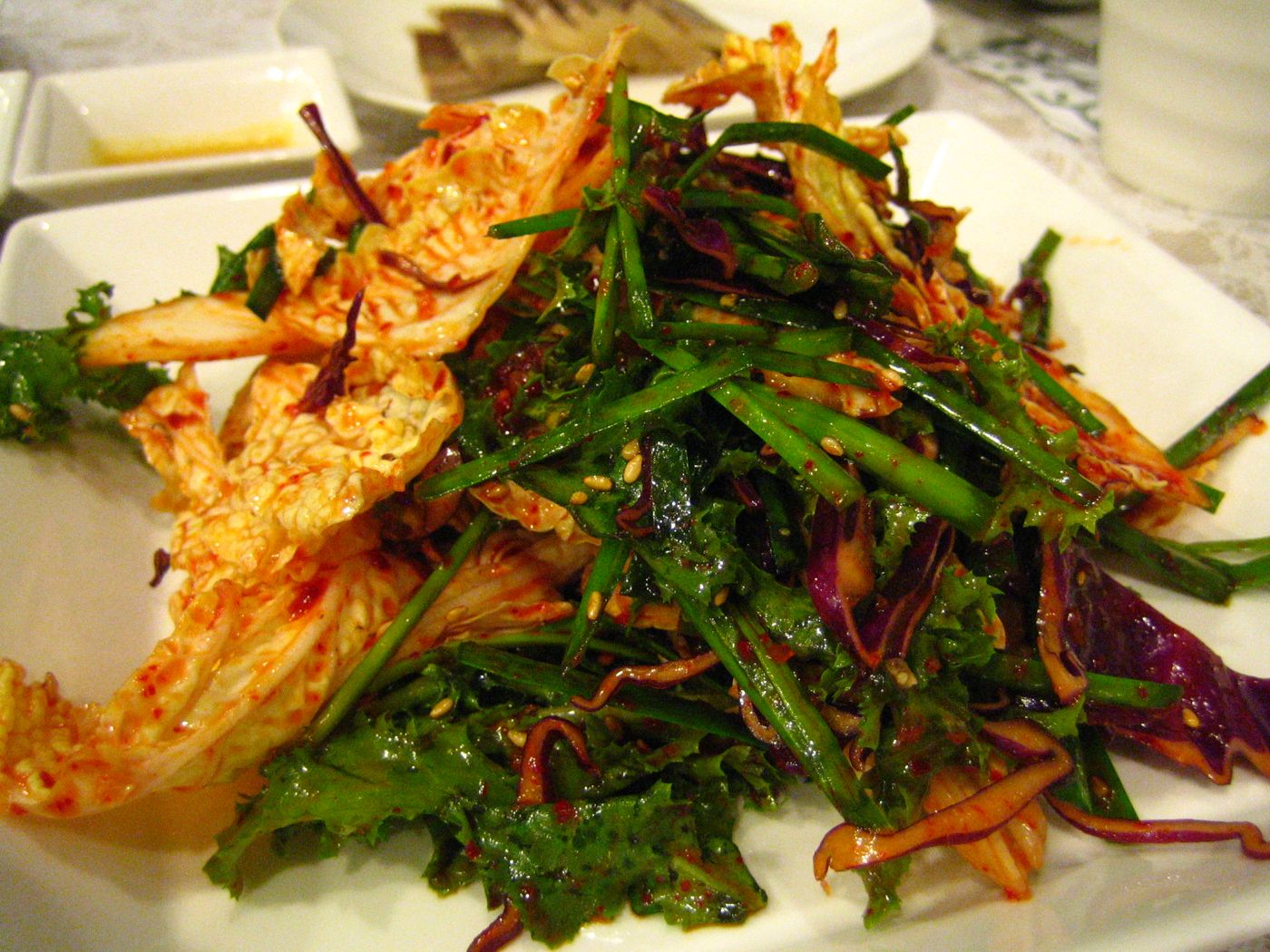 Garlic Chive Kimchi부추김치Whole garlic chives tossed with anchovy fish sauce and plenty of chili — a quick kimchi eaten fresh or ripe, known by a different name in nearly every province.
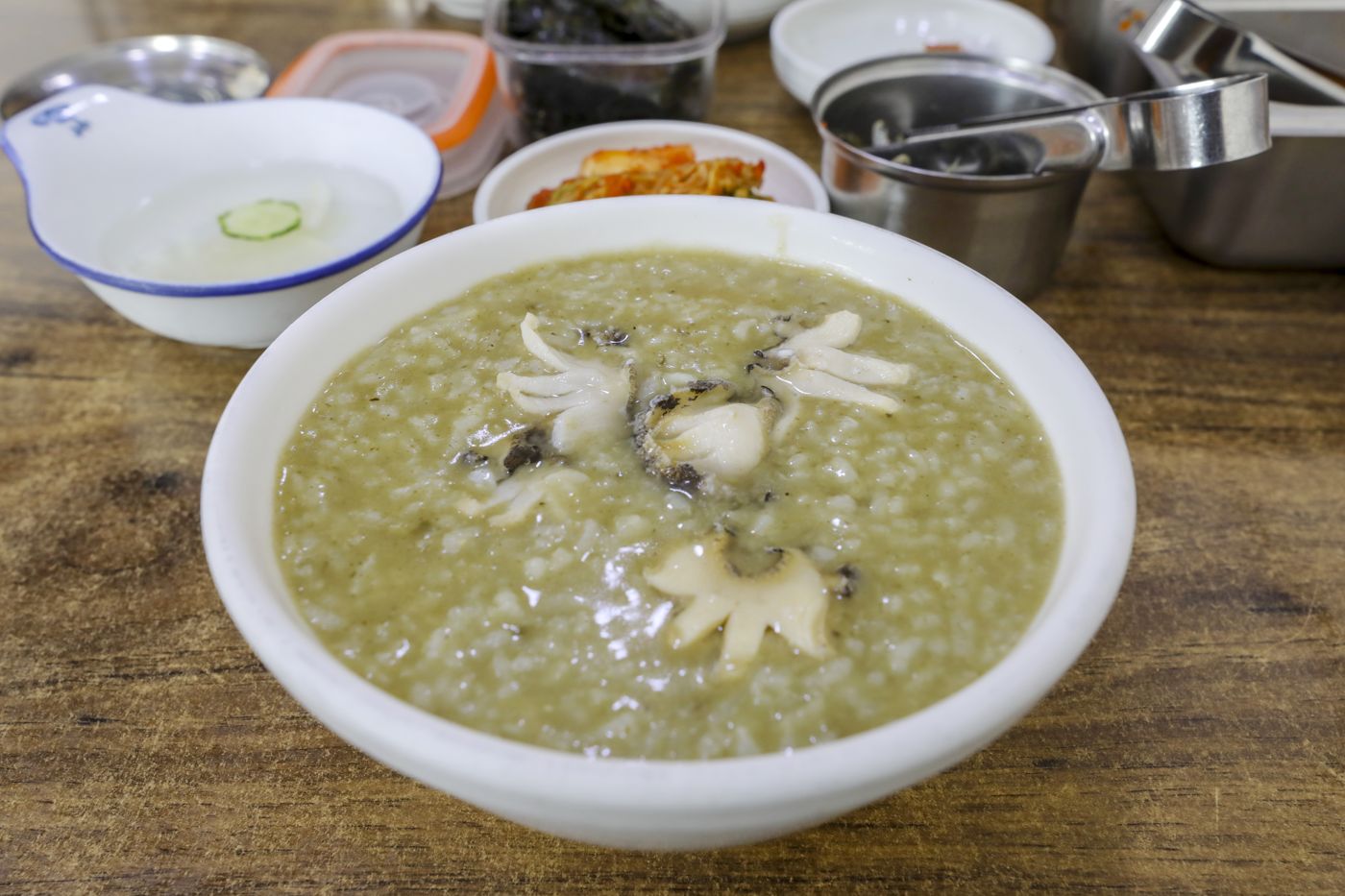 Jeonbok-juk (Abalone Rice Porridge)전복죽Rice simmered with sliced abalone and its green viscera in sesame oil until silky — Jeju's restorative porridge for convalescents, new mothers and anyone in need of comfort.
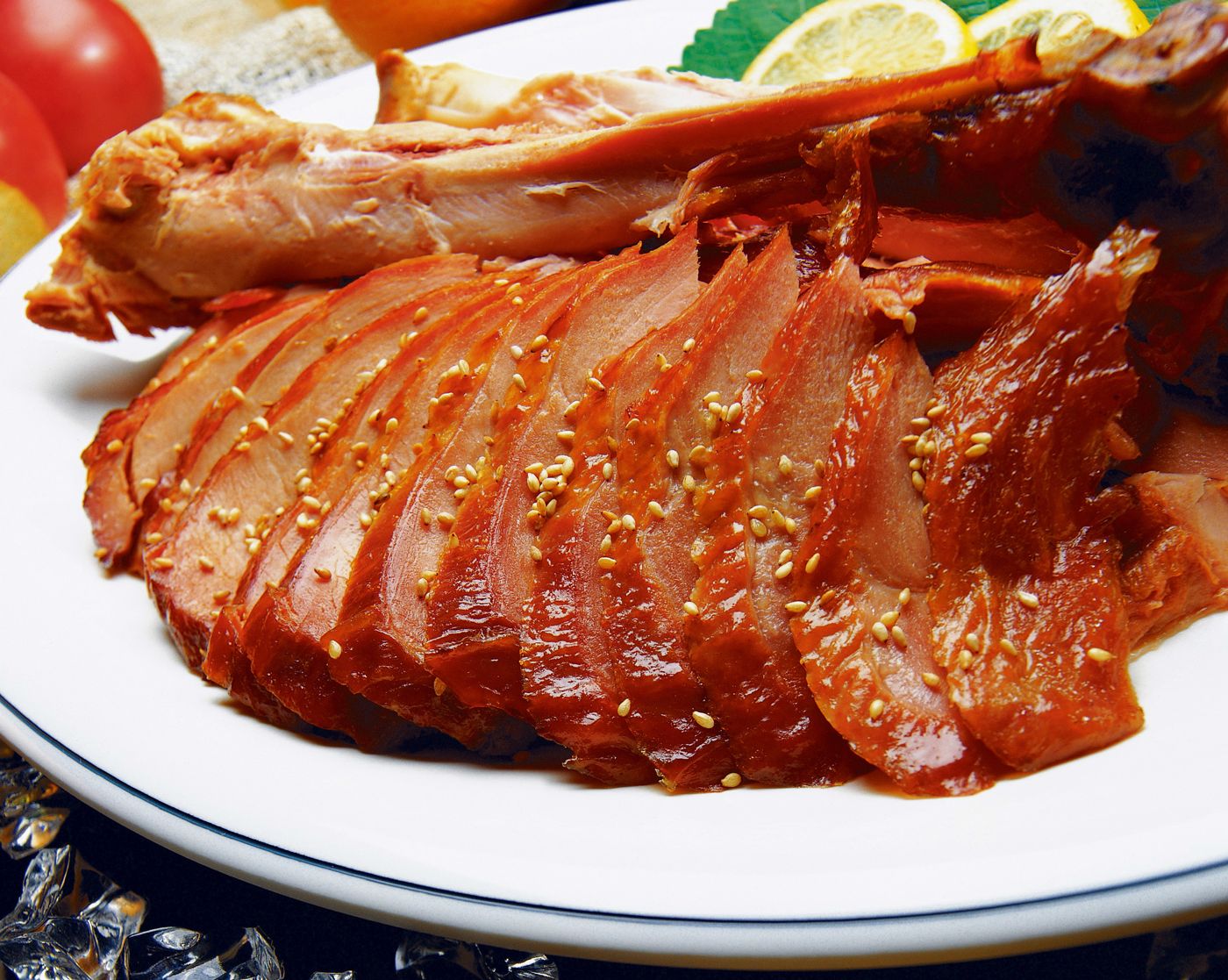 Jokbal (Braised Pig's Trotters)족발Pig's trotters simmered until tender, then braised in soy sauce and spices until glossy and sliced — a postwar Seoul specialty of Jangchung-dong.
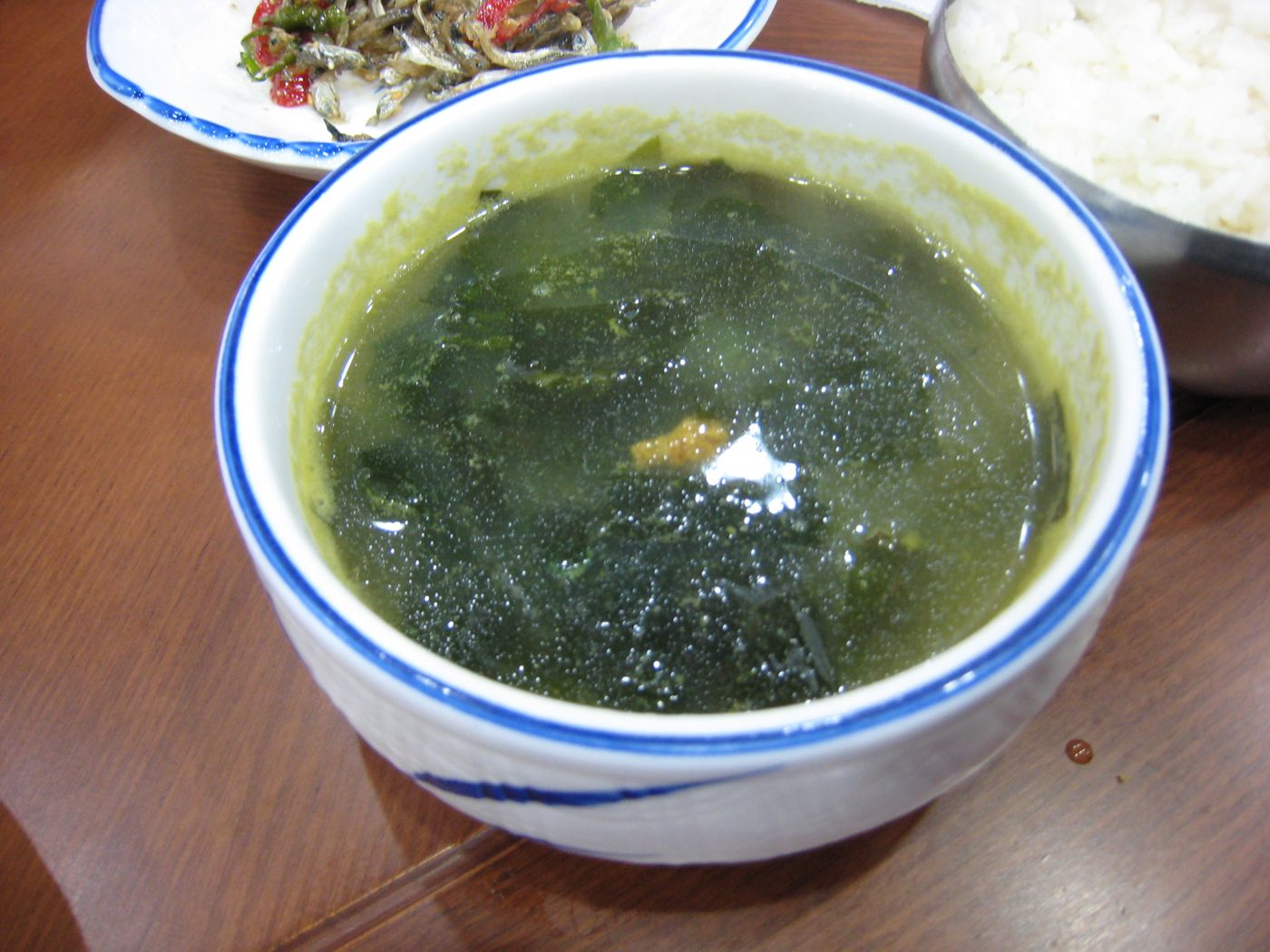 Miyeok Guk (Seaweed Soup)미역국A mild soup of sea mustard and beef seasoned with soup soy sauce and sesame oil — the first meal after childbirth and the soup of every Korean birthday.
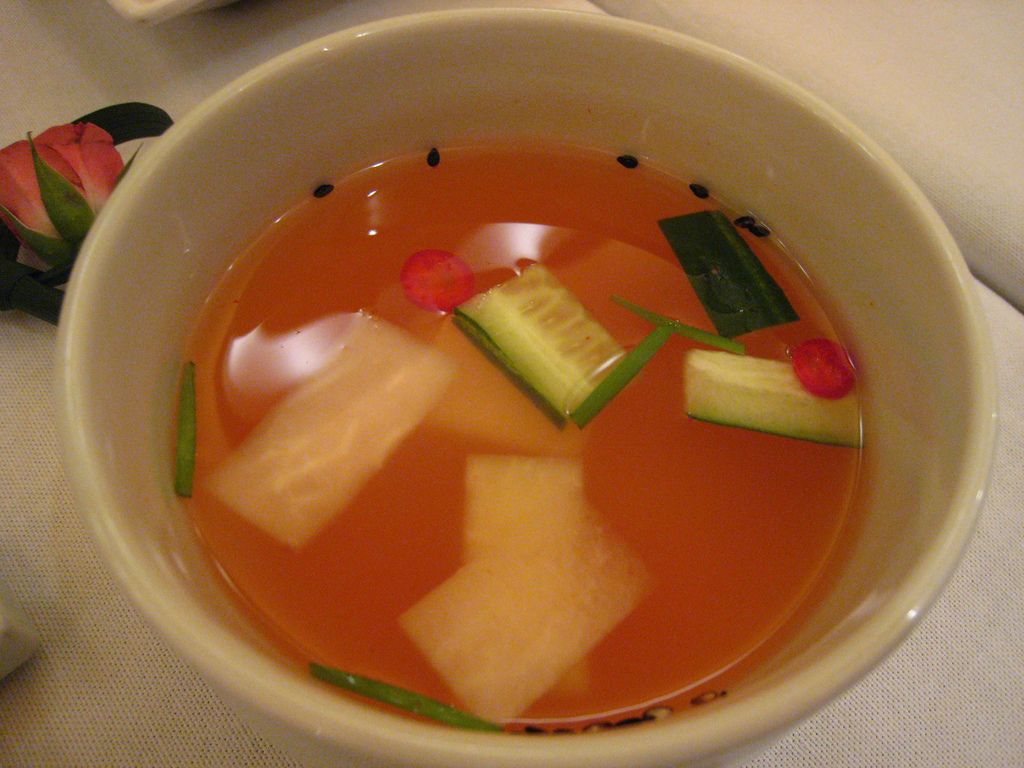 Radish and Cabbage Water Kimchi나박김치Thin squares of radish and napa cabbage in a lightly salted, pink-tinted broth — a mild, refreshing water kimchi eaten by the spoonful.
- Salted Anchovies멸치젓Whole anchovies packed in heavy salt and aged for months — the south coast's kimchi jeotgal, also boned, dressed with chili and eaten with rice or in ssam.
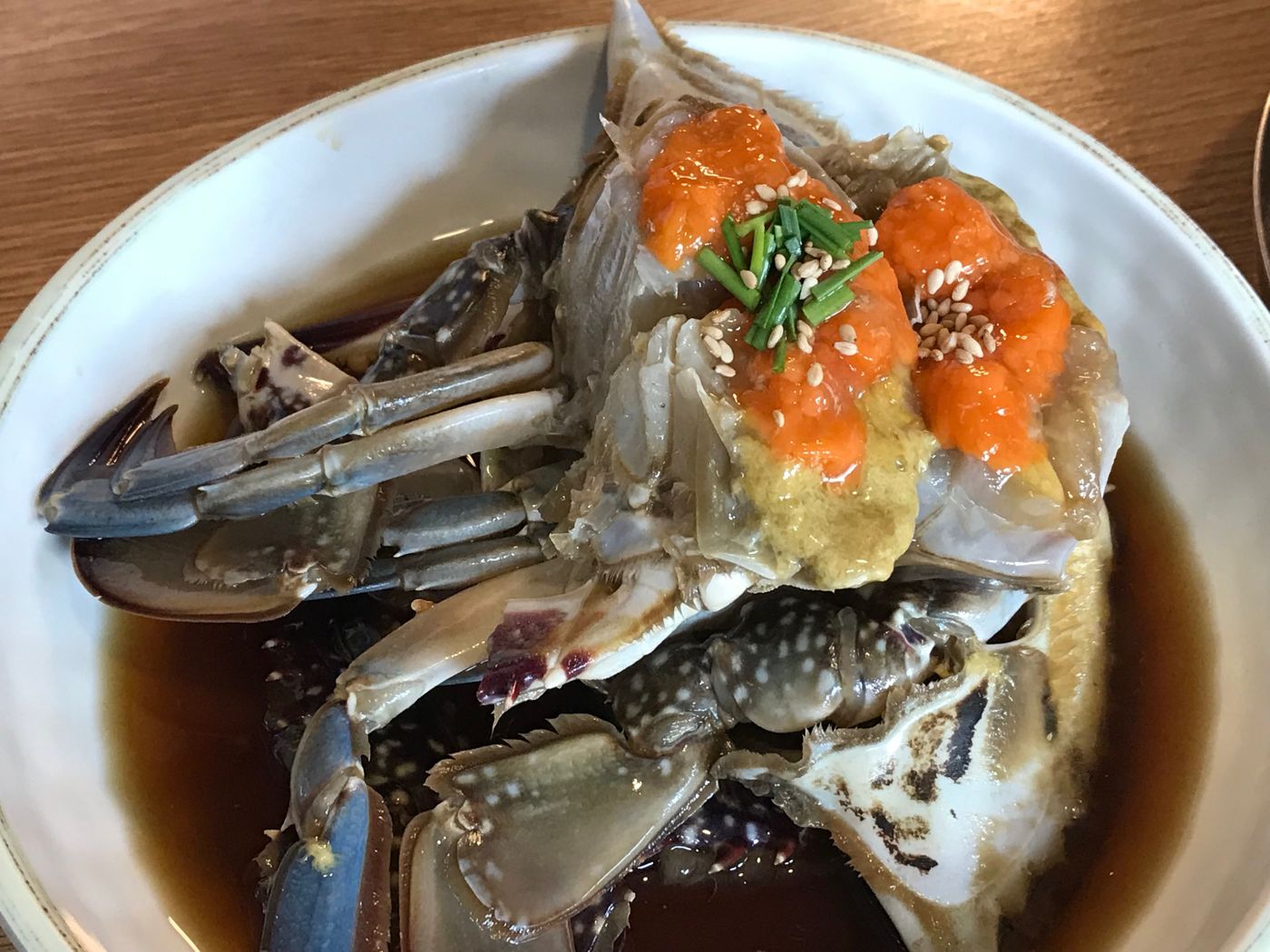 Soy-Marinated Raw Crab간장게장Raw crabs steeped in a boiled-and-cooled soy marinade until silky and savory — a centuries-old preserve, eaten by spooning rice into the shell.
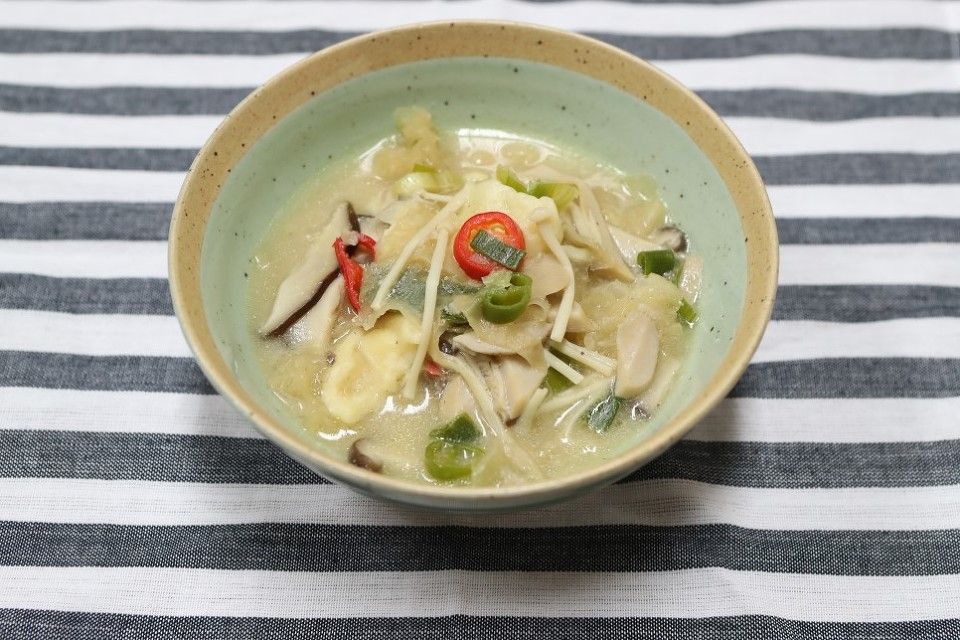 Sujebi (Hand-Torn Dough Soup)수제비Thin pieces of wheat dough pulled by hand into a simmering anchovy broth with zucchini and potato — a cozy, inexpensive one-pot meal, traditionally a summer staple.
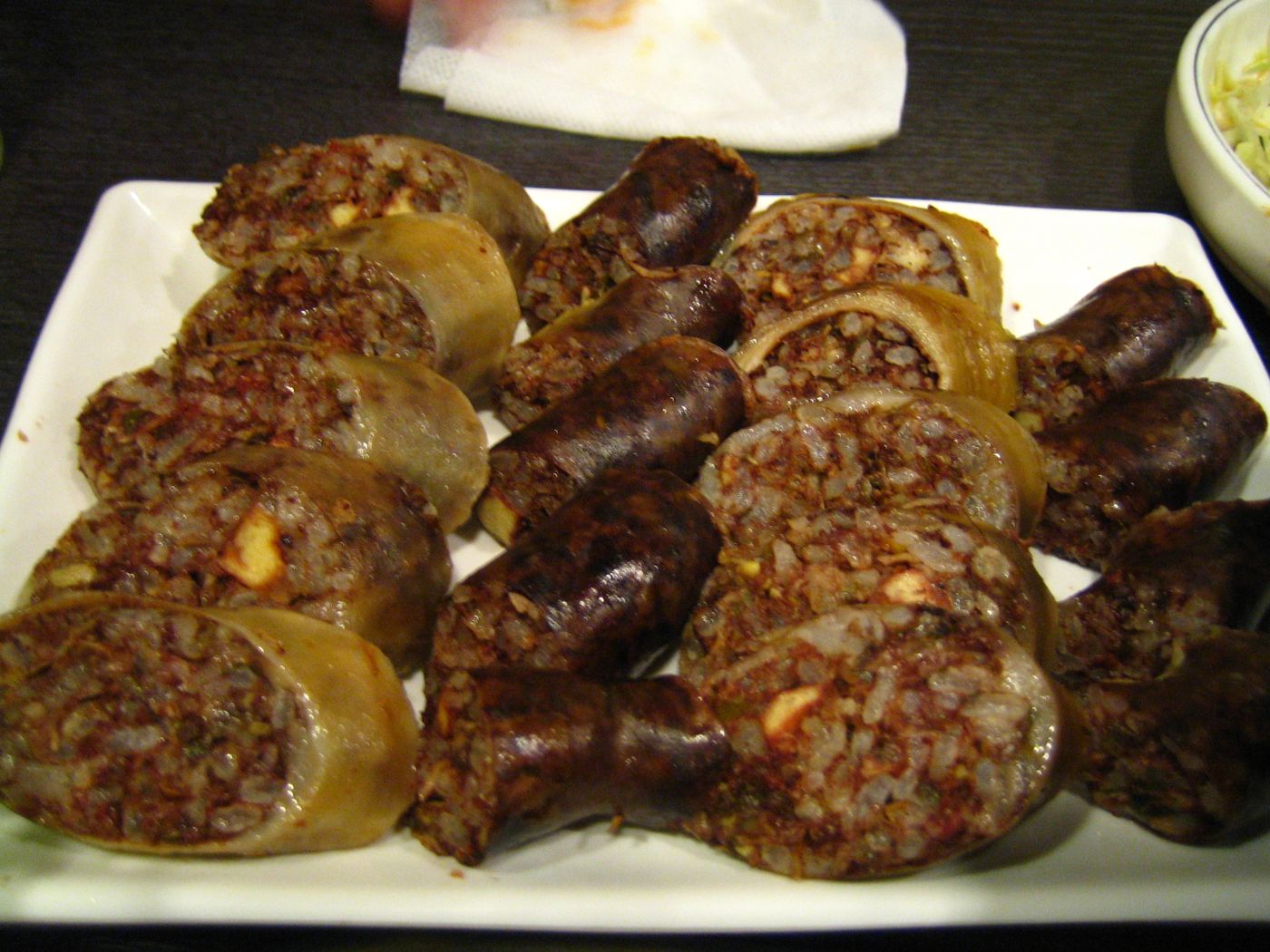 Sundae (Korean Blood Sausage)순대Pork intestine stuffed with pig's blood, glutinous rice, glass noodles and vegetables, then steamed — a northern farmhouse food that became a nationwide street snack.
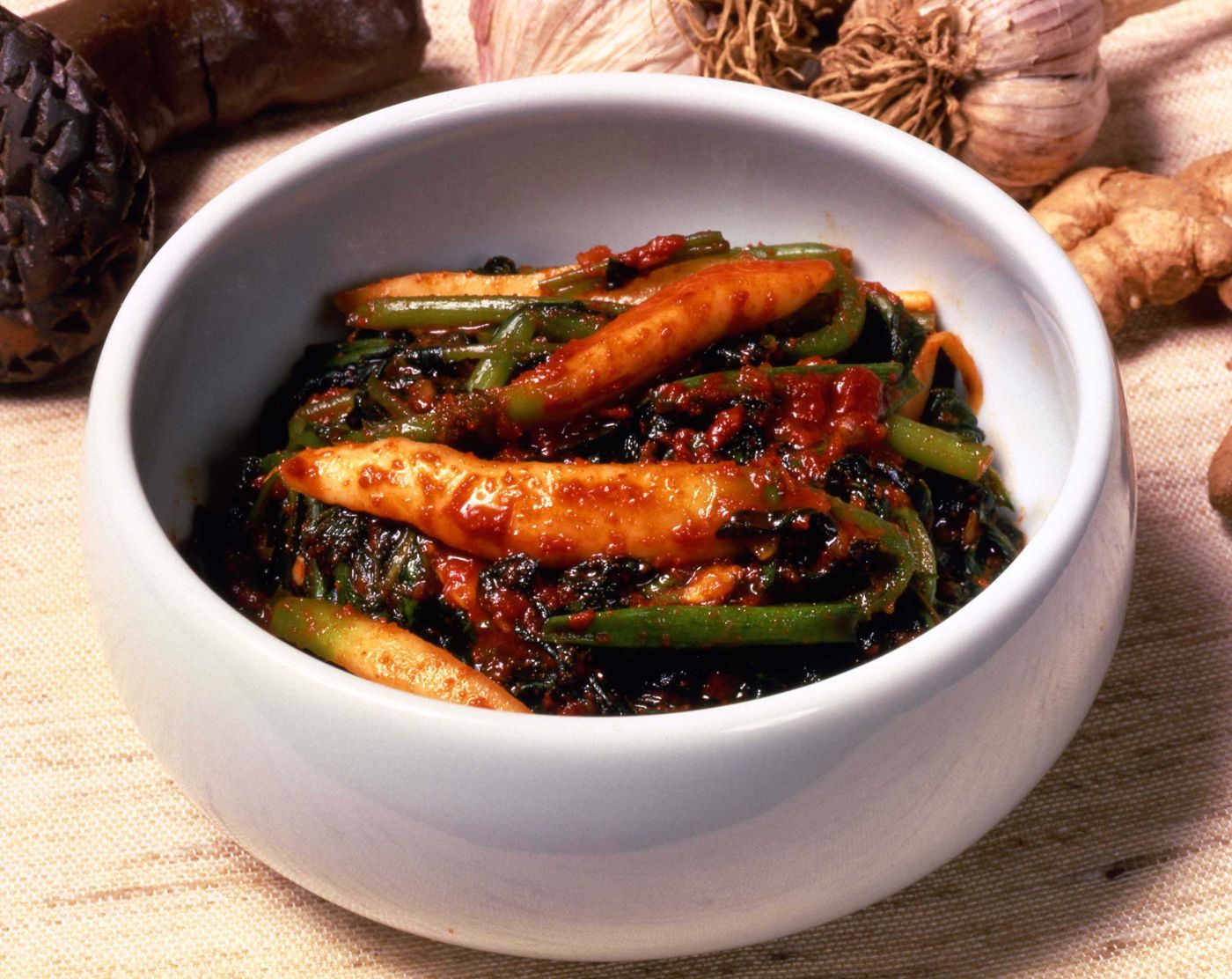 Young Summer Radish Kimchi열무김치Tender young radish greens in a loose, lightly spicy brine thickened with flour or rice paste — the classic summer kimchi, served over noodles and barley rice.
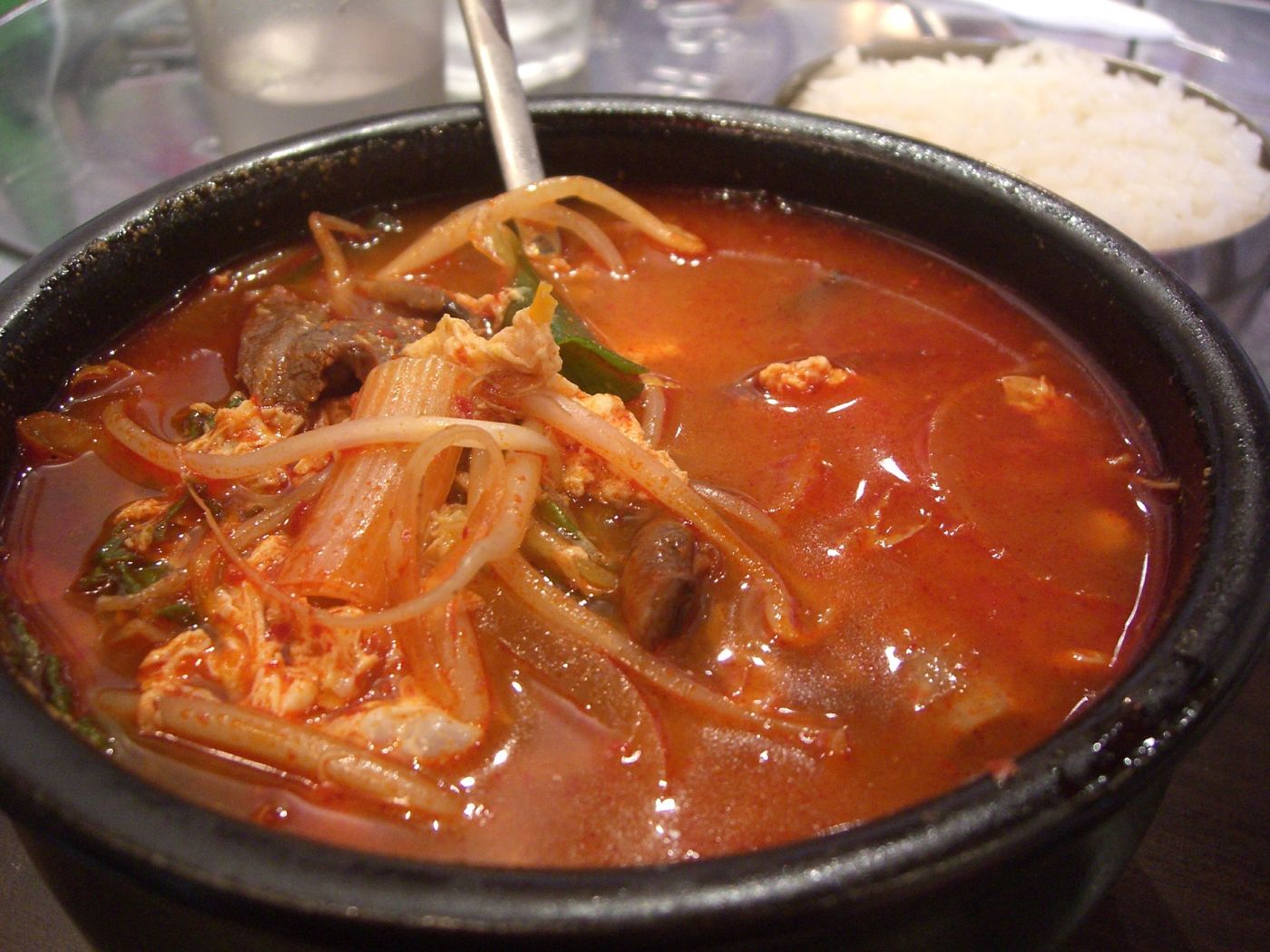 Yukgaejang (Spicy Beef Soup)육개장Shredded beef simmered with bracken, bean sprouts and plenty of green onion in a red, chili-spiked broth — a fiery summer restorative and a gathering-day soup.