Regions
Mokpo
목포
The southwestern port where the Yeongsan River meets the island sea is famous for long-legged octopus, pungent fermented skate and a city-designated list of signature flavors.
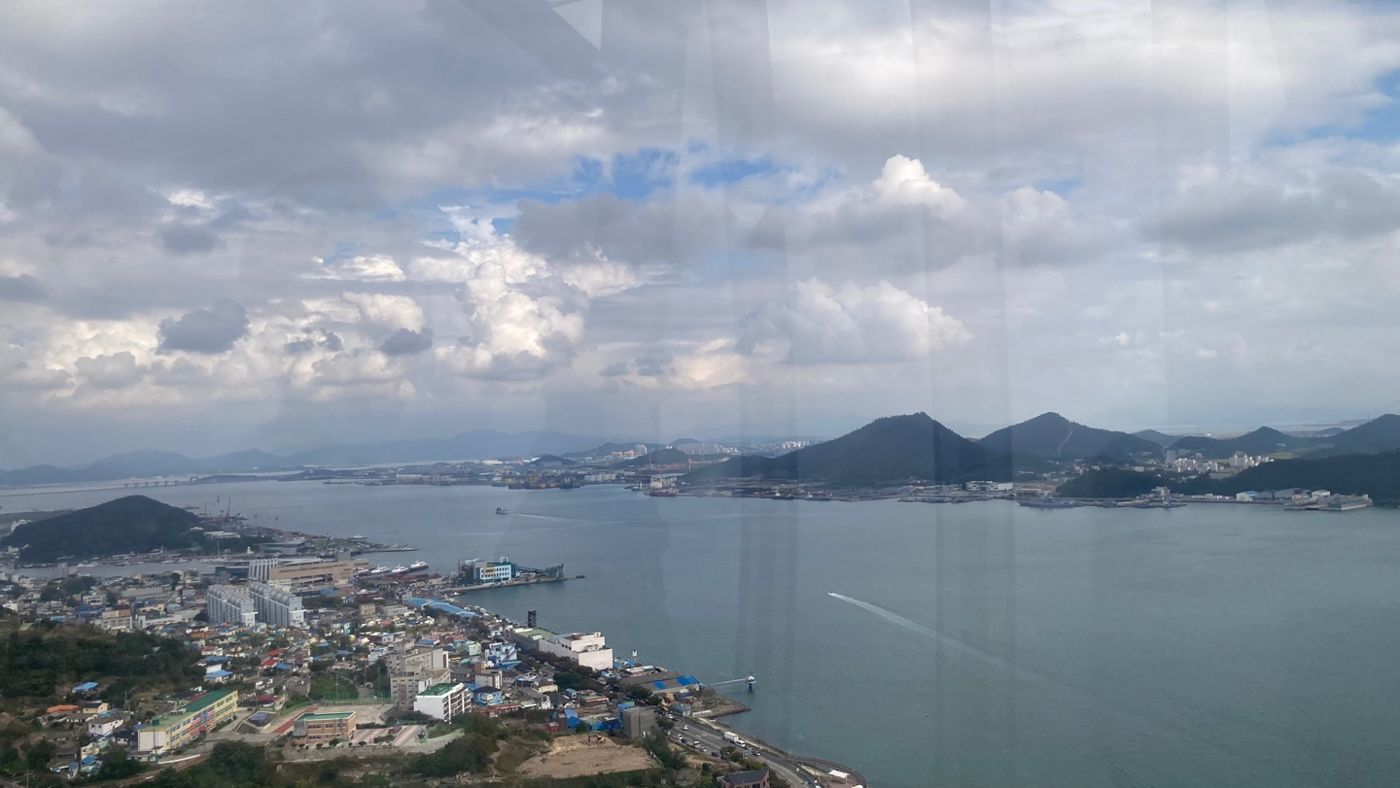 Photo: 나선우, CC BY-SA 4.0, via Wikimedia Commons
Mokpo sits at the mouth of the Yeongsan River in South Jeolla, facing the island-dotted sea of Korea's southwest coast. The Encyclopedia of Korean Culture describes it as a small inlet attached to Muan county until the very end of the Joseon era. Everything changed when it opened as a treaty port in October 1897; with the Honam railway in 1914, it became the funnel through which rice and cotton from the Jeolla plains were shipped to Japan, and during the colonial period it was busier than Gwangju. Today it is the ferry gateway to the outer islands, including Hongdo and Heuksando, and those island catches, along with the tidal flats around the city, define what Mokpo eats. For the province's broader food culture, see Jeolla.
Five flavors, then nine
Mokpo markets itself through numbered lists of local dishes. The Korea Tourism Organization's Korean-language travel feature on the city presents five flavors (Mokpo 5-mi): long-legged octopus, fermented skate with pork and kimchi, blue crab, croaker sashimi and braised hairtail. The city's own tourism site has expanded the list to nine flavors (Mokpo 9-mi), adding butterfish, a seasoned shad salad, monkfish stew or braise, and rockfish soup. The lists are tourism branding rather than ancient tradition, but they are an accurate map of what the city's restaurants do best.
Sebal-nakji: octopus from the mud
Sebal-nakji does not mean "three-legged" octopus, as the name is often mistranslated. The Encyclopedia of Korean Culture explains that sebal means slender-legged: it is the ordinary long-arm octopus, simply smaller and thinner because of differences in growth. It is caught in particular abundance around Mokpo, and the encyclopedia says the waters of South Jeolla account for roughly 80 percent of Korea's annual octopus catch. Octopus has a folk reputation as restorative food; a saying claims it can revive a dying ox, and in Mokpo it is nicknamed "ginseng of the tidal flats." Treat that as affection, not nutrition science. It is eaten raw and cooked in many ways, including the clear soup yeonpo-tang, which the Korea Tourism Organization singles out as the high point of octopus cooking. Autumn is considered the season.
Hongeo: the famous fermented skate
Skate (hongeo) is the southwest's most divisive delicacy. Fermented at length, its flesh releases a sharp ammonia smell and a prickling sensation that regulars love and newcomers rarely forget. Food scientists studying the process have found that the pH and ammonia content of skate muscle rise as fermentation proceeds while its proteins break down, which softens the texture; one metagenomic study of commercial hongeo linked specific bacteria to the buildup of nitrogen compounds and the ammonia flavor.
The origin story most often told is a river journey. The Encyclopedia of Korean Culture, in its entry on Yeongsanpo, an old river port upstream from Mokpo in today's Naju, relates the tradition that skate caught around Heuksando fermented on the long boat trip upriver and arrived with an incomparable tang, and notes that the old docks there are now a street of skate restaurants. Mokpo, the port where island boats land, adopted the dish just as firmly. Its best-known form is hongeo samhap, the "three together": slices of fermented skate, boiled pork and well-aged kimchi eaten in one bite. The Korea Tourism Organization adds a traditional companion, makgeolli, which turns the trio into hongtak samhap, and names winter to early spring as the best season. Skate is also dressed into a tangy salad with minari.
The rest of the table
- Blue crab: raw kkotge dressed in a spicy sauce, and soy-marinated crab, both on the five-flavor list.
- Croaker sashimi: mineo is the summer fish of Mokpo, eaten from about June to September and prized as a hot-weather tonic; see boknal and summer foods.
- Braised hairtail: VisitKorea describes hairtail from the waters around Heuksando and Chujado simmered with sweet-potato stems, kimchi and radish into a spicy, nearly dry galchi-jorim. See galchi.
The encyclopedia notes that Mokpo's coast also produces sun-dried sea salt (cheonilyeom), and its tables lean on jeotgal and the abundant banchan the Jeolla region is known for. For skate in its wider fermented-food context, see fermented foods.
Sources
- 01목포시 (Mokpo) — Encyclopedia of Korean Culture
- 02세발낙지 (Sebal-nakji) — Encyclopedia of Korean Culture
- 03영산포 (Yeongsanpo) — Encyclopedia of Korean Culture
- 04맛의도시 목포 9미 소개 (Mokpo's Nine Flavors) — Mokpo City Culture and Tourism
- 05목포의 맛을 찾아 떠나는 식도락 여행, 목포의 5미를 맛보다 — VISITKOREA (Korean)
- 06Protein degradation and texture properties of skate (Raja kenojei) muscle during fermentation — Journal of Food Science and Technology (PMC)