Regions
Gaeseong
개성
The old Goryeo capital, remembered for an elaborate, conservative cuisine: cocoon-shaped rice-cake soup, summer pyeonsu dumplings, wrapped kimchi and square yakgwa.
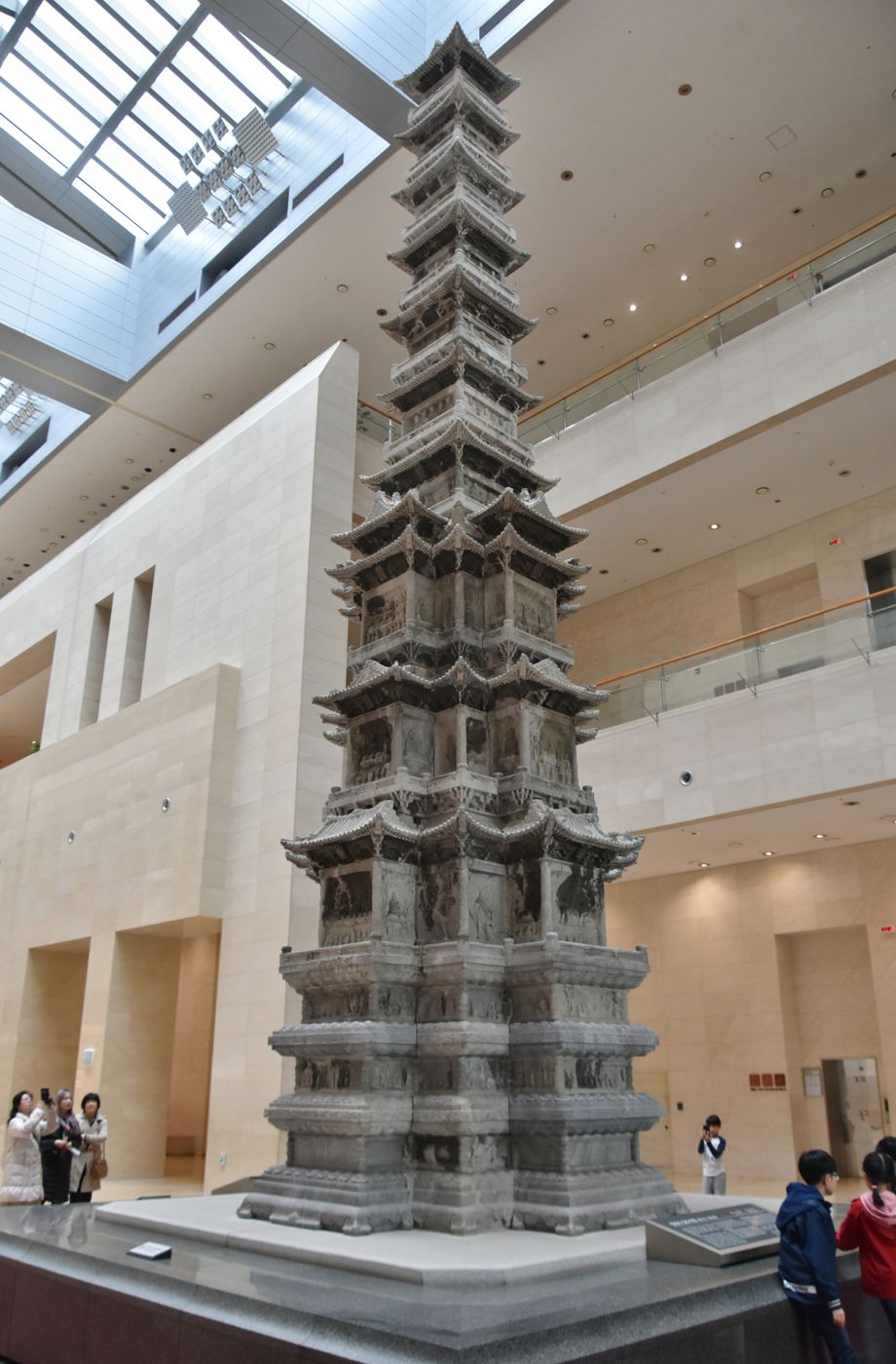 Photo: Richard Mortel from Riyadh, Saudi Arabia, CC BY 2.0, via Wikimedia Commons
Gaeseong (also spelled Kaesong) lies just north of the Demilitarized Zone and is today a city of North Korea. For almost five centuries it was the capital of the Goryeo dynasty, from 919 according to the Encyclopedia of Korean Culture until the Joseon court moved to Hanyang (Seoul) in the 1390s. Long afterward, Korean food writers continued to treat Gaeseong cooking as one of the most refined traditions on the peninsula. This page describes Gaeseong food as recorded in Korean reference works; for the broader historical context see Seoul & Gyeonggi, whose food tradition the encyclopedia treats as including Gaeseong, and the northern provinces.
A conservative, elaborate table
The Encyclopedia of Korean Culture ranks Gaeseong alongside Seoul and Jeonju as the most lavish of Korean regional cuisines, and describes it as notably conservative, faithfully keeping dishes handed down from Goryeo. Gaeseong was not known for any one abundant product, but grains and vegetables of many kinds were available, as they were across Gyeonggi. What set Gaeseong apart was the care lavished on preparation, for instance in shaping rice cakes and dumplings.
Wealth helped. Gaeseong's merchants, the Songsang, were among the most famous traders of Joseon, and the encyclopedia describes how they controlled much of the ginseng trade with China and Japan from the seventeenth century onward. The city remains closely associated with ginseng.
Joraengi-tteokguk
Rice-cake soup is eaten across Korea at the Lunar New Year, normally made with long cylinders of rice cake sliced on the diagonal. Gaeseong's joraengi-tteokguk is different: the rice-cake rope is pinched with a bamboo knife into small, cocoon-shaped pieces with a waist in the middle. The soup is made with broth from beef bones and brisket, seasoned with soup soy sauce, and topped with shredded seasoned brisket and egg garnish.
A well-known story explains the shape. In his book Joseon yorihak, quoted by the encyclopedia, the writer Hong Seon-pyo says that Gaeseong people, still loyal to Goryeo after the Joseon dynasty was founded, twisted the rice cake as if wringing the new dynasty's neck. The encyclopedia presents this as a traditional explanation rather than documented history.
Pyeonsu
Pyeonsu are summer dumplings filled not with the heavier winter fillings but with beef, cucumber, squash, mushrooms, egg and pine nuts. They are boiled and eaten with vinegared soy sauce or floated in chilled beef broth, a cold-dumpling taste that the encyclopedia compares with the love of naengmyeon. Sources differ on the shape: the encyclopedia's entry on pyeonsu describes square dumplings, while its survey of regional foods says Gaeseong cooks folded them round, like a hat, unlike Seoul's square ones.
Bossam-kimchi
Gaeseong's most celebrated kimchi is a wrapped one. The local cabbage, prized for tender, long, nutty leaves, was salted; then the ribs were cut into pieces and stood upright on whole leaves, layered with radish, apple, pear, chestnuts, jujubes (daechu), pine nuts, minari, garlic, ginger and saeujeot, and the leaves were folded over like a cloth bundle. The encyclopedia notes that people in Gaeseong avoided the word bossam because of unpleasant associations and called it ssam-kimchi. Compare everyday baechu-kimchi and the mild baek-kimchi.
Sweets and rice cakes
Yakgwa, honey cookies of wheat flour, sesame oil, honey, ginger juice and rice wine, fried and soaked in syrup, are made throughout Korea. The encyclopedia names Gaeseong's mo-yakgwa, large, angular cut yakgwa, as a regional specialty, alongside Gaeseong gyeongdan (rice-cake balls). See tteok.
Gaeseong food today
Gaeseong has been out of reach for most South Koreans since the Korean War, so in the South its cooking is known mainly through cookbooks, reference works and families with roots in the city. Its signature dishes, especially joraengi-tteokguk and bossam-kimchi, remain part of the wider Korean repertoire.
Dishes from this region
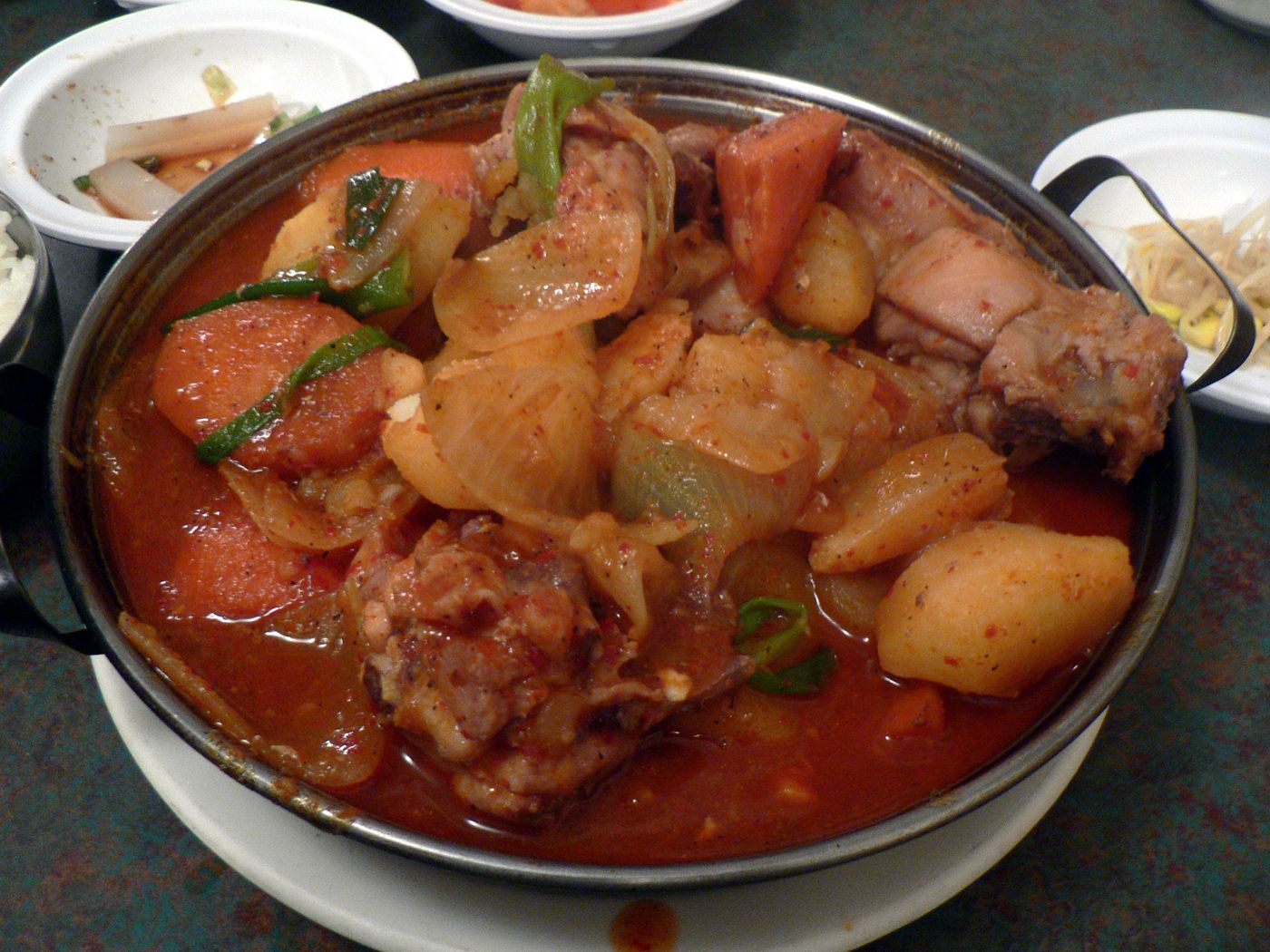 Dak-bokkeumtang (Spicy Braised Chicken)닭볶음탕Bone-in chicken and potatoes braised in a red chili sauce until it thickens and clings — long known as dakdoritang, a name whose origin is still debated.
 Mandu (Korean Dumplings)만두Thin wrappers folded around pork, tofu, kimchi and sprouts, then steamed or boiled — a Goryeo-era arrival from China that became a winter staple of the North.
- Soy Sauce Water Kimchi장김치Cabbage and radish cured in soy sauce instead of salt, floated in a lightly sweet soy brine with pear, chestnut and pine nuts — a court and gentry kimchi.
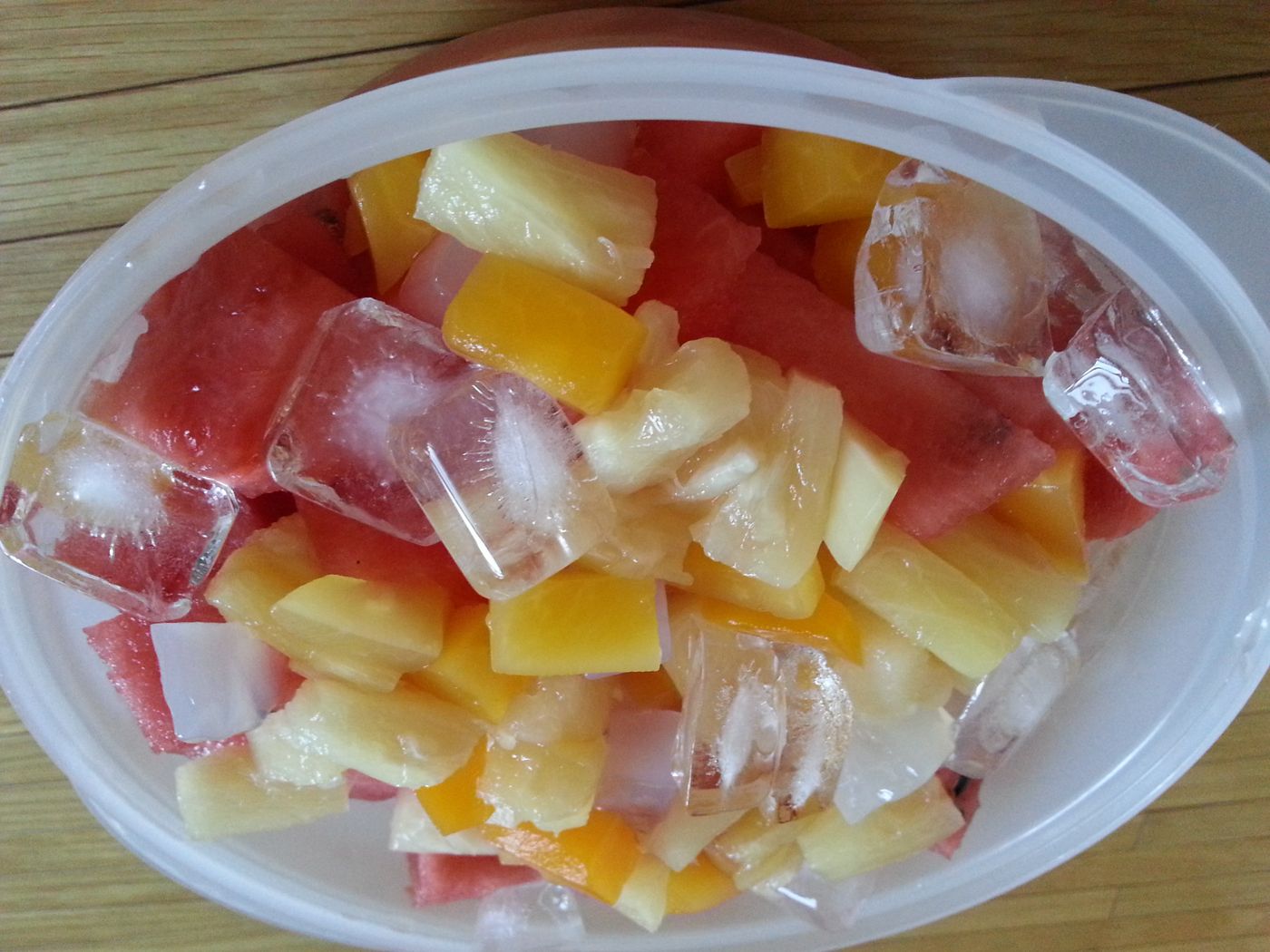 Subak-hwachae (Watermelon Punch)수박화채Scooped watermelon floating in its own sweetened juice, or in fizzy soda over ice — the most familiar member of the hwachae family of cold fruit punches.
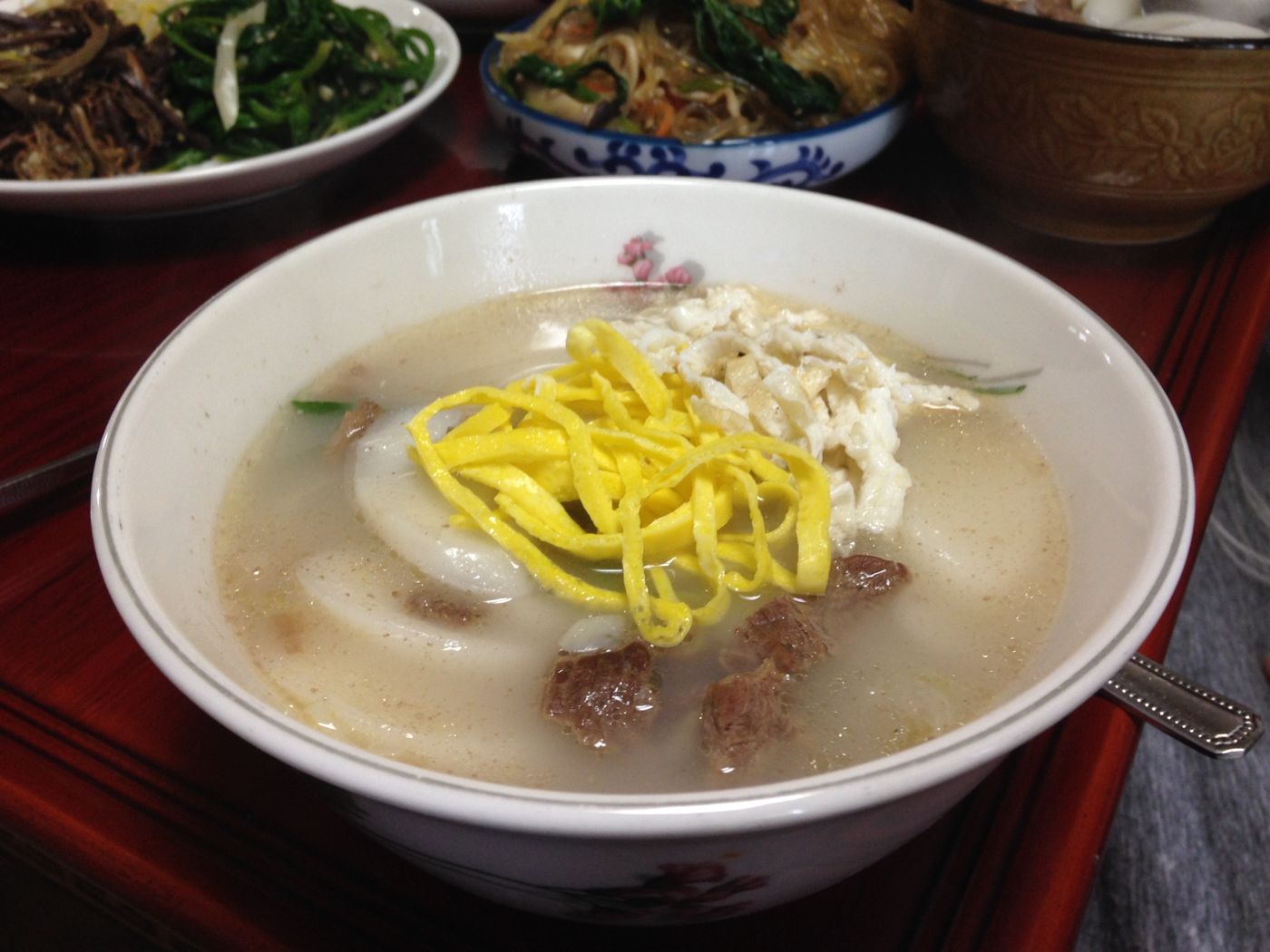 Tteokguk (Rice Cake Soup)떡국Thin ovals of white rice cake in clear beef broth, topped with egg ribbons and seaweed — the soup eaten on Seollal morning to greet the new year.
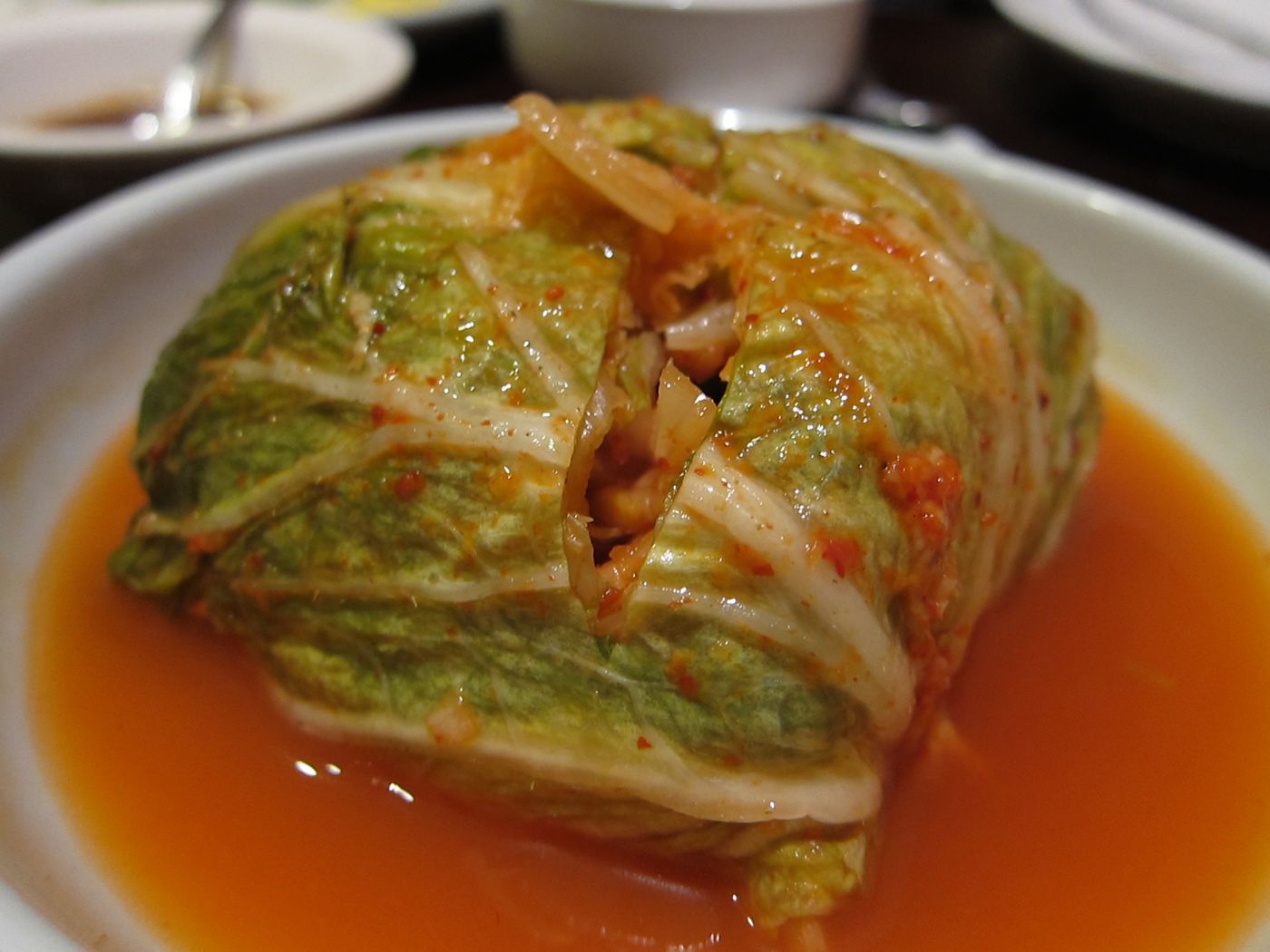 Wrapped Kimchi보쌈김치Cabbage, radish, fruit, nuts and seafood bundled inside whole cabbage leaves — the lavish wrapped kimchi of Gaeseong, made for honored guests.
Sources
- 01향토음식 (Regional Foods) — Encyclopedia of Korean Culture
- 02개성특별시 (Gaeseong) — Encyclopedia of Korean Culture
- 03조랭이떡국 (Joraengi-tteokguk) — Encyclopedia of Korean Culture
- 04편수 (Pyeonsu) — Encyclopedia of Korean Culture
- 05보쌈김치 (Bossam-kimchi) — Encyclopedia of Korean Culture
- 06개성상인 (Gaeseong Merchants) — Encyclopedia of Korean Culture