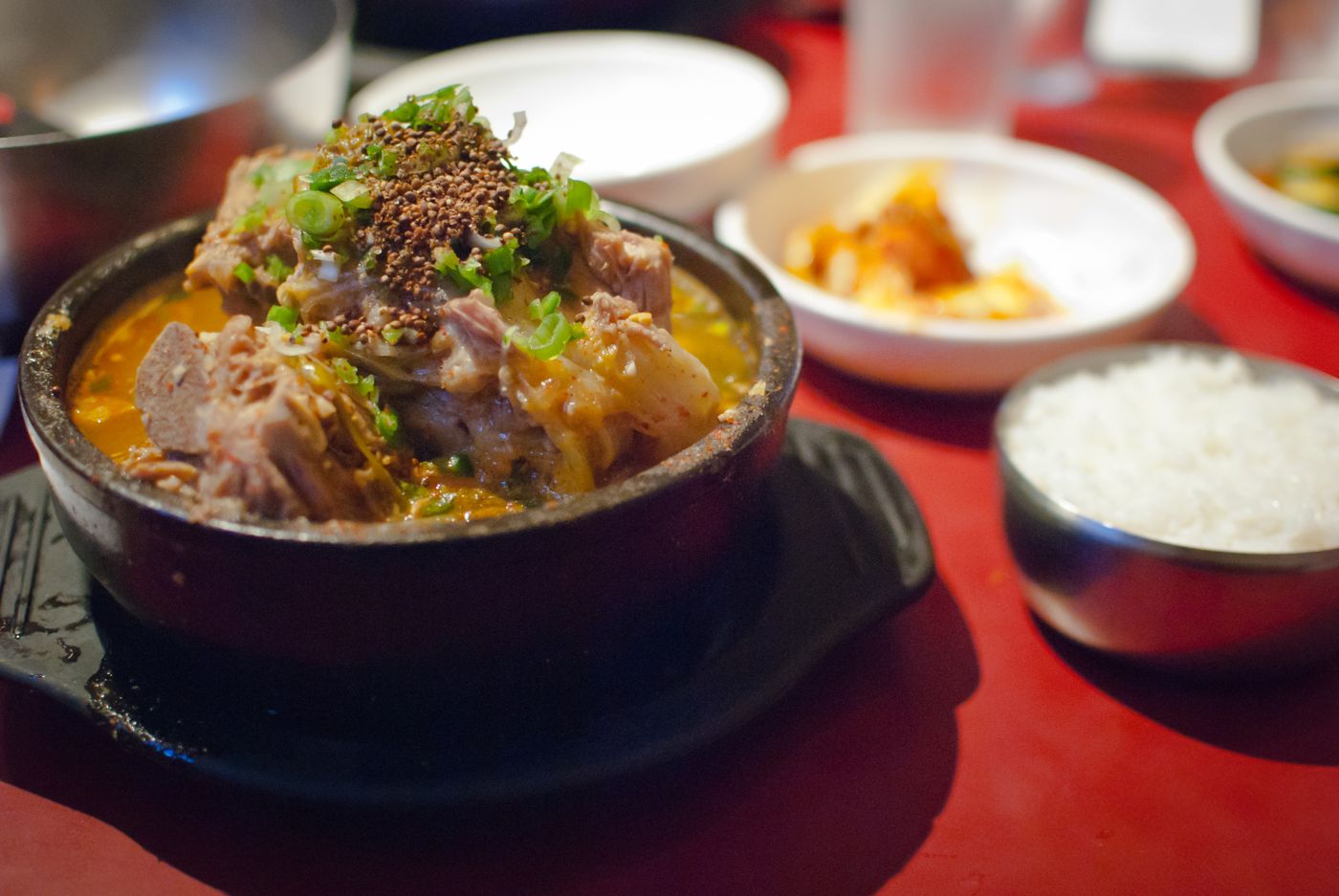
 Photo: SteFou!, CC BY 2.0, via Wikimedia Commons
Jjigae · Stews 찌개
Gamjatang (Pork Bone and Potato Stew)
감자탕
Romanization: gamjatang
Meaty pork spine simmered with potatoes, cabbage greens and perilla in a spicy doenjang-chili broth — a big shared pot of picking meat off the bones.
- Serves
- 6
- Prep
- 200 min
- Cook
- 120 min
Recipe
Ingredients · Serves 6
- 1.5 kgPork spine or neck bones
- 4 mediumPotatoesabout 500 g, peeled and halved
- 250 gUgeoji (blanched outer napa cabbage leaves)or rehydrated siraegi; cut into 6 cm lengths
- 10 Perilla leavestorn
- 2 stalksLarge green onion (daepa)cut on the diagonal
- 1 mediumOnionhalved
- 15 gGingersliced
- 2 tbspDoenjang1 for the stock, 1 for the seasoning
- 3 tbspGochugaru
- 2 tbspSoup soy sauce (guk-ganjang)
- 2 tbspGarlicminced
- 4 tbspGround perilla seed (deulkkae-garu)
- ½ tspBlack pepper
- 3.5 lWater
Method
Technique: Making Guk and Jjigae, Making Yuksu: Anchovy-Kelp Stock
Step 1: Soak the bones in cold water for 3 hours, changing the water every hour or so to draw out the blood, as the folk encyclopedia describes.
Step 2: Put the bones in a large pot, cover with water and boil hard for 10 minutes. Drain and rinse each bone, scraping off any dark bits, and wash the pot.
Step 3: Return the bones to the pot with the 3.5 liters of fresh water, the onion, ginger, half the daepa and 1 tbsp of doenjang. Bring to a boil, skim, and simmer partly covered for about 1 hour, until the meat is starting to loosen.
Step 4: Meanwhile, mix the remaining doenjang, the gochugaru, soup soy sauce, garlic and pepper into a paste, and toss the *ugeoji* in half of it.
Step 5: Lift out the onion and ginger. Stir the rest of the paste into the pot and add the seasoned greens and the potatoes. Simmer 30–40 minutes, until the potatoes are tender and the meat comes off the bone easily.
Step 6: Stir in the ground perilla seed and remaining daepa, scatter over the perilla leaves and simmer 3 minutes. Serve in the pot at the table with an empty bowl for bones.
Origin & History
Gamjatang is a long-simmered pot of pork spine (deungppyeo) with potatoes, dried napa cabbage greens (ugeoji), perilla leaves, large green onion and ground perilla seed, seasoned with garlic, doenjang, chili flakes, soy sauce and pepper. Though the name ends in -tang (soup), the dish is usually served as a large shared pot, and the Korean Ministry of Food and Drug Safety files it with stews and hot pots (jjigae and jeongol) rather than soups — which is why it is grouped with jjigae here.
The name is disputed. Gamja is the word for potato, and the Encyclopedia of Korean Folk Culture acknowledges a long-running argument over whether the name refers to the potato or to the pork spine. Its entry argues for the spine: tang names a method of long, rolling boiling, and the ridged spine is a cut whose meat only comes away easily after hours of simmering, so the bones are the dish's real center. On that reading, the name gamjatang probably came into use once potatoes joined the pot, at some unknown date.
There is no reliable written record of where or when it was first eaten. The folk encyclopedia describes it as a cheap dish of working people, built on inexpensive pork bones and potatoes, that became a familiar restaurant food largely through franchise chains. It has since traveled abroad with the wider interest in Korean food.
Key Ingredients
 Pork (dwaeji-gogi)돼지고기Korea's most widely eaten meat, prized cut by cut: fatty belly for samgyeopsal, neck for the grill, lean legs for boiled suyuk and stir-fried jeyuk. Pork also anchors Jeju Island's feast cooking.
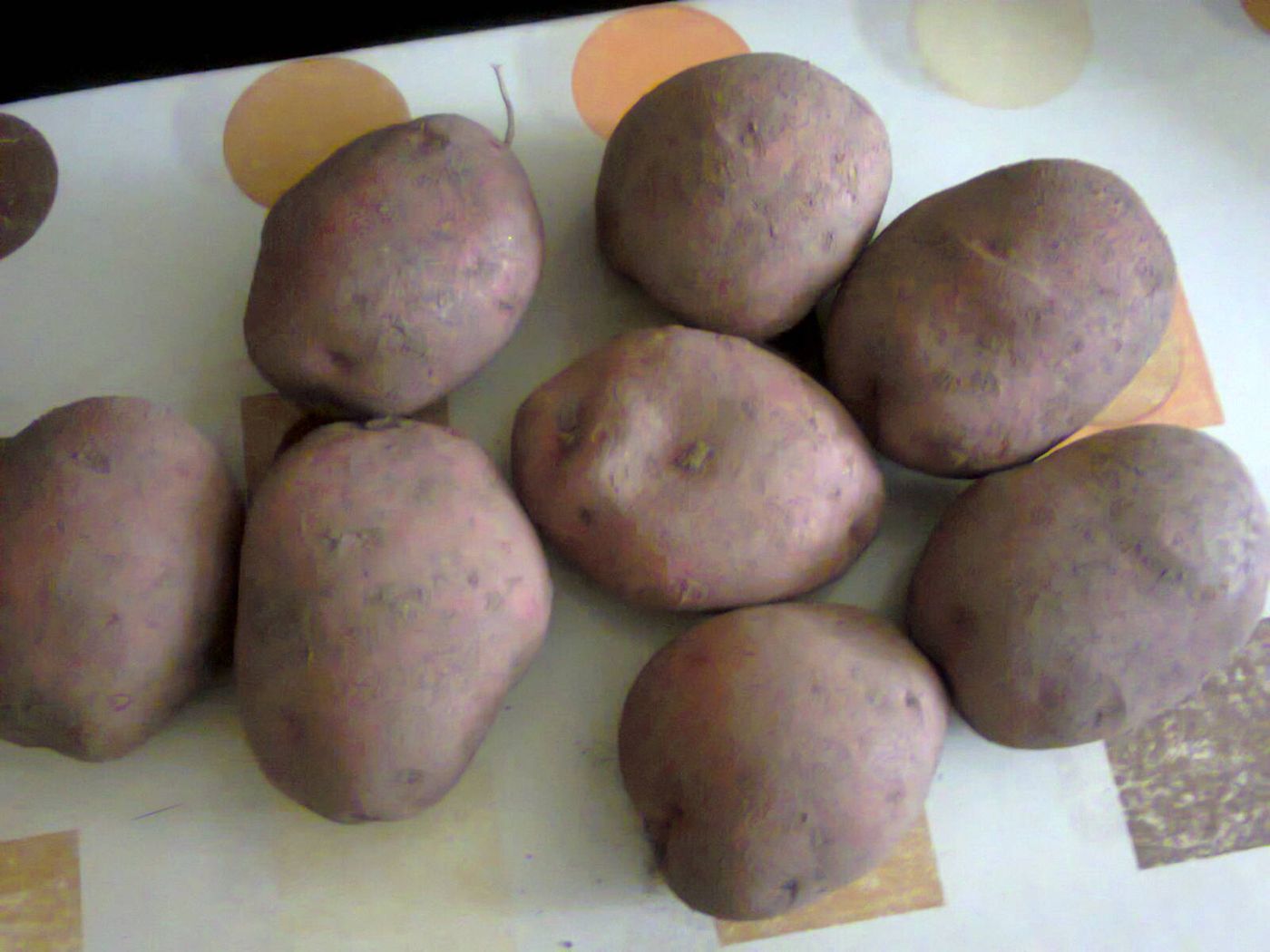 Potato감자A relatively recent arrival that became a mainstay of the mountain provinces. Braised in soy sauce as gamja-jorim, stir-fried in fine matchsticks, grated into crisp gamja-jeon and simmered in countless soups.
 Perilla깻잎Perilla leaves have a bold, minty-herbal scent. They are eaten fresh as a wrap, pickled in soy sauce, or layered with seasoning as kkaennip-jangajji.
- Perilla Seed Powder들깨가루Roasted perilla seeds ground to a coarse, oily powder, sold whole or hulled. Stirred into soups and stews it makes them creamy and nutty; tossed with namul it adds body and fragrance.
 Doenjang된장Fermented soybean paste — the savory foundation of doenjang-jjigae, many soups and dressings for namul. It is one of Korea's core jang, or fermented sauces.
 Gochugaru고춧가루Korean red chili powder, made from dried red peppers ground coarse or fine. It gives kimchi, gochujang and countless banchan their color and warmth.
 Soy sauce간장Korean soy sauce, in two main kitchen forms: pale, salty guk-ganjang (soup soy sauce) brewed the traditional way from meju, and darker, sweeter jin-ganjang for braises and marinades.
 Garlic마늘Used raw, minced, pickled and roasted, garlic is one of the essential aromatics of Korean food — in seasonings, marinades, kimchi and namul.
 Ginger생강Fresh ginger root, used in small amounts to brighten kimchi paste and marinades and to tame the strong smells of fish and meat.
 Green onion파Korean green onion (pa), from thick-stemmed daepa to slender scallions — chopped into nearly every seasoning sauce, soup and kimchi, and the star of pa-kimchi.
 Napa cabbage배추The tall, pale, tightly headed cabbage at the heart of Korea's best-known kimchi. Salted, layered with seasoning and left to ferment, it becomes baechu-kimchi; fresh, it goes into soups, wraps and quick salads.
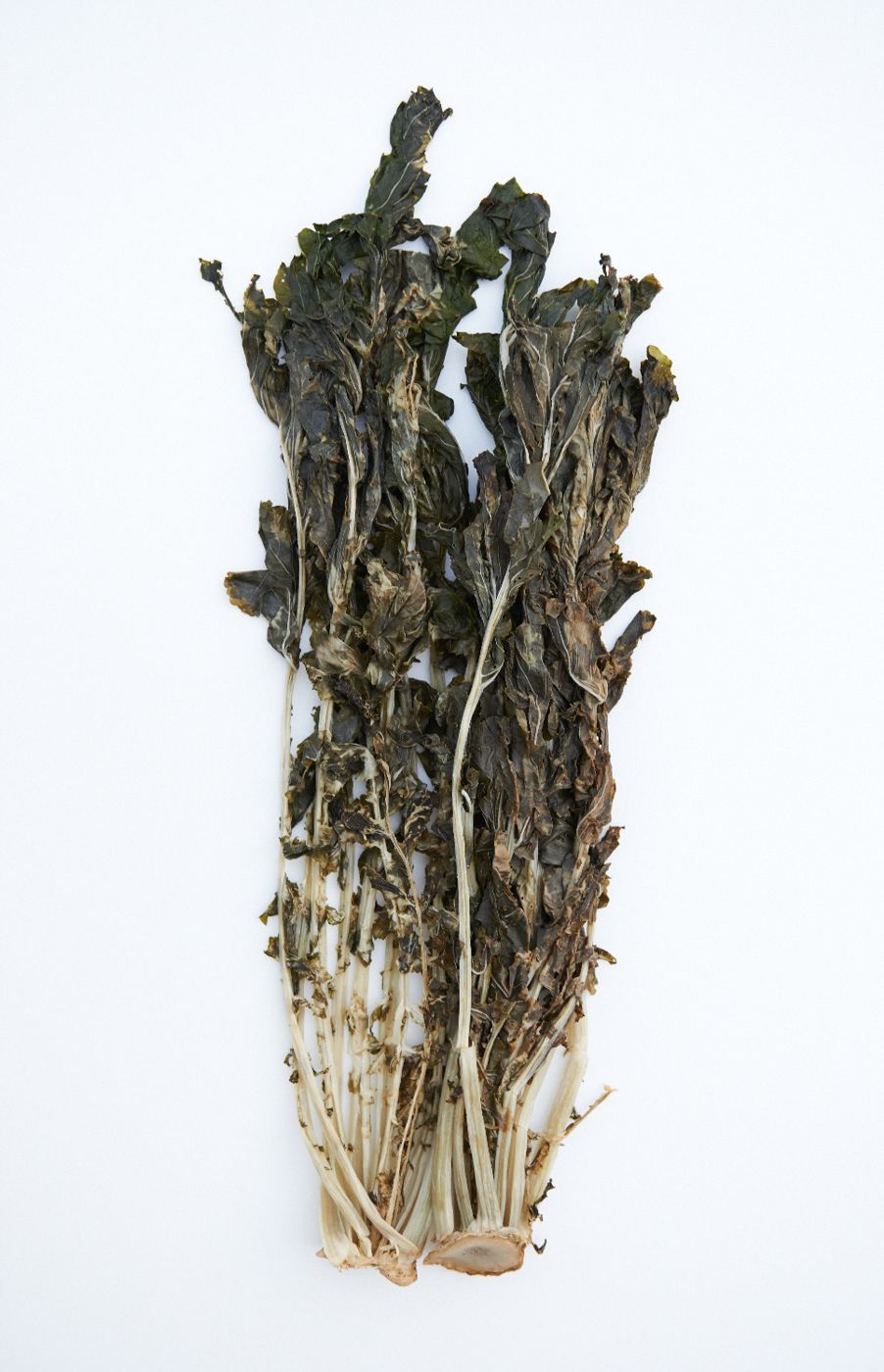 Siraegi (dried radish greens)시래기Radish tops dried in the shade until dark and brittle, then soaked and simmered back to tenderness. A winter staple for earthy namul, doenjang soups and rice cooked with greens.
Nutrition
| Calories | ~376 kcal |
|---|---|
| Protein | ~33.4 g |
| Fat | ~21.5 g |
| Carbohydrates | ~12 g |
| Fiber | Not reported |
| Sodium | ~1738 mg |
Notable forProtein · Selenium · Calcium
The meat yield of pork spine varies too much to estimate from raw ingredients, so these figures are scaled from the MFDS analysis of home-style gamjatang (per 100 g: 71 kcal, 6.31 g protein, 4.06 g fat, 2.27 g carbohydrate, 2.4 g fiber as reported, 328 mg sodium, 38 mg calcium, 10.6 µg selenium) to the database's 530 g serving. The reported fiber is high and should be read with caution. The source lists about 12.7 g of fiber per serving, which is implausible for a meat broth, so fiber is shown as not reported. Actual values vary with ingredients, portion size and preparation.
Health Benefits
- The meat on the bones makes it a substantial source of protein; the MFDS analysis also shows meaningful selenium and calcium per serving.
- Potatoes, cabbage greens and perilla bring vegetables and fiber into a meat-centered dish.
- The folk encyclopedia notes that potatoes are rich in potassium, a mineral that helps balance sodium in the diet.
Regional Variations
- Greens: ugeoji (outer cabbage leaves) is standard; dried radish greens (siraegi), fresh napa cabbage or long-aged kimchi (mugeunji) change the character of the pot.
- Perilla: ground perilla seed and perilla leaves are added at the end to soften the porky smell and thicken the broth.
- Bone haejangguk: a related single-bowl bone soup, ppyeo-haejangguk, is treated as a hangover soup; see haejangguk.
Pairings
 Cubed Radish Kimchi깍두기Korean radish cut into neat cubes and tossed with chili, garlic and salted shrimp — crunchy, juicy and a classic partner to rich soups.
- Soy-Pickled Onions양파장아찌Chunks of onion steeped in a sweet, tangy soy brine until mellow and crunchy — a quick modern jangajji that cuts through grilled meats and fried foods.
 Napa Cabbage Kimchi배추김치Salted napa cabbage layered with a red paste of chili, garlic, ginger and fermented seafood, then left to ripen: the kimchi most people picture first.
Sources
- 01감자탕 (Gamjatang) — Encyclopedia of Korean Folk Culture (한국의식주생활사전)
- 02감자탕 (Gamjatang) — Encyclopedia of Korean Folk Culture (한류문화사전)
- 03감자탕 (Gamjatang, home-style, analyzed) — MFDS K-FIND food composition database
- 04Global Perspectives on Allergen Labeling: Harmonization of Regulations and Practices — Allergy, Asthma & Immunology Research, 2025
- 05Trends in sodium intake and major contributing food groups and dishes in Korea: KNHANES 2013–2017 (Jeong et al., Nutrition Research and Practice, 2021)
- 06Sodium reduction — World Health Organization fact sheet
Last updated