 Photo: soscs, CC0, via Wikimedia Commons
Guk & Tang · Soups 국·탕
Tteokguk (Rice Cake Soup)
떡국
Romanization: tteokguk
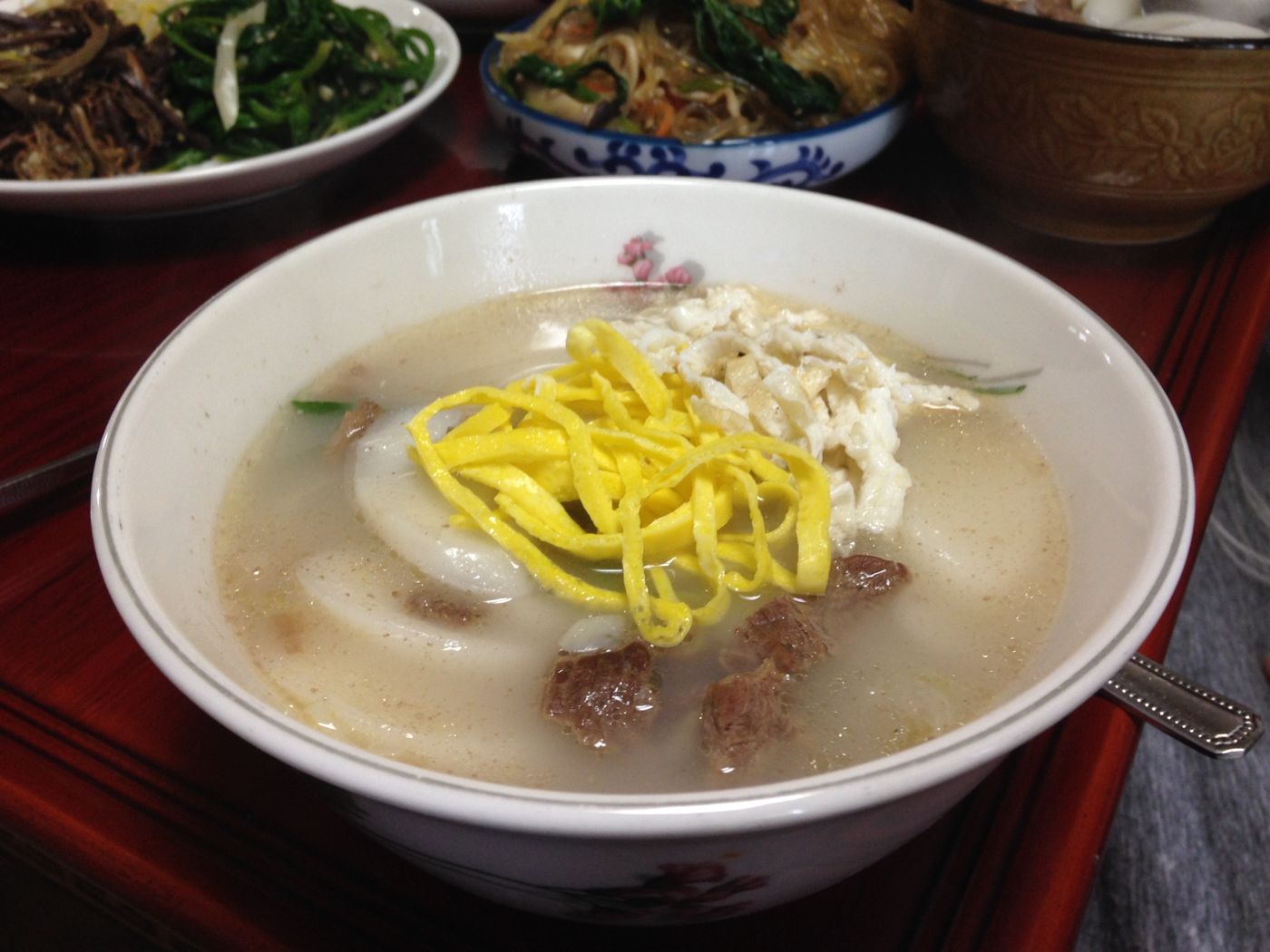
Thin ovals of white rice cake in clear beef broth, topped with egg ribbons and seaweed — the soup eaten on Seollal morning to greet the new year.
- Serves
- 4
- Prep
- 20 min
- Cook
- 60 min
RegionGaeseong · Chungcheong
Jump to recipeRecipe
Ingredients · Serves 4
- 600 gSliced rice cake for soup (tteokguk-tteok)soaked 20 minutes in cold water if hard
- 150 gBeef brisket
- 2 lWater
- 1½ tbspSoup soy sauce (guk-ganjang)plus salt to taste
- 2 clovesGarlicminced
- 2 Eggsseparated, for egg ribbons
- 1 stalkGreen onionabout 20 g, sliced on the diagonal
- 1 tspToasted sesame oil
- 1 sheetGim (laver)toasted and crumbled
Method
Technique: Making Guk and Jjigae, Making Yuksu: Anchovy-Kelp Stock
Step 1: Put the brisket and water in a pot, bring to a boil and skim. Simmer gently, partly covered, for about 45 minutes, until the beef is tender and the broth has reduced to about 1.6 liters.
Step 2: Meanwhile, beat the yolks and whites separately with a pinch of salt. Cook each as a thin sheet in a lightly oiled pan over low heat, then cut into thin strips.
Step 3: Lift out the beef, shred or slice it thin and toss with the sesame oil, garlic and a few drops of soup soy sauce. Skim the fat from the broth and season it with the soup soy sauce; it should taste slightly salty before the rice cake goes in.
Step 4: Bring the broth to a rolling boil, add the drained rice cake and cook 3–5 minutes, just until the slices float and turn soft. Don't overcook or they turn mushy.
Step 5: Add the green onion and adjust the salt. Ladle into bowls and top with the beef, egg ribbons and crumbled gim.
Origin & History
Tteokguk is the New Year's food of Korea. No one knows when the custom began, but nineteenth-century almanacs of seasonal customs, Dongguk sesigi and Yeoryang sesigi, describe it as indispensable for the New Year ancestral rite (charye) and for feeding guests on Seollal. Dongguk sesigi calls it baektang (white soup) or byeongtang (rice-cake soup), and because people asked one another how many bowls they had eaten as a way of asking someone's age, it was also nicknamed cheomsebyeong, "the rice cake that adds a year."
The historian Choe Nam-seon proposed that the custom was very old, a holdover from food shared at ancient New Year rites; the clean white rice cake suited a day meant to begin in purity. Before rice-cake machines, steamed rice was pounded with mallets and rolled by hand into long garae-tteok, then sliced on the diagonal once it had firmed.
The broth has changed with the times. The Encyclopedia of Korean Folk Culture notes that pheasant was the prized base — tied to falconry learned from the Yuan in the late Goryeo period — with chicken as the everyday substitute; beef became the norm only once it was easy to get.
Key Ingredients
 Soy sauce간장Korean soy sauce, in two main kitchen forms: pale, salty guk-ganjang (soup soy sauce) brewed the traditional way from meju, and darker, sweeter jin-ganjang for braises and marinades.
 Garlic마늘Used raw, minced, pickled and roasted, garlic is one of the essential aromatics of Korean food — in seasonings, marinades, kimchi and namul.
 Green onion파Korean green onion (pa), from thick-stemmed daepa to slender scallions — chopped into nearly every seasoning sauce, soup and kimchi, and the star of pa-kimchi.
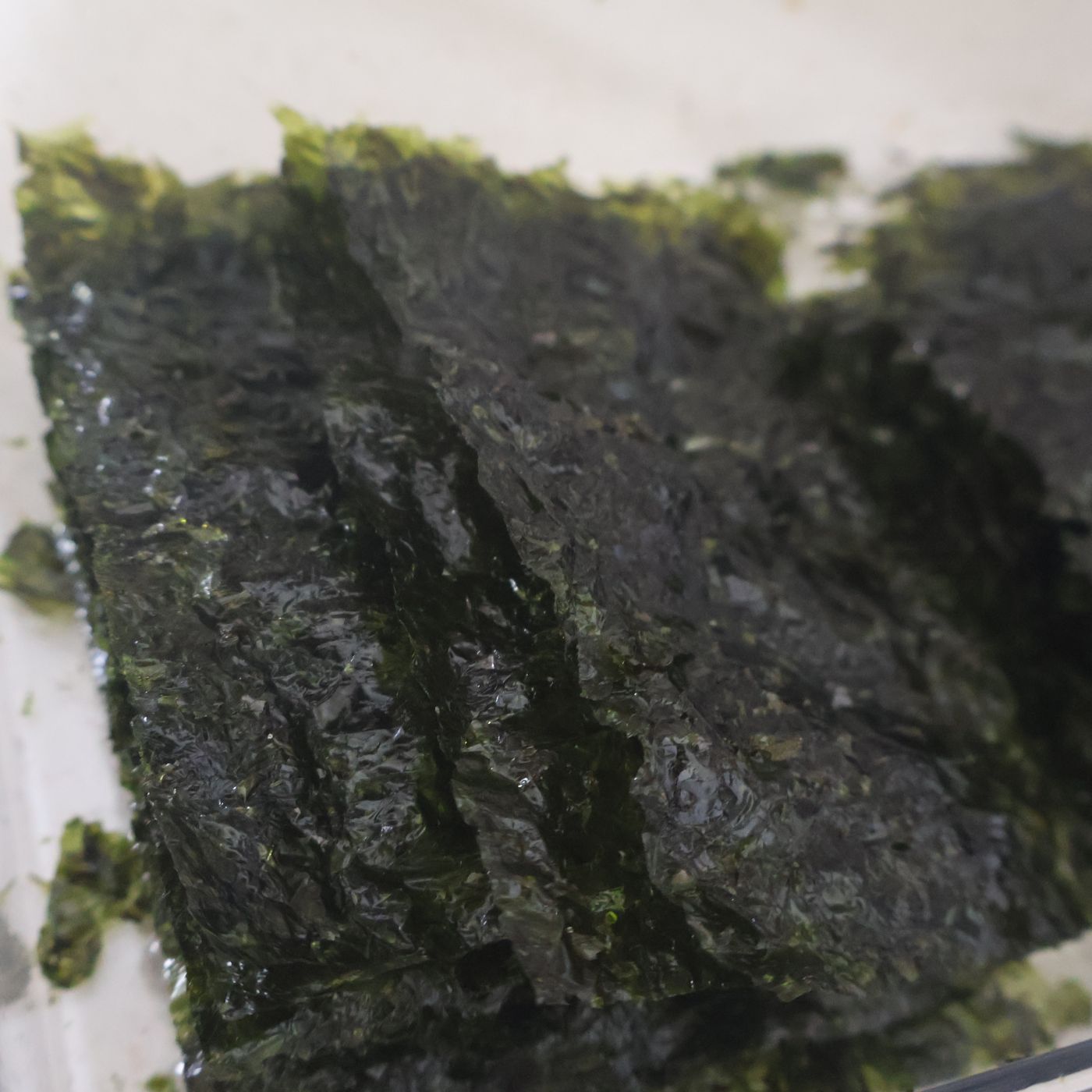 Laver (gim)김Paper-thin sheets of dried red seaweed, toasted until crisp and fragrant. Gim wraps gimbap and rice, crumbles over noodles and soups, and — brushed with oil and salt — becomes the everyday side dish gim-gui.
 Sesame참깨Toasted sesame seeds and sesame oil (chamgireum) finish countless Korean dishes, adding a nutty aroma and gloss.
Nutrition
| Calories | ~437 kcal |
|---|---|
| Protein | ~16.9 g |
| Fat | ~7.9 g |
| Carbohydrates | ~74.7 g |
| Fiber | ~1.3 g |
| Sodium | ~1000 mg |
Notable forCarbohydrate · Protein
Estimated by summing ingredient values and dividing by four. Rice cake (garae-tteok) and soup soy sauce: Korean Food Composition Table (A0110010009a; 국간장, R0010030009a); beef brisket: USDA FDC 168743; egg: FDC 171287; sesame oil, garlic and green onion from USDA; gim left out as negligible. The MFDS analysis of home-style tteokguk (84 kcal and 176 mg sodium per 100 g) gives about 500 kcal and 1,050 mg sodium for a bowl this size. Actual values vary with ingredients, portion size and preparation.
Health Benefits
- A filling one-bowl meal: the rice cake supplies carbohydrate for energy, and the beef and egg add protein.
- Beef broth and egg contribute vitamin B12; the MFDS analysis of tteokguk puts a bowl at about 1 µg.
- On the New Year table it is traditionally eaten with banchan such as kimchi and jeon, which round out the vegetables.
Regional Variations
- Gaeseong jorangi-tteokguk: thin rice-cake ropes are cut short and pinched in the middle into little cocoon shapes.
- Chungcheong saeng-tteokguk: rice flour is kneaded with hot water and dropped straight into the broth, without steaming and pounding first.
- Northern regions: dumpling soup (mandu-guk) is the New Year dish; many families combine the two as tteok-mandu-guk.
- Jeju and southern islands: in places such as Jeju and Geoje, rice rather than tteokguk is traditionally offered at the New Year rite.
- Broth and toppings: beef brisket broth is now standard, garnished with egg ribbons (jidan), seasoned beef and toasted laver; anchovy or chicken broth are common alternatives.
Pairings
 Napa Cabbage Kimchi배추김치Salted napa cabbage layered with a red paste of chili, garlic, ginger and fermented seafood, then left to ripen: the kimchi most people picture first.
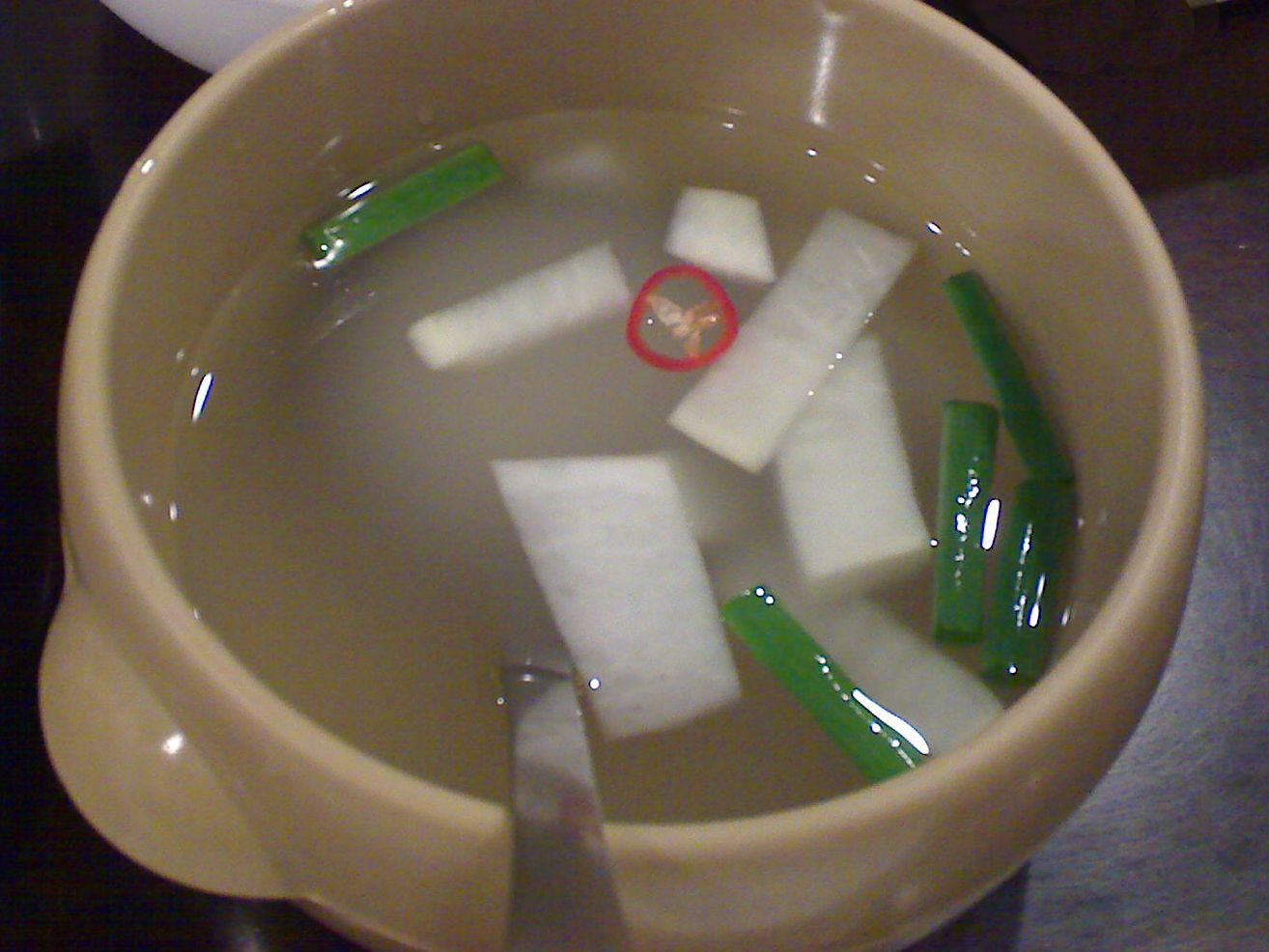 Radish Water Kimchi동치미Whole radishes steeped in a clear salt brine with pear, ginger and green chili — a winter water kimchi whose tangy broth is prized on its own.
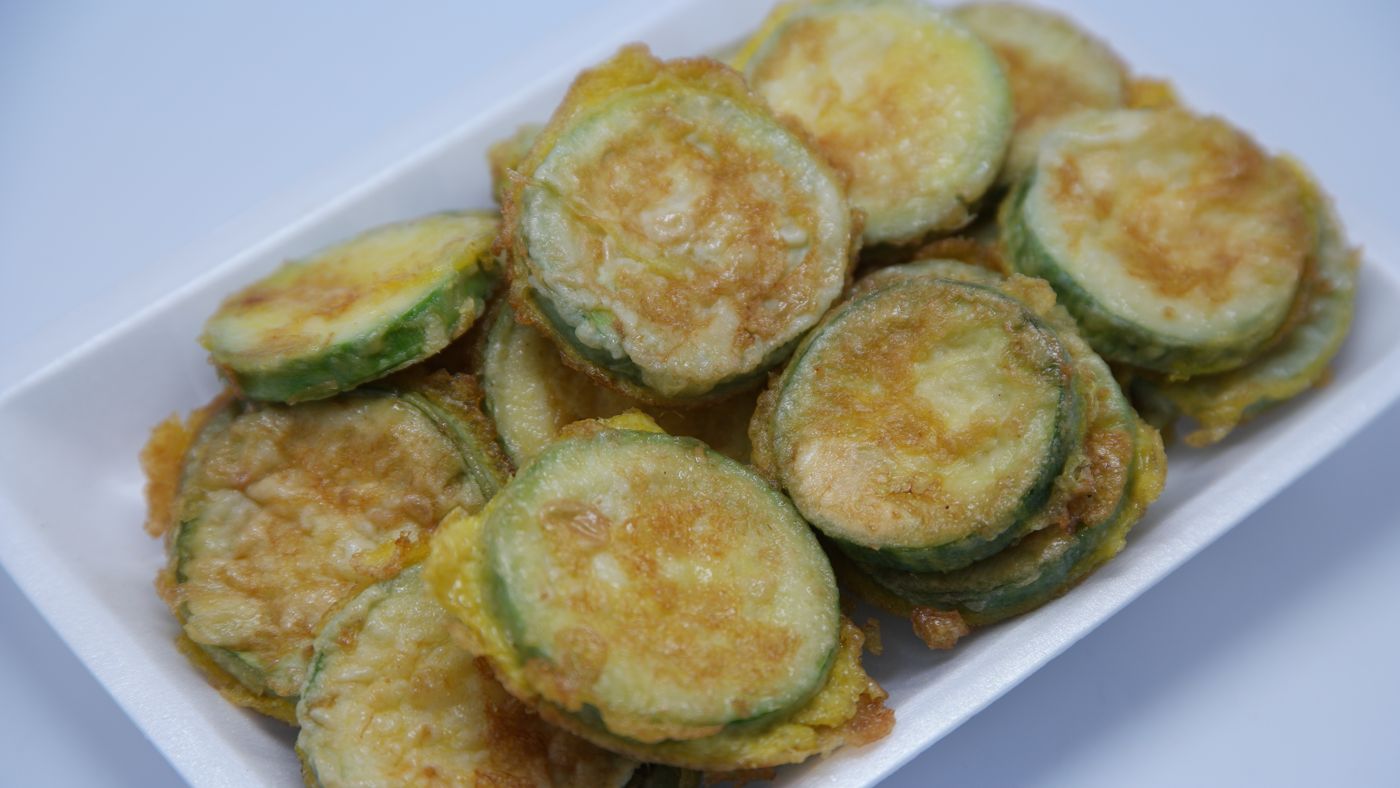 Hobak Jeon (Pan-Fried Zucchini)호박전Rounds of Korean zucchini dusted with flour, dipped in egg and pan-fried until golden — a soft, sweet jeon for holidays and everyday meals.
 Japchae (Glass Noodles with Vegetables)잡채Chewy sweet potato glass noodles tossed with stir-fried vegetables, mushrooms and beef in soy sauce and sesame oil — Korea's essential celebration dish.
Sources
- 01떡국 (Tteokguk) — Encyclopedia of Korean Culture
- 02떡국 (Tteokguk) — Encyclopedia of Korean Folk Culture (한국세시풍속사전)
- 03Rice cake, Garaetteok, Rod shape — Korean Food Composition Table
- 04떡국 (Tteokguk, home-style, analyzed) — MFDS K-FIND food composition database
- 05Sodium reduction — World Health Organization fact sheet
Last updated