Techniques
Jangajji: Pickling in Jang
장아찌
Preserving vegetables in soy sauce, doenjang, gochujang or salt so they keep for months: the method behind perilla-leaf and garlic jangajji.
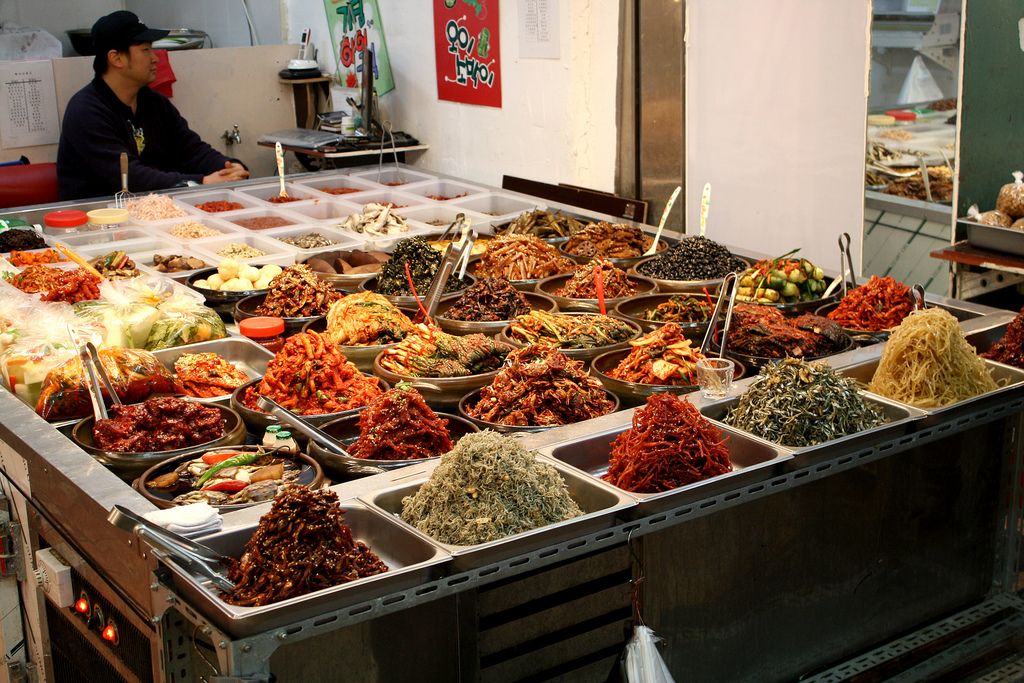 Photo: Luke Hoagland from Daejeon, South Korea, CC BY 2.0, via Wikimedia Commons
Jangajji are vegetables preserved in a strongly seasoned medium, most often soy sauce, doenjang or gochujang, and sometimes salt or vinegar. The Encyclopedia of Korean Culture describes them as preserved foods that once played an essential role in the Korean diet, carrying seasonal vegetables through months when little fresh produce was available. Unlike kimchi, which is eaten for its active fermentation, jangajji is valued above all for keeping: it is salty, concentrated and meant to be eaten a little at a time.
Choosing a medium
- Soy sauce (ganjang). The most common method today. A soy sauce brine, usually with water, sugar and often vinegar, is poured over the vegetables. The encyclopedia describes garlic pickled in sweetened soy sauce turning a dark reddish color with a sweet, salty and slightly sour flavor.
- Doenjang or gochujang. Vegetables are first dried until soft and pliable, then buried in the paste. Drying removes water that would otherwise thin and spoil the paste. The encyclopedia notes that gochujang versions are often preferred for their color and flavor.
- Salt. Salt-pickled vegetables keep a lighter color than soy-sauce versions and are often rinsed or soaked before serving.
The basic soy-sauce method
- Prepare the vegetables. Wash and dry them completely; surface water dilutes the brine. Pungent vegetables such as garlic are commonly pre-treated (soaked or briefly blanched) to soften their bite.
- Pack tightly. Arrange the vegetables in a clean glass jar or crock. For perilla leaves, stack them in small bundles.
- Make the brine. Combine soy sauce with water, sugar and vinegar to taste. Many cooks bring the brine to a boil and pour it over hot, which helps it penetrate firm vegetables.
- Weigh down. Keep the vegetables submerged with a weight or plate so no pieces sit exposed to air.
- Re-boil (optional). A common traditional practice is to drain the brine after a few days, boil it again, cool or not depending on the vegetable, and pour it back. This concentrates the brine as water drawn from the vegetables is driven off.
- Wait. Depending on the vegetable, jangajji is ready in a few days to several weeks, and long-kept versions mellow for months.
Why it works
Salt and sugar draw water out of the vegetable and replace it with seasoned liquid, while the high concentration of salt (and acid, when vinegar is used) limits the growth of spoilage organisms. Removing water before burying vegetables in paste follows the same logic: less free water means a more stable preserve. For home cooks, refrigeration adds an extra margin of safety and keeps texture crisp.
Common jangajji
- Kkaennip-jangajji: perilla leaves layered with a soy or chili-soy seasoning, eaten wrapped around rice.
- Maneul-jangajji: whole garlic cloves or heads pickled in soy sauce until mellow and sweet.
The encyclopedia also lists chili-pepper leaves, eggplant, radish, cucumber and deodeok root among traditional ingredients.
History
The 13th-century Goryeo scholar Yi Gyu-bo wrote in a poem about his vegetable garden that radish preserved in jang was good to eat in summer and that salted radish served through the winter, one of the earliest Korean literary references to vegetables kept this way. The encyclopedia also cites the 19th-century farming verse Nongga Wollyeongga among sources showing jangajji as a staple of rural households.
Serving and storage
Jangajji is served in small amounts, sometimes rinsed or dressed with sesame oil, sugar or toasted sesame to soften its saltiness. Keep jars clean, use dry utensils, and refrigerate. Discard any jangajji that develops mold or an off smell. Because it is so salty, jangajji is best treated as a seasoning-like side rather than a vegetable serving.
Dishes using this technique
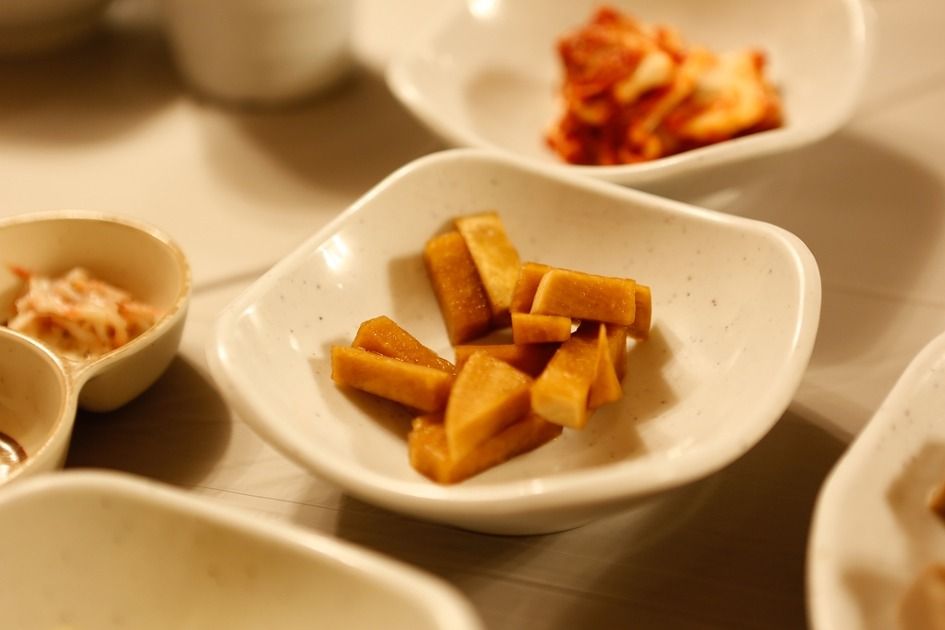 Chili Paste–Cured Radish무장아찌Korean radish salted, dried until leathery and buried in gochujang for weeks, then sliced thin with sesame oil — chewy, savory and deeply seasoned.
- Oiji Muchim (Seasoned Pickled Cucumber)오이지무침Salt-brined oiji cucumbers sliced thin, soaked, squeezed hard and dressed with chili, garlic and sesame — a crunchy, tangy summer banchan.
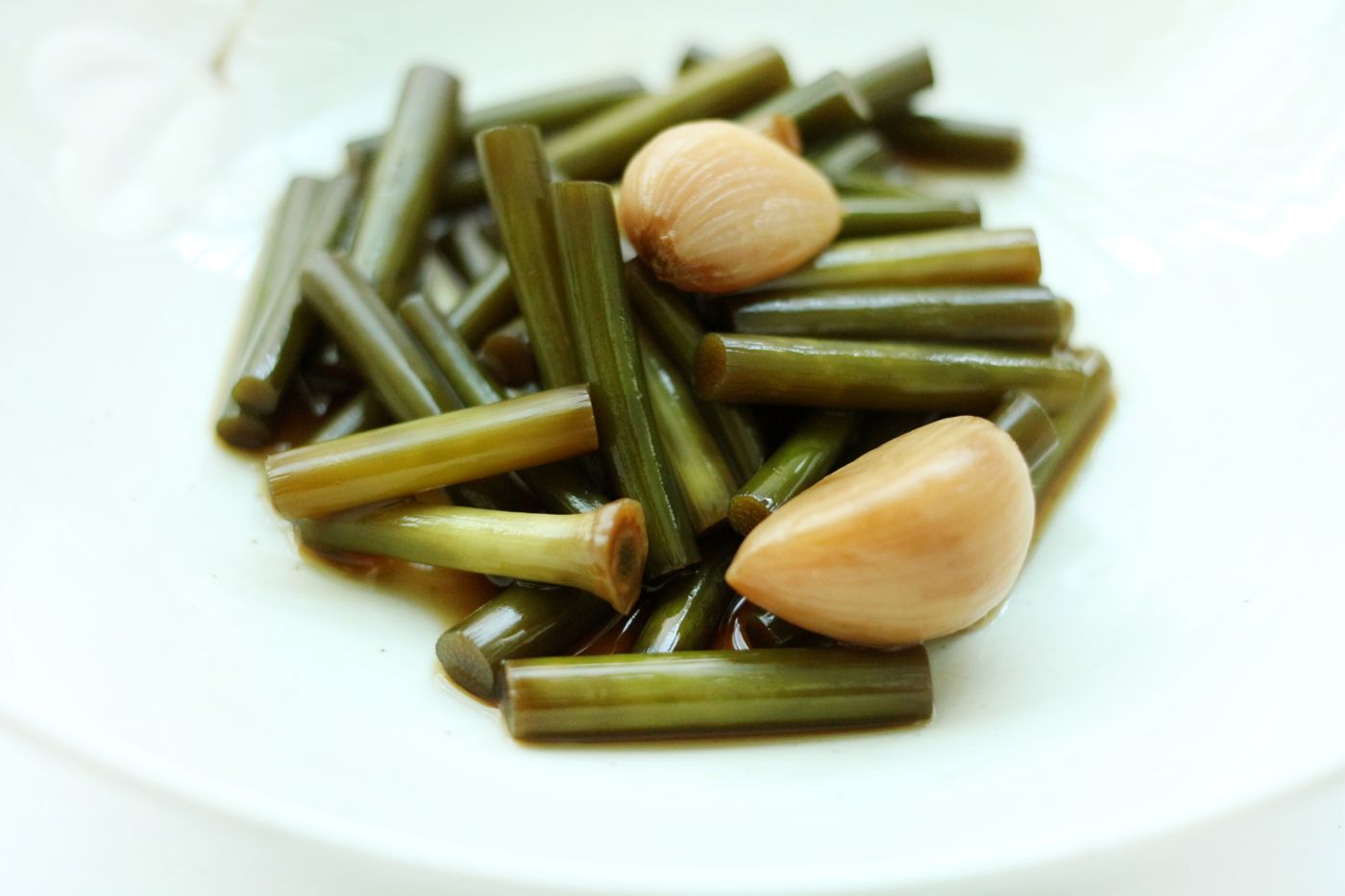 Pickled Garlic Scapes마늘종장아찌Spring garlic scapes cut into short lengths and steeped in a sweet-sour soy brine — crisp, gently garlicky jangajji that keeps for months.
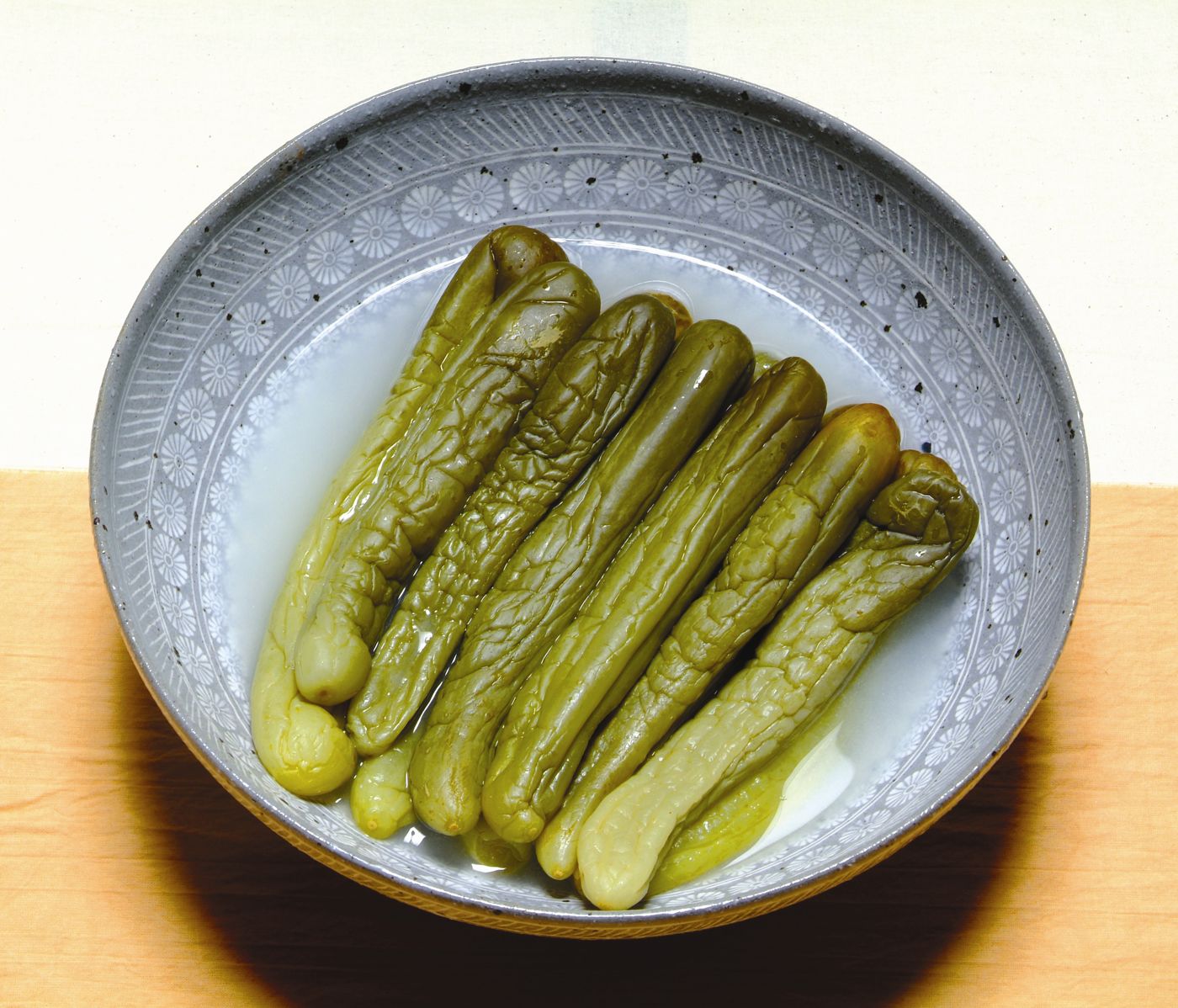 Salt-Brined Pickled Cucumbers오이지Whole cucumbers cured in a strong salt brine until golden and wrinkled — a summer staple that is soaked, sliced and served in cold water or dressed as oiji-muchim.
- Salted Radish Pickle짠지Whole radishes packed in heavy salt over winter and opened in spring — soaked, sliced thin and served in vinegared cold water or dressed with chili.
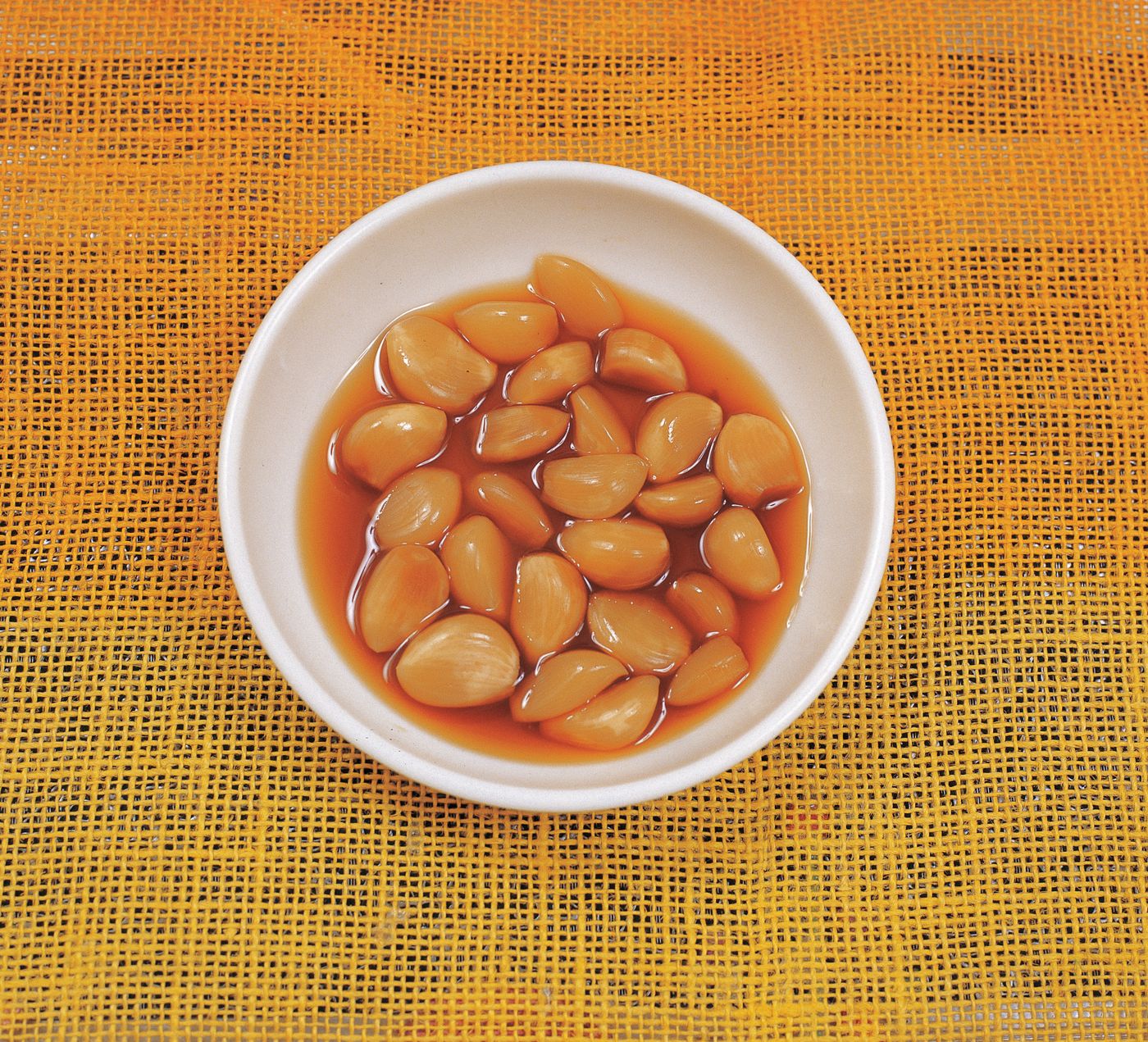 Soy-Pickled Garlic마늘장아찌Young garlic mellowed in vinegar, then cured in a sweet soy brine until mild, tangy and deep amber — a long-keeping pickle.
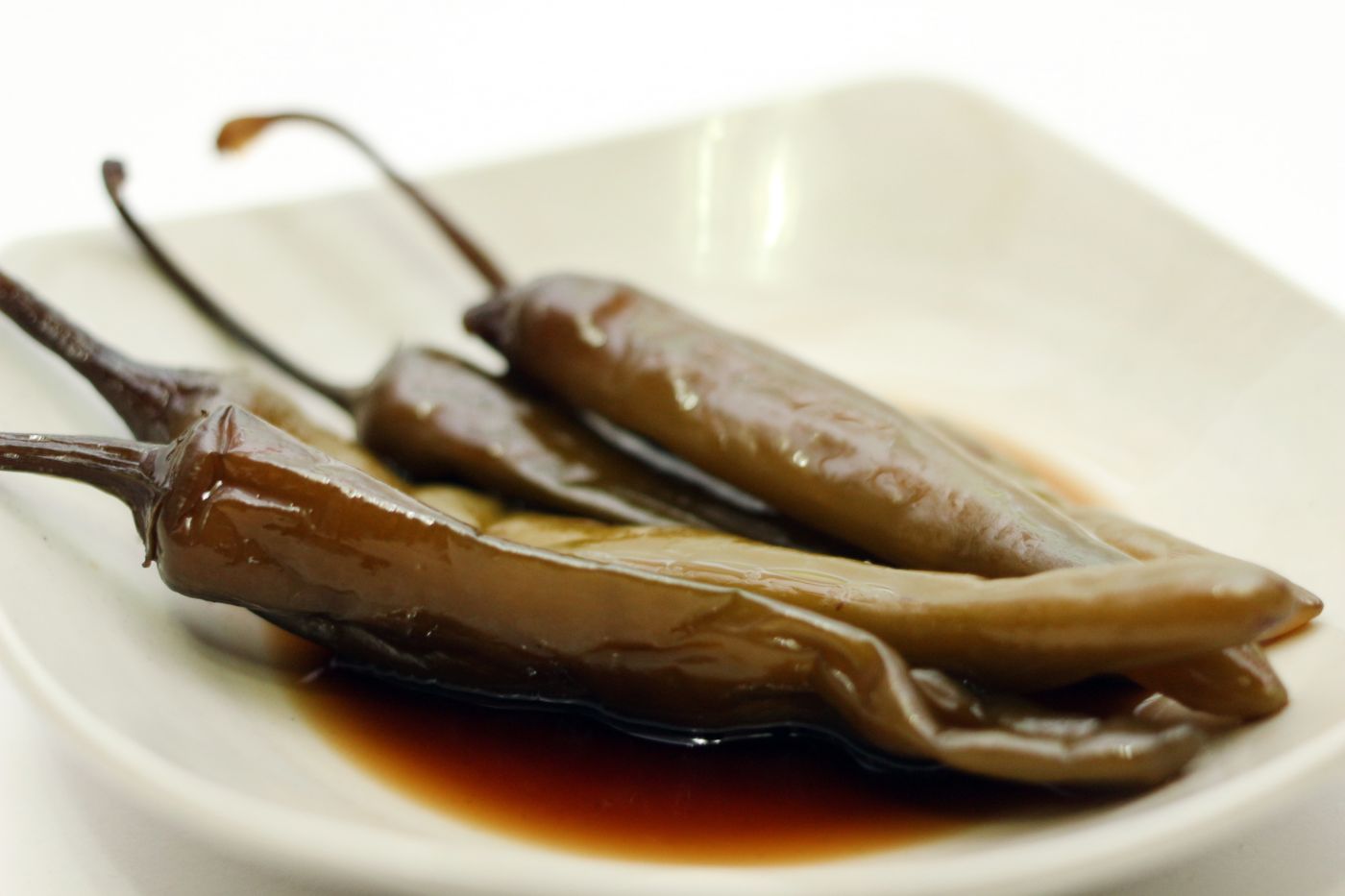 Soy-Pickled Green Chilies고추장아찌Whole green chilies cured in a sweet, tangy soy brine until olive-drab and tender-crisp — a keeping pickle that brings heat and salt to plain rice.
- Soy-Pickled Onions양파장아찌Chunks of onion steeped in a sweet, tangy soy brine until mellow and crunchy — a quick modern jangajji that cuts through grilled meats and fried foods.
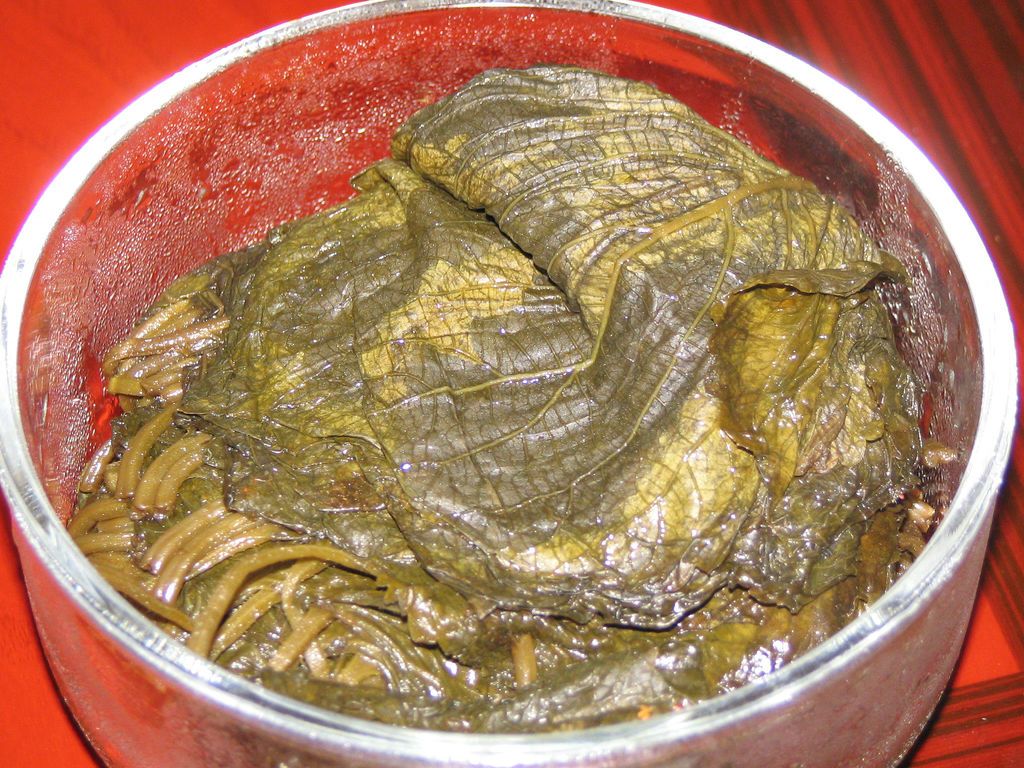 Soy-Pickled Perilla Leaves깻잎장아찌Fragrant perilla leaves steeped in a sweet-salty soy brine — peeled off one at a time and wrapped around a spoonful of rice.