Techniques
Grilling Gui
구이
Gui covers anything cooked over direct heat: soy-marinated beef, salt-grilled ribs and fish, and oiled sheets of laver toasted for the rice bowl.
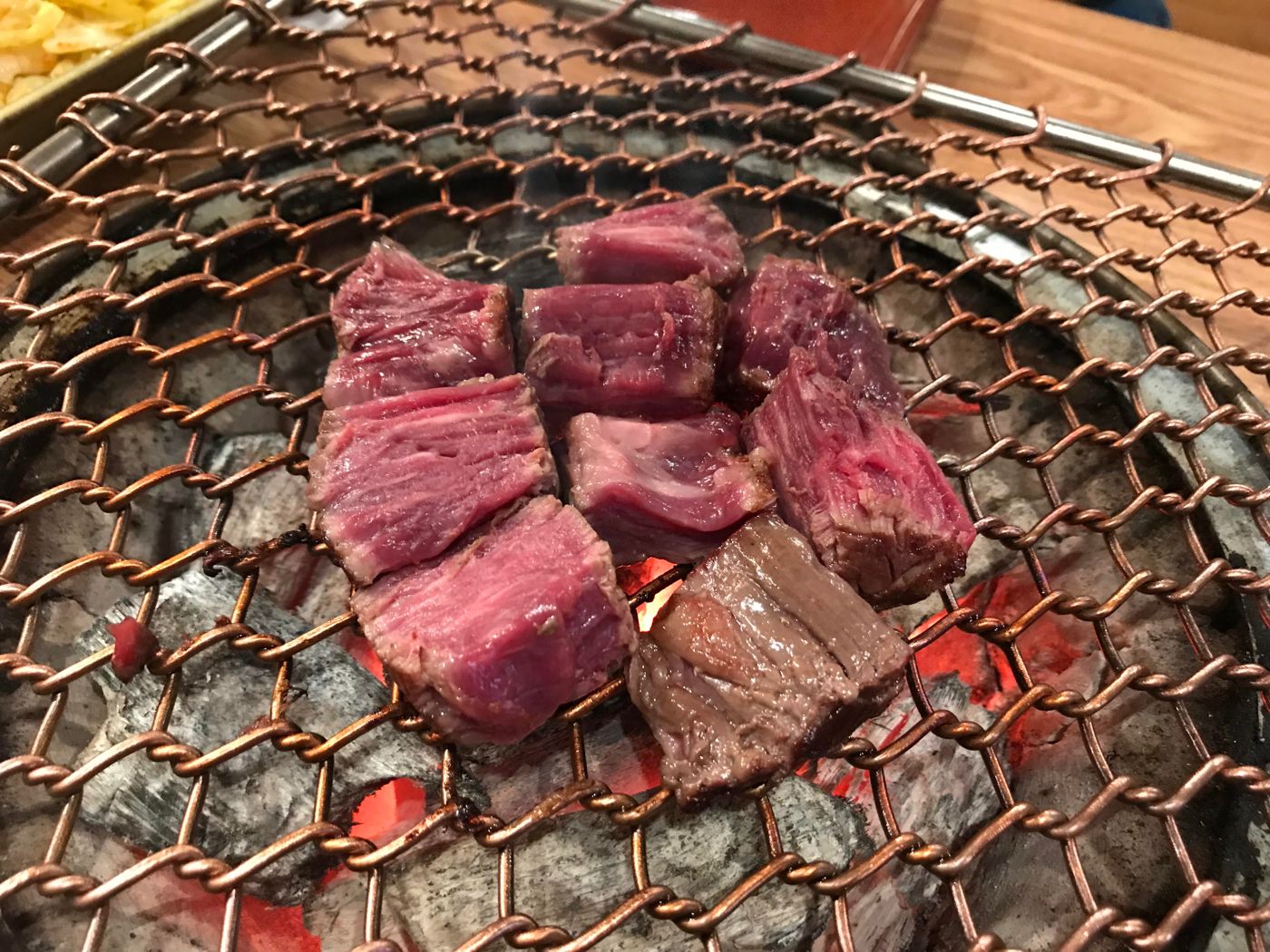 Photo: lazy fri13th, CC BY 2.0, via Wikimedia Commons
Gui means grilling, and it also names the dishes it produces: meat, fish, shellfish, vegetables and even seaweed cooked by direct heat. The Encyclopedia of Korean Culture calls it the oldest cooking method of all, since it needs nothing but fire, and traces its tools from skewers to an iron grilling plate (jeokcheol) to the wire grate (seoksoe) used today. Fuel moved from wood to charcoal and then to gas, and the encyclopedia observes that gas and oil burners also encouraged cooking on a flat griddle to keep dripping fat off the flame, a change it says noticeably alters the flavor.
Old tricks for controlling heat
Joseon cooks worried about the outside burning before the inside cooked, and their cookbooks record some ingenious fixes:
- A flour-paste jacket. The eighteenth-century Jeungbo sallim gyeongje coats meat in a batter seasoned with oil, soy sauce, salt, green onion, pepper, wine and vinegar, grills it on skewers over a dying fire, and peels the crust away before eating.
- Cold-water dips. The Gyuhap chongseo (1809) describes plunging half-cooked meat into cold water and returning it to the fire about three times, and also coating meat in clay.
- Paper wrapping. The Siuijeonseo wraps food in white paper before grilling.
The encyclopedia also records rustic outdoor methods: pine mushrooms wrapped in oak or gourd leaves and baked in clay in the embers, then dipped in salt or soy sauce.
Direct fire, done well
The encyclopedia's practical advice is still sound:
- Charcoal that has stopped smoking is the best fire. Set the grate fairly high over strong heat, and preheat it so food does not stick.
- Sear, then cook through. Start hot to set the surface, then lower the heat for thicker pieces, cooking one side almost fully before turning. Too fierce a flame chars the surface and spoils the taste.
- Dry surfaces grill better. Wet ingredients are hard to grill neatly, which is why fish and meat are often left to firm up and partially dry first.
Yangnyeom grilling vs. salt grilling
Seasoning falls into two camps. Sauce grilling uses ganjang or gochujang mixed with minced green onion, garlic and ginger, sesame oil, toasted sesame and sugar. The encyclopedia recommends a dark soy sauce for a deep, glossy color and warns against gochujang that is too thick or salty. Food can be marinated ahead or seasoned on the grill, and either way, brushing on a little more sauce near the end gives a shine. Bulgogi is the best-known sauce-grilled dish.
Salt grilling can mean salting ahead, salting during grilling, or grilling plain and dipping in salt afterward. The encyclopedia praises it for a clean taste that keeps the ingredient's own flavor. Suwon's famous ribs are a well-known example: Suwon galbi is seasoned with salt rather than soy sauce, which the encyclopedia credits with preserving the color of the meat (see Suwon). For the wider culture of the grill, see Korean BBQ culture.
Fish gui
Fish is the everyday gui of home cooking. Oily fish such as mackerel are salted and grilled, as in godeungeo-gui, and yellow croaker (jogi) is another classic. The encyclopedia warns that tender fish breaks apart if flipped too often, and describes a lovely finishing touch: fine white salt sprinkled over fish while its fat is still sizzling melts and clings, so the skin looks frosted.
Gim-gui
The gentlest gui of all is toasted laver. The Encyclopedia of Korean Culture notes that gim is brushed with sesame or perilla oil and grilled, as well as being made into sweet-salty jaban and fried bugak. Sheets are usually brushed with oil, sprinkled lightly with salt, and passed briefly over the heat until they turn green and crisp, then cut into squares for wrapping rice. See gim-gui and sesame and perilla oils.
A note on charring
Cooking meat at high temperatures, especially over an open flame where dripping fat creates smoke, forms compounds (heterocyclic amines and polycyclic aromatic hydrocarbons) that cause cancer in animal studies at very high doses. The U.S. National Cancer Institute describes the human evidence as inconclusive, and suggests turning meat often, avoiding direct contact with flames, and cutting away charred parts. Traditional advice to grill over smokeless coals at a moderate distance points in the same direction.
Dishes using this technique
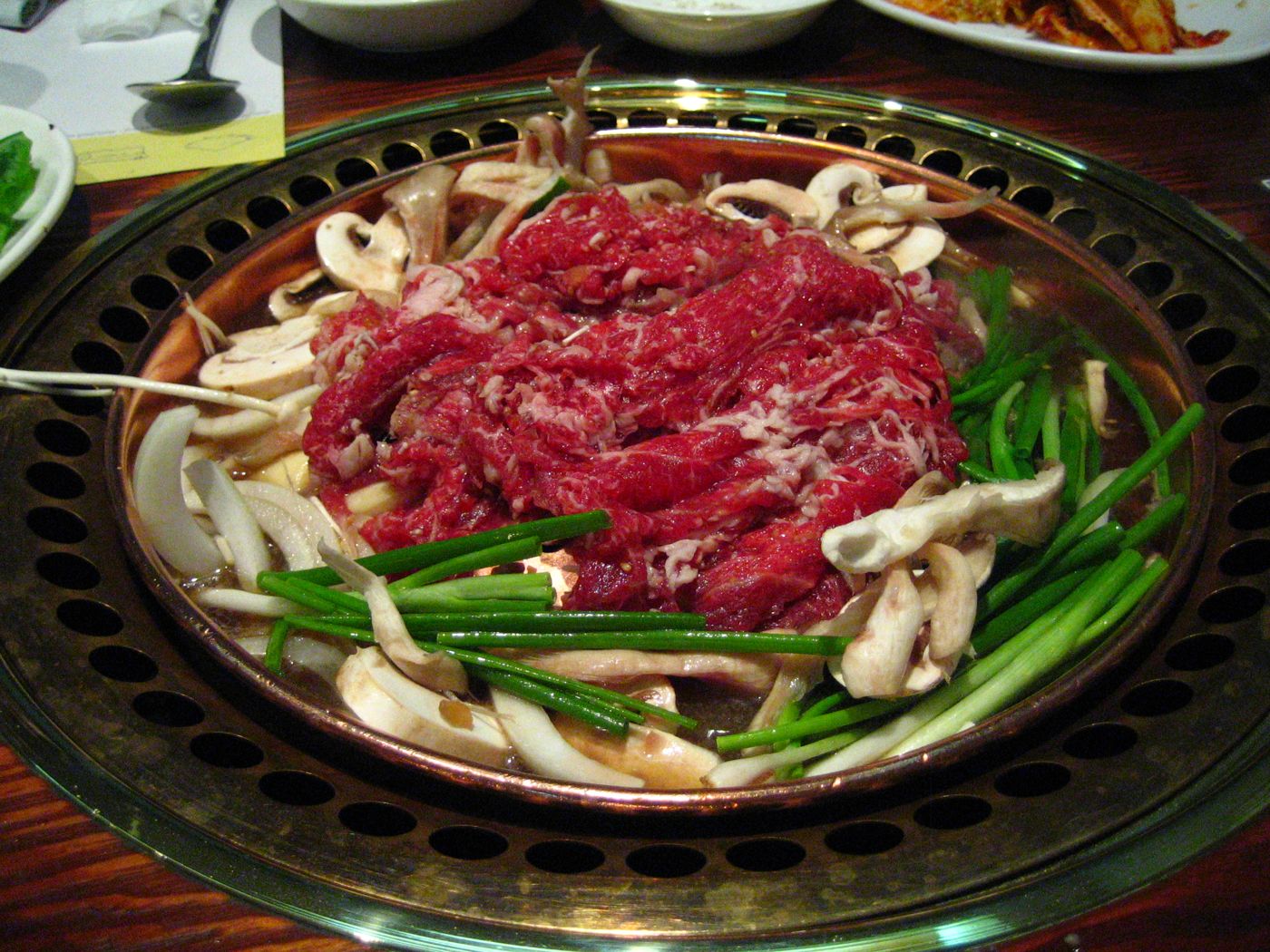 Bulgogi (Marinated Grilled Beef)불고기Thin slices of beef marinated in soy sauce, pear, garlic and sesame, then grilled or seared — descended from the court dish neobiani and Korea's best-known meat dish.
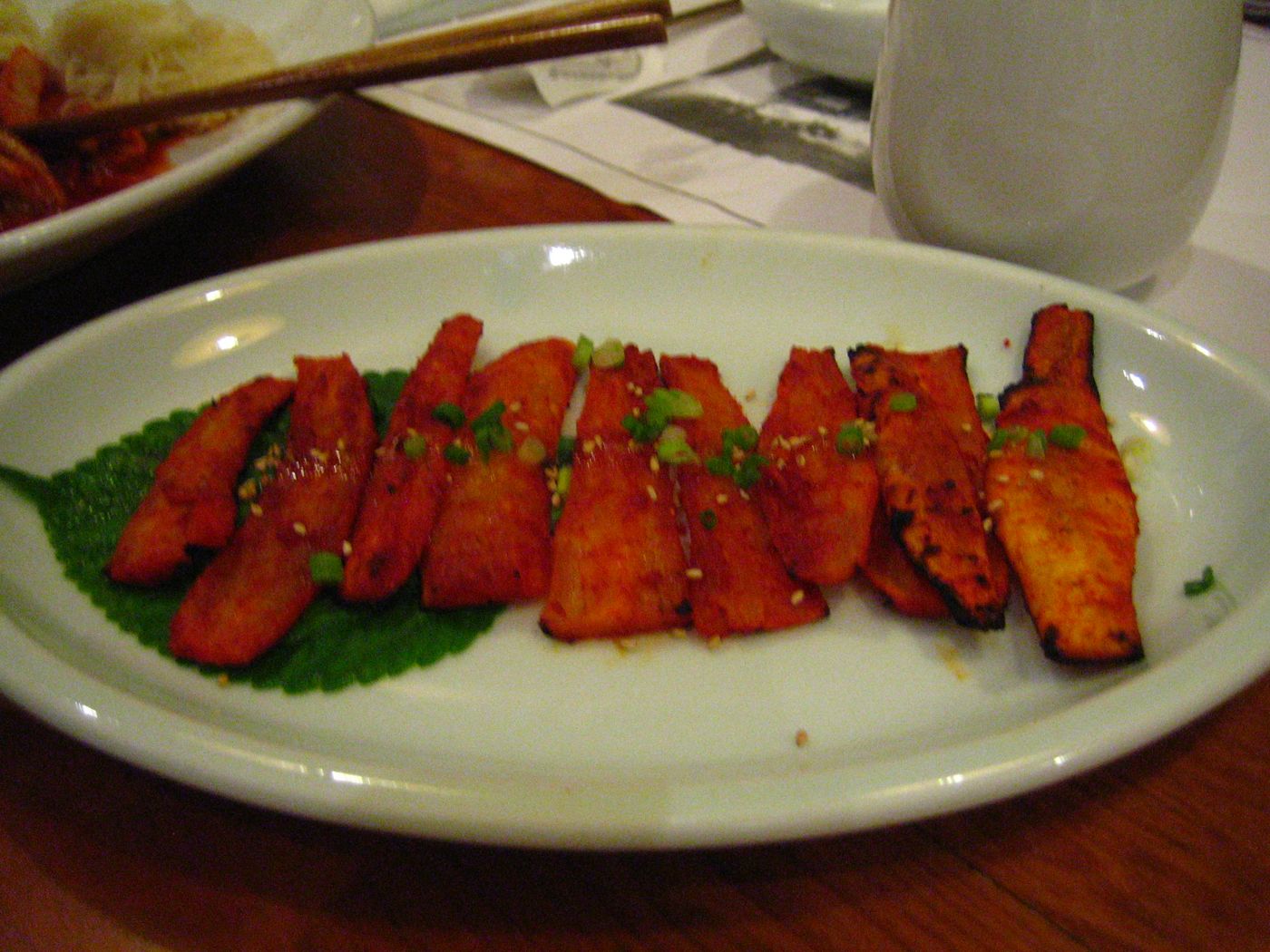 Deodeok Gui (Grilled Seasoned Deodeok)더덕구이Deodeok root pounded flat, brushed with sesame oil and soy, then grilled under a sweet gochujang glaze — chewy, fragrant and slightly bitter, often called meat from the mountains.
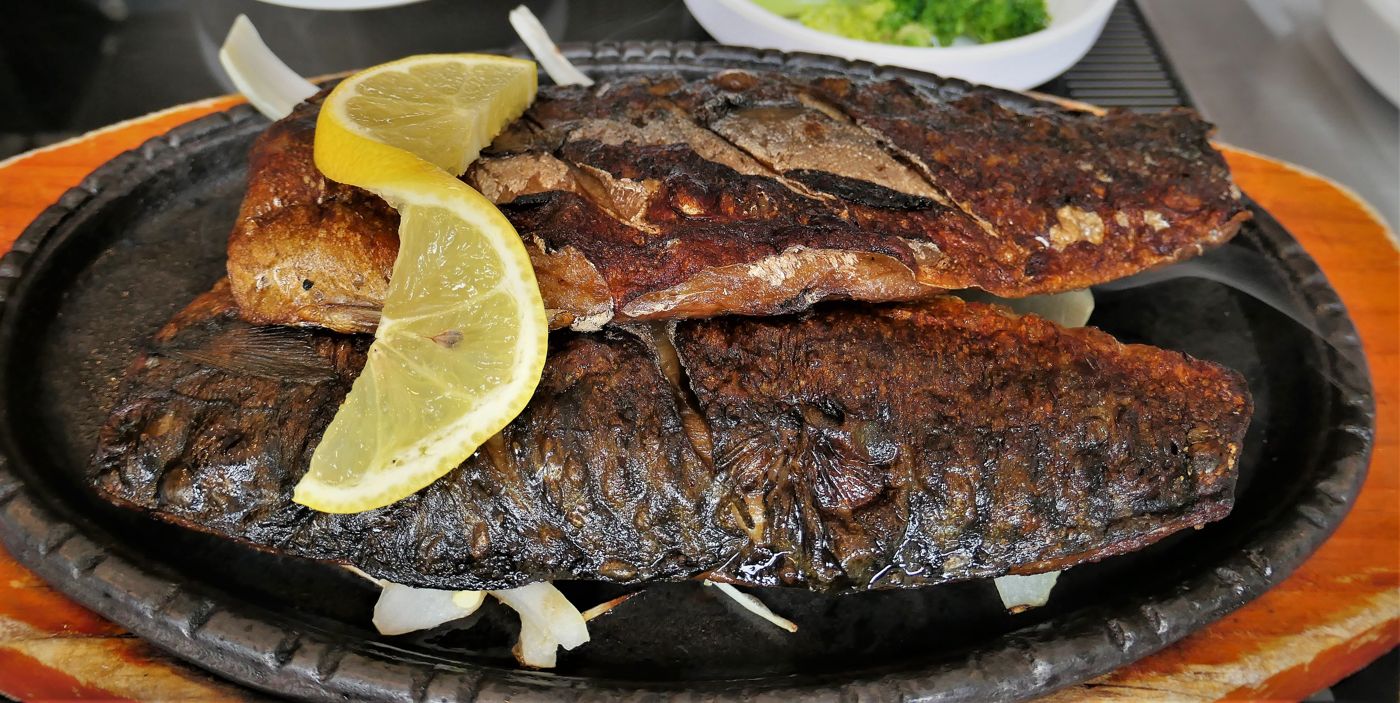 Godeungeo-gui (Grilled Mackerel)고등어구이Salted mackerel grilled or pan-fried until the skin crackles and the rich flesh flakes — one of the most common fish dishes on the Korean home table.
- Hwangtae Gui (Grilled Seasoned Dried Pollock)황태구이Winter-cured dried pollock softened, opened flat and grilled with a glossy gochujang glaze — tender, savory and a specialty of Gangwon's mountain drying yards.
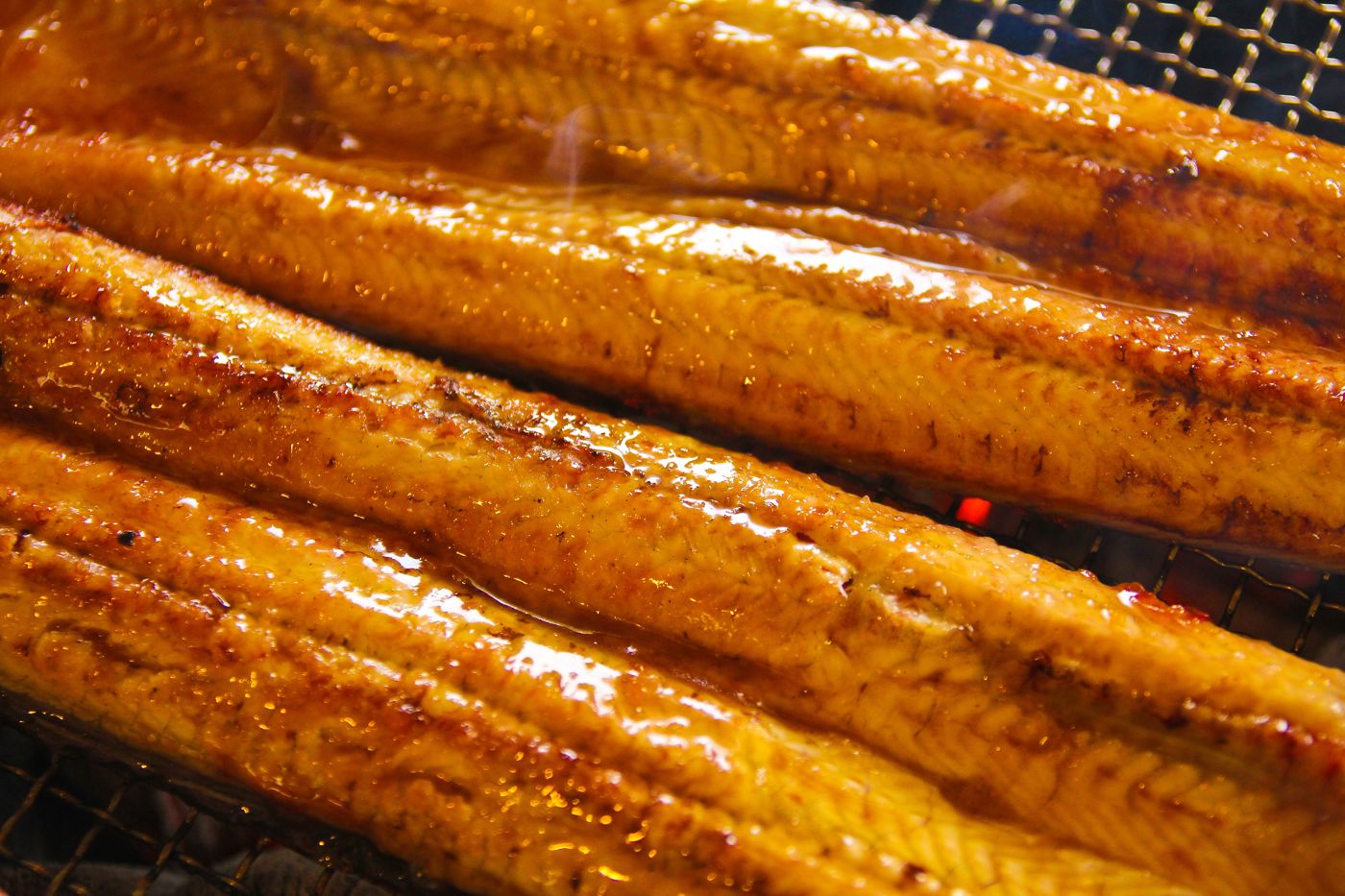 Jangeo-gui (Grilled Eel)장어구이Freshwater eel grilled over a flame, then brushed with a sweet-savory soy and gochujang glaze: a rich summer stamina dish tied to Gochang's pungcheon eel.
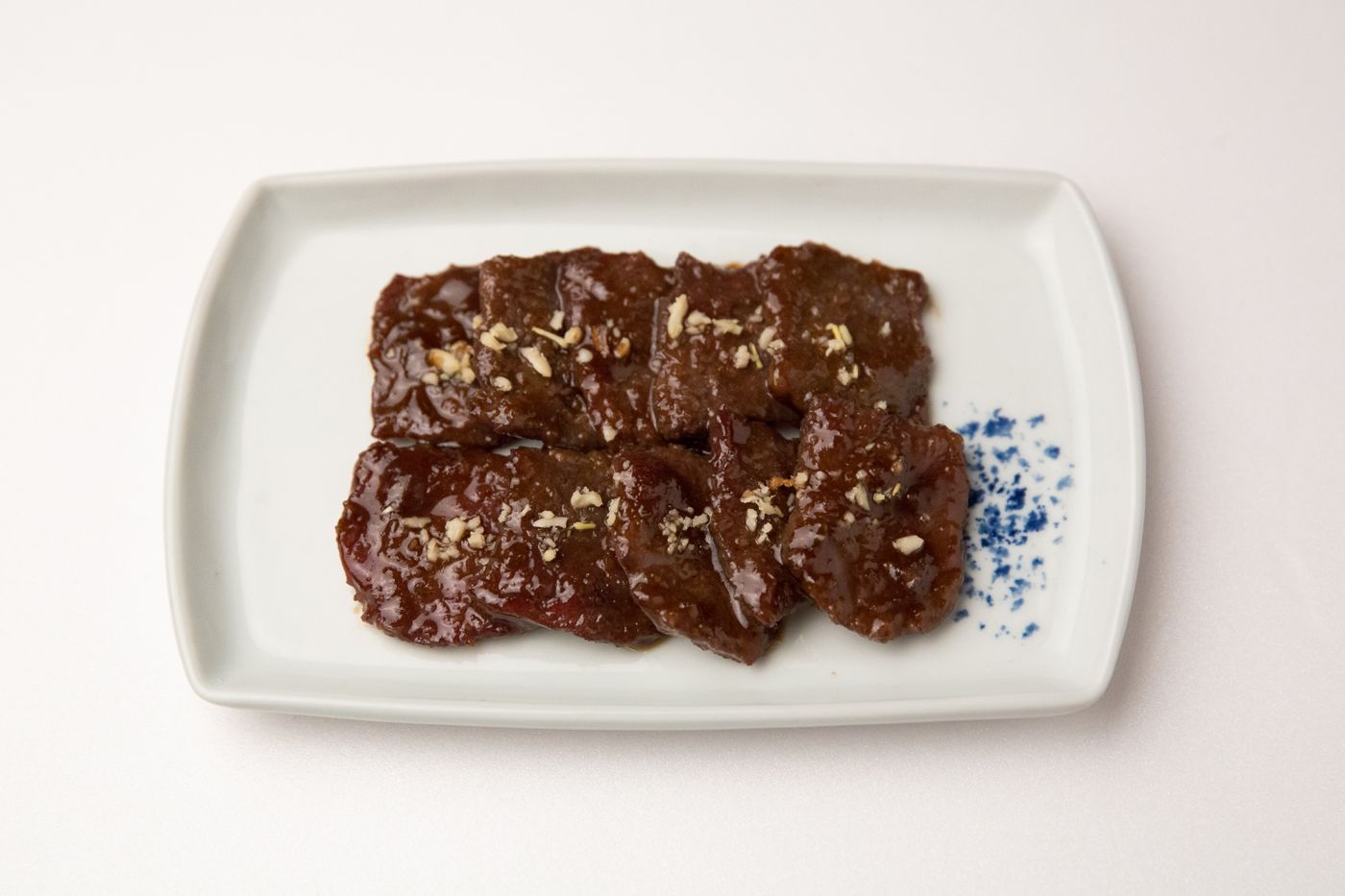 Neobiani (Court-Style Grilled Beef Slices)너비아니Broad, thin slices of beef marinated in soy, sugar, garlic and pear, then grilled lightly: the court and Seoul-household name for what is now usually called bulgogi.
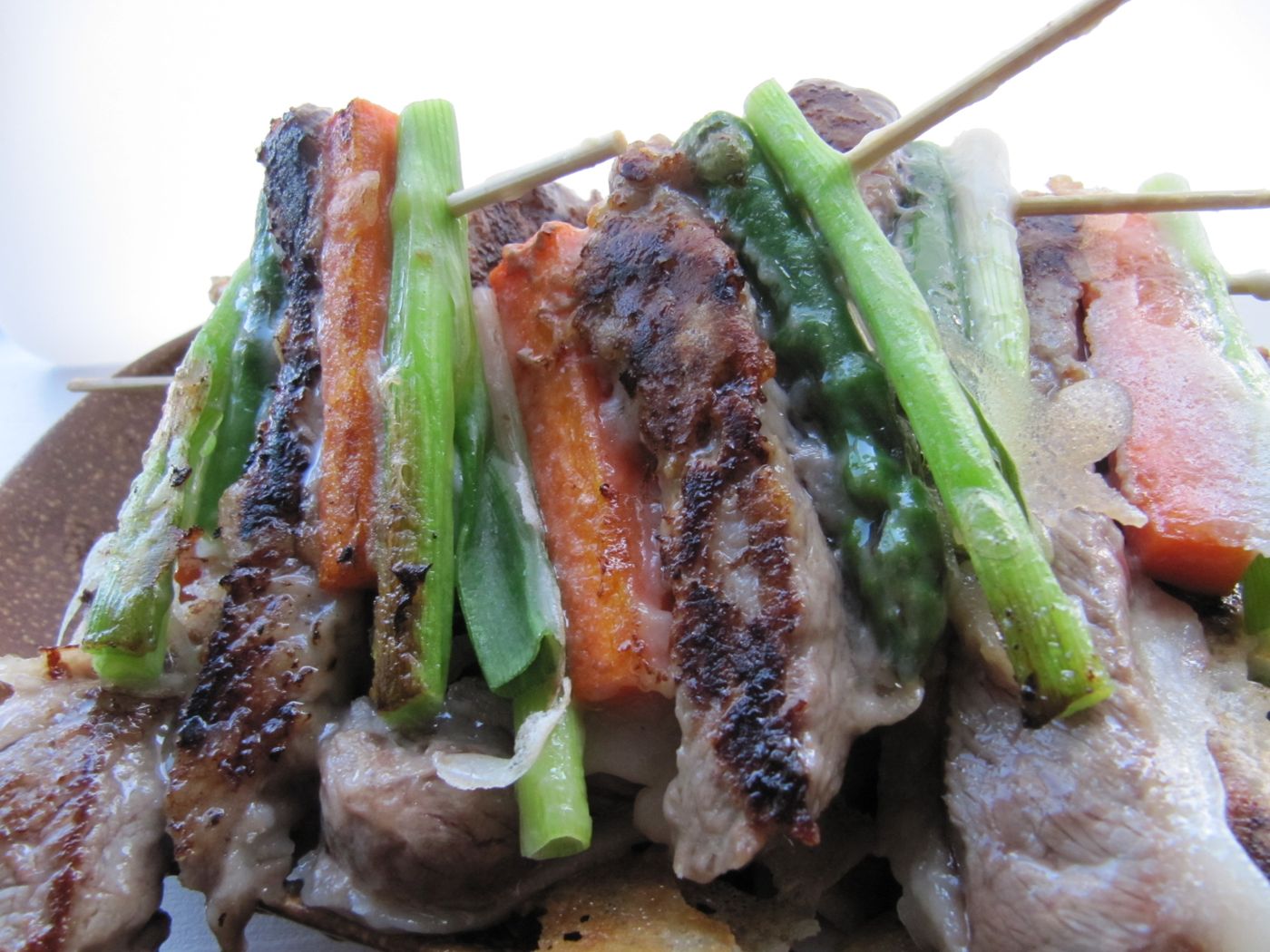 Pa-sanjeok (Green Onion and Beef Skewers)파산적Batons of marinated beef threaded on skewers with lengths of green onion and grilled — a classic sanjeok for holiday and ancestral-rite tables.
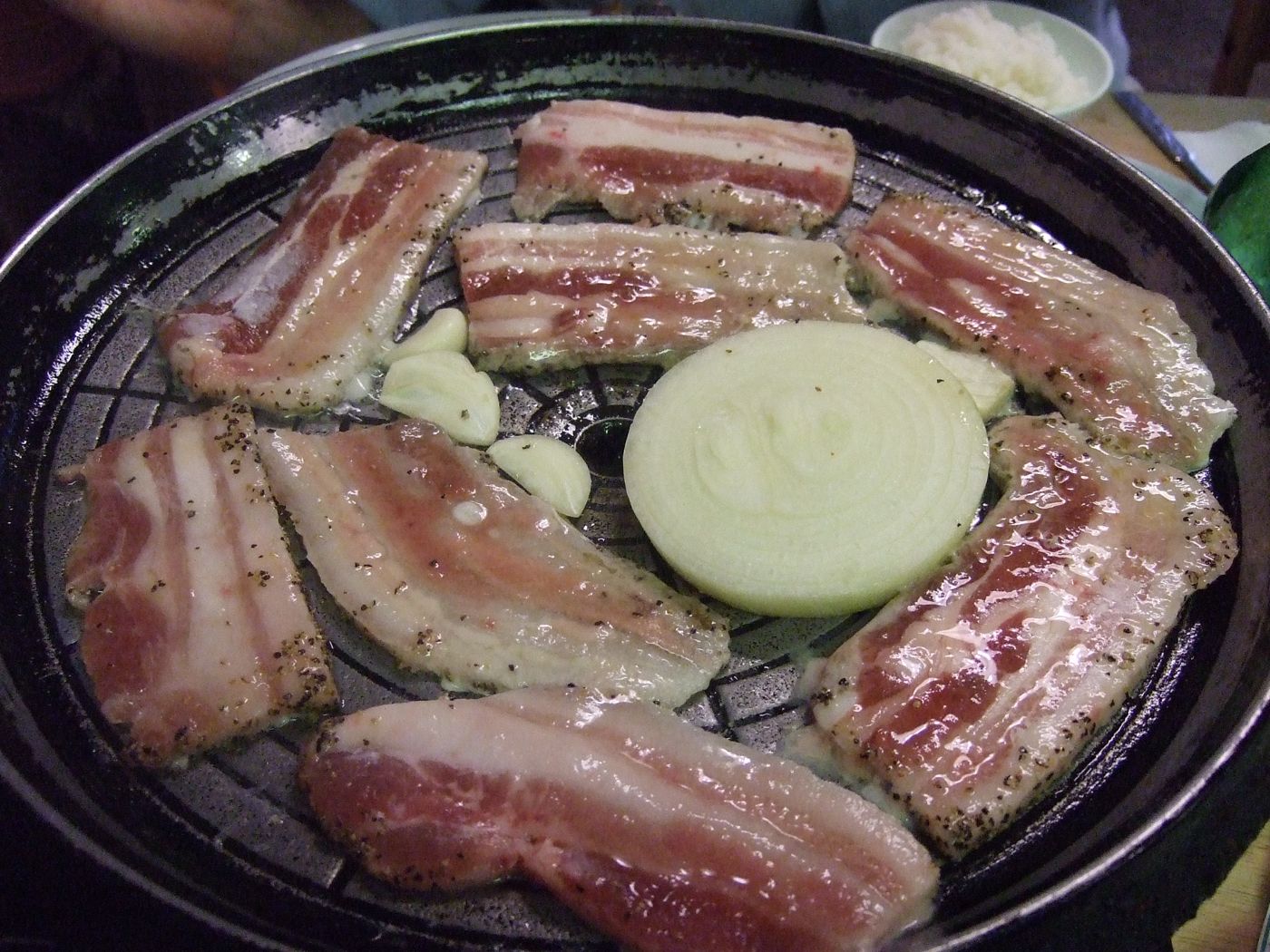 Samgyeopsal-gui (Grilled Pork Belly)삼겹살구이Thick, unseasoned slices of pork belly grilled at the table and wrapped in lettuce with garlic and ssamjang — Korea's favorite barbecue, though only since the late 1970s.
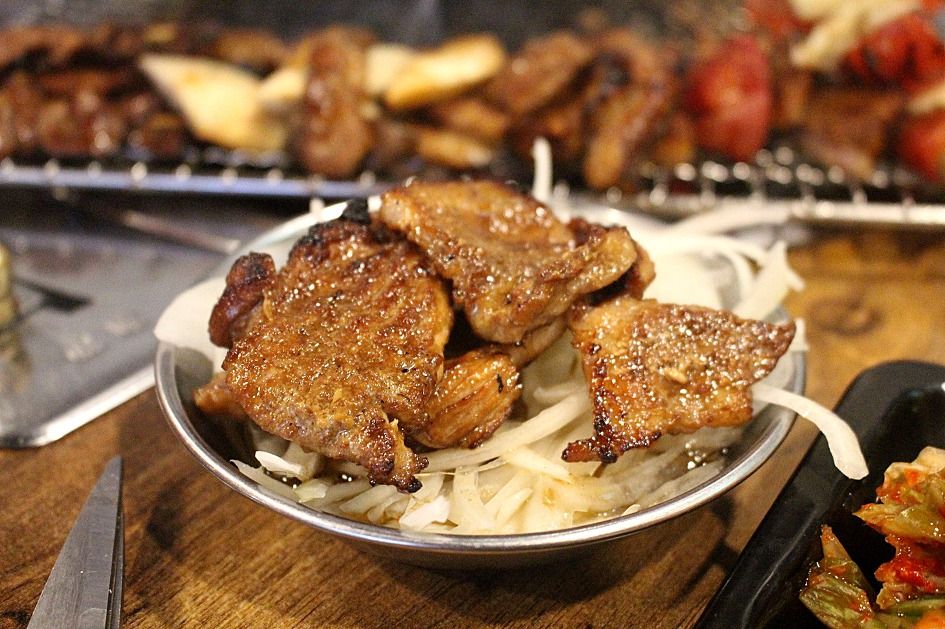 So-galbi-gui (Grilled Beef Short Ribs)소갈비구이Beef short ribs scored to the bone, marinated with soy, pear, garlic and sesame and grilled over charcoal — Korea's celebration barbecue, best known in Suwon's salt-seasoned style.
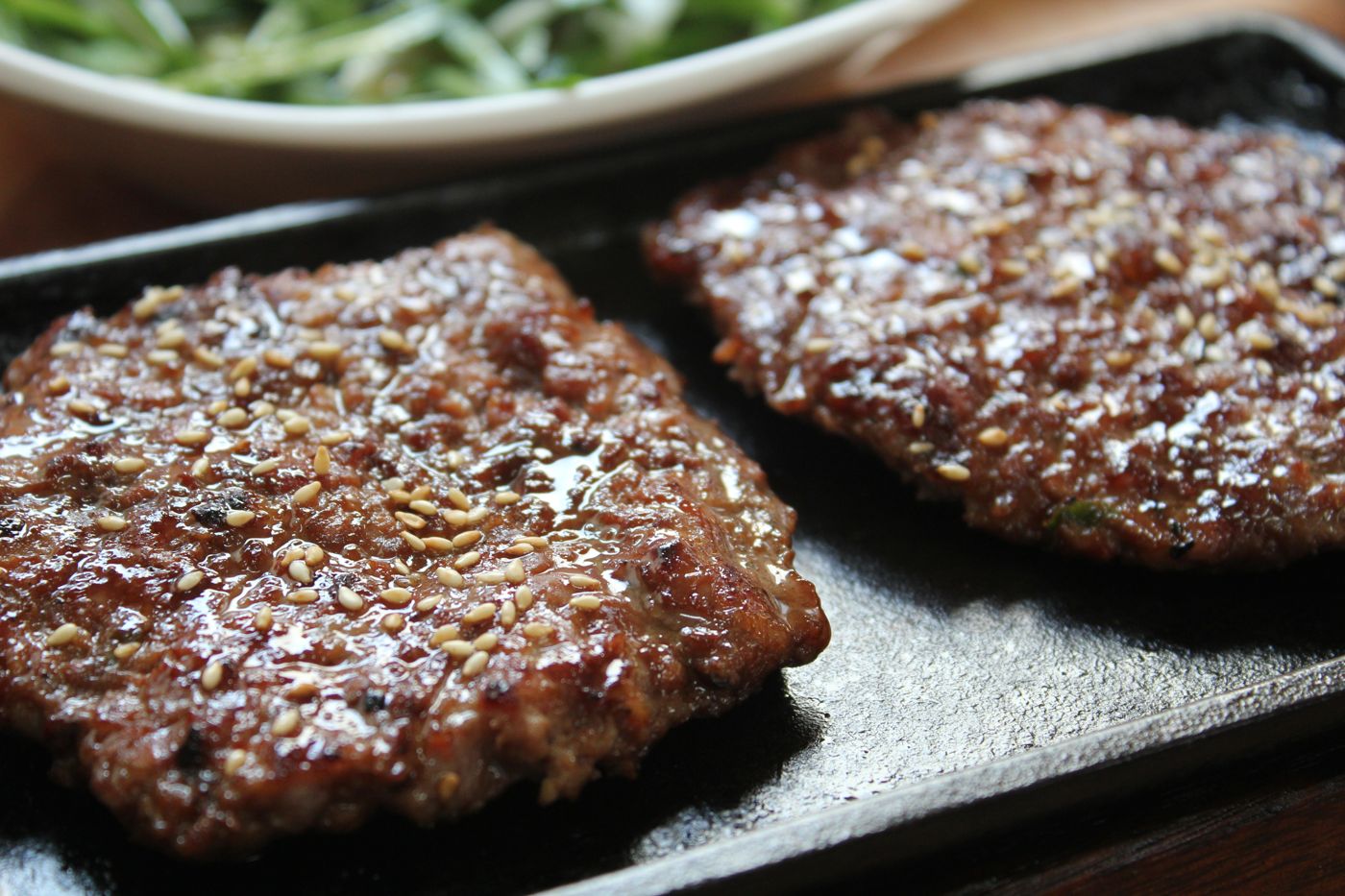 Tteokgalbi (Minced Short-Rib Patties)떡갈비Short-rib meat minced, seasoned sweet-savory and shaped into a patty, then grilled. Damyang presses it back onto the bone; Gwangju's Songjeong style is a flat boneless square.