Wellness
Sugar in Korean Food
한식과 당류
Where sugar and syrups hide in Korean cooking, from glossy jorim and bulgogi marinades to sweet drinks, how Korean intake compares with WHO advice, and easy ways to cut back.
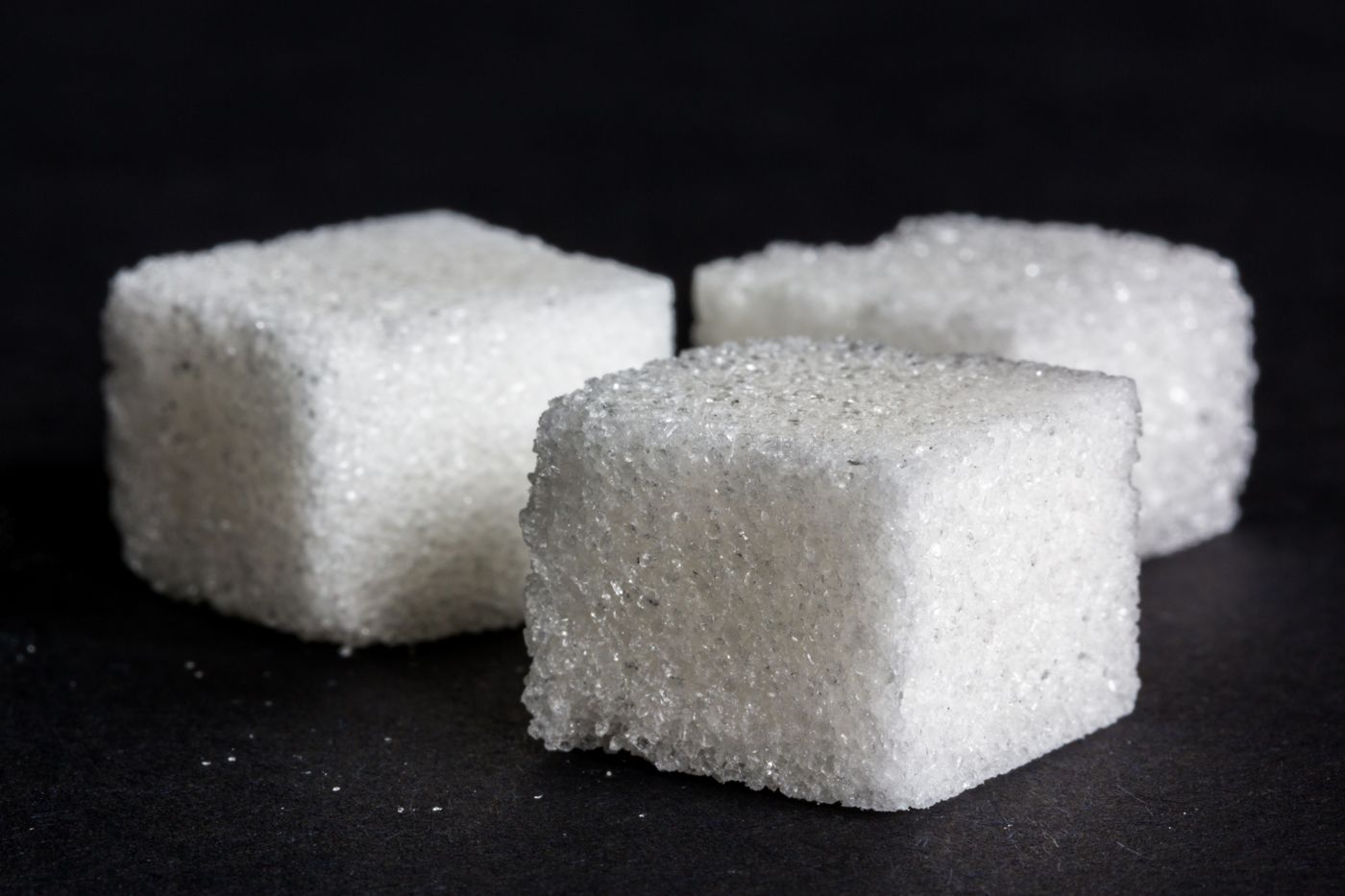 Photo: Dietmar Rabich, CC BY-SA 4.0, via Wikimedia Commons
Korean food is usually discussed in terms of salt and spice, but sweetness is part of the balance too. A spoonful of sugar rounds out a chili dressing, rice syrup gives braised dishes their gloss, and grated pear softens a beef marinade. Traditional sweets and drinks were once kept for special days, while modern restaurant and packaged foods have pushed the sweet note further. This page looks at where sugar appears and how to keep it in proportion.
The WHO guideline
The World Health Organization recommends that adults and children keep free sugars below 10 percent of daily energy, and suggests that going below 5 percent, roughly 25 g or six teaspoons a day for an adult, brings further benefit. Free sugars are those added to food and drink by a manufacturer, cook or diner, plus the sugars naturally present in honey, syrups and fruit juices. The guideline does not apply to sugars inside fresh fruit and vegetables or naturally present in milk. WHO links excess free sugars mainly to weight gain and tooth decay.
By that definition, the syrups of the Korean kitchen count. Mulyeot (rice or starch syrup), jocheong, honey and fruit syrups such as maesil-cheong are all free sugars, however traditional. The Korean Food Composition Table lists starch syrup at about 44 g of sugars and 79 g of total carbohydrate per 100 g; the rest of its carbohydrate is longer starch chains that still supply energy.
Where sugar shows up
- Jorim and glazes: Soy-braised banchan such as kongjaban, lotus root and myeolchi-bokkeum are often finished with syrup or sugar for shine and balance. See jorim braising.
- Marinades: Bulgogi and galbi-jjim are seasoned with sugar, pear or both. The Korean Food Composition Table entry for beef bulgogi marinade lists about 28 g of sugars per 100 g of marinade, though much of it stays in the pan or bowl.
- Sauces and pastes: Gochujang usually contains a sweetener, and chogochujang dipping sauce often adds more. Many quick dressings for musaengchae or cucumber salads include a teaspoon or two.
- Sweet drinks: Sikhye and sujeonggwa are traditional; the composition table lists canned sikhye at about 6 g of sugars per 100 g. Canned soft drinks, sweetened coffee mixes and fruit-flavored drinks are the modern equivalents.
- Street food and modern dishes: Tteokbokki sauce, sweet-glazed fried chicken, hotteok and bungeoppang all lean sweet. See Korean street food.
- Store-bought banchan: Packaged jorim, bokkeum and sauces vary widely, so check the sugars line on the label.
What Korean data show
The Korea Disease Control and Prevention Agency (KDCA) tracks sugar through the Korea National Health and Nutrition Examination Survey (KNHANES). A 2026 KDCA analysis found that average total sugar intake fell from 67.9 g a day in 2016 to 59.8 g in 2023, or from 19.2 to 16.9 percent of energy. Beverages and tea were the largest source, followed by fruit, and people with the highest intakes drank far more sweetened beverages. The authors note a limitation: Korea does not yet have a database for added or free sugars, so these figures include sugars from fruit and milk and cannot be compared directly with the WHO limit.
The Ministry of Food and Drug Safety has estimated sugar from processed foods instead. In its 2024 report, average intake from processed foods was 34.6 g a day in 2022, or 7.6 percent of energy, within the WHO limit on average. Teenagers aged 12 to 18 averaged 10.3 percent, and children and young adults were close to 10 percent. The ministry also noted that beverage consumption had grown while sugar from drinks had not, as more people chose sparkling water and black coffee instead of soda and sweetened coffee mix.
Practical swaps
- Halve, then taste: Most jorim and marinade recipes still work with half the sugar or syrup. Add the rest only if the dish tastes flat.
- Let aromatics do the work: Onion, Korean radish and slowly cooked garlic bring natural sweetness to braises and stocks.
- Use pear for texture, not as a free pass: Grated Korean pear tenderizes and sweetens, but it is still a source of sugar; use it instead of, not in addition to, the sugar.
- Drink unsweetened by default: Barley, corn and other traditional teas served plain, or water, keep sikhye and soft drinks for occasions.
- Balance the table: One glossy jorim alongside several plain namul keeps the overall meal light. See the balanced Korean meal.
People managing blood sugar for a medical reason should follow the plan agreed with their healthcare team.
Sources
- 01WHO calls on countries to reduce sugars intake among adults and children (March 2015) — World Health Organization
- 02당 섭취 현황: 국민건강영양조사를 이용하여 (Sugar intake status using KNHANES, 2016–2023) — Korea Disease Control and Prevention Agency, Public Health Weekly Report, 2026
- 03식약처, 국민의 나트륨·당류 섭취 실태분석 결과 발표 (MFDS sodium and sugar intake analysis, June 2024)
- 04Korean Food Composition Table: Bulgogi marinade, Beef — National Institute of Agricultural Sciences
- 05Korean Food Composition Table: Starch syrup — National Institute of Agricultural Sciences
- 06Korean Food Composition Table: Sikhye, Sweet rice beverage made from malt, Canned — National Institute of Agricultural Sciences