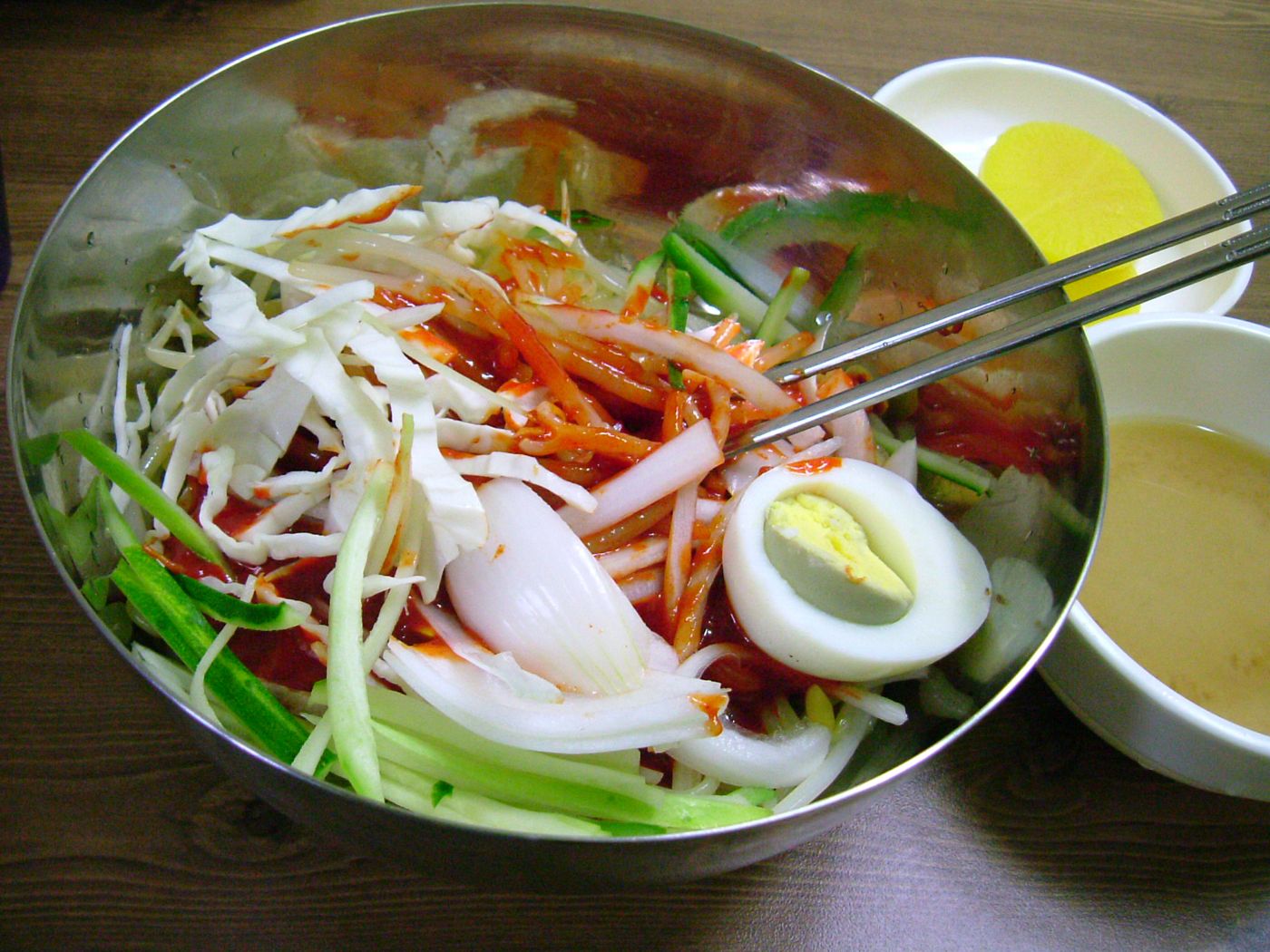
 Photo: keizie, CC BY 2.0, via Wikimedia Commons
Myeon · Noodles 면
Jjolmyeon (Chewy Spicy Noodles)
쫄면
Romanization: jjolmyeon
Thick, rubbery-chewy wheat noodles tossed cold in a sweet-sour gochujang sauce with cabbage, sprouts and egg — a snack-bar classic invented in 1970s Incheon.
- Serves
- 2
- Prep
- 15 min
- Cook
- 10 min
RegionIncheon
Jump to recipeRecipe
Ingredients · Serves 2
- 300 gJjolmyeon noodlesfresh refrigerated, or 200 g dried
- 3 tbspGochujang
- 1 tbspGochugaru
- 3 tbspVinegar
- 2 tbspSugaror part corn syrup
- 1 tspSoy sauce
- 2 clovesGarlicgrated
- 1 tbspToasted sesame oil
- 1 tspToasted sesame seeds
- 80 gGreen cabbagefinely shredded
- 60 gCucumberjulienned
- 30 gCarrotjulienned
- 80 gSoybean sproutsblanched 3 minutes and cooled
- 1 largeEgghard-boiled and halved
Method
Technique: Yangnyeom: Seasoning Basics
Step 1: Stir together the gochujang, gochugaru, vinegar, sugar, soy sauce, garlic, sesame oil and sesame seeds. Taste: it should be hot, sour and sweet all at once.
Step 2: Separate the noodle strands with your fingers; fresh jjolmyeon is often packed tight and dusted with starch.
Step 3: Boil the noodles in plenty of water for 3–4 minutes (follow the package), stirring at first so they don't stick.
Step 4: Drain and rinse under cold running water, rubbing well to remove the surface starch, until completely cold. Drain thoroughly — leftover water dilutes the sauce.
Step 5: Divide the noodles between two wide bowls, pile the cabbage, cucumber, carrot and sprouts on top, add half an egg and spoon over the sauce. Mix well before eating.
Origin & History
Few Korean noodles have as clear a birthplace as jjolmyeon. The folk encyclopedia's entry, by Pyeon Seong-cheol, and the Encyclopedia of Korean Culture agree it appeared in Incheon in the early 1970s; the name comes from jjolgit-hada, chewy. They also agree that the storytelling diverges over how. In the version most often repeated in newspapers and magazines, Gwangsin Jemyeon, a noodle factory in Gyeong-dong, Jung-gu, was so busy with naengmyeon orders that a worker fitted the wrong die to the extruder and turned out a batch of thick noodles; the factory gave them free to Matnadang, a nearby snack bar, which mixed them with vinegared chili paste and vegetables. The folk encyclopedia attributes this story to the factory's owner, a woman named Jang Bo-seong, while noting that nobody knows where it started.
The other version, from an interview with noodle maker Jeong Don-si, says the noodle was deliberate. The Encyclopedia of Korean Culture records that Jeong received the first noodle-manufacturing license issued by Incheon's Nam-gu office around March 1970, supplied noodles to the jajangmyeon kitchens of Chinatown, and developed a thick, tough strand to widen his range, which he sold to Matnadang. The noodle was so elastic that people likened it to rubber bands, and a sharp, spicy sauce made it sell. Gwangsin Jemyeon still operates and advertises itself as the first maker; the folk encyclopedia reads the competing claims as one about making the noodle and one about serving the dish.
What turned a local curiosity into a national snack was Park Gi-nam, who sold dumplings at Sinpo Market under the name Urijip, today Sinpo Urimandu. The Encyclopedia of Korean Culture credits him with refining the flour-and-starch blend and the sauce, and with building a factory in Gimje in 1987 to supply chain shops across the country. The setting matters too: government campaigns of the 1960s and 70s pushed wheat foods to save rice, and Incheon's port and rail links had drawn flour mills, including Daehan Jebun from late 1952, along with many noodle factories and snack bars. Jjolmyeon became cheap, filling student food; Samyang Foods packaged it in 1985 and Korea Yakult in 1992. See Incheon, Korean street food and food in modern Korea.
Key Ingredients
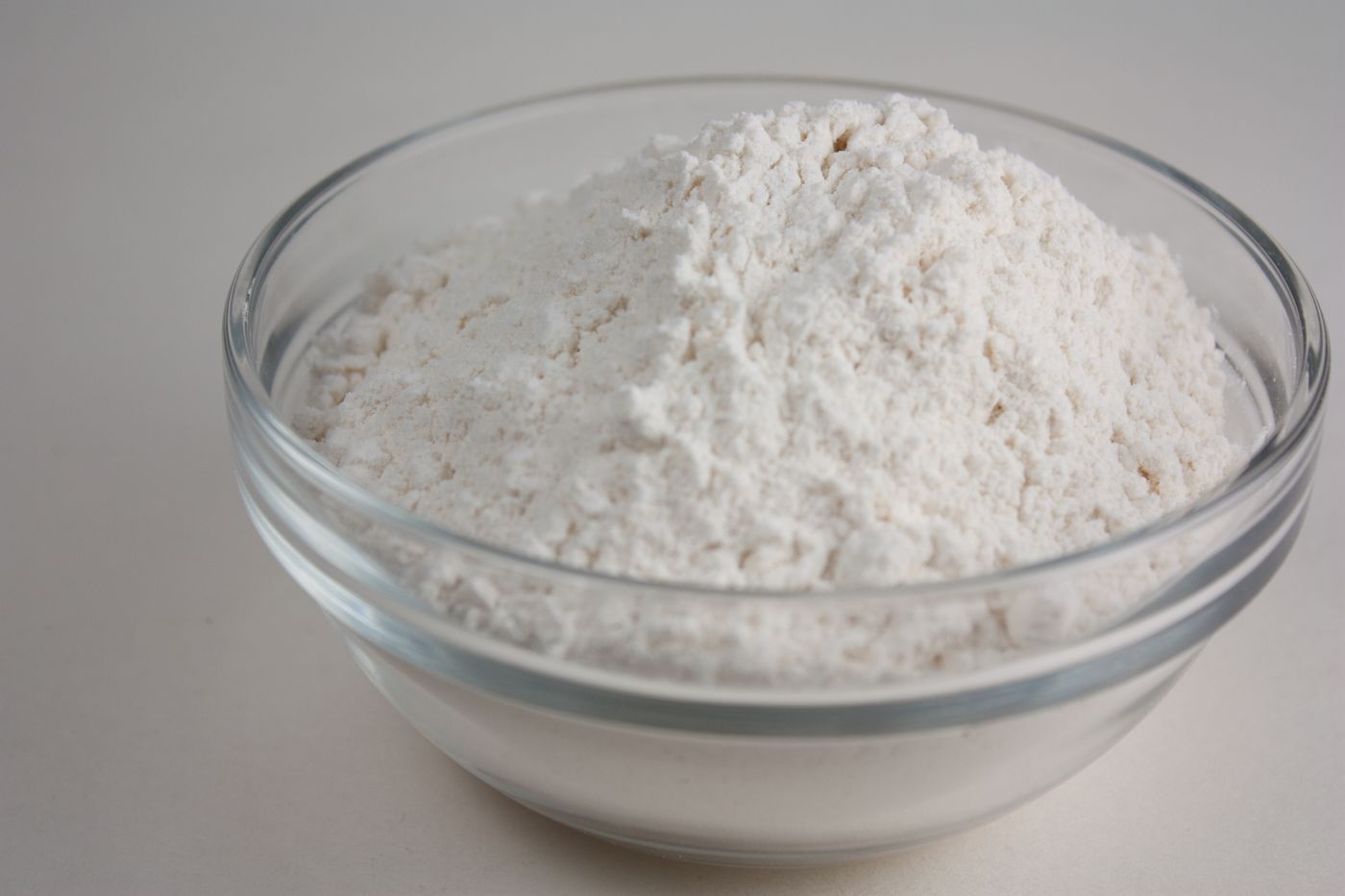 Wheat flour밀가루Finely milled wheat flour, the base of Korean noodles, dumpling wrappers, pancake batters and ramyeon. A luxury for most of Korean history, it became an everyday staple only after the Korean War, when American aid flour flooded the market.
- Gochujang고추장Fermented red chili paste — sweet, savory and hot. Made from meju powder, glutinous rice, malt and gochugaru, it is a later addition to Korea's family of jang.
 Gochugaru고춧가루Korean red chili powder, made from dried red peppers ground coarse or fine. It gives kimchi, gochujang and countless banchan their color and warmth.
- Korean Vinegar식초Vinegar in the Korean kitchen, from naturally fermented grain and fruit vinegars, such as persimmon vinegar, to everyday brewed vinegar. It sharpens muchim, pickles and the dipping sauce chogochujang.
 Soy sauce간장Korean soy sauce, in two main kitchen forms: pale, salty guk-ganjang (soup soy sauce) brewed the traditional way from meju, and darker, sweeter jin-ganjang for braises and marinades.
 Garlic마늘Used raw, minced, pickled and roasted, garlic is one of the essential aromatics of Korean food — in seasonings, marinades, kimchi and namul.
 Sesame참깨Toasted sesame seeds and sesame oil (chamgireum) finish countless Korean dishes, adding a nutty aroma and gloss.
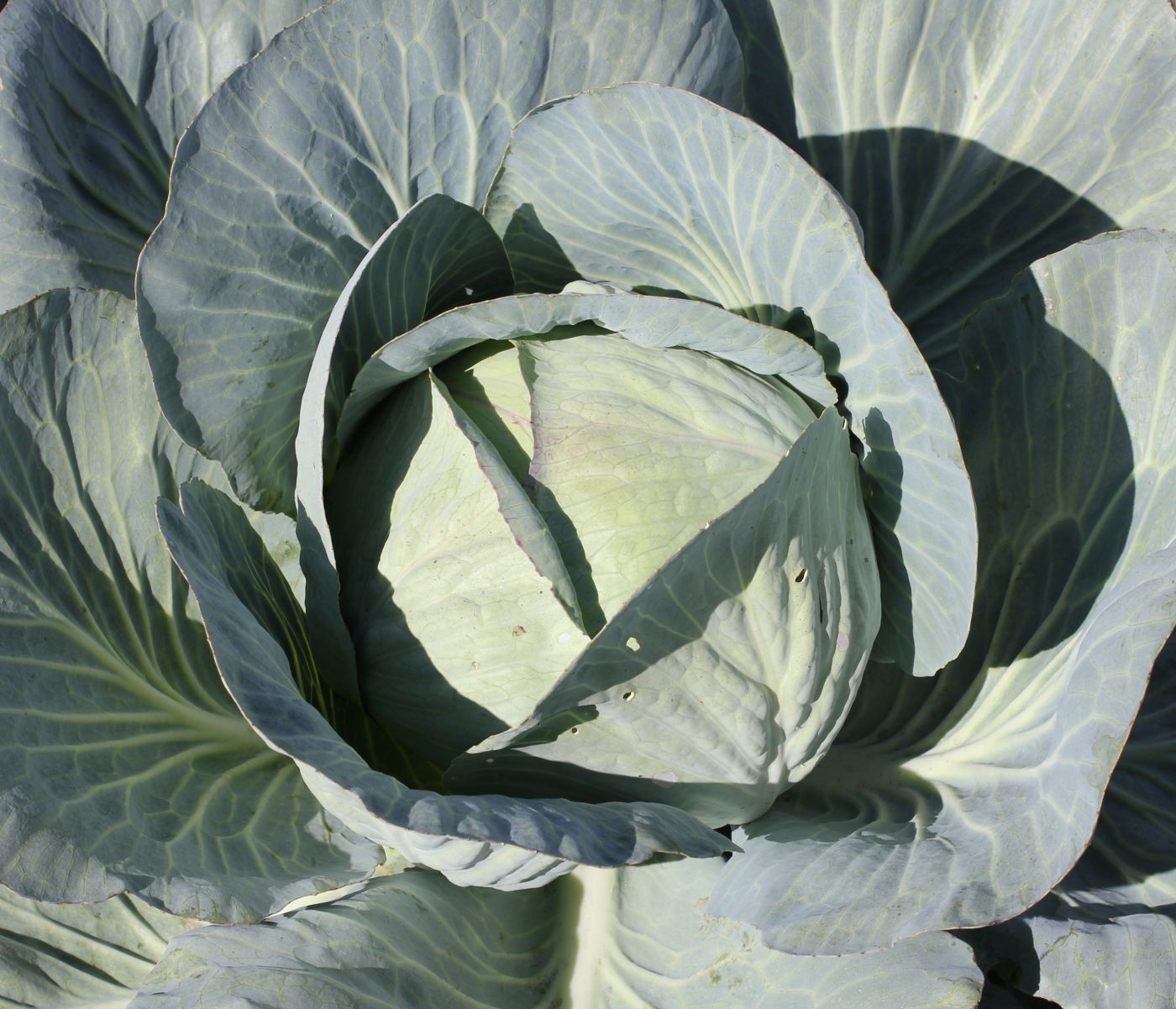 Yangbaechu (cabbage)양배추The round, tightly headed European cabbage — the "Western baechu." Crunchy and sweet, it is shredded raw, made into quick kimchi, steamed as a wrap and stir-fried into dakgalbi and tteokbokki.
- Cucumber오이Slender, thin-skinned Korean cucumbers, prized for their crunch. Stuffed and fermented as oi-sobagi, dressed quickly as oi-muchim, salted into oiji or floated in chilled summer soup.
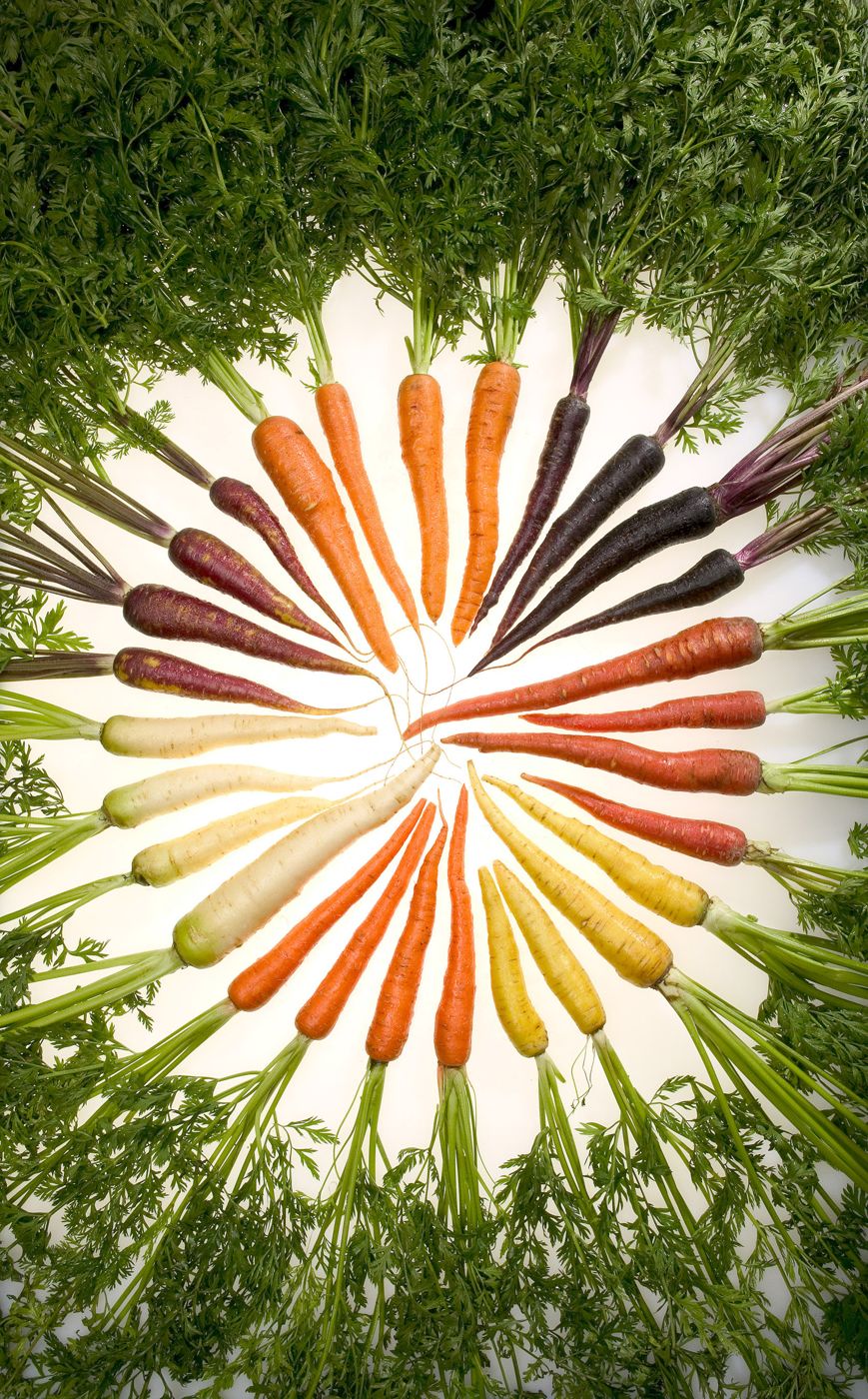 Danggeun (carrot)당근The orange root that brings color to the Korean table: julienned into japchae and gimbap, shredded into jeon batters, stir-fried with dakgalbi. Korea's sweetest winter carrots come from the volcanic fields of eastern Jeju.
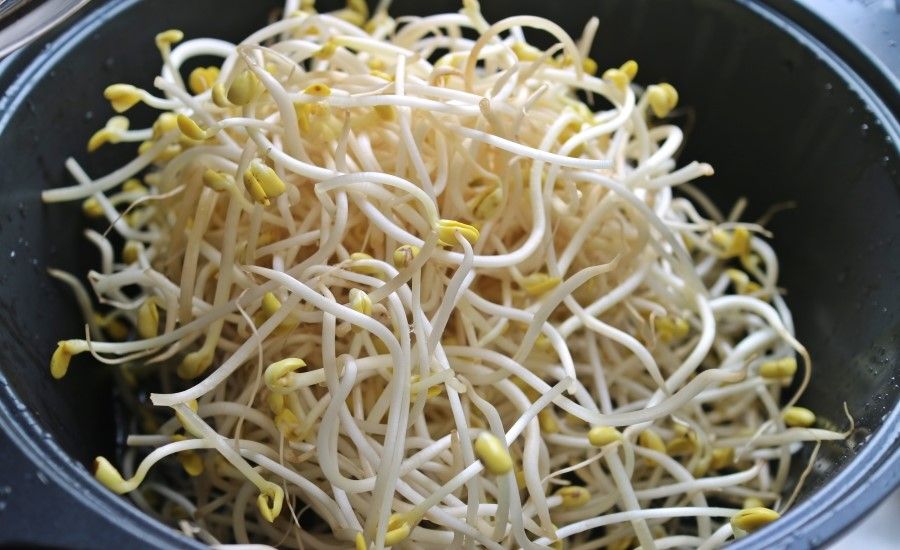 Soybean sprouts콩나물Soybeans sprouted in the dark until they grow long, pale stems topped with a yellow bean. A staple of everyday Korean cooking in kongnamul-muchim, clear sprout soup and sprout rice.
- Egg (gyeran)계란The everyday protein of the Korean table: rolled into gyeran-mari, steamed into puffy gyeran-jjim, simmered in soy for gyeran-jangjorim, and cut into thin yellow and white ribbons of jidan to garnish soups and noodles.
Nutrition
| Calories | ~645 kcal |
|---|---|
| Protein | ~21 g |
| Fat | ~14 g |
| Carbohydrates | ~111 g |
| Fiber | ~6.7 g |
| Sodium | ~2570 mg |
Notable forVitamin A · Folate · Vitamin C
Estimated by summing Korean Food Composition Table values for dried jjolmyeon noodles (A0180060001a, 쫄면 말린것; 200 g used as the equivalent of the fresh noodles), gochujang (R0050010009a) and red pepper powder (R0070000005a) with USDA FoodData Central (SR Legacy) values for cabbage (FDC 169975), cucumber (FDC 168409), carrot, sprouted soybeans (FDC 169284), whole egg (FDC 171287), sugar, distilled vinegar, soy sauce, garlic, sesame oil and sesame seeds, divided by 2. The noodles contain added salt — about 1,700 mg sodium per serving before cooking — and some of it is lost to the cooking water. Actual values vary with ingredients, portion size and preparation.
Health Benefits
- Raw and blanched vegetables: cabbage, carrot, cucumber and soybean sprouts make a generous topping, adding vitamin A, vitamin C and folate.
- Egg: the boiled egg adds protein to an otherwise starch-heavy dish.
- Low in fat: with no meat and one spoon of sesame oil, the dish is moderate in fat for a noodle meal.
Regional Variations
- Bibim jjolmyeon: by far the most common form — cold noodles with a gochujang, vinegar and sugar sauce, cabbage, cucumber, bean sprouts and a boiled egg.
- Mul-jjolmyeon and jjol-udong: jjolmyeon served in broth, sold in some areas according to the folk encyclopedia.
- Jjolmyeon sari: a portion of the noodles added hot to tteokbokki or dakgalbi.
- Little regional variation: the folk encyclopedia observes that because the dish spread through school-gate snack bars, flavor and toppings barely differ across the country.
Pairings
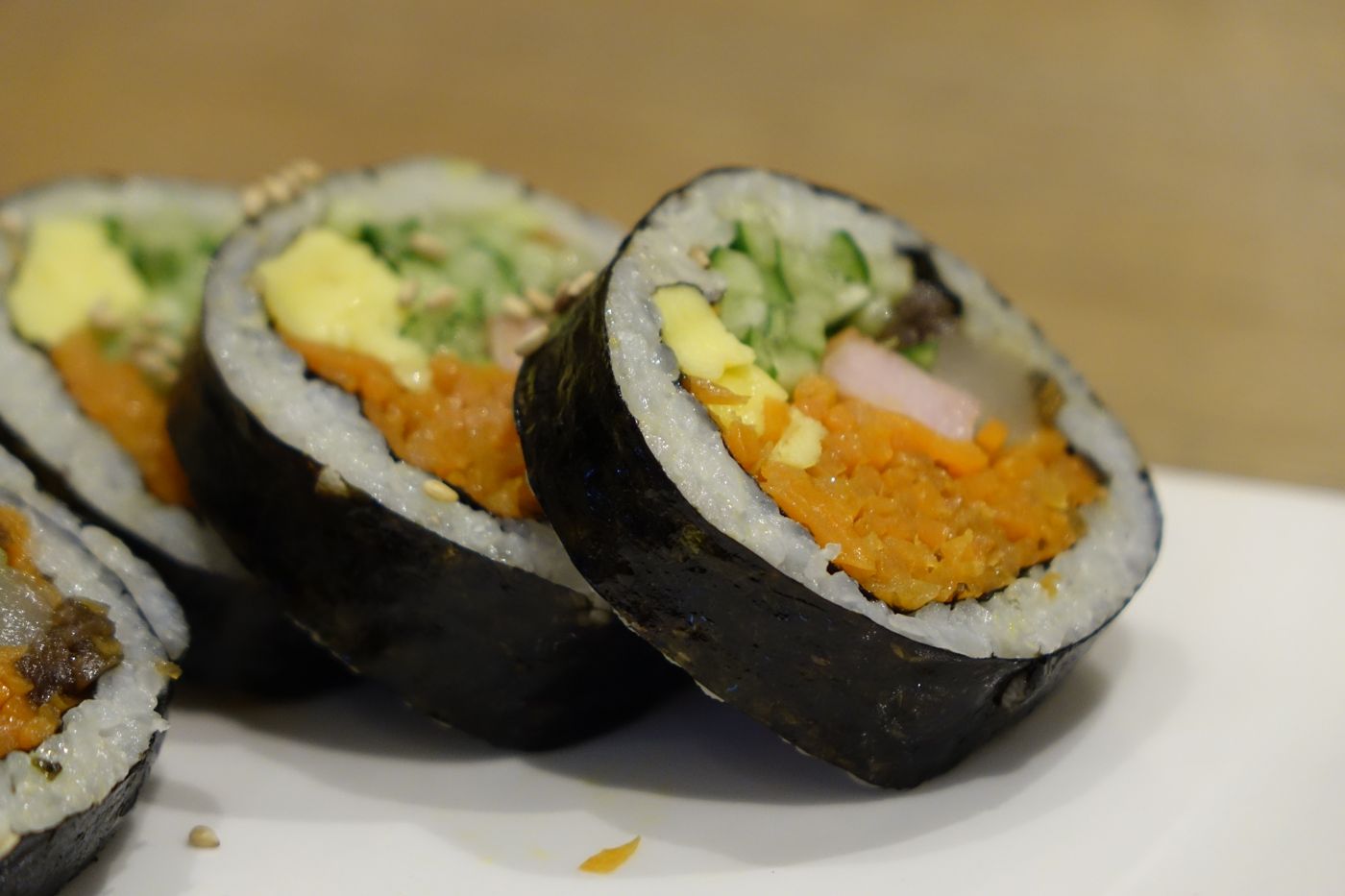 Gimbap (Seaweed Rice Rolls)김밥Rice seasoned with sesame oil and salt, rolled in laver around strips of spinach, egg, carrot and pickled radish, then sliced — Korea's classic picnic and lunchbox food.
 Mandu (Korean Dumplings)만두Thin wrappers folded around pork, tofu, kimchi and sprouts, then steamed or boiled — a Goryeo-era arrival from China that became a winter staple of the North.
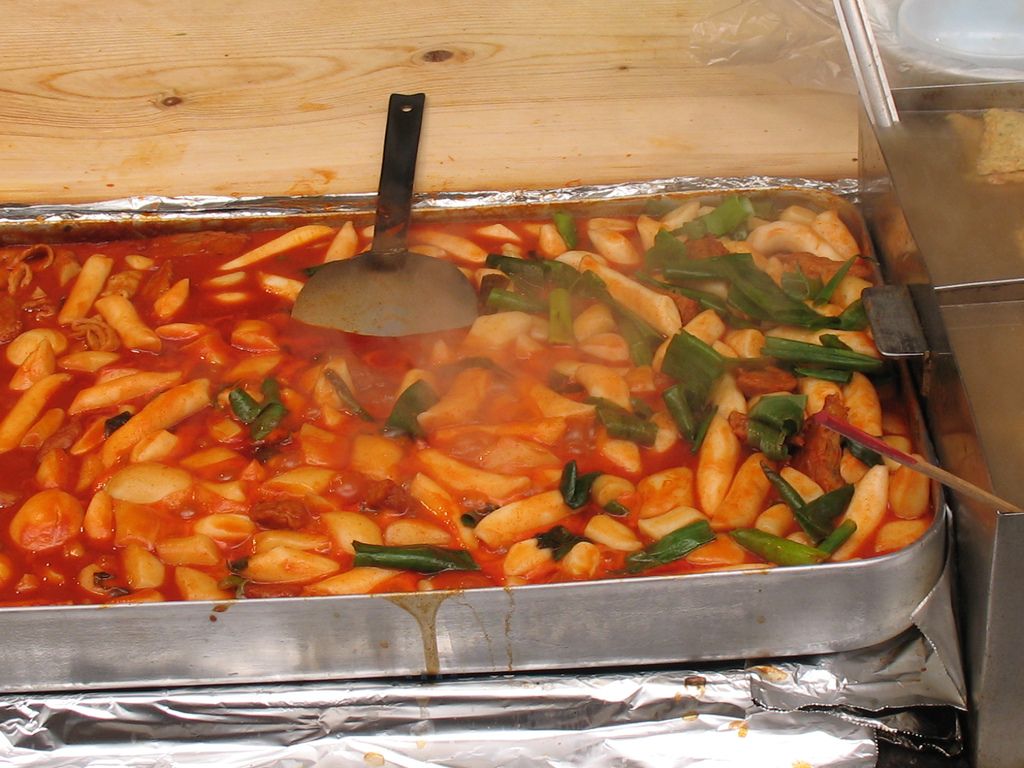 Tteokbokki (Spicy Stir-fried Rice Cakes)떡볶이Chewy rice cakes simmered in a sweet, fiery gochujang sauce with fish cake and green onion — a postwar street snack with roots in a refined soy-sauce court dish.