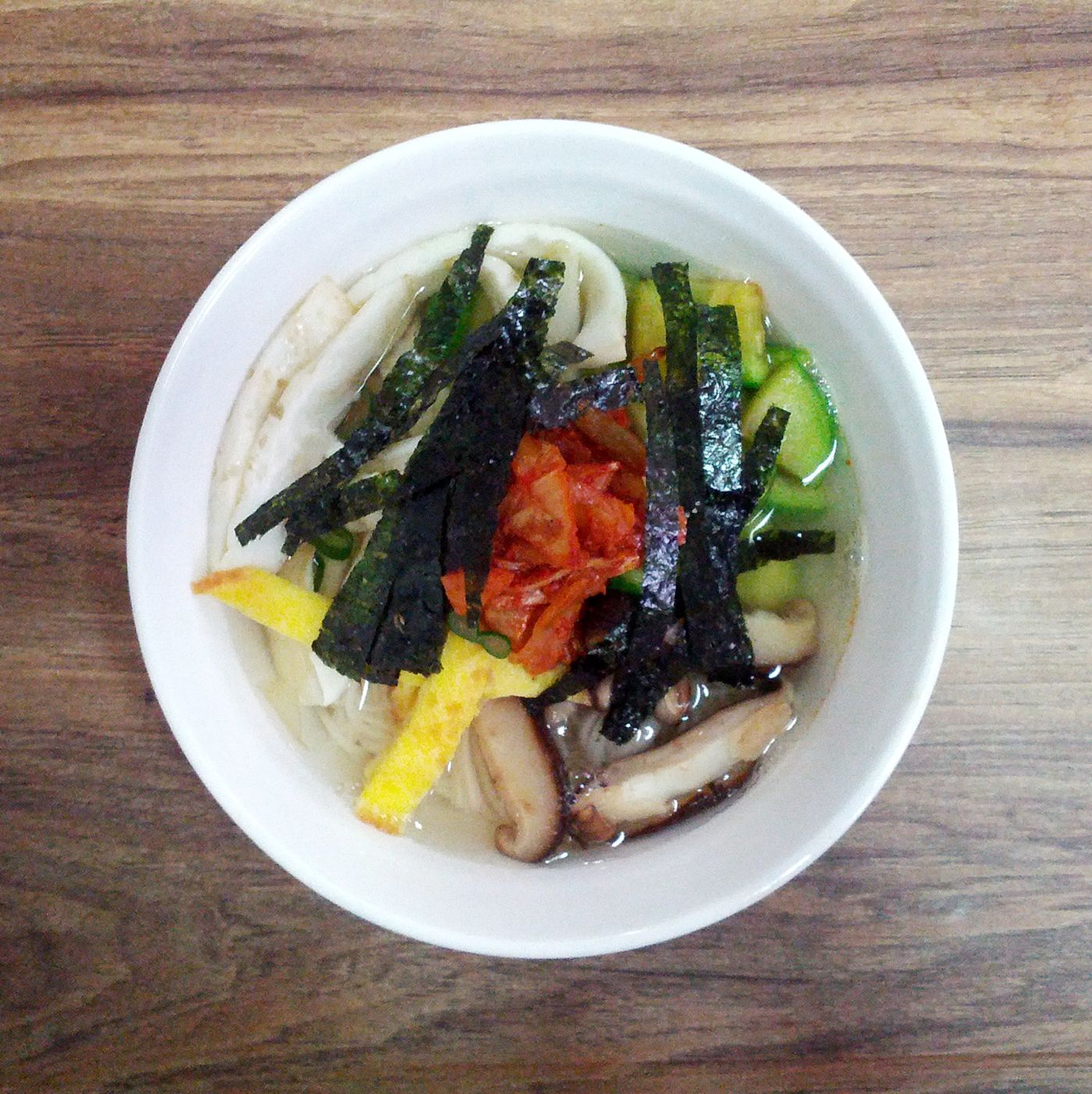
 Photo: Dana Yi, CC BY-SA 2.0, via Wikimedia Commons
Myeon · Noodles 면
Janchi Guksu (Banquet Noodles)
잔치국수
Romanization: janchi-guksu
Thin wheat noodles in a hot, clear anchovy or beef broth, topped with egg strips, zucchini and kimchi — the long-life noodles served at weddings and birthdays.
- Serves
- 4
- Prep
- 20 min
- Cook
- 30 min
RegionBusan
Jump to recipeRecipe
Ingredients · Serves 4
- 400 gSomyeon (thin dried wheat noodles)
- 30 gDried anchoviesheads and guts removed
- 1 pieceDashima (kelp)about 10 cm square
- 2.2 lWater
- 1 tbspSoup soy sauce (guk-ganjang)
- ½ tspSaltor to taste
- 150 gKorean zucchini (aehobak)julienned
- 1 tspNeutral cooking oil
- 2 Eggsfor egg-sheet strips
- 150 gNapa cabbage kimchifinely chopped
- 1 sheetGim (laver)toasted and crumbled
- 2 tbspSoy saucefor the seasoning sauce
- 1 tspGochugarufor the sauce
- 1 stalkGreen onionfinely chopped, for the sauce
- 1 cloveGarlicminced, for the sauce
- 1 tsp eachToasted sesame oil and seedsfor the sauce
Method
Technique: Making Yuksu: Anchovy-Kelp Stock, Gomyeong: Korean Garnishes
Step 1: Simmer the anchovies and dashima in the water for 15 minutes; lift out the dashima after 5 minutes. Strain, then season the stock with the soup soy sauce and salt. Keep it hot; it should taste a little salty, since the noodles will dilute it.
Step 2: Sauté the zucchini in the oil with a pinch of salt for 1 minute, until just bright. Beat the eggs, cook as thin sheets in a lightly oiled pan over low heat, and cut into fine strips.
Step 3: Stir together the soy sauce, gochugaru, green onion, garlic, sesame oil and seeds for the seasoning sauce.
Step 4: Boil the noodles in plenty of water for 3–4 minutes, adding a cup of cold water when it foams up. Drain and rinse under cold running water, rubbing the noodles to remove surface starch, then twist into four nests.
Step 5: Put a nest in each bowl. To warm the noodles, pour hot stock over and drain it back into the pot once or twice (*toryeom*), then fill the bowl with stock.
Step 6: Top with zucchini, egg strips, kimchi and gim. Serve with the seasoning sauce so each person can season to taste.
Origin & History
Janchi-guksu means "feast noodles." At weddings, birthdays and sixtieth-birthday celebrations, Korean hosts served guests a bowl of noodles in hot broth, the long strands standing for a long life. The Encyclopedia of Korean Culture, under its older name guksu-janguk or onmyeon (warm noodles), notes that the dish was especially important at weddings and was also set on first-birthday and ancestral-rite tables.
The noodles have changed. The encyclopedia explains that warm noodle soup was once mostly made with buckwheat, mixed with some wheat flour for elasticity, and that wheat noodles took over later. Food scholar Jeong Hye-kyeong, writing in the Encyclopedia of Korean Folk Culture, quotes an 1894 manuscript, Gyugon yoram, that kneads buckwheat with hot water and presses it through a noodle frame into boiling water, and notes that noodles were valued as feast food partly because wheat was precious in the Joseon period.
So did the broth. Janguk — beef stir-fried and simmered in water — was the original base, and the encyclopedia rates brisket broth best, with shank next. Today the most common version is dried noodles, anchovy-kelp stock and chopped kimchi, sold in noodle shops everywhere. The folk encyclopedia adds that pre-cooked bundles of noodles and a cauldron of broth made it one of the quickest meals at old markets, alongside gukbap.
Key Ingredients
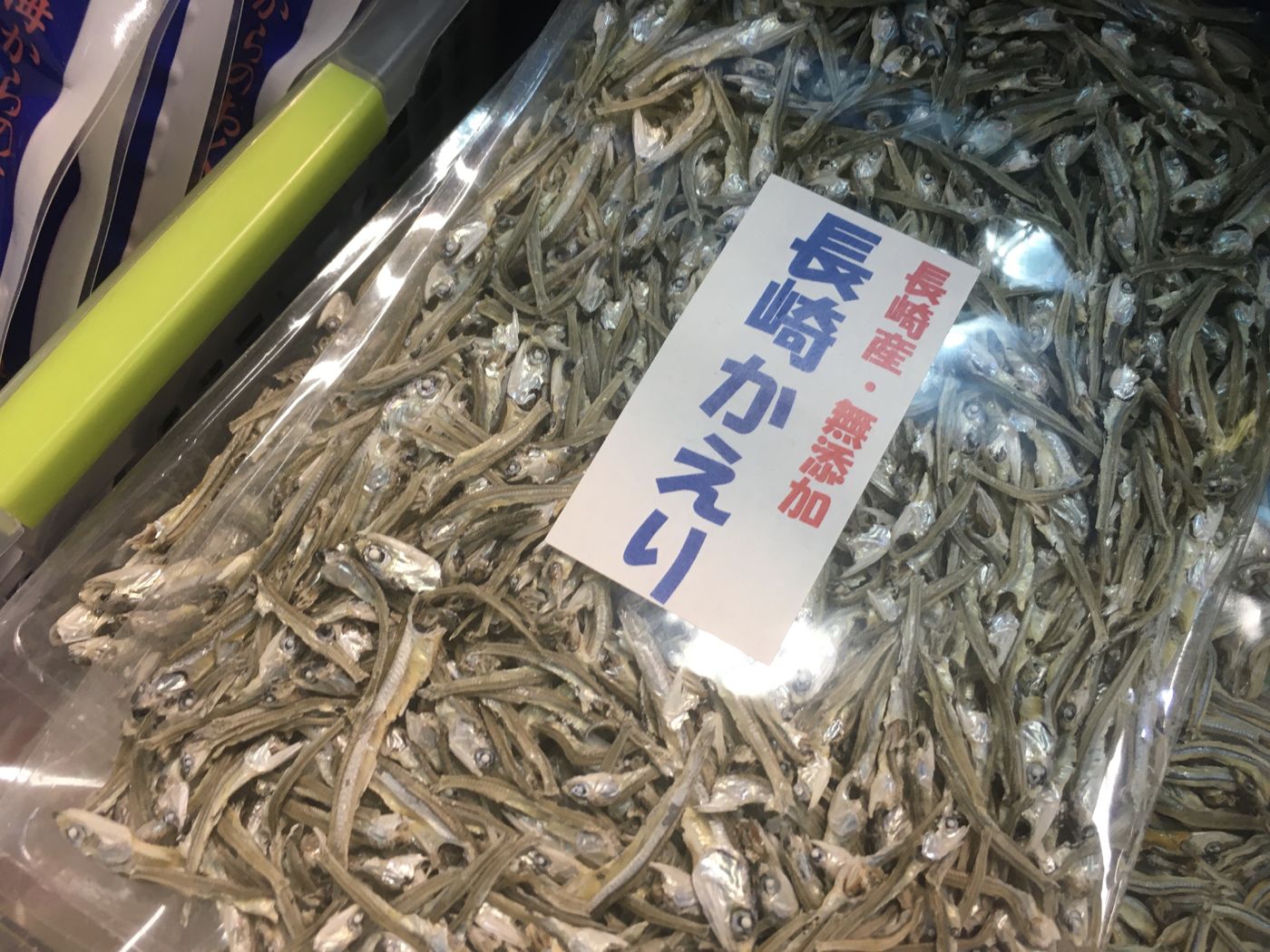 Dried anchovies멸치Small anchovies that are boiled and dried on the coast, then sorted by size. They flavor everyday broths and, stir-fried whole, become the sweet-salty side dish myeolchi-bokkeum.
 Dashima (dried kelp)다시마Thick, dried kelp that gives Korean broths their quiet savory depth. Beyond the stockpot it is fried into crisp twigak, simmered into soy-glazed side dishes and used as a wrap.
 Soy sauce간장Korean soy sauce, in two main kitchen forms: pale, salty guk-ganjang (soup soy sauce) brewed the traditional way from meju, and darker, sweeter jin-ganjang for braises and marinades.
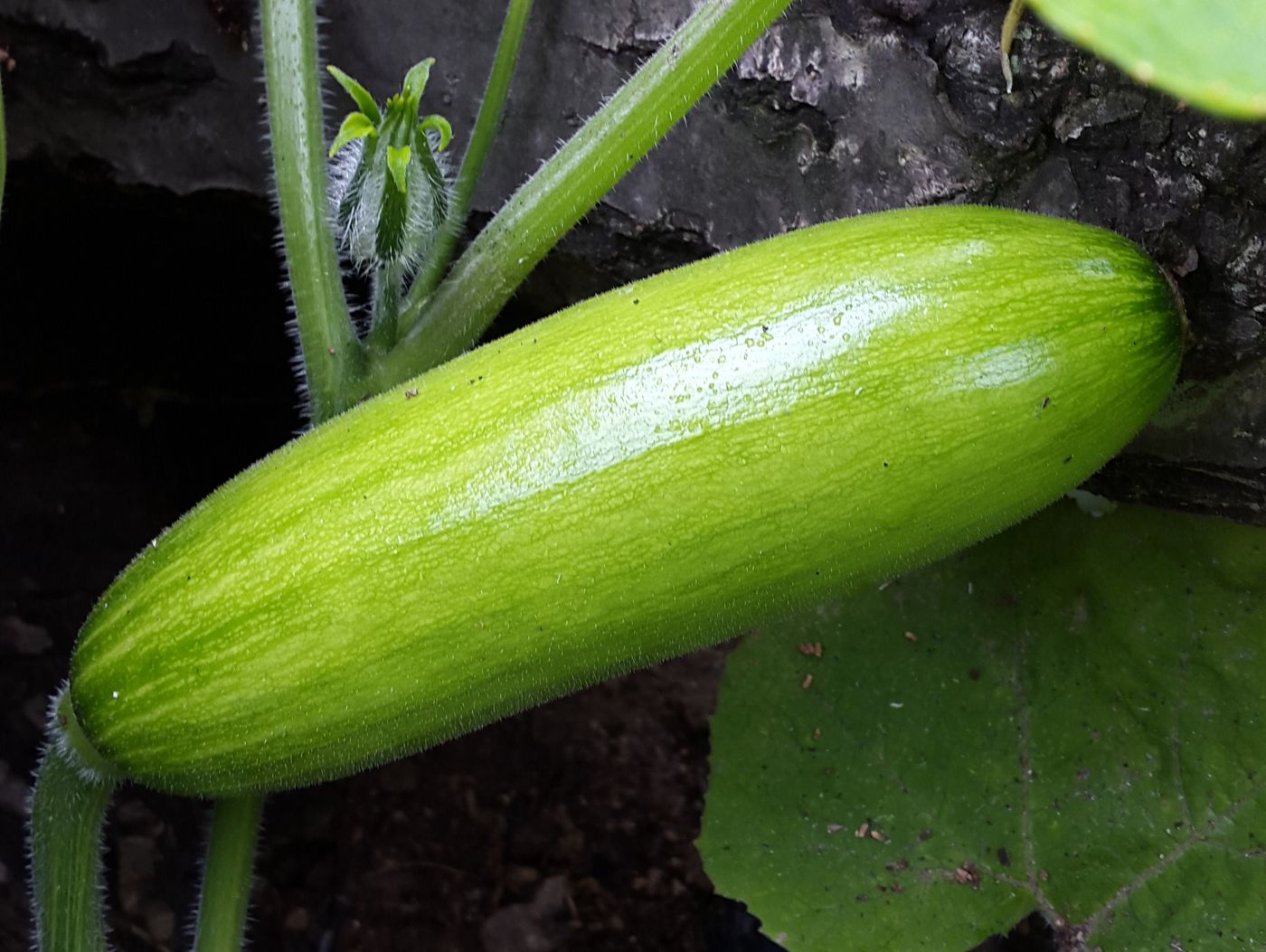 Korean zucchini애호박A pale-green young squash with thin, smooth skin and tender flesh. Sliced into rounds for hobak-jeon, sautéed as namul and added to doenjang stews.
- Egg (gyeran)계란The everyday protein of the Korean table: rolled into gyeran-mari, steamed into puffy gyeran-jjim, simmered in soy for gyeran-jangjorim, and cut into thin yellow and white ribbons of jidan to garnish soups and noodles.
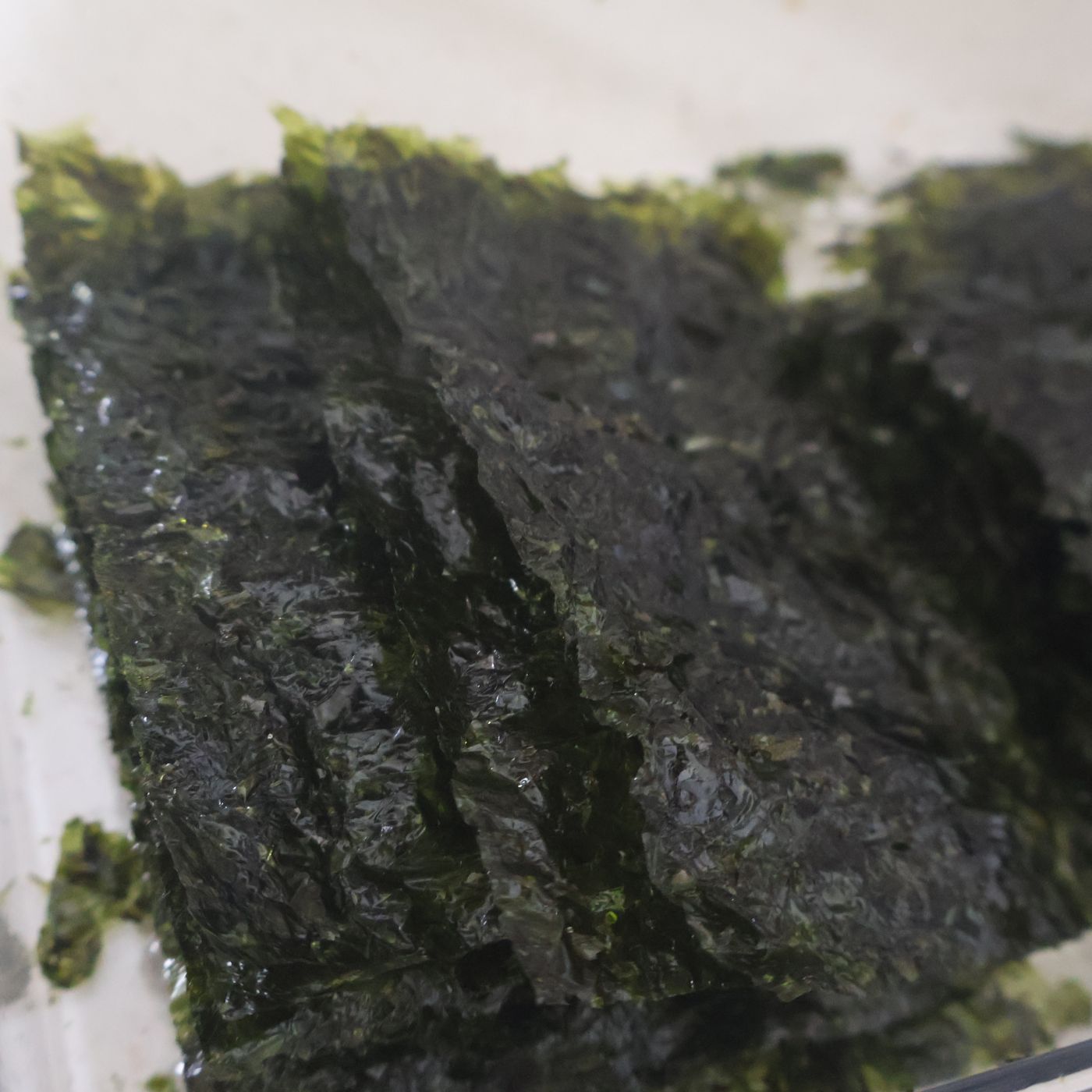 Laver (gim)김Paper-thin sheets of dried red seaweed, toasted until crisp and fragrant. Gim wraps gimbap and rice, crumbles over noodles and soups, and — brushed with oil and salt — becomes the everyday side dish gim-gui.
 Gochugaru고춧가루Korean red chili powder, made from dried red peppers ground coarse or fine. It gives kimchi, gochujang and countless banchan their color and warmth.
 Green onion파Korean green onion (pa), from thick-stemmed daepa to slender scallions — chopped into nearly every seasoning sauce, soup and kimchi, and the star of pa-kimchi.
 Garlic마늘Used raw, minced, pickled and roasted, garlic is one of the essential aromatics of Korean food — in seasonings, marinades, kimchi and namul.
 Sesame참깨Toasted sesame seeds and sesame oil (chamgireum) finish countless Korean dishes, adding a nutty aroma and gloss.
Nutrition
| Calories | ~465 kcal |
|---|---|
| Protein | ~16.1 g |
| Fat | ~7.1 g |
| Carbohydrates | ~80.2 g |
| Fiber | ~3.6 g |
| Sodium | ~1536 mg |
Notable forCarbohydrate · Selenium · Folate
Estimated by summing ingredient values and dividing by four, including all of the seasoning sauce. Somyeon counted as boiled noodles (400 g dry ≈ 1,175 g cooked; Korean Food Composition Table A0180010001b), since much of the salt in dried noodles is lost to the cooking water; soup soy sauce and kimchi from the Korean table (R0010030009a; F2050070009a); soy sauce: USDA FDC 174277; egg (171287), zucchini, sesame, gochugaru and aromatics from USDA. Anchovy stock not counted. The MFDS analysis of a 700 g home-style bowl (44 kcal and 216 mg sodium per 100 g) gives about 310 kcal and 1,510 mg sodium, with roughly 45 µg selenium and 115 µg folate. Actual values vary with ingredients, portion size and preparation.
Health Benefits
- A light, quick meal: low in fat, with carbohydrate from the noodles and a little protein from the egg.
- The MFDS analysis shows a bowl supplying most of the day's selenium and a good share of folate.
- Toppings are the easy way to add vegetables — zucchini, cucumber and kimchi all suit it.
Regional Variations
- Feast style: stir-fried beef, egg-sheet strips (jidan), rock tripe (seogi) mushrooms and water dropwort arranged in five colors over the noodles.
- Home style: a spoonful of seasoned soy sauce and a little sautéed zucchini; cucumber or chopped kimchi in place of zucchini.
- Gupo-guksu, Busan: salty, chewy noodles from the Gupo district of Busan, dried in the sea wind, served in plain anchovy broth with soy seasoning, crumbled laver and shredded pickled radish. The Encyclopedia of Korean Culture ties it to refugees who arrived during the Korean War and made the noodles of home with relief flour.
- Beef broth (onmyeon): the older janguk version, seasoned more strongly than soup because the noodles dilute it.
Pairings
 Napa Cabbage Kimchi배추김치Salted napa cabbage layered with a red paste of chili, garlic, ginger and fermented seafood, then left to ripen: the kimchi most people picture first.
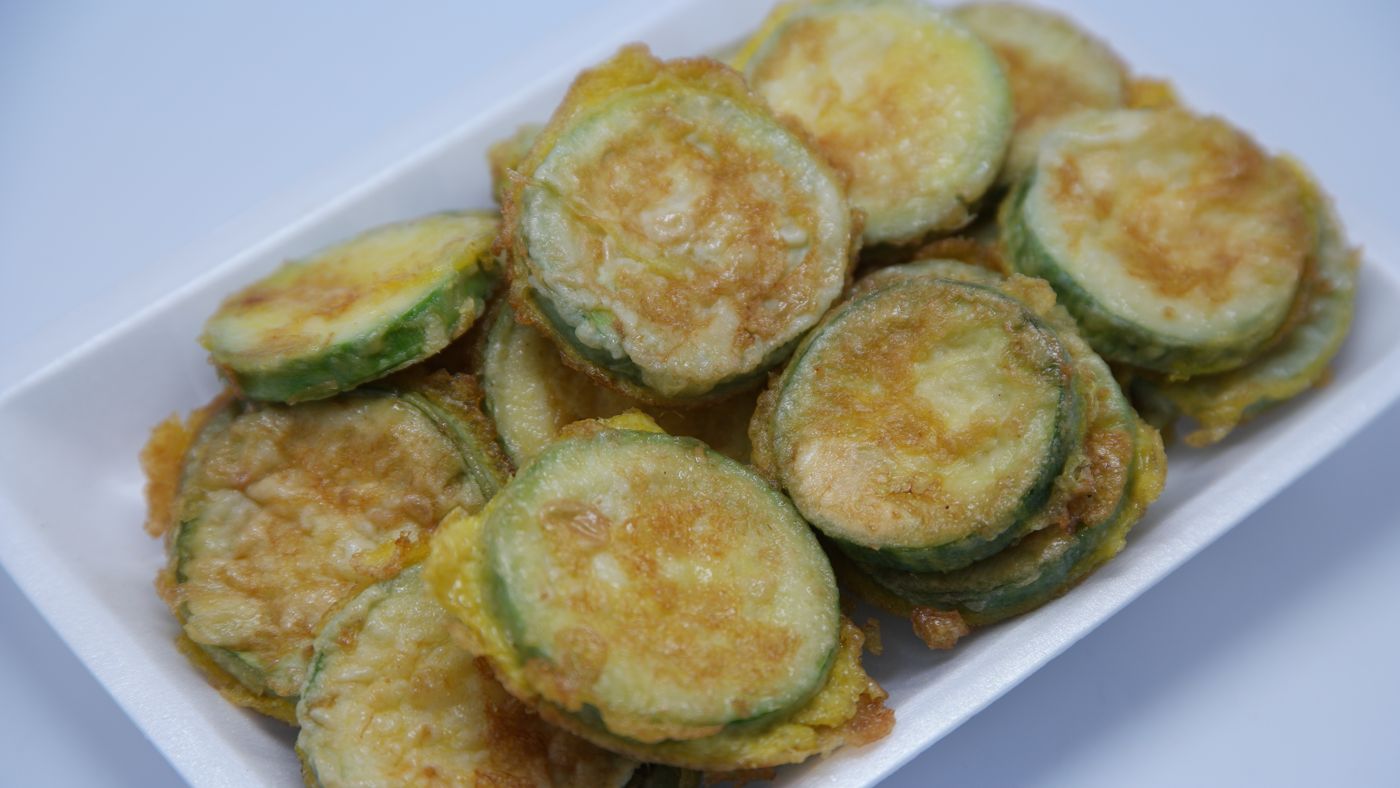 Hobak Jeon (Pan-Fried Zucchini)호박전Rounds of Korean zucchini dusted with flour, dipped in egg and pan-fried until golden — a soft, sweet jeon for holidays and everyday meals.
 Japchae (Glass Noodles with Vegetables)잡채Chewy sweet potato glass noodles tossed with stir-fried vegetables, mushrooms and beef in soy sauce and sesame oil — Korea's essential celebration dish.
Sources
- 01잔치국수 (Janchi-guksu) — Encyclopedia of Korean Folk Culture (한국의식주생활사전)
- 02국수장국 (Guksu-janguk / onmyeon) — Encyclopedia of Korean Culture
- 03구포국수 (Gupo-guksu) — Encyclopedia of Korean Culture
- 04국수_잔치국수 (Janchi-guksu, home-style, analyzed) — MFDS K-FIND food composition database
- 05Noodle, Somyeon, Dry noodle, Boiled — Korean Food Composition Table
- 06Trends in sodium intake and major contributing food groups and dishes in Korea: KNHANES 2013–2017 (Jeong et al., Nutrition Research and Practice, 2021)
Last updated