Wellness
Traditional Korean Teas
한국의 전통차
Barley, corn, yuja, omija, ginger and jujube: the grain, fruit and root infusions Koreans call cha, how they are made and the traditions around them.
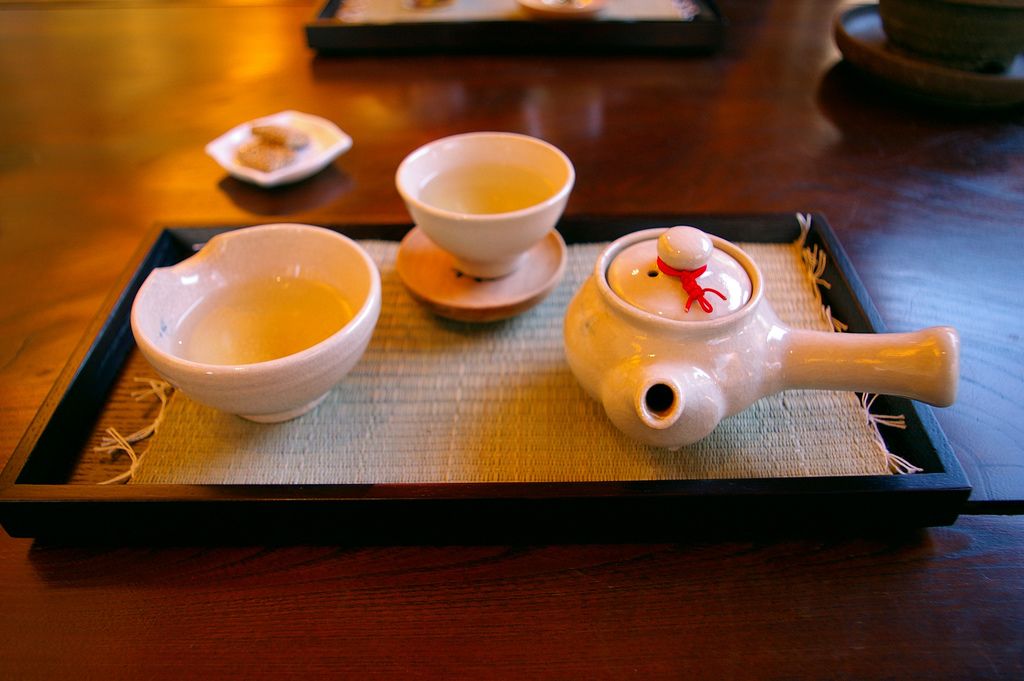 Photo: Ride Around the World, CC BY 2.0, via Wikimedia Commons
In Korea, cha (차) reaches well beyond tea leaves. The word is used for a whole family of drinks made from grains, fruits, roots and medicinal plants. Many contain no tea leaves at all, most of the grain teas are caffeine-free, and several are as ordinary at a Korean meal as a glass of water.
Boricha (보리차), roasted barley tea
Boricha is brewed from roasted barley grains steeped or simmered in water. Roasting gives it a toasty, nutty flavor and an amber color. A review of cereal-based beverages describes barley tea as popular across Korea, China and Japan and lists it as caffeine-free, served hot or cold. The roasted grains are usually boiled or steeped, and the tea is served either hot or cold.
Oksusu-cha (옥수수차), roasted corn tea
Oksusu-cha is made from whole corn kernels that are dried and roasted, then brewed in boiling water to a bright yellow, gently sweet tea. The same review describes it as a traditional Korean tea that is also caffeine-free, and notes traditional beliefs that it quenches thirst and acts as a mild diuretic.
Yuja-cha (유자차), citron tea
Yuja is a fragrant, distinctly sour East Asian citrus. For yuja-cha, the fruit is thinly sliced and layered with honey or sugar, then left in a cool place for a few weeks until a clear syrup forms. This preserve, yuja-cheong, is spooned into a cup with some of the peel and topped with hot water; the Encyclopedia of Korean Culture notes a traditional garnish of pine nuts. Historical records describe yuja as a folk remedy for aches and as an aid to digestion and recovery from drinking, beliefs that remain traditional rather than established.
Omija-cha (오미자차), five-flavor berry tea
Omija means "five flavors," a reference to the berry of Schisandra chinensis, which in East Asian tradition is said to combine sour, bitter, sweet, salty and pungent tastes. The Encyclopedia of Korean Culture describes omija-cha as made by simmering the dried berries in water, or by stirring the powder into hot water, and usually sweetening it with sugar or honey. The berries were traditionally used for coughs.
Saenggang-cha (생강차), ginger tea
Ginger has a long history in Korea; the Encyclopedia of Korean Culture notes it appears in a Goryeo-era medical text. Beyond its role as a seasoning that tames the smell of fish and meat, ginger is the main ingredient in ginger tea, which Korean folk practice holds to be warming and drinks during colds. The tea is brewed from fresh ginger, often sweetened with honey.
Daechu-cha (대추차), jujube tea
Jujubes are small red fruits, often called Chinese dates, that the Encyclopedia of Korean Culture describes as essential to Korean ritual and celebration foods; at traditional weddings they are tossed into the bride's skirt as a wish for children. The encyclopedia also notes that the fruit's flesh is made up largely of sugars. For tea, dried jujubes are simmered for a long time, sometimes with ginger, into a naturally sweet, rust-colored drink, often finished with pine nuts or slivered jujube.
Health traditions and what is known
Each of these drinks carries traditional beliefs, from warming ginger to soothing omija. These are best understood as cultural practice rather than evidence of specific effects. For example, Memorial Sloan Kettering's integrative medicine service notes that schisandra has been studied mainly in the laboratory and in animals, with human studies too limited to draw conclusions.
The simple benefit is the one most people notice: unsweetened grain teas such as boricha and oksusu-cha are a flavorful, caffeine-free way to drink water with meals.
Things to keep in mind
- Sugar: Yuja-cha, ginger tea made from a preserve and sweetened omija-cha are made with substantial amounts of sugar or honey. Checking the label of bottled cheong and using less of it per cup keeps a comforting drink from becoming a sugary one.
- Schisandra and medications: Memorial Sloan Kettering cautions that schisandra may affect how certain drugs are processed in the body, and reports raised blood levels of the immunosuppressant tacrolimus in transplant patients. Anyone on prescription medicines should check with a clinician or pharmacist before drinking omija regularly.
- Ginger: Ginger tea is an everyday drink, but anyone taking medication should ask a clinician before using ginger in larger, supplement-like amounts.
- Barley and gluten: Barley is a gluten-containing grain, so people with celiac disease should be cautious with boricha and blends that contain it.
- Temperature: Many of these teas are served piping hot; let them cool before giving them to children.
Sources
- 01대추 (Jujube) — Encyclopedia of Korean Culture
- 02유자차 (Yuja-cha) — Encyclopedia of Korean Culture
- 03오미자차 (Omija-cha) — Encyclopedia of Korean Culture
- 04생강 (Ginger) — Encyclopedia of Korean Culture
- 05A comprehensive review on functional beverages from cereal grains: characterization of nutraceutical potential, processing technologies and product types (Heliyon, 2023)
- 06Schisandra (Memorial Sloan Kettering Cancer Center, About Herbs)