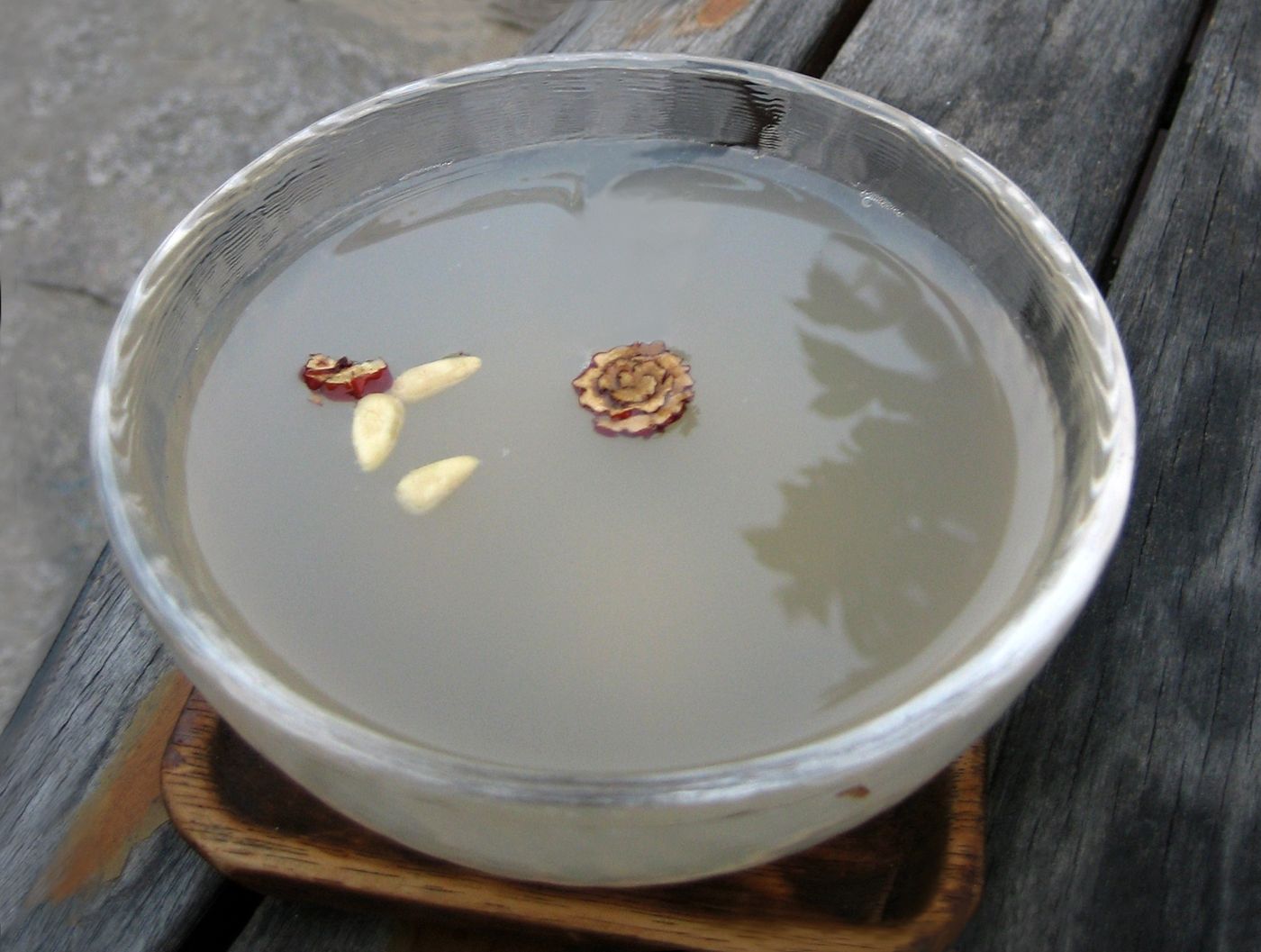
 Photo: gliuoo, CC BY-SA 2.0, via Wikimedia Commons
Eumcheong · Traditional drinks 음청류
Sikhye (Sweet Malted Rice Drink)
식혜
Romanization: sikhye
Cooked rice steeped in barley-malt water until it sweetens and the grains float, then chilled — the traditional after-feast drink of Korean holidays.
- Serves
- 12
- Prep
- 30 min
- Cook
- 300 min
RegionAndong · Gyeongsang
Jump to recipeRecipe
Ingredients · Serves 12
- 250 gBarley malt powder (yeotgireum-garu)
- 3 LLukewarm water
- 300 gShort-grain white rice, cooked firmabout 2 cups cooked, from about 140 g raw rice
- 120–150 gSugarto taste
- 20 gFresh gingerthinly sliced, optional
- 1 tbspPine nutsto garnish
Method
Technique: Cooking Bap
Step 1: Put the malt powder in a cloth bag or fine sieve set in a large bowl, add the lukewarm water and rub and squeeze it for several minutes until the water turns milky. Discard the husks and let the liquid settle for 1–2 hours.
Step 2: Carefully pour the clear malt water off the top into a rice cooker or heavy pot, leaving the cloudy sediment behind (it makes the drink murky and bitter).
Step 3: Add the cooked rice, breaking up any lumps. Keep warm at about 60–65°C, on a rice cooker's keep-warm setting or in a pot set over the lowest heat with a thermometer, for 4–5 hours, until a dozen or more grains float to the surface. If it is too cool the rice sours; too hot and it will not sweeten.
Step 4: Scoop out the floating grains with a fine strainer, rinse them in cold water, drain and refrigerate.
Step 5: Pour the liquid into a pot, add the sugar and ginger, and bring to a boil. Simmer 5–10 minutes, skimming off the foam so the drink stays clear. Remove the ginger, cool, and chill thoroughly.
Step 6: Serve very cold in small bowls with a spoonful of the rice grains and a few pine nuts floating on top. Keep refrigerated and drink within 3–4 days.
Origin & History
Sikhye is made by steeping firm-cooked rice in water infused with malted barley (yeotgireum) at a warm, steady temperature until the malt's enzymes turn the starch to sugar and the grains float; the liquid is then boiled with sugar and served cold with the grains on top. The Encyclopedia of Korean Folk Culture puts the contrast neatly: rice fermented with nuruk becomes liquor, while rice steeped with malt becomes a sweet drink with no alcohol. The method, temperatures and its relative gamju are described in traditional beverages.
Its early history is uncertain. Some scholars read a Goryeo poem by Yi Gyu-bo as referring to a malt drink, and Samguk yusa mentions gamju offered at rites for King Suro, but the first concrete recipe dates to about 1740 in the manuscript Somun saseol. The Korean Food Promotion Institute records a theory that the drink split off from sikhae, the fermented fish-and-grain preserve: fish, grain, salt and spice became grain and malt with spice, and finally grain and malt alone, with Andong's spicy radish sikhye as a surviving intermediate form. The early-twentieth-century cookbook Joseon musang sinsik yori jebeop preferred ordinary rice over glutinous rice for flavor and gave a quick version with malt cooked into the rice.
Sikhye has a place in ritual as well as hospitality. The folk encyclopedia notes that the head house of the Hakbong Kim clan in Andong offers the malt-softened grains instead of rice at ancestral rites, and that a lineage in Yeongam, South Jeolla, uses sikhye in place of liquor. The Korean Food Promotion Institute relays sayings that show how seriously cooks took it: a feast could be judged by its sikhye, and a fickle person was likened to sikhye in summer, which sours quickly. Once an autumn and winter drink, it is now sold year-round in cans and bottles, and both encyclopedias observe that commercial versions often taste more of sugar than malt. See jongga cuisine.
Key Ingredients
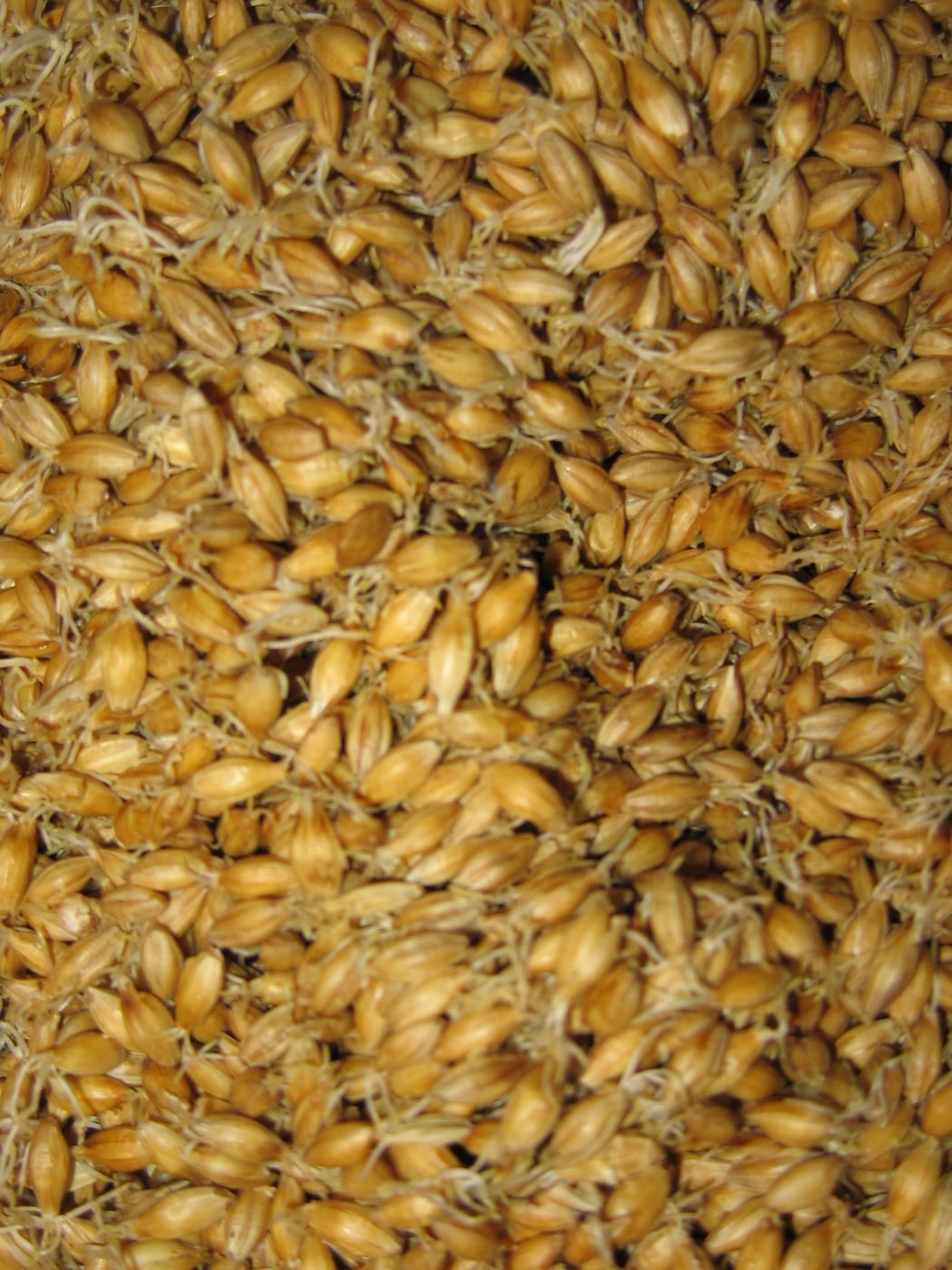 Yeotgireum (Barley Malt Powder)엿기름Barley sprouted for a few days, dried and ground. Soaked and strained, its enzyme-rich water turns starch into sugar, which makes it the engine of sikhye, yeot, jocheong and traditional gochujang.
 Rice쌀Short, round grains of japonica rice that cook up glossy, soft and gently clinging. Steamed white rice, bap, is the center of the Korean table: every banchan, soup and stew is planned to be eaten with it.
 Ginger생강Fresh ginger root, used in small amounts to brighten kimchi paste and marinades and to tame the strong smells of fish and meat.
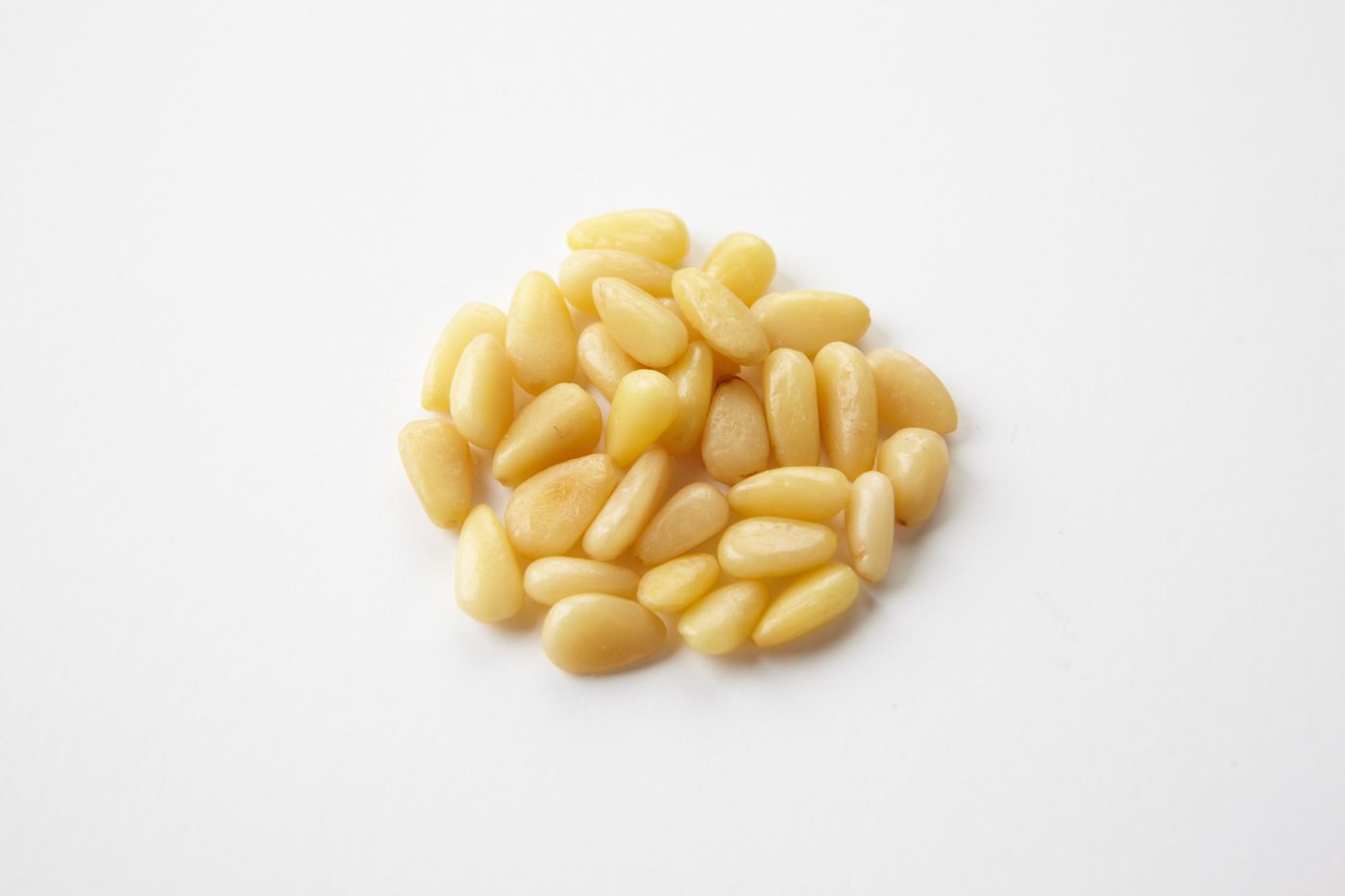 Pine nuts잣Creamy, ivory seeds of the Korean pine, scattered as a finishing garnish on punches, porridges and braises, or ground into the delicate porridge jatjuk. Gapyeong in Gyeonggi-do is the country's pine-nut capital.
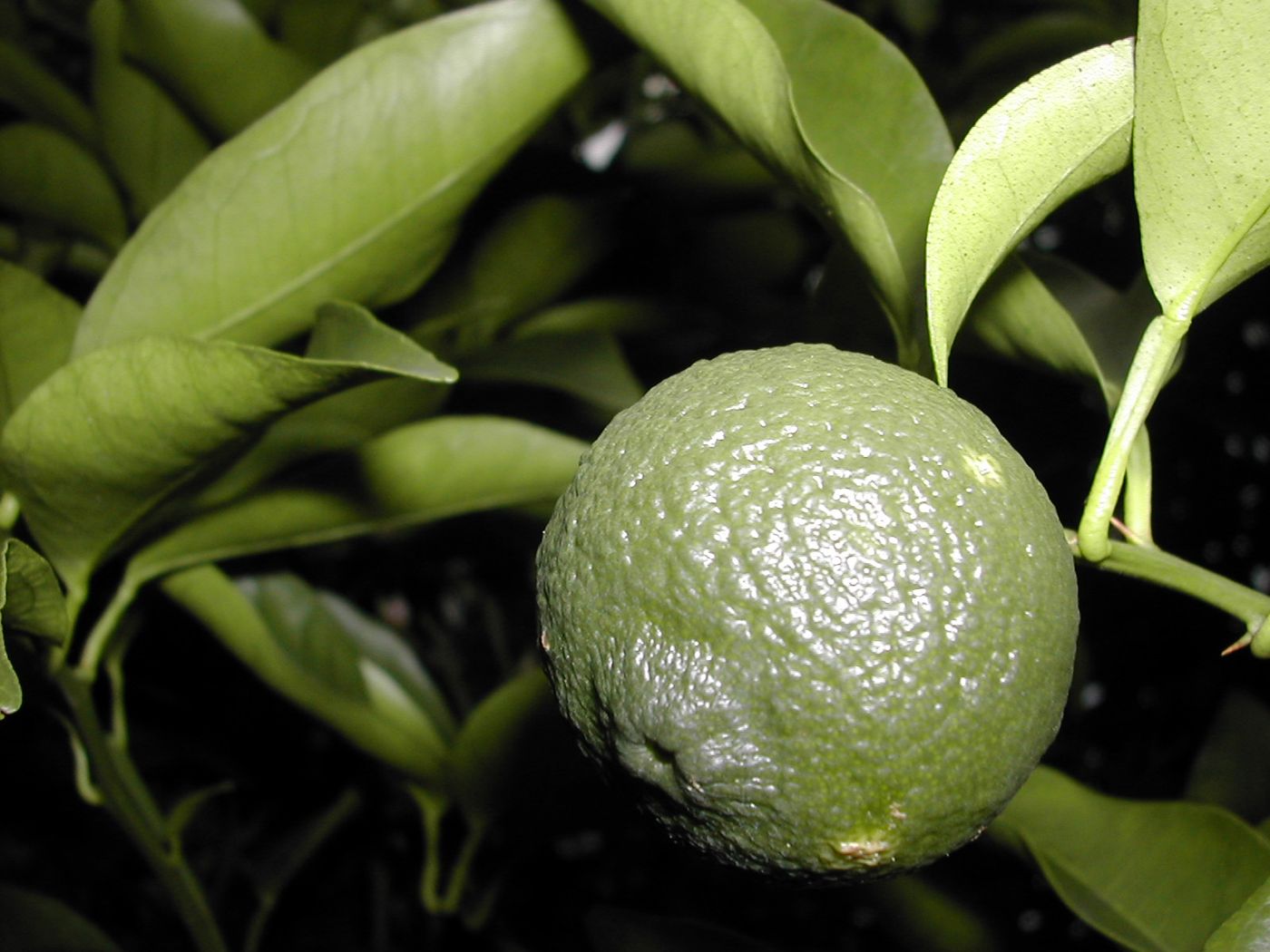 Yuja (Korean Citron)유자A fragrant, thick-skinned citrus (Citrus junos) grown on Korea's warm southern coast. Sliced whole and preserved in honey or sugar, it becomes yuja-cheong, the base of the winter tea yuja-cha.
Nutrition
| Calories | 77 kcal |
|---|---|
| Protein | 0.1 g |
| Fat | 0 g |
| Carbohydrates | 19 g |
| Fiber | 2.4 g |
| Sodium | 5 mg |
From the Korean Food Composition Table entry “Sikhye, Sweet rice beverage made from malt, Canned” (식혜, 캔; per 100 g: 32 kcal, 7.9 g carbohydrate including 5.9 g sugars, all maltose, 2 mg sodium), scaled to 240 g. This is a commercial canned drink; homemade sikhye made with the recipe above contains the floating rice grains and roughly 10–12 g of added sugar per glass on top of the malt sugars, so it will be higher in calories. Sikhye is not a meaningful source of vitamins or minerals. Actual values vary with ingredients, portion size and preparation.
Health Benefits
- A traditional digestif: malt is rich in starch-digesting enzymes, and Korean sources describe sikhye as the customary drink after heavy holiday meals, traditionally believed to aid digestion.
- Low in fat and sodium: almost all its energy comes from sugars.
- Hospitality and ritual: its role at feasts and rites is a large part of its value. See traditional beverages.
Regional Variations
- Andong sikhye: rice fermented with malt water, radish, ginger and chili-tinted water into a pink, spicy, refreshing drink. See Andong.
- Yuja or ginger sikhye: ginger simmered into the liquid, or yuja steeped in it and its peel floated on top.
- Yeonyeop-sikhye: glutinous rice and malt wrapped in lotus leaves and steeped overnight, recorded by the Encyclopedia of Korean Culture.
- Gamju: the closely related drink cooked until the grains dissolve, served warm and sweeter.
Pairings
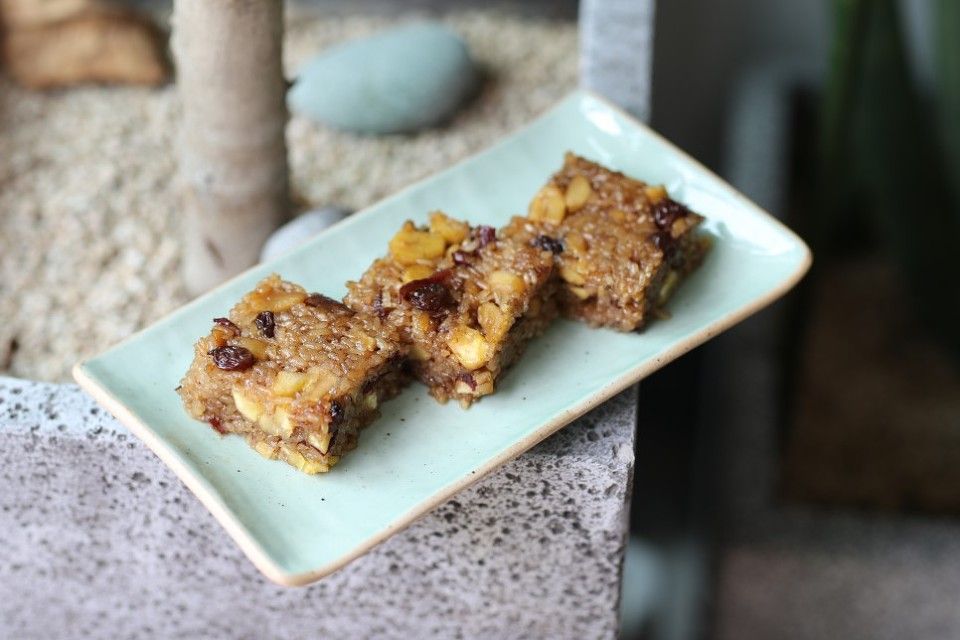 Yaksik (Sweet Rice with Chestnuts, Jujubes and Pine Nuts)약식Steamed glutinous rice darkened with soy sauce, brown sugar and honey and studded with chestnuts, jujubes and pine nuts — a full-moon festival food also called yakbap.
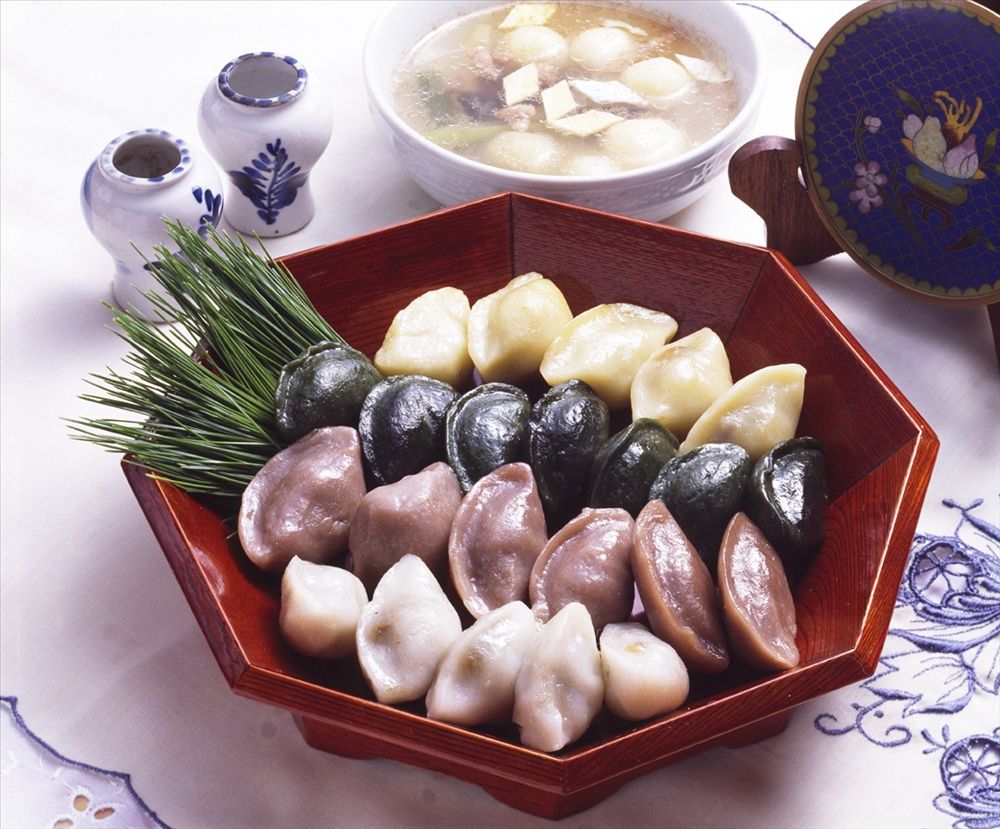 Songpyeon (Half-Moon Rice Cakes)송편Small half-moon cakes of rice dough filled with sweet sesame, beans or chestnut and steamed on a bed of pine needles — the rice cake of Chuseok, made with the new harvest.
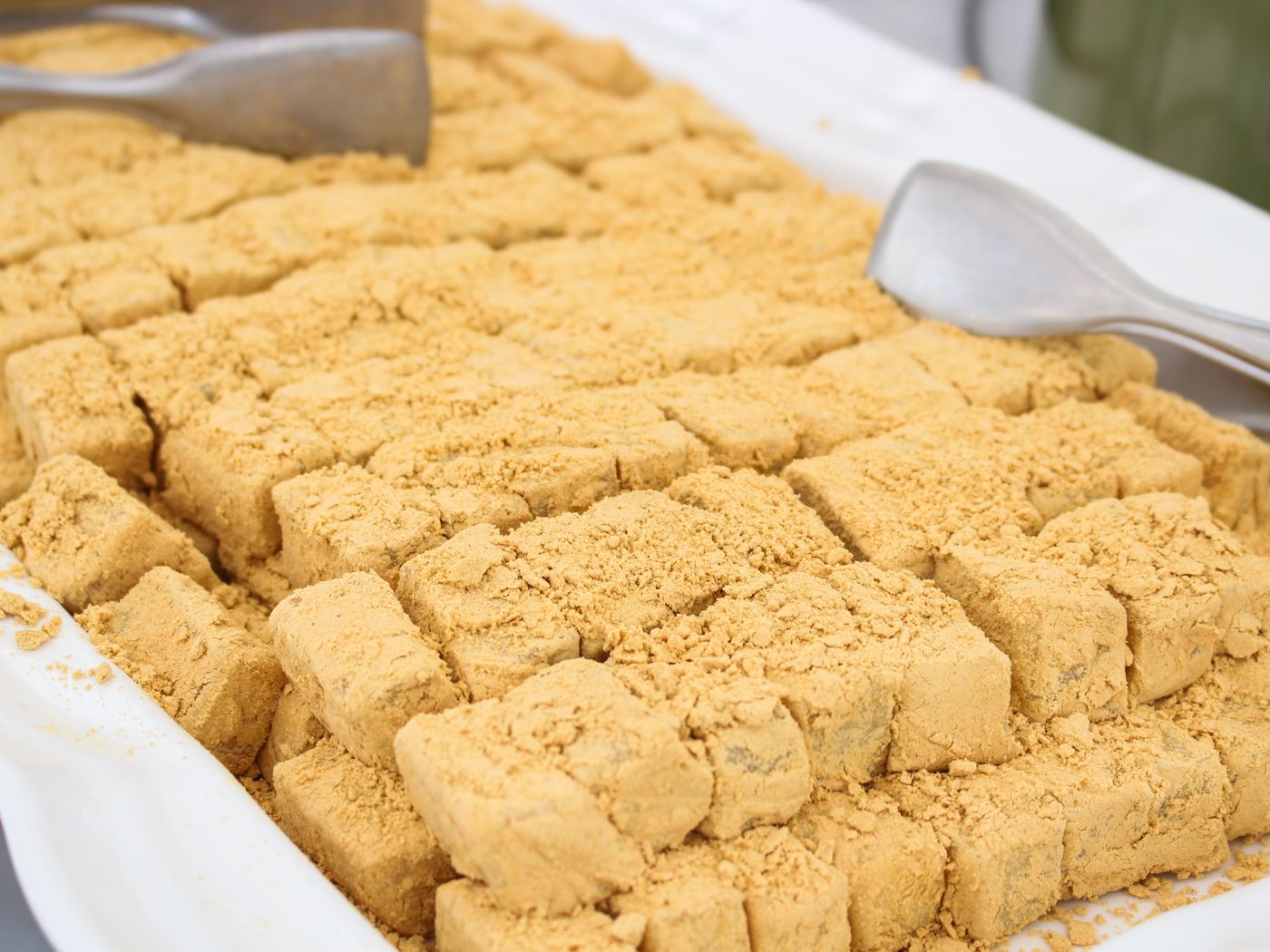 Injeolmi (Pounded Sticky Rice Cake with Bean Powder)인절미Steamed glutinous rice pounded until smooth and elastic, cut into pieces and rolled in roasted soybean powder — the chewy, nutty rice cake of markets, weddings and harvest time.
Sources
- 01식혜 (Sikhye) — Encyclopedia of Korean Culture
- 02식혜 (Sikhye) — Encyclopedia of Korean Folk Culture: Korean Food and Dwelling Life
- 03한식이야기: 식혜 (Korean Food Story: Sikhye) — Korean Food Promotion Institute
- 04Sikhye, Sweet rice beverage made from malt, Canned (P006000000Qa) — Korean Food Composition Table
- 05Healthy diet (fact sheet) — World Health Organization
Last updated