 Photo: brappy! (a flickr user), CC BY-SA 2.0, via Wikimedia Commons
Bokkeum · Stir-fried 볶음
Myeolchi Bokkeum
멸치볶음
Romanization: myeolchi-bokkeum
Small dried anchovies stir-fried until crisp, then glazed in a sweet soy and garlic syrup — a keeping banchan found in refrigerators across Korea.
- Serves
- 6
- Prep
- 5 min
- Cook
- 8 min
RegionGyeongsang
Jump to recipeRecipe
Ingredients · Serves 6
- 100 gSmall dried anchoviesthe tiny kind sold for stir-frying (bokkeum-yong)
- 1 tbspNeutral cooking oil
- 2 clovesGarlicthinly sliced
- 1 tbspSoy sauce
- 1 tbspCooking rice wine (mirim)
- 2 tspSugar
- 1½ tbspMulyeot (rice or corn syrup)or honey
- 1 tspToasted sesame oil
- 1 tspToasted sesame seeds
- 30 gRoasted unsalted peanuts or walnutsoptional; not included in the nutrition estimate
Method
Technique: Bokkeum: Korean Stir-Frying
Step 1: Put the anchovies in a sieve and shake off any dust and broken bits. Toast them in a dry pan over medium-low heat for 1–2 minutes to drive off moisture and any fishy smell, then tip them onto a plate.
Step 2: Add the oil to the pan and return the anchovies with the garlic. Stir-fry over medium-low heat for 2–3 minutes, until the anchovies are crisp and fragrant but not browned.
Step 3: Push the anchovies to one side (or remove them) and add the soy sauce, rice wine and sugar to the empty part of the pan. Let it bubble for about 30 seconds until the sugar dissolves.
Step 4: Turn off the heat, add the syrup and toss everything together quickly so each anchovy is lightly coated. Working off the heat keeps the glaze from hardening.
Step 5: Stir in the nuts, if using, then the sesame oil and sesame seeds.
Step 6: Spread on a plate to cool so the pieces stay separate, then store in an airtight container in the refrigerator.
Origin & History
Anchovies (myeolchi) swim in all of Korea's coastal waters, and most of the catch is boiled and dried soon after landing, which turns a fragile fish into a pantry staple. Dried anchovies are used in two broad ways: larger fish flavor stock, while the smallest are eaten whole as banchan, bones and all.
Written records of the fish become more frequent in the nineteenth century. Early-1800s works on marine life describe it under several names, and Jeong Yak-jeon's Jasan eobo (1814) records that fishermen gathered schools at night with torchlight and scooped them up with nets. Twentieth-century catches grew enormously, and dried anchovies became one of the most ordinary ingredients in the Korean kitchen.
Stir-frying (bokkeum) the tiny dried fish in oil and finishing them with soy sauce, sugar and syrup produces a crisp, lightly sticky side dish that holds well for days in the refrigerator. That durability is why myeolchi-bokkeum is one of the dishes households make in a batch and bring out at meal after meal.
Key Ingredients
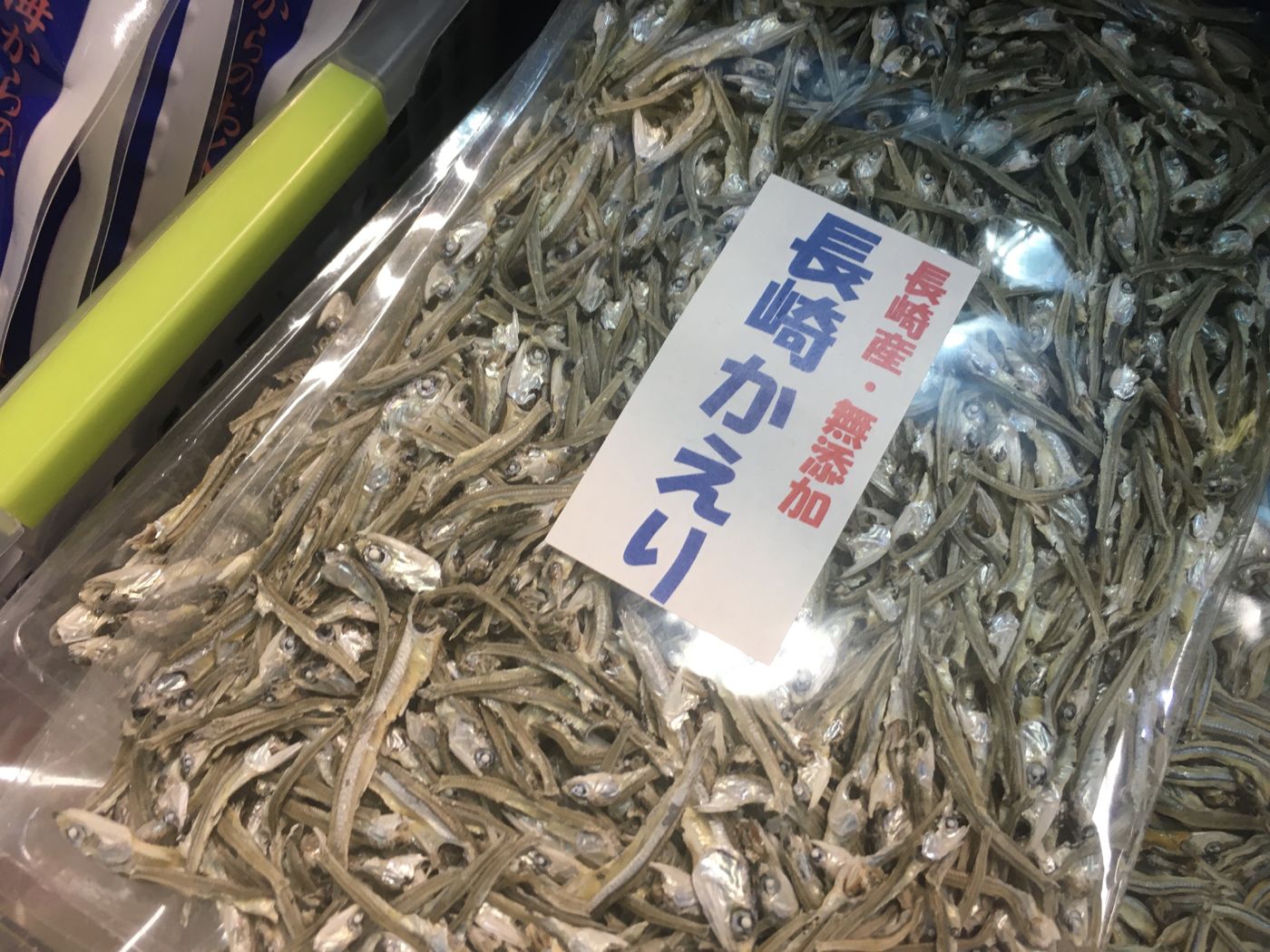 Dried anchovies멸치Small anchovies that are boiled and dried on the coast, then sorted by size. They flavor everyday broths and, stir-fried whole, become the sweet-salty side dish myeolchi-bokkeum.
 Garlic마늘Used raw, minced, pickled and roasted, garlic is one of the essential aromatics of Korean food — in seasonings, marinades, kimchi and namul.
 Soy sauce간장Korean soy sauce, in two main kitchen forms: pale, salty guk-ganjang (soup soy sauce) brewed the traditional way from meju, and darker, sweeter jin-ganjang for braises and marinades.
 Korean grain syrup물엿A clear, glossy syrup used to sweeten and glaze braised and stir-fried banchan. Its traditional relative, jocheong, is a darker malt syrup made by slowly boiling down saccharified rice.
 Sesame참깨Toasted sesame seeds and sesame oil (chamgireum) finish countless Korean dishes, adding a nutty aroma and gloss.
Nutrition
| Calories | ~90 kcal |
|---|---|
| Protein | ~7.6 g |
| Fat | ~3.9 g |
| Carbohydrates | ~5.9 g |
| Fiber | ~0.1 g |
| Sodium | ~680 mg |
Notable forCalcium · Protein
Estimated by summing USDA FoodData Central values for the raw ingredients and dividing by six servings, without the optional nuts. USDA has no generic entry for dried anchovies, so a branded label entry (FDC 2419702) was used; calcium and sodium in dried anchovies vary widely by size and salting. Soy sauce: FDC 174277; syrup: corn syrup, light (FDC 168837). Actual values vary with ingredients, portion size and preparation.
Health Benefits
- Because the anchovies are eaten whole, bones included, the dish is a source of calcium as well as protein.
- A small serving delivers a meaningful amount of protein for relatively few calories.
- Anchovies are small, oily fish; fish of this kind are a source of omega-3 fats, though the amount in a banchan-sized portion is modest.
Regional Variations
- Sweet soy or spicy: the everyday version is glazed with soy sauce, sugar and syrup; a spicy version swaps part of the soy sauce for gochujang or adds gochugaru.
- With nuts: roasted peanuts, walnuts or almonds are often stirred in for extra crunch.
- With peppers: a popular variation adds shishito-type kkwari-gochu peppers, which soften in the glaze.
- Southern coast anchovies: the coastline of Busan and South Gyeongsang — Gijang, Namhae and Tongyeong among others — is closely tied to anchovy fishing, including traditional bamboo weirs (jukbangryeom) in the Namhae area.
Pairings
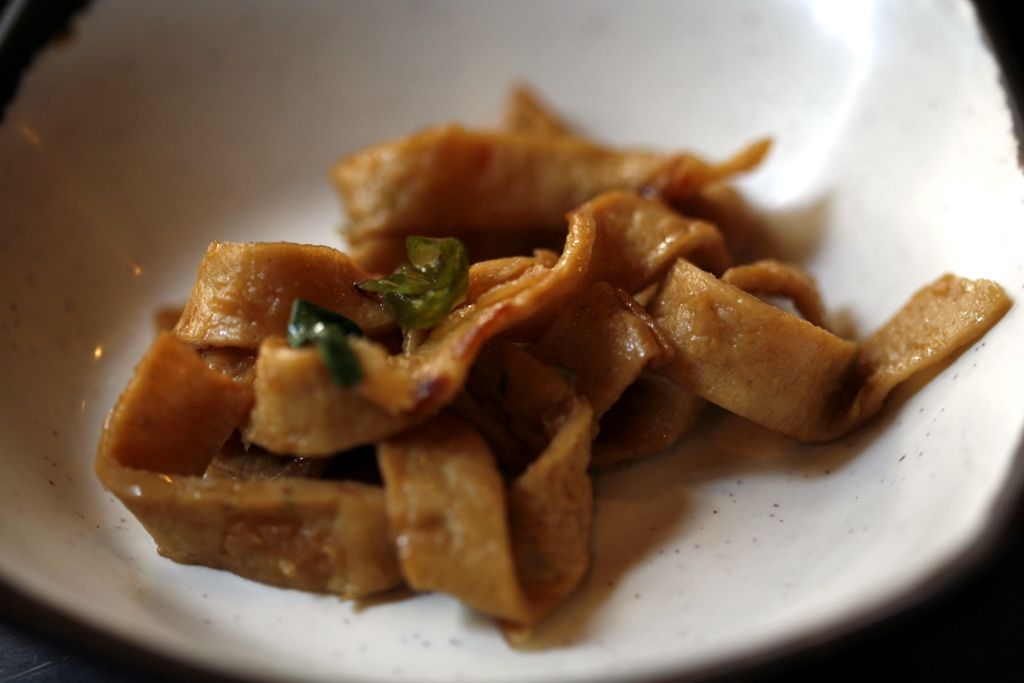 Eomuk Bokkeum어묵볶음Strips of Korean fish cake stir-fried with onion and carrot in a light soy glaze — quick, savory-sweet and one of the most familiar everyday banchan.
 Gyeran Mari (Rolled Omelet)계란말이Beaten egg cooked in thin layers and rolled into a soft, striped log, then sliced — a gentle, everyday banchan and a lunchbox classic.
 Kongnamul Muchim콩나물무침Soybean sprouts cooked under a lid until just tender, then tossed with garlic, green onion and sesame oil — crisp, nutty and on tables across Korea.
 Napa Cabbage Kimchi배추김치Salted napa cabbage layered with a red paste of chili, garlic, ginger and fermented seafood, then left to ripen: the kimchi most people picture first.