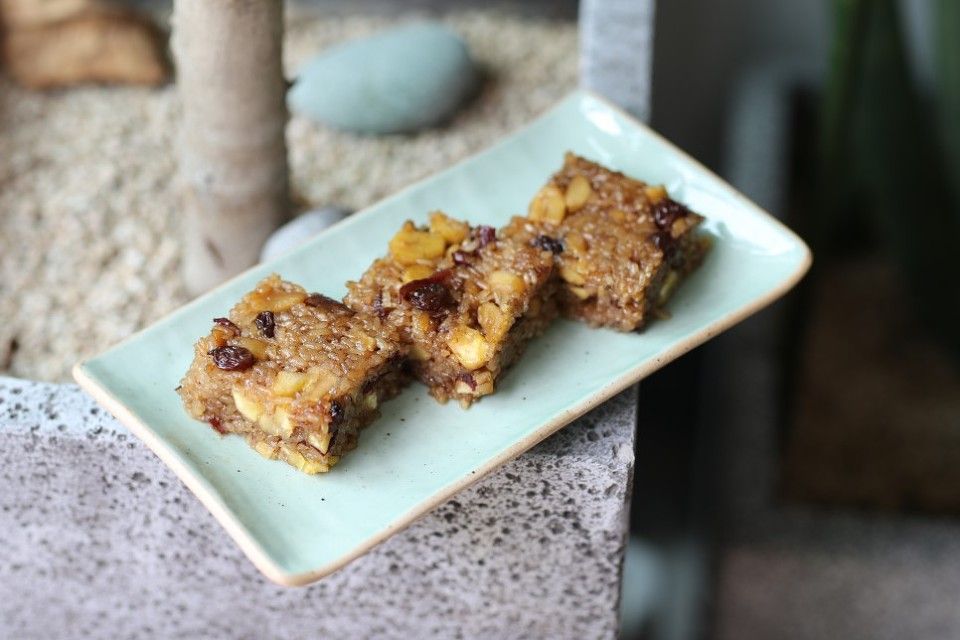
 Photo: Dr 방원장, CC BY 4.0, via Wikimedia Commons
Tteok & Sweets 떡·과자
Yaksik (Sweet Rice with Chestnuts, Jujubes and Pine Nuts)
약식
Romanization: yaksik
Steamed glutinous rice darkened with soy sauce, brown sugar and honey and studded with chestnuts, jujubes and pine nuts — a full-moon festival food also called yakbap.
- Serves
- 12
- Prep
- 30 min
- Cook
- 80 min
RegionSeoul & Gyeonggi · Gyeongsang
Jump to recipeRecipe
Ingredients · Serves 12
- 600 gGlutinous (sweet) riceabout 3⅓ cups, soaked at least 6 hours
- 180 gChestnuts, peeledabout 12, halved
- 60 gDried jujubesabout 15, pitted and quartered
- 25 gPine nutsabout 3 tbsp, tips removed
- 150 gDark brown sugarabout ¾ cup packed
- 3 tbspSoy sauce
- 3 tbspHoney
- 4 tbspToasted sesame oildivided
- ½ tspGround cinnamonoptional
- 1 tspSaltdissolved in 100 ml water, for sprinkling
Method
Technique: Making Tteok, Steaming and Jjim
Step 1: Drain the soaked rice. Line a steamer with a damp cloth, spread the rice in it, and steam over vigorously boiling water for 40 minutes, sprinkling with the salted water and turning the rice over halfway through.
Step 2: Tip the hot rice into a large bowl. Add the brown sugar, soy sauce, honey, cinnamon and 2 tbsp sesame oil and mix thoroughly with a paddle until every grain is evenly brown.
Step 3: Fold in the chestnuts and jujubes and leave for 30 minutes so the rice absorbs the seasoning.
Step 4: Return the mixture to the cloth-lined steamer and steam for another 30–40 minutes, until the chestnuts are tender and the rice is glossy and deep brown. (Alternatively, cook it in an electric pressure rice cooker on the glutinous-rice setting with 100 ml water.)
Step 5: Mix in the remaining 2 tbsp sesame oil and the pine nuts. Press firmly into an oiled square pan or individual molds, cool, and cut into pieces. Wrap well; it keeps for a day at room temperature or can be frozen.
Origin & History
Yaksik, also called yakbap or yakban, is glutinous rice steamed, tossed with honey, sesame oil and soy sauce, mixed with chestnuts, jujubes and pine nuts, and steamed again until glossy and brown. It is eaten like a rice cake rather than a meal, above all at Daeboreum, the first full moon of the lunar year, and at big celebrations such as sixtieth birthdays and weddings. The yak in the name literally means medicine, but the Encyclopedia of Korean Culture cites the Joseon philological work Aeon gakbi, which explains that Koreans used yak to mean honey, which is why honeyed rice became yakban in the same way that honey cakes are yakgwa. On the wider idea of food as medicine, see yaksik dongwon.
The dish comes with a legend. According to Samguk yusa, the thirteenth-century collection of histories and tales, on the fifteenth day of the first month of 488 the Silla king Soji was led by a crow (in some tellings, by a talking mouse and an old man bearing a sealed letter) to discover a plot against his life. In gratitude the day became a memorial for crows, marked with offerings of sticky rice, and later writers took this as the origin of yaksik; the Korean Food Promotion Institute adds the folk detail that the rice was dyed dark to match the crow's feathers. This is legend rather than documented history, but it shows how long sticky rice has belonged to the full moon.
Firmer evidence comes from Goryeo. A poem by the late-Goryeo scholar Yi Saek, cited by the encyclopedia, describes sticky rice mixed with oil and honey and then with pine nuts, chestnuts and jujubes, sent from house to house at dawn. Joseon almanacs and miscellanies mention it repeatedly, and two sources show its fame abroad: Heo Gyun's food essay Domun daejak calls feeding yakbap to crows at the full moon an old custom of Gyeongju, the Silla capital, and says the Chinese learned to make it and called it Goryeo-ban, and an almanac recalls Korean envoys in Beijing handing it out at the full moon to delighted hosts. The nineteenth-century cookbook Gyuhap chongseo, quoted by the Encyclopedia of Korean Folk Culture, steams the seasoned rice slowly over a low fire for an entire day. See tteok and seasonal foods.
Key Ingredients
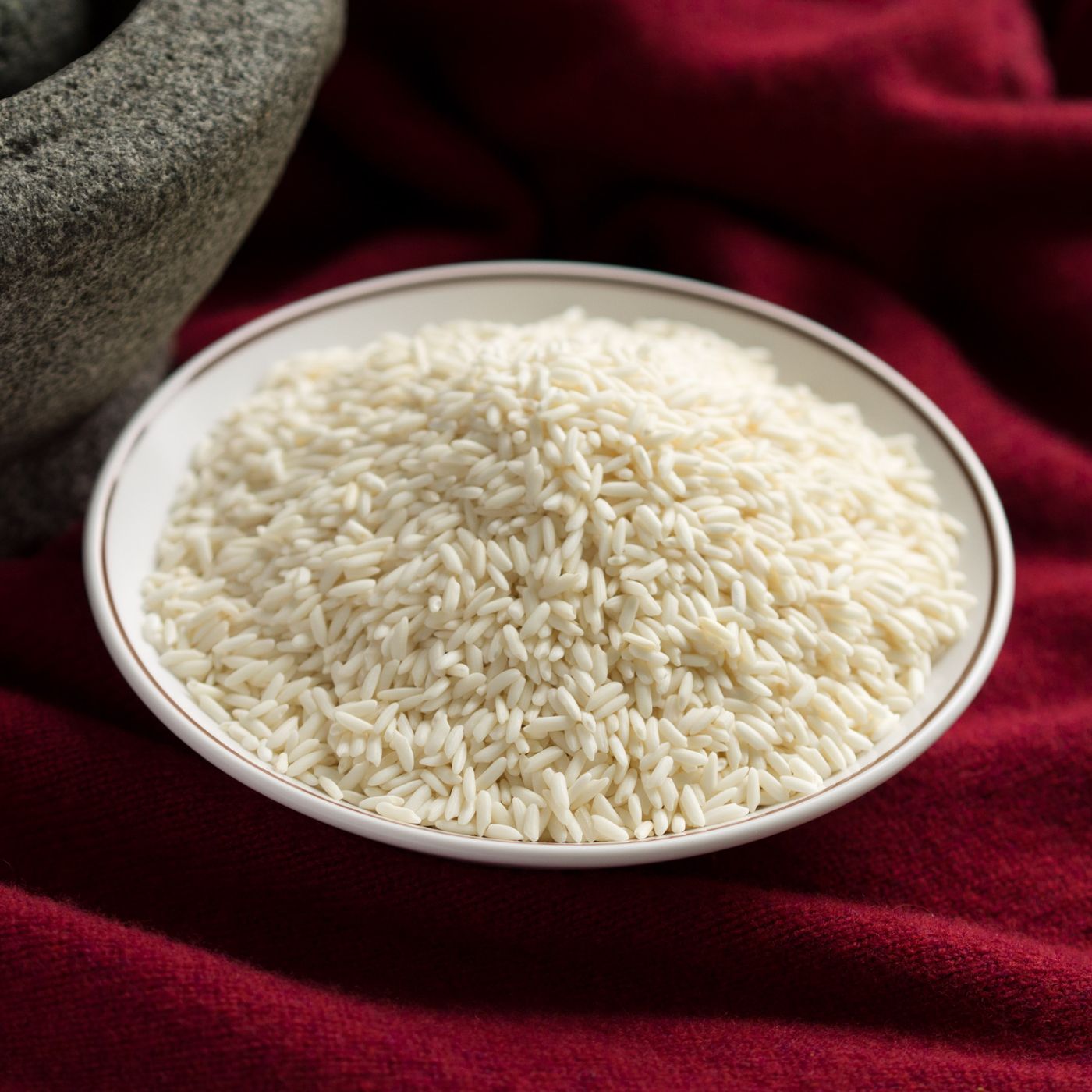 Glutinous rice (sweet rice)찹쌀Opaque, chalk-white grains of glutinous rice that steam into a chewy, elastic mass. Chapssal is the rice of festivals and comfort food: pounded into rice cakes, sweetened into yaksik, and tucked inside the chicken of samgyetang.
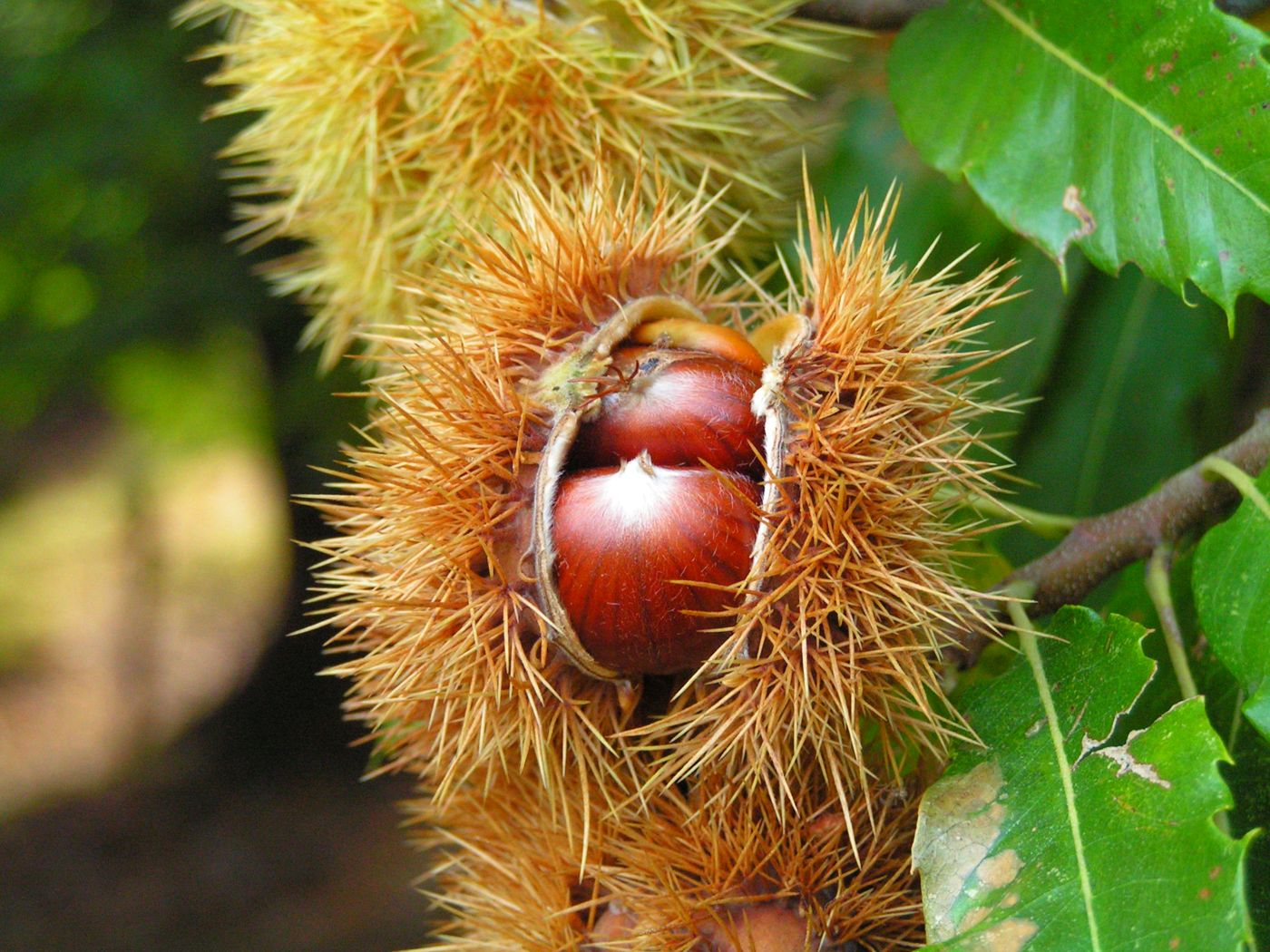 Chestnuts밤Glossy brown nuts with a pale, starchy kernel, roasted on winter street corners, cooked into rice and yaksik, and stacked on the ancestral-rite table. Gongju in South Chungcheong is the best-known growing region.
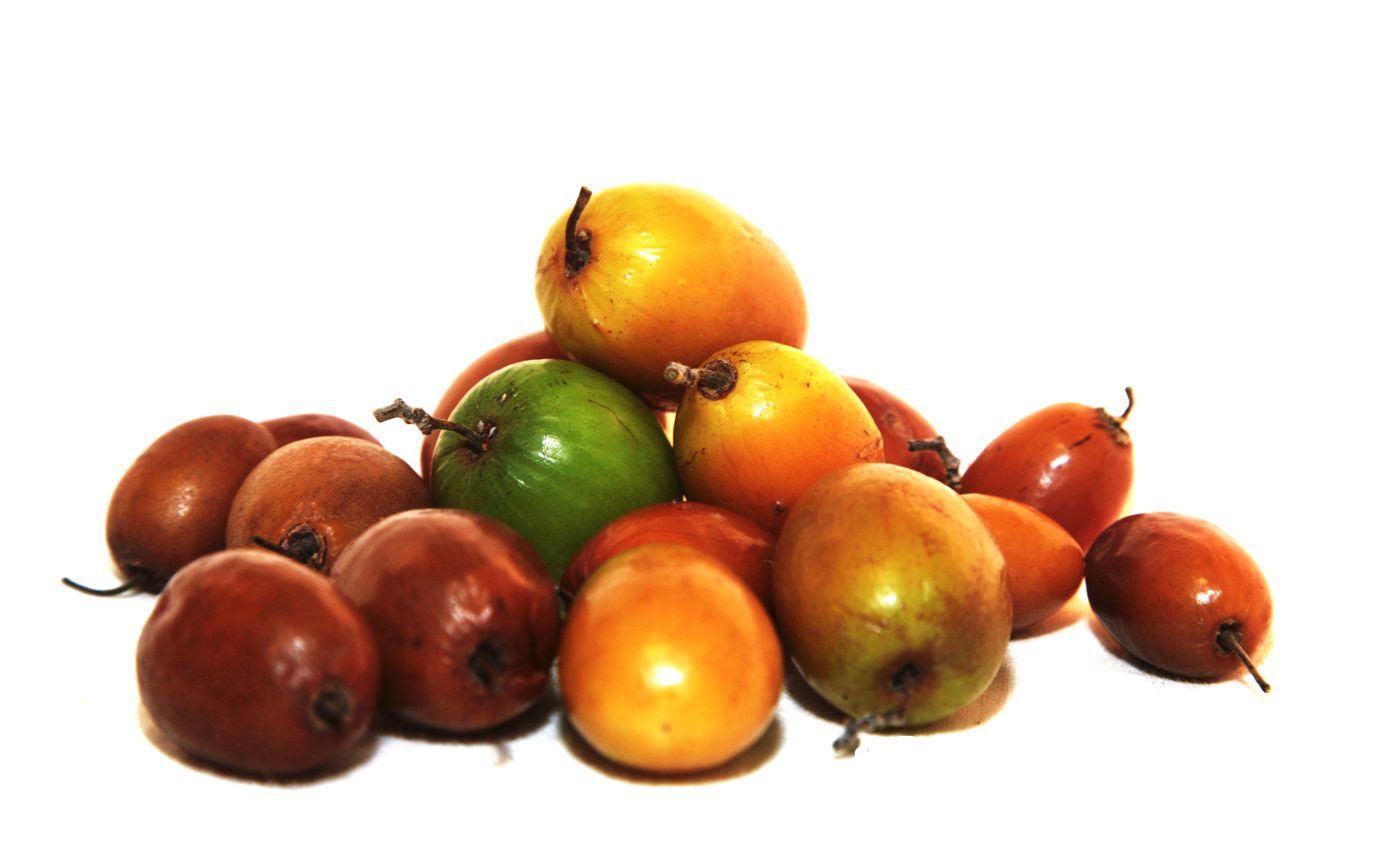 Jujube (red date)대추The small, wrinkled red fruit of the jujube tree, dried until sweet and chewy. An essential of ancestral-rite and wedding tables, it sweetens teas and herbal soups and garnishes rice cakes and festive dishes.
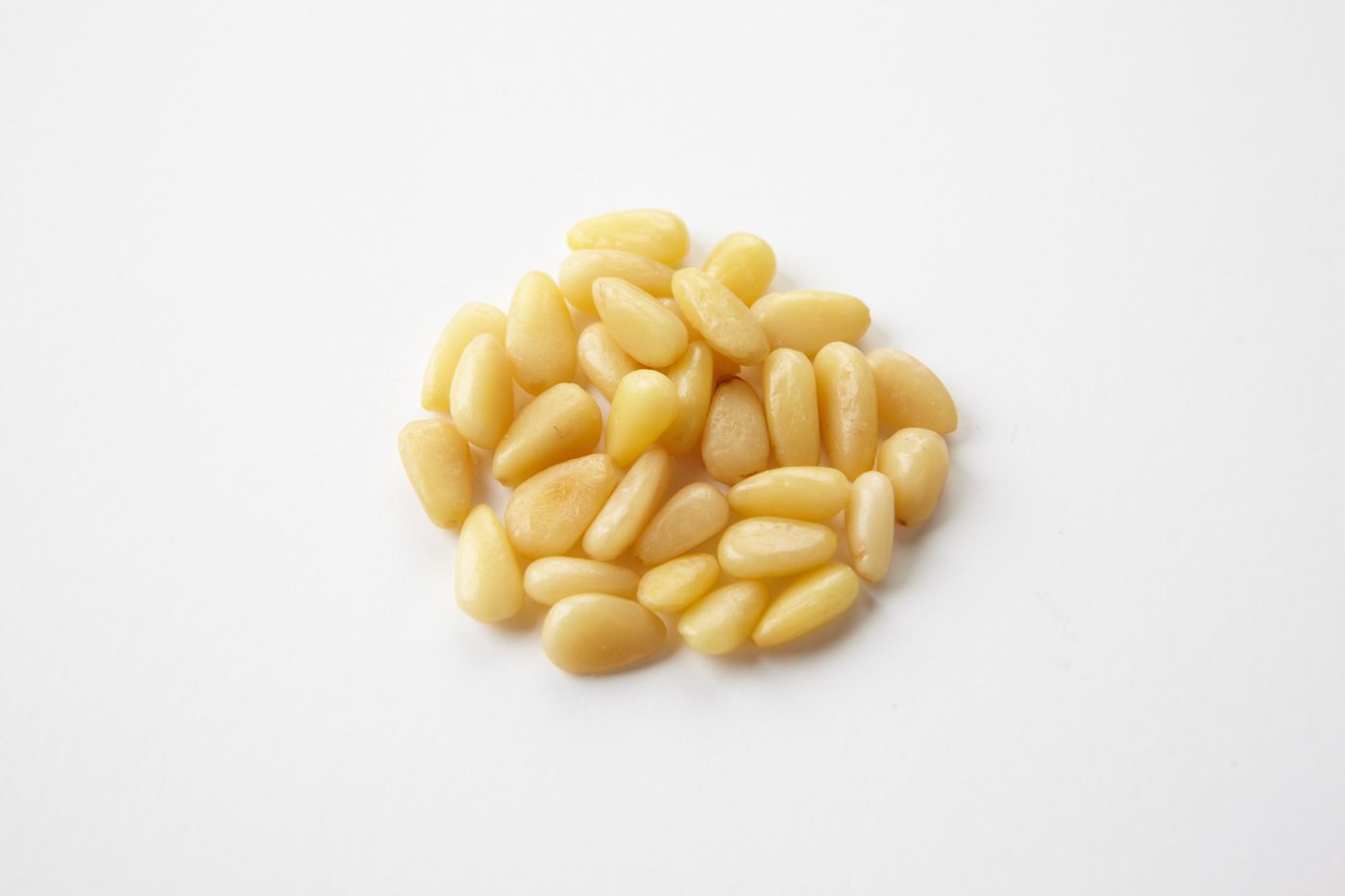 Pine nuts잣Creamy, ivory seeds of the Korean pine, scattered as a finishing garnish on punches, porridges and braises, or ground into the delicate porridge jatjuk. Gapyeong in Gyeonggi-do is the country's pine-nut capital.
 Soy sauce간장Korean soy sauce, in two main kitchen forms: pale, salty guk-ganjang (soup soy sauce) brewed the traditional way from meju, and darker, sweeter jin-ganjang for braises and marinades.
 Sesame참깨Toasted sesame seeds and sesame oil (chamgireum) finish countless Korean dishes, adding a nutty aroma and gloss.
Nutrition
| Calories | 220 kcal |
|---|---|
| Protein | 4.4 g |
| Fat | 2.3 g |
| Carbohydrates | 45 g |
| Fiber | 1.8 g |
| Sodium | 233 mg |
Notable forManganese · Copper
From the Korean Food Composition Table entry “Glutinous rice cake, Yaksik, Mixed with nut and dried fruit” (약식; per 100 g: 220 kcal, 45.4 g carbohydrate including 10.2 g sugars, 233 mg sodium, 0.57 mg manganese, 0.17 mg copper). Home recipes like the one above use more sugar and sesame oil than the sample and will be higher in calories and sugars. Actual values vary with ingredients, portion size and preparation.
Health Benefits
- Nuts and fruit: chestnuts, jujubes and pine nuts add a little fiber, manganese and copper, and pine nuts contribute unsaturated fat.
- A dense, portable energy food: steamed sticky rice with honey and nuts packs plenty of carbohydrate into a small piece, which is why it travels well to feasts and picnics.
- Traditional associations: its name and ingredients tie it to the Korean idea that food and medicine share a source, though it is best treated as a festive sweet. See yaksik dongwon.
Regional Variations
- Classic (Seoul style): chestnuts, jujubes and pine nuts with honey, sesame oil and soy sauce; jujube flesh simmered into a paste is sometimes added for color and sweetness.
- Brown-sugar yaksik: modern recipes, including the encyclopedia's own, darken the rice with dark brown sugar as well as or instead of honey.
- Quick methods: home cooks often finish the second steaming in an electric pressure rice cooker rather than a steamer.
- Extras: dried persimmon, raisins, pumpkin seeds or cinnamon appear in some households.
Pairings
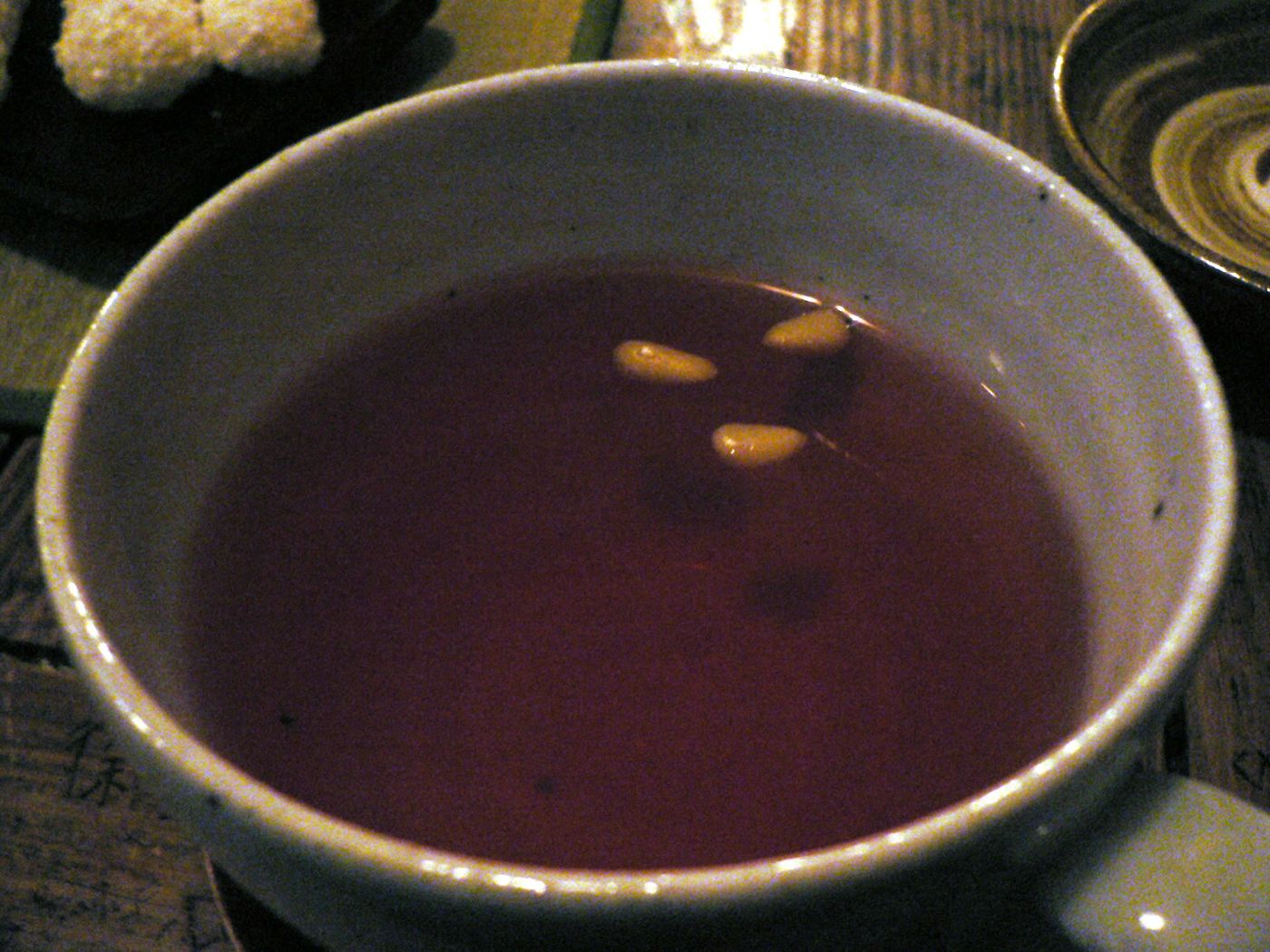 Sujeonggwa (Cinnamon-Ginger Punch with Dried Persimmon)수정과A cold, spicy-sweet punch of ginger and cinnamon simmered separately, sweetened, and served with softened dried persimmons and pine nuts — a New Year drink for guests.
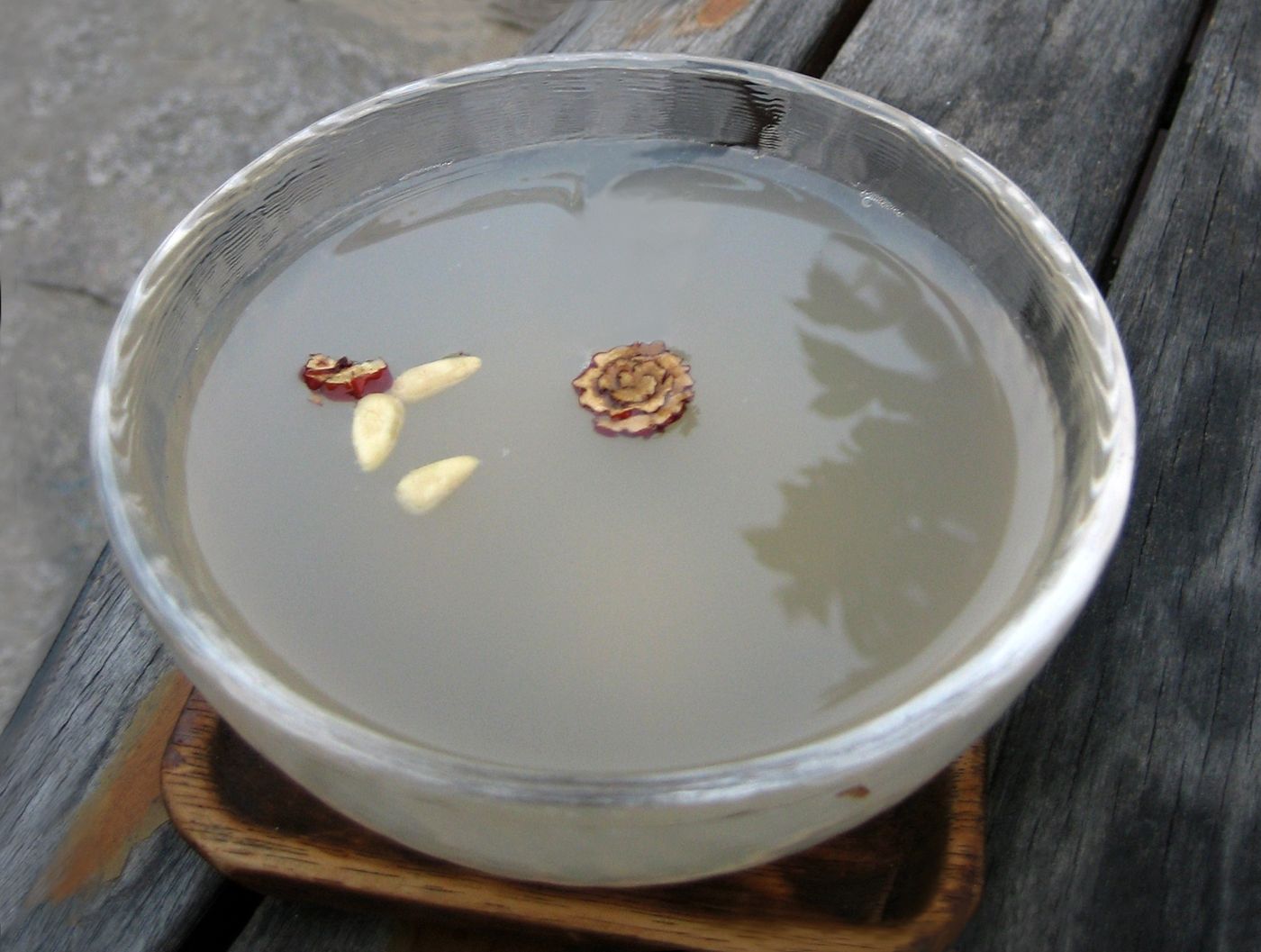 Sikhye (Sweet Malted Rice Drink)식혜Cooked rice steeped in barley-malt water until it sweetens and the grains float, then chilled — the traditional after-feast drink of Korean holidays.
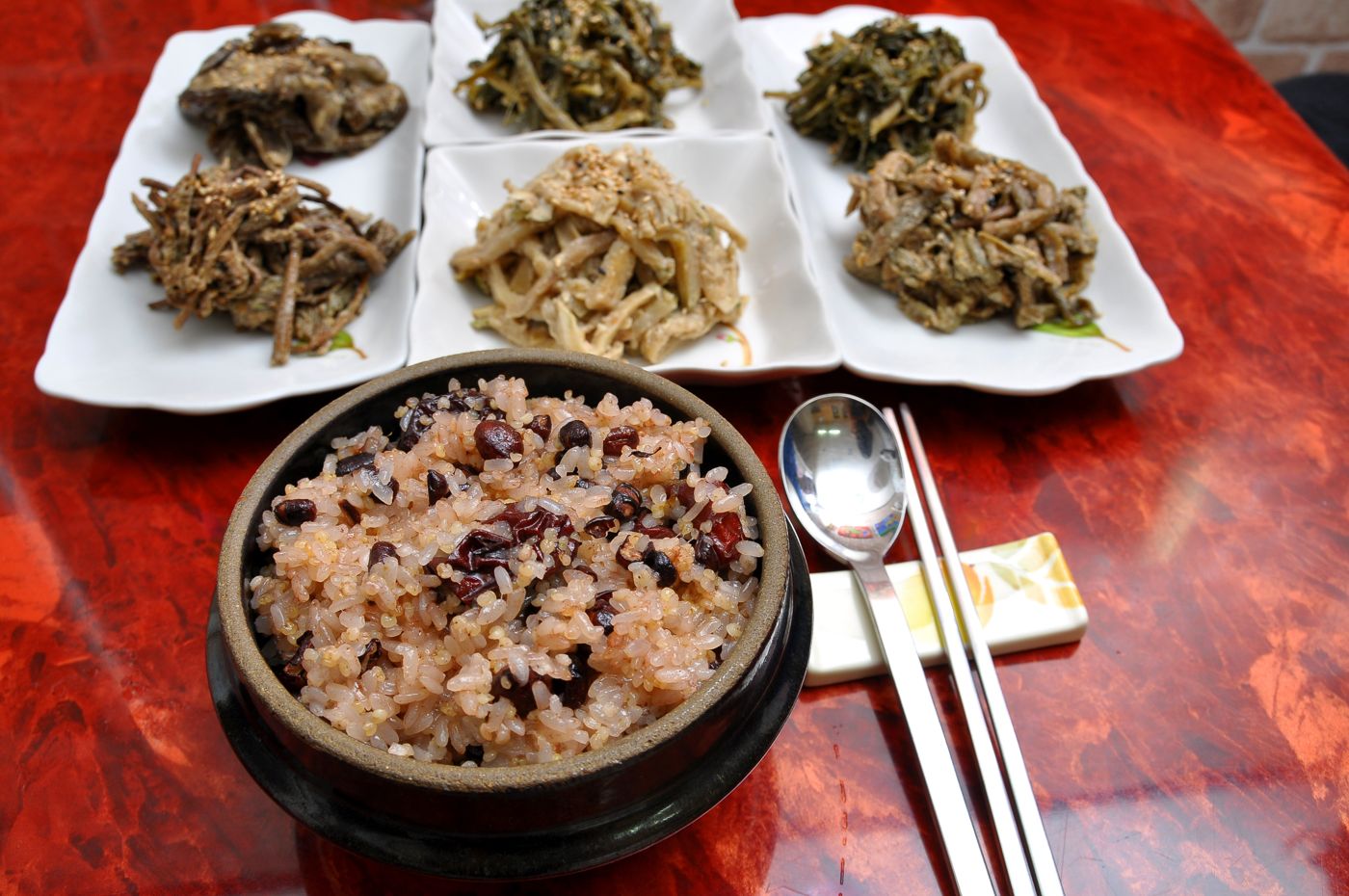 Ogokbap (Five-Grain Rice)오곡밥Glutinous rice cooked with sorghum, millet, red beans and black soybeans for Daeboreum, the first full moon of the lunar year, and shared among neighbors for a good harvest.
Sources
- 01약식 (Yaksik) — Encyclopedia of Korean Culture
- 02약밥 (Yakbap) — Encyclopedia of Korean Folk Culture: Korean Food and Dwelling Life
- 03한식이야기: 약식 (Korean Food Story: Yaksik) — Korean Food Promotion Institute
- 04Glutinous rice cake, Yaksik, Mixed with nut and dried fruit (A0410030009a) — Korean Food Composition Table
- 05식품 알레르기 유발물질 표시 강화된다 (Food allergen labeling to be strengthened, 2019) — Anti-Corruption and Civil Rights Commission of Korea
- 06삼킴·질식 안전사고에 대한 소비자안전주의보 발령 (Consumer safety alert on swallowing and choking accidents, May 2026) — Korea Fair Trade Commission and Korea Consumer Agency
Last updated