The Banchan Encyclopedia
Ingredients
재료
From gochugaru to doenjang, the ingredients that give Korean food its flavor, history and character.
157–168 of 171 ingredients
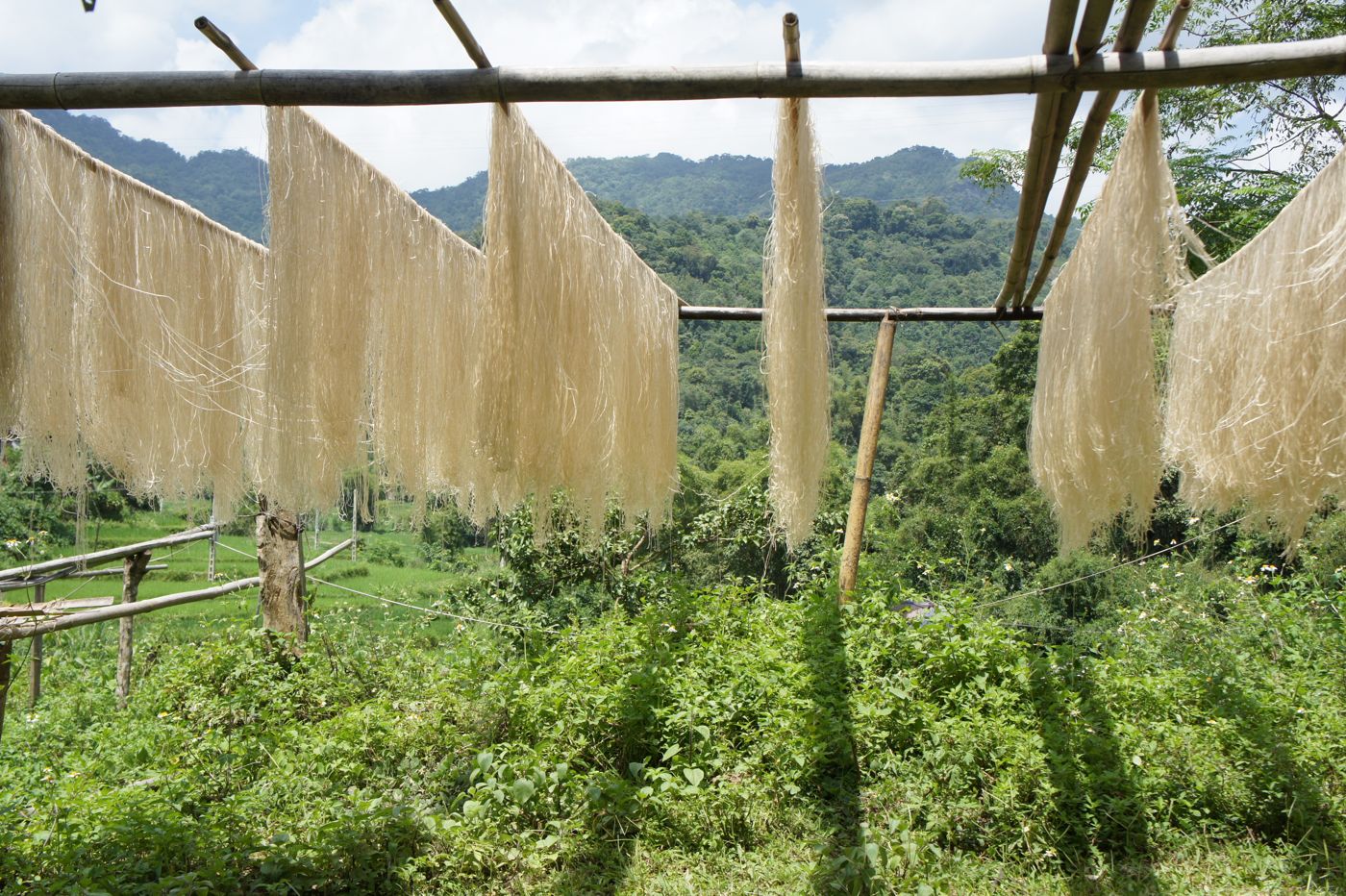 Sweet potato glass noodles당면Chewy, translucent noodles made from sweet potato starch. Introduced from China in the late Joseon period and mass-produced from 1919, they became the heart of modern japchae.
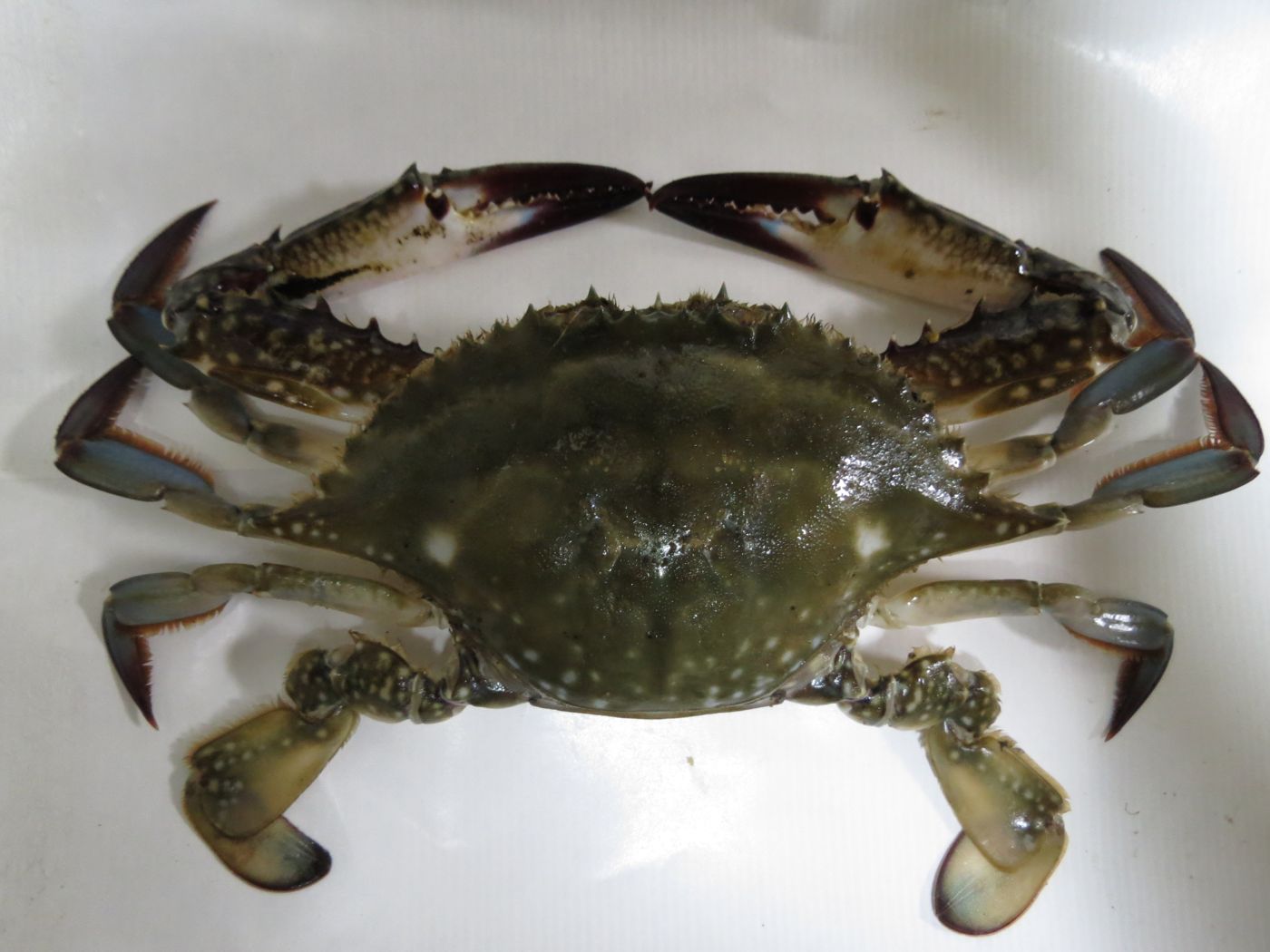 Swimming crab (kkotge)꽃게Korea's everyday crab: a blue-green swimming crab from the West Sea, sweet-fleshed and rich with roe in season. It is steamed, cooked into stews, and steeped raw in soy sauce as ganjang-gejang.
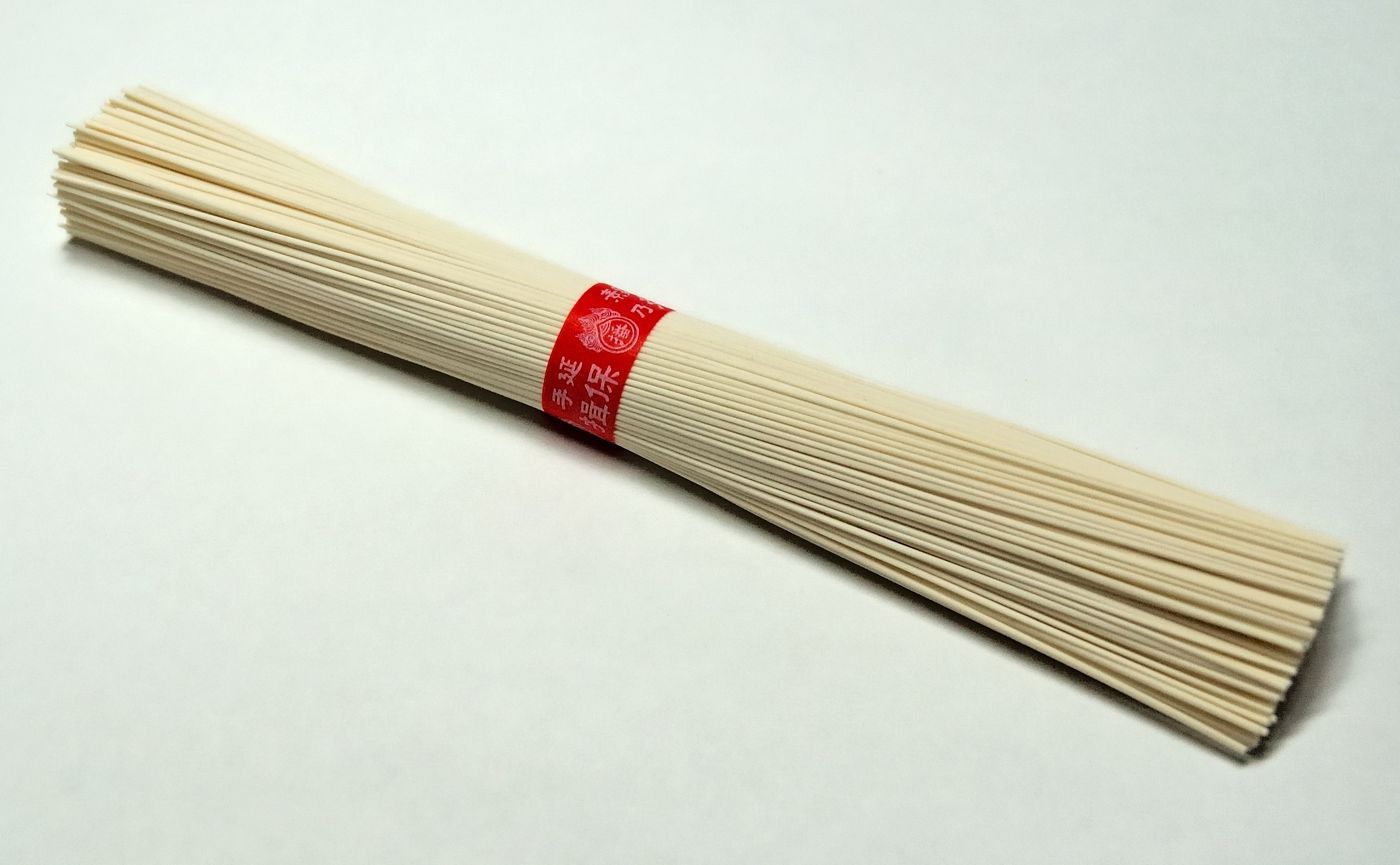 Thin wheat noodles (somyeon)소면Very thin, dried white wheat noodles sold in long bundles. They cook in a few minutes and are the noodle of janchi-guksu, the warm anchovy-broth "banquet noodles" served at celebrations, as well as of spicy cold bibim-guksu.
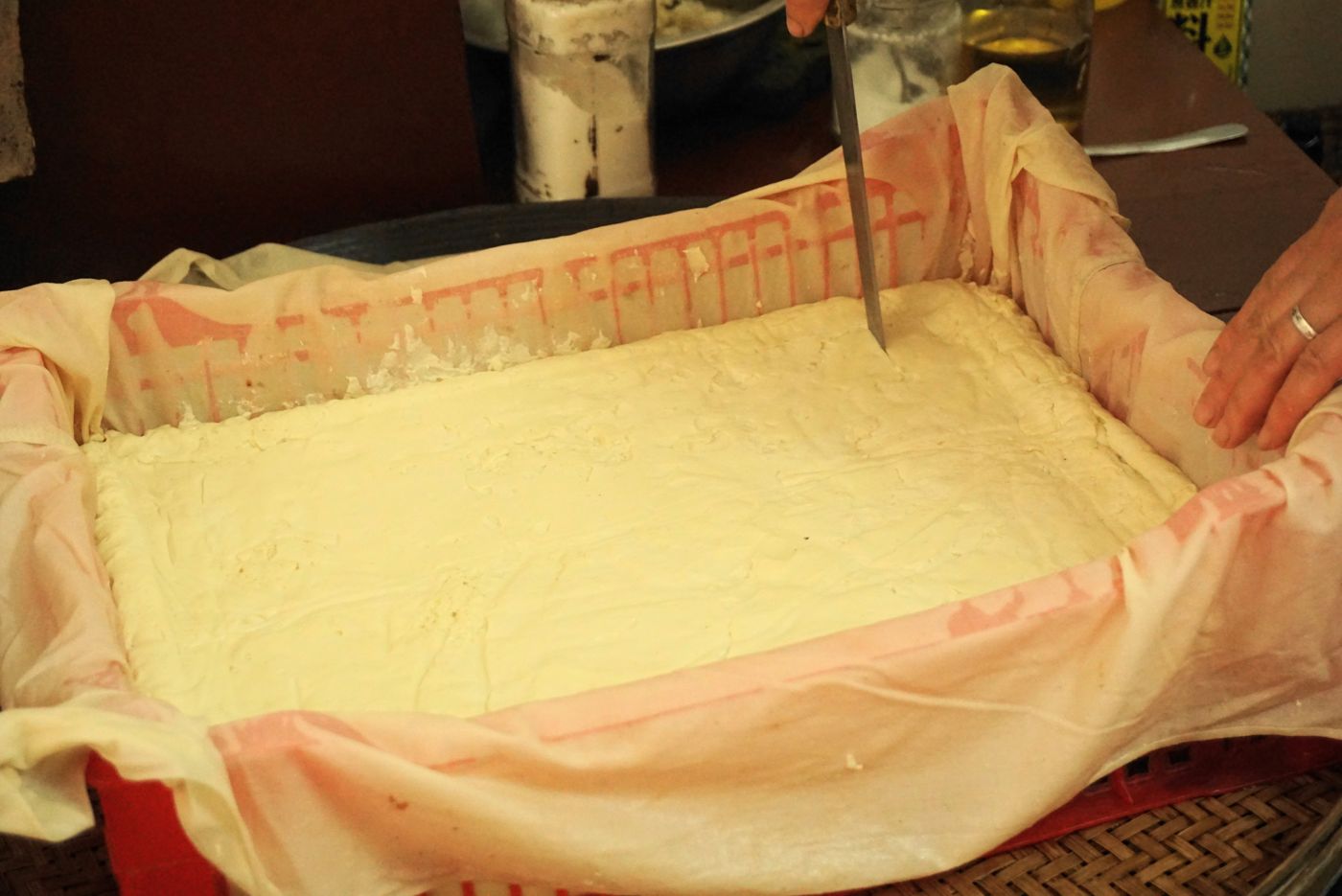 Tofu두부Fresh bean curd made by coagulating soy milk and pressing the curds. A quiet staple of Korean cooking since at least the late Goryeo period, it is pan-fried, braised in spicy soy glaze, or simmered in stews.
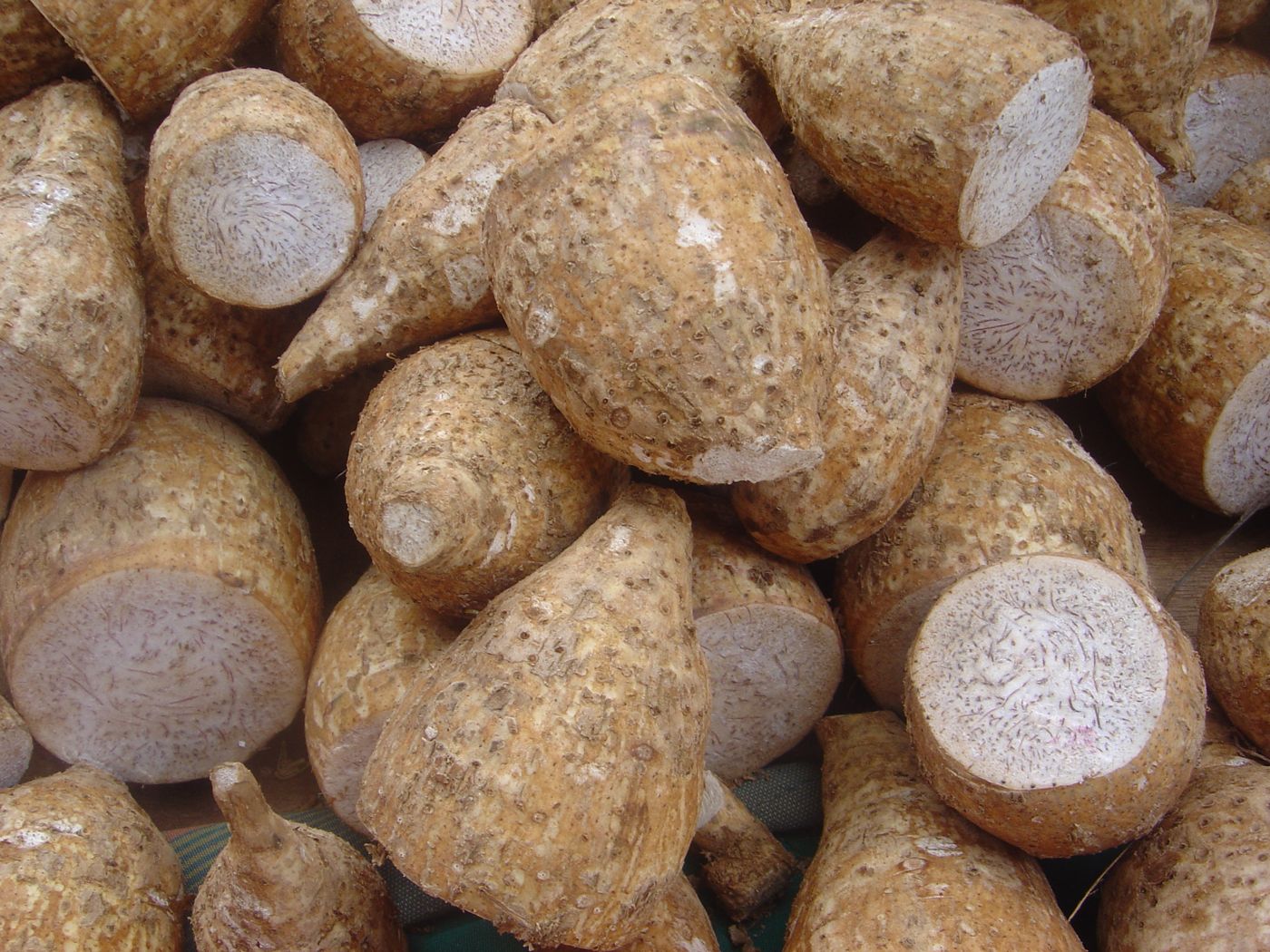 Toran (taro)토란Small, hairy brown corms with slippery white flesh, harvested just in time for Chuseok. Simmered in clear beef broth as toran-guk, they are a defining taste of the autumn harvest festival, especially in Seoul and Gyeonggi.
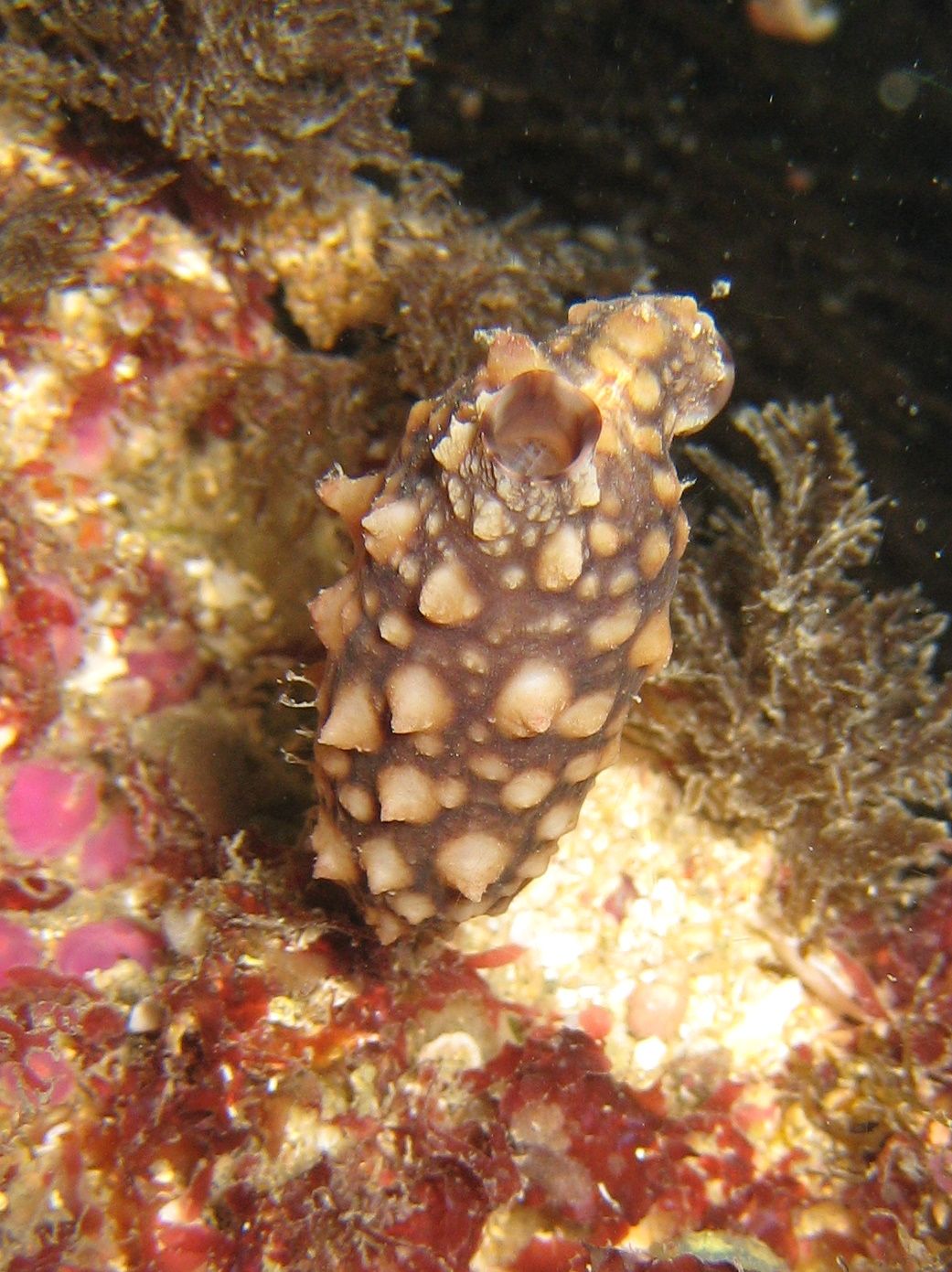 Warty sea squirt (mideodeok)미더덕A small, stalked sea squirt farmed in Jindong Bay near Masan. Its crunchy, briny pouch bursts with sea-scented liquid and flavors doenjang stews and Masan's braised dishes.
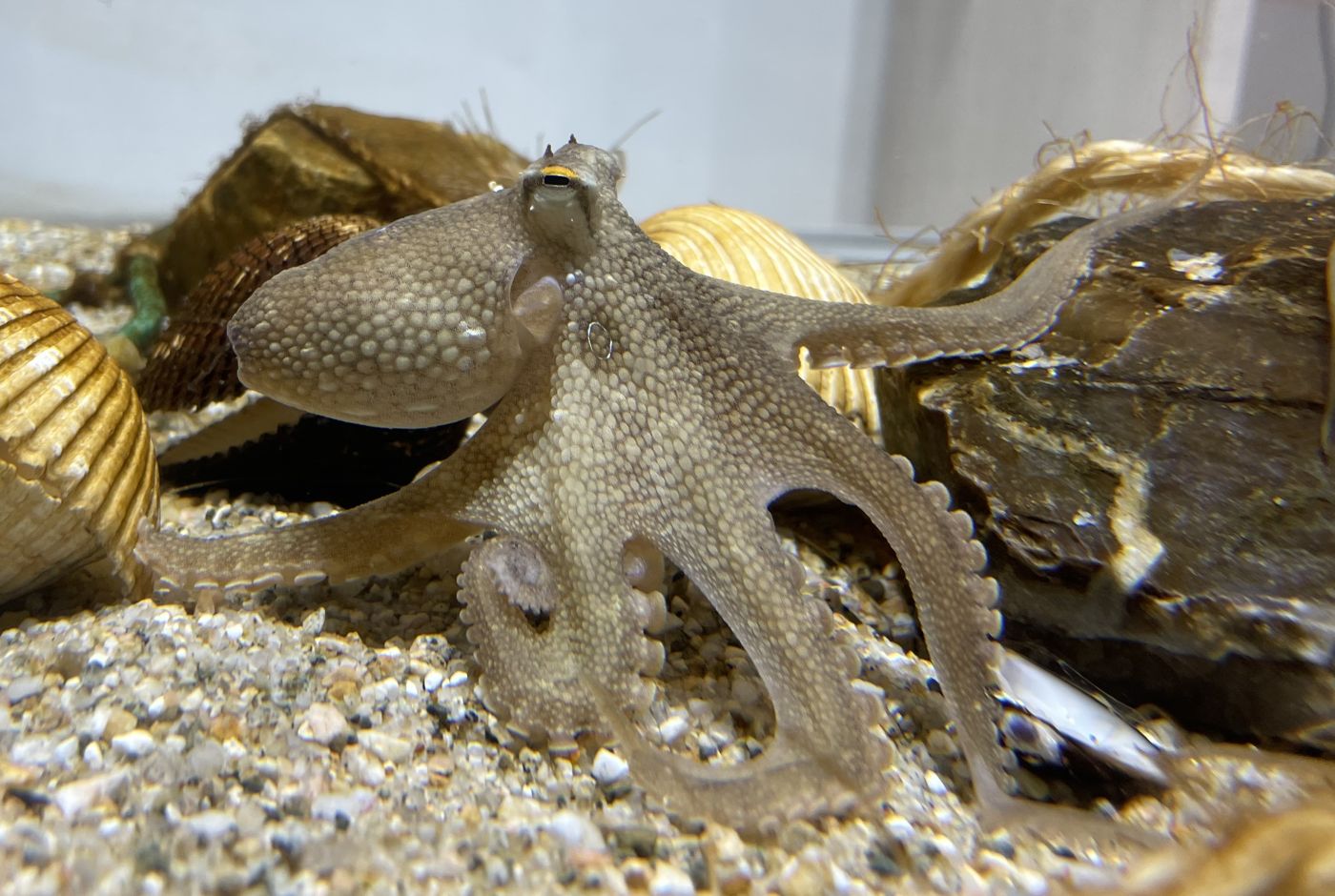 Webfoot octopus (jjukkumi)주꾸미A small, short-armed octopus of the west and south coasts, best known in spring, when females are full of rice-like eggs. It is stir-fried with chili, blanched for dipping, or simmered in hot pots.
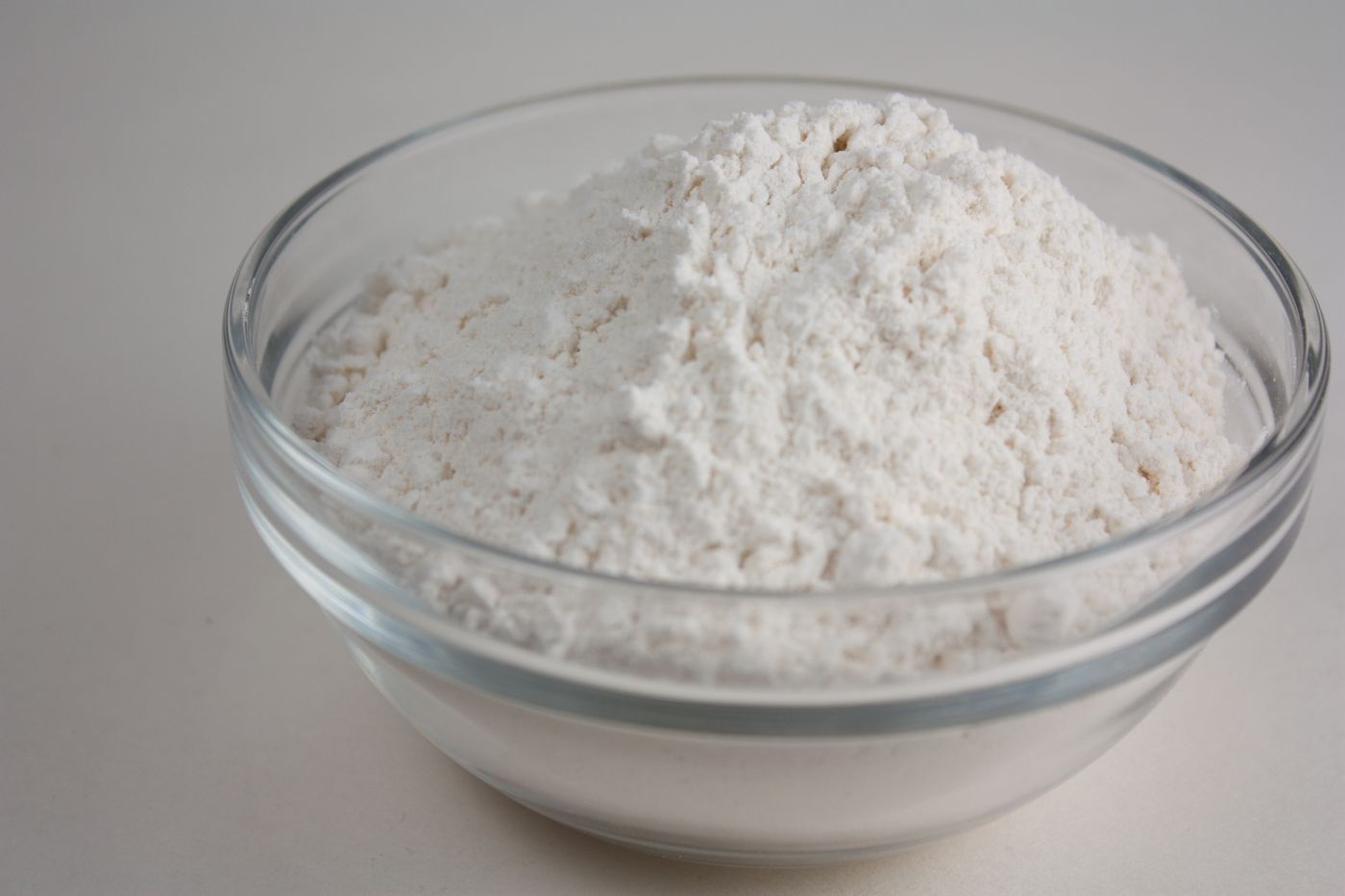 Wheat flour밀가루Finely milled wheat flour, the base of Korean noodles, dumpling wrappers, pancake batters and ramyeon. A luxury for most of Korean history, it became an everyday staple only after the Korean War, when American aid flour flooded the market.
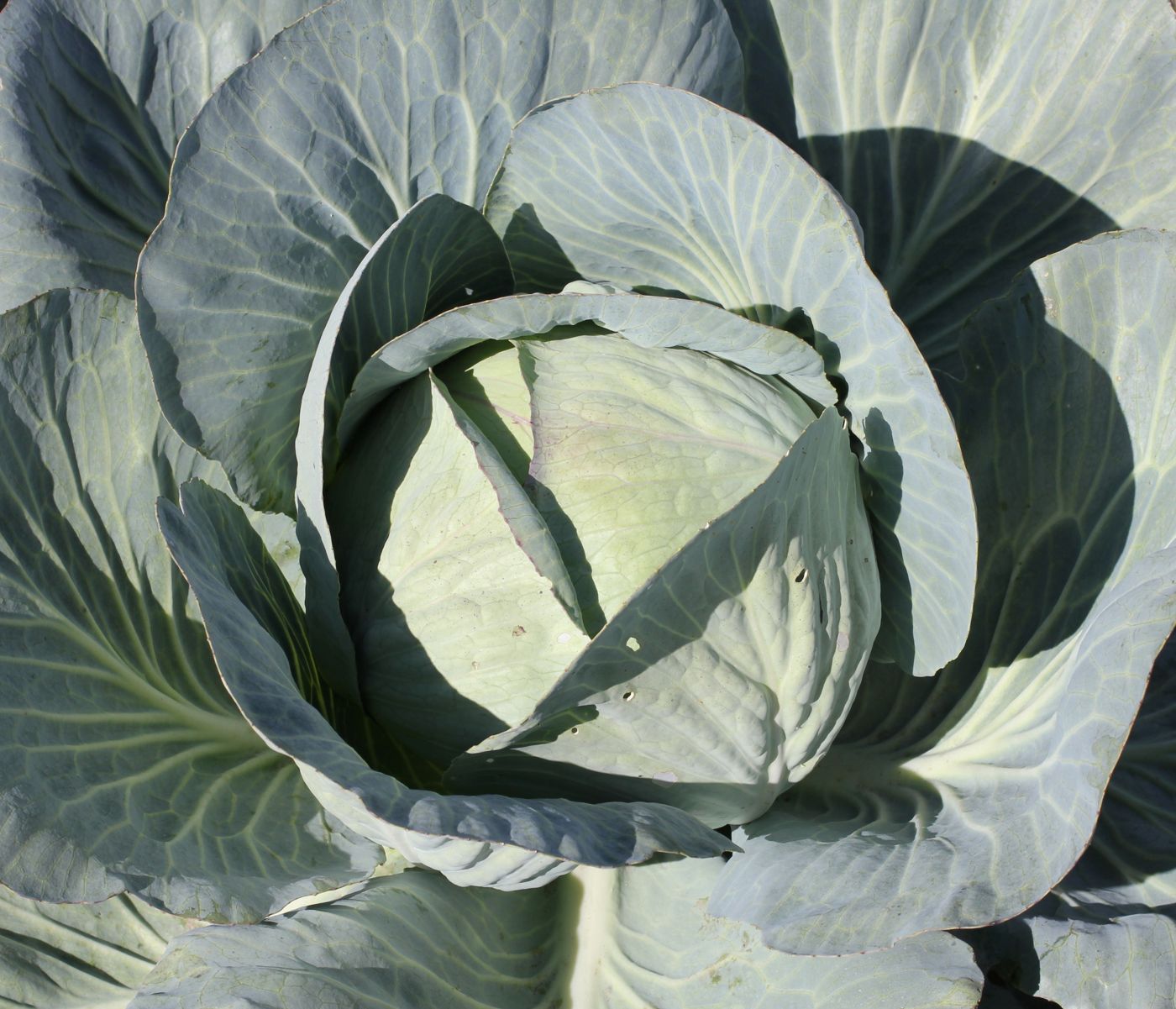 Yangbaechu (cabbage)양배추The round, tightly headed European cabbage — the "Western baechu." Crunchy and sweet, it is shredded raw, made into quick kimchi, steamed as a wrap and stir-fried into dakgalbi and tteokbokki.
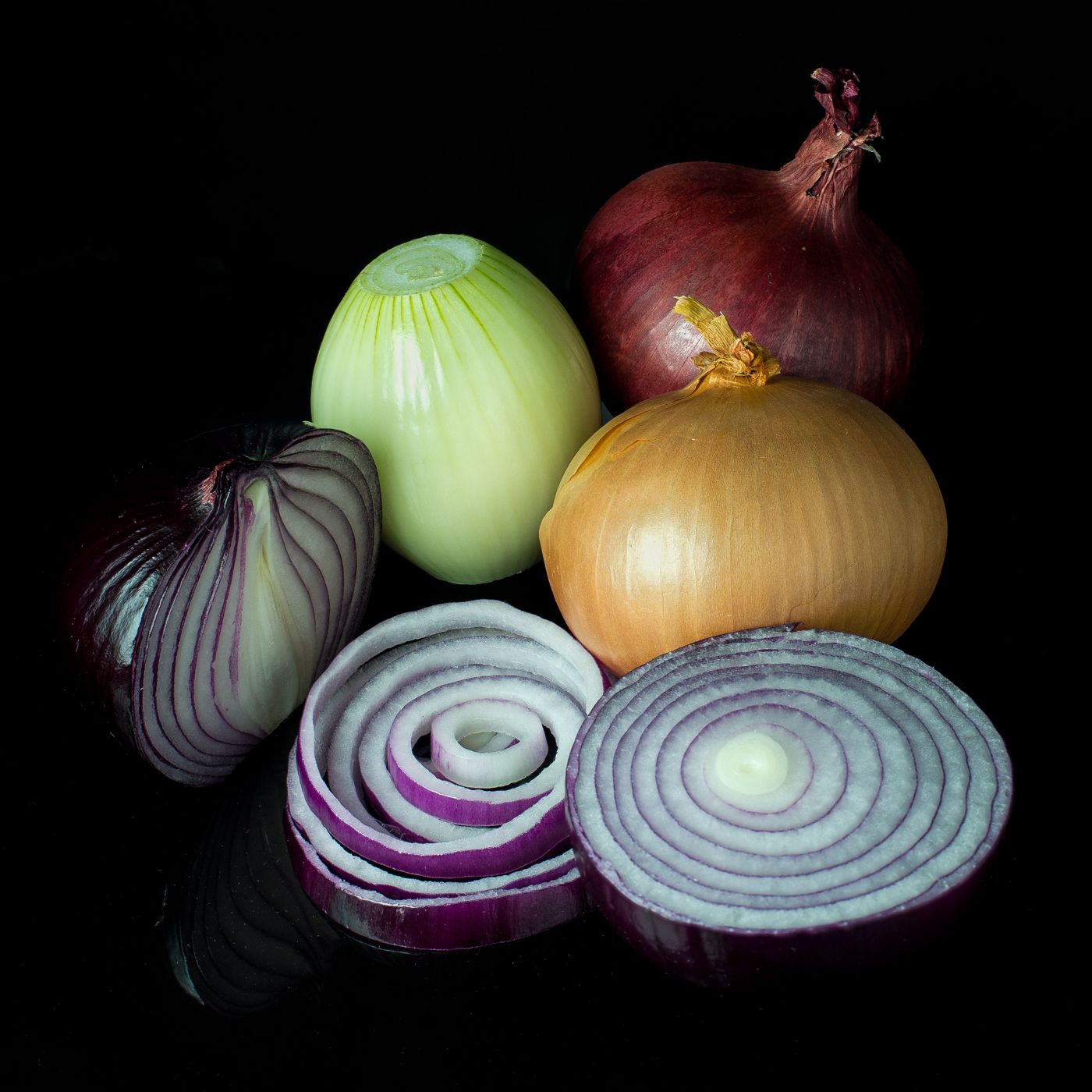 Yangpa (onion)양파The bulb onion, literally the "Western scallion." A latecomer to Korea, it is now everywhere: sweetening stir-fries and braises, pickled in soy sauce as yangpa-jangajji, and served raw beside grilled meat.
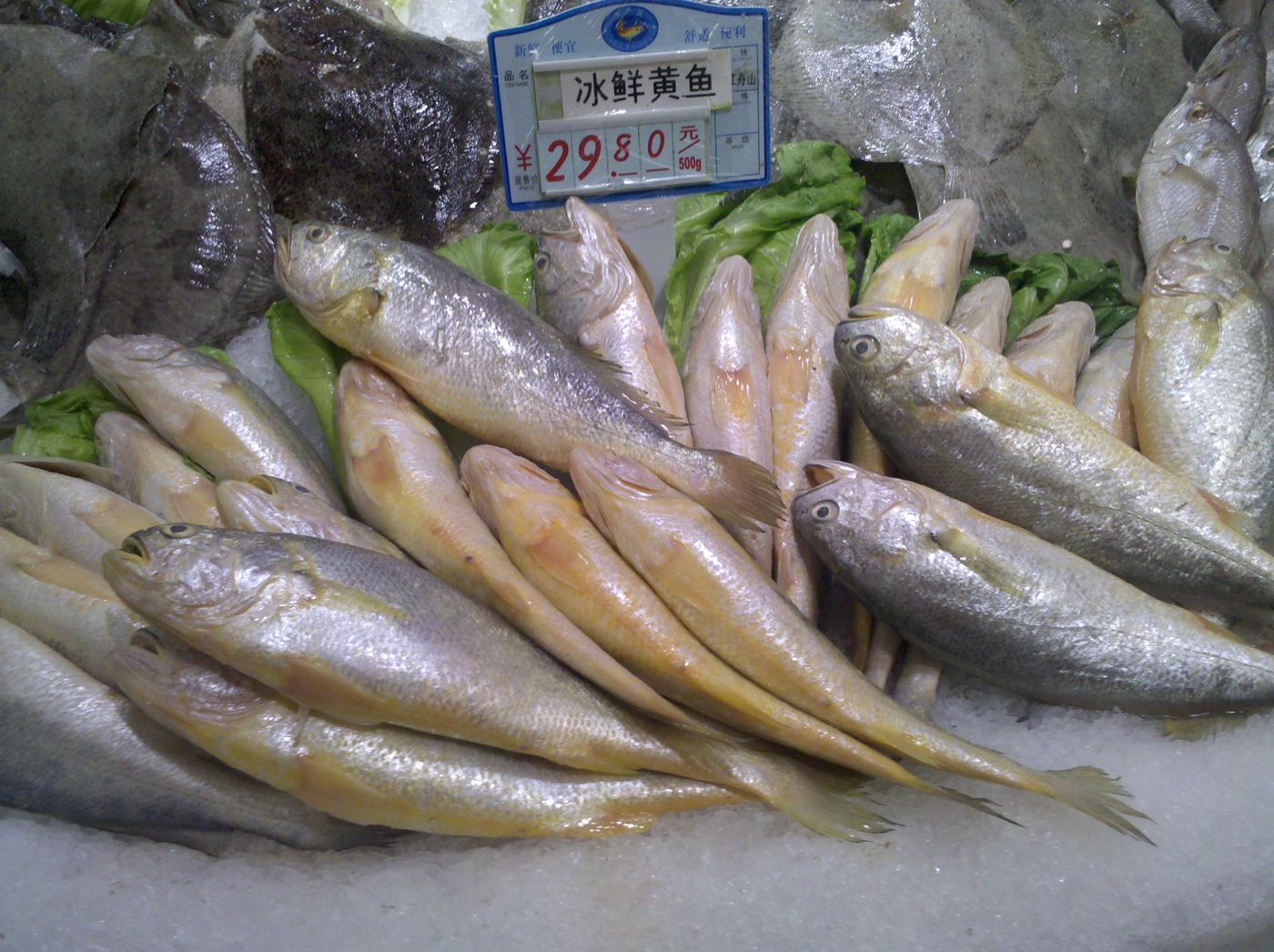 Yellow croaker (jogi)조기A golden-skinned West Sea fish, prized above all as gulbi: whole croakers salted and air-dried, a specialty of Yeonggwang. Gulbi was once sent as tribute to the court and is still a prized gift.
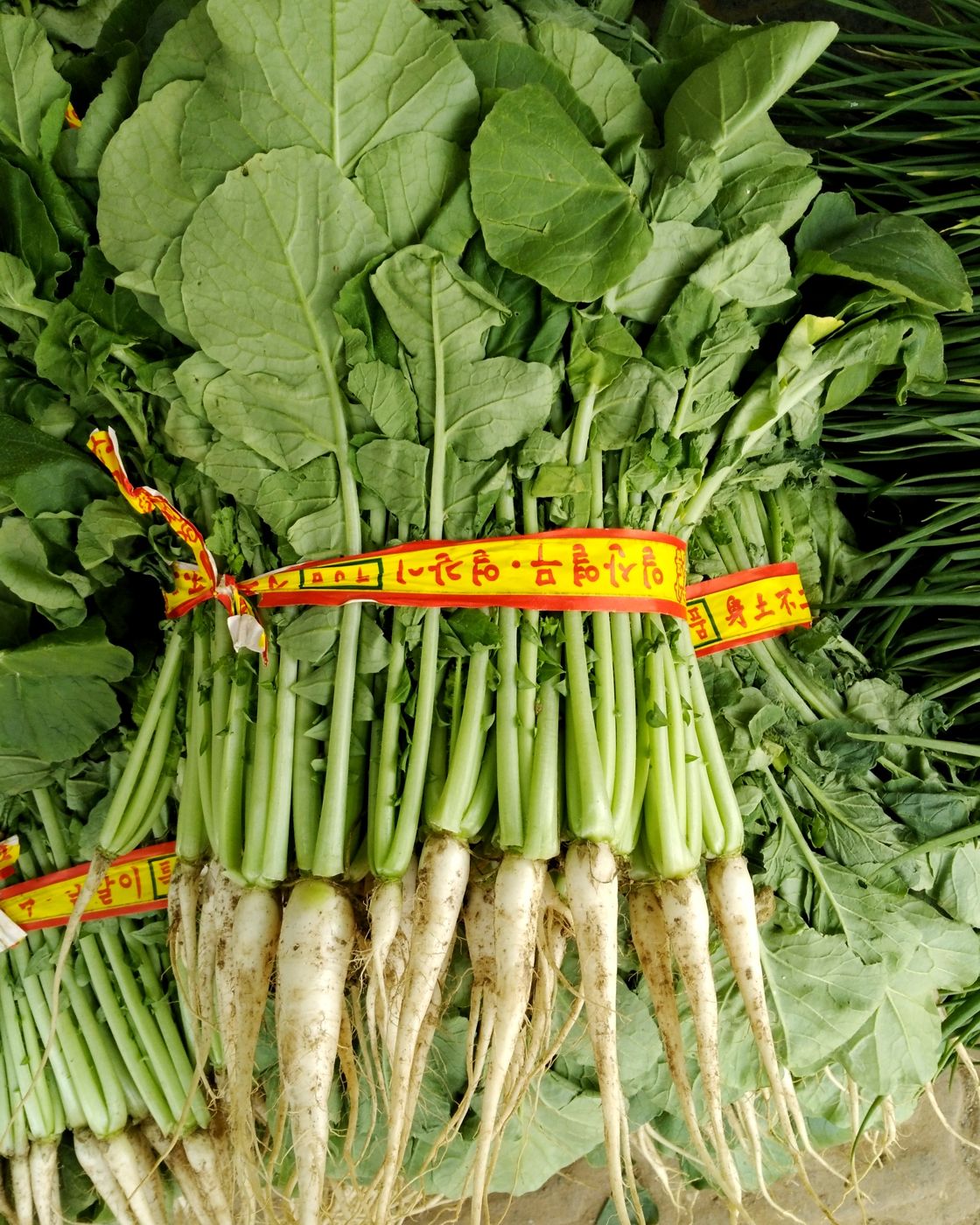 Yeolmu (young summer radish)열무Young radish plants pulled for their tender greens and thin roots. The essential summer kimchi vegetable, made into tangy yeolmu-kimchi that is spooned over cold noodles and barley rice.