The Banchan Encyclopedia
Ingredients
재료
From gochugaru to doenjang, the ingredients that give Korean food its flavor, history and character.
61–72 of 171 ingredients
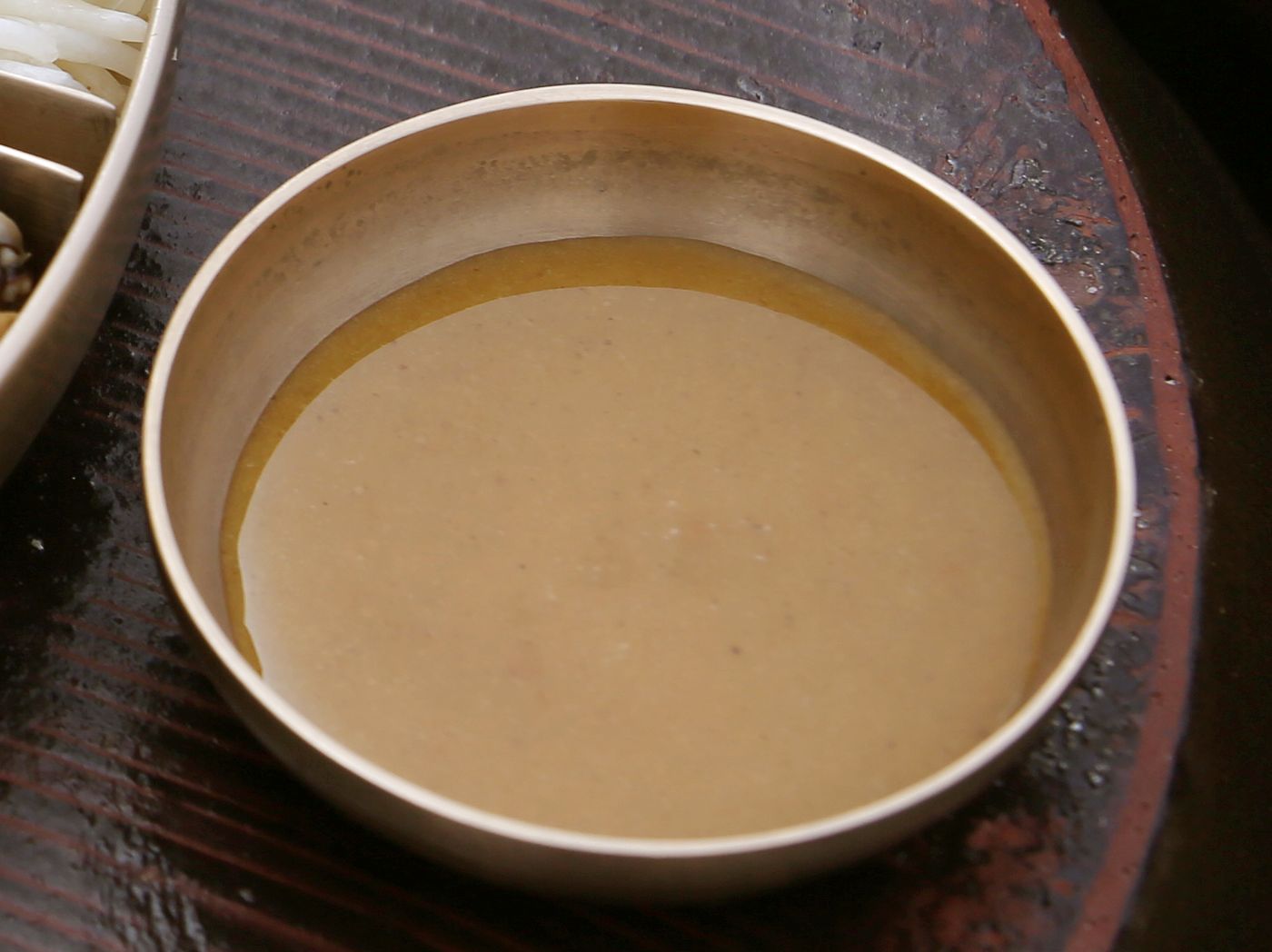 Gyeojja (Korean Mustard)겨자Korean mustard, ground from the seeds of mustard greens (gat) and mixed into a sharp, nose-tingling paste. It seasons cold noodles, dresses the mixed cold salad gyeoja-chae and sharpens dipping sauces for raw fish and boiled meat.
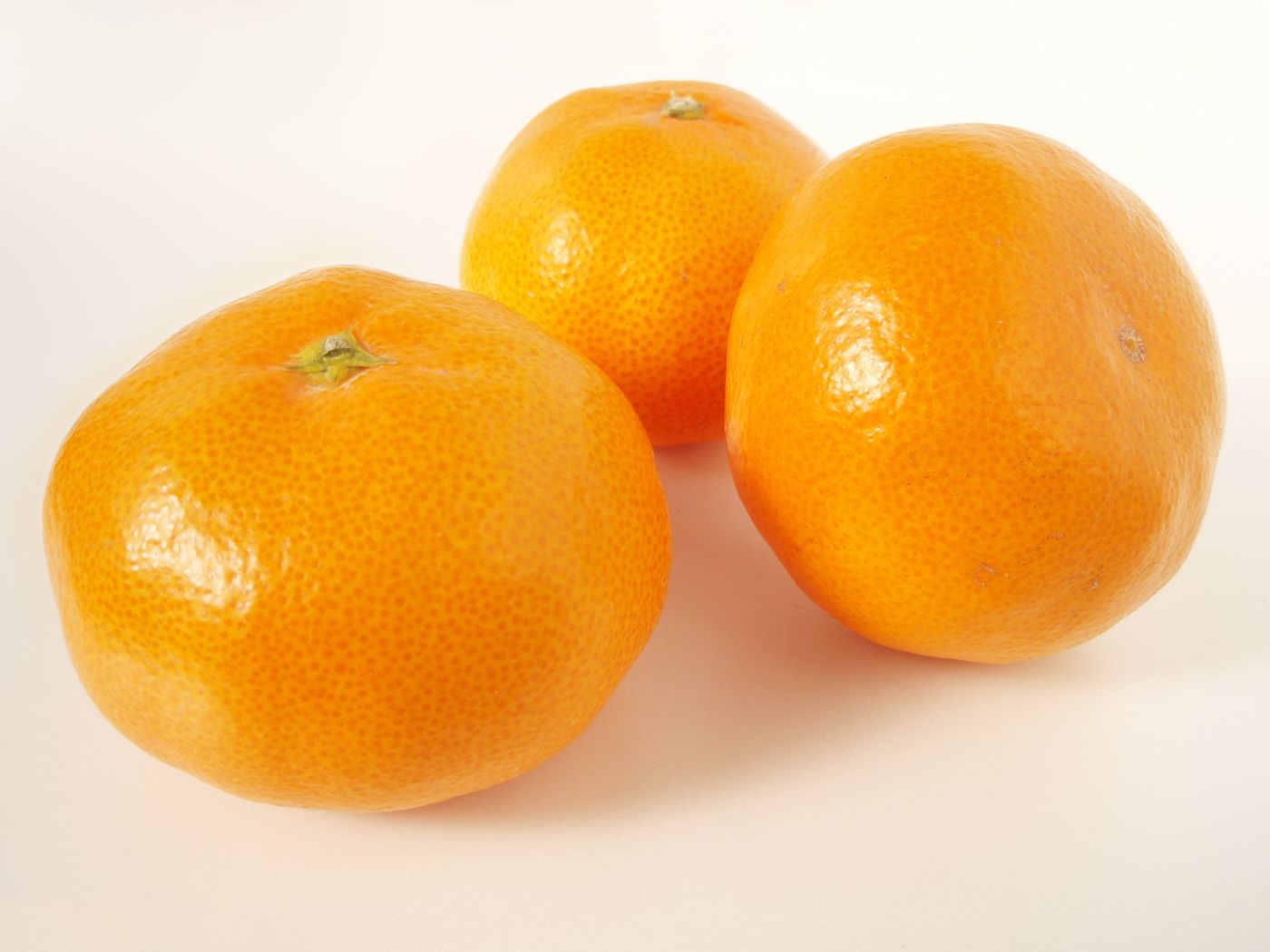 Gyul (Jeju mandarin)귤Small, loose-skinned mandarins from Jeju Island, peeled by the handful through the Korean winter. Once a closely guarded royal tribute, they are now the country's most familiar citrus.
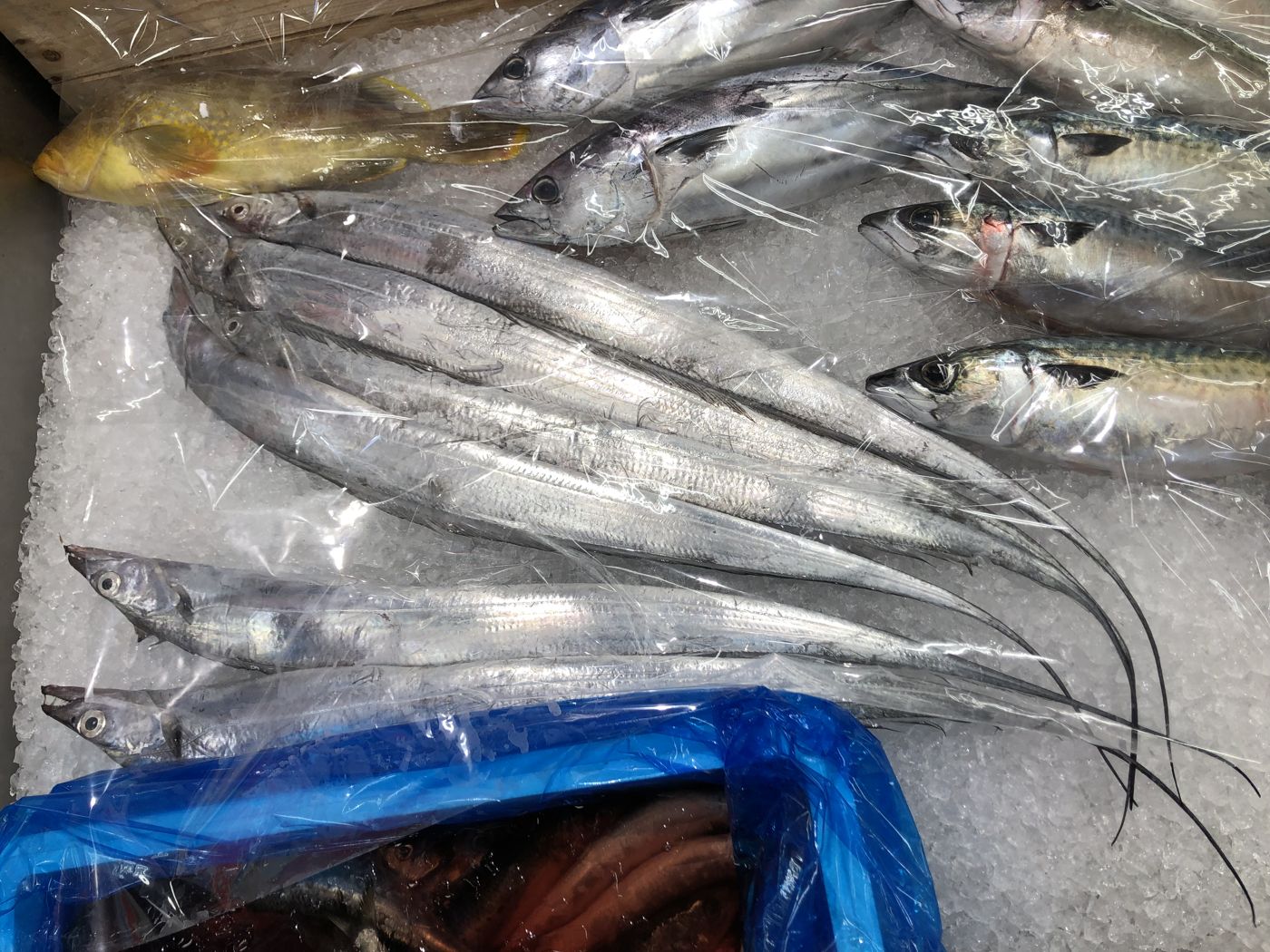 Hairtail (cutlassfish)갈치A long, scaleless, ribbon-like fish with a mirror-bright silver skin. Its soft, sweet flesh is grilled, braised with radish and chili, or — on Jeju — simmered into a clear soup with pumpkin.
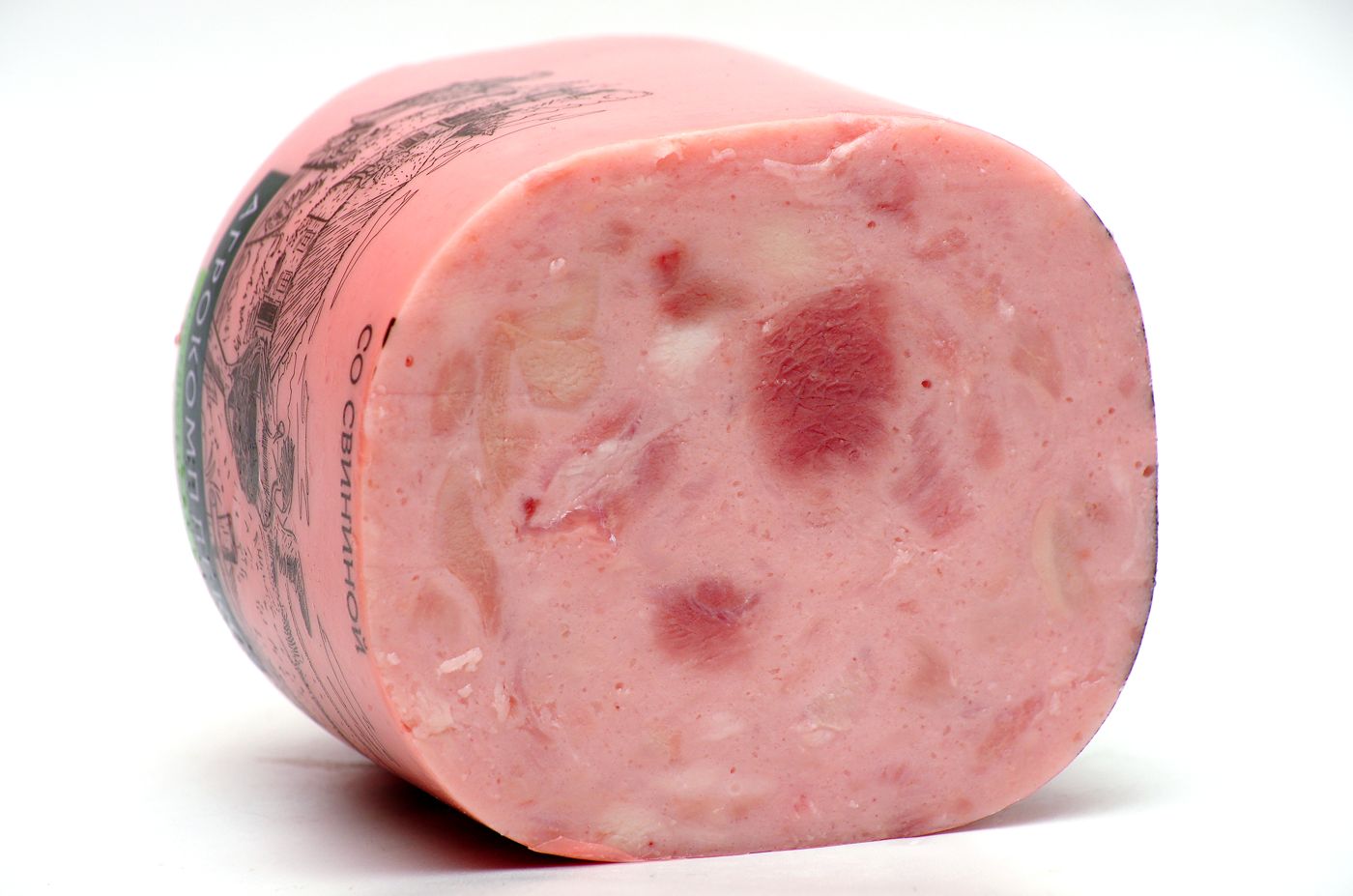 Ham and Canned Luncheon Meat햄In Korean kitchens haem covers sliced and pressed hams, cooked sausages and, above all, canned luncheon meat. It came into Korean cooking after the Korean War. Today it goes into budae-jjigae, gimbap, lunchbox fritters and fried rice.
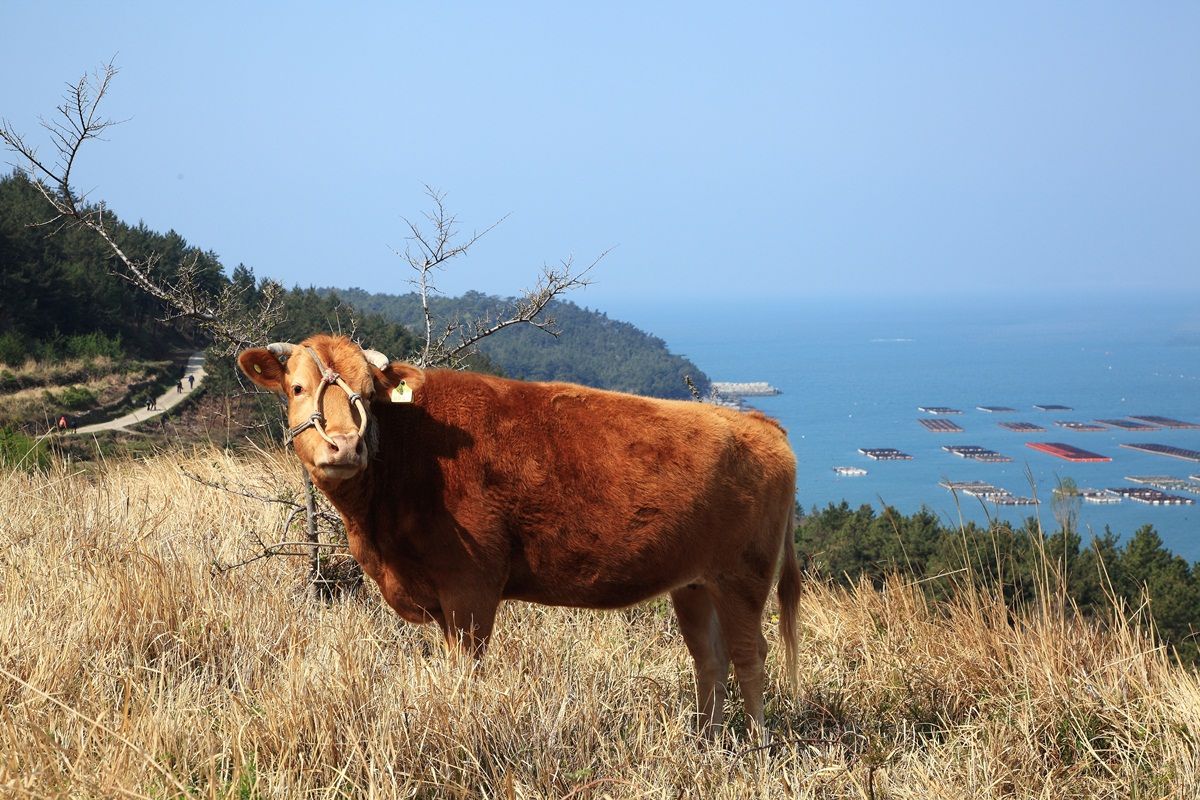 Hanu (Korean native beef)한우Beef from Korea's native cattle, most of them a warm yellow-brown, prized for rich marbling and a deep, beefy flavor. Hanu is the premium beef for grilling, braised galbi-jjim, holiday gift sets and ancestral-rite dishes.
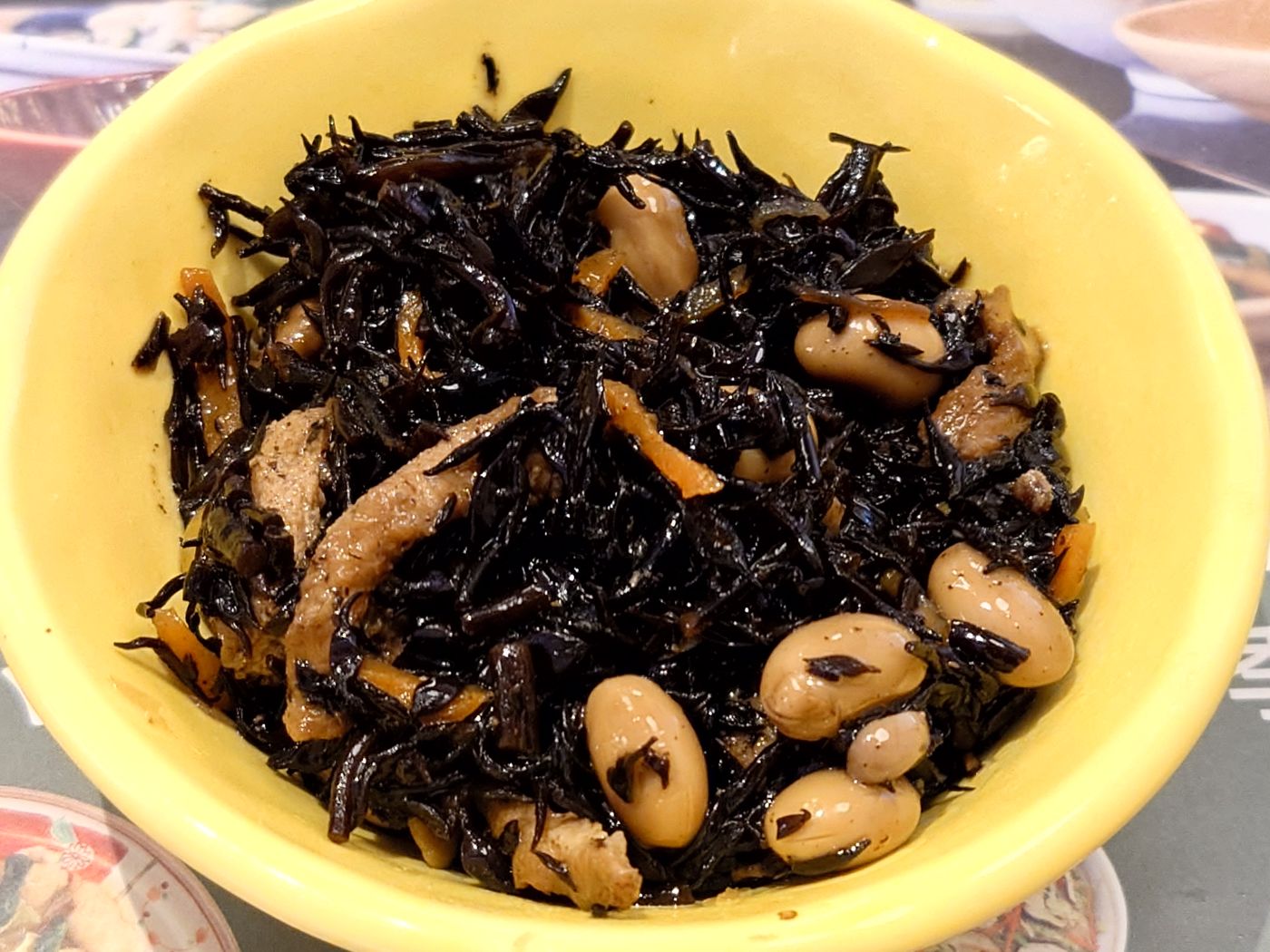 Hijiki (tot)톳A brown seaweed of short, bead-like branches, farmed around Wando and Jindo and gathered wild on Jeju. It is blanched and dressed as namul or cooked into rice, and must be soaked and boiled first.
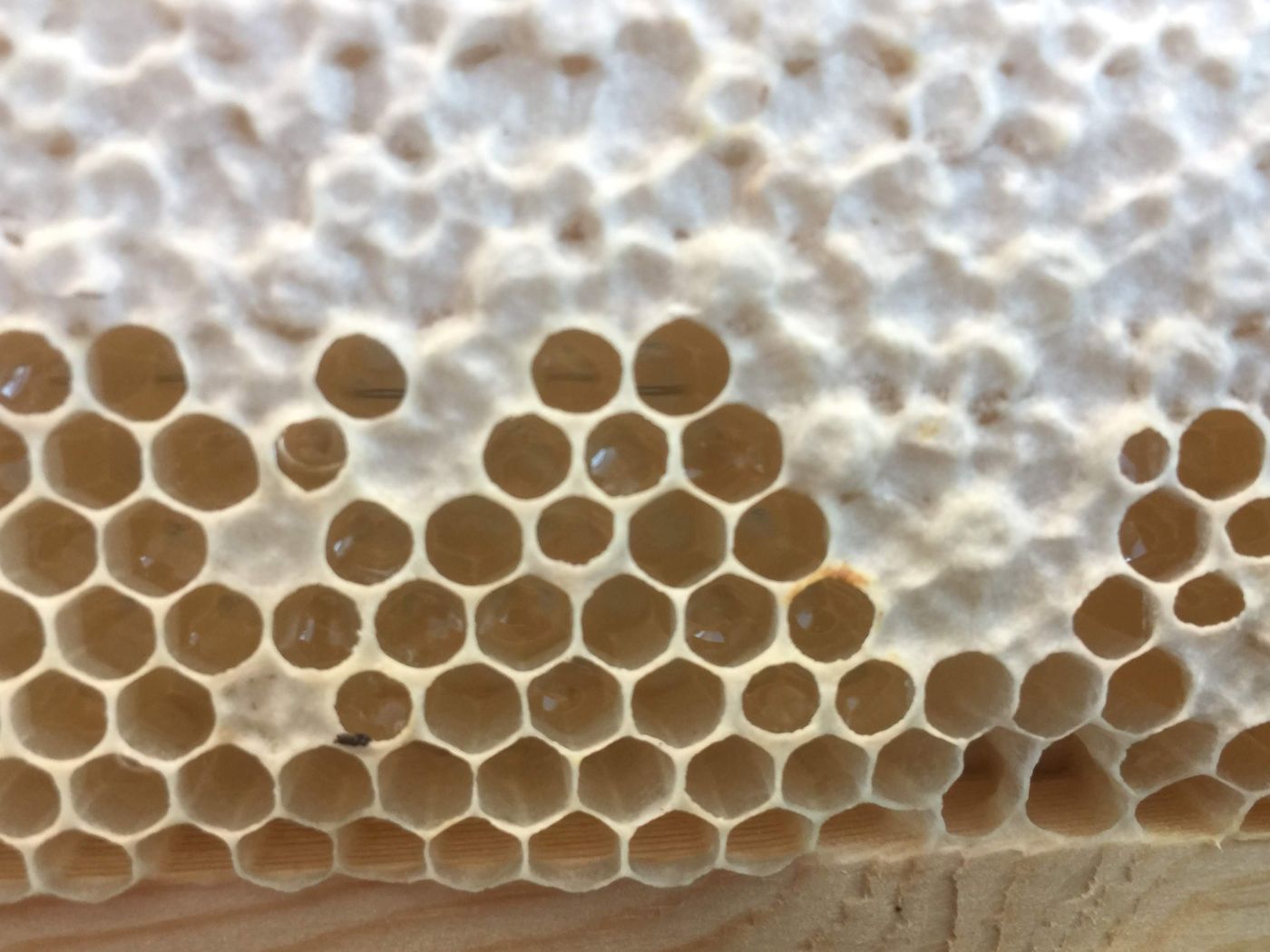 Honey꿀Honey has long been the prized sweetener of the Korean kitchen, used for court sweets like yakgwa and candied jeonggwa, for honey water and for seasoning meat. Korean shops sell native-bee honey (tojongkkul) and the more common Western-bee honey (yangbongkkul).
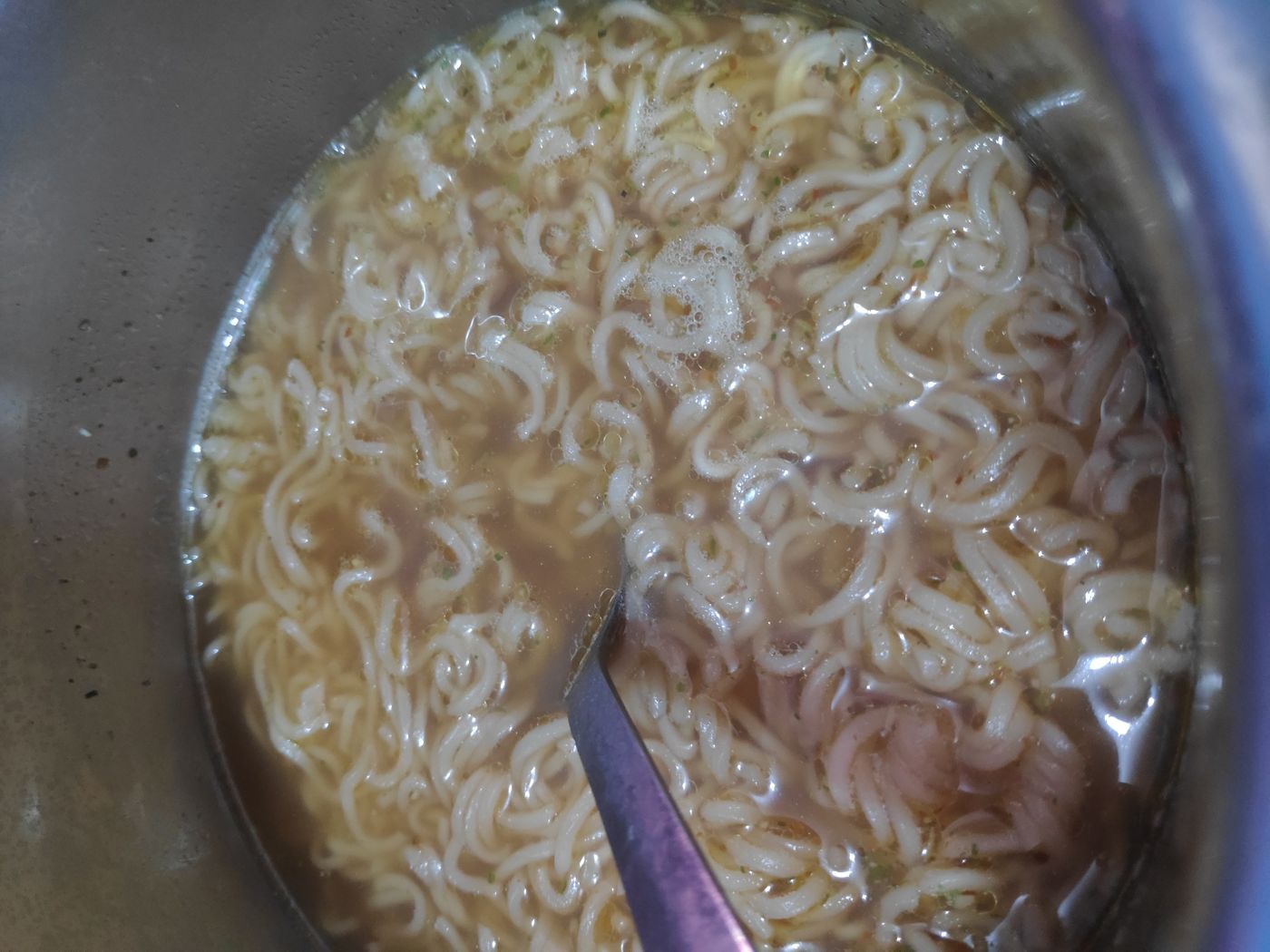 Instant noodles (ramyeon)라면Steamed and fried wheat noodles packed with a seasoning sachet, cooked in minutes. Beyond the bowl itself, the noodle block is a pantry ingredient, added as ramyeon sari to budae-jjigae.
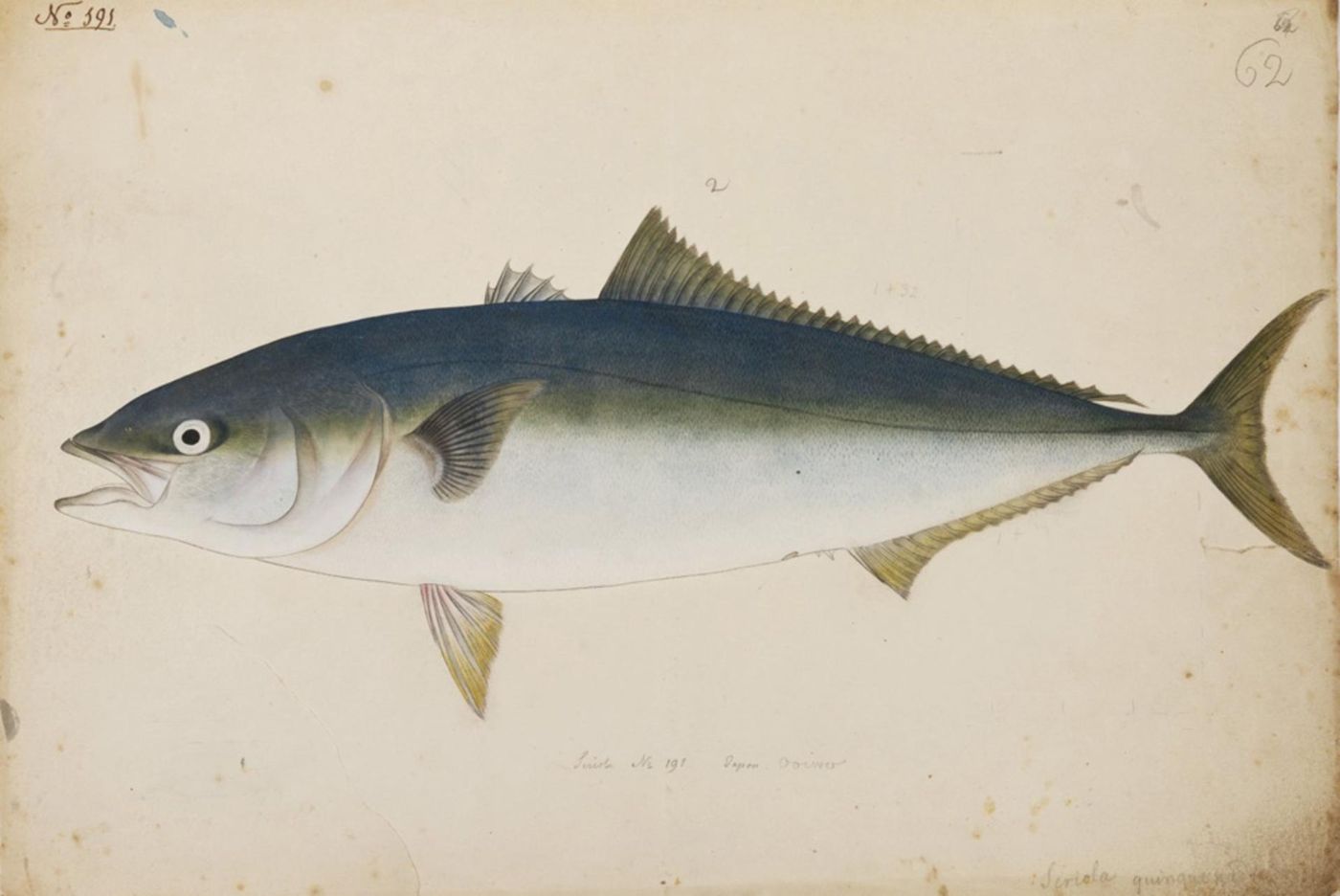 Japanese amberjack (bangeo)방어A big, fast jack whose winter fat makes it one of Korea's most anticipated sashimi fish. Moseulpo on Jeju's southwest tip celebrates it every November.
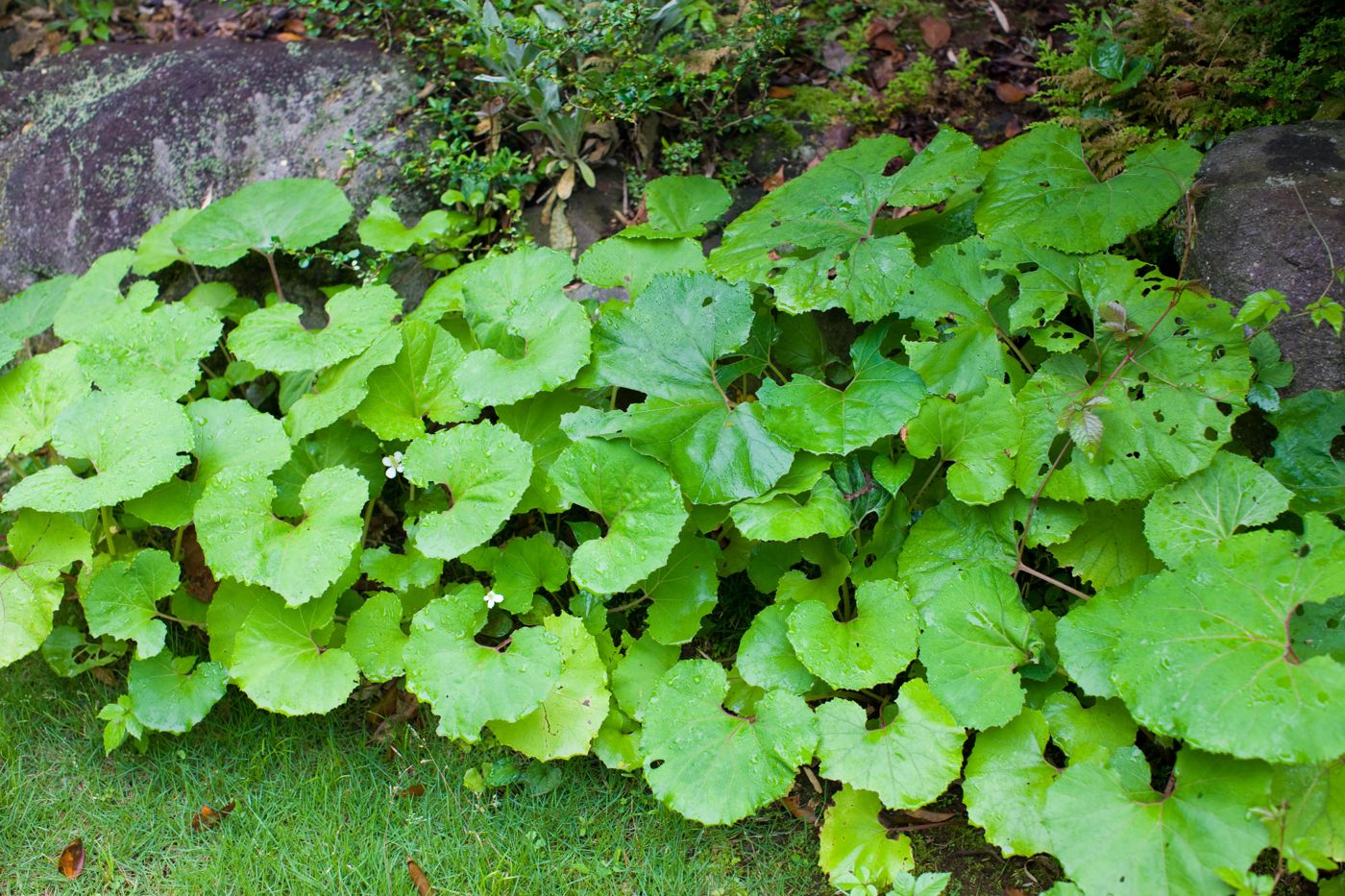 Japanese butterbur (meowi)머위A damp-ground perennial whose long leaf stalks are blanched and dressed as a slightly bitter spring namul. The broad young leaves are also blanched and used as wraps (ssam).
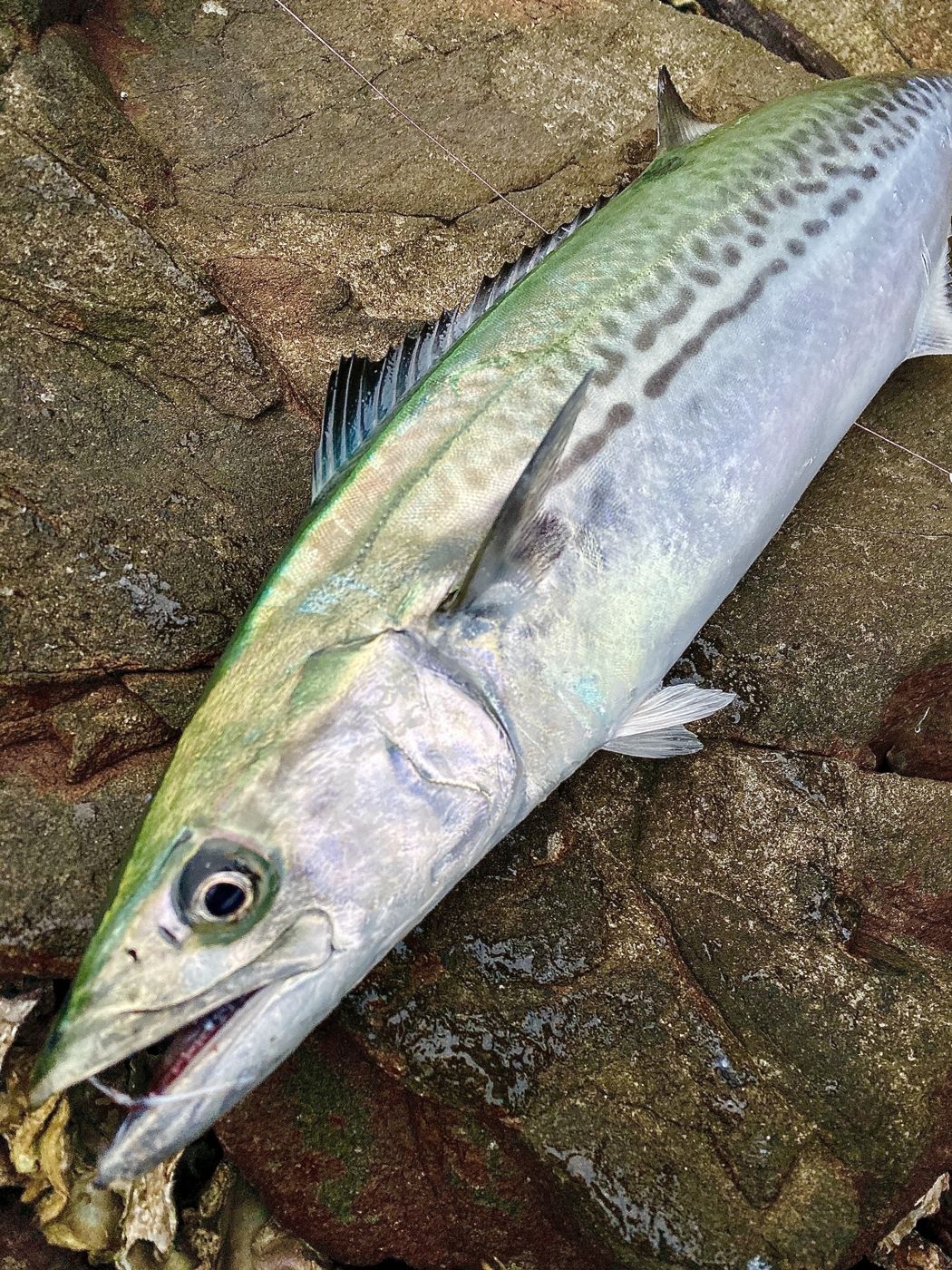 Japanese Spanish mackerel (samchi)삼치A long, silver-blue mackerel that Korean homes salt and grill like godeungeo. On the south-coast islands around Yeosu and Geomundo, big autumn fish are eaten raw, wrapped in ripe kimchi.
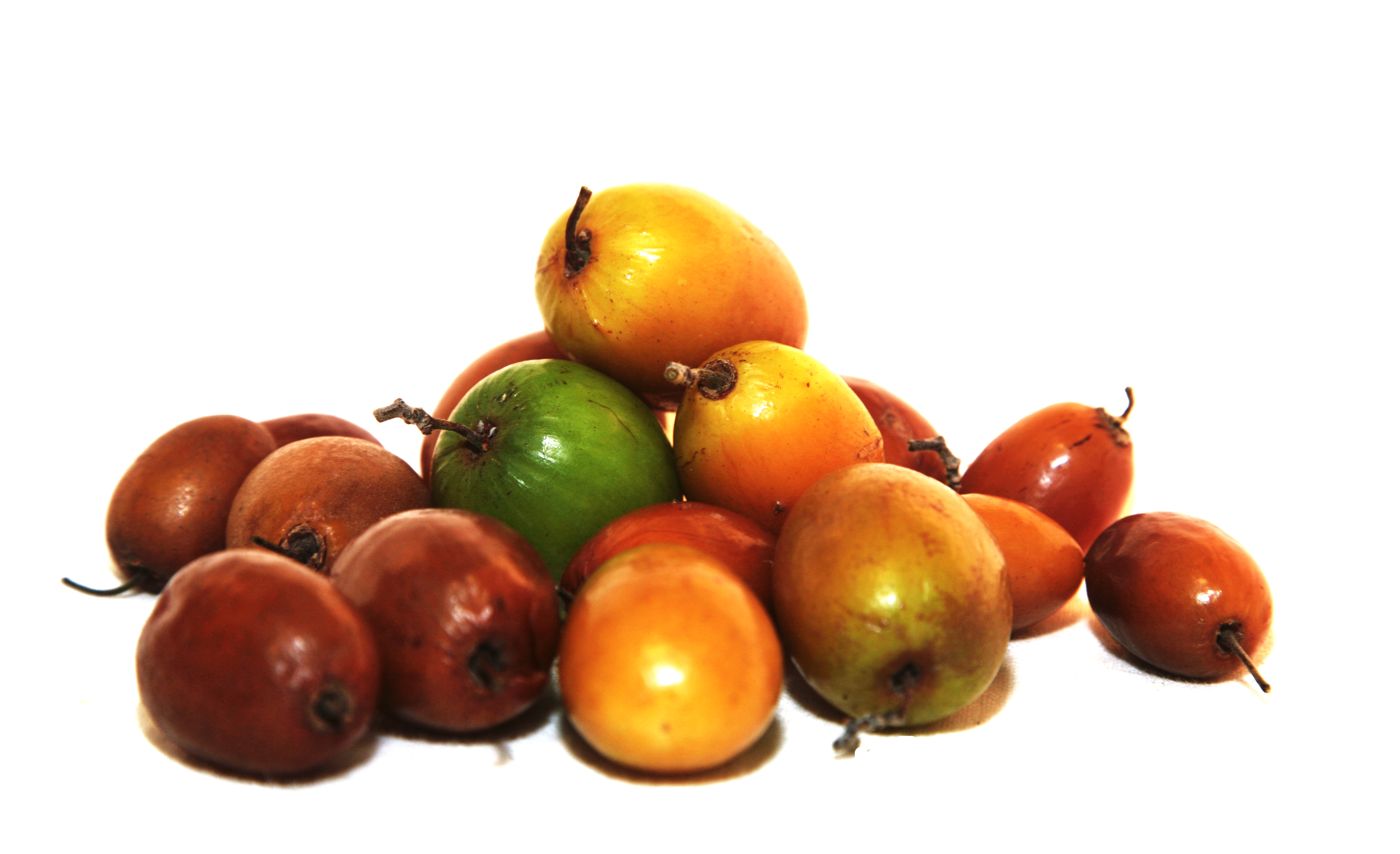 Jujube (red date)대추The small, wrinkled red fruit of the jujube tree, dried until sweet and chewy. An essential of ancestral-rite and wedding tables, it sweetens teas and herbal soups and garnishes rice cakes and festive dishes.