The Banchan Encyclopedia
Ingredients
재료
From gochugaru to doenjang, the ingredients that give Korean food its flavor, history and character.
97–108 of 171 ingredients
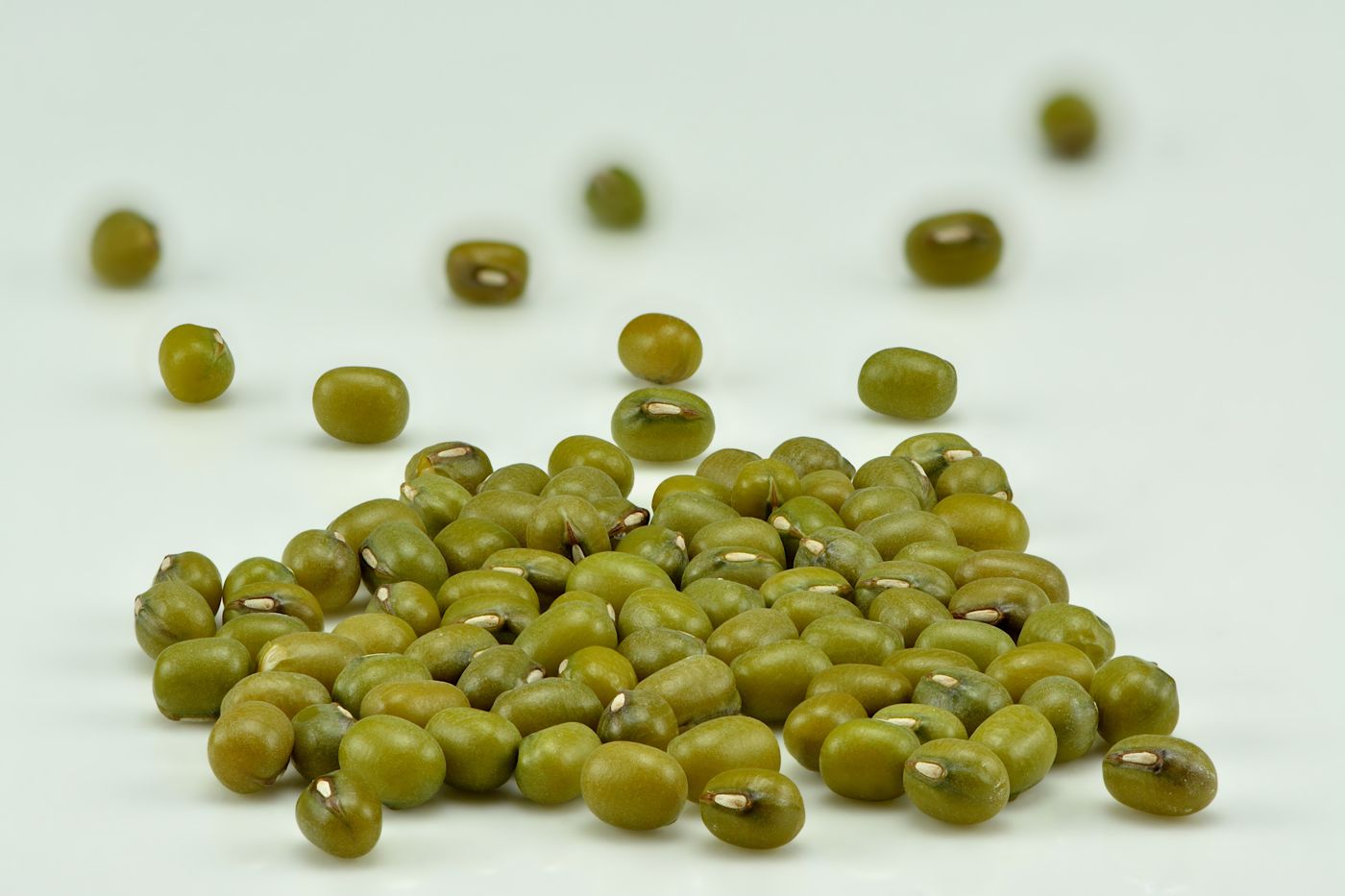 Mung beans녹두Small green beans that give Korean cooking three very different foods: crisp, golden bindaetteok pancakes from the soaked and ground beans, crunchy sukju sprouts, and clear, silky cheongpo-muk jelly from their starch.
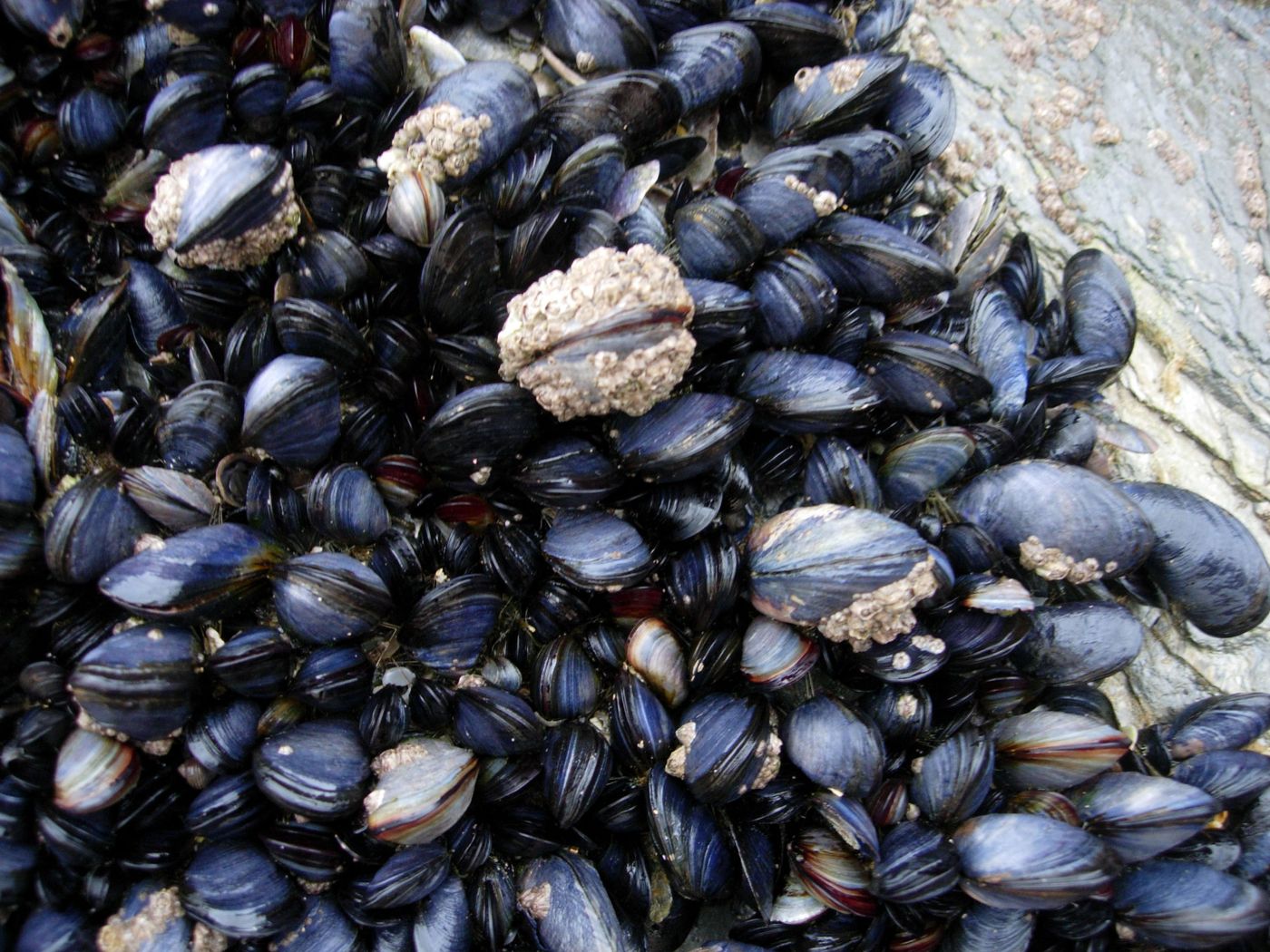 Mussels홍합The dark-shelled mussel behind Korea's milky seafood broths, miyeok soups and street-stall stews. Cooks use it fresh and dried, and braised sweet-salty in the old court dish honghap-cho.
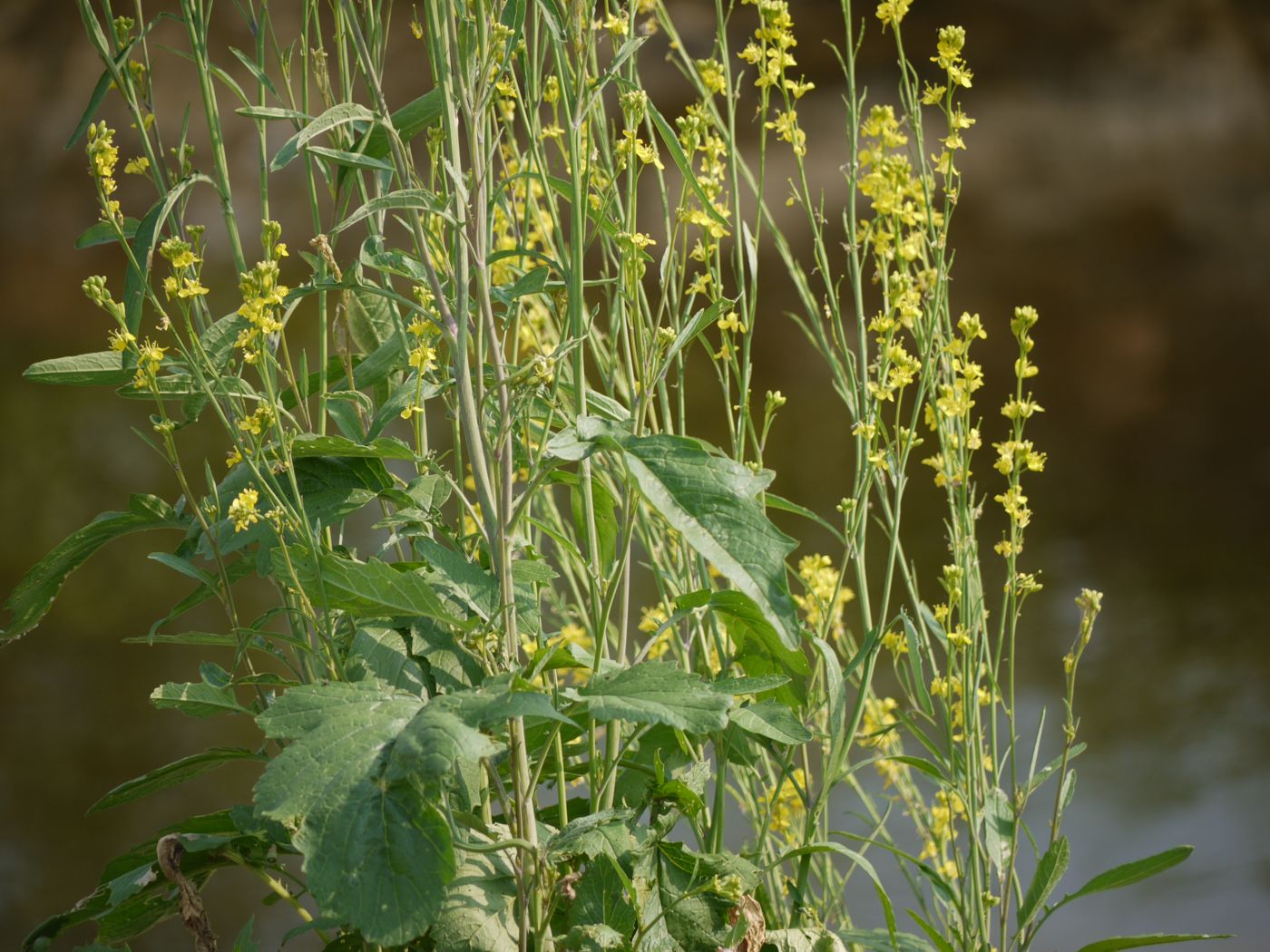 Mustard greens (gat)갓Broad, pungent leaves of Korean leaf mustard, green or deep purple-red. The star of gat-kimchi from Yeosu's Dolsan Island and a sharp, aromatic addition to winter kimchi seasoning.
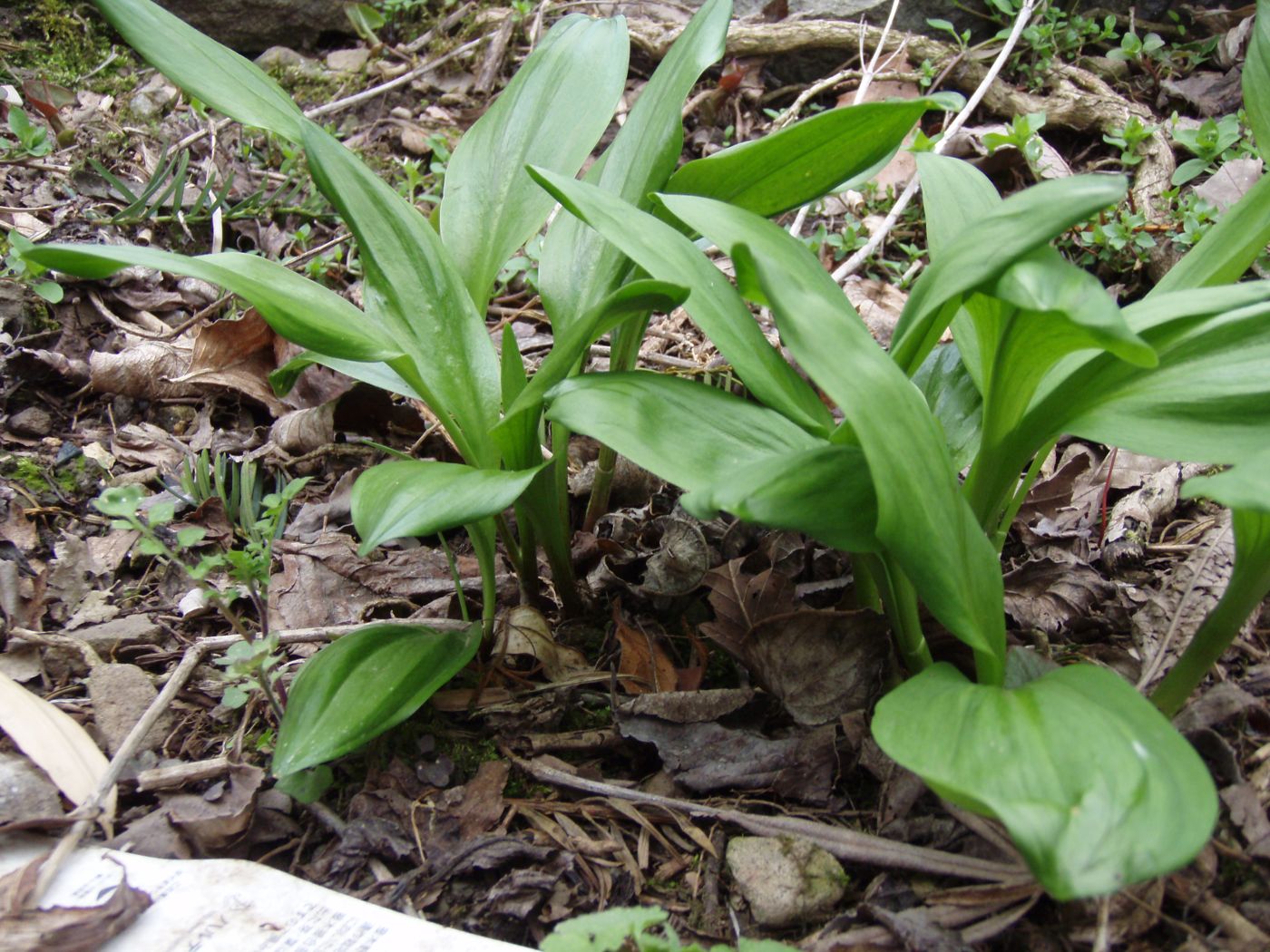 Myeongi (Ulleungdo Wild Garlic, Alpine Leek)명이나물The broad, garlicky leaves of a wild mountain allium, best known from Ulleungdo. They are eaten fresh in wraps or pickled in soy brine, and the early-spring season is short.
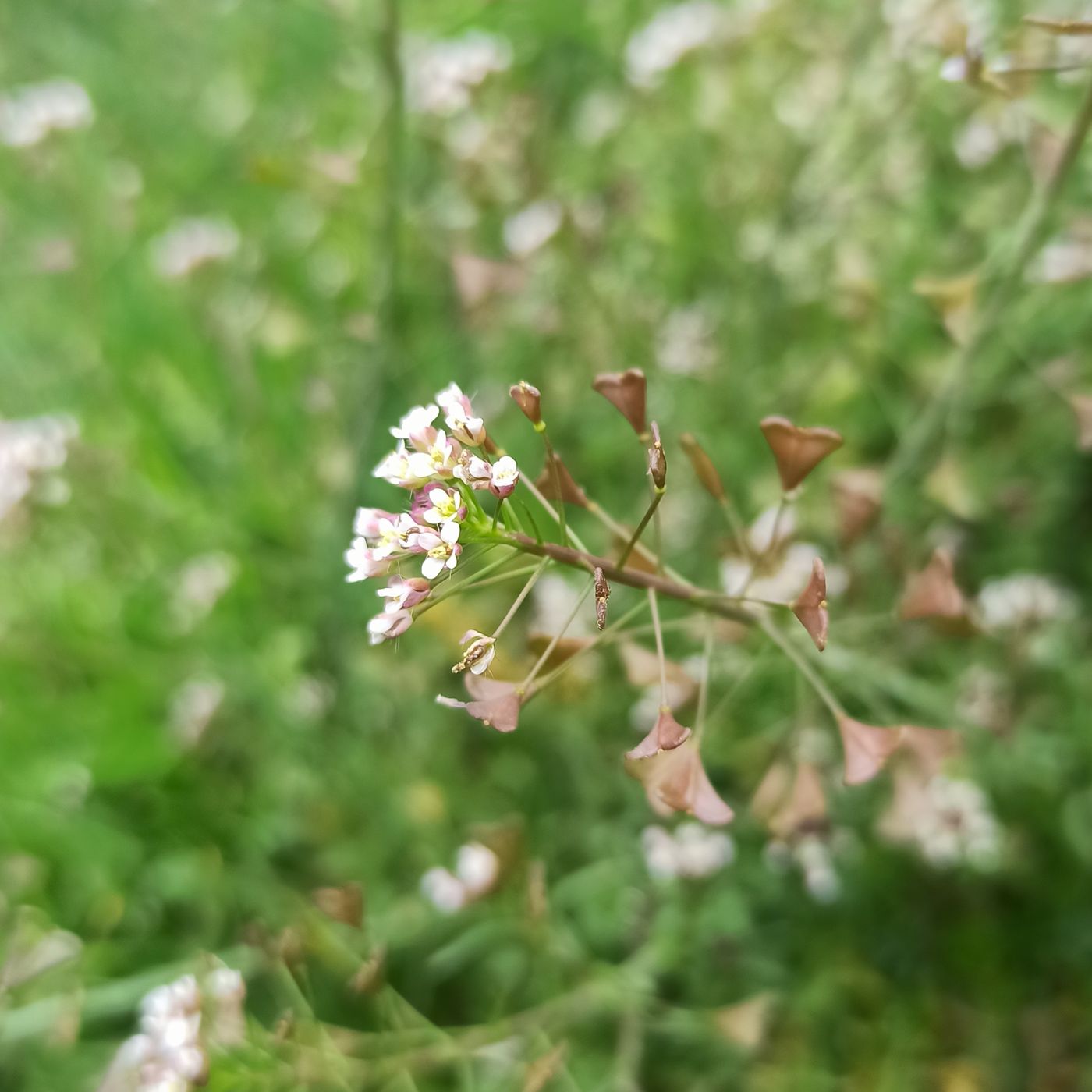 Naengi (shepherd's purse)냉이A low, ground-hugging wild green dug up root and all in late winter and early spring. Its nutty, earthy perfume defines naengi-muchim and naengi doenjang-guk, the first taste of spring on many Korean tables.
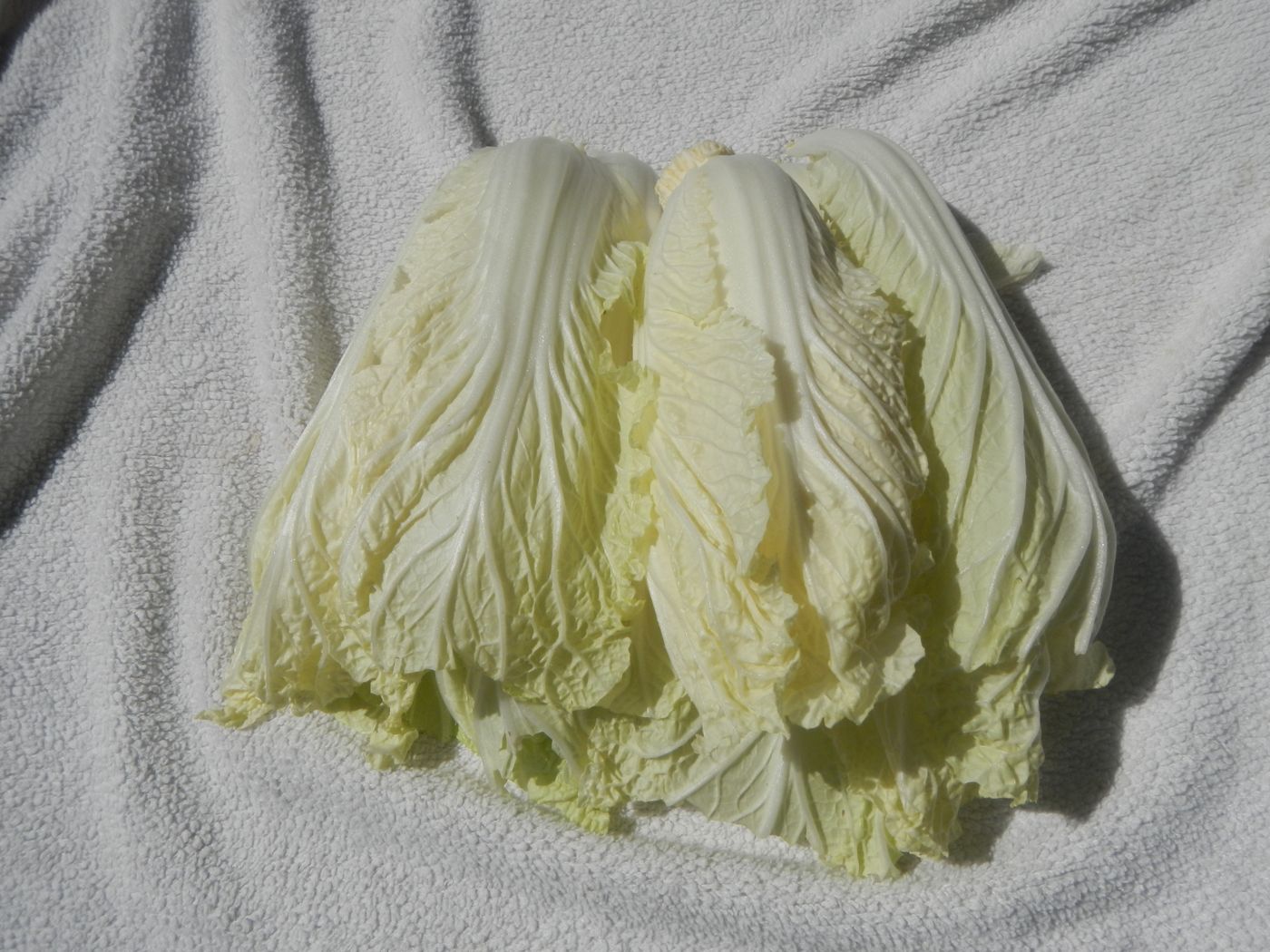 Napa cabbage배추The tall, pale, tightly headed cabbage at the heart of Korea's best-known kimchi. Salted, layered with seasoning and left to ferment, it becomes baechu-kimchi; fresh, it goes into soups, wraps and quick salads.
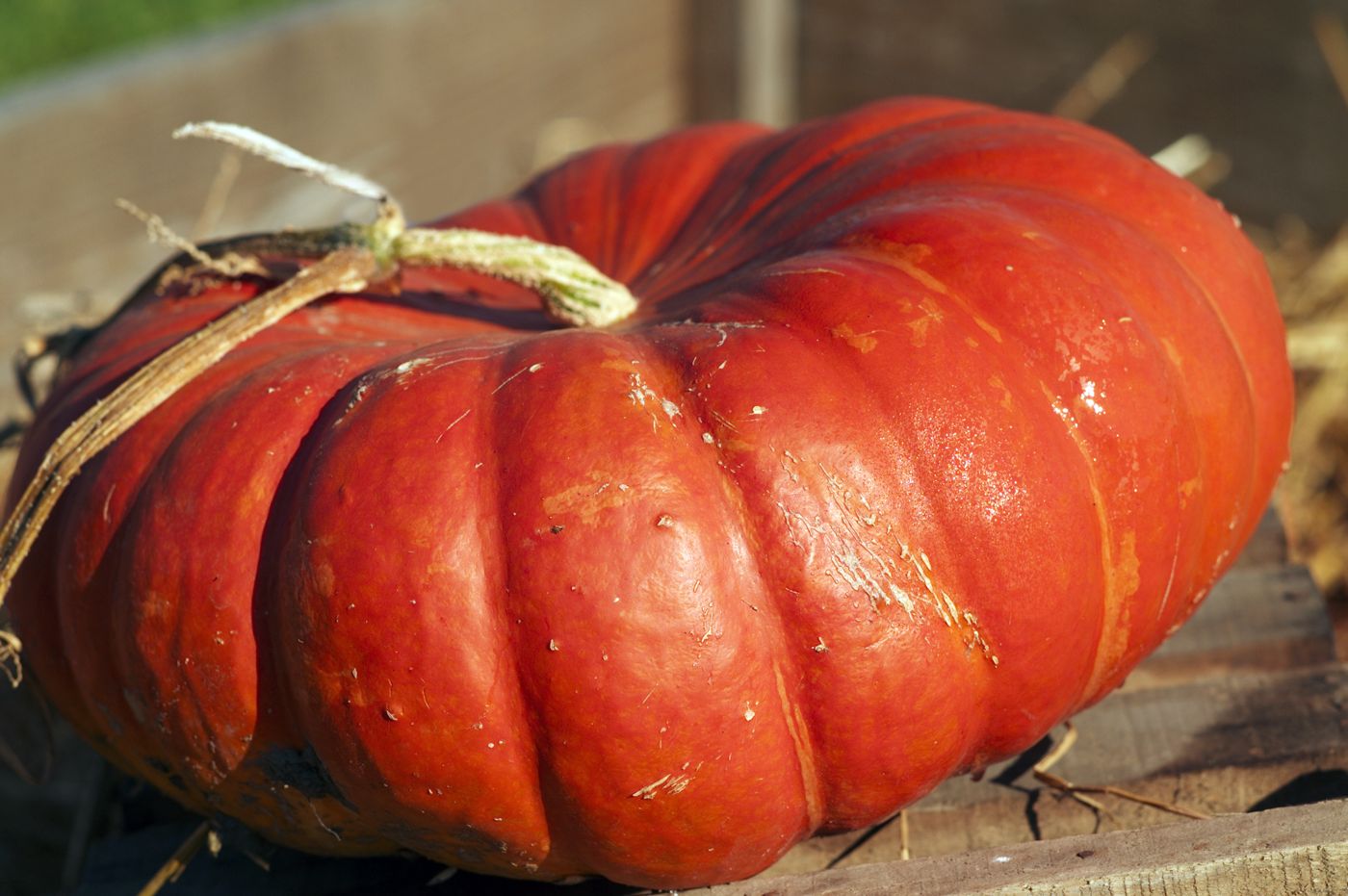 Neulgeun-hobak (mature Korean pumpkin)늙은호박The "old pumpkin": a Korean squash left on the vine until its rind turns hard and tawny and its flesh deep orange. Stored through winter, it is the pumpkin behind velvety hobak-juk porridge.
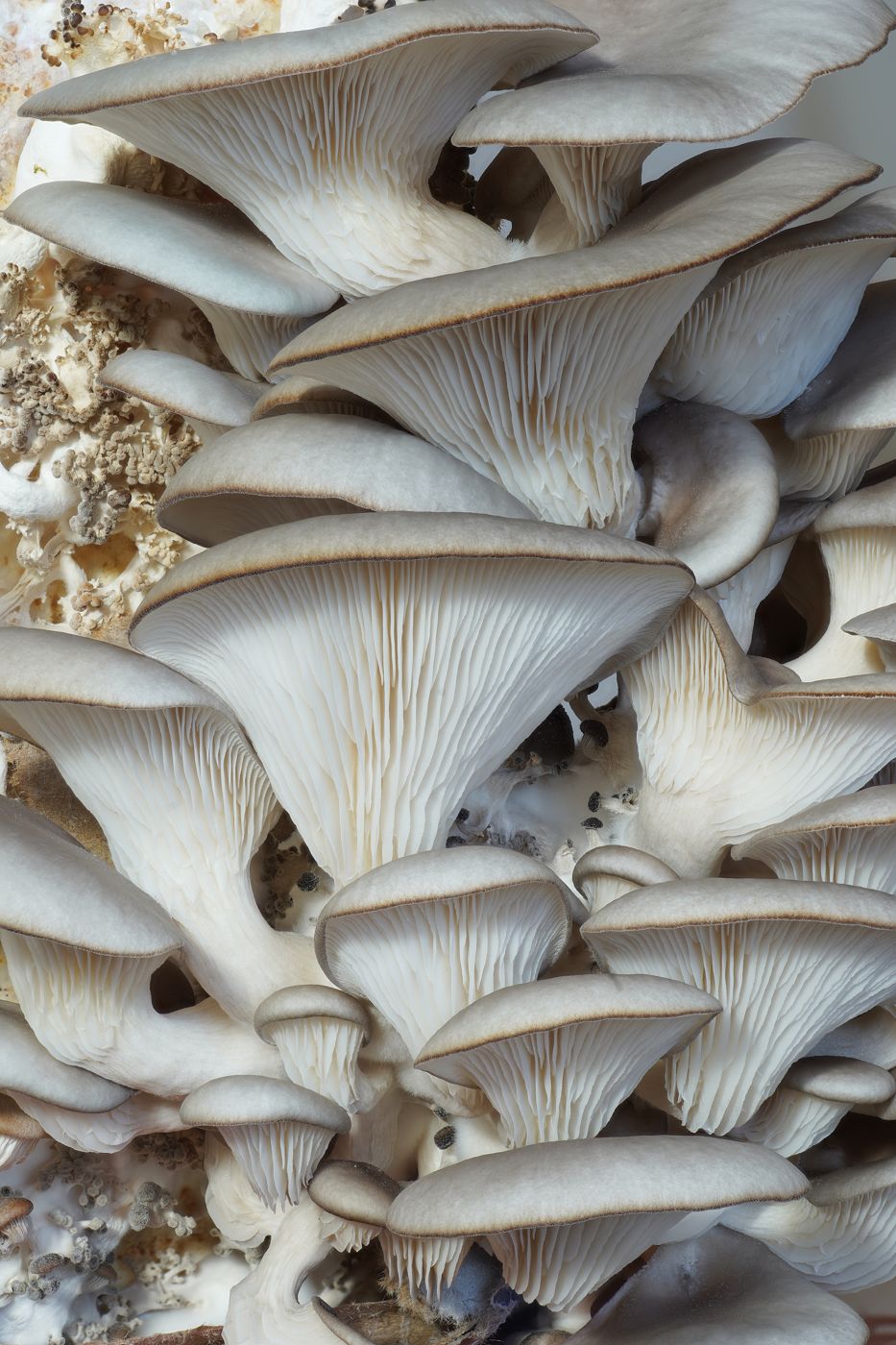 Neutari-beoseot (oyster mushroom)느타리버섯Soft gray-brown mushrooms with fan-shaped caps that grow in overlapping clusters. Mild and silky when cooked, they are Korea's everyday mushroom for namul, soups, stir-fries and jeon.
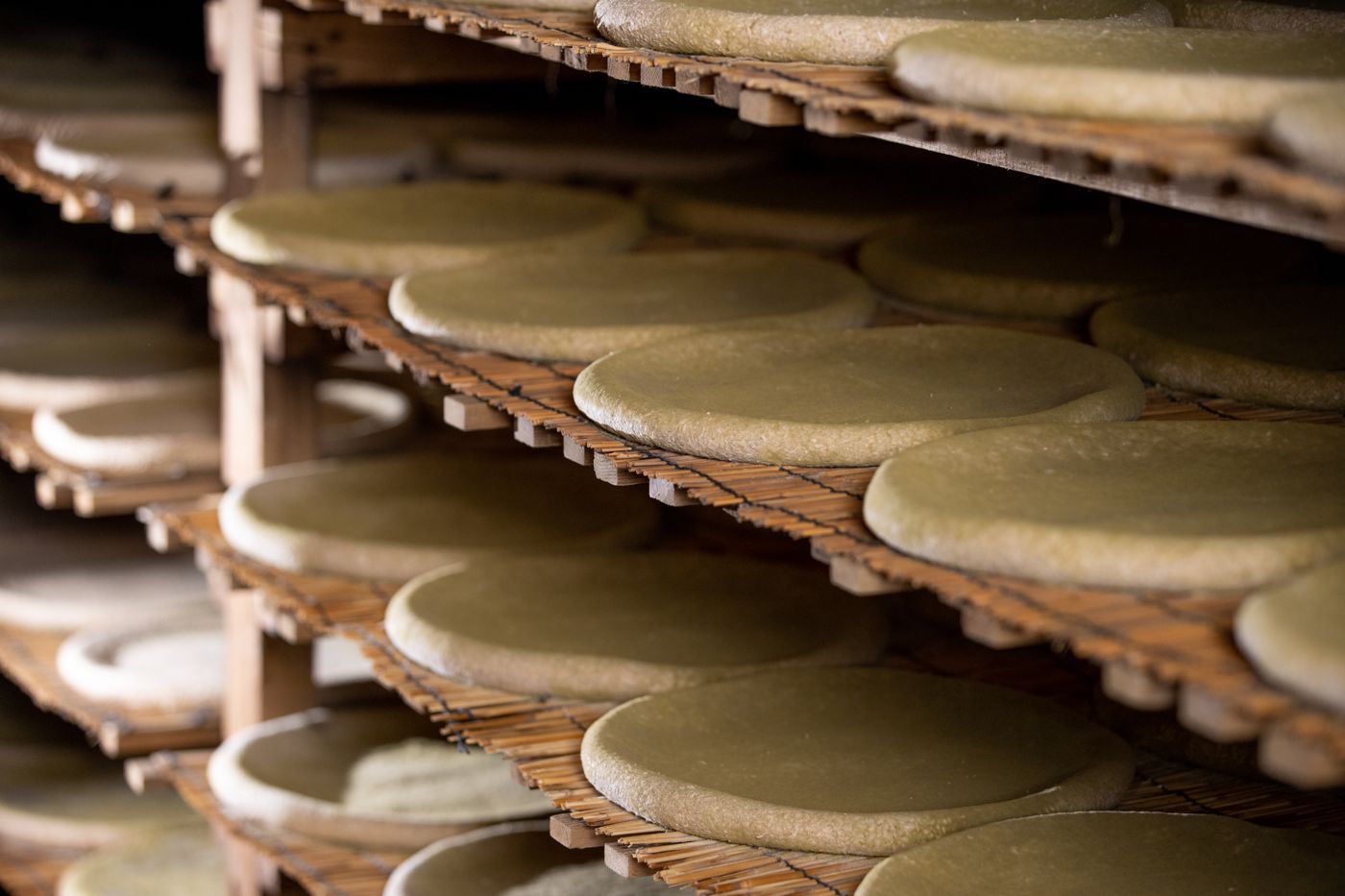 Nuruk (Fermentation Starter)누룩The traditional starter for Korean rice liquors (sul): crushed wheat or other grain pressed into cakes and left until molds and wild yeasts colonize it. It supplies the enzymes and yeasts that turn rice into makgeolli and yakju.
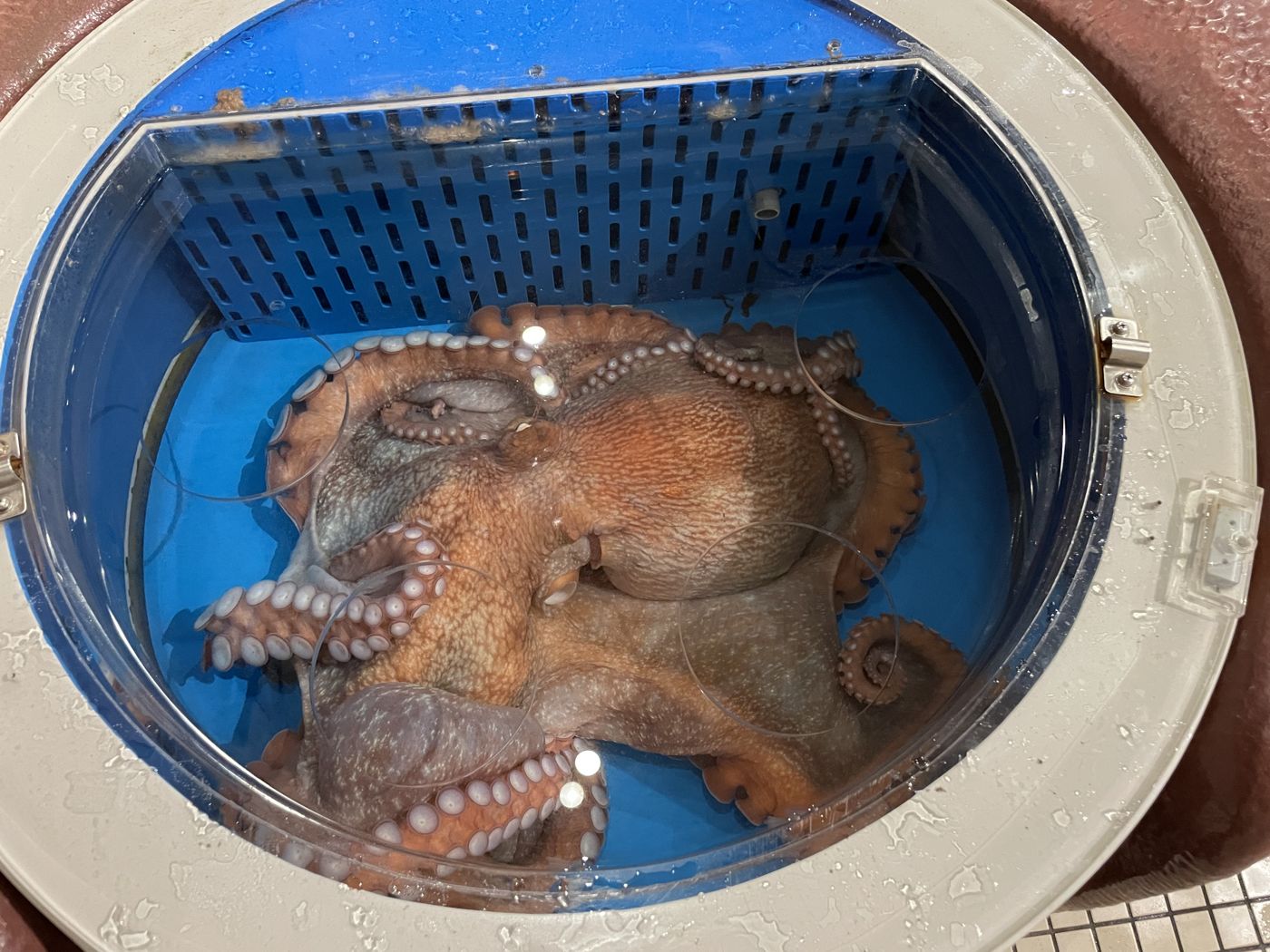 Octopus (muneo)문어Large octopus from the cold East Sea, boiled and sliced into pinkish-white rounds. In Andong and across North Gyeongsang, boiled muneo is a fixture of ancestral rites and feasts.
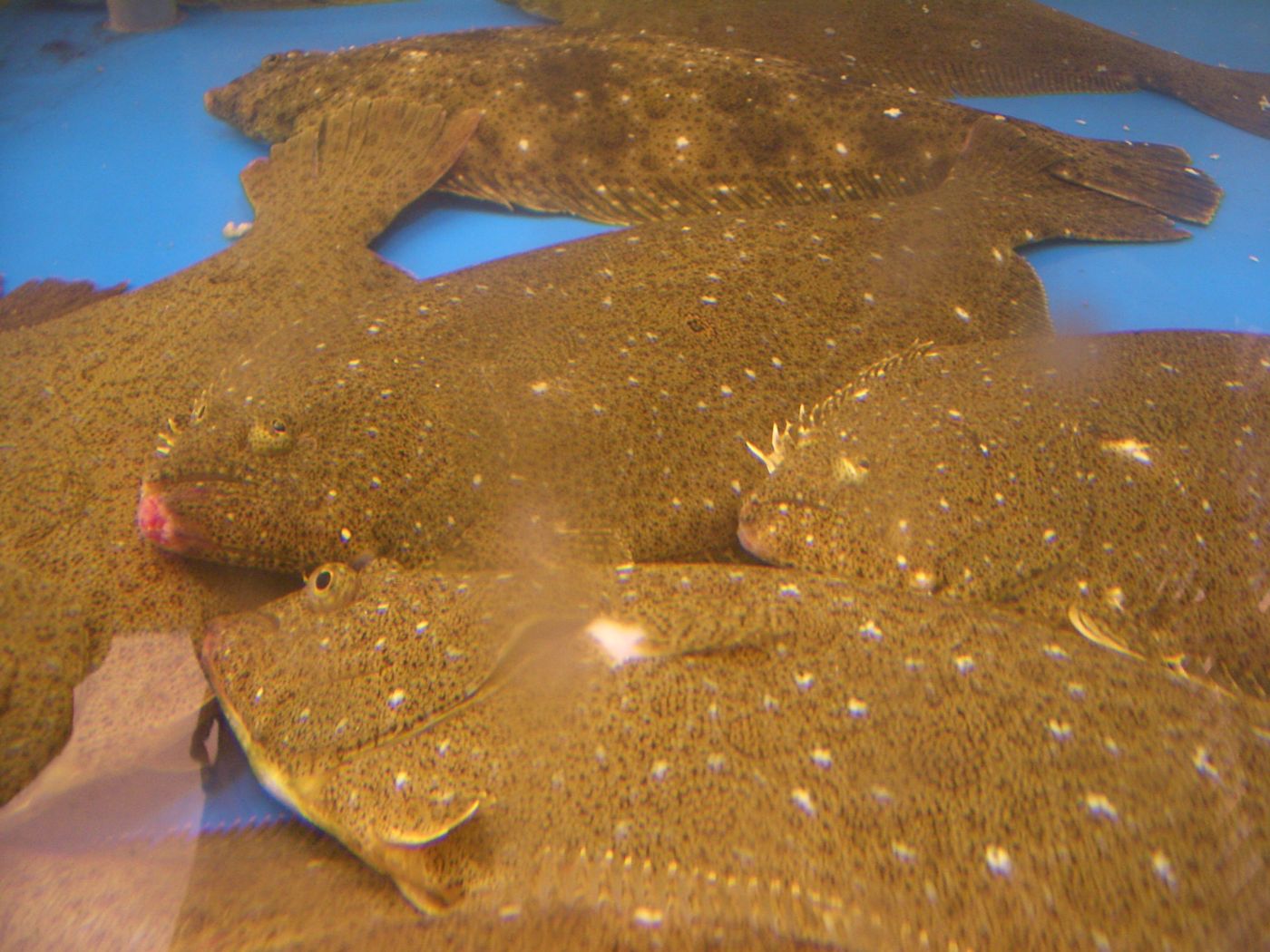 Olive flounder (gwangeo)광어Korea's most-farmed fish and the default choice for raw-fish hoe: a large, left-eyed flatfish raised mostly in shore tanks on Jeju and around Wando, prized for firm, clean white flesh.
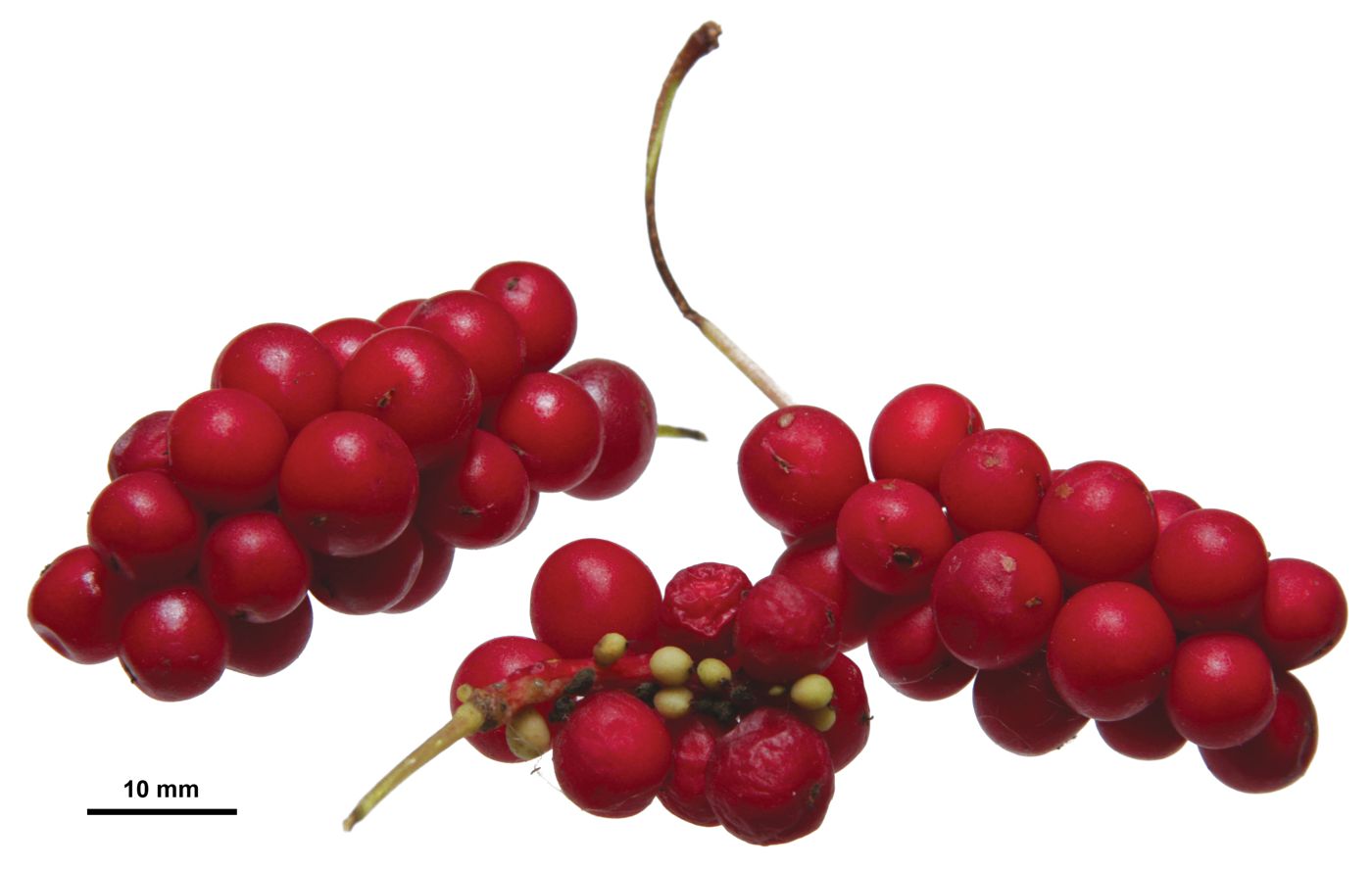 Omija (Schisandra Berry)오미자Small red berries of the Schisandra chinensis vine, named ‘five-flavor fruit’ for their sweet, sour, salty, bitter and pungent notes. They are steeped into a ruby tea, syrup and hwachae.