The Banchan Encyclopedia
Ingredients
재료
From gochugaru to doenjang, the ingredients that give Korean food its flavor, history and character.
85–96 of 171 ingredients
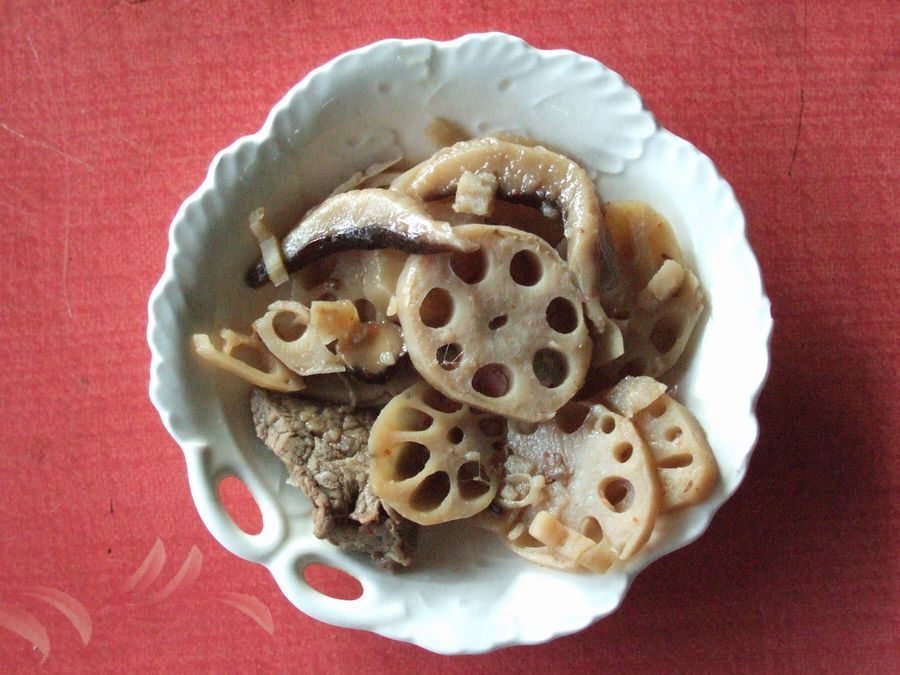 Lotus root연근The crunchy, lace-patterned rhizome of the lotus plant. Sliced into rounds, it is simmered in soy sauce and syrup until glossy and chewy as yeongeun-jorim.
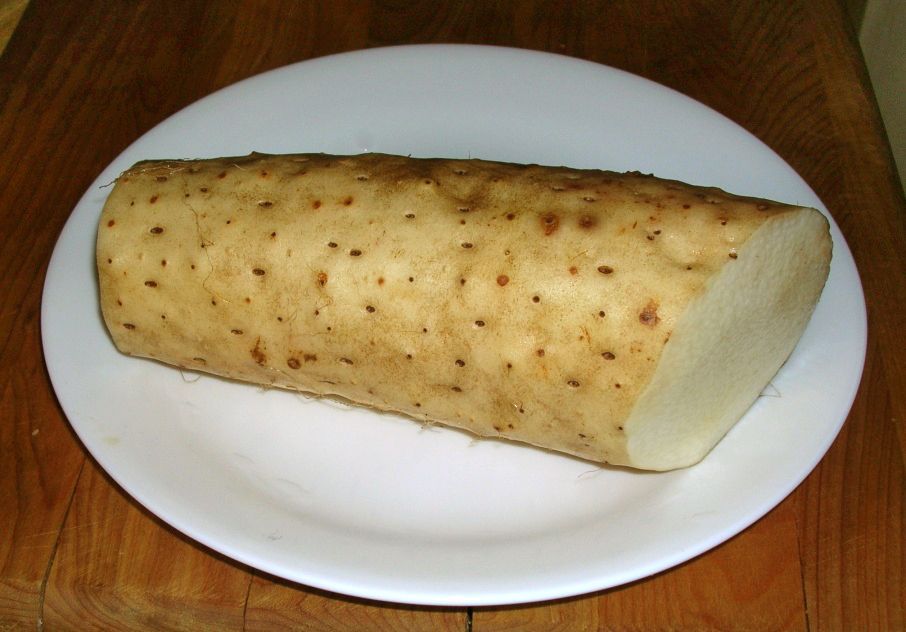 Ma (Korean yam)마The pale, mucilaginous tuber of a climbing yam, known in herbal tradition as sanyak. Unusually for a starchy root, it is eaten raw as well as cooked, grated into a slippery paste or blended into a drink.
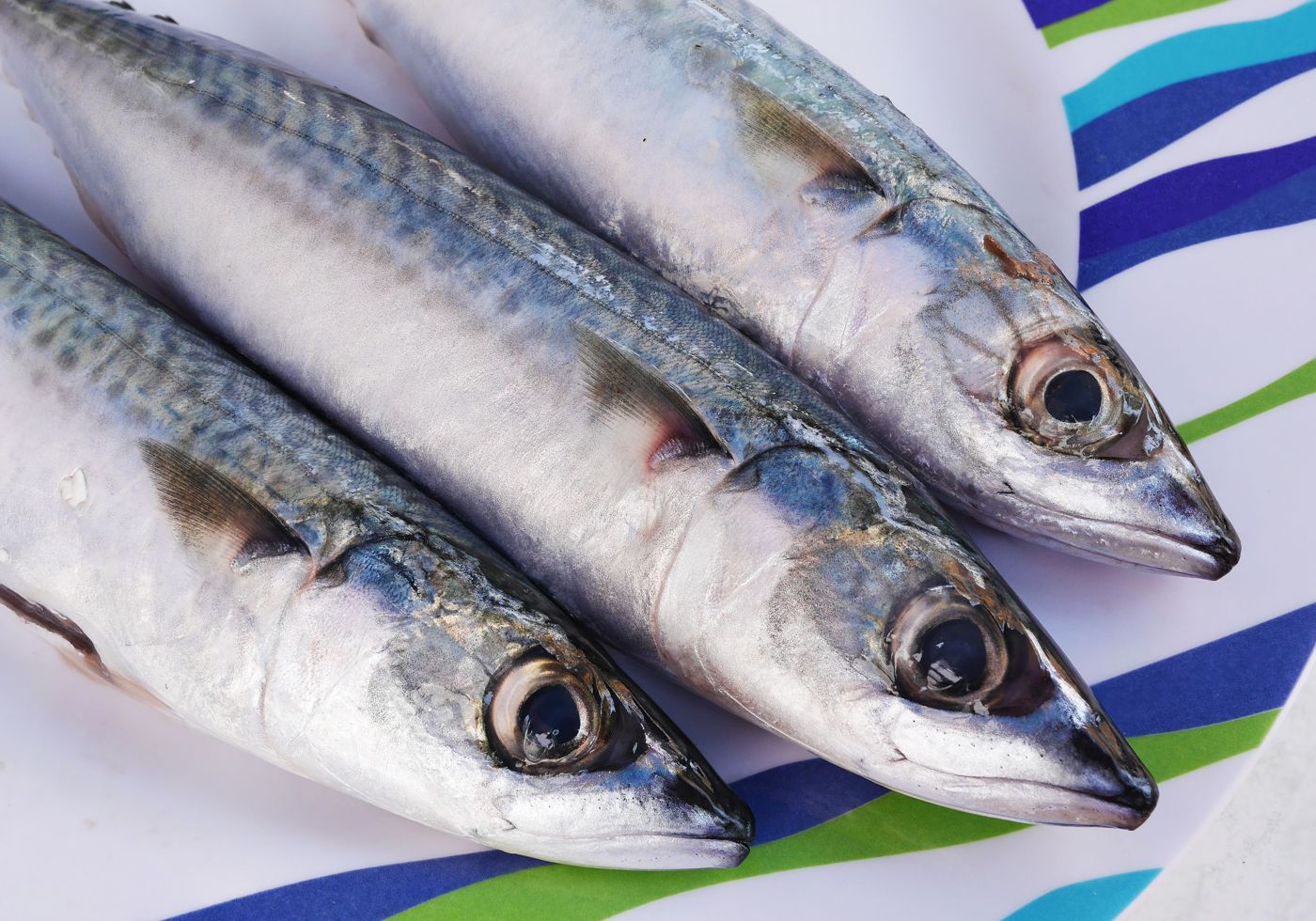 Mackerel고등어Korea's everyday oily fish, blue-green and silver with dark wavy stripes. Grilled until the skin blisters or braised with radish and chili, it is one of the most familiar fish on the home table.
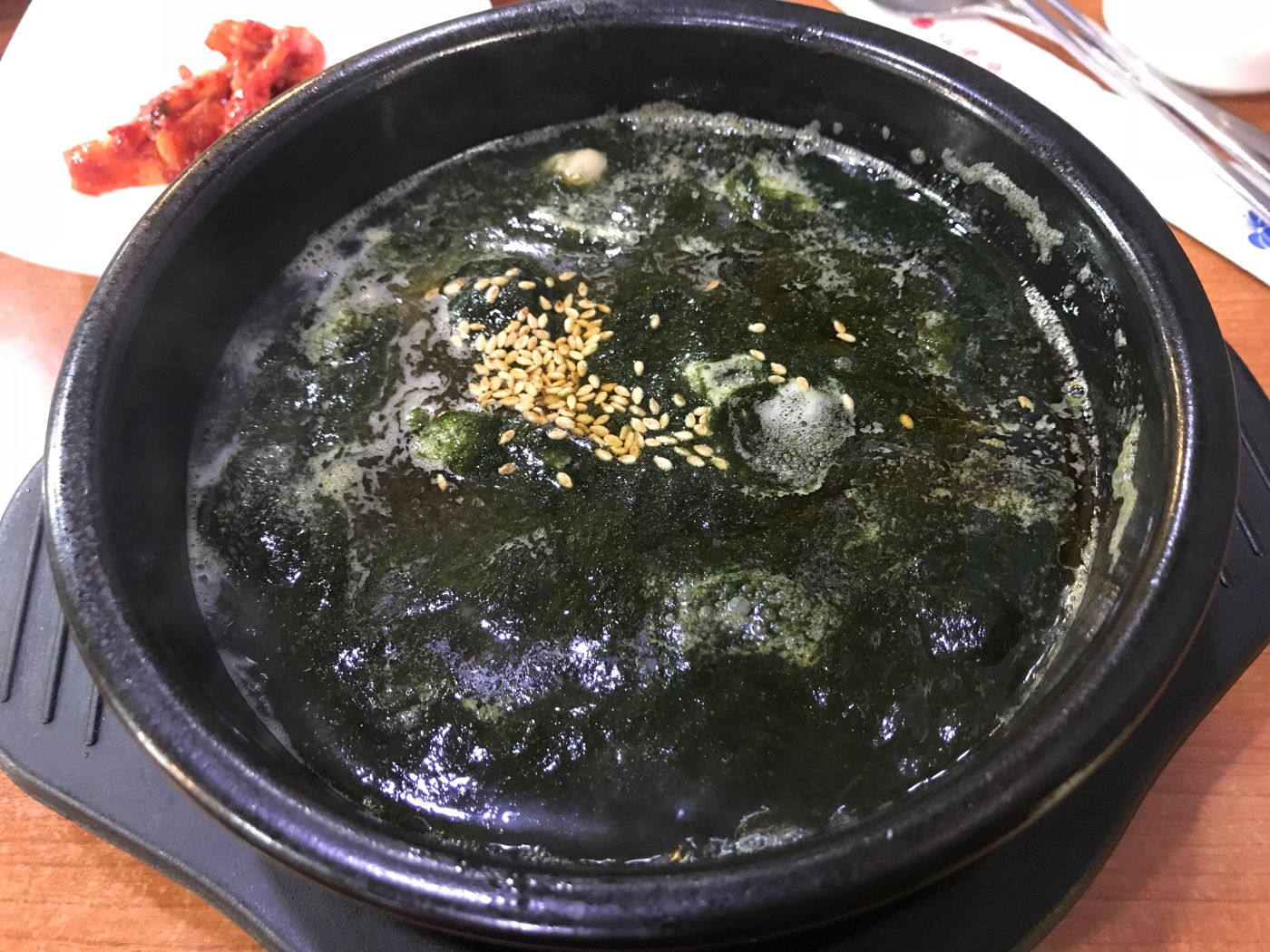 Maesaengi (Fine Green Seaweed)매생이A hair-fine green alga grown on the tidal flats of southwest Korea and harvested in winter. It is cooked into thick, silky soups, rice cake soup and pancakes that stay scalding hot while barely steaming.
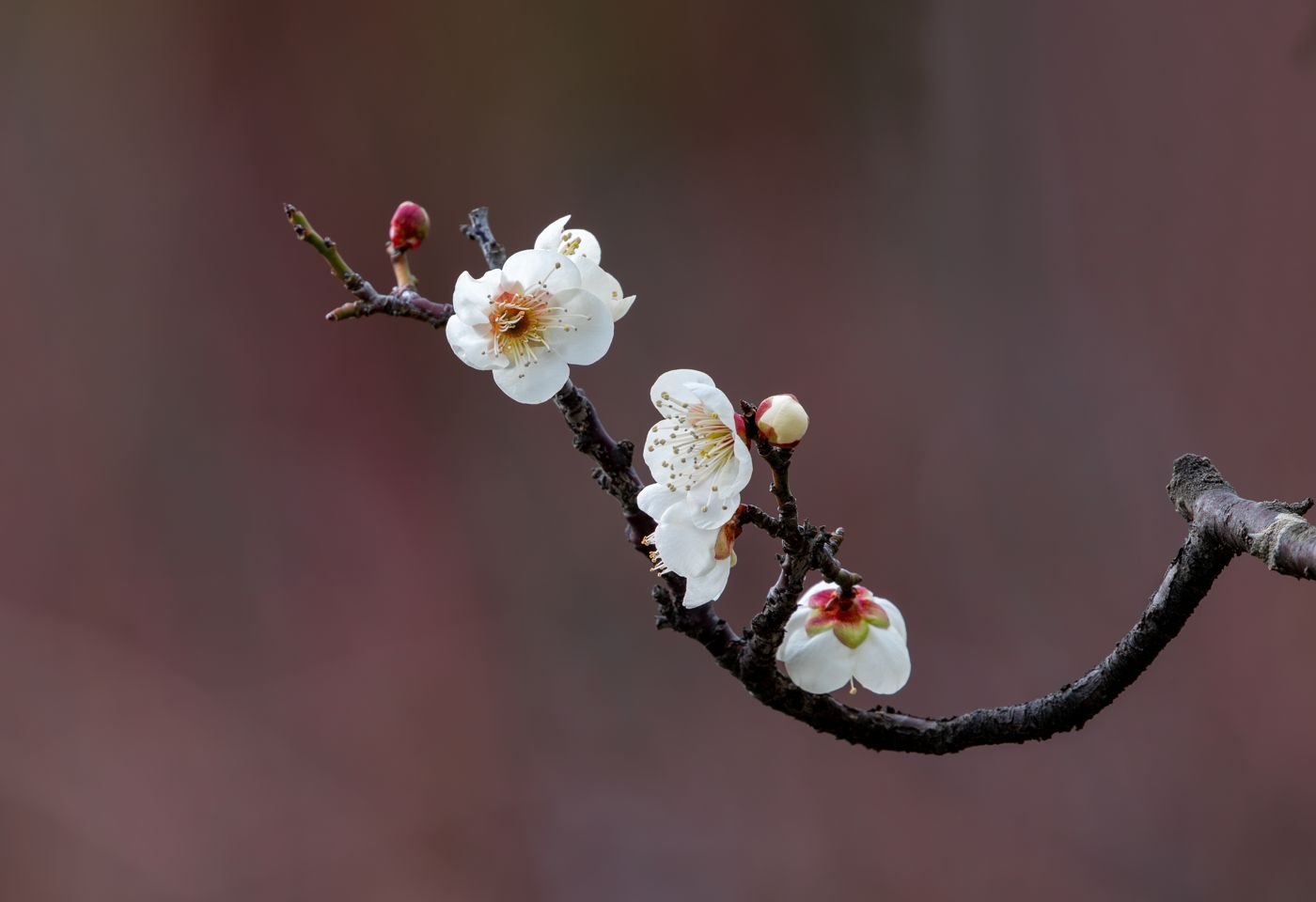 Maesil (green plum)매실The hard, sour fruit of the flowering apricot, harvested green in early summer. Too tart to eat raw, it is steeped with sugar into maesil-cheong, pickled, or brewed into liquor.
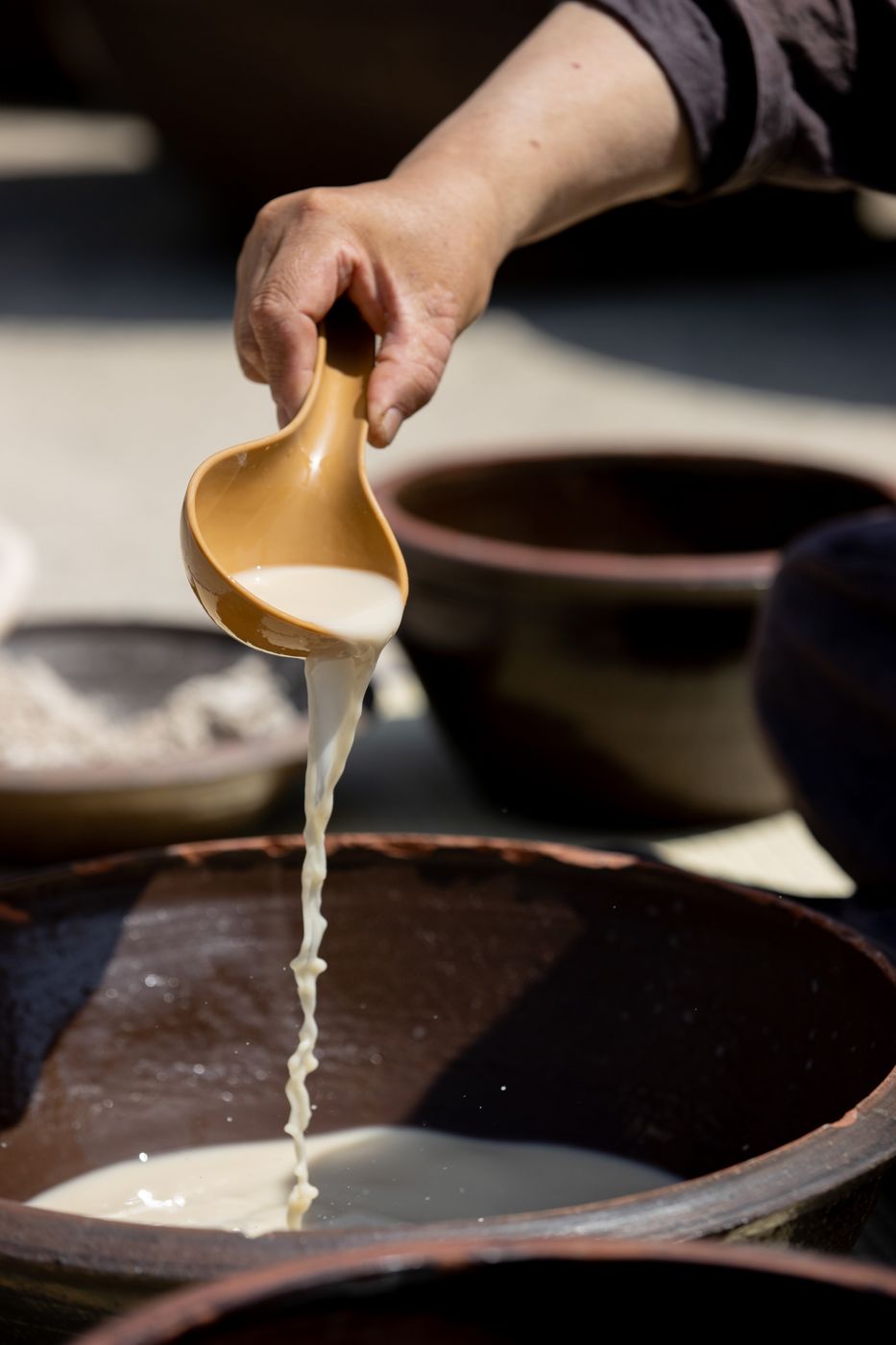 Makgeolli (Unfiltered Rice Wine)막걸리Milky, lightly fizzy Korean rice wine brewed from rice, nuruk and water and strained rather than clarified, usually around 6 to 8 percent alcohol. Drunk with jeon and kimchi, it also leavens steamed buns.
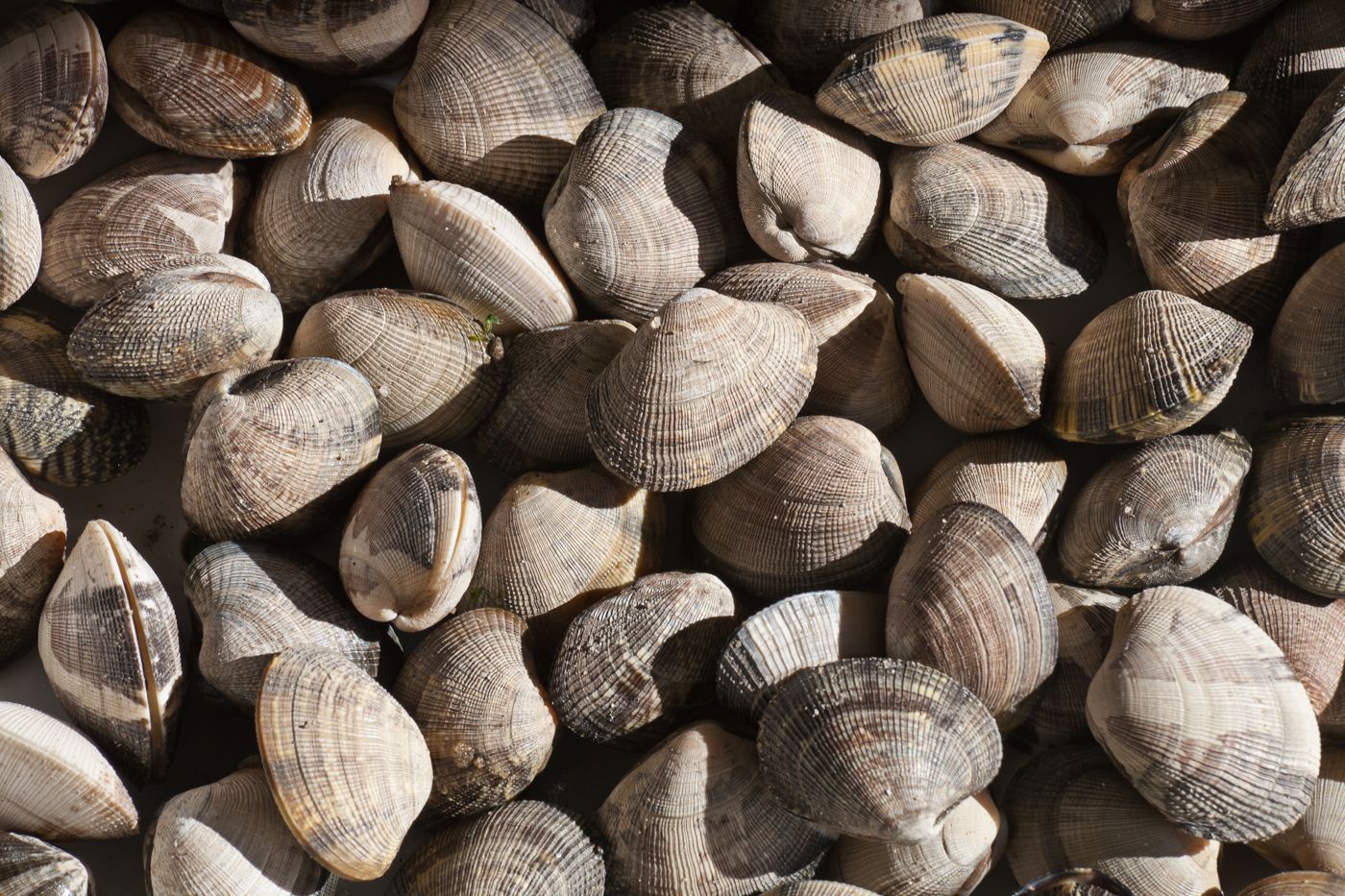 Manila clam (bajirak)바지락Small, ridged tidal-flat clams that give Korean soups and noodle broths their clean, sweet depth. Bajirak are the clams of bajirak-kalguksu, the west coast's clam noodle soup.
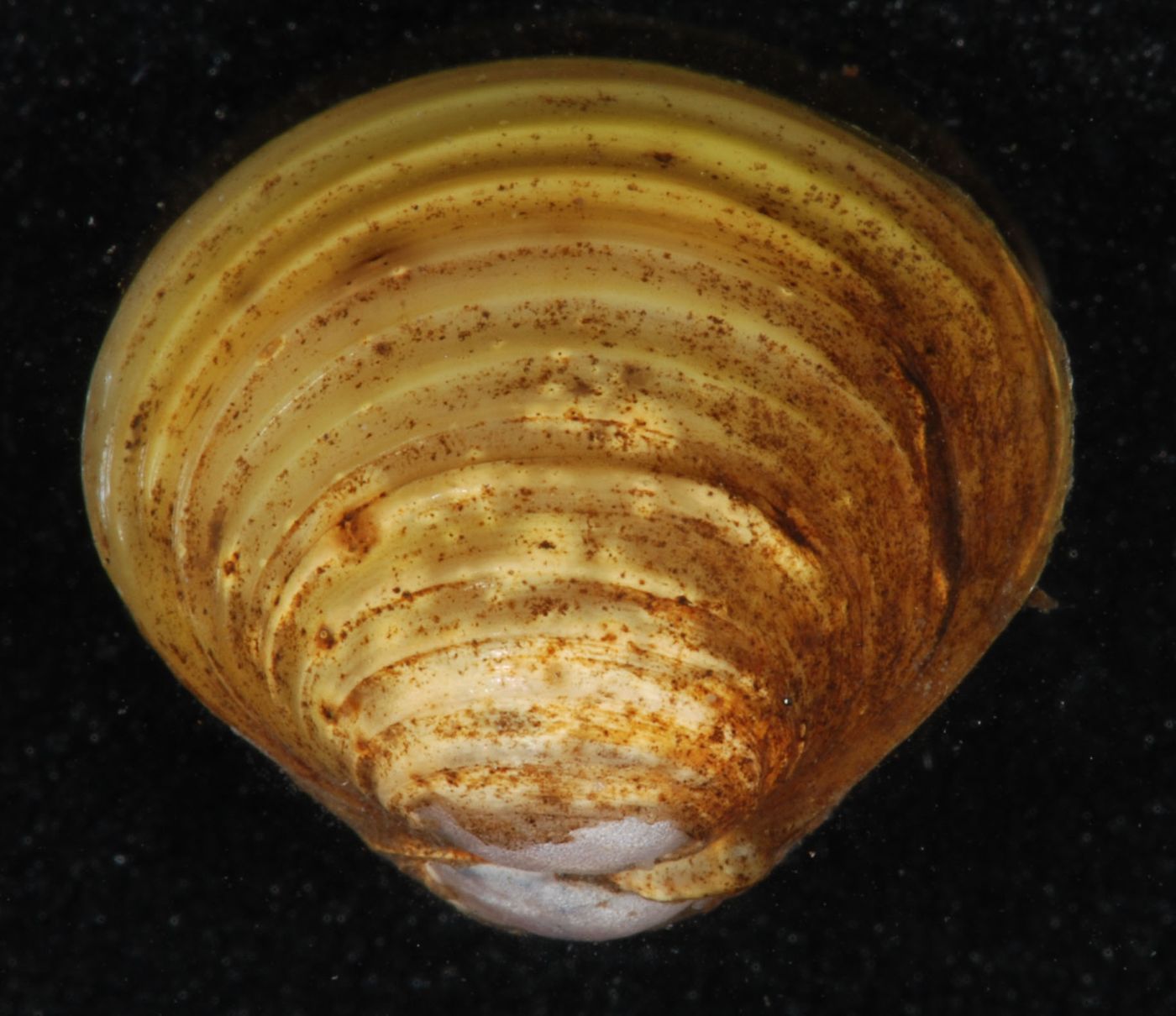 Marsh clams (jaecheop)재첩Tiny river clams raked by hand from the brackish lower Seomjin River at Hadong. Simmered with garlic chives into milky jaecheop-guk, they are a classic hangover soup of the south coast.
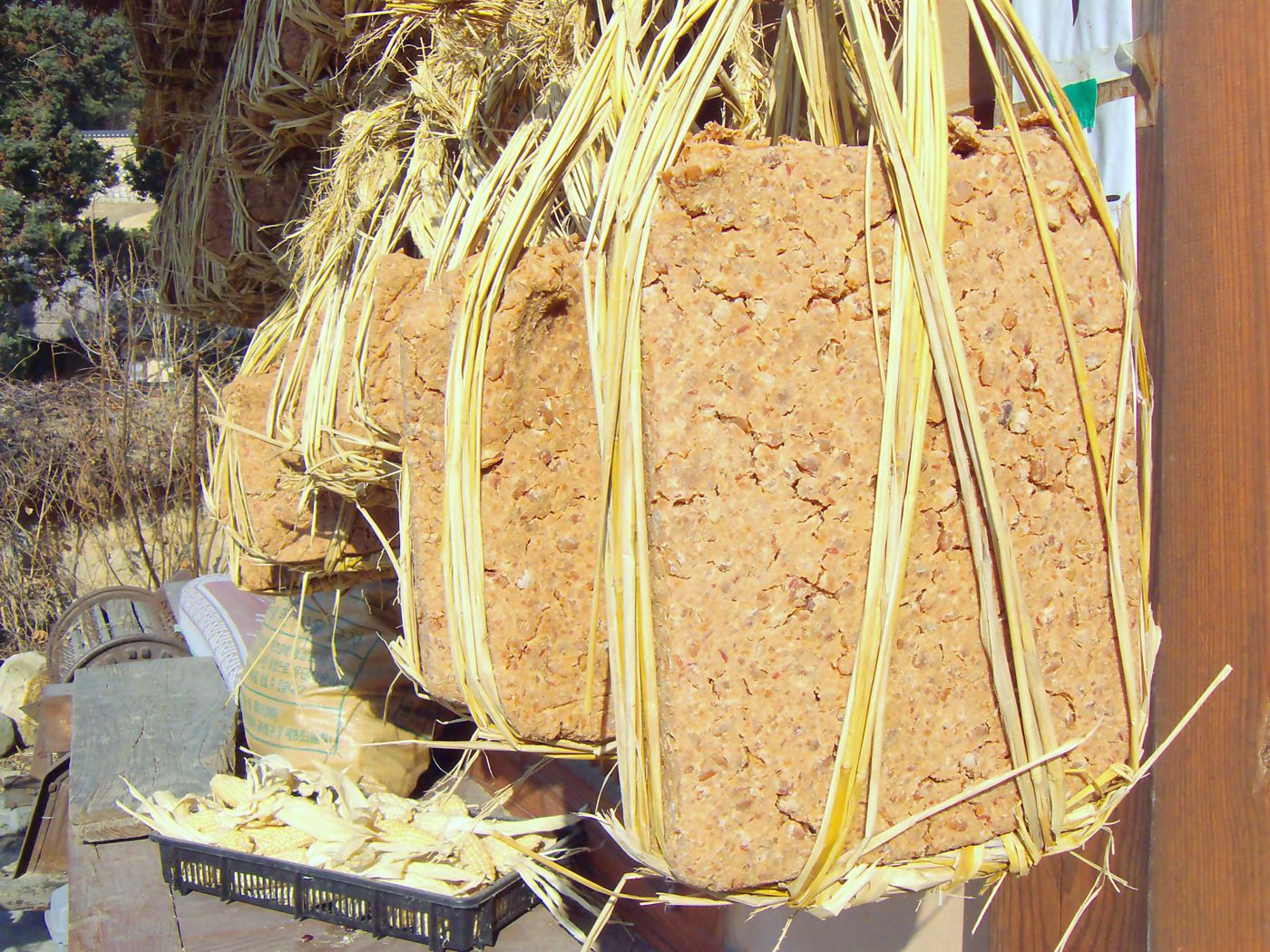 Meju (Fermented Soybean Blocks)메주Blocks of cooked, mashed soybeans dried and fermented by molds and bacteria over the winter. Steeped in brine, meju yields both ganjang and doenjang; ground, it goes into gochujang.
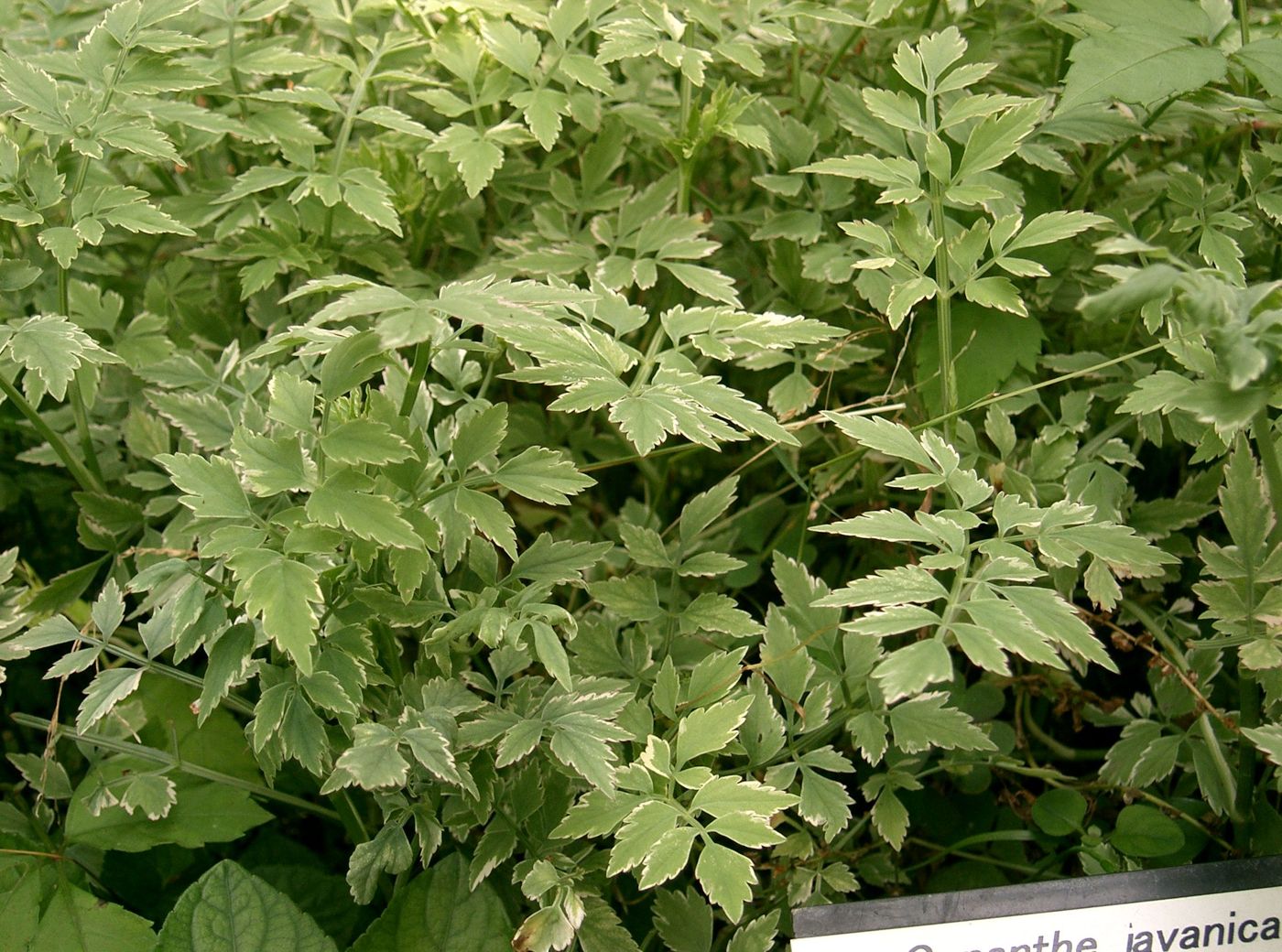 Minari (water dropwort)미나리A long-stemmed, aromatic water plant with a fresh, celery-like perfume. Blanched and dressed as minari-muchim, tucked into kimchi, wrapped into little bundles for minari-ganghoe and piled into fish stews and hot pots.
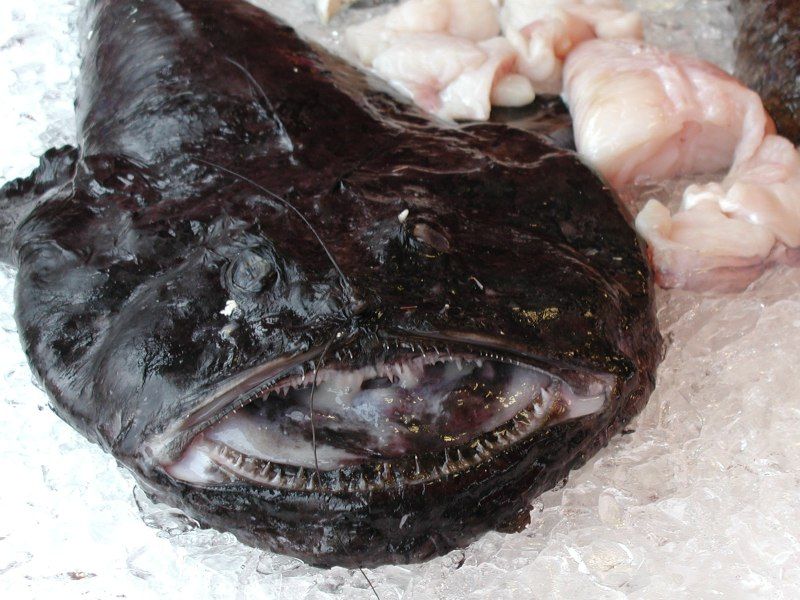 Monkfish (agwi)아귀A wide-mouthed, scaleless anglerfish with firm, springy flesh and soft, gelatinous skin. It is the star of agu-jjim, the fiery braise with bean sprouts and minari from the port city of Masan.
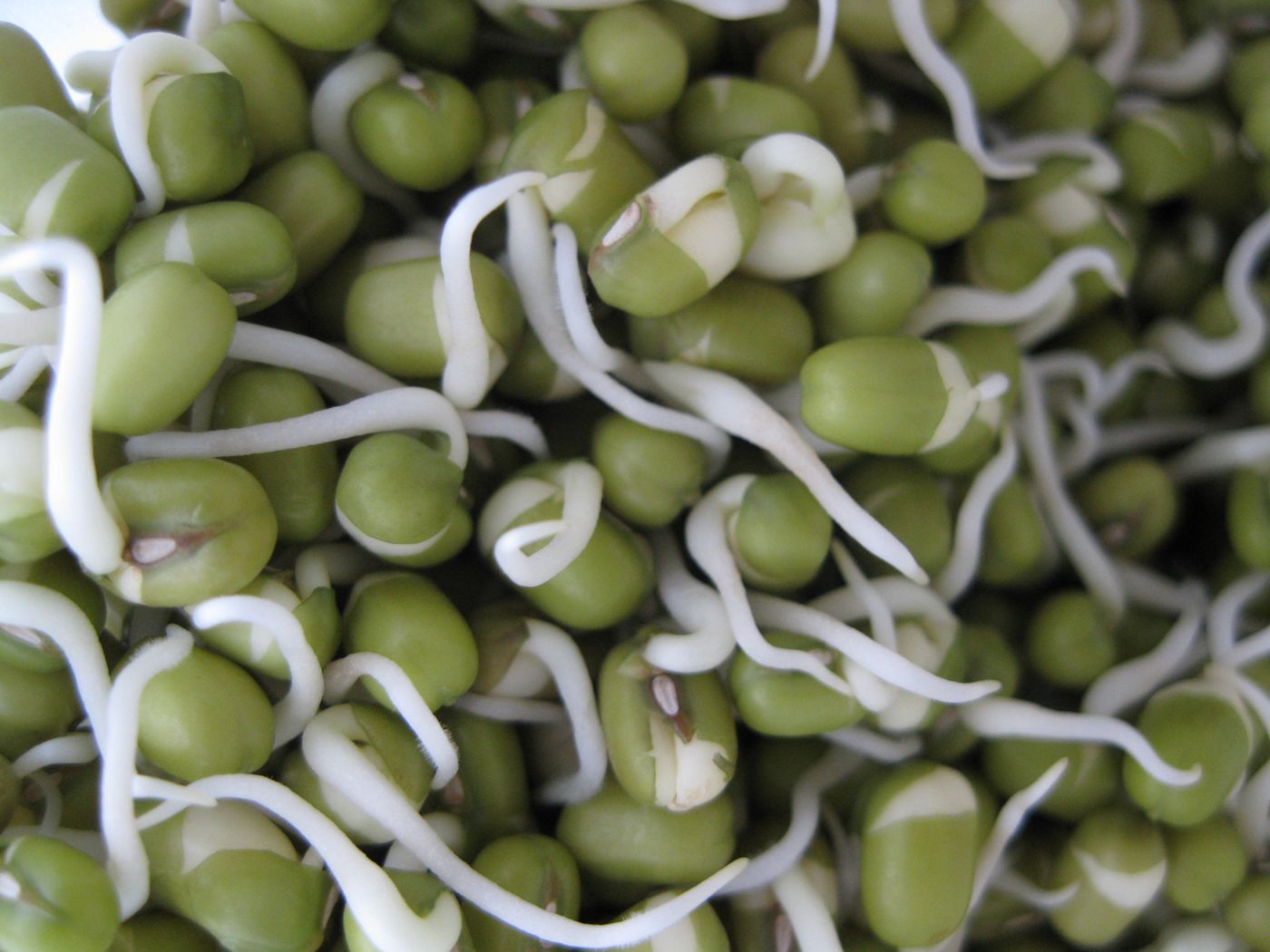 Mung bean sprouts숙주나물Short, plump, delicate sprouts grown from mung beans. Quickly blanched and seasoned as sukju-namul, they are milder and more tender than soybean sprouts.