The Banchan Encyclopedia
Ingredients
재료
From gochugaru to doenjang, the ingredients that give Korean food its flavor, history and character.
121–132 of 171 ingredients
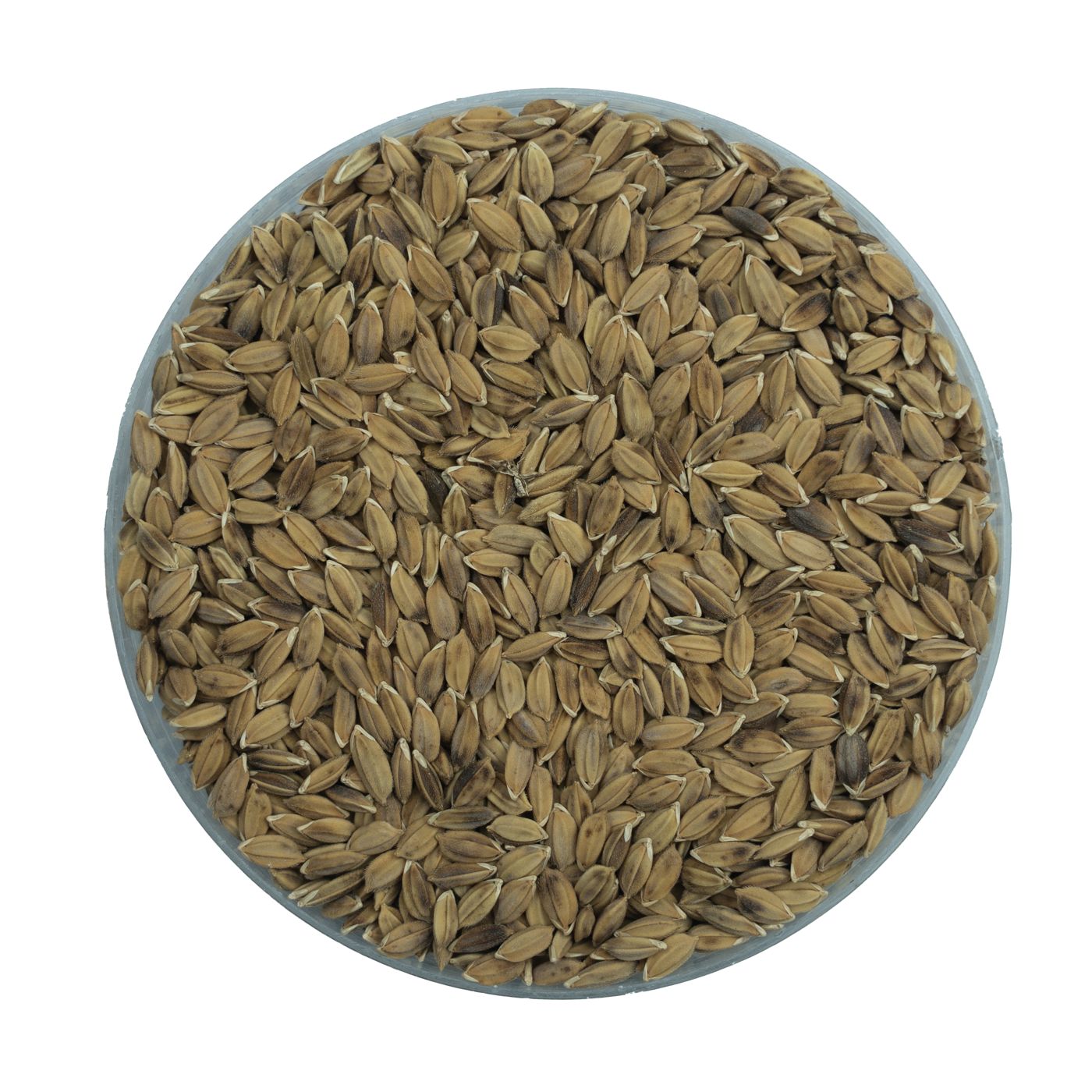 Rice쌀Short, round grains of japonica rice that cook up glossy, soft and gently clinging. Steamed white rice, bap, is the center of the Korean table: every banchan, soup and stew is planned to be eaten with it.
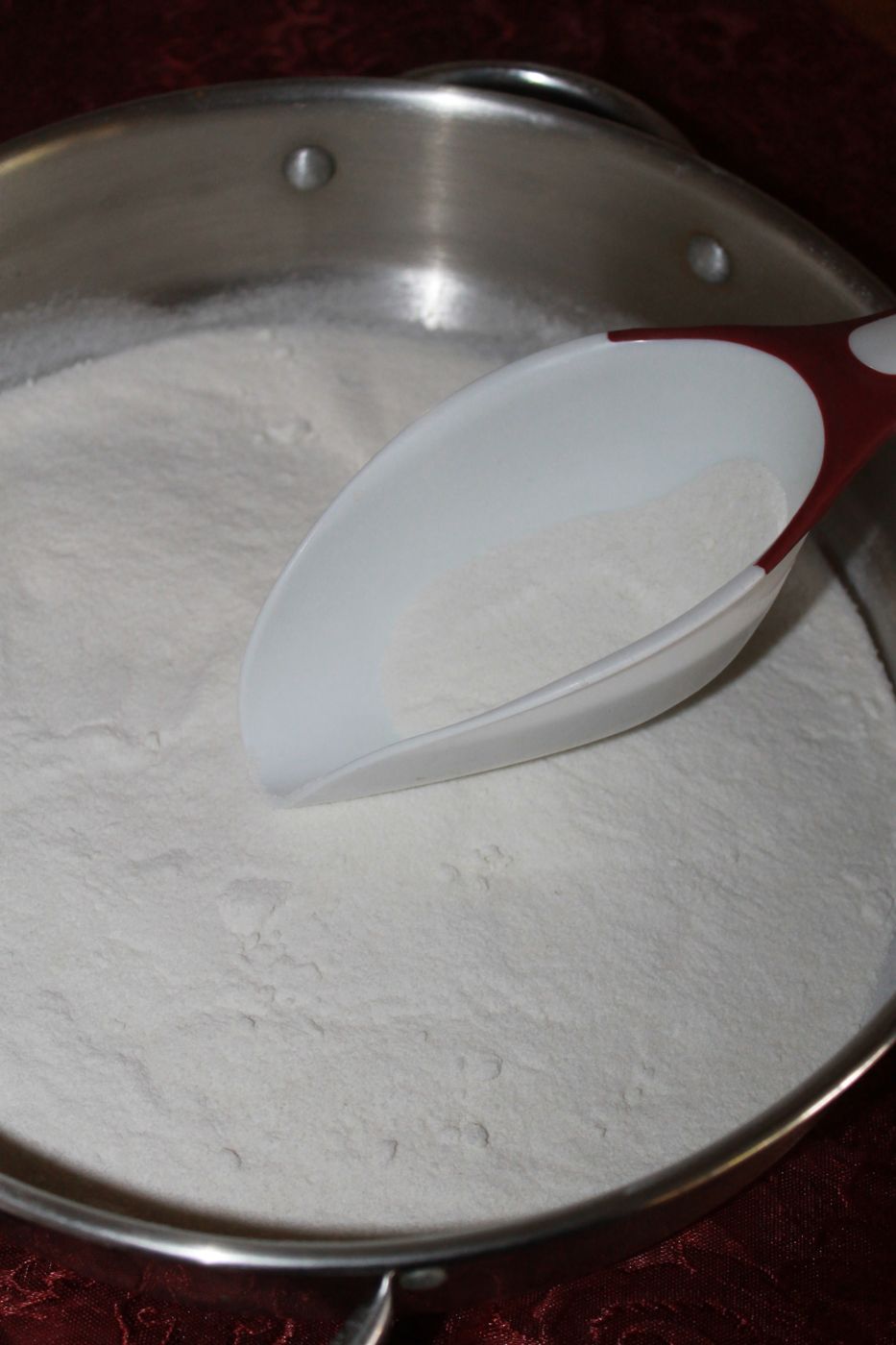 Rice flour쌀가루Flour ground from rice — usually non-glutinous maepssal for steamed cakes and rice-cake sticks, glutinous chapssal for chewy, pounded or fried ones. It is the essential ingredient of tteok, and how it is milled shapes the texture of the finished cake.
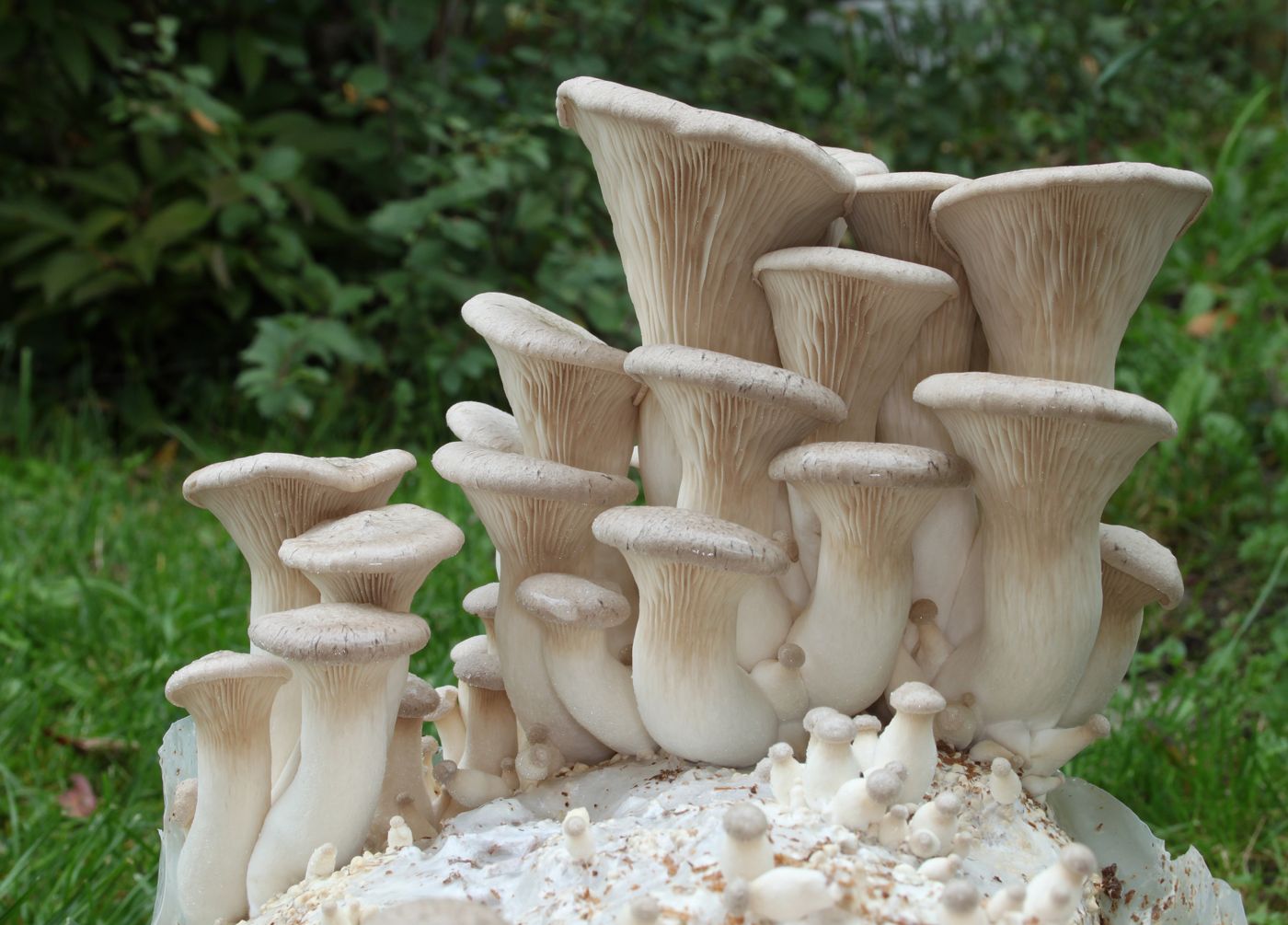 Saesongi-beoseot (king oyster mushroom)새송이버섯A thick, ivory-stemmed mushroom with a small brown cap, firm enough to slice into coins or planks. Meaty and mild, it is grilled with samgyeopsal, braised, stir-fried and pan-fried across Korean home cooking.
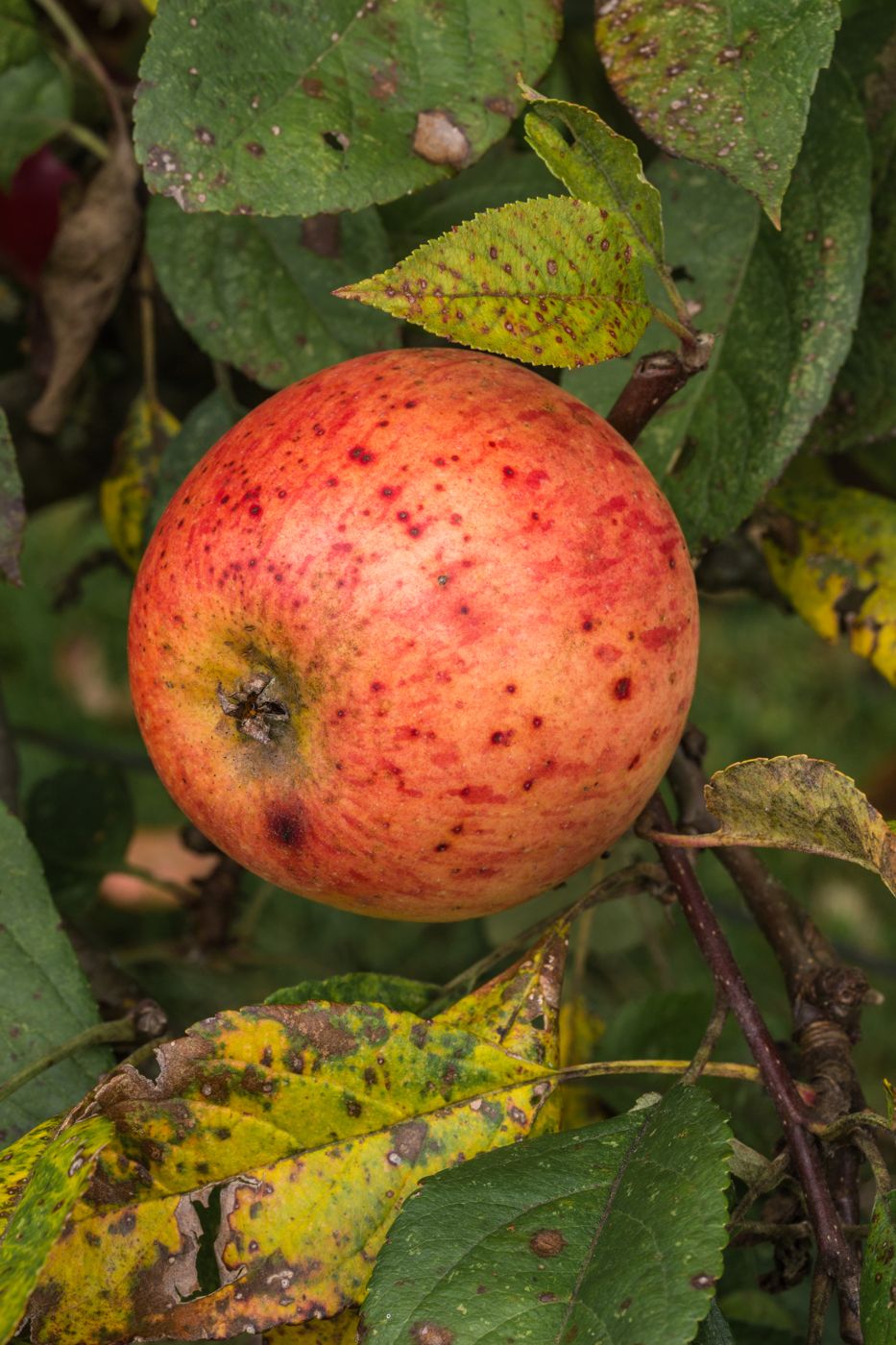 Sagwa (apple)사과Korea's everyday fruit and the classic ending to a meal, sliced and shared at the table. Crisp, juicy Fuji-type apples dominate; they also sweeten kimchi seasoning, marinades and dipping sauces.
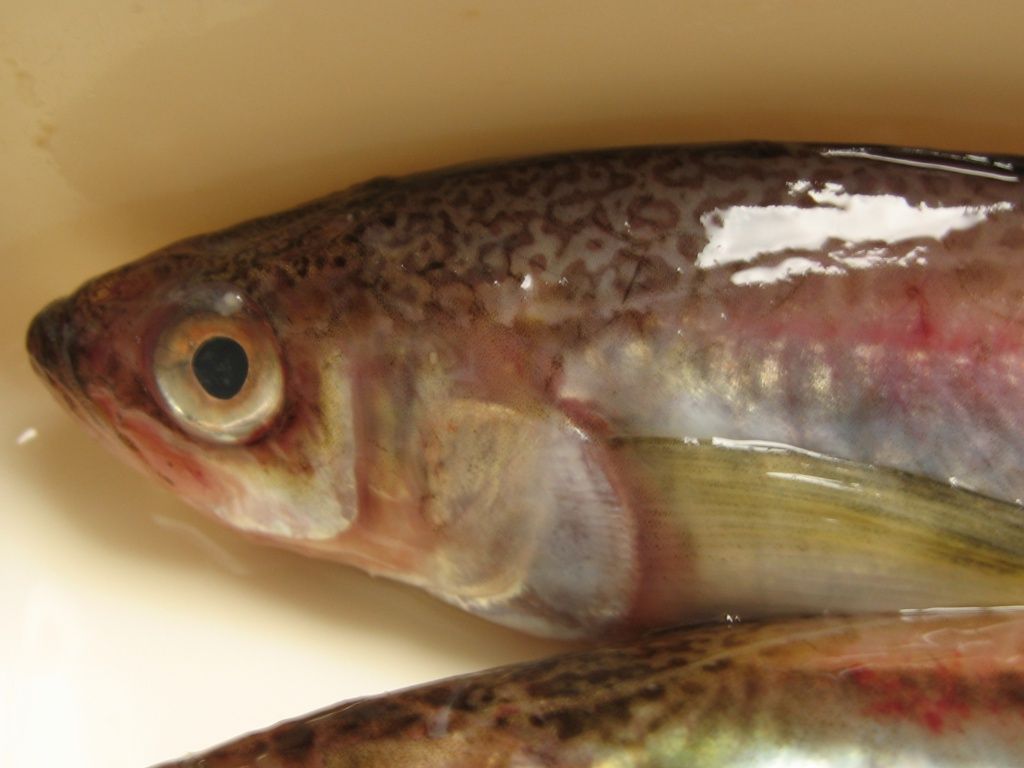 Sailfin sandfish (dorumuk)도루묵A small, scaleless fish of the East Sea that comes inshore in early winter to spawn. Cooks prize the females for their roe and braise, grill or stew the whole fish. Its name comes from a well-known folktale.
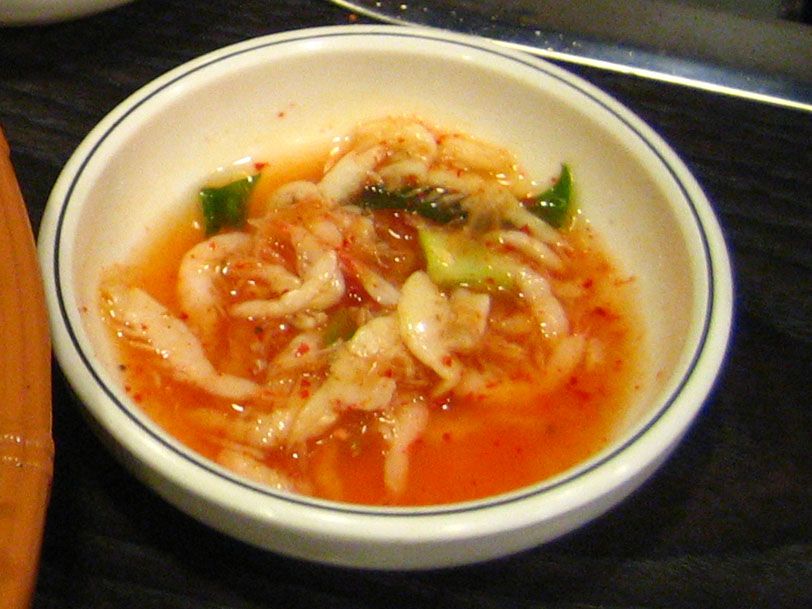 Salted fermented shrimp새우젓Tiny shrimp packed in salt and left to ferment — a jeotgal (salted seafood) that seasons kimchi and stews and accompanies boiled pork with briny, savory depth.
- Sand Lance Fish Sauce까나리액젓A salty, savory fish sauce made by fermenting small sand lance (kkanari) in salt for well over a year. A west-coast specialty of Baengnyeong Island, it seasons kimchi, soups and namul.
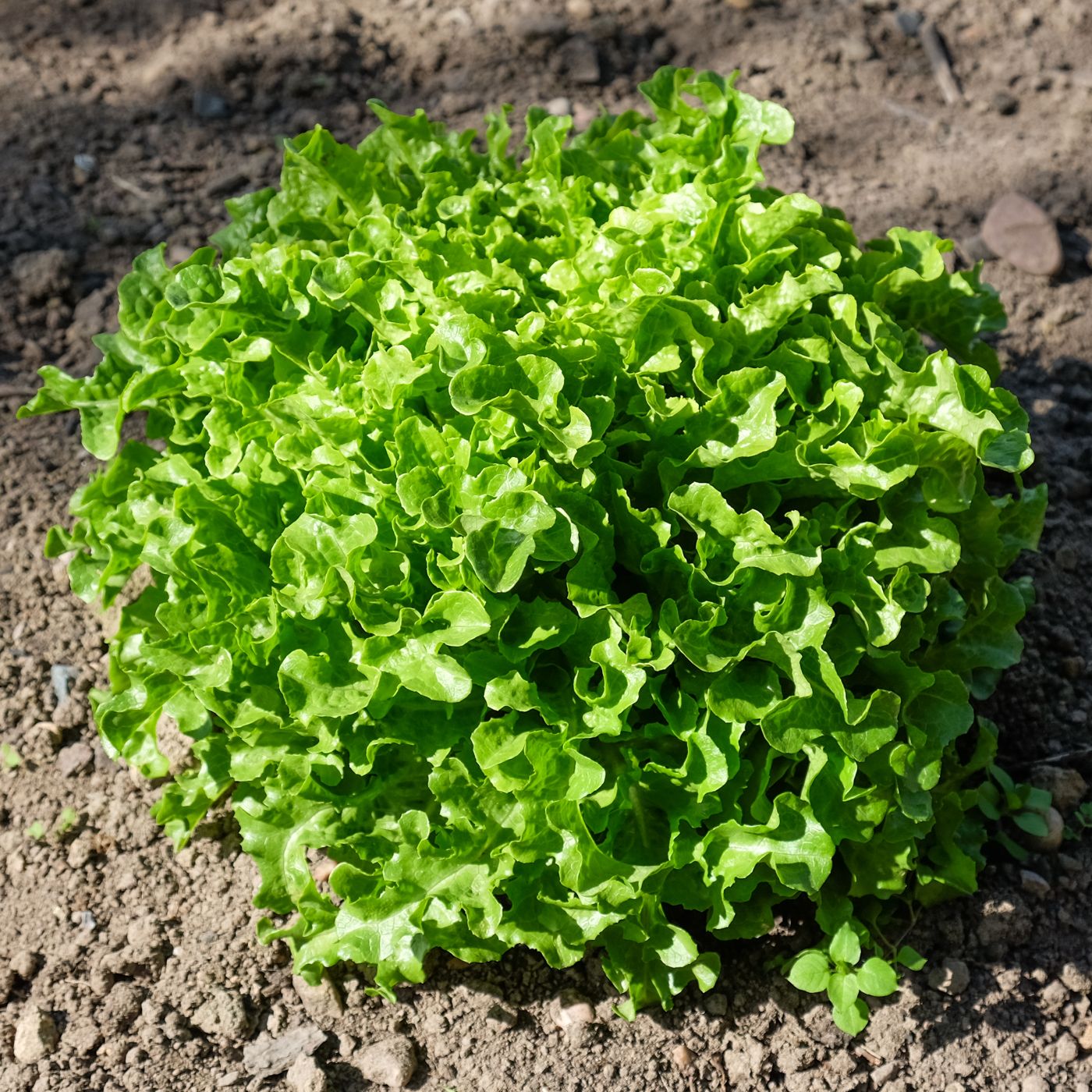 Sangchu (lettuce)상추Soft, loose-leaf lettuce, green or red-tinged, that anchors the Korean habit of ssam: wrapping rice, grilled meat and a dab of ssamjang in a fresh leaf. It is also dressed quickly as sangchu-geotjeori.
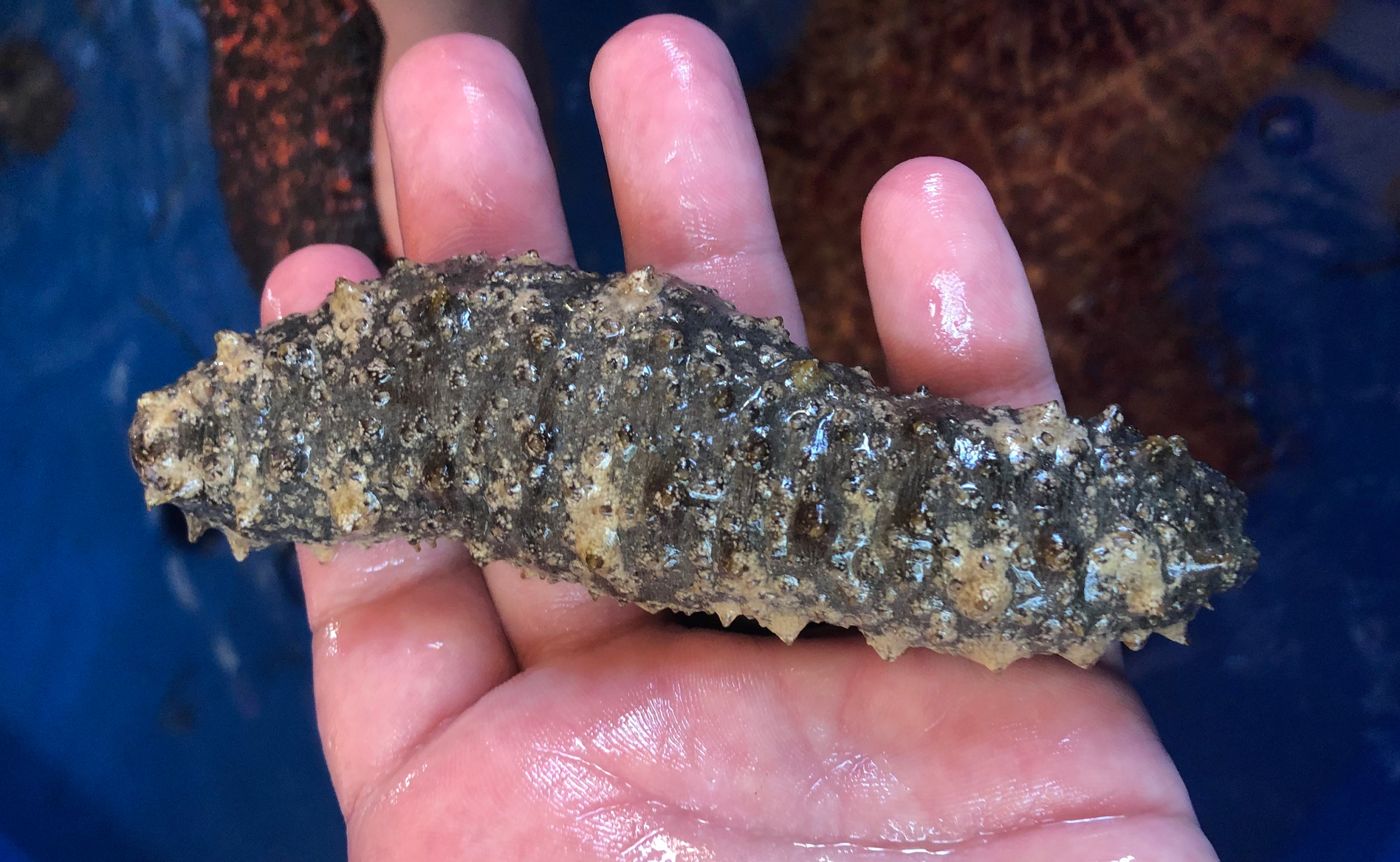 Sea cucumber (haesam)해삼A soft-bodied echinoderm eaten raw with vinegared chili paste in Korea and, once dried, treated as a luxury that appeared on Joseon royal banquet tables. Its name means "sea ginseng."
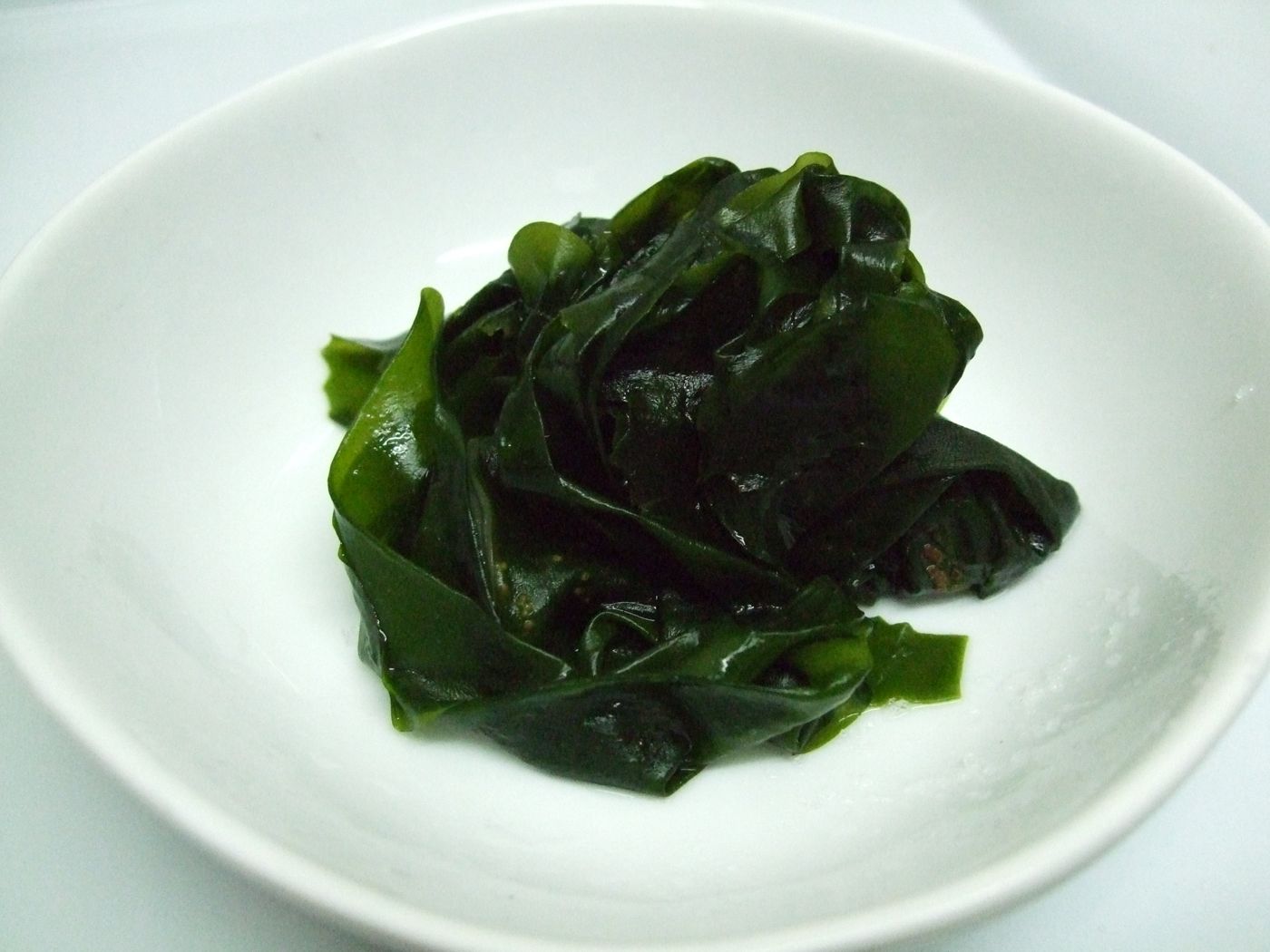 Sea mustard (miyeok, wakame)미역A tender brown seaweed sold dried in dark, crinkled strands that swell many times over in water. Simmered into miyeok-guk, it is the soup of birthdays and of a mother's first meals after giving birth.
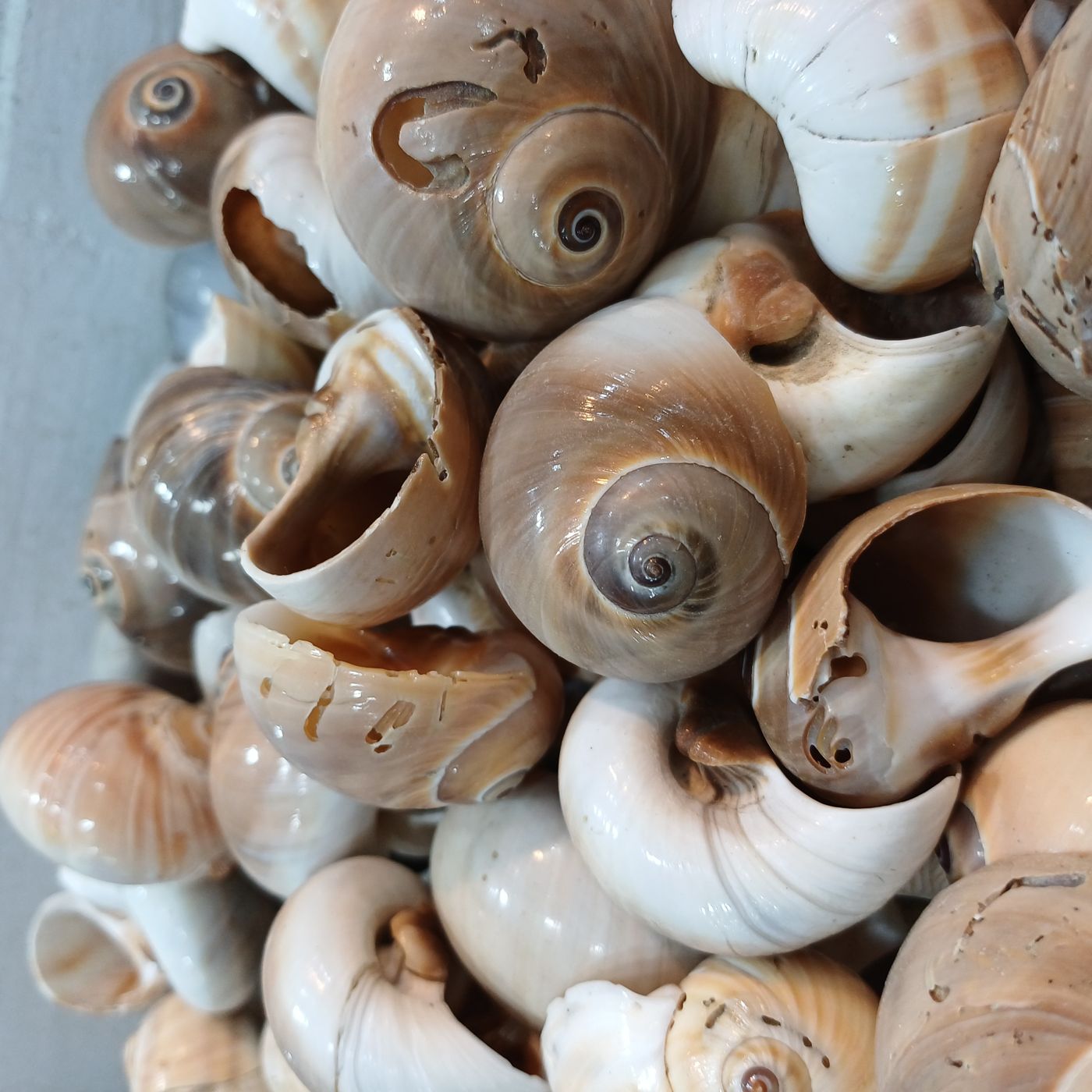 Sea snail / whelk (golbaengi)골뱅이A chewy marine snail, mostly canned and imported, tossed with chili, vinegar, vegetables and noodles into golbaengi-muchim, one of Korea's best-loved snacks to eat with beer.
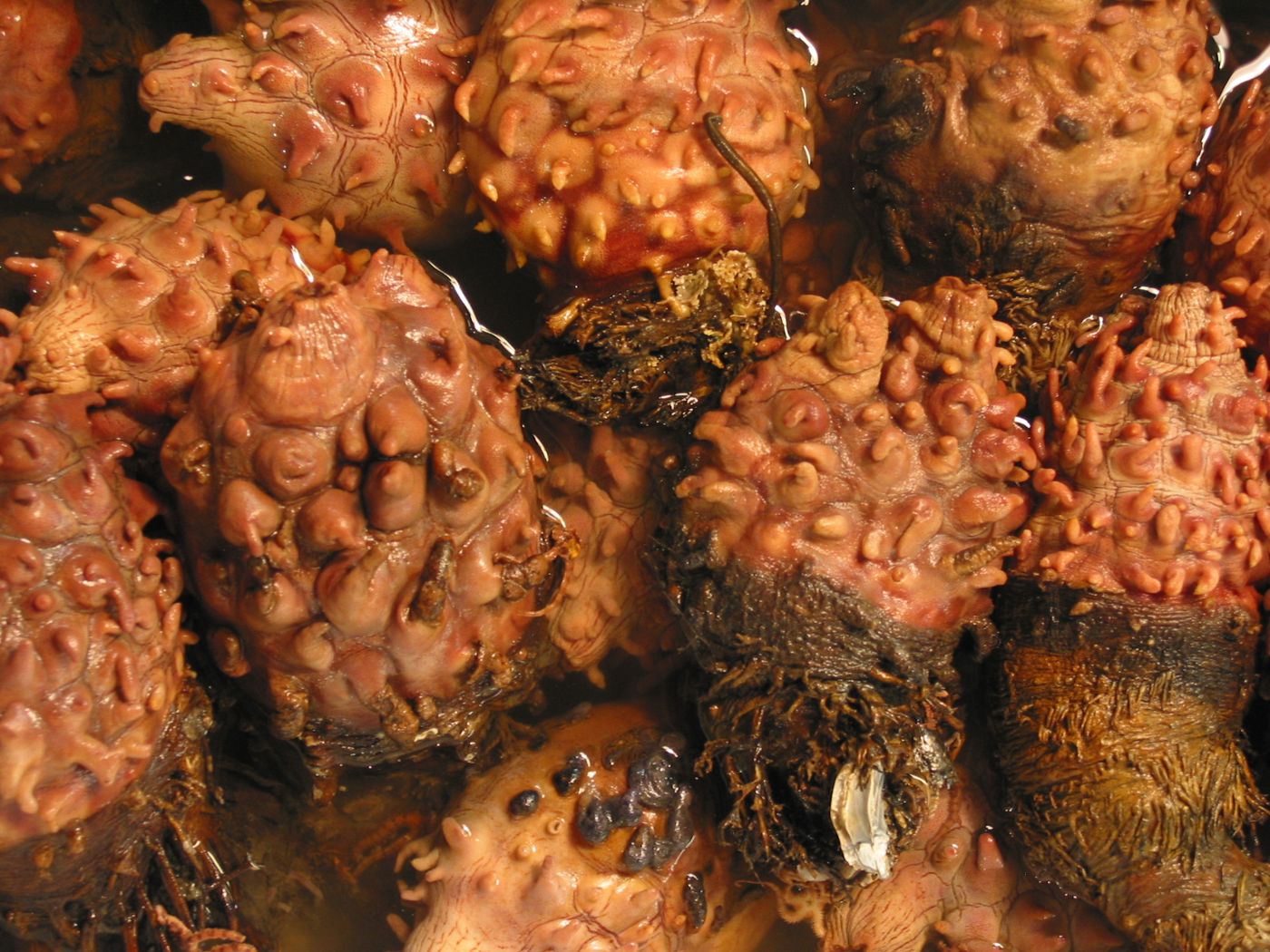 Sea squirt (meongge)멍게A knobbly orange-red sea creature with a bracing, oceanic sweetness and a bitter-iodine finish. Most of Korea's supply is farmed around Tongyeong and Geoje, and it is eaten raw or tossed over rice in spring.