The Banchan Encyclopedia
Ingredients
재료
From gochugaru to doenjang, the ingredients that give Korean food its flavor, history and character.
145–156 of 171 ingredients
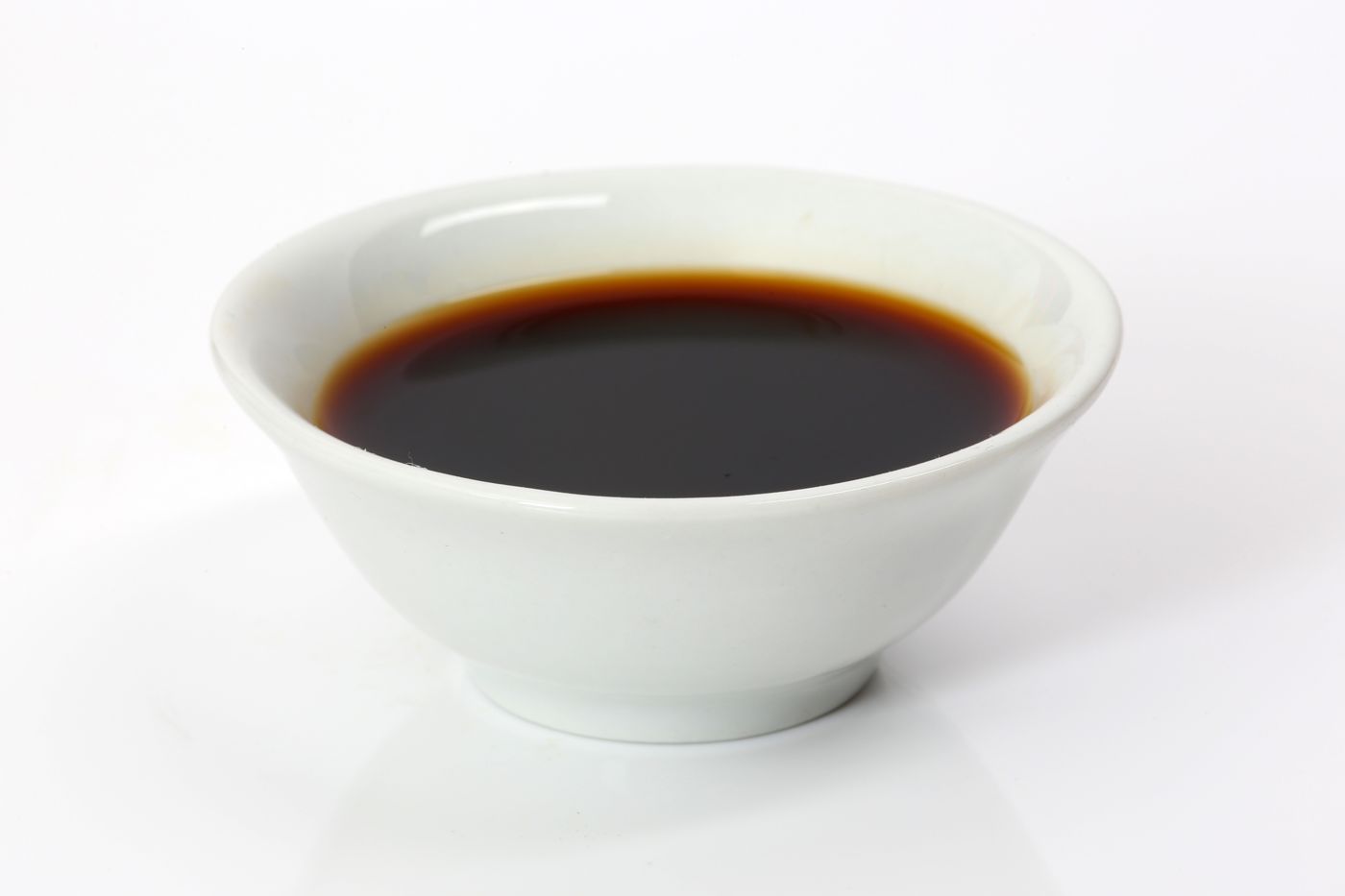 Soy sauce간장Korean soy sauce, in two main kitchen forms: pale, salty guk-ganjang (soup soy sauce) brewed the traditional way from meju, and darker, sweeter jin-ganjang for braises and marinades.
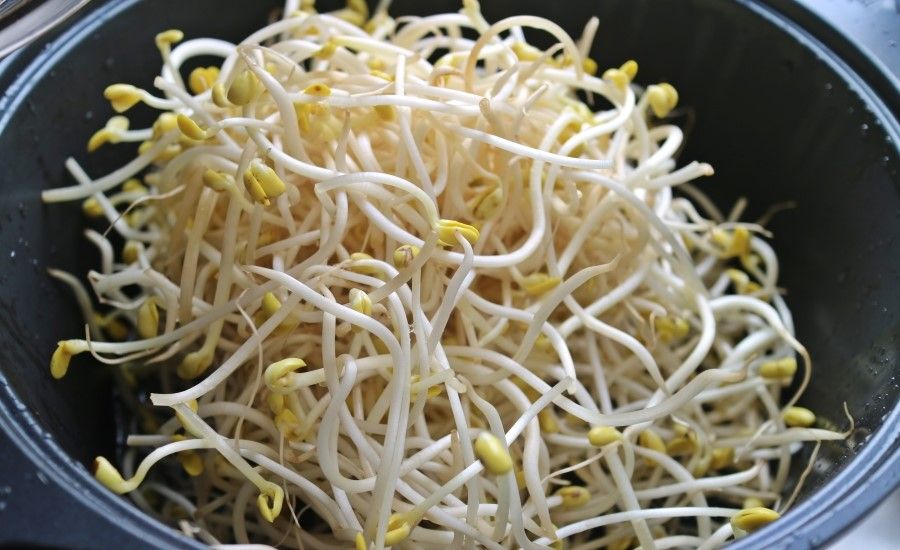 Soybean sprouts콩나물Soybeans sprouted in the dark until they grow long, pale stems topped with a yellow bean. A staple of everyday Korean cooking in kongnamul-muchim, clear sprout soup and sprout rice.
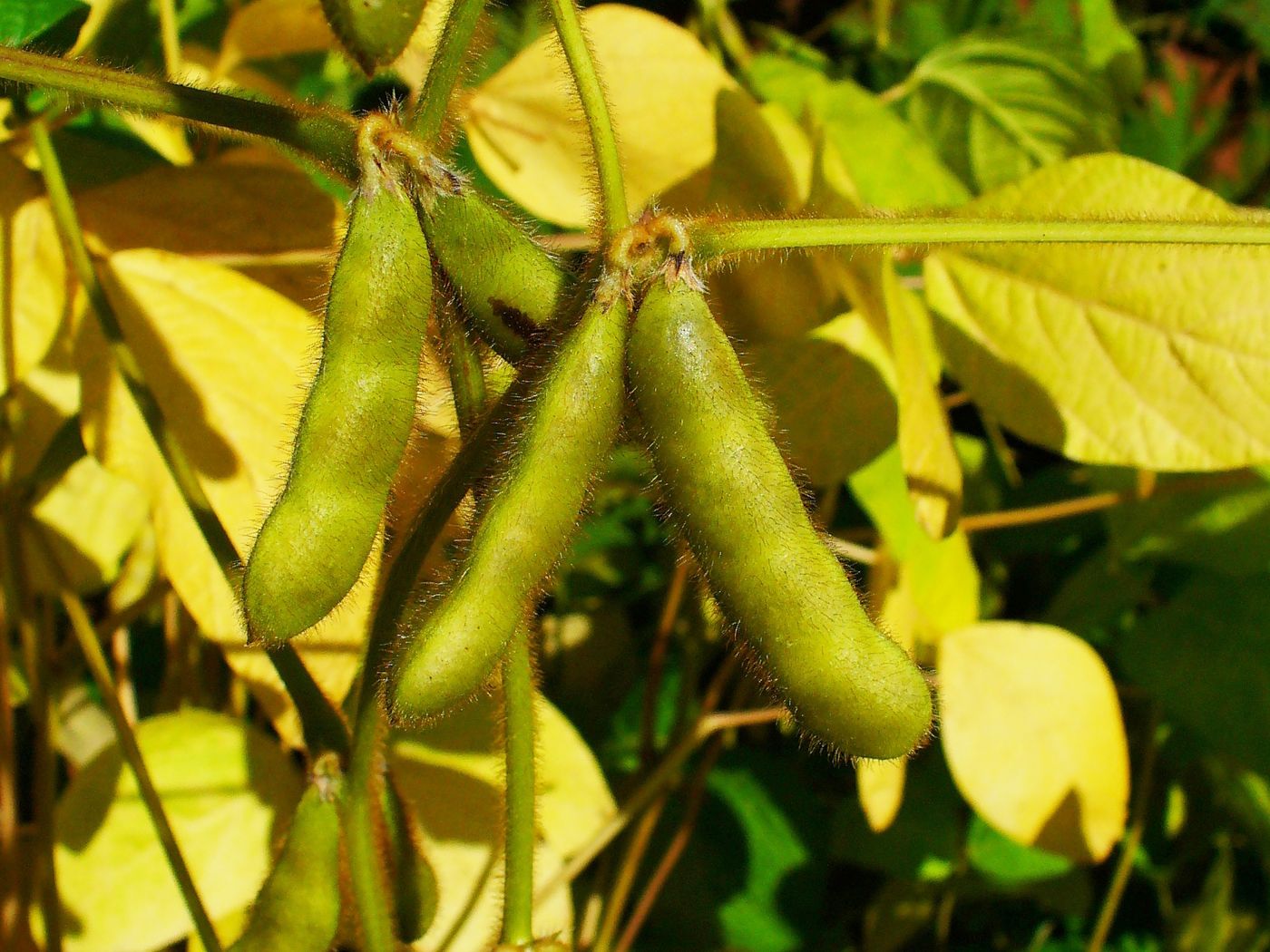 Soybeans대두Dried yellow soybeans, called kong in everyday speech and daedu ("big bean") on labels and in agriculture. They are the quiet foundation of the Korean table: the raw material for jang, tofu, soybean sprouts and soy milk, and a bean cooked into rice and braised as banchan.
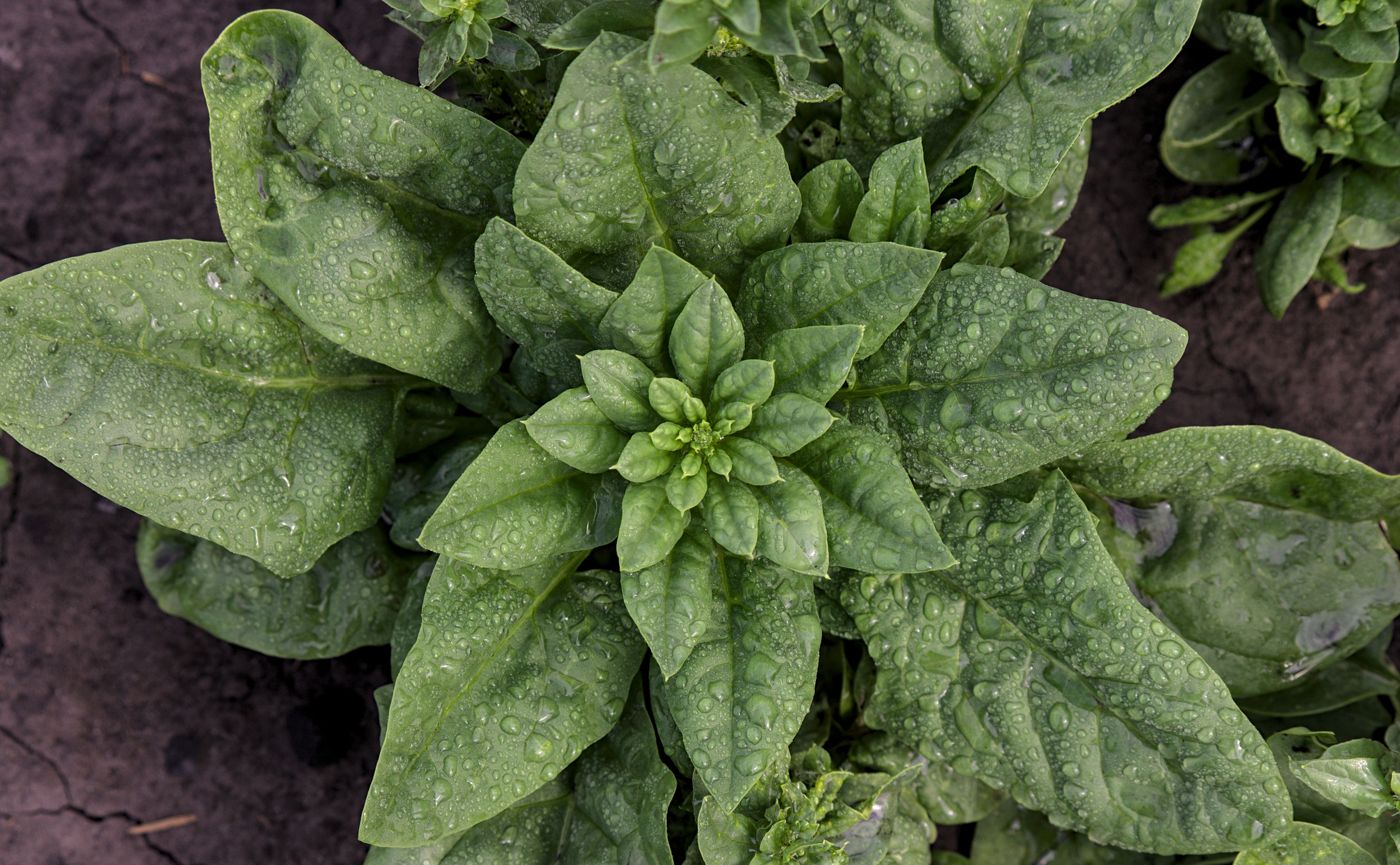 Spinach시금치Tender, deep-green spinach, most often blanched, squeezed and dressed with sesame oil as sigeumchi-namul, one of the most familiar banchan on the Korean table.
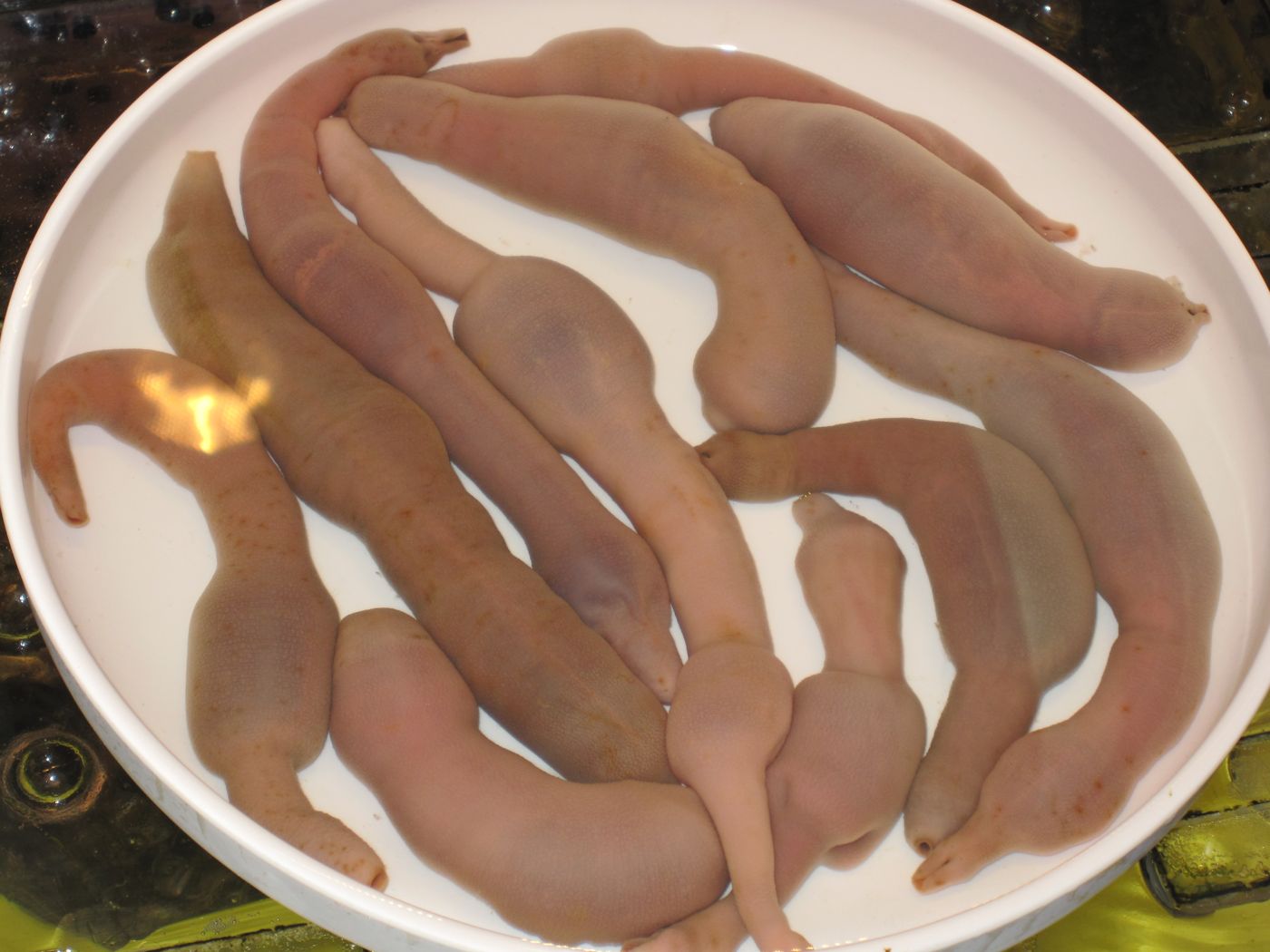 Spoon worm (gaebul)개불A plump, pink marine worm that burrows in the sandy mud of the south and west coasts. It is a winter delicacy, sliced raw for its crunchy, sweet chew or tossed with vinegared chili paste.
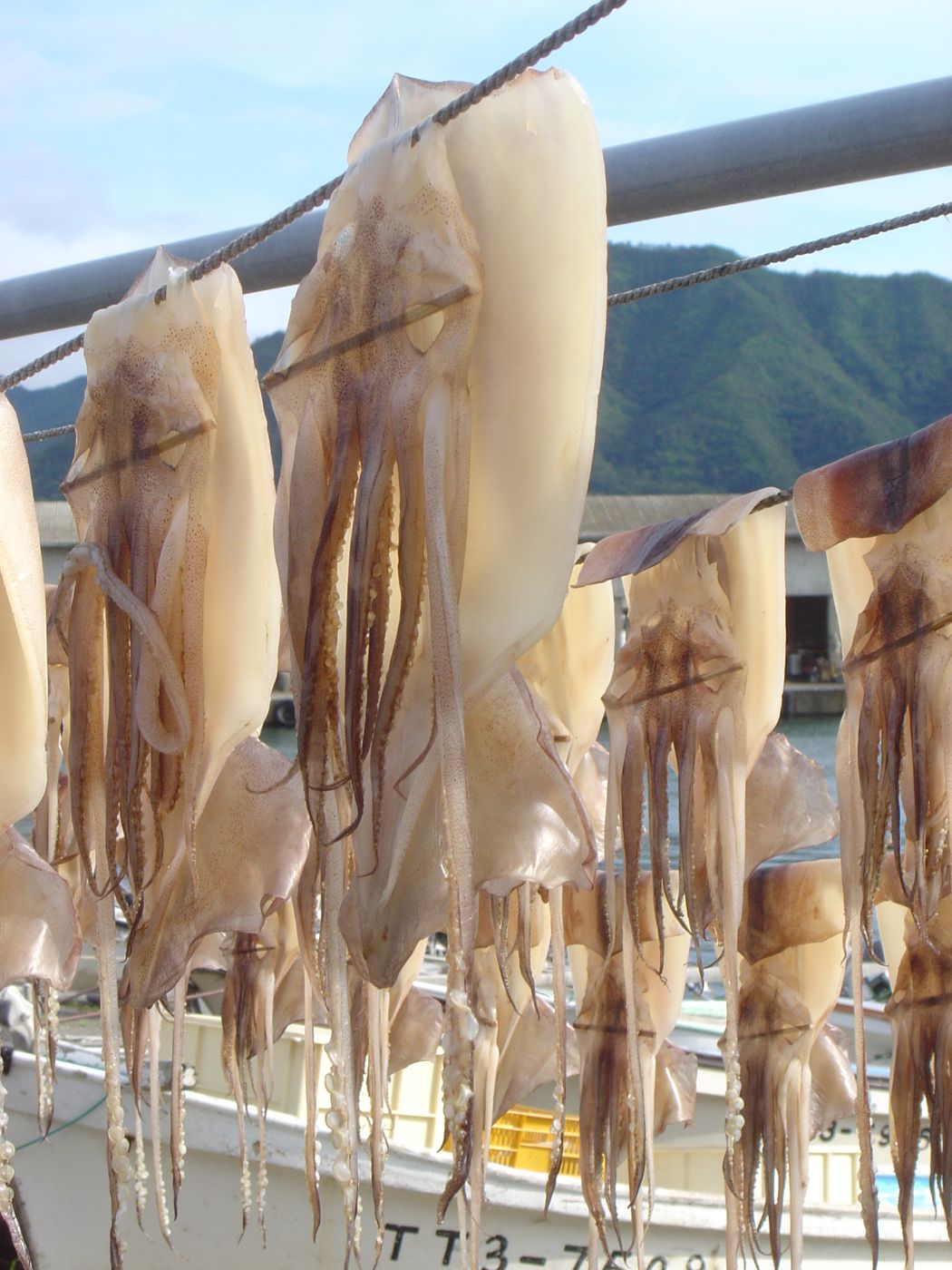 Squid오징어Fresh squid for stir-fries, pancakes and stuffed ojingeo-sundae, and dried squid — whole, sun-cured bodies or sweet-salty shredded jinmichae — that has become one of Korea's best-loved pantry foods.
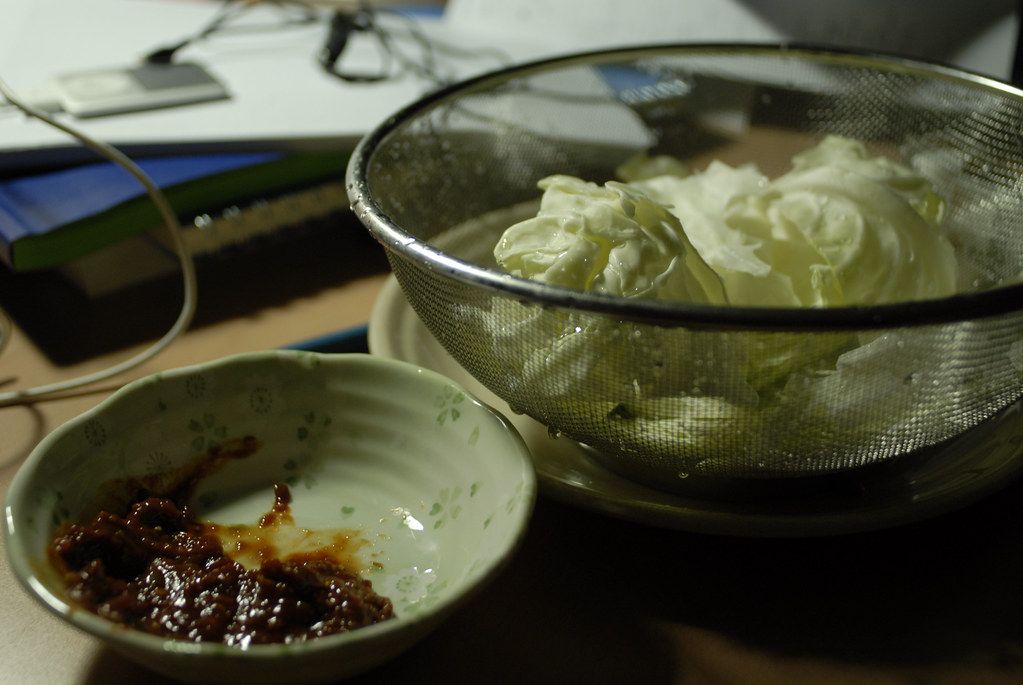 Ssamjang (Wrap Dipping Paste)쌈장A thick, savory-sweet paste of doenjang and gochujang with garlic, sesame and other seasonings, made to be dabbed onto lettuce wraps with rice and grilled meat. It is also a dip for raw vegetables.
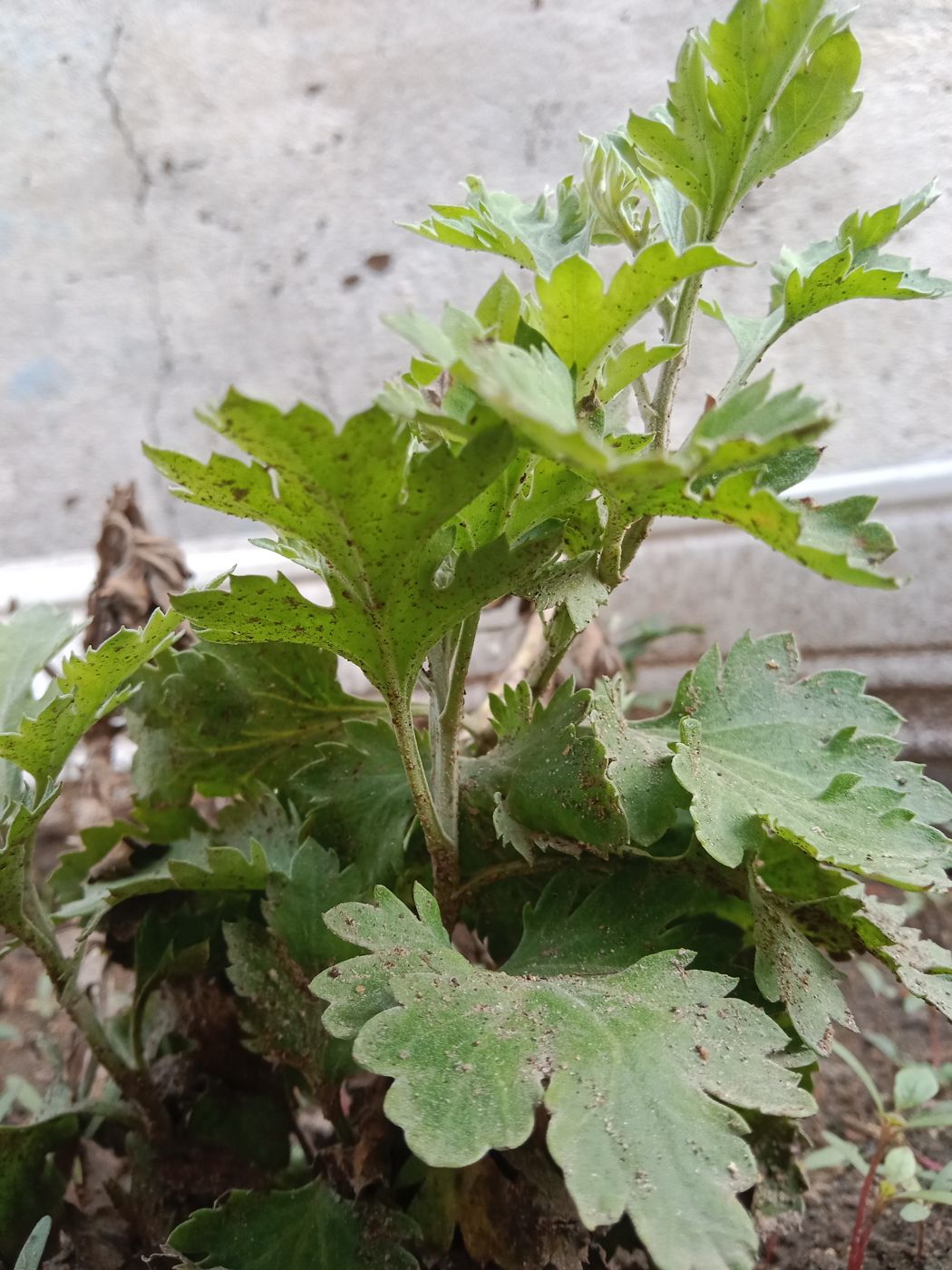 Ssuk (Korean mugwort)쑥A silvery-backed, intensely aromatic wild herb that colors rice cakes green and perfumes spring soups. Young leaves go into ssuk-tteok, ssuk-beomuri and ssuk-guk; dried mugwort has long served for moxibustion and smudging.
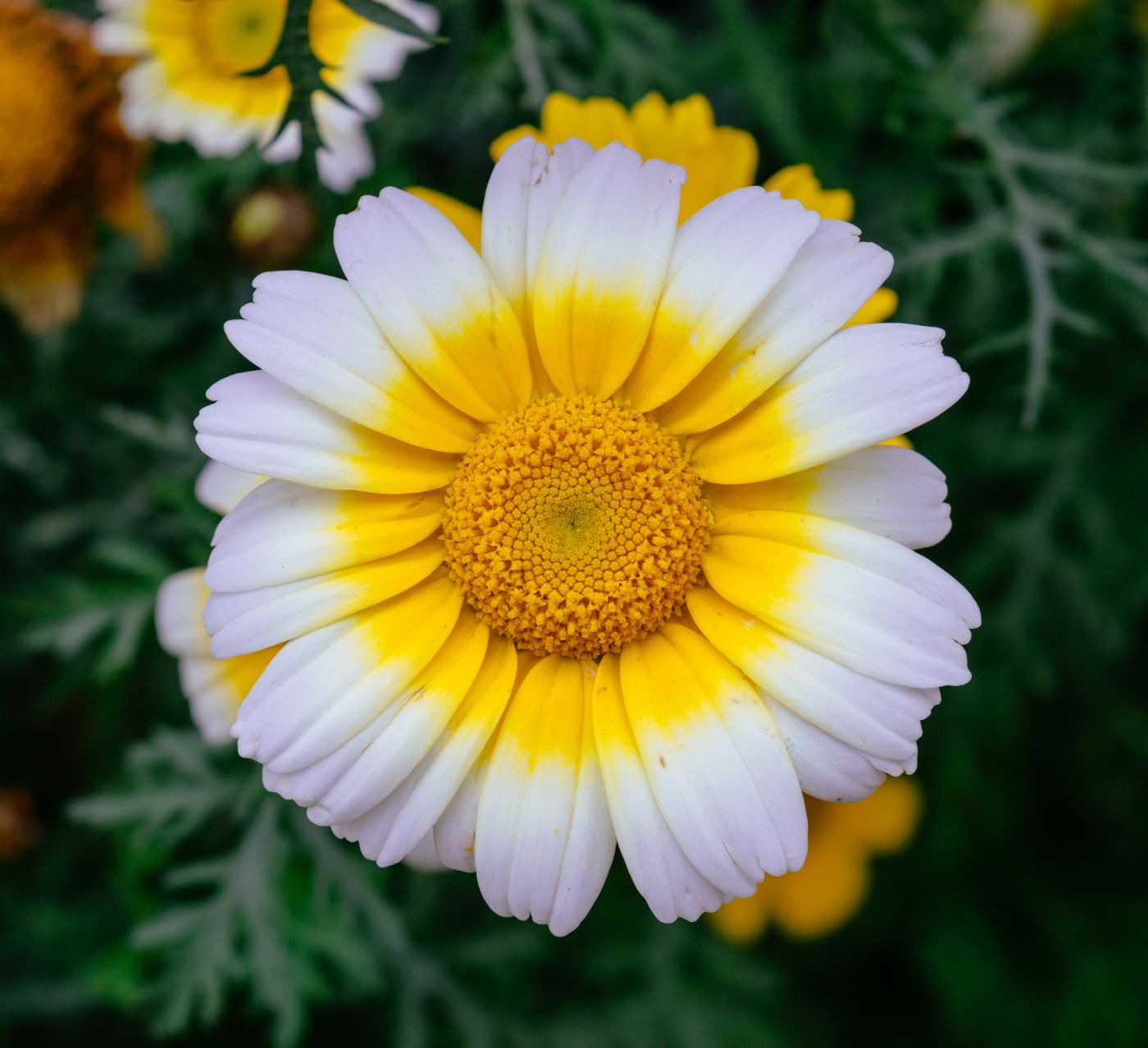 Ssukgat (crown daisy)쑥갓An edible chrysanthemum grown for its feathery, deeply lobed leaves and tender stems. Its bold, resinous perfume finishes spicy fish stews and hot pots, and it is a classic leaf for the ssam basket and quick namul.
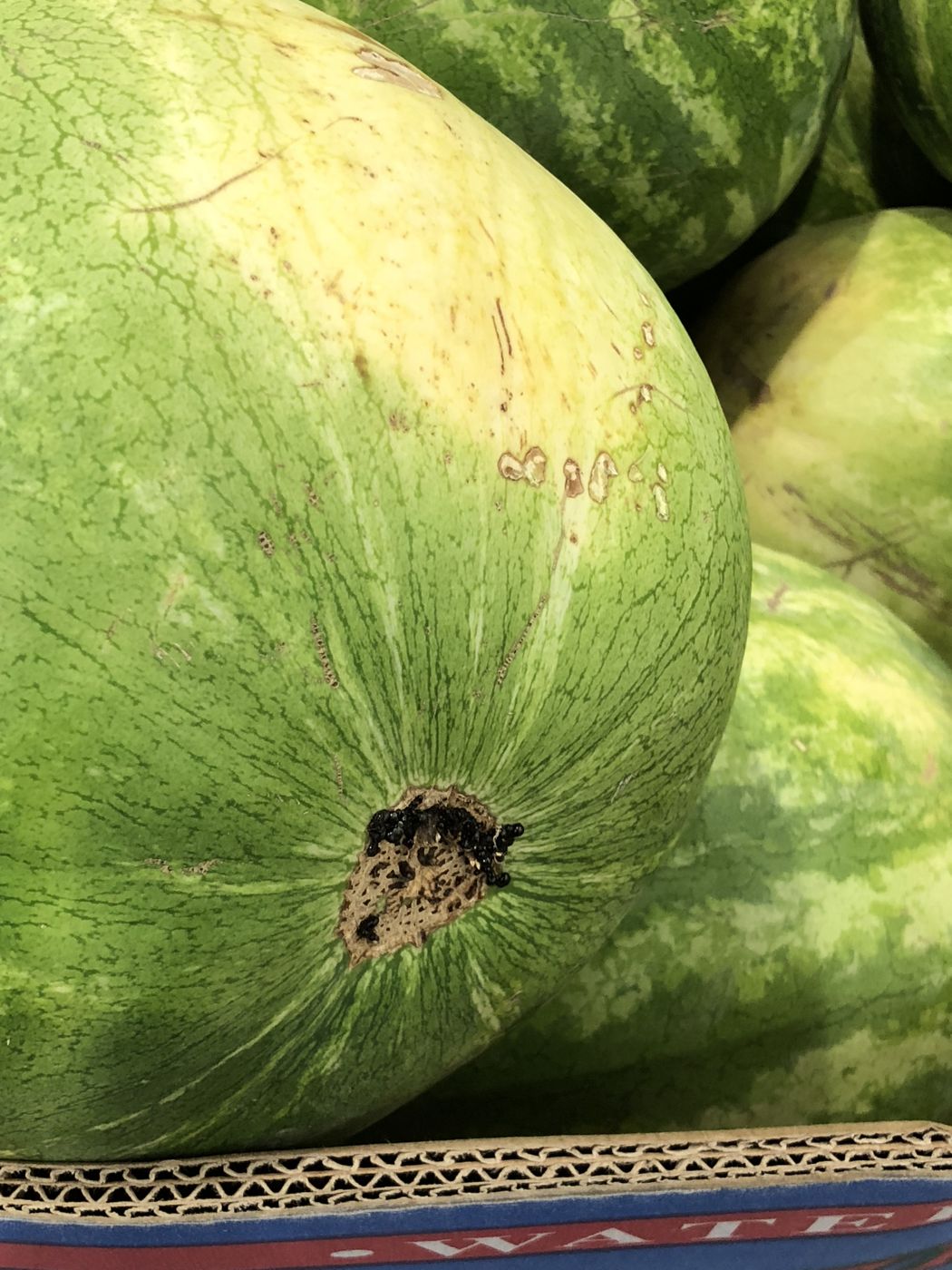 Subak (watermelon)수박The defining fruit of the Korean summer: big, striped melons with sweet red flesh, cut into wedges after a meal or scooped into chilled fruit punch on the hottest days.
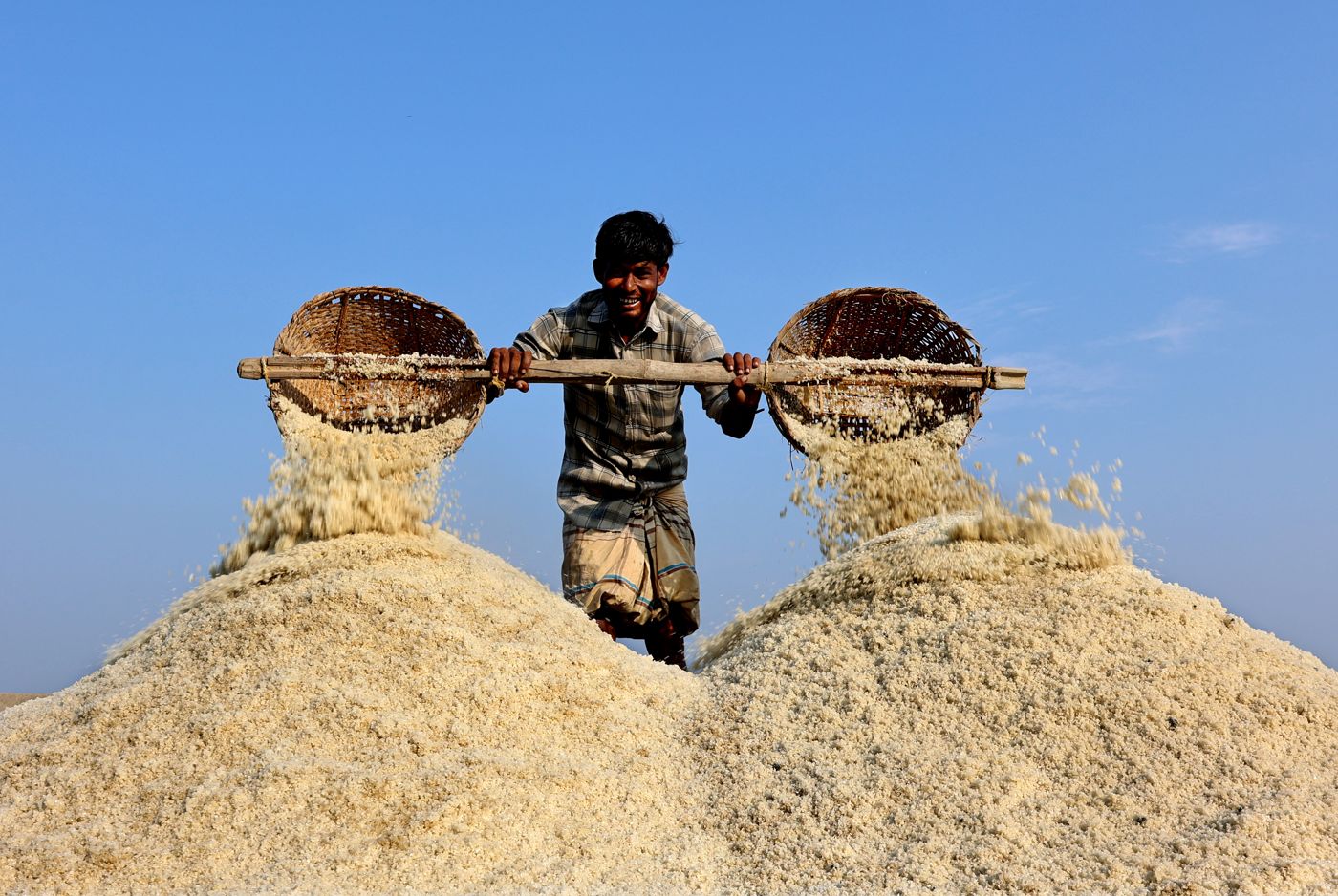 Sun-Dried Sea Salt천일염Coarse sea salt made by evaporating seawater with sun and wind in tidal-flat salt pans, most of it from Sinan County off Korea's southwest coast. It is the everyday salt for salting cabbage and making jang.
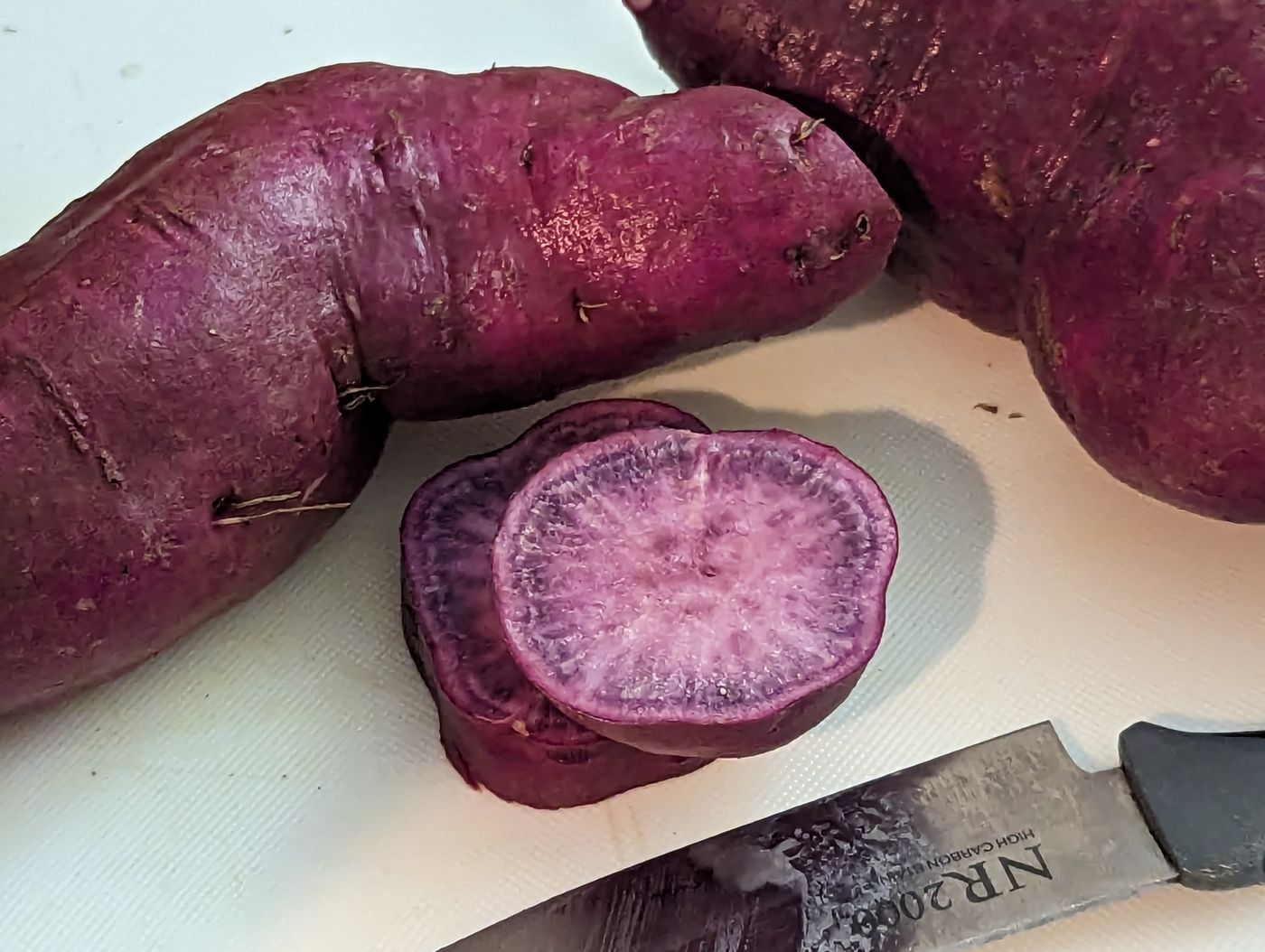 Sweet potato고구마Red-skinned, pale- or golden-fleshed Korean sweet potatoes, steamed or roasted whole as a snack, braised and candied as banchan, and milled into the starch that becomes dangmyeon. The tender stems are blanched and stir-fried as goguma-julgi namul.