The Banchan Encyclopedia
Ingredients
재료
From gochugaru to doenjang, the ingredients that give Korean food its flavor, history and character.
109–120 of 171 ingredients
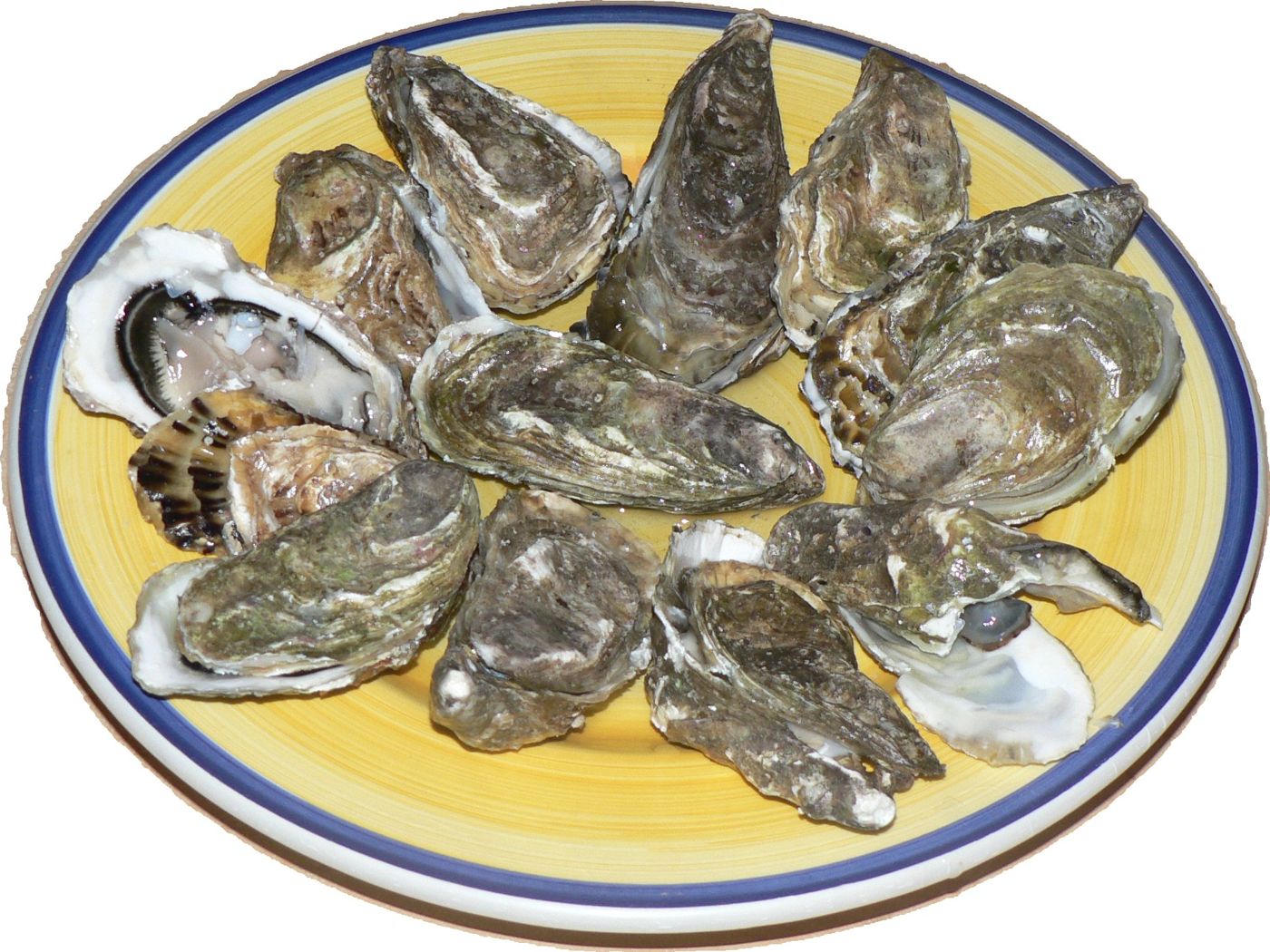 Oyster (gul)굴Plump, briny oysters, many of them grown on hanging lines in the bays around Tongyeong. Koreans eat them raw, cooked into rice, porridge, soup and pan-fried jeon, or salted with chili as eoriguljeot.
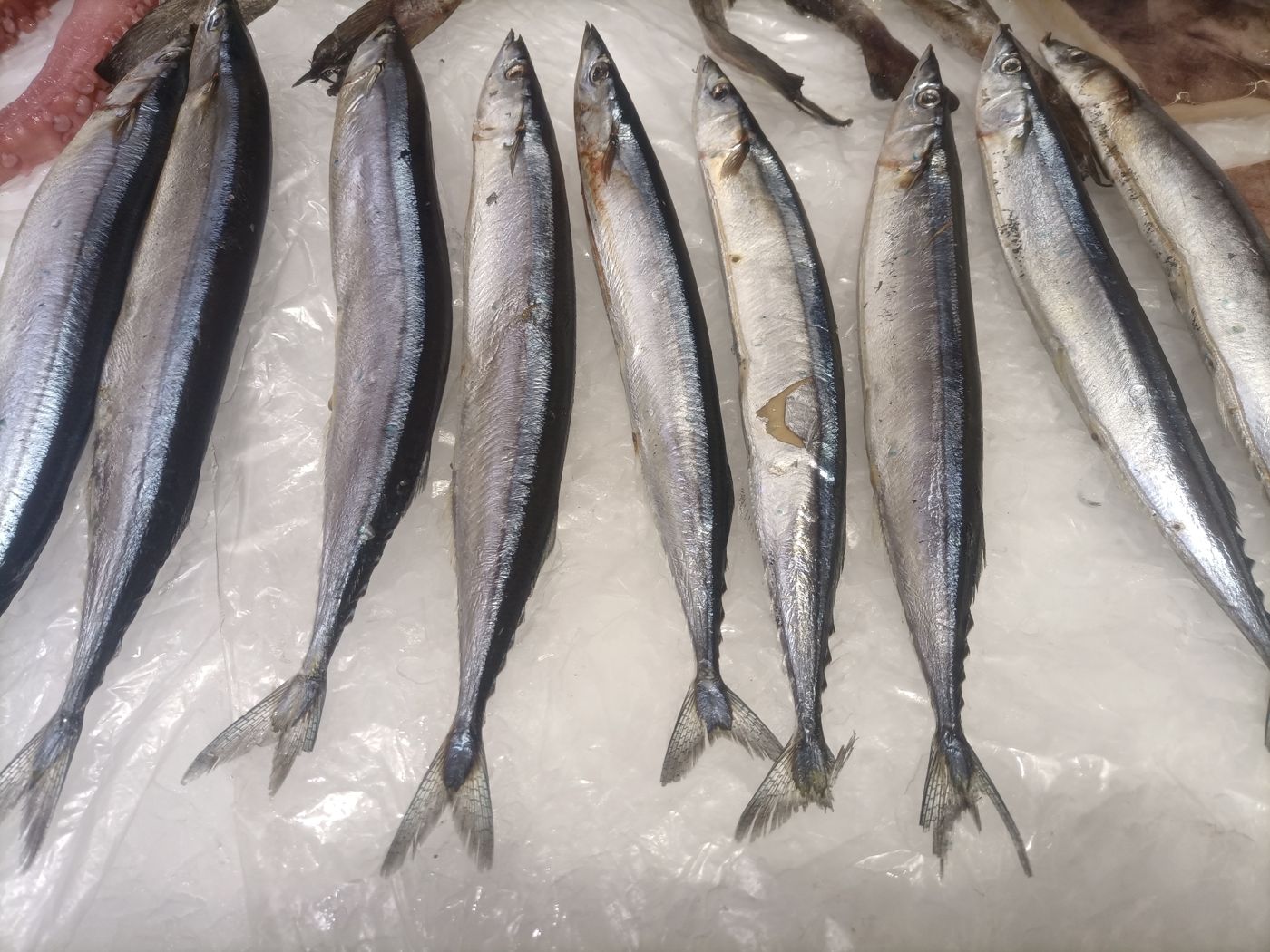 Pacific saury (kkongchi)꽁치A slender, oily autumn fish that Koreans grill, braise, simmer with kimchi from the can, and, around Pohang, wind-dry into gwamegi, the chewy winter delicacy eaten wrapped in seaweed.
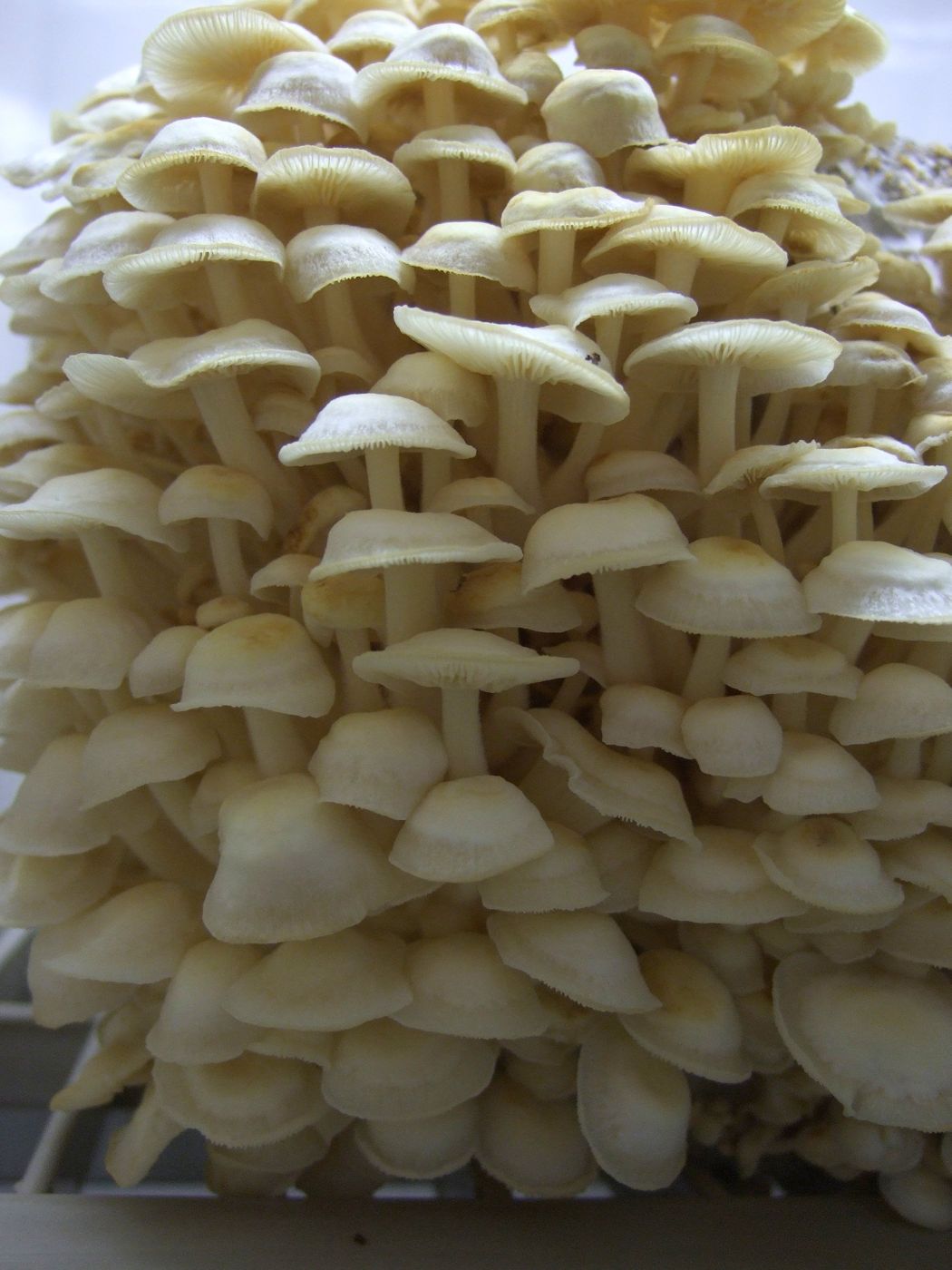 Paengi-beoseot (enoki mushroom)팽이버섯Long, slender, ivory-white stems topped with tiny caps, sold in tight bundles. Crisp-tender and mild, enoki is added at the last minute to stews and hot pots, and should always be eaten well cooked.
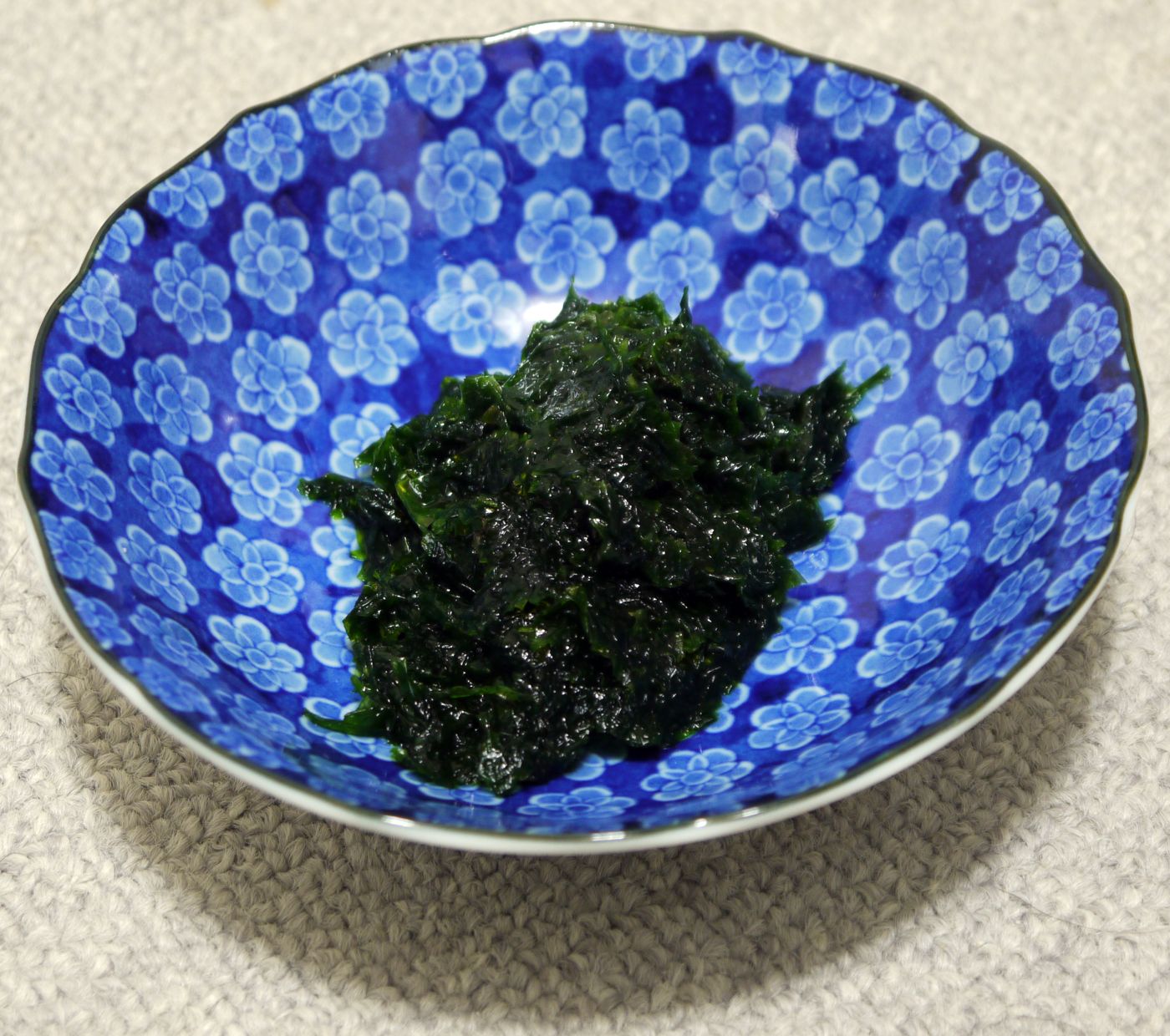 Parae (green laver)파래Fine, bright-green seaweed gathered from tidal rocks and mudflats in winter. Its fresh ocean scent and gentle sweetness star in parae-muchim, often tossed with julienned radish and a vinegary dressing.
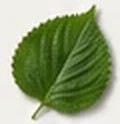 Perilla깻잎Perilla leaves have a bold, minty-herbal scent. They are eaten fresh as a wrap, pickled in soy sauce, or layered with seasoning as kkaennip-jangajji.
- Perilla Seed Powder들깨가루Roasted perilla seeds ground to a coarse, oily powder, sold whole or hulled. Stirred into soups and stews it makes them creamy and nutty; tossed with namul it adds body and fragrance.
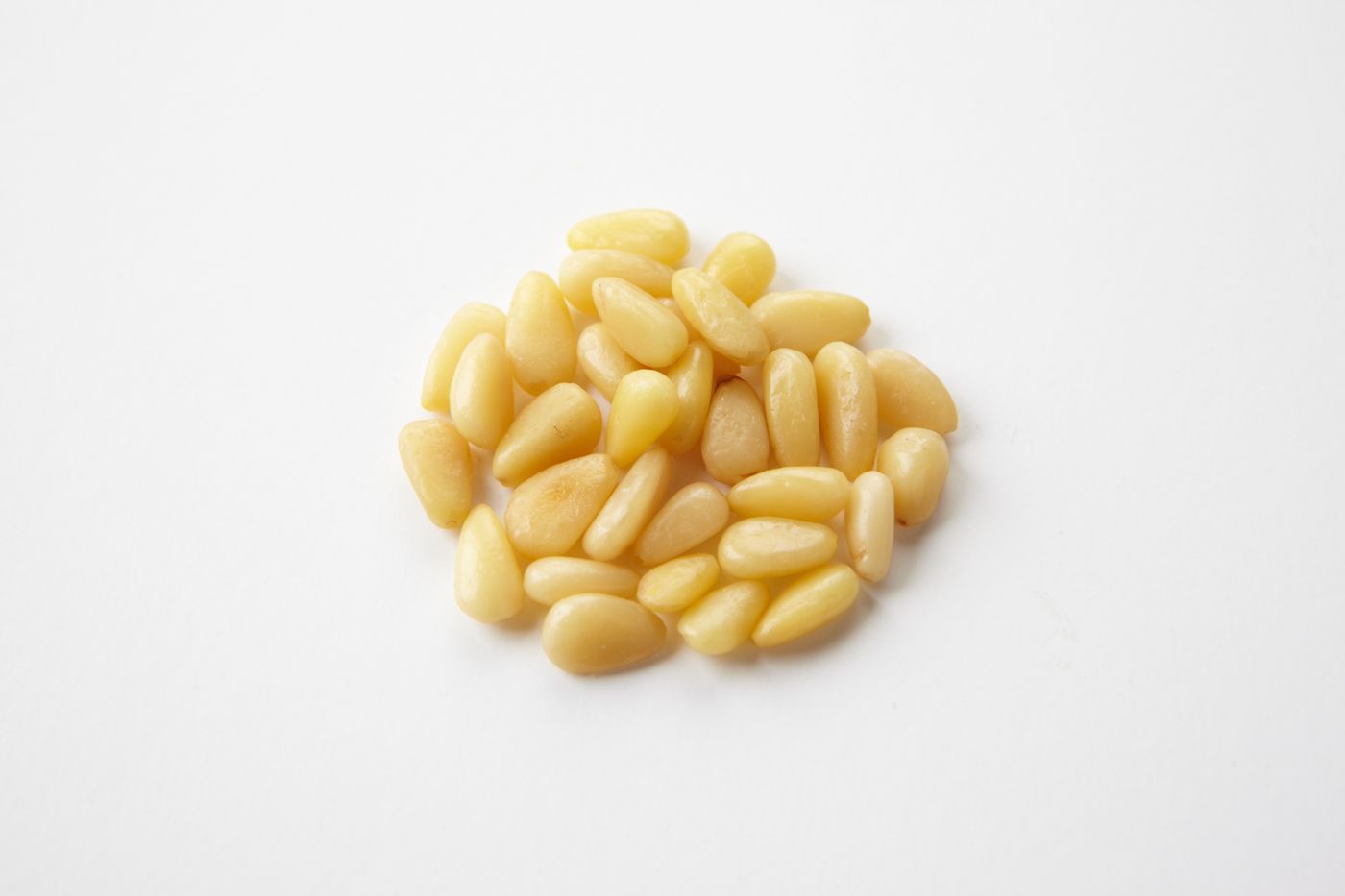 Pine nuts잣Creamy, ivory seeds of the Korean pine, scattered as a finishing garnish on punches, porridges and braises, or ground into the delicate porridge jatjuk. Gapyeong in Gyeonggi-do is the country's pine-nut capital.
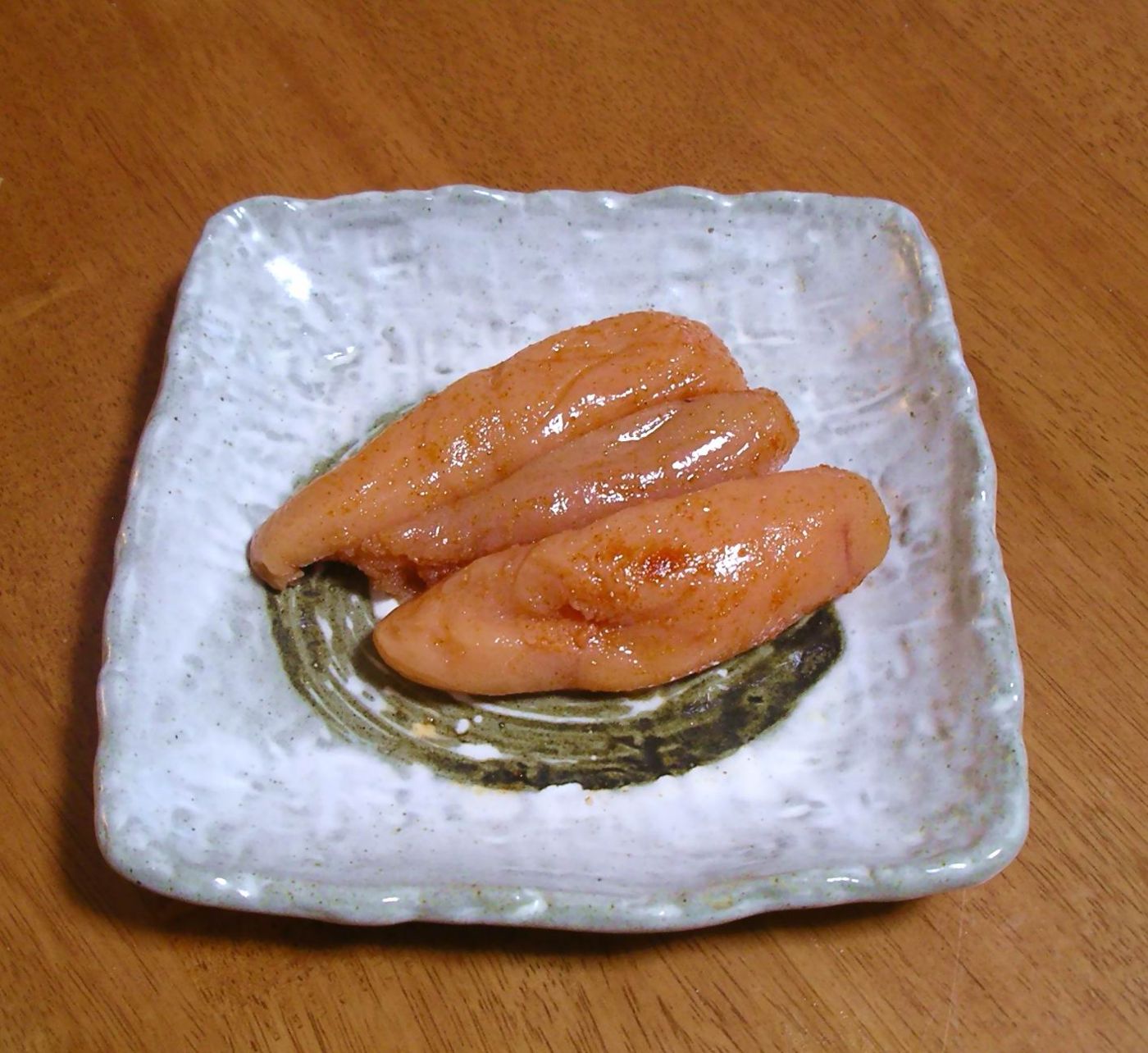 Pollock roe (myeongnan)명란The paired roe sacs of the Alaska pollock, most often salt-cured and seasoned as myeongnan-jeot. It is eaten in slices with sesame oil, grilled, or stirred into steamed eggs and stews.
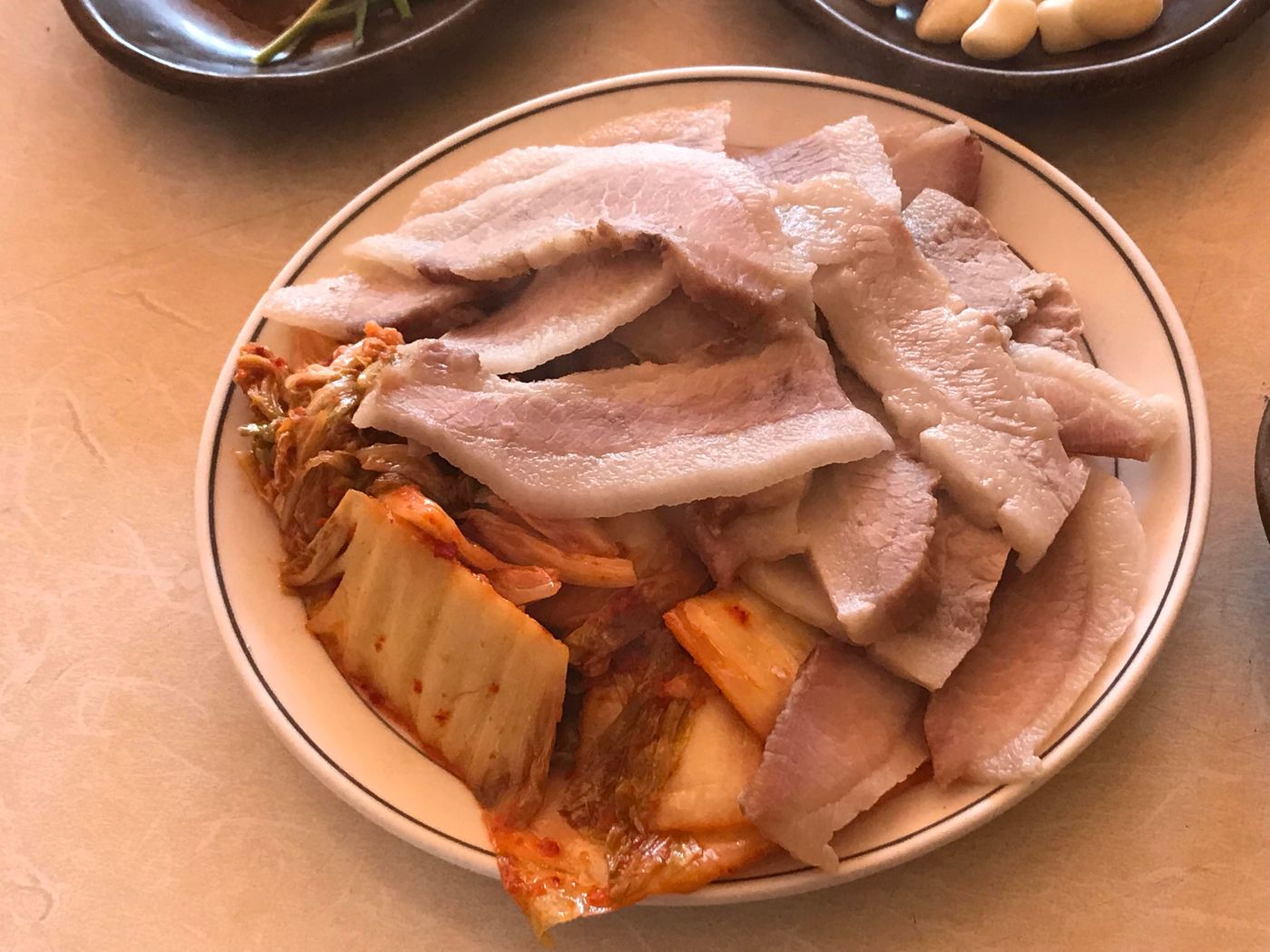 Pork (dwaeji-gogi)돼지고기Korea's most widely eaten meat, prized cut by cut: fatty belly for samgyeopsal, neck for the grill, lean legs for boiled suyuk and stir-fried jeyuk. Pork also anchors Jeju Island's feast cooking.
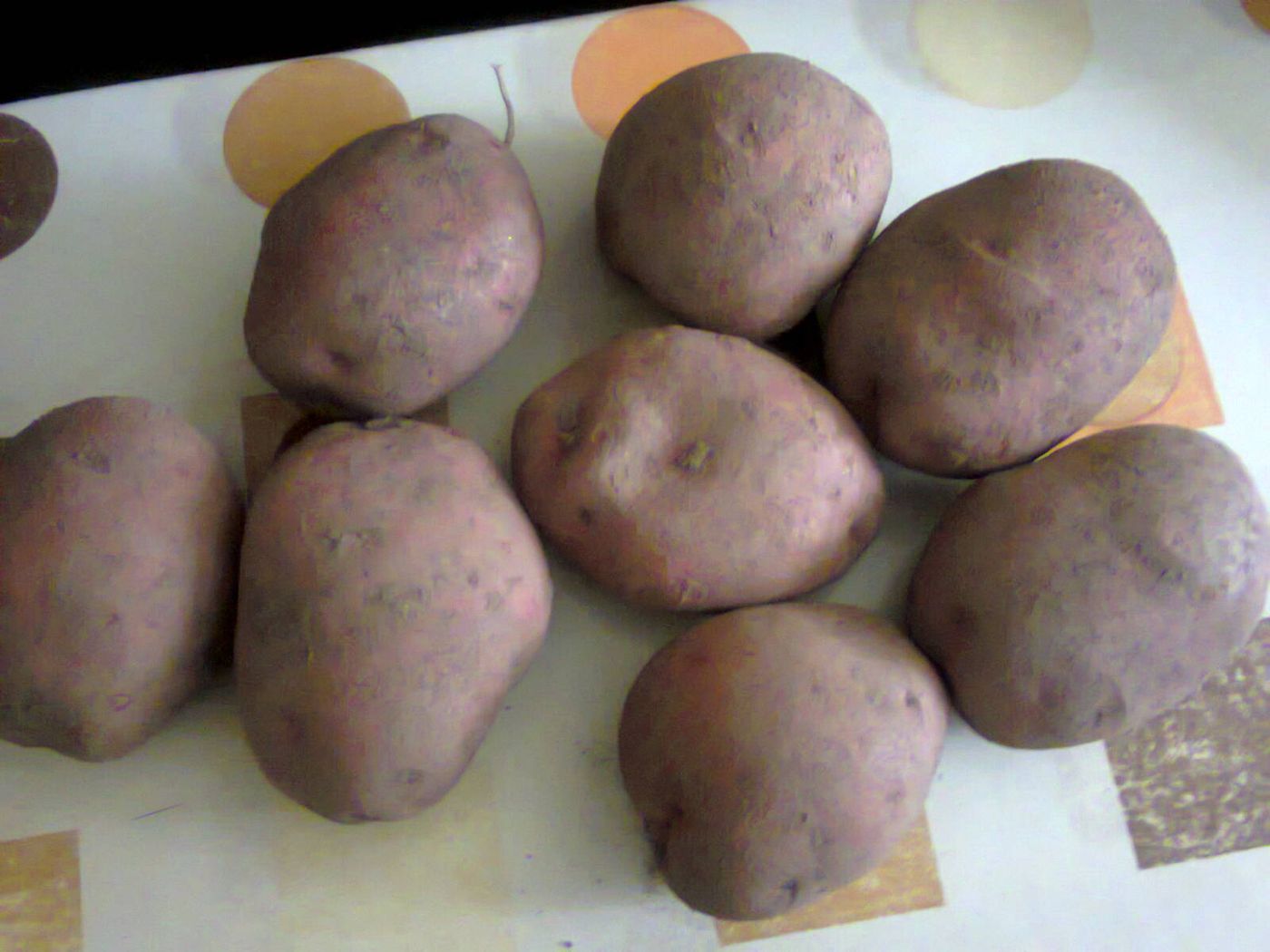 Potato감자A relatively recent arrival that became a mainstay of the mountain provinces. Braised in soy sauce as gamja-jorim, stir-fried in fine matchsticks, grated into crisp gamja-jeon and simmered in countless soups.
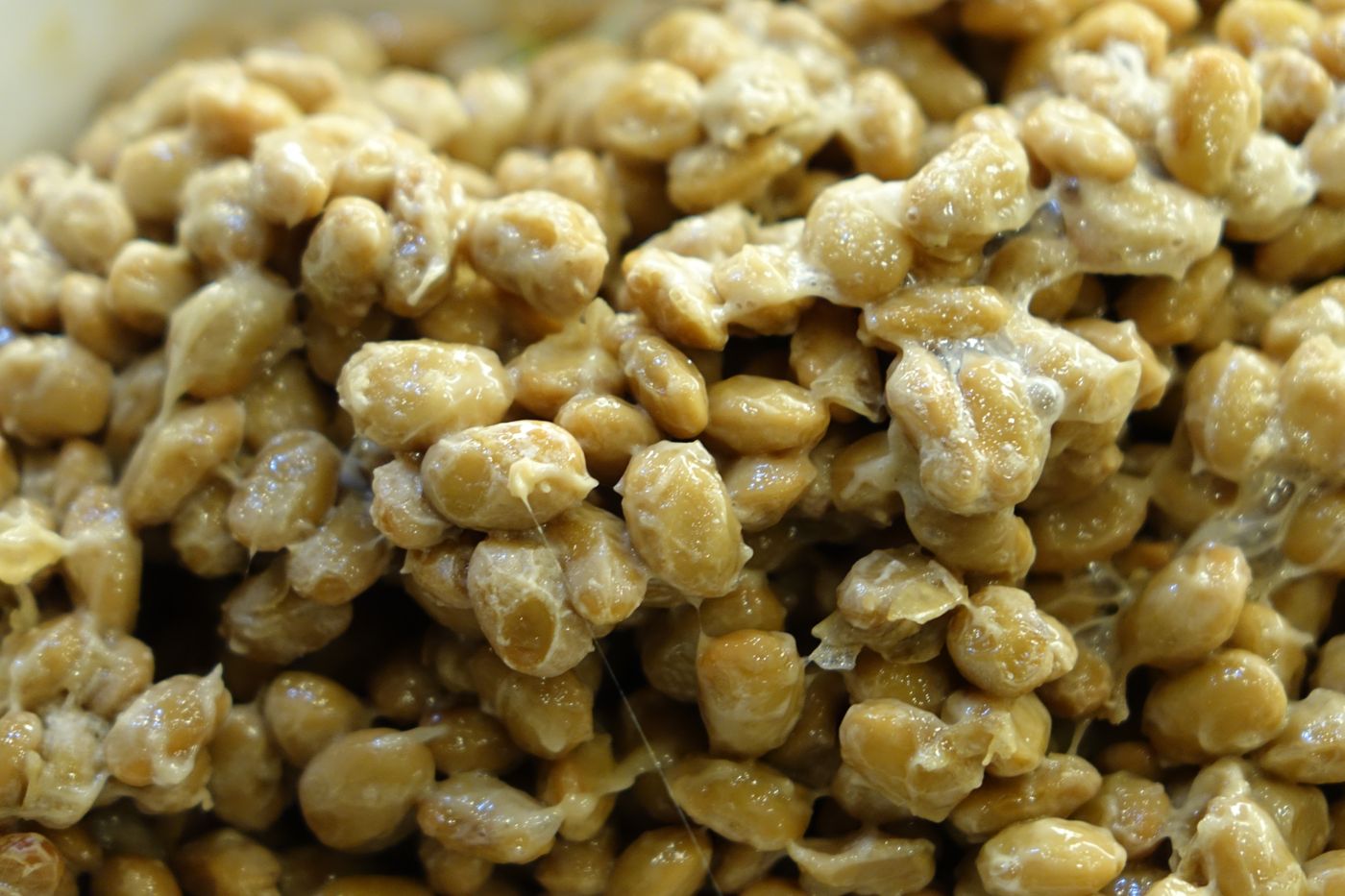 Quick-Fermented Soybean Paste청국장Whole cooked soybeans fermented for just a few days in a warm room until sticky threads form, then lightly pounded with salt. Pungent and deeply savory, it is best known as a winter stew.
- Red sea bream (domi / chamdom)도미The rosy red sea bream, chamdom, is Korea's festive white fish: steamed whole for birthdays and weddings, set on ancestral-rite tables, and sliced as sashimi. Its head is said to be the best part.