The Banchan Encyclopedia
Ingredients
재료
From gochugaru to doenjang, the ingredients that give Korean food its flavor, history and character.
73–84 of 171 ingredients
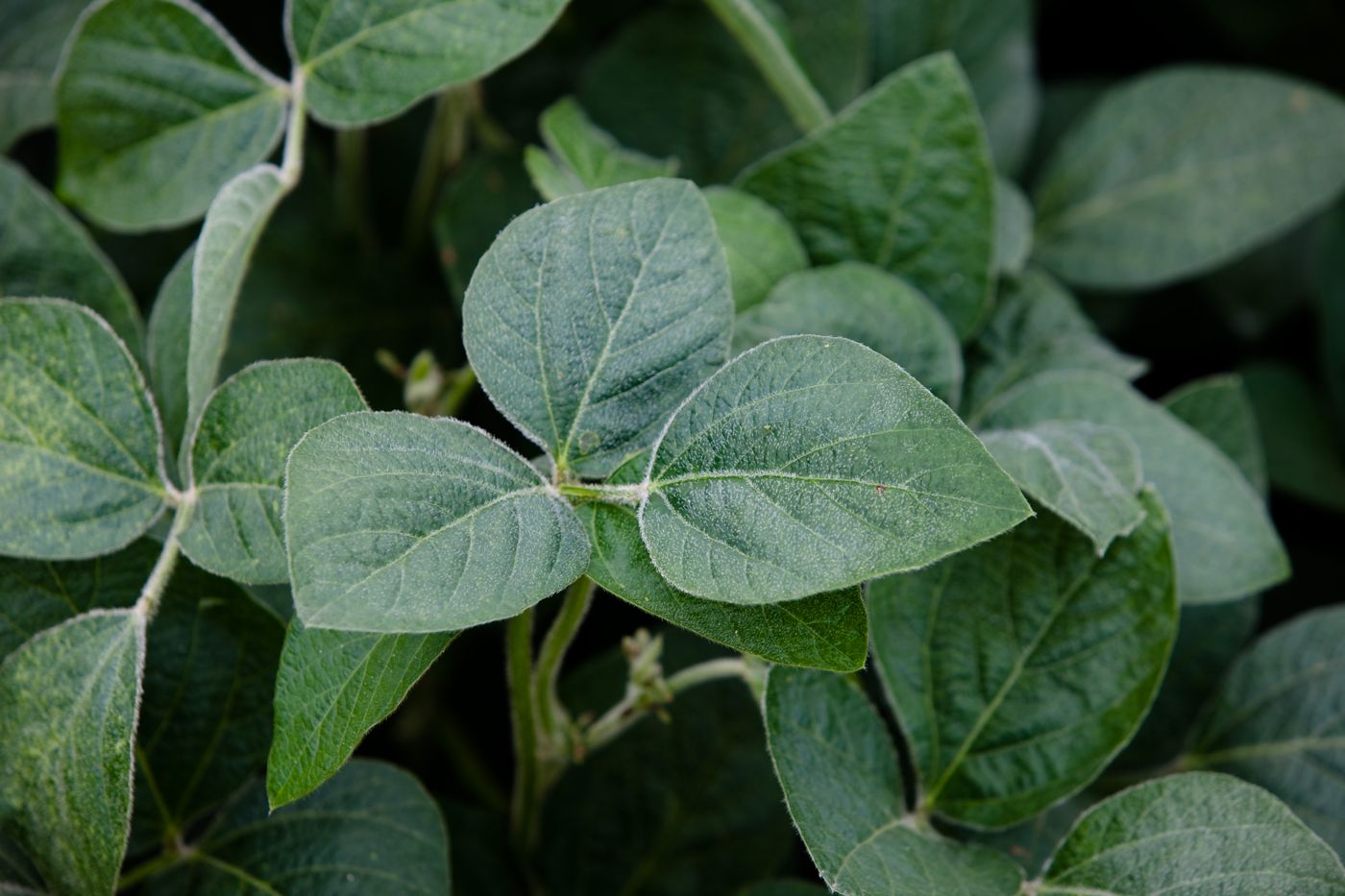 Kongnip (soybean leaves)콩잎The leaves of the soybean plant, eaten green in summer and as autumn-yellowed leaves cured in brine. In Gyeongsang they become the beloved, pungent kongnip-jangajji and kongnip-kimchi.
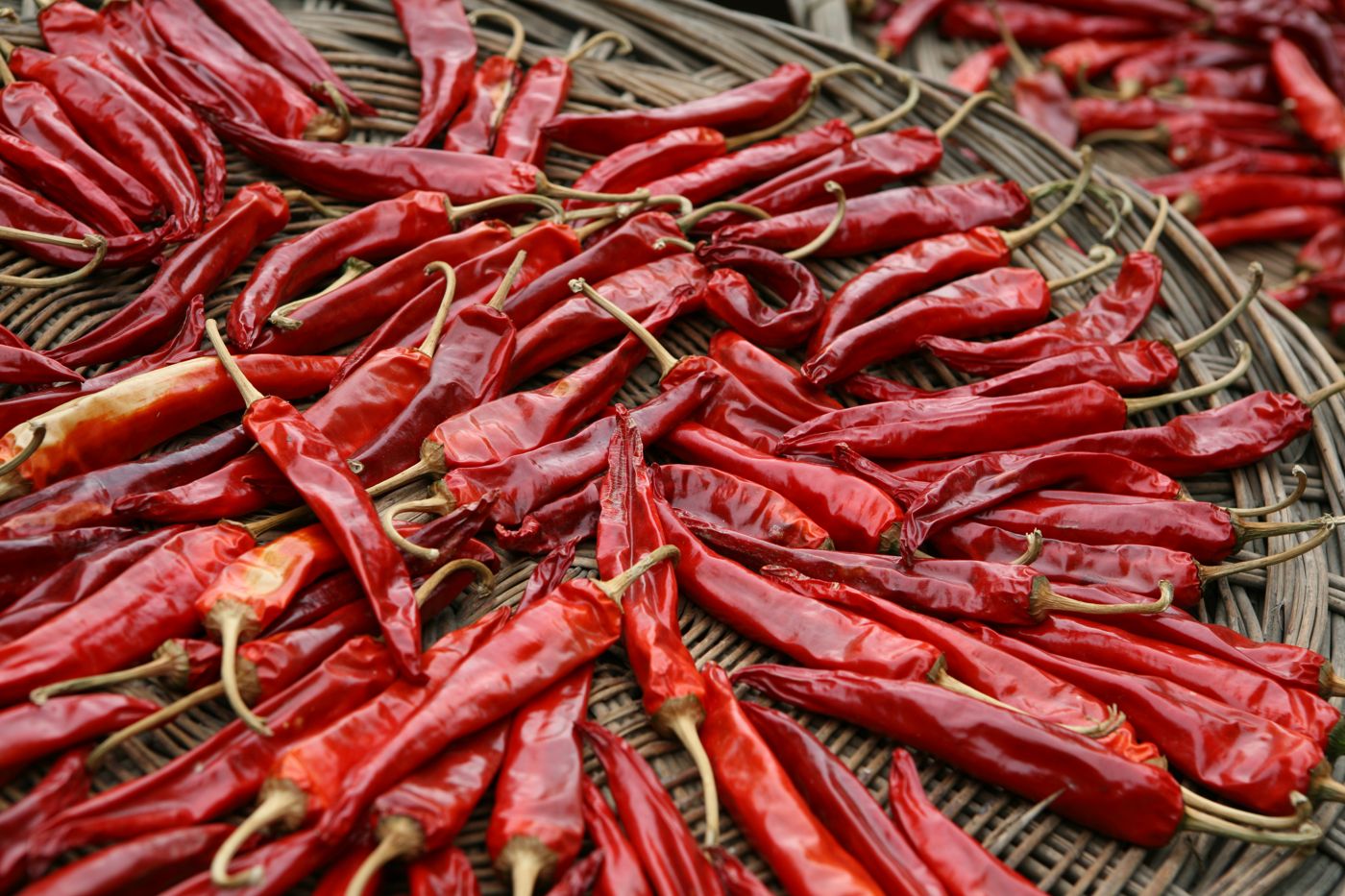 Korean Chili Peppers (Fresh)고추Fresh Korean chili peppers, eaten green (putgochu) or red (hong-gochu): from the fiery cheongyang-gochu to the small, wrinkled, mild kkwari-gochu that is braised and stir-fried as banchan.
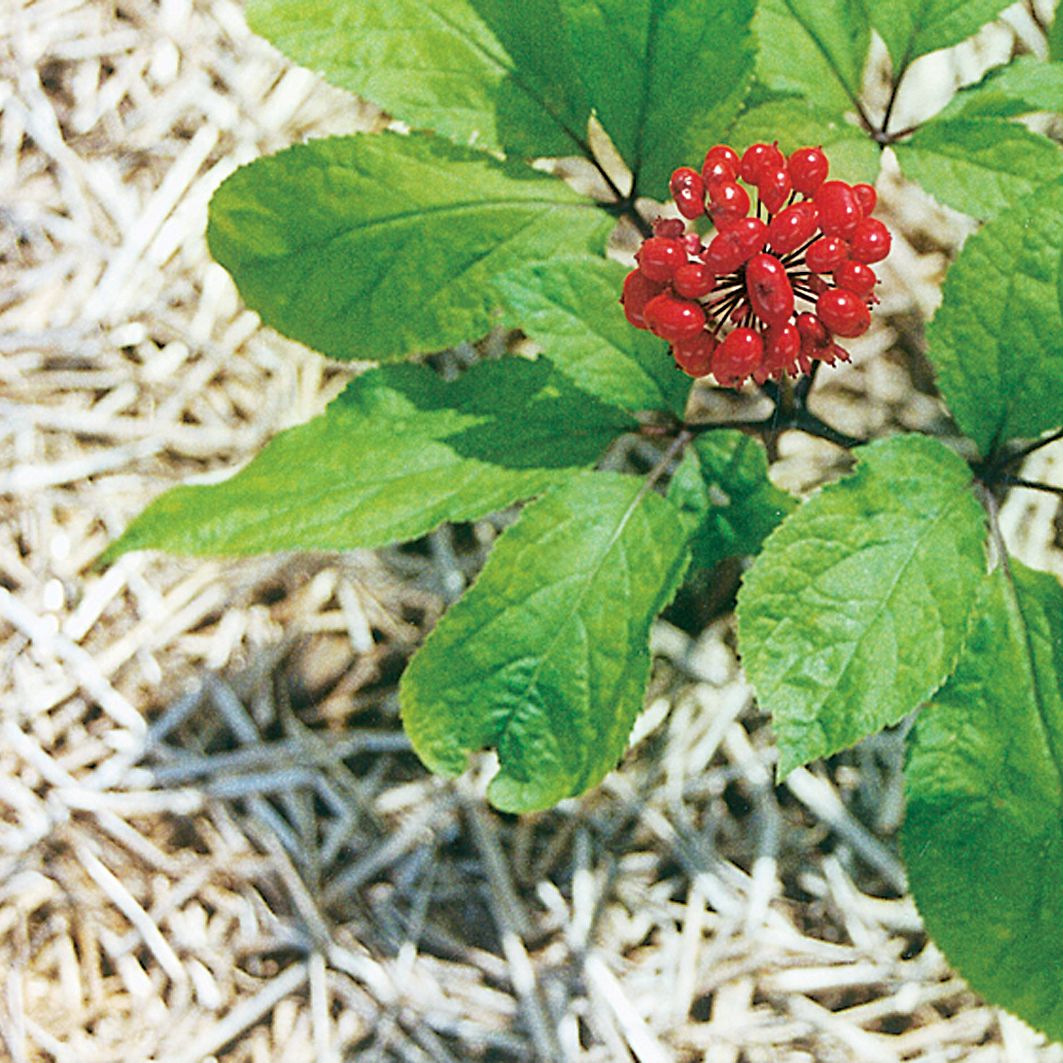 Korean ginseng인삼The forked, pale root of Panax ginseng, eaten fresh as susam or dried and steamed into white and red ginseng. On the table it appears whole in samgyetang, in honeyed slices, teas and liquor, and occasionally as a banchan of its own.
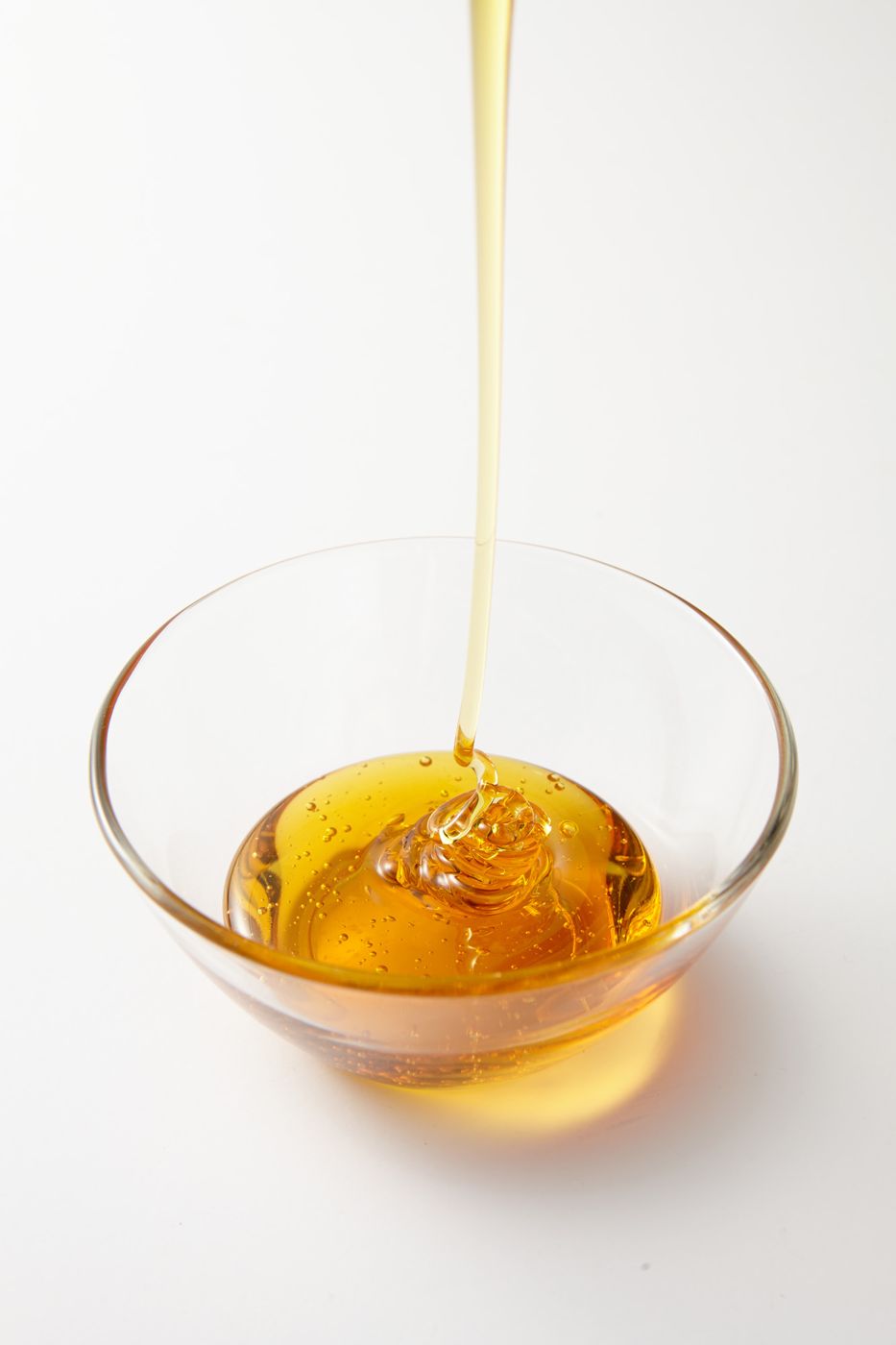 Korean grain syrup물엿A clear, glossy syrup used to sweeten and glaze braised and stir-fried banchan. Its traditional relative, jocheong, is a darker malt syrup made by slowly boiling down saccharified rice.
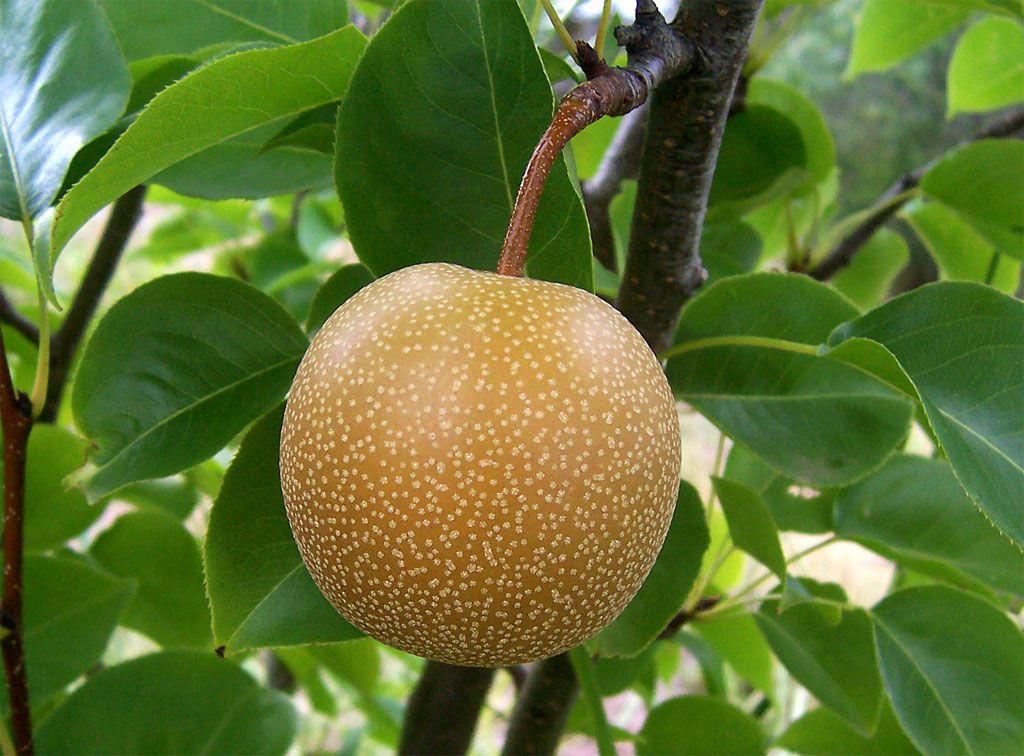 Korean Pear배The large, round, crisp and very juicy Korean pear (bae). Beyond eating fresh, it is grated into meat marinades and sliced into mild kimchi for natural sweetness.
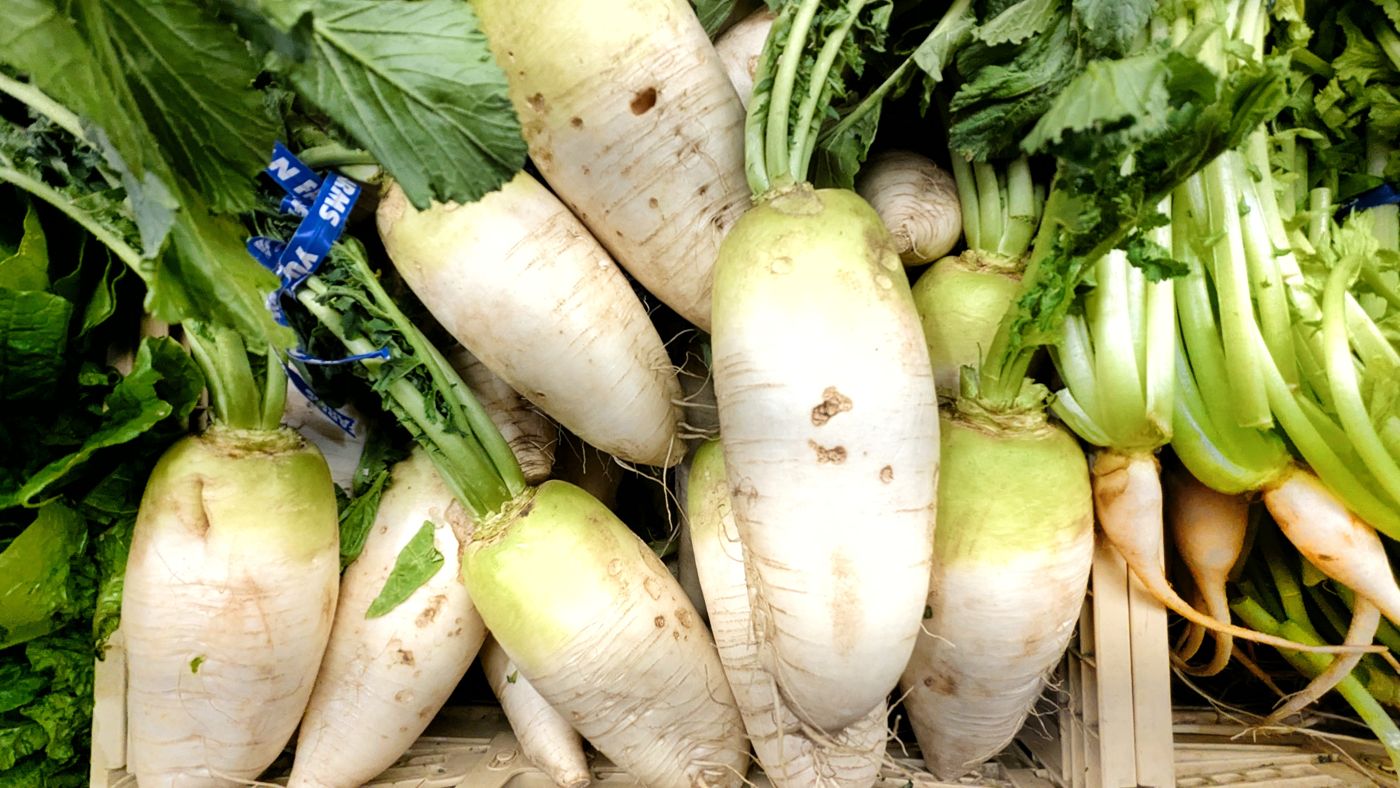 Korean radish무A stout, heavy white radish, often tinged pale green near the top. It is cubed for kkakdugi, left whole in the clear brine of dongchimi, shredded into salads and simmered into broths.
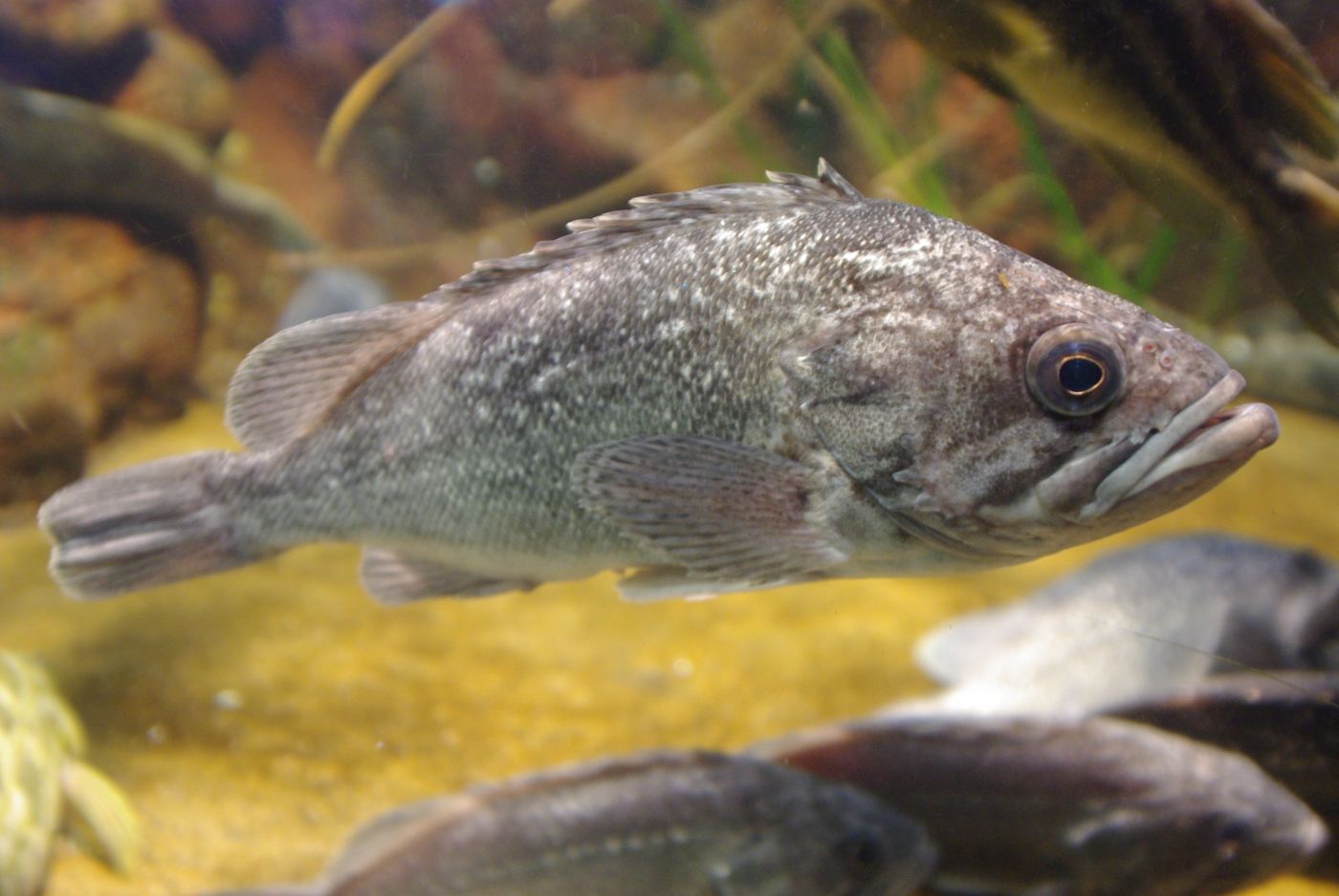 Korean rockfish (ureok)우럭A dark, big-headed rockfish and one of Korea's most farmed fish. Its firm white flesh is a favorite for raw hoe, and its bones make a rich, spicy maeun-tang.
- Korean Vinegar식초Vinegar in the Korean kitchen, from naturally fermented grain and fruit vinegars, such as persimmon vinegar, to everyday brewed vinegar. It sharpens muchim, pickles and the dipping sauce chogochujang.
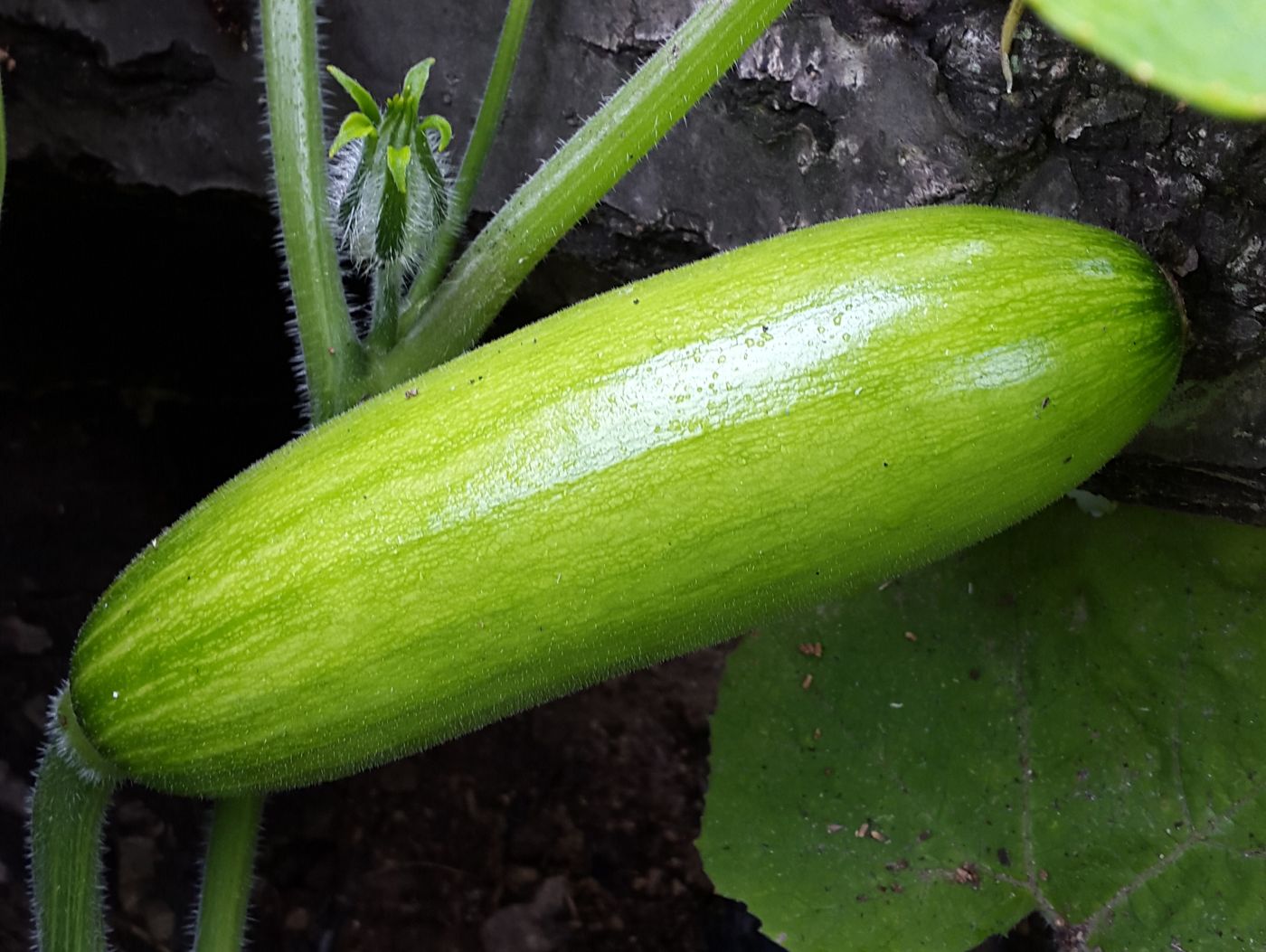 Korean zucchini애호박A pale-green young squash with thin, smooth skin and tender flesh. Sliced into rounds for hobak-jeon, sautéed as namul and added to doenjang stews.
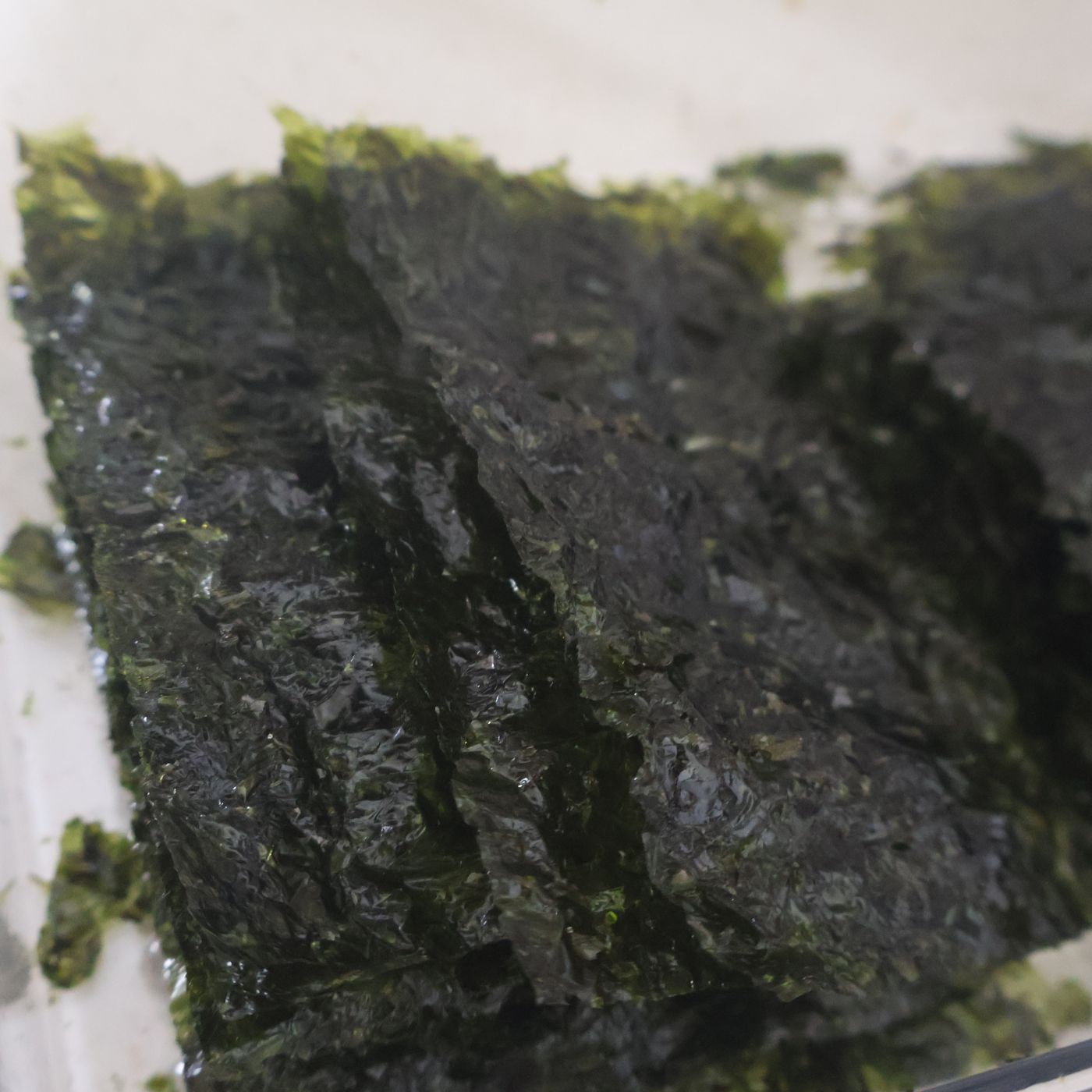 Laver (gim)김Paper-thin sheets of dried red seaweed, toasted until crisp and fragrant. Gim wraps gimbap and rice, crumbles over noodles and soups, and — brushed with oil and salt — becomes the everyday side dish gim-gui.
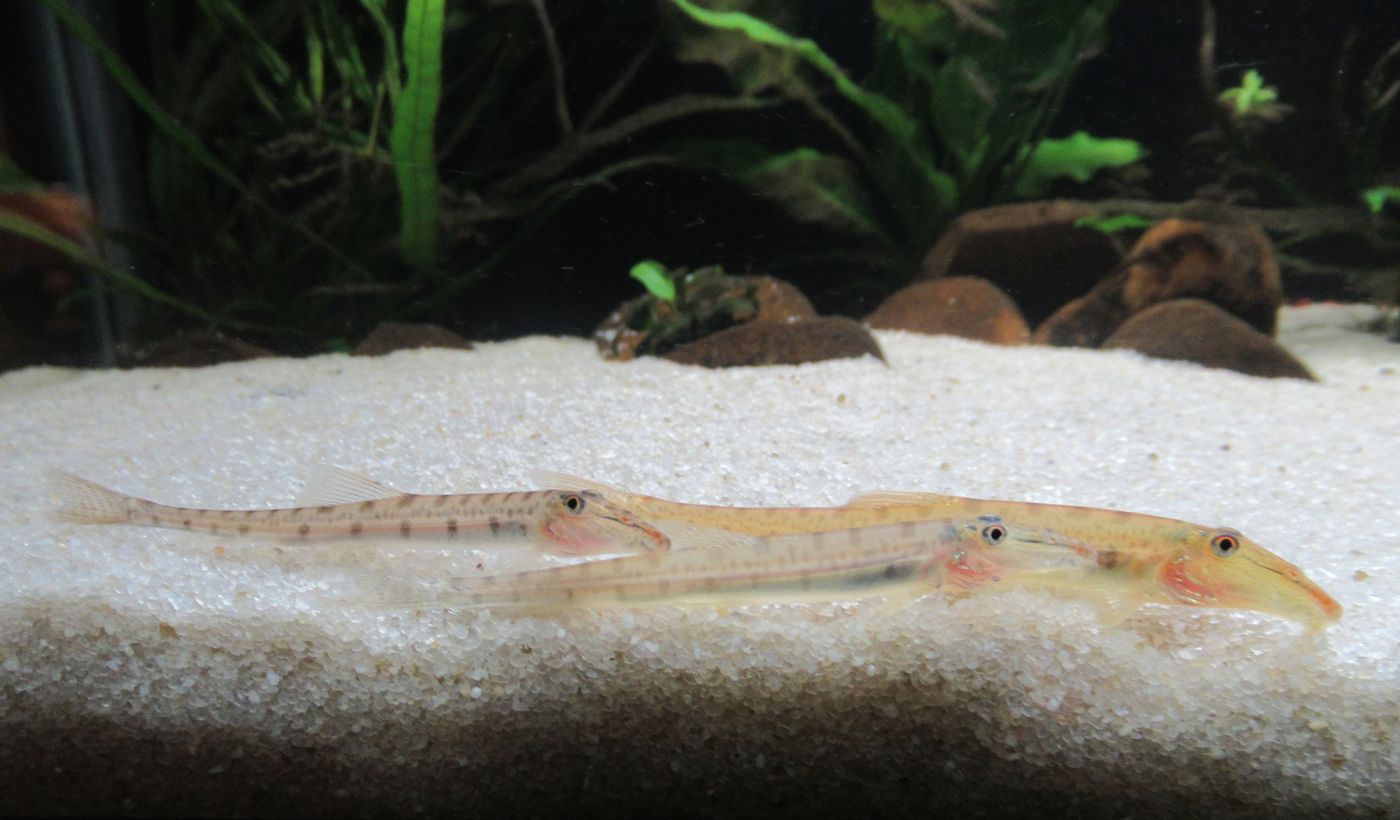 Loach (chueo)추어A small, whiskered freshwater fish of rice paddies and muddy ditches, eaten in autumn as chueotang, a thick, peppery soup made from loaches simmered and ground with greens and doenjang.
 Long-arm octopus (nakji)낙지A slender octopus with long, thin arms, dug from the tidal mudflats of South Jeolla. Koreans eat it stir-fried with chili, in clear yeonpo-tang, and famously raw as sannakji.