The Banchan Encyclopedia
Ingredients
재료
From gochugaru to doenjang, the ingredients that give Korean food its flavor, history and character.
25–36 of 171 ingredients
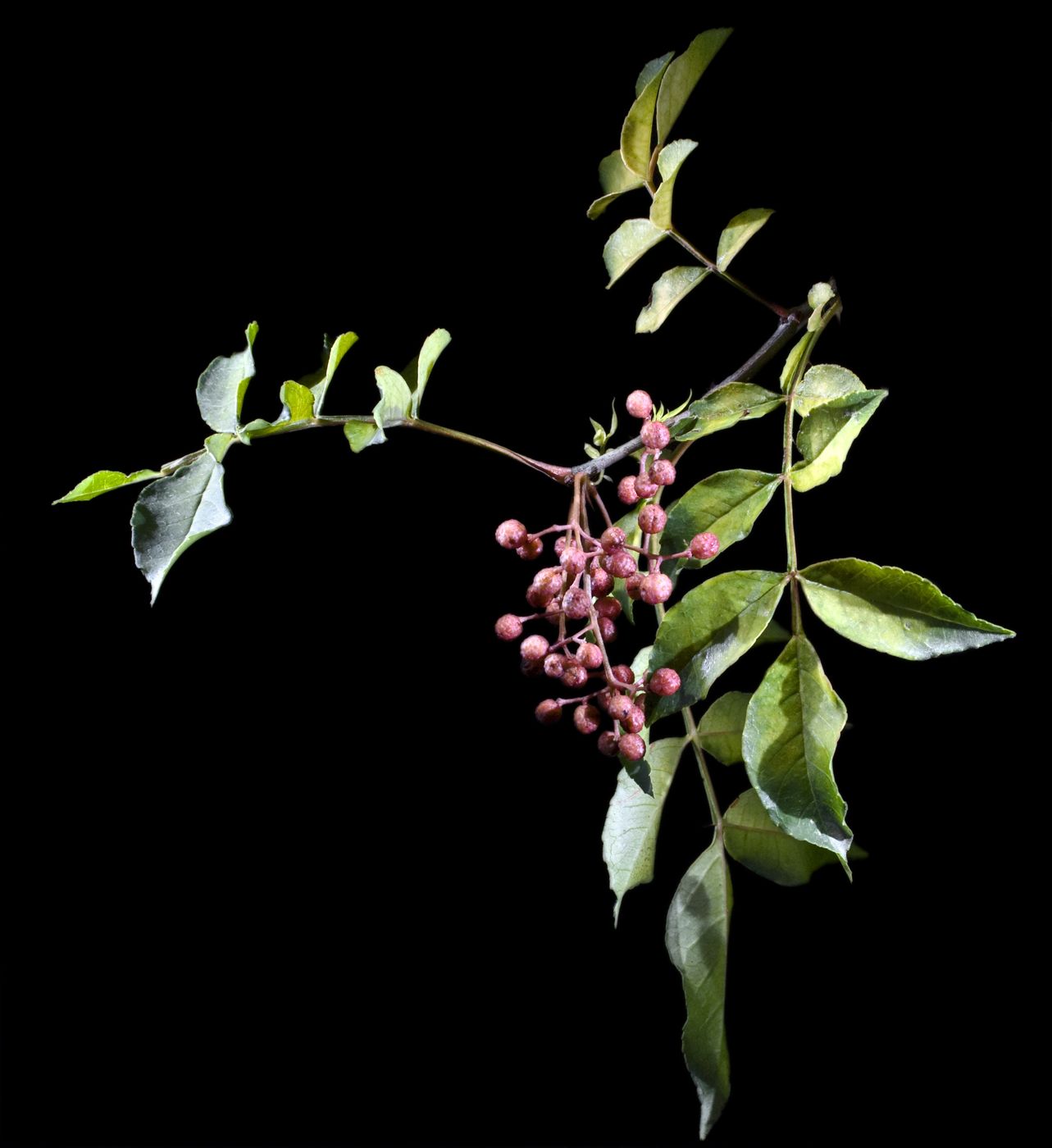 Chopi (Korean Pepper, Zanthoxylum piperitum)초피The dried, ground husks of Zanthoxylum piperitum, a thorny shrub of the citrus family. It gives a citrusy, numbing tingle and is sprinkled into loach soup, freshwater fish stews and kimchi, especially in Gyeongsang, where it is called jepi. It is often mislabeled sancho.
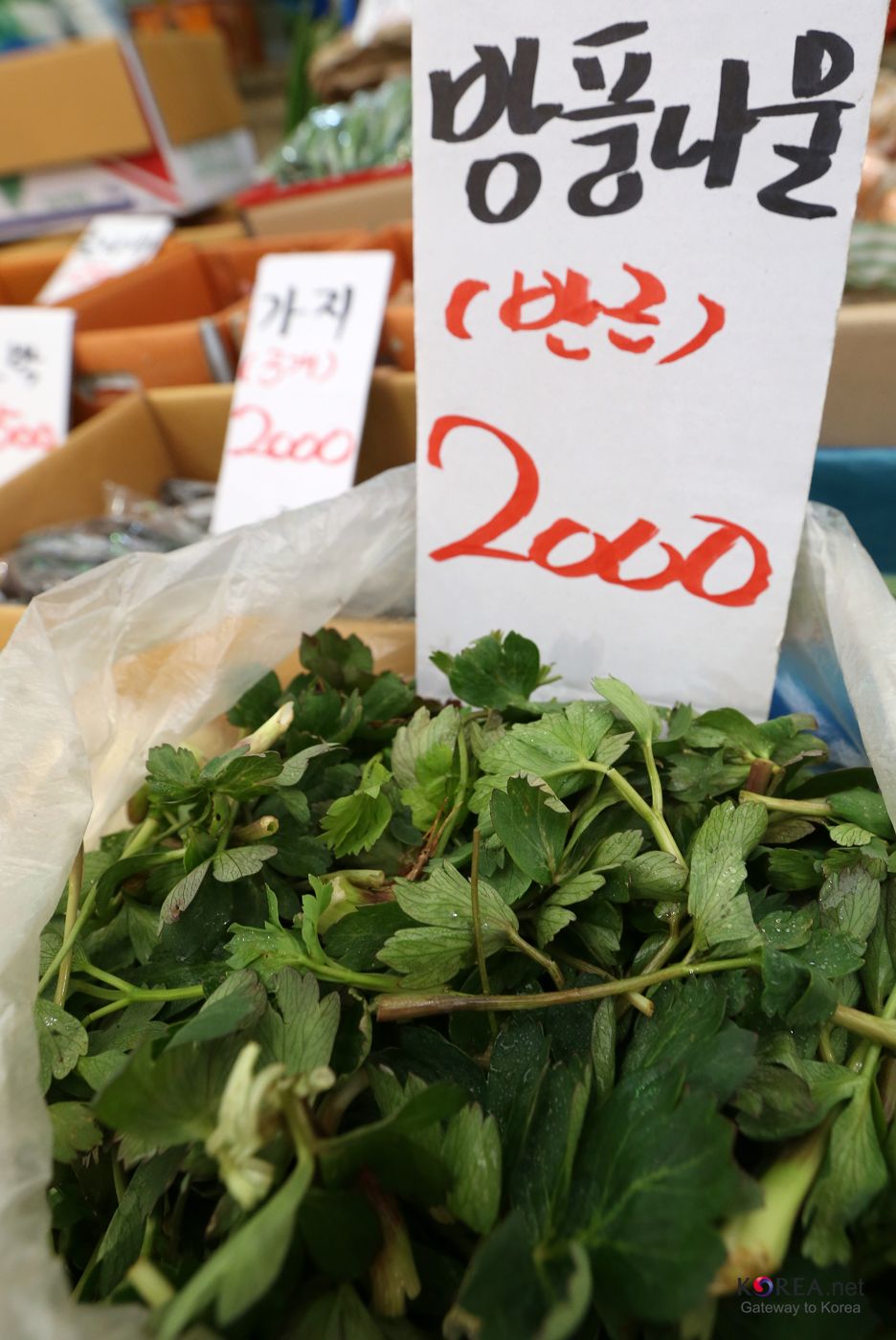 Coastal hog fennel (bangpung-namul)방풍나물The young leaves and shoots of Peucedanum japonicum, a glossy seaside perennial of the carrot family. Cooks blanch them for namul, wrap rice in them, or stir them into porridge.
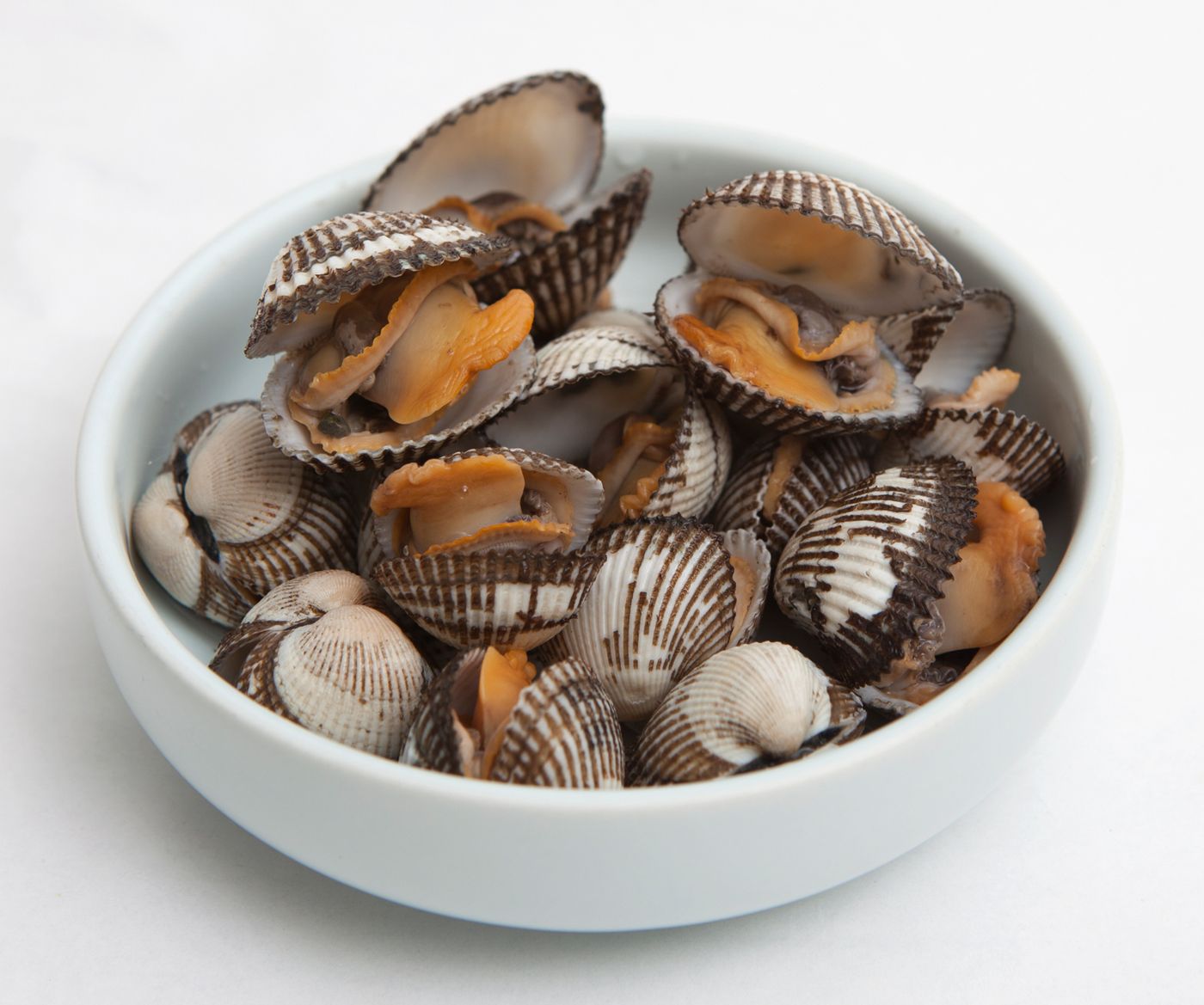 Cockles (kkomak)꼬막Small, deeply ribbed ark clams with red, briny flesh, gathered from the winter mudflats of South Jeolla. Beolgyo in Boseong County is the name every Korean connects with them.
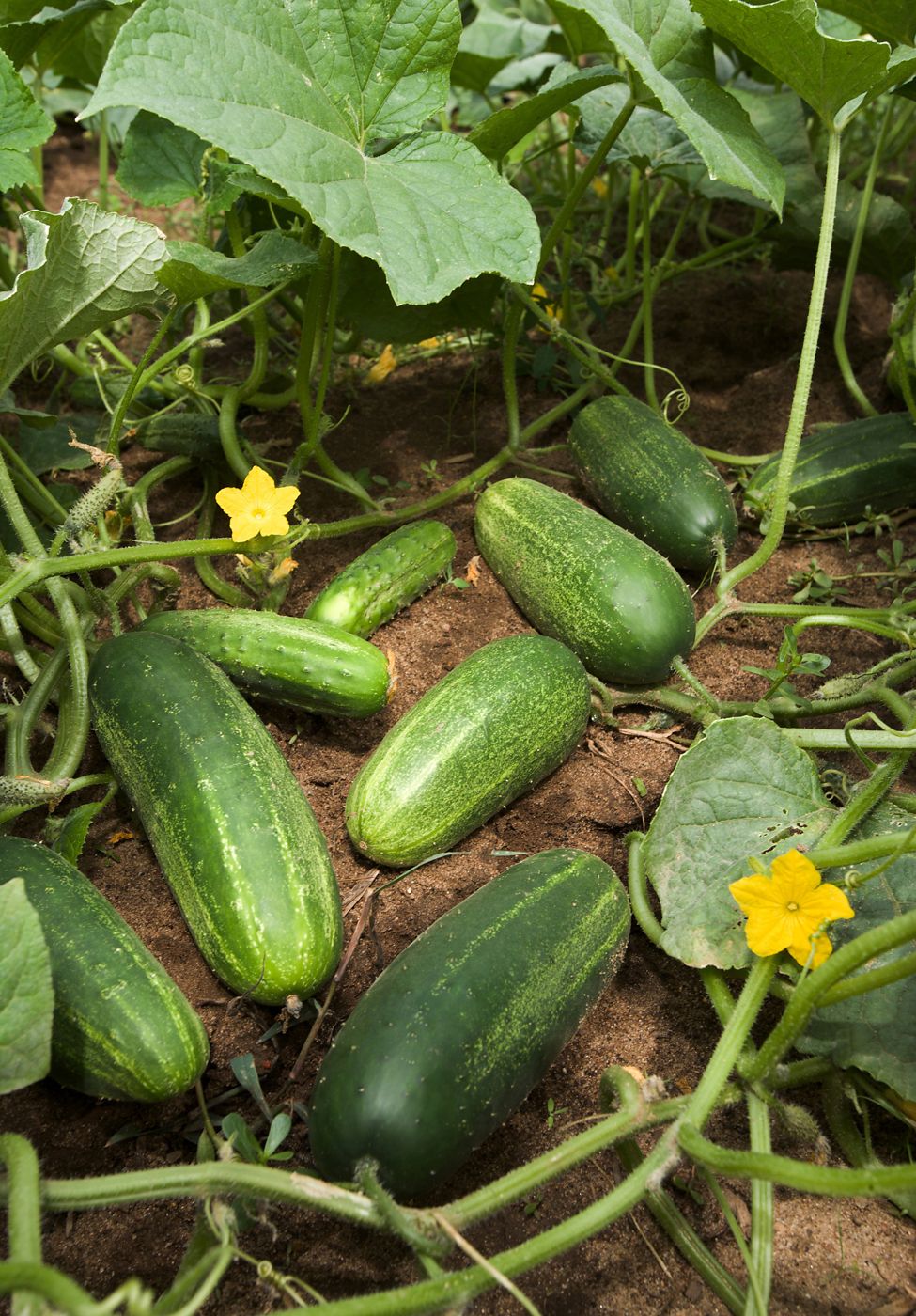 Cucumber오이Slender, thin-skinned Korean cucumbers, prized for their crunch. Stuffed and fermented as oi-sobagi, dressed quickly as oi-muchim, salted into oiji or floated in chilled summer soup.
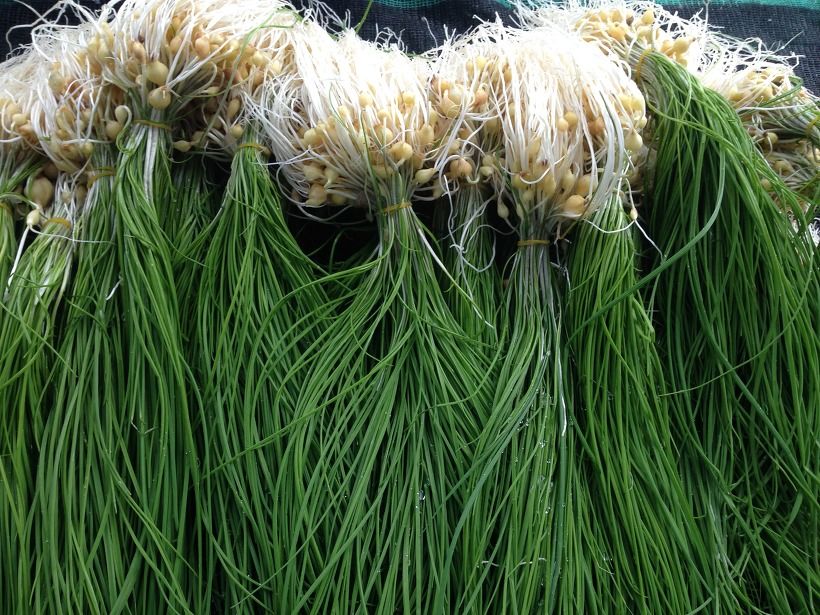 Dallae (Korean wild chive)달래Slender, grass-like leaves with a tiny white bulb at the base, tasting of garlic and green onion at once. Chopped raw into dallae-ganjang for dipping, dressed as dallae-muchim and floated in spring doenjang-guk.
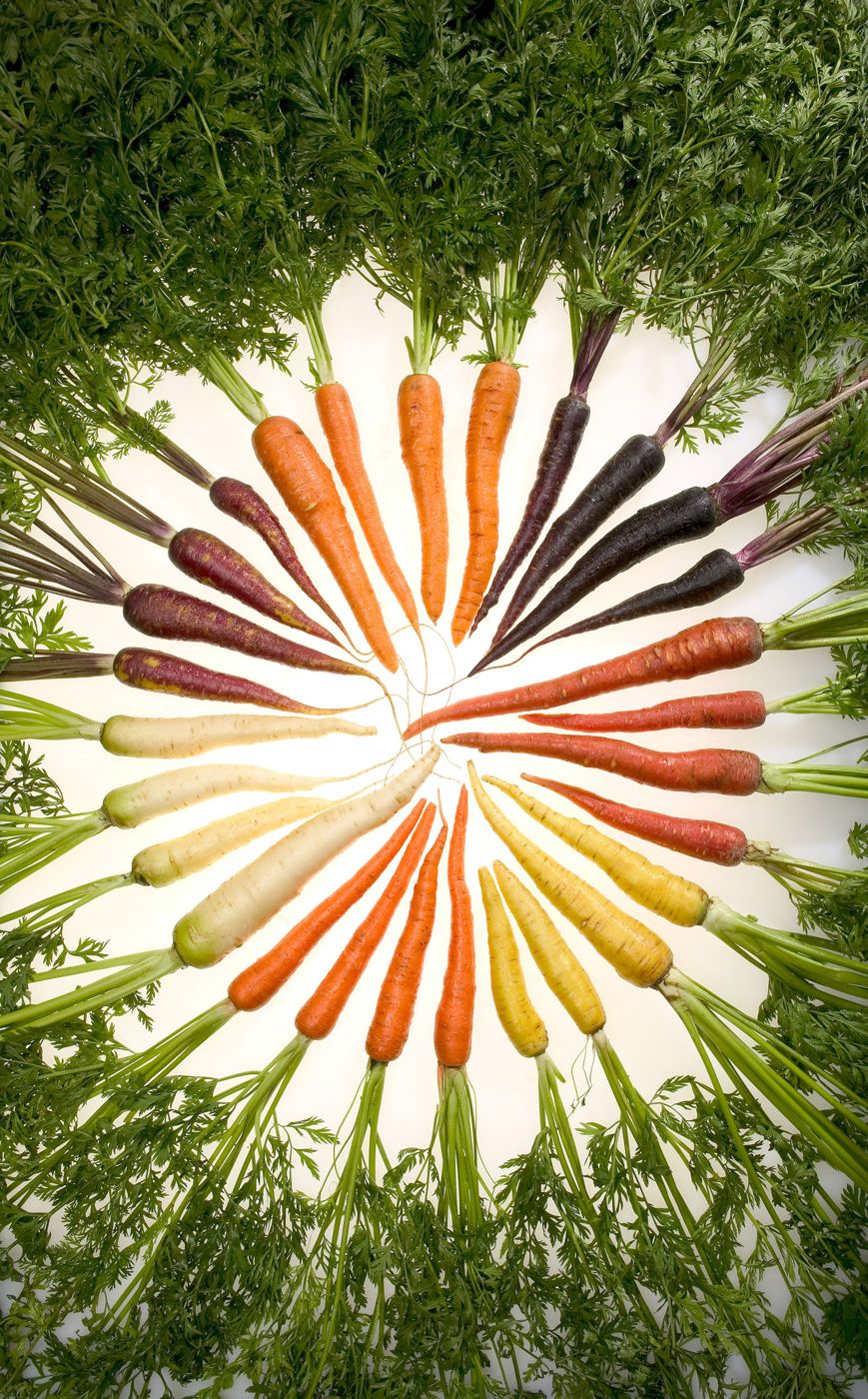 Danggeun (carrot)당근The orange root that brings color to the Korean table: julienned into japchae and gimbap, shredded into jeon batters, stir-fried with dakgalbi. Korea's sweetest winter carrots come from the volcanic fields of eastern Jeju.
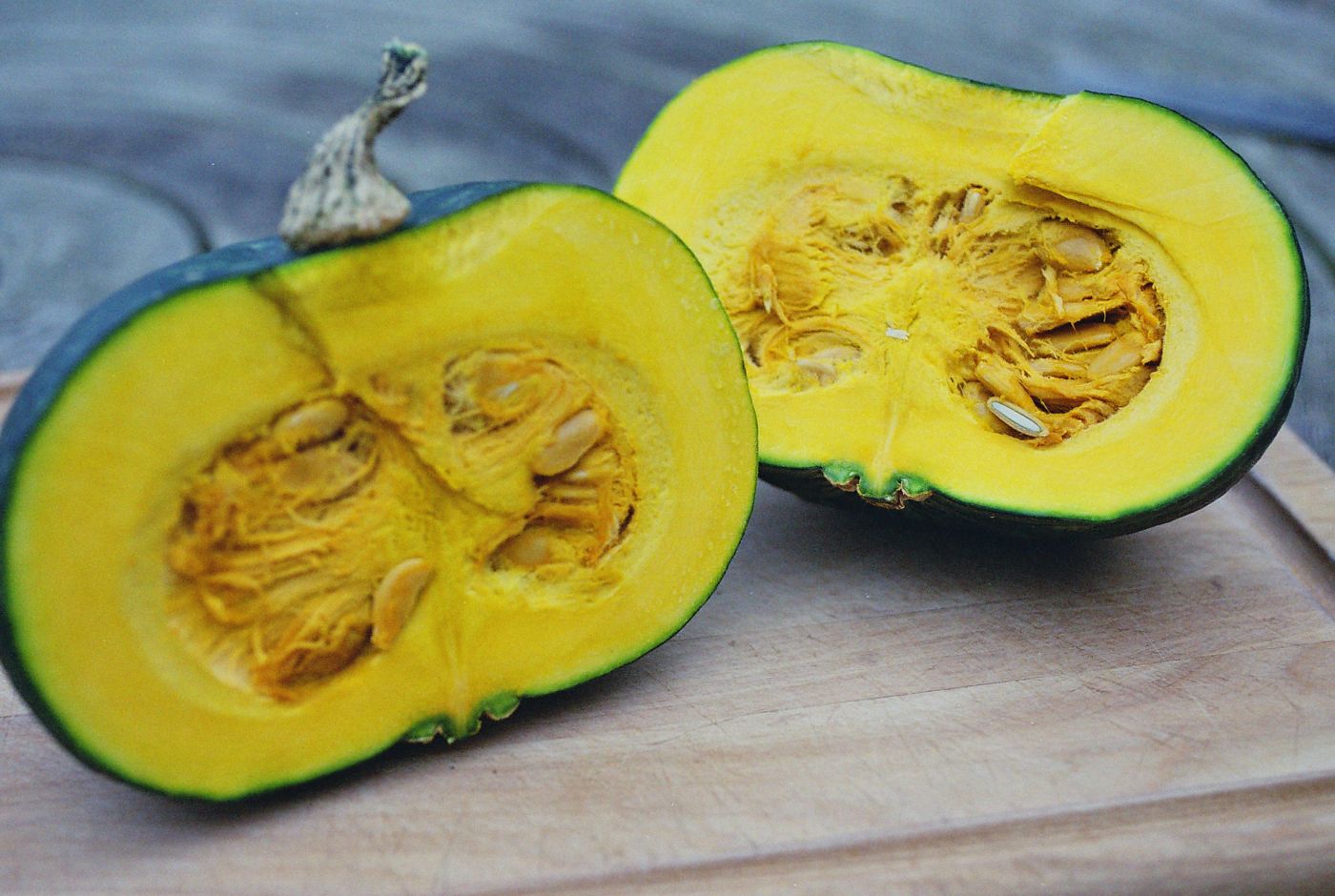 Danhobak (kabocha squash)단호박The "sweet pumpkin": a squat, dark-green winter squash with dense, fluffy, deep-orange flesh. Steamed whole, simmered into porridge or braised in soy sauce, it is one of Korea's most popular squashes.
 Dashima (dried kelp)다시마Thick, dried kelp that gives Korean broths their quiet savory depth. Beyond the stockpot it is fried into crisp twigak, simmered into soy-glazed side dishes and used as a wrap.
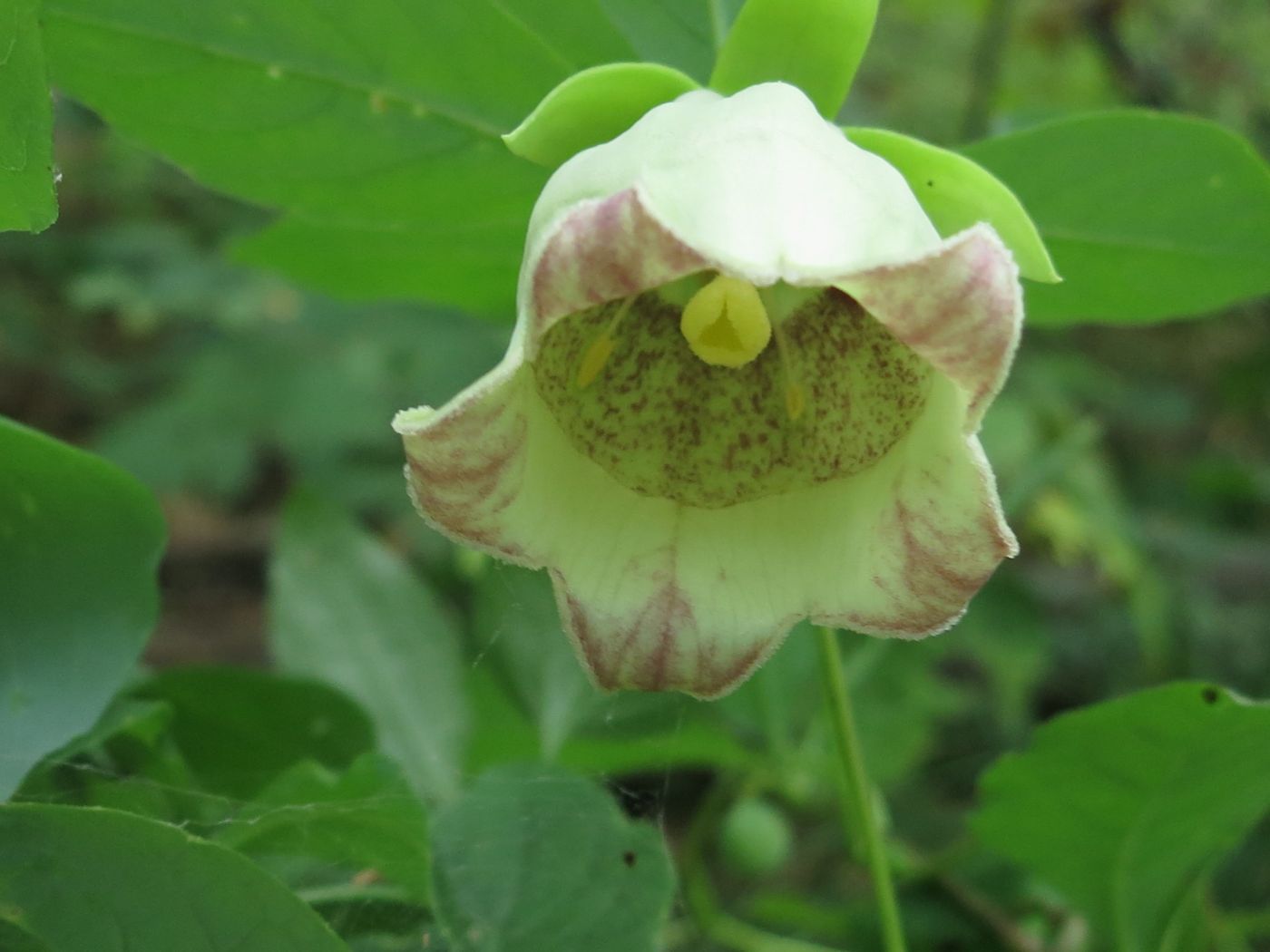 Deodeok (bonnet bellflower root)더덕A gnarled, milky mountain root with a bold, resinous aroma. Pounded flat, brushed with a seasoned glaze and grilled as deodeok-gui, or shredded raw for deodeok-saengchae, it is one of the most savored mountain roots.
 Doenjang된장Fermented soybean paste — the savory foundation of doenjang-jjigae, many soups and dressings for namul. It is one of Korea's core jang, or fermented sauces.
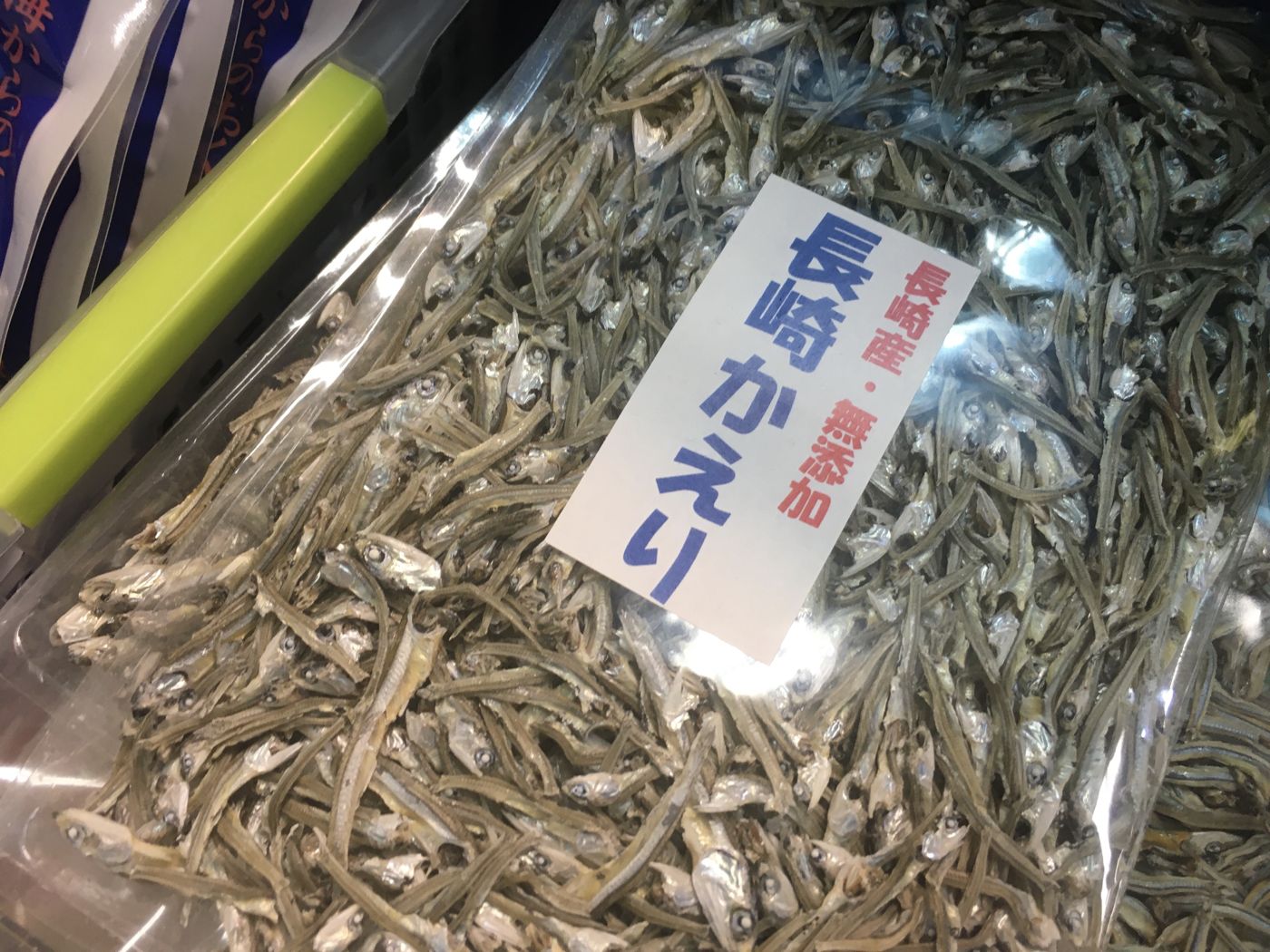 Dried anchovies멸치Small anchovies that are boiled and dried on the coast, then sorted by size. They flavor everyday broths and, stir-fried whole, become the sweet-salty side dish myeolchi-bokkeum.
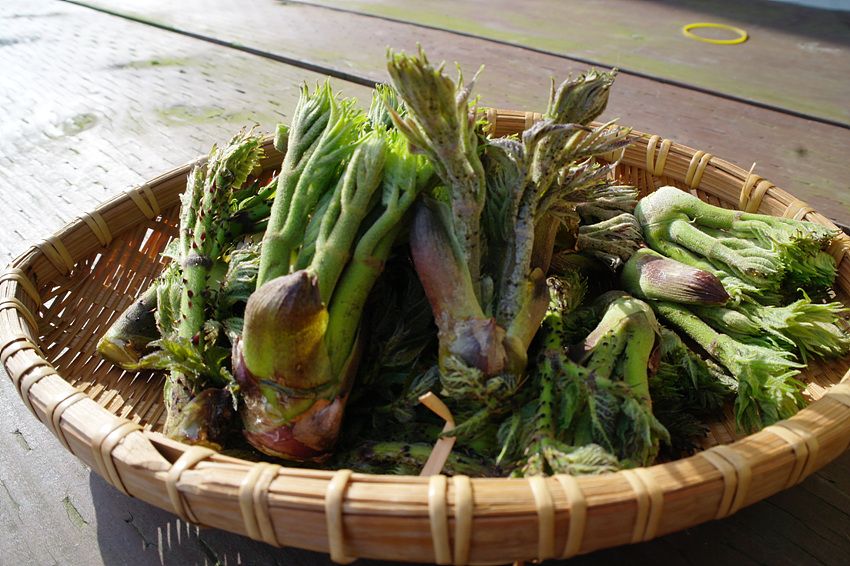 Dureup (fatsia / aralia shoots)두릅The plump, resinous spring buds of the prickly Japanese angelica tree, snapped off in April and May. Blanched and dipped in vinegared gochujang as dureup-muchim or dureup-chohoe, they are one of the most prized wild spring vegetables.