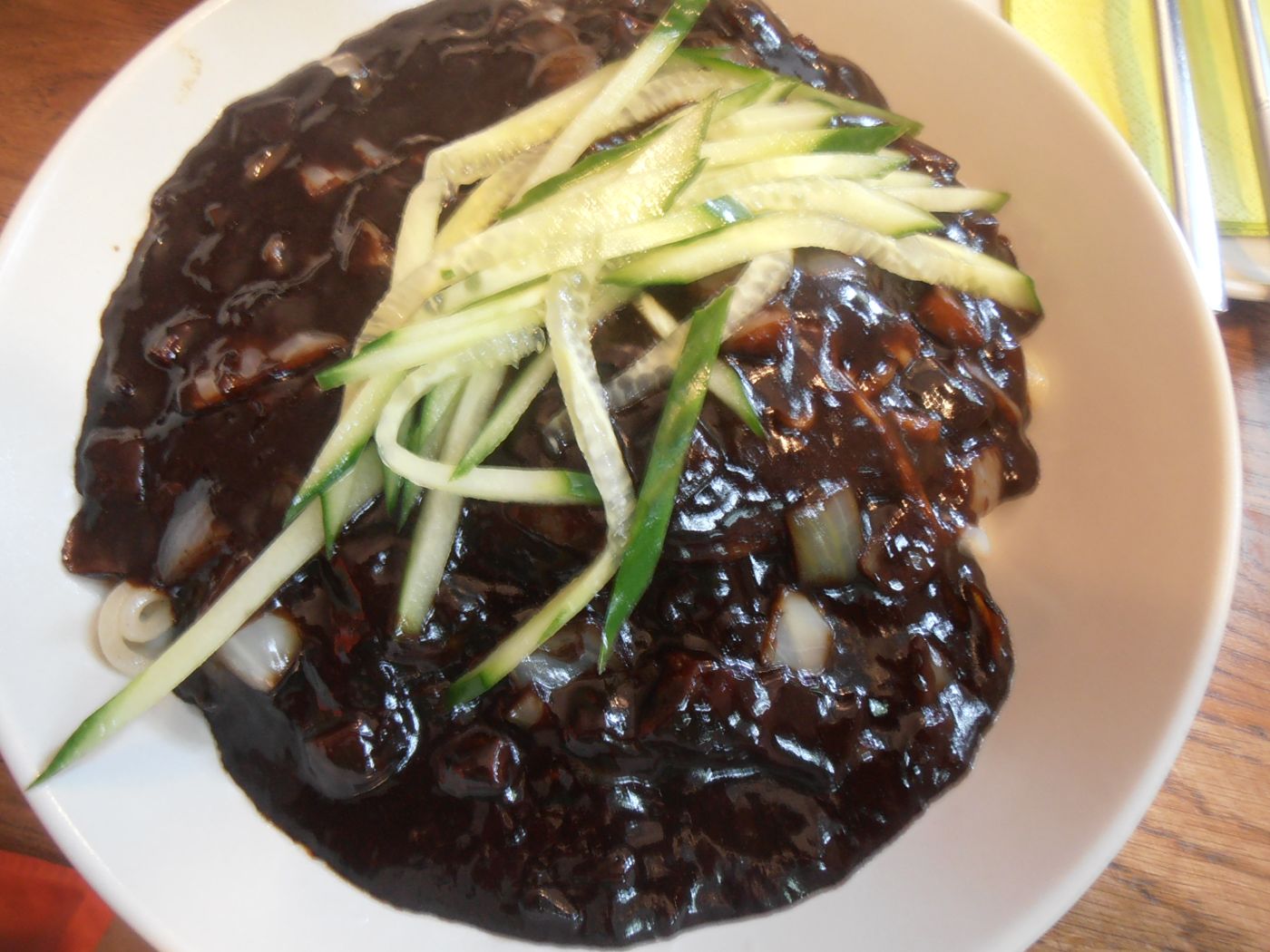
 Photo: 사랑, Public domain, via Wikimedia Commons
Myeon · Noodles 면
Jajangmyeon (Noodles in Black Bean Sauce)
자장면
Romanization: jajangmyeon
Wheat noodles under a glossy sauce of chunjang fried with pork, onion and potato — the Korean-Chinese dish born among Shandong migrants in Incheon, contested origin claims and all.
- Serves
- 2
- Prep
- 20 min
- Cook
- 25 min
RegionSeoul & Gyeonggi
Jump to recipeRecipe
Ingredients · Serves 2
- 300 gFresh jajangmyeon or thick wheat noodlesor 200 g dried
- 4 tbspChunjang (Korean black bean paste)about 60 g
- 2 tbspNeutral cooking oil
- 120 gPork belly or shouldercut into 1 cm dice
- 250 gOnions1 cm dice (about 2 small)
- 100 gKorean zucchini (aehobak)1 cm dice
- 120 gPotato1 cm dice
- 2 clovesGarlicminced
- 1 tspGingerminced
- 1 tbspSugar
- 400 mlWater
- 1½ tbspPotato starch or cornstarchmixed with 3 tbsp water
- 50 gCucumberjulienned, to garnish
Method
Technique: Bokkeum: Korean Stir-Frying
Step 1: Heat 1½ tbsp oil in a wok or wide pan over low heat. Add the chunjang and fry, stirring constantly, for 2–3 minutes until it loosens, bubbles and smells roasty. Scrape it into a bowl.
Step 2: Add the remaining oil and raise the heat to medium-high. Stir-fry the pork for 3 minutes until browned, then add the garlic and ginger for 30 seconds.
Step 3: Add the potato and stir-fry 2 minutes, then the onion and zucchini for another 3 minutes until the onion turns glossy.
Step 4: Stir in the fried chunjang and sugar until everything is coated. Pour in the water, bring to a boil and simmer 8–10 minutes, until the potato is tender and the pork cooked through.
Step 5: Stir the starch slurry, drizzle it in while stirring, and cook 1 minute until the sauce is thick and shiny. Keep warm.
Step 6: Cook the noodles according to the package, rinse briefly in warm water and drain. Divide between bowls, ladle the sauce over and top with cucumber. Mix well before eating.
Origin & History
Jajangmyeon, more often written and said jjajangmyeon (짜장면), descends from zhajiangmian (炸醬麵), noodles topped with fried bean paste. The Encyclopedia of Korean Culture traces it to the Shandong peninsula, where the sauce is minced pork fried with sweet wheat-based tianmianjiang. After Incheon's port opened in 1883 and Chinese merchants and laborers settled there — most of them from Shandong — restaurants followed.
Who sold it first is less certain than the usual story suggests. The Encyclopedia of Korean Culture says jajangmyeon was first sold at Gonghwachun, which opened in 1905 as the first Qing-style restaurant and closed in 1984, and whose red-brick building was registered as national cultural heritage in 2006. The heritage registry itself lists the building's era as 1905 while its summary dates construction to around 1908. Writing in Incheon Today in 2025, columnist Jeon Yeong-woo, who heads a local civic cooperative, notes that Gonghwachun is generally said to have been opened in 1912 by Wu Xiguang of Yantai and named "spring of the republic" for the new Chinese Republic, but that the actual founder was probably another merchant, with Wu joining after 1920; the business was jointly owned, records are thin, and much rests on descendants' recollections. He dates the closure to 1983, and stresses that today's Gonghwachun restaurant in Chinatown is unrelated — a Korean businessman registered the name and opened it in 2004, and the city's 2005 "100 years of jajangmyeon" campaign fixed the 1905 date in the press. The safest summary: the dish grew up in Incheon's Chinatown around the turn of the 20th century, and no single restaurant's claim to be first is firmly documented. The old Gonghwachun building now houses a jajangmyeon museum.
The Korean taste came later. The folk encyclopedia credits Wang Song-shan, an ethnic Chinese resident of Korea, with adding caramel to tianmianjiang in 1948 to make the sweeter, darker chunjang used today, and suggests the name grew out of a Shandong "scallion sauce" eaten with raw green onion. Early jajangmyeon, it says, poured oil-fried paste straight over the noodles and struck Koreans as greasy, so cooks began draining the oil and adding vegetables and a starch slurry. American wheat aid from the 1950s and the flour-promotion campaigns of the 1960s and 70s made it cheap, and telephone (later mobile) delivery made it a national habit. See Korean-Chinese food.
Key Ingredients
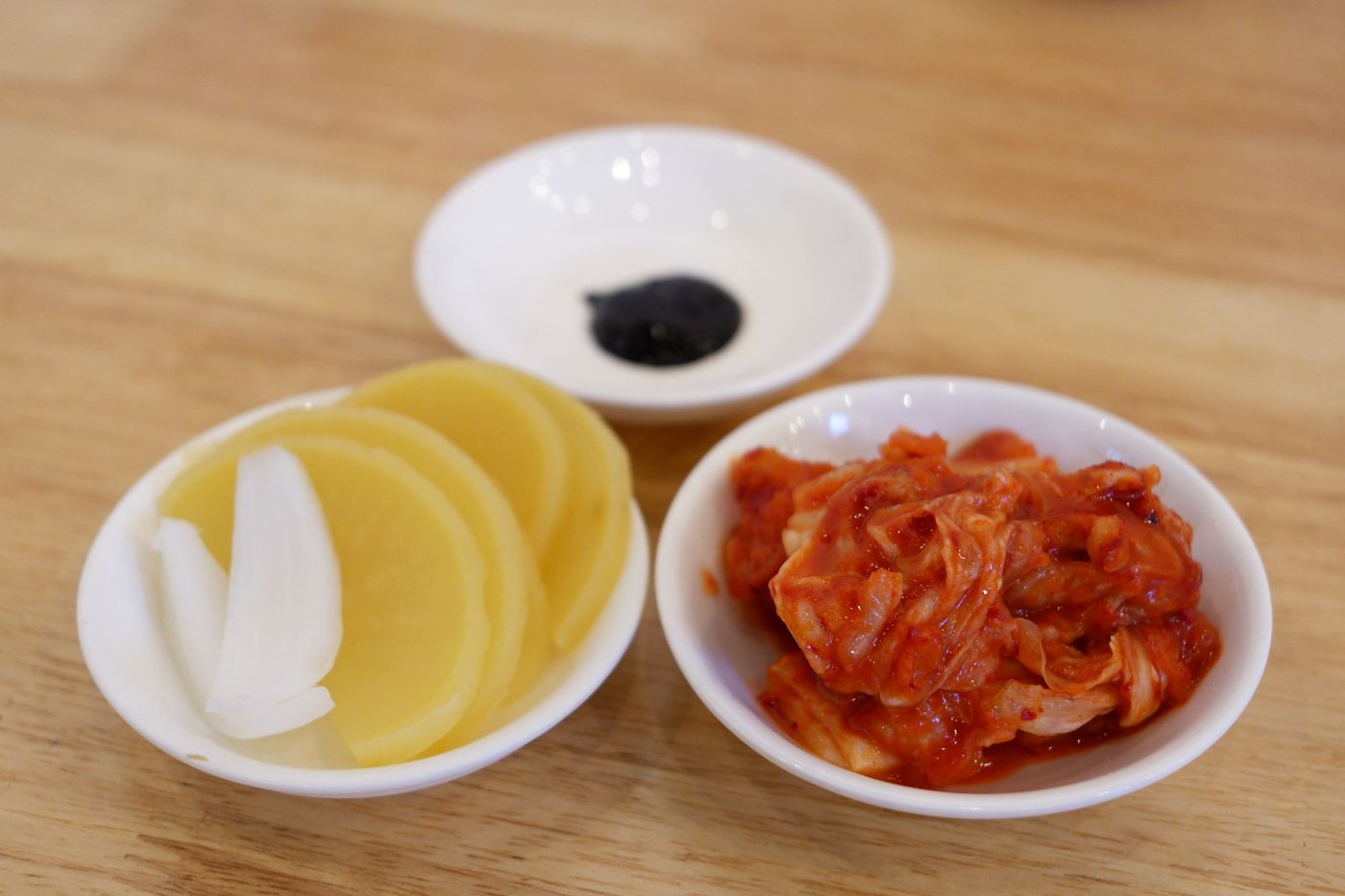 Black bean paste (chunjang)춘장A thick, glossy, nearly black fermented paste, fried in oil with pork and onions to make the sauce for jajangmyeon. It is the defining ingredient of Korean-Chinese cooking, born in Incheon's Chinatown.
 Pork (dwaeji-gogi)돼지고기Korea's most widely eaten meat, prized cut by cut: fatty belly for samgyeopsal, neck for the grill, lean legs for boiled suyuk and stir-fried jeyuk. Pork also anchors Jeju Island's feast cooking.
 Yangpa (onion)양파The bulb onion, literally the "Western scallion." A latecomer to Korea, it is now everywhere: sweetening stir-fries and braises, pickled in soy sauce as yangpa-jangajji, and served raw beside grilled meat.
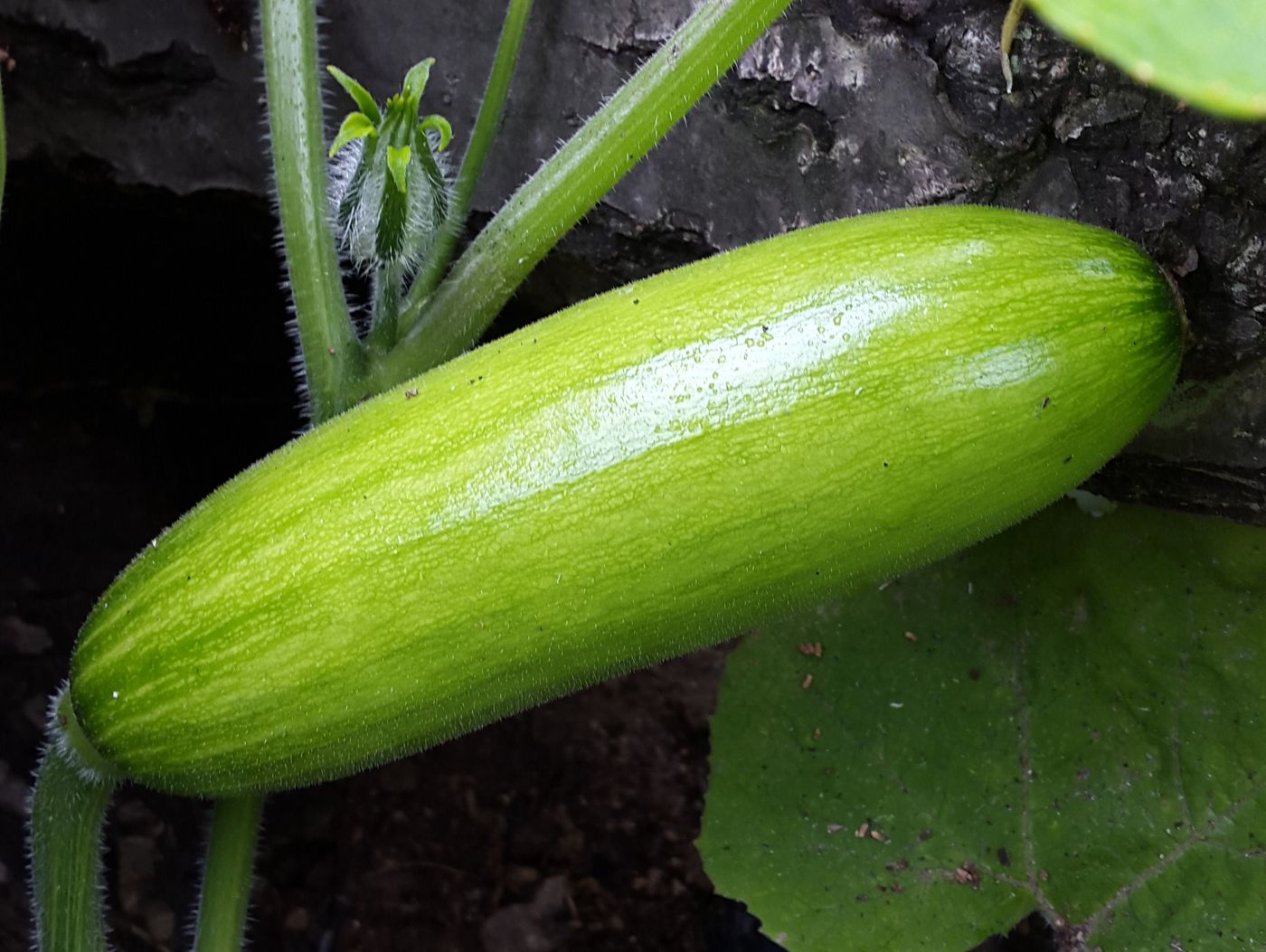 Korean zucchini애호박A pale-green young squash with thin, smooth skin and tender flesh. Sliced into rounds for hobak-jeon, sautéed as namul and added to doenjang stews.
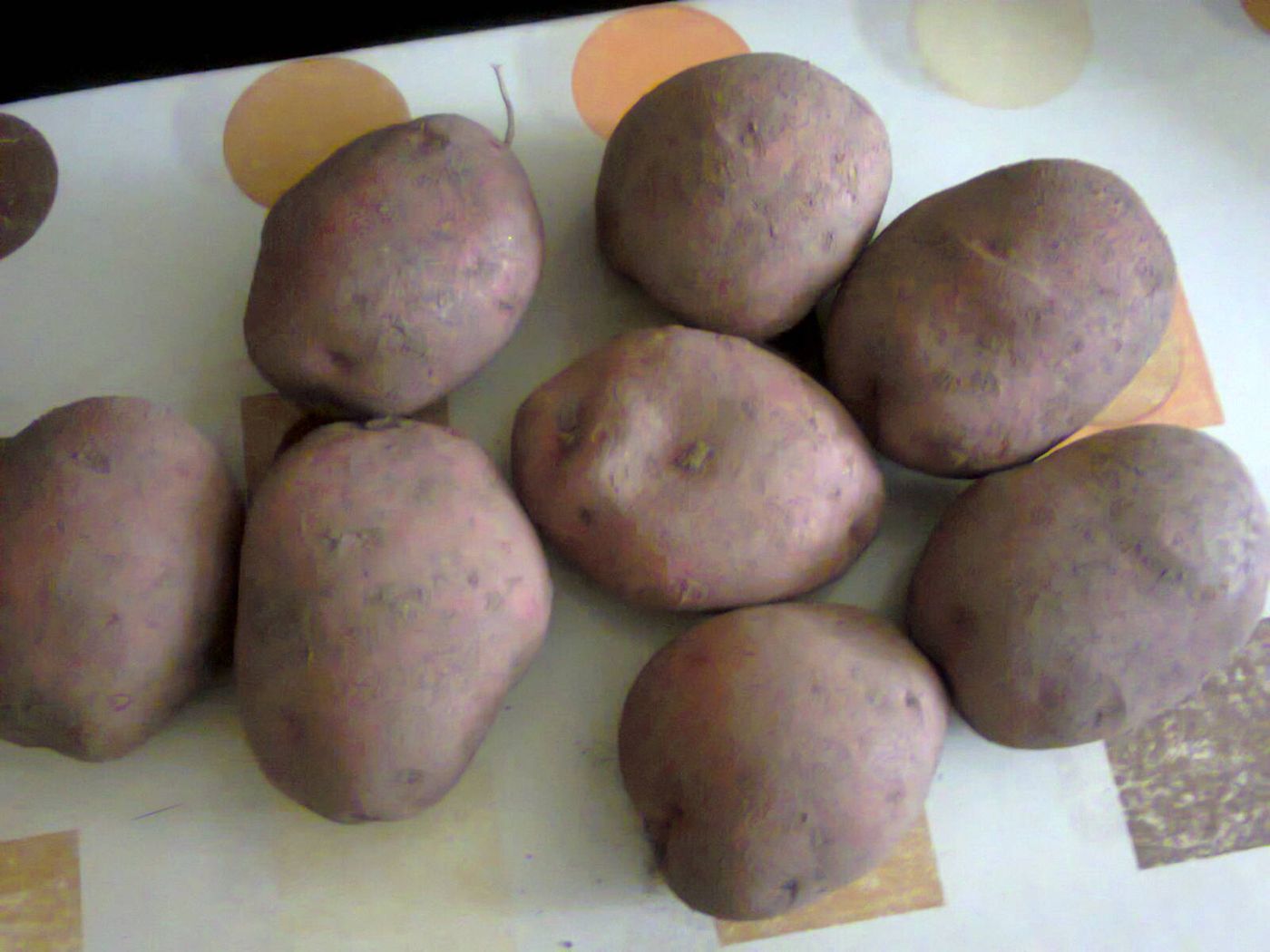 Potato감자A relatively recent arrival that became a mainstay of the mountain provinces. Braised in soy sauce as gamja-jorim, stir-fried in fine matchsticks, grated into crisp gamja-jeon and simmered in countless soups.
 Garlic마늘Used raw, minced, pickled and roasted, garlic is one of the essential aromatics of Korean food — in seasonings, marinades, kimchi and namul.
 Ginger생강Fresh ginger root, used in small amounts to brighten kimchi paste and marinades and to tame the strong smells of fish and meat.
- Cucumber오이Slender, thin-skinned Korean cucumbers, prized for their crunch. Stuffed and fermented as oi-sobagi, dressed quickly as oi-muchim, salted into oiji or floated in chilled summer soup.
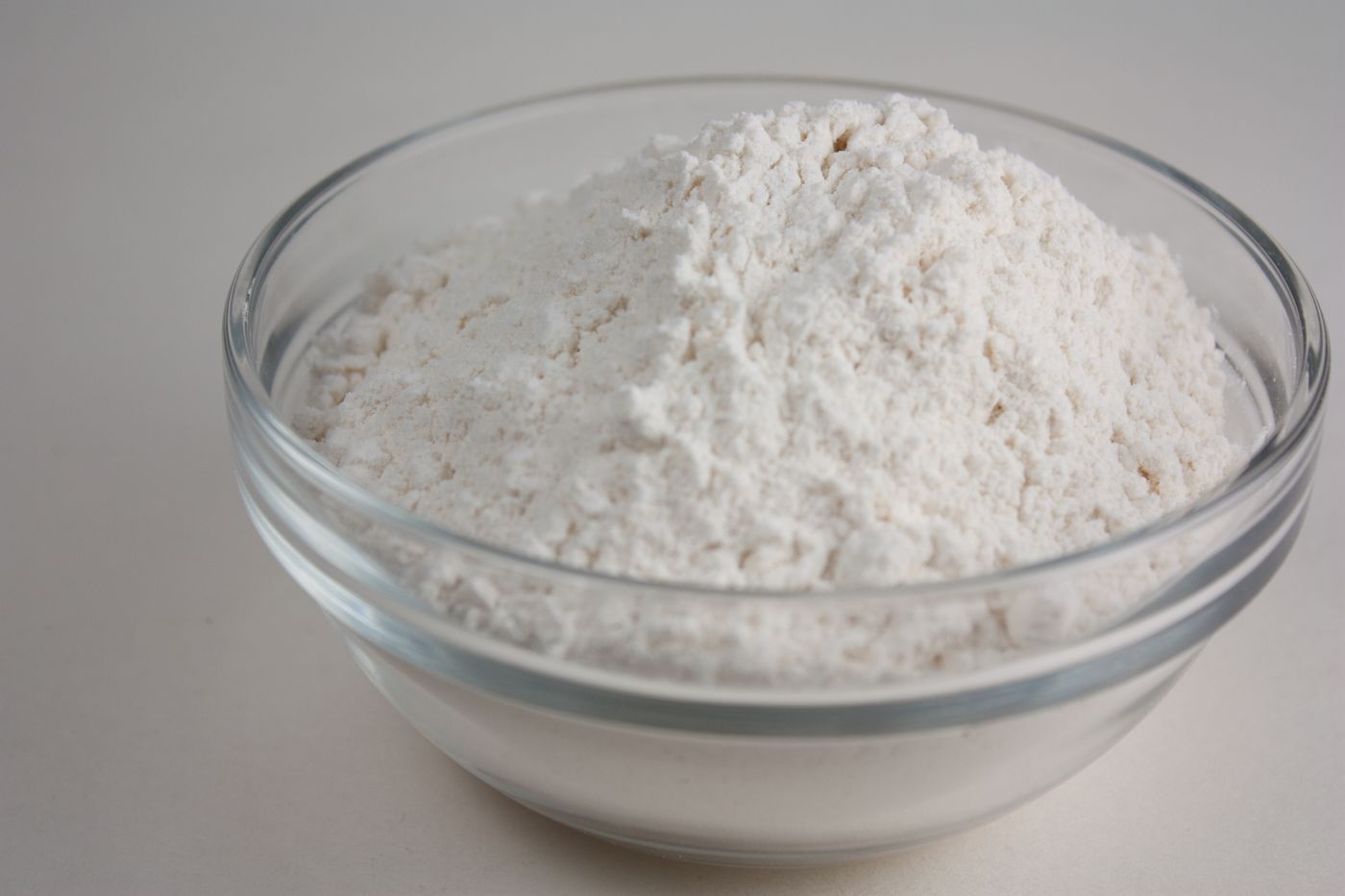 Wheat flour밀가루Finely milled wheat flour, the base of Korean noodles, dumpling wrappers, pancake batters and ramyeon. A luxury for most of Korean history, it became an everyday staple only after the Korean War, when American aid flour flooded the market.
Nutrition
| Calories | ~1010 kcal |
|---|---|
| Protein | ~27 g |
| Fat | ~37 g |
| Carbohydrates | ~137 g |
| Fiber | ~7.8 g |
| Sodium | ~2190 mg |
Notable forPotassium · Vitamin C · Folate · Selenium
Estimated by summing Korean Food Composition Table values for fresh Chinese-style wheat noodles (A0180040000a), chunjang (R0580000009a) and raw pork belly (I014000F110a) with USDA FoodData Central (SR Legacy) values for onion (FDC 170000), zucchini (FDC 169291, as a stand-in for Korean zucchini), potato (FDC 170026), soybean oil (FDC 171411), sugar, cornstarch (FDC 169698), garlic, ginger and cucumber (FDC 168409), divided by 2. The noodles' added salt is counted in full, though some dissolves during boiling. Lean pork shoulder in place of belly lowers fat noticeably. Actual values vary with ingredients, portion size and preparation.
Health Benefits
- Vegetables in the sauce: onion, potato and zucchini make up most of the sauce, supplying potassium and some vitamin C.
- Fermented soybean paste: chunjang is a fermented paste of soybeans and wheat. See fermented soybeans.
- Adjustable at home: more vegetables, lean pork and a smaller noodle portion make a much lighter bowl than a delivery serving.
Regional Variations
- Chinese zhajiangmian: the Shandong ancestor — a thick, small portion of minced pork fried with sweet bean paste, mixed into the noodles.
- Restaurant variants: the folk encyclopedia lists gan-jjajang, yuni-jjajang, samseon-jjajang (with seafood), jaengban-jjajang (served on a large platter), gochu-jjajang (with chili) and yuseul-jjajang.
- Local toppings: depending on the region, a fried egg, julienned cucumber, a boiled egg or quail eggs.
- Instant jjajang-ramyeon: sold by food companies since the late 1970s, according to the folk encyclopedia.
Pairings
 Mandu (Korean Dumplings)만두Thin wrappers folded around pork, tofu, kimchi and sprouts, then steamed or boiled — a Goryeo-era arrival from China that became a winter staple of the North.
 Napa Cabbage Kimchi배추김치Salted napa cabbage layered with a red paste of chili, garlic, ginger and fermented seafood, then left to ripen: the kimchi most people picture first.
Sources
- 01자장면 (炸醬麵, Jajangmyeon) — Encyclopedia of Korean Culture
- 02짜장면 (Jjajangmyeon) — Encyclopedia of Korean Folk Culture, National Folk Museum of Korea
- 03인천 선린동 공화춘 (Gonghwachun, Seollin-dong, Incheon) — National Registered Cultural Heritage, Korea Heritage Service
- 04[연재] 인천 짜장면과 중국집 (1) 공화춘과 짜장면 (Incheon's jajangmyeon and Chinese restaurants, part 1: Gonghwachun) — Jeon Yeong-woo, Incheon Today, June 2025
- 05Black bean sauce, Chunjang, Black bean paste (R0580000009a) — Korean Food Composition Table
Last updated