The Banchan Encyclopedia
Ingredients
재료
From gochugaru to doenjang, the ingredients that give Korean food its flavor, history and character.
49–60 of 171 ingredients
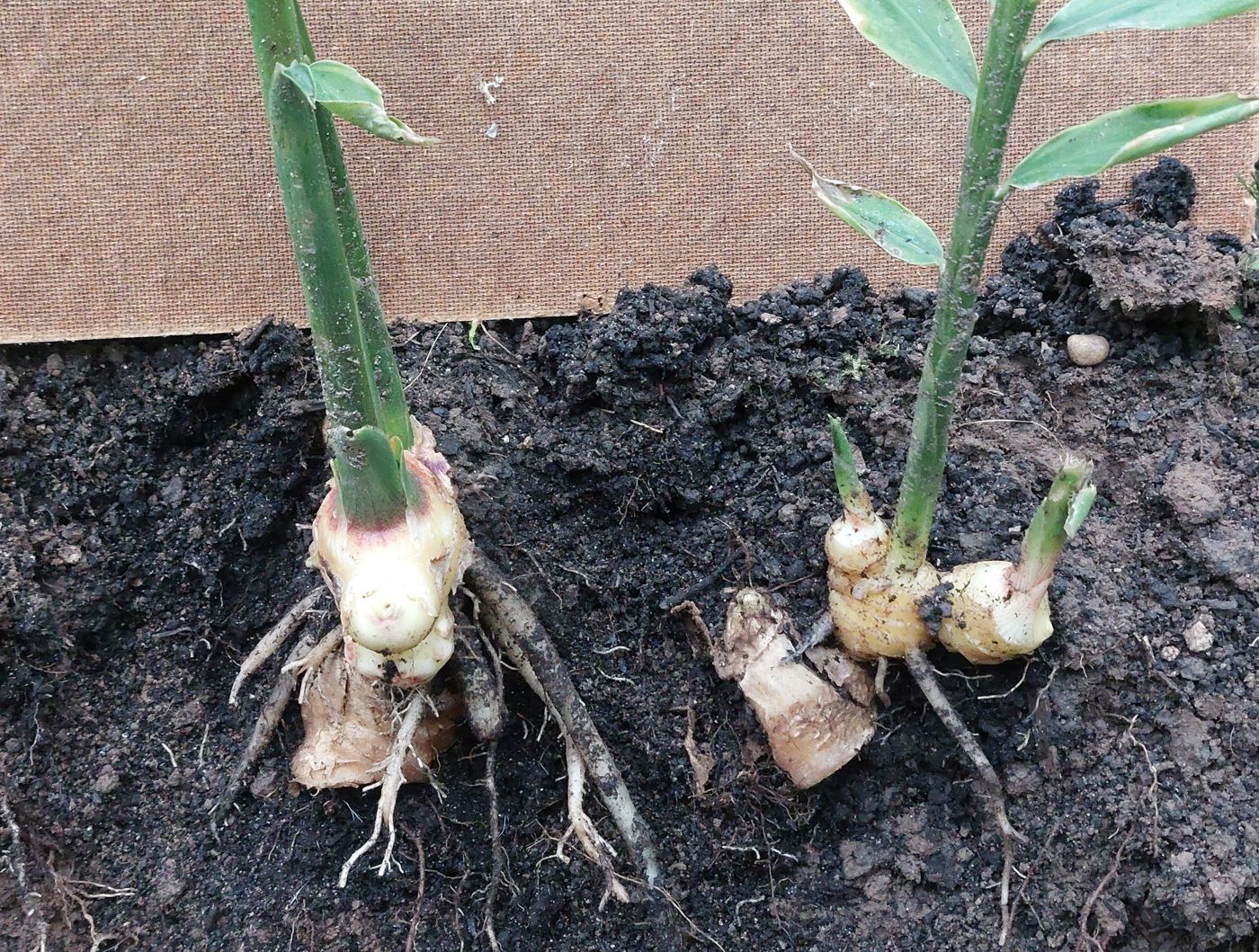 Ginger생강Fresh ginger root, used in small amounts to brighten kimchi paste and marinades and to tame the strong smells of fish and meat.
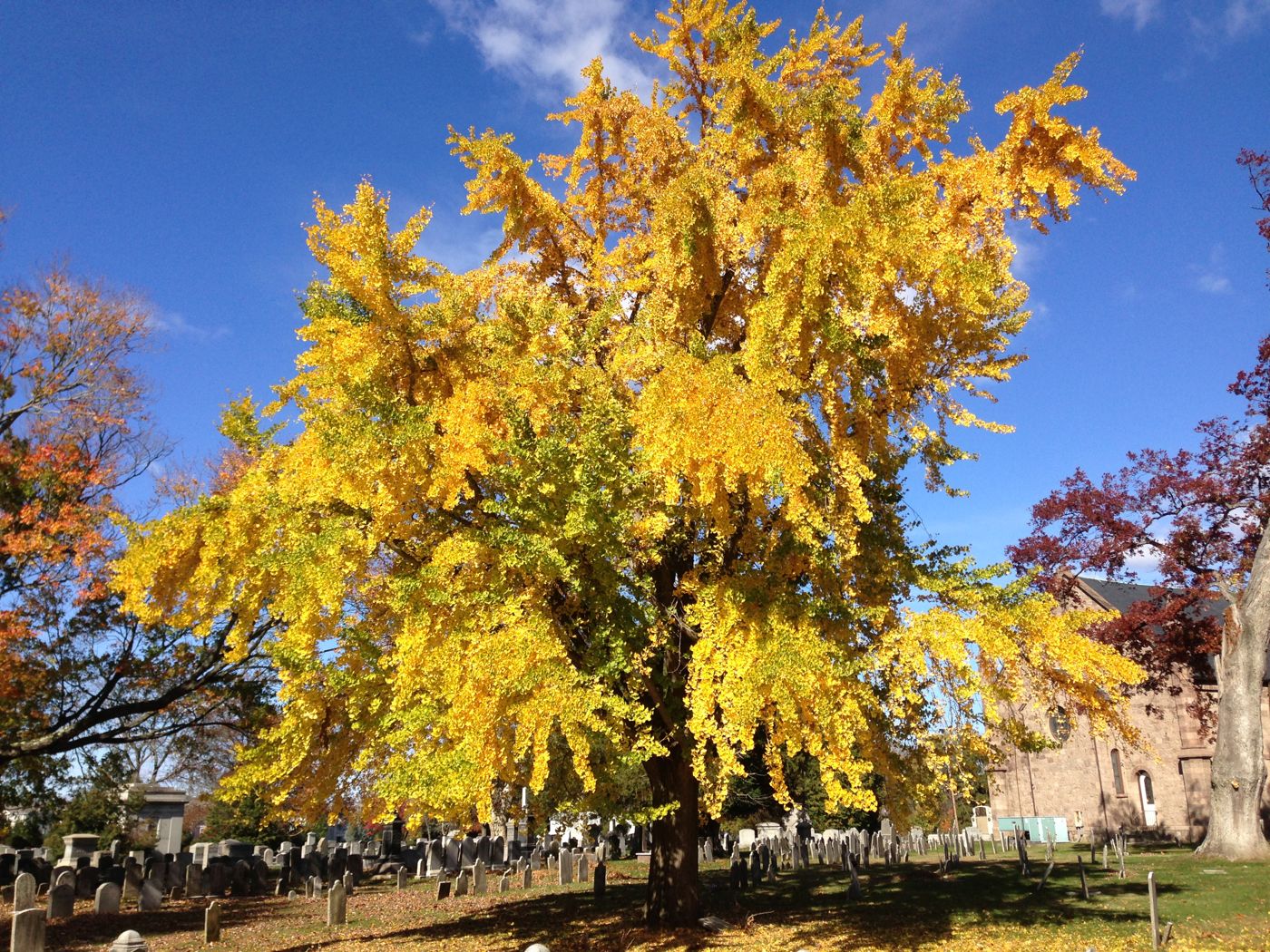 Ginkgo nuts은행Jade-green kernels from inside the ginkgo seed, pan-roasted with a little oil and salt or used a few at a time as a garnish. Delicious in small numbers — but toxic in large ones.
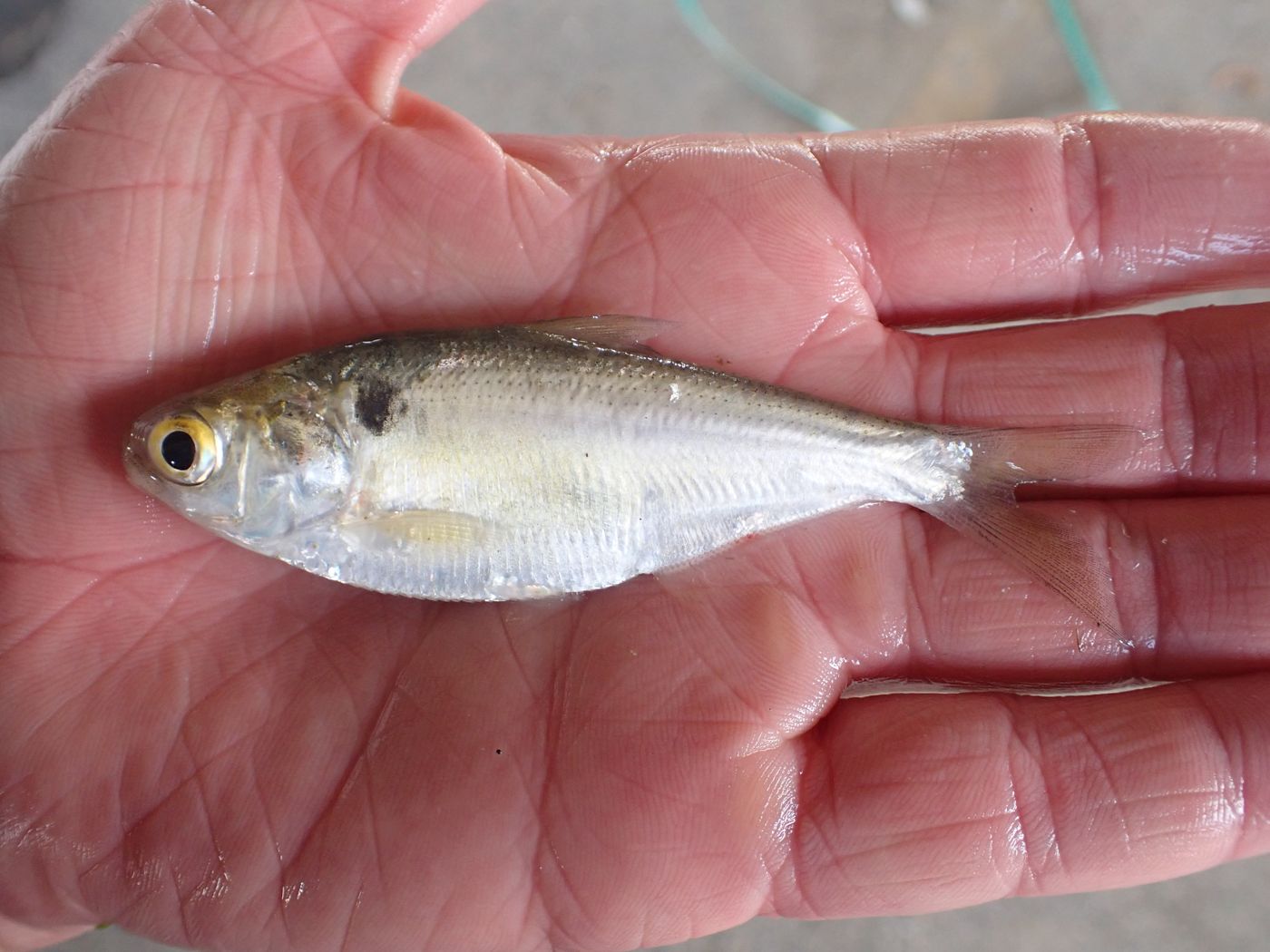 Gizzard Shad전어A small, bony, richly flavored silver fish that Koreans associate with autumn. It is sliced whole and raw with its fine bones, grilled with coarse salt, tossed with vegetables and chili vinegar, or fermented into rare, pea-sized jeotgal.
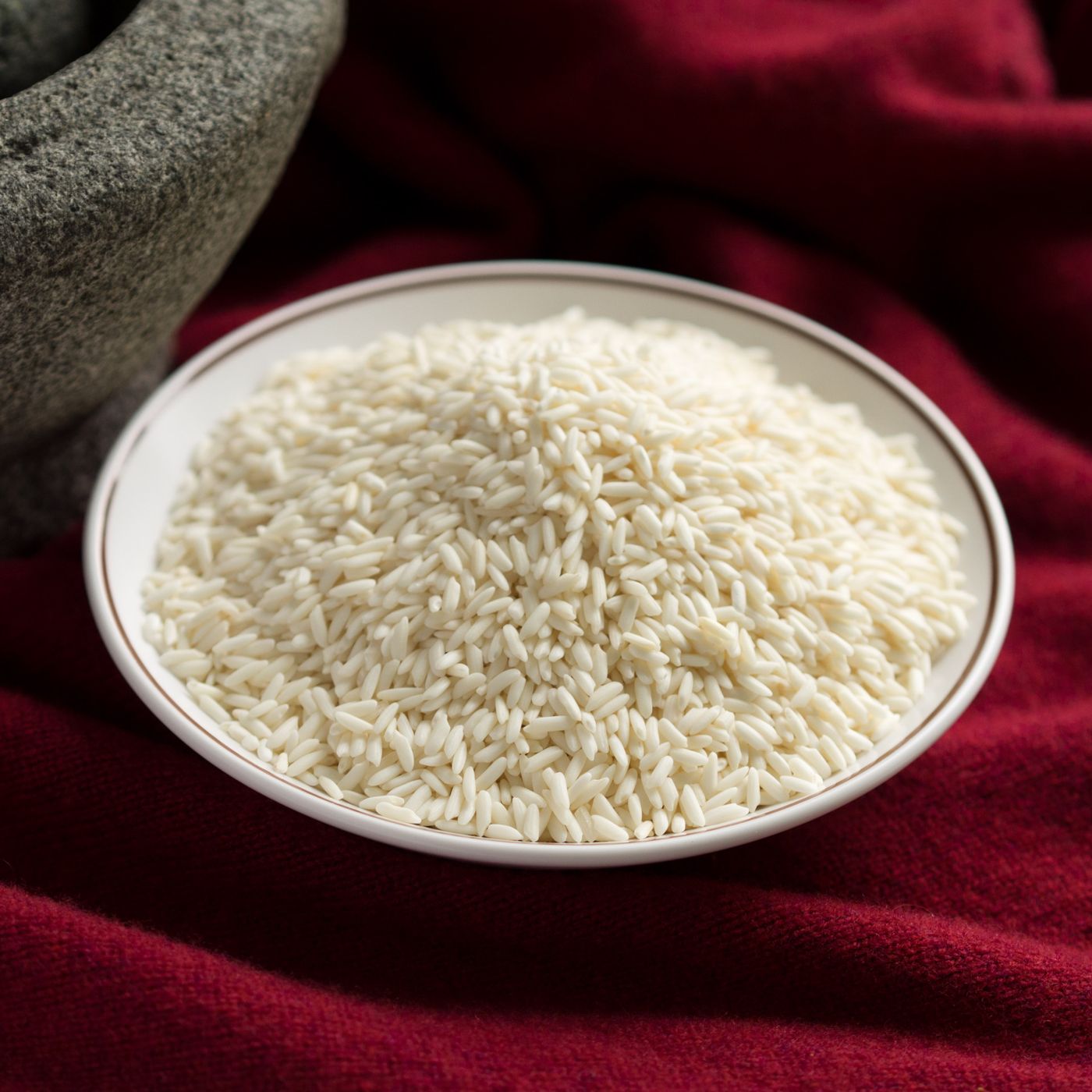 Glutinous rice (sweet rice)찹쌀Opaque, chalk-white grains of glutinous rice that steam into a chewy, elastic mass. Chapssal is the rice of festivals and comfort food: pounded into rice cakes, sweetened into yaksik, and tucked inside the chicken of samgyetang.
 Gochugaru고춧가루Korean red chili powder, made from dried red peppers ground coarse or fine. It gives kimchi, gochujang and countless banchan their color and warmth.
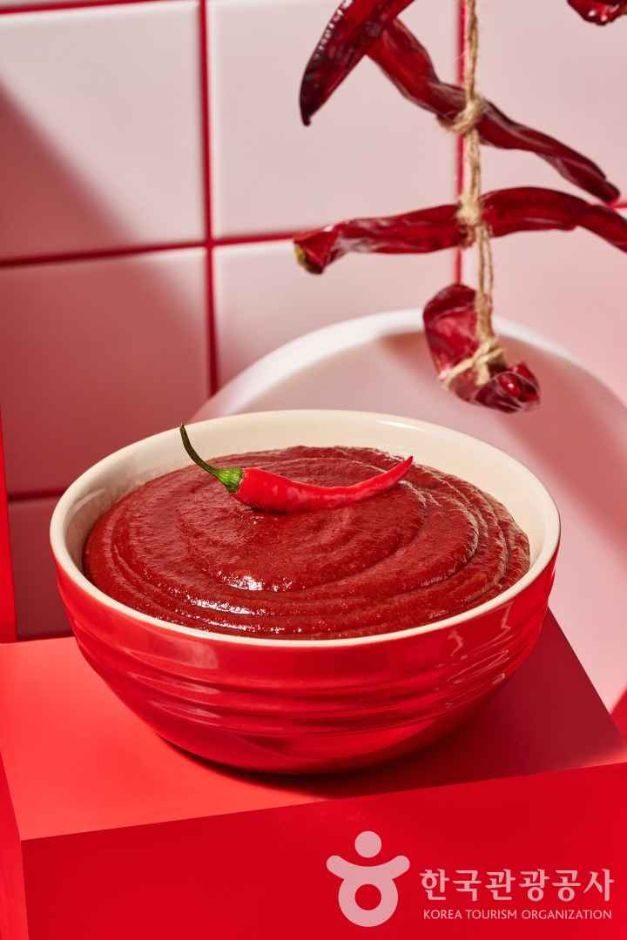 Gochujang고추장Fermented red chili paste — sweet, savory and hot. Made from meju powder, glutinous rice, malt and gochugaru, it is a later addition to Korea's family of jang.
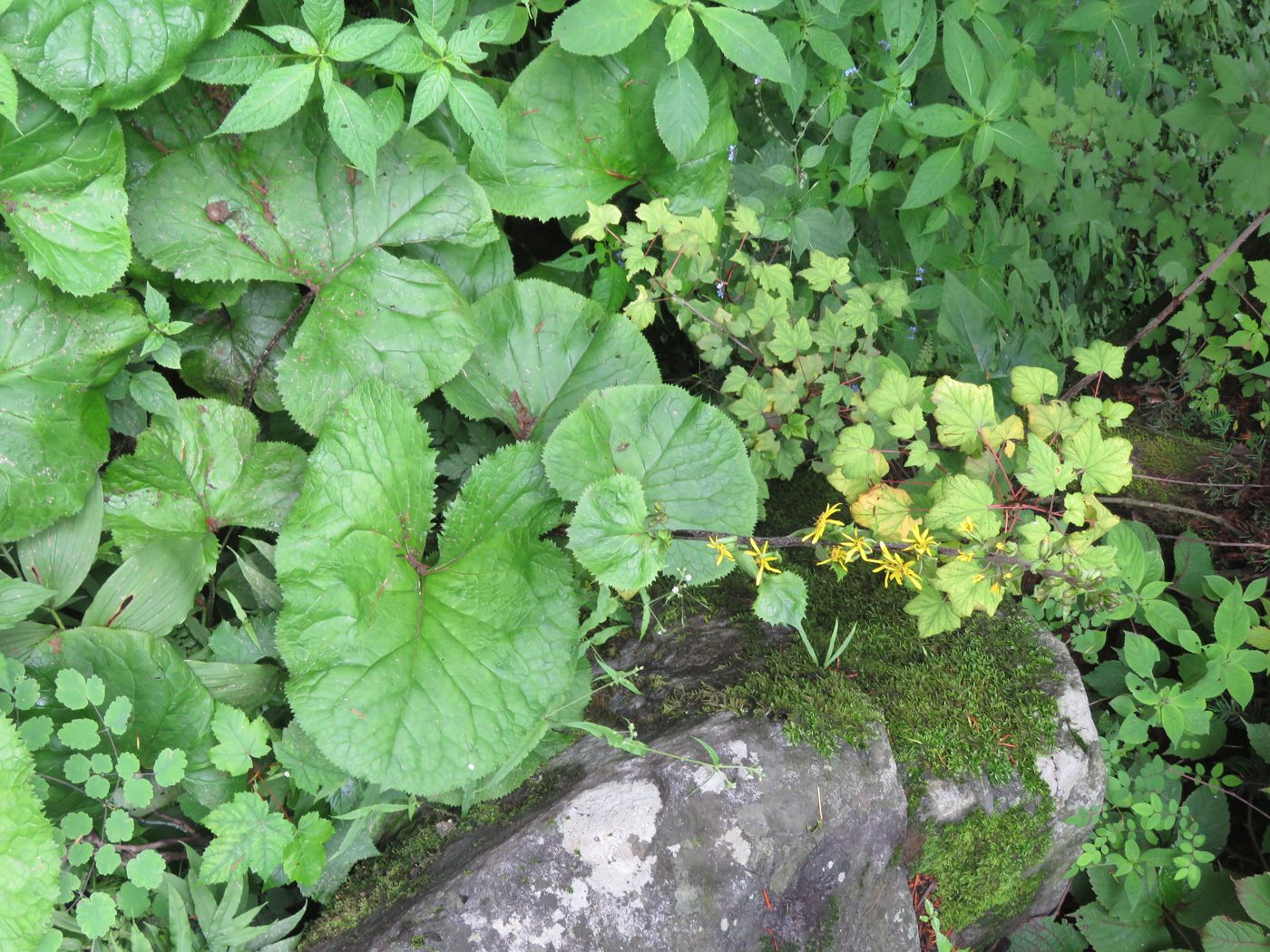 Gomchwi (Fischer's ragwort)곰취A broad, heart-shaped mountain green with a bright, resinous perfume. In spring its large leaves wrap rice and grilled pork, and it is pickled in soy sauce as a keeping banchan.
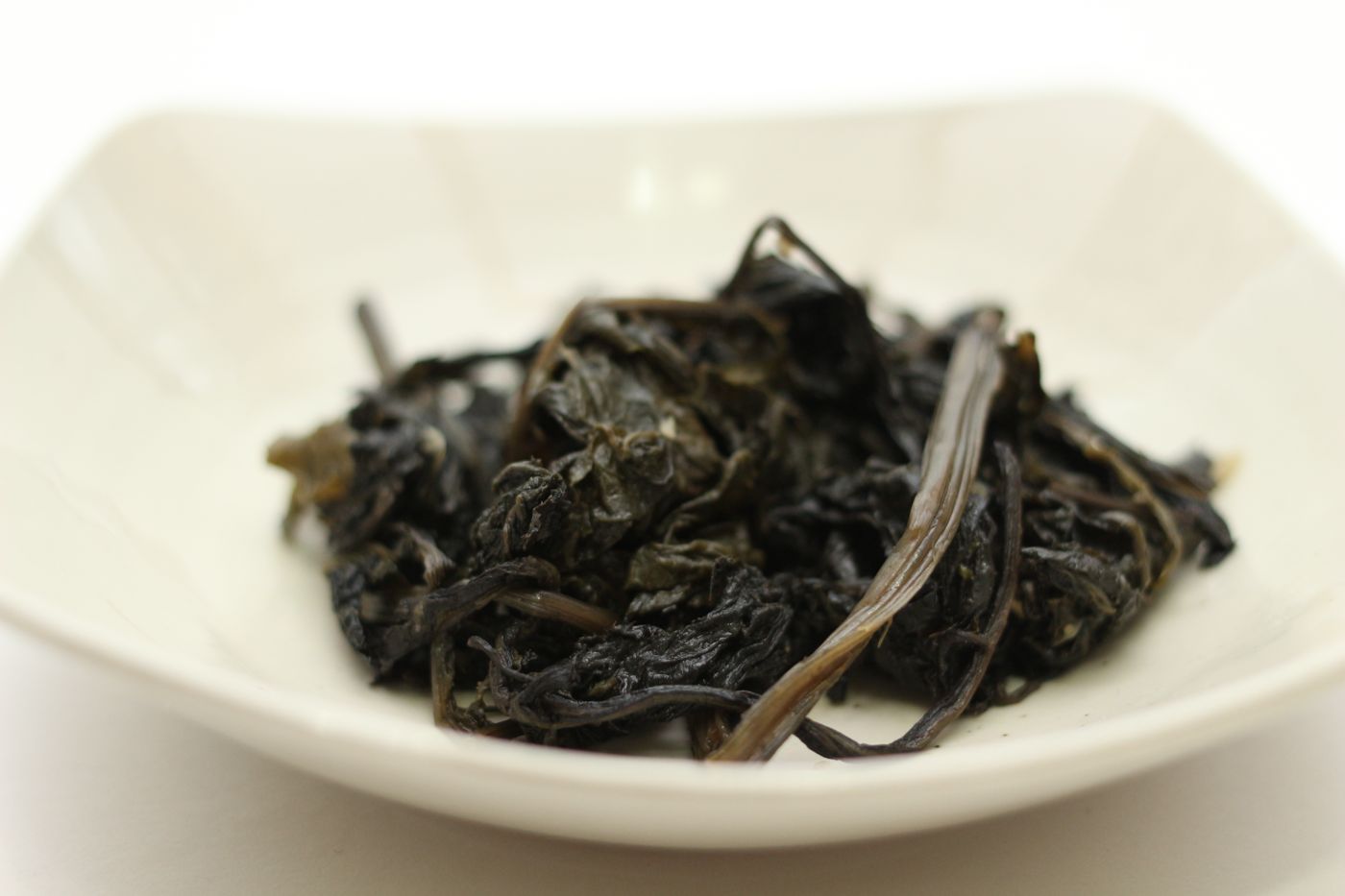 Gondre (Korean thistle)곤드레The soft, spineless leaves of a mountain thistle, blanched, dried and simmered back to tenderness. Best known in gondre-bap, rice steamed with seasoned thistle and mixed with soy-sauce dressing, the signature dish of Jeongseon in Gangwon Province.
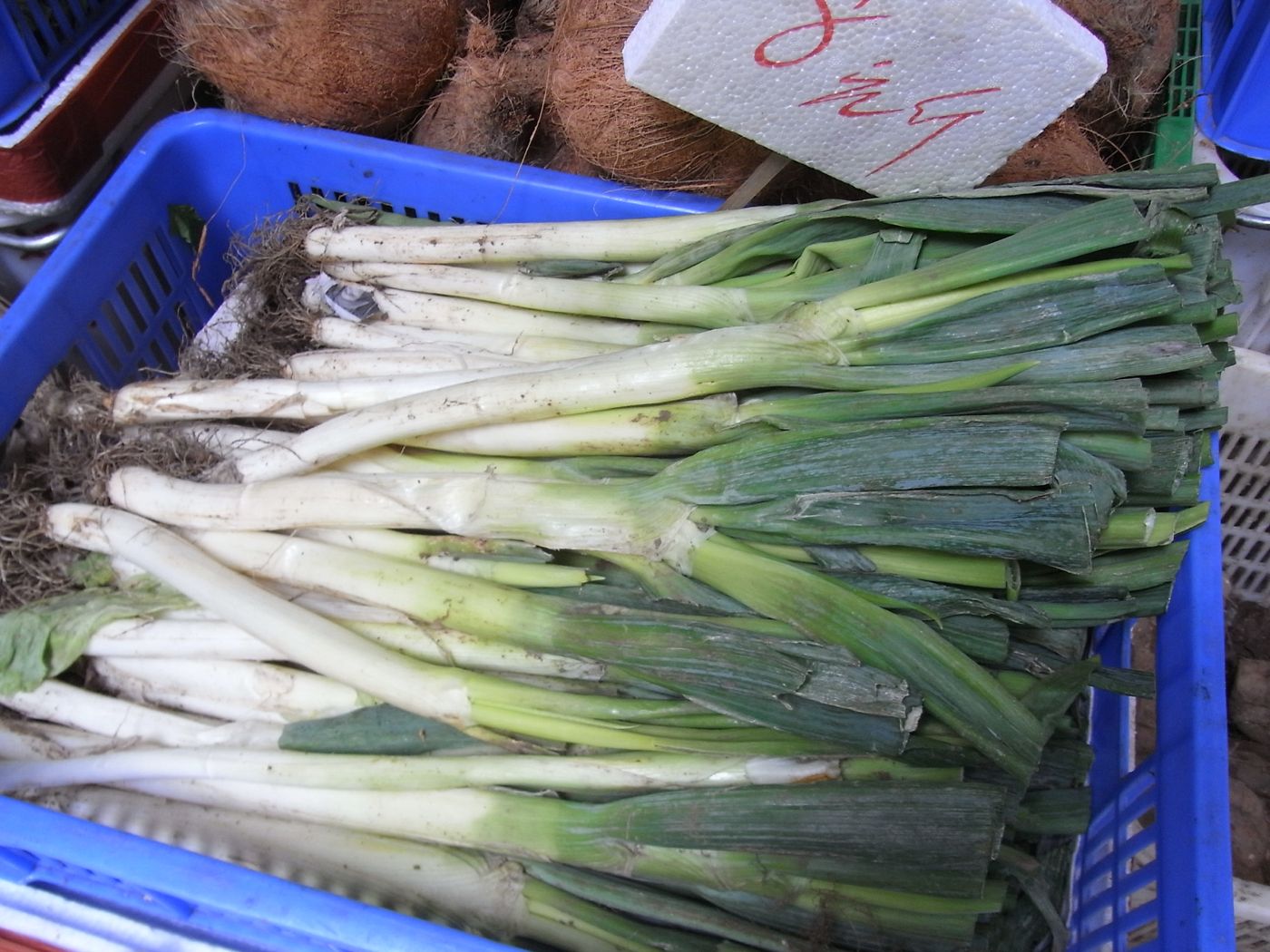 Green onion파Korean green onion (pa), from thick-stemmed daepa to slender scallions — chopped into nearly every seasoning sauce, soup and kimchi, and the star of pa-kimchi.
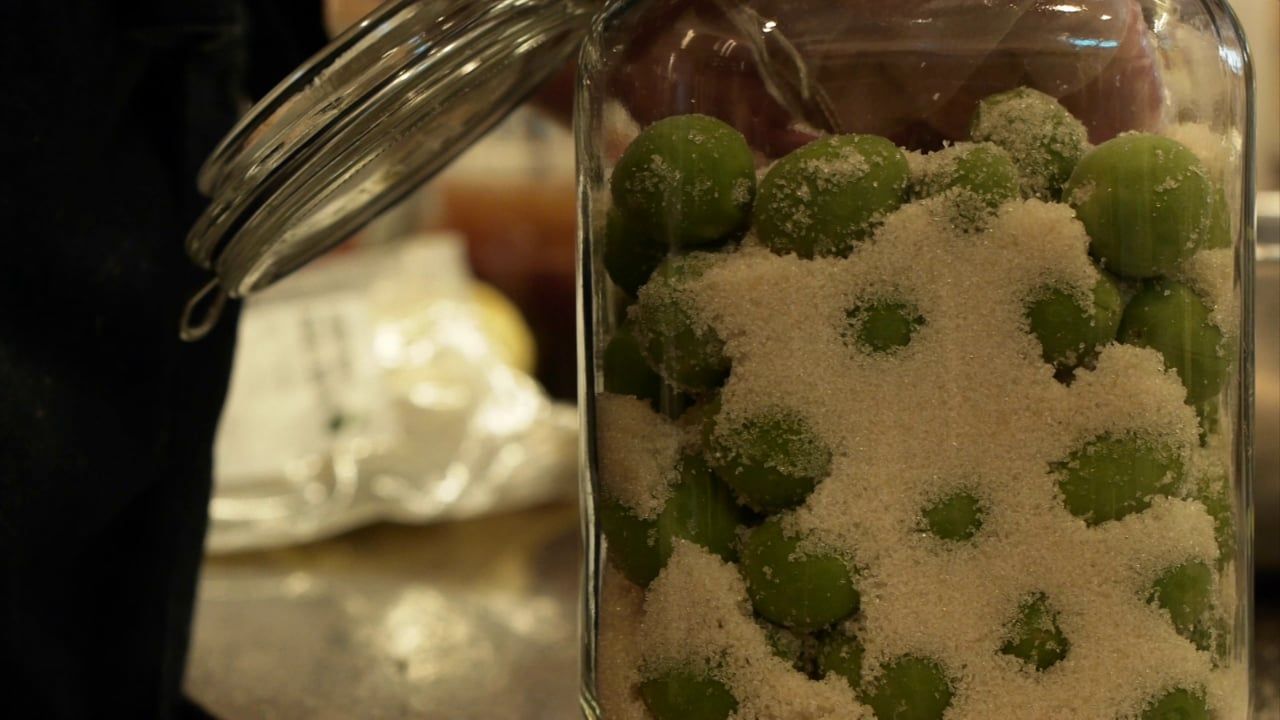 Green Plum Syrup매실청A sweet-tart syrup made by layering green plums (maesil, Prunus mume) with an equal weight of sugar and letting them steep for months. Korean cooks use it in place of sugar in dressings, marinades and drinks.
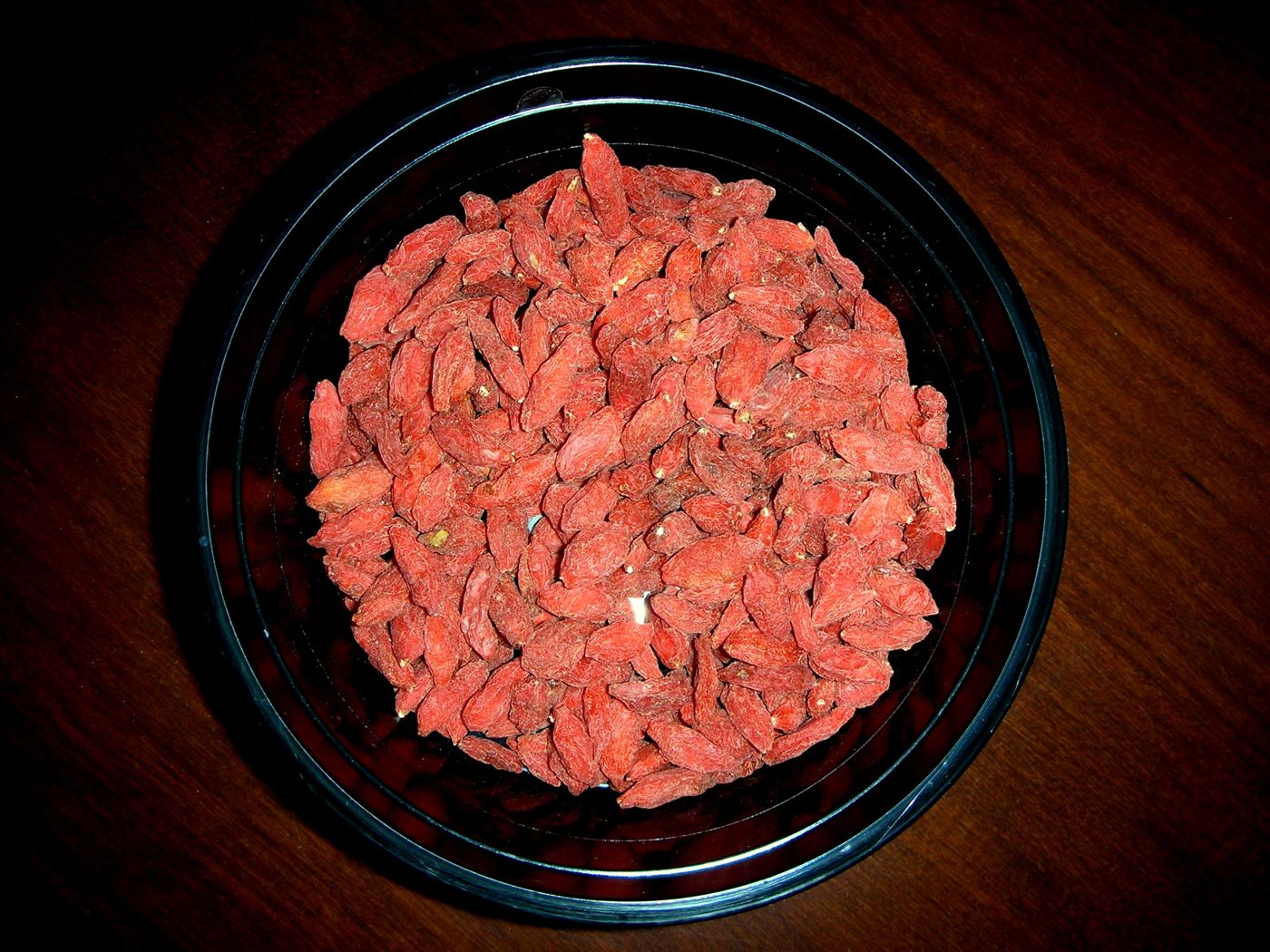 Gugija (goji berry)구기자Small, glossy red berries of the Chinese boxthorn, usually dried. Koreans simmer them into tea, steep them in liquor and add them to tonic soups; Cheongyang and Jindo are the best-known growing areas.
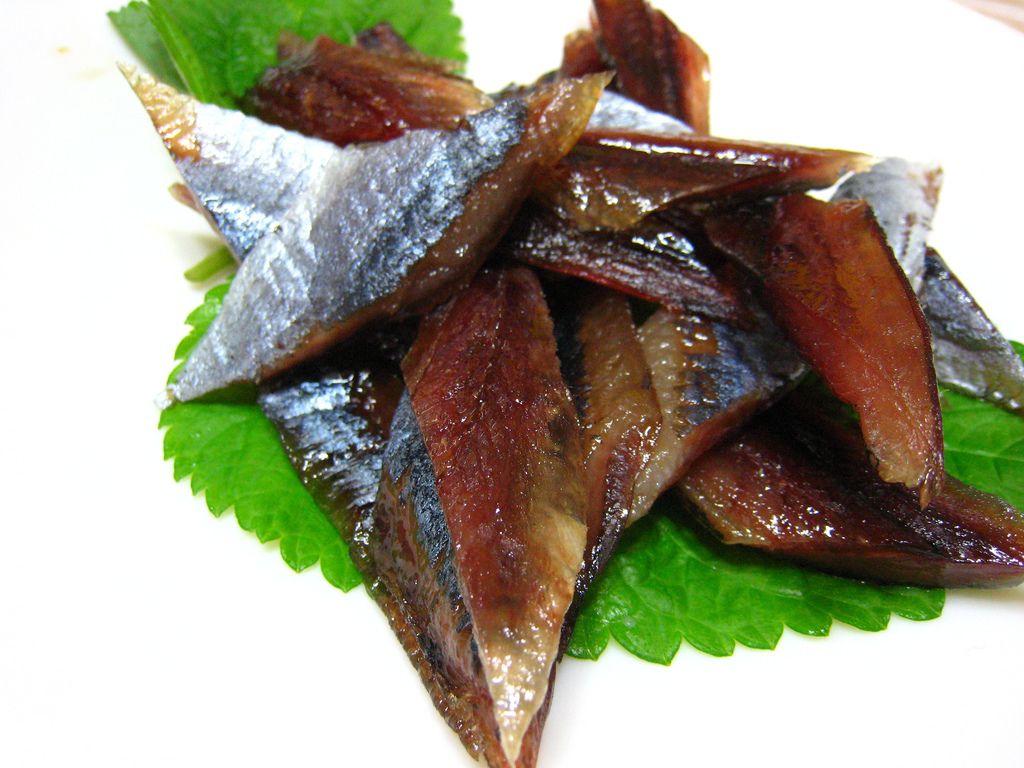 Gwamegi (Half-Dried Saury or Herring)과메기A winter delicacy of the Pohang coast: Pacific saury (or herring) frozen and thawed repeatedly in the sea wind until chewy and half-dried, then wrapped in seaweed or greens with garlic and chili paste.