The Banchan Encyclopedia
Ingredients
재료
From gochugaru to doenjang, the ingredients that give Korean food its flavor, history and character.
133–144 of 171 ingredients
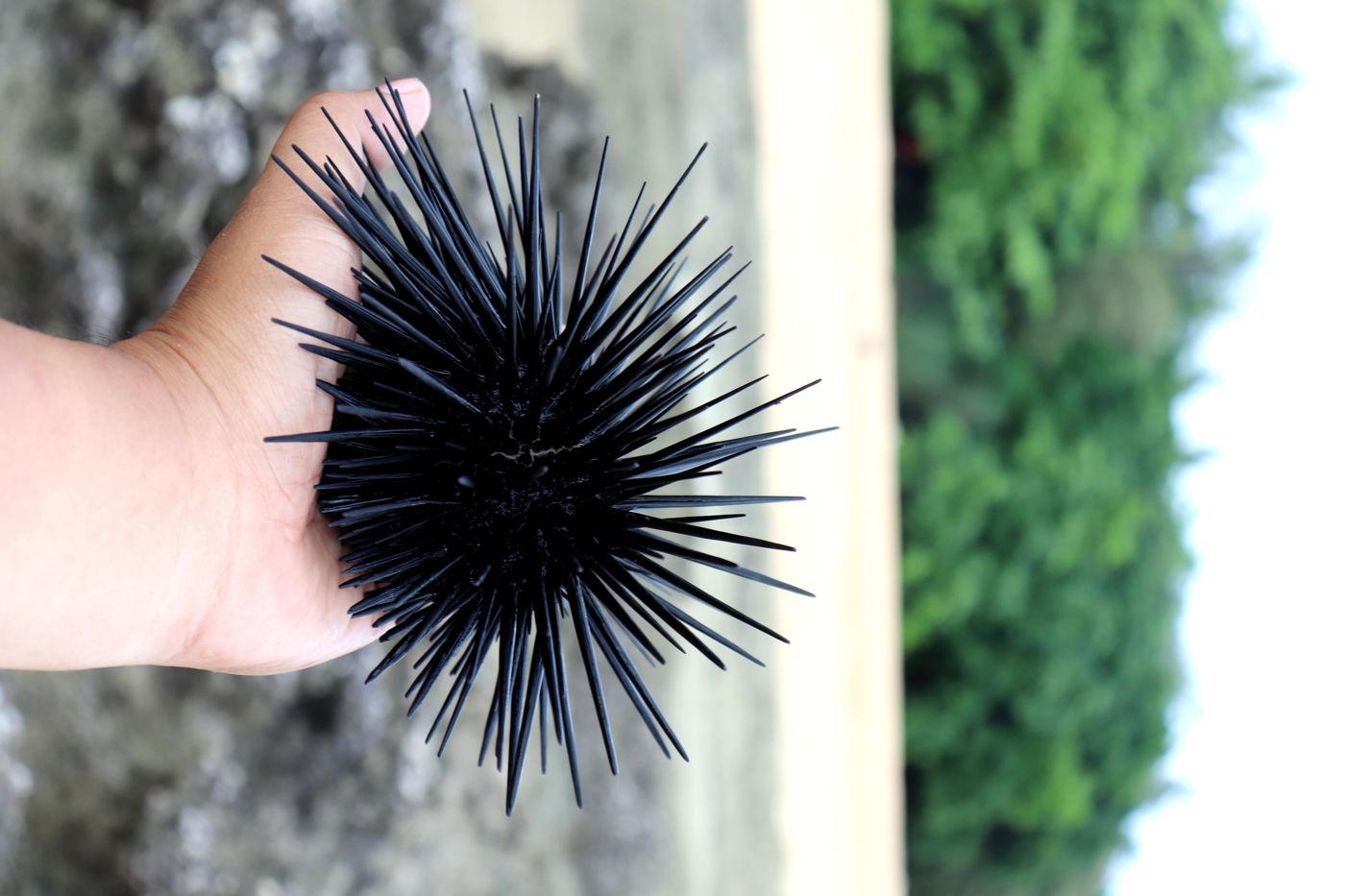 Sea urchin (seonggye)성게Spiny sea urchins whose golden roe is scooped out and eaten raw, folded into rice, or simmered with seaweed. On Jeju, haenyeo divers gather them in early summer and cook them into a celebratory seaweed soup.
 Sesame참깨Toasted sesame seeds and sesame oil (chamgireum) finish countless Korean dishes, adding a nutty aroma and gloss.
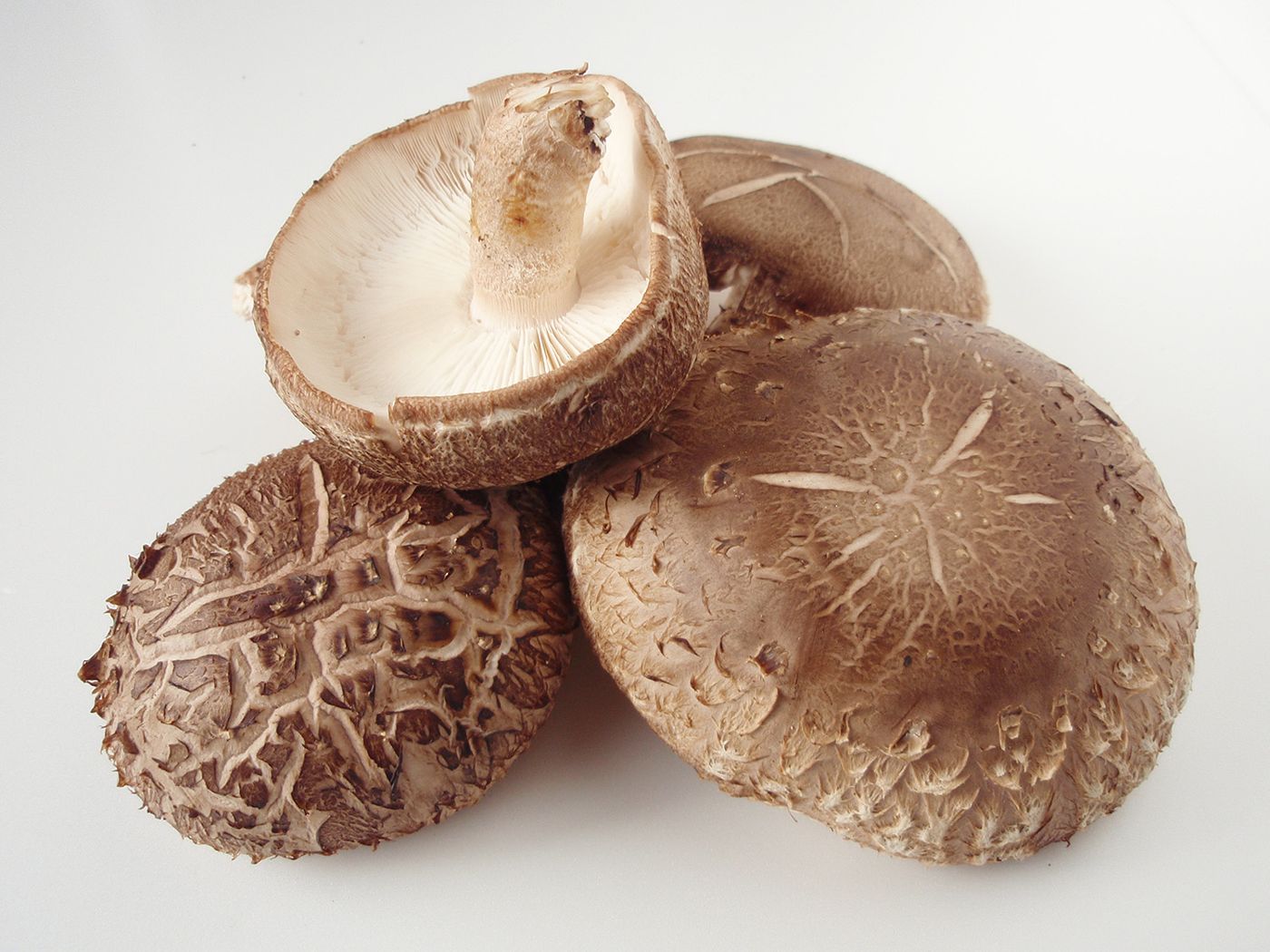 Shiitake mushroom표고Dark-capped, meaty mushrooms known in Korean as pyogo or pyogo-beoseot. Used fresh in stir-fries and pan-fried dishes, and dried for a deeply savory broth and an intensely aromatic bite.
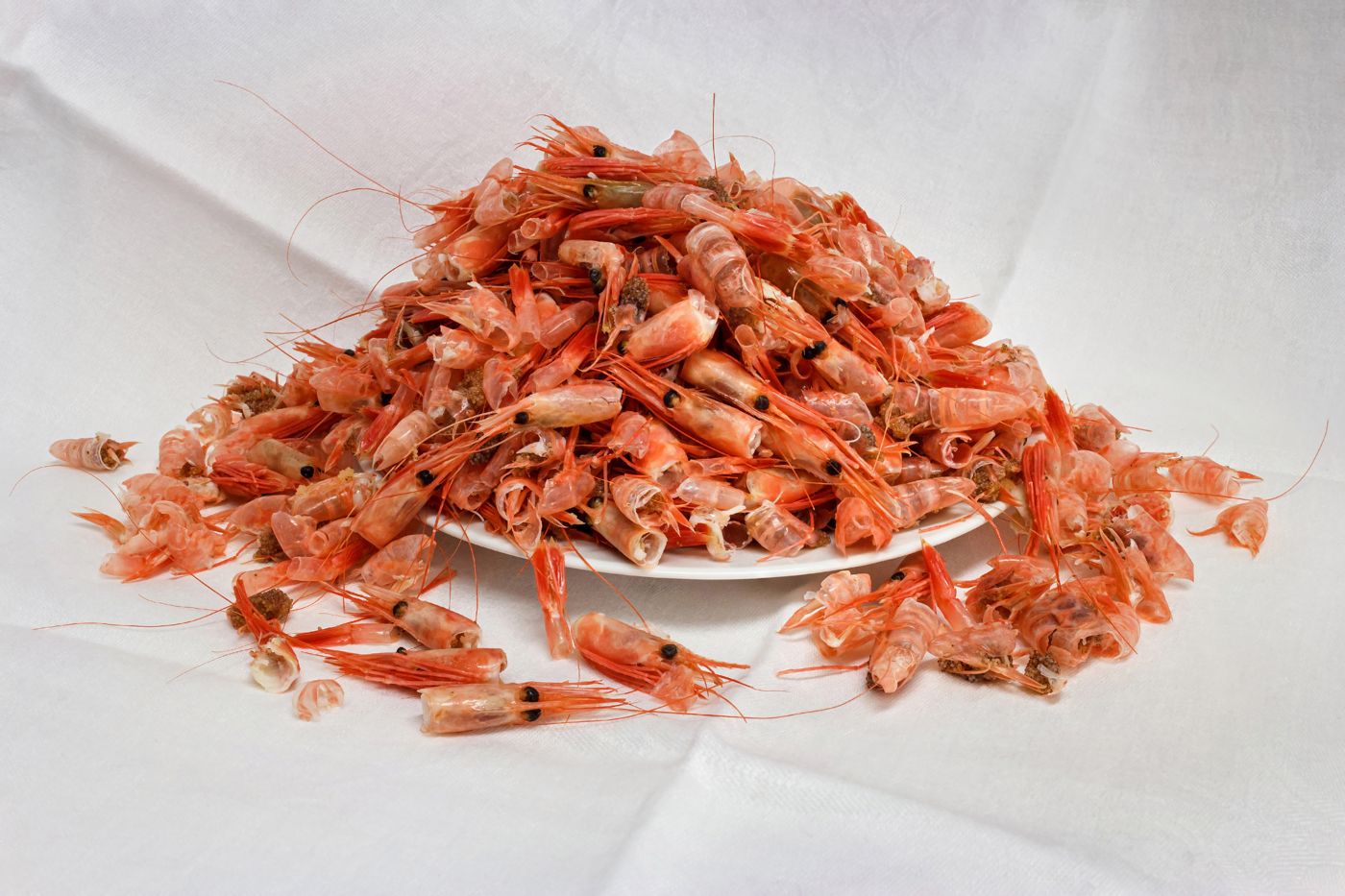 Shrimp (saeu)새우Shrimp in every size, from the tiny jeotsaeu salted to season kimchi to the large daeha. Mostly a West Sea catch, shrimp turn up across the Korean table, fresh, fried, braised and dried.
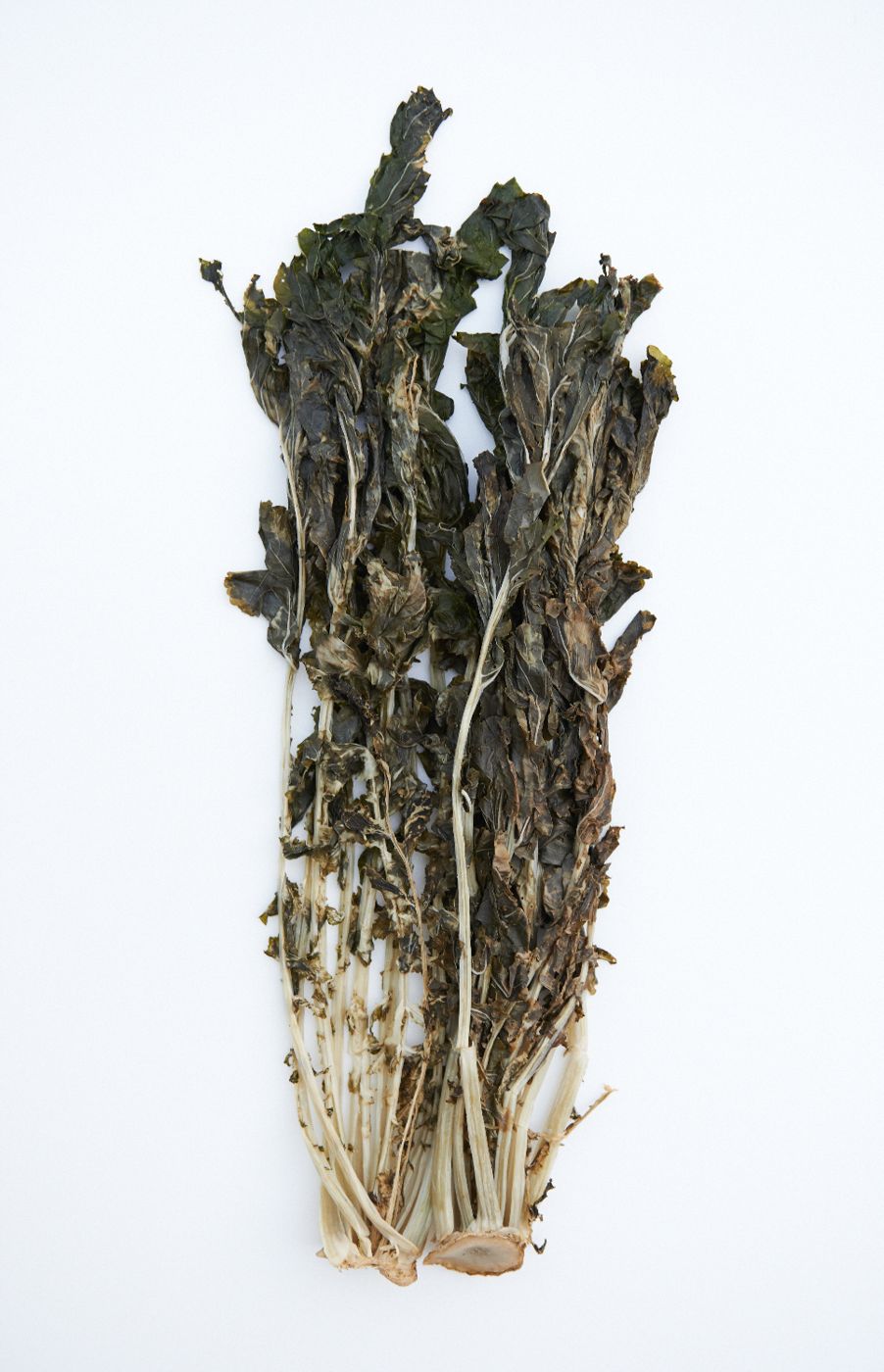 Siraegi (dried radish greens)시래기Radish tops dried in the shade until dark and brittle, then soaked and simmered back to tenderness. A winter staple for earthy namul, doenjang soups and rice cooked with greens.
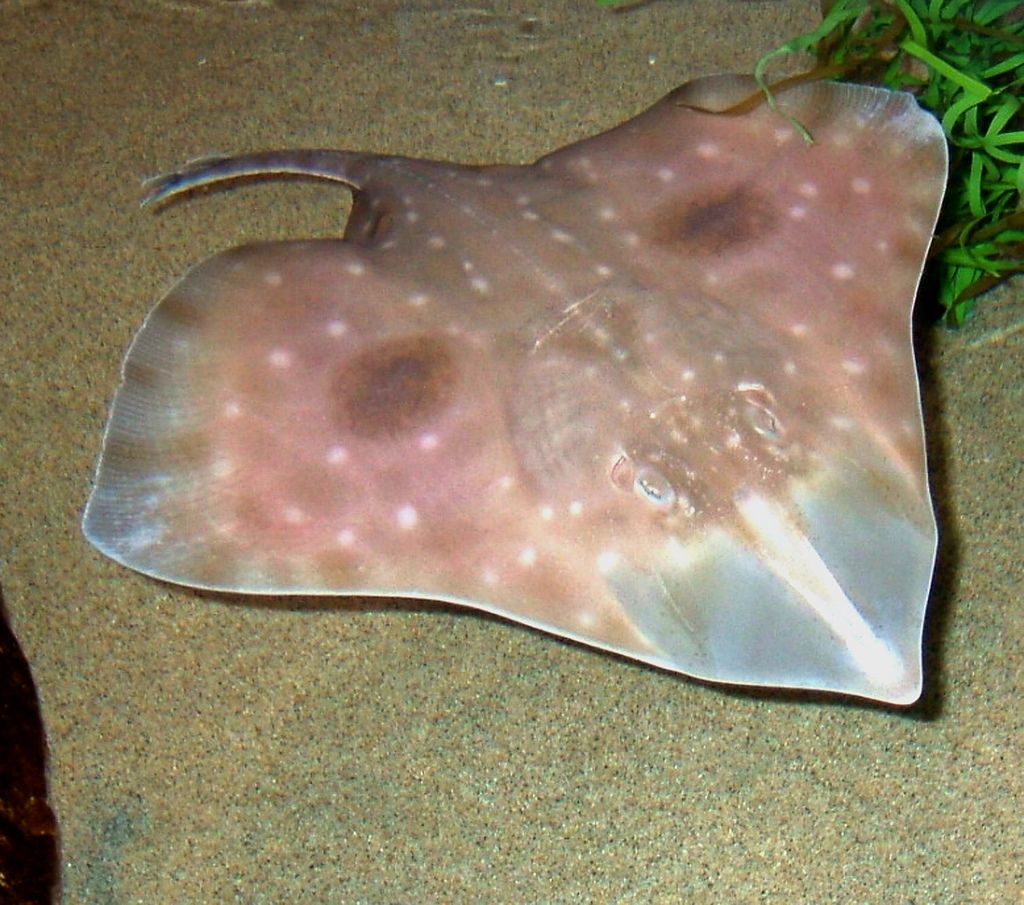 Skate (hongeo)홍어A broad, diamond-shaped ray famous in Jeolla for being eaten fermented, when its flesh gives off a sharp blast of ammonia. Fresh or fermented, hongeo is a centerpiece of southwestern feasts.
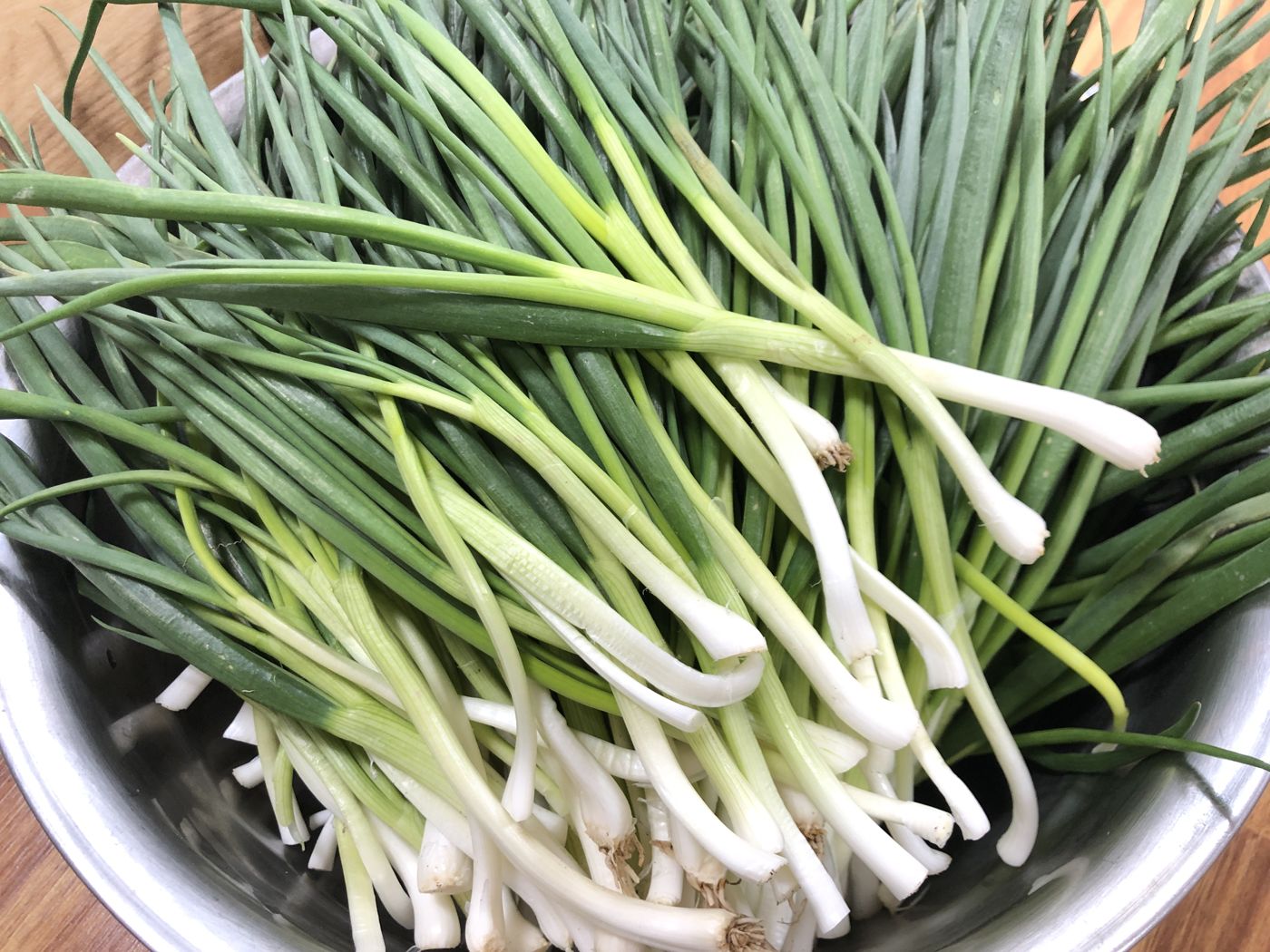 Slender Korean scallion (jjokpa)쪽파A thin, mild scallion with a small bulb at its base, grown mostly in the south and harvested in autumn for the kimchi season. It is the usual choice for pa-kimchi and also goes into pancakes and quick banchan.
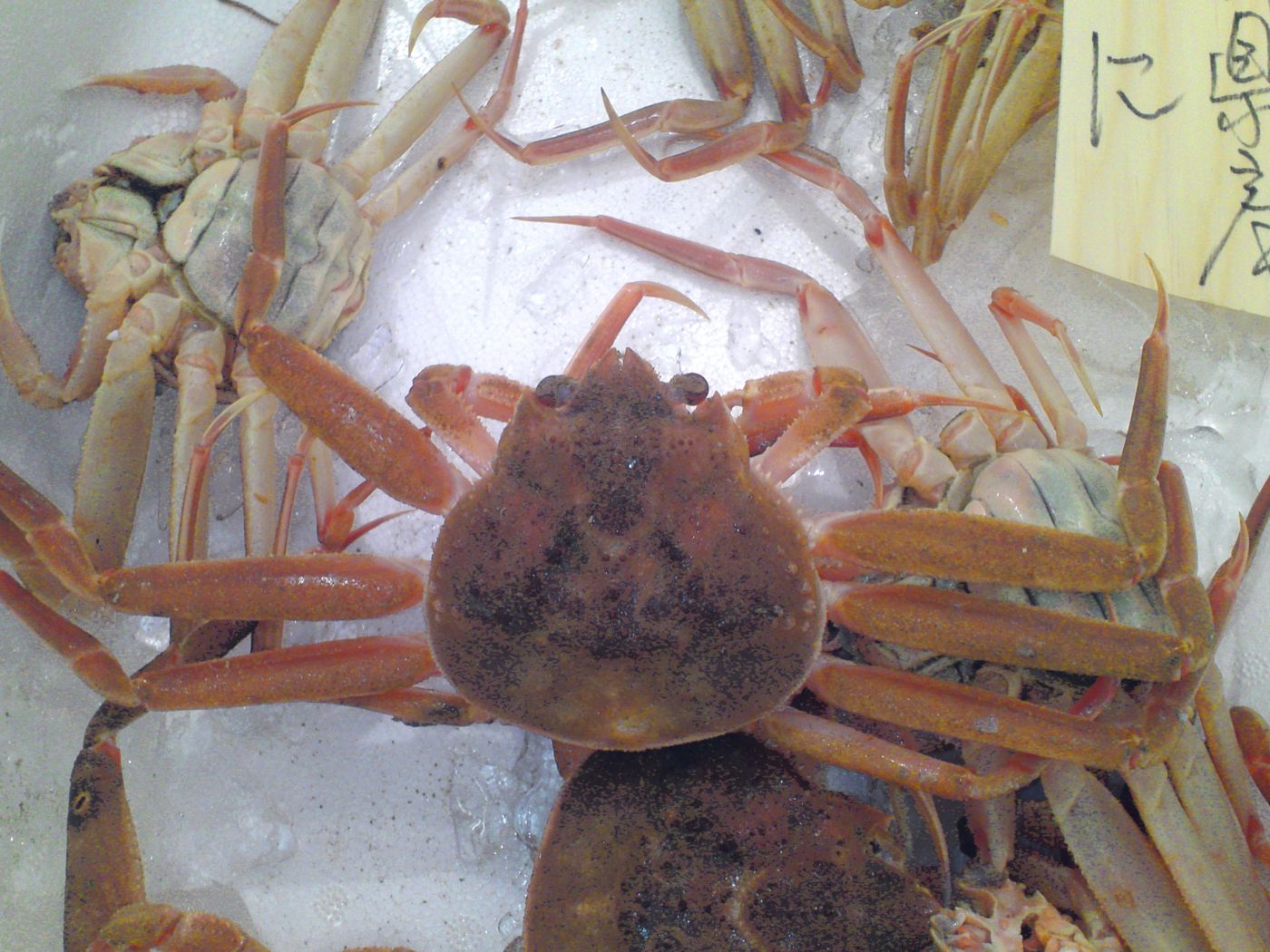 Snow crab (daege)대게A long-legged cold-water crab of the deep East Sea, sweet and delicate, caught in winter and spring. Yeongdeok and Uljin both claim it as their own.
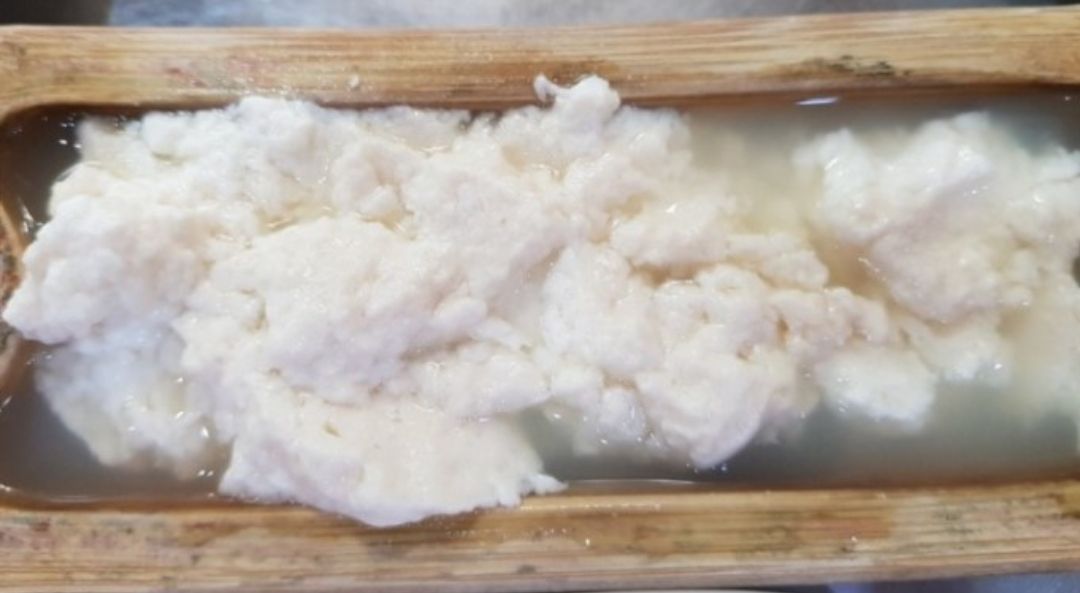 Soft tofu (sundubu)순두부Silky, custard-soft tofu ladled out as soon as the soy milk curdles, before it is pressed into blocks. It is the star of fiery sundubu-jjigae and of the seawater-curdled tofu of Chodang village in Gangneung.
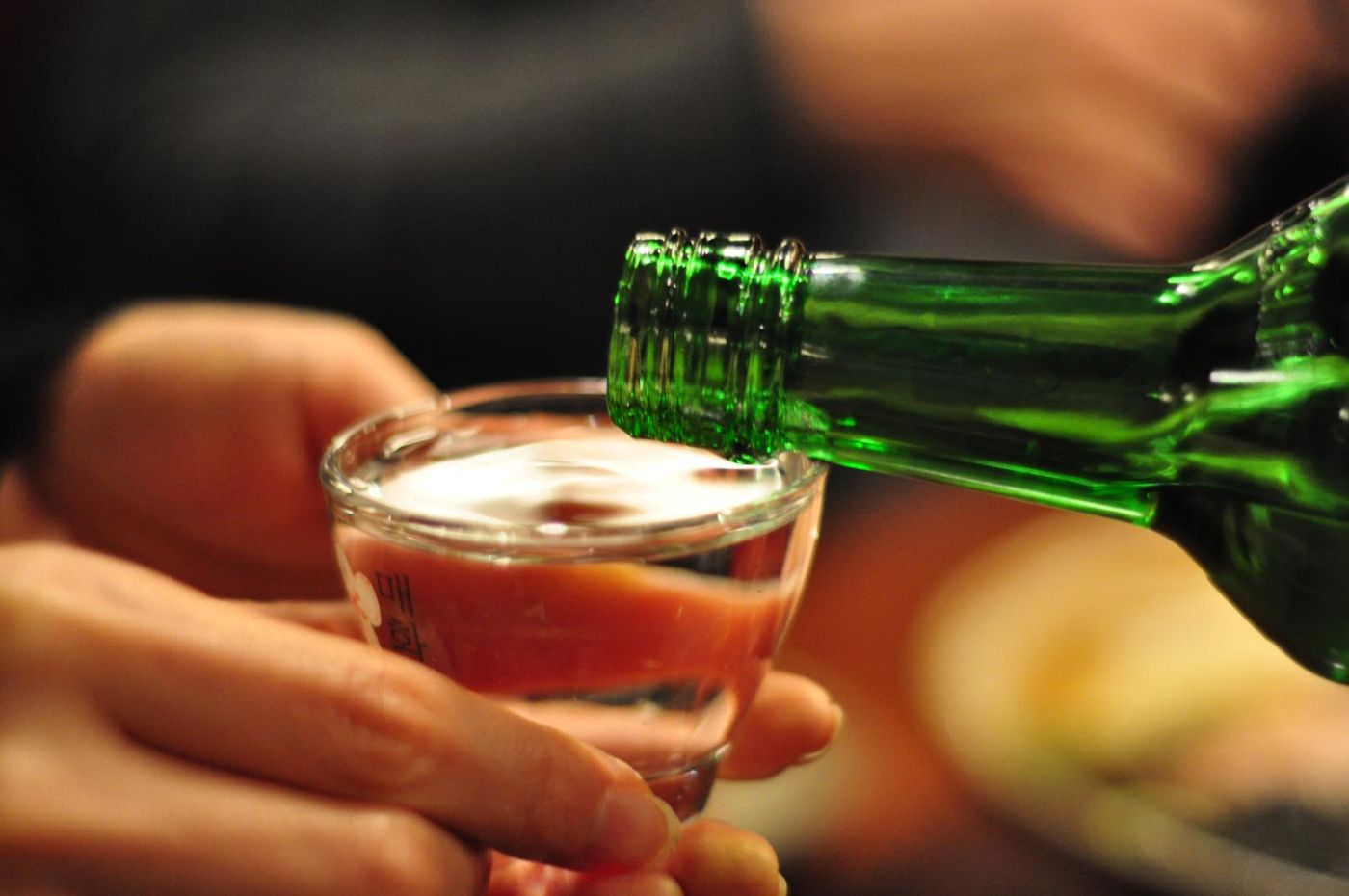 Soju (Korean Distilled Spirit)소주Korea's clear spirit, in two forms: traditional distilled soju from fermented rice and other grains, and the far more common diluted (huiseoksik) soju, neutral alcohol cut with water and sweeteners. It is drunk with food and also steeps fruit liqueurs.
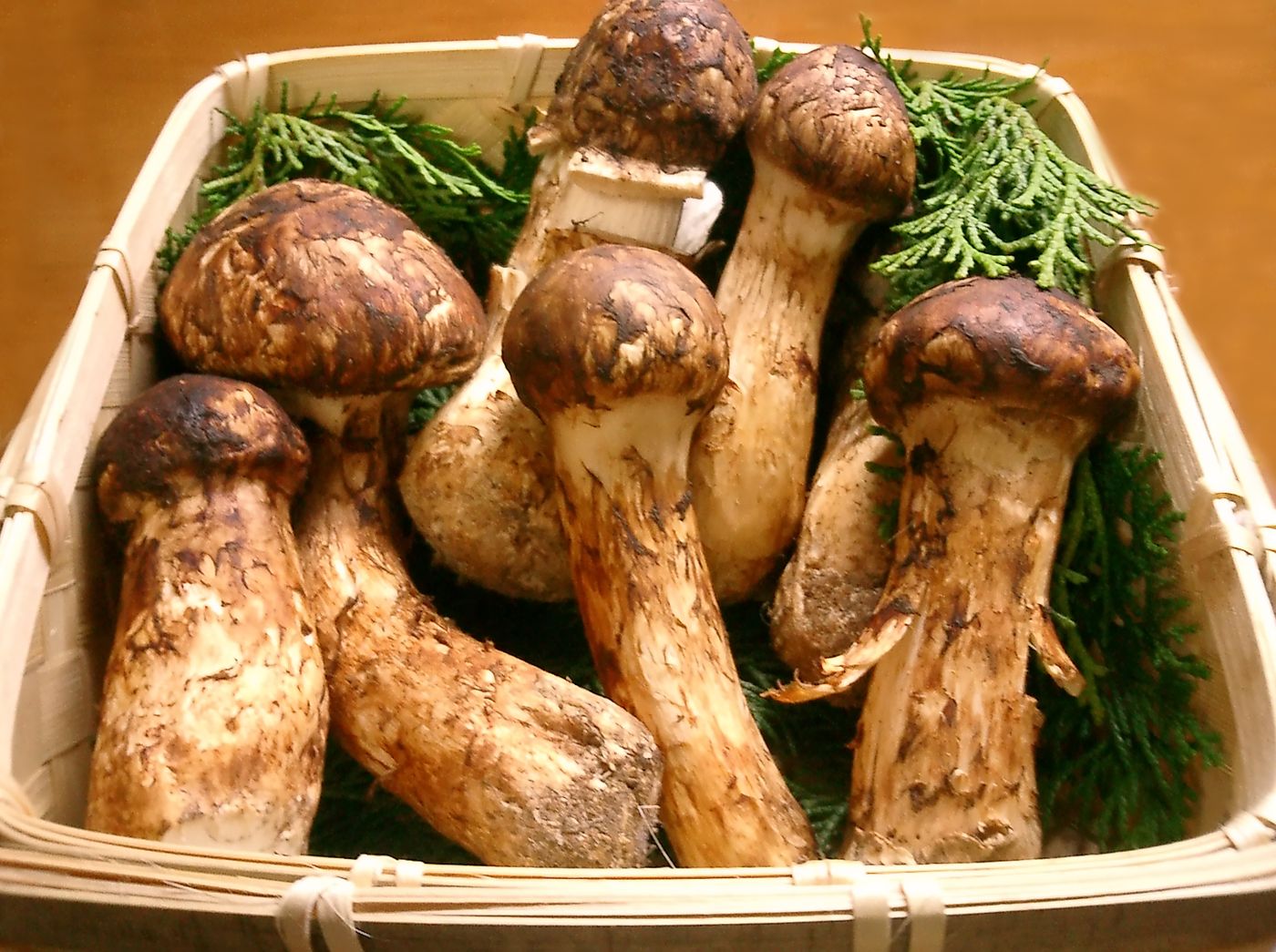 Songi-beoseot (pine mushroom)송이버섯Korea's most prized wild mushroom: a thick-stemmed, brown-capped autumn mushroom that grows only among the roots of living red pines. Its piney, spicy aroma is so valued that it is sold by grade at auction and eaten simply.
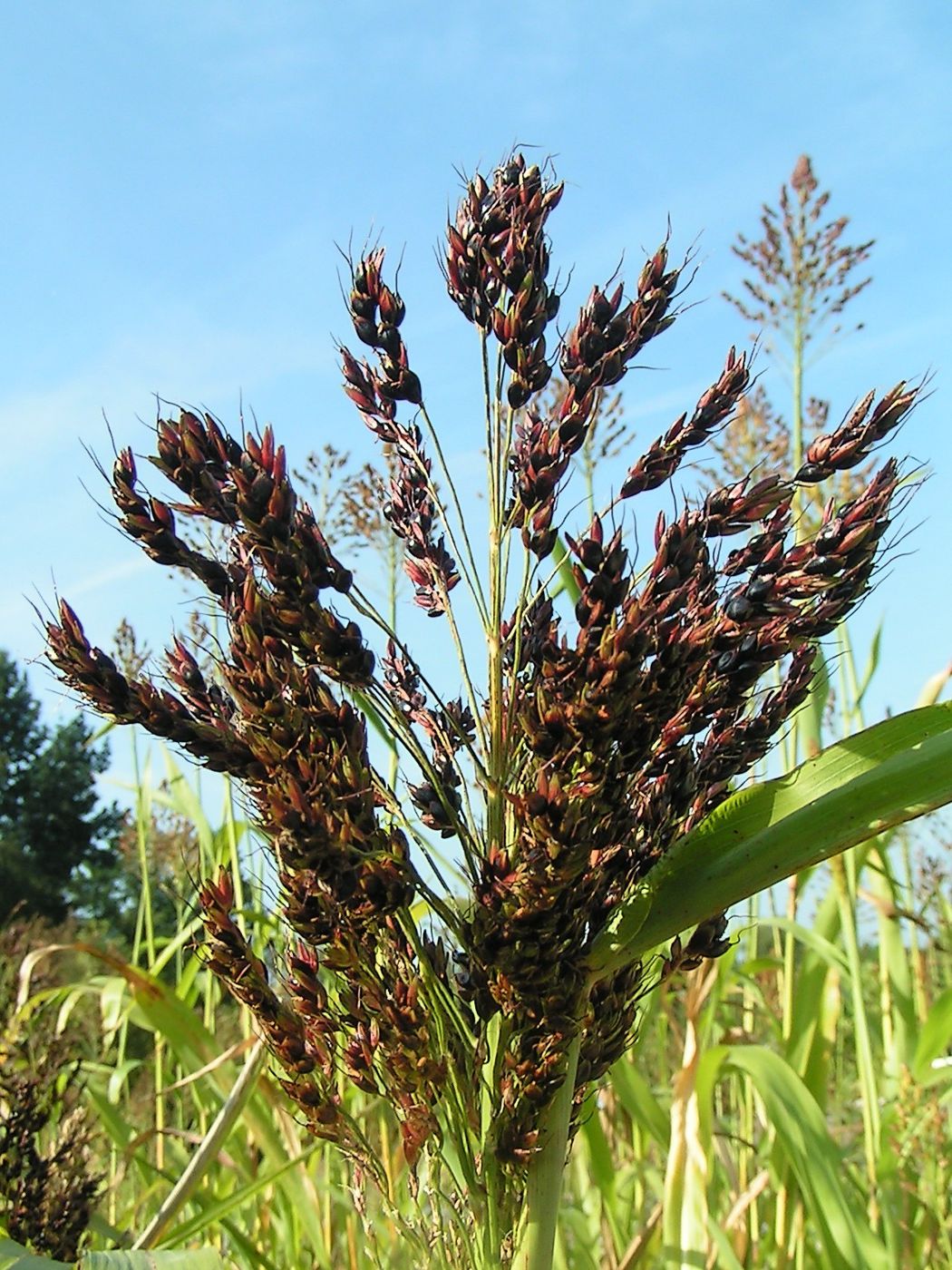 Sorghum수수Small, round, reddish-brown grains of sorghum, cooked into mixed-grain rice and ground into flour for rice cakes. Its red color gives it a protective meaning: sorghum balls rolled in red bean are a traditional first-birthday food.