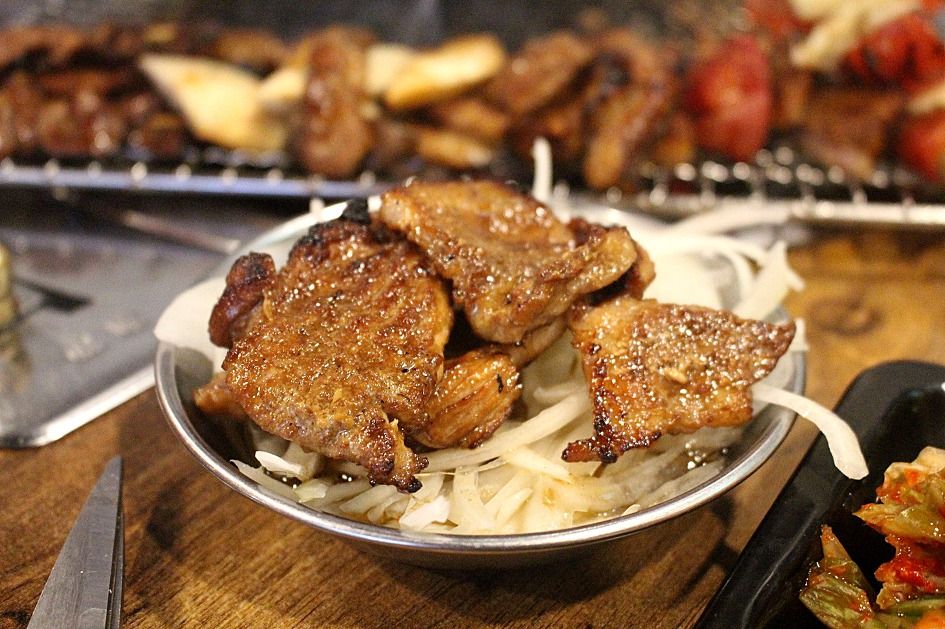
 Photo: 대경라이프, CC BY-SA 4.0, via Wikimedia Commons
Gui · Grilled 구이
So-galbi-gui (Grilled Beef Short Ribs)
소갈비구이
Romanization: so-galbi-gui
Beef short ribs scored to the bone, marinated with soy, pear, garlic and sesame and grilled over charcoal — Korea's celebration barbecue, best known in Suwon's salt-seasoned style.
- Serves
- 4
- Prep
- 40 min
- Cook
- 20 min
RegionSuwon · Seoul & Gyeonggi
Jump to recipeRecipe
Ingredients · Serves 4
- 1.2 kgBone-in beef short ribs (English cut), in 5–7 cm piecesbutterflied or deeply scored
- 6 tbspSoy sauce
- 150 gKorean pear, gratedor a ripe Bosc pear
- 100 gOnion, grated
- 3 tbspSugar
- 2 tbspGarlicminced (about 30 g)
- 1 tspGingerminced
- 30 gGreen onionfinely chopped
- 2 tbspToasted sesame oil
- 1 tbspToasted sesame seedscrushed
- ½ tspBlack pepper
- 2 tbspRice wine (cheongju) or mirinoptional
Method
Technique: Grilling Gui, Yangnyeom: Seasoning Basics
Step 1: Soak the ribs in cold water for 30 minutes, changing the water once, to draw out blood. Drain and pat dry.
Step 2: If the ribs are not butterflied, cut along the meat to open each piece into a long, even strip still attached to the bone, or score both sides about 1 cm apart down to the bone.
Step 3: Mix all the remaining ingredients into a marinade. Coat the ribs well, cover and refrigerate at least 4 hours or overnight, turning once.
Step 4: Prepare a charcoal grill or heat a grill pan over medium-high heat. Shake off excess marinade and grill the ribs 3–4 minutes per side, turning once or twice and brushing with a little marinade, until browned and just cooked (145 °F / 63 °C, then rest 3 minutes). The sugar in the marinade burns easily, so move pieces away from flare-ups.
Step 5: Cut the meat into bite-size pieces with scissors and serve hot with lettuce, ssamjang and seasoned green onion.
Origin & History
Galbi-gui is beef short rib, cut into pieces, seasoned and grilled. The Encyclopedia of Korean Culture describes the classic method in detail. Tender ribs from a young cow are trimmed of heavy fat and cut about 7 cm long, then scored deeply on both sides at roughly 1 cm intervals right down to the bone, so the seasoning soaks in and the meat cooks evenly. The marinade is green onion, garlic, sesame oil, soy sauce, sesame salt, sugar and black pepper. The ribs go on a gridiron over glowing charcoal and are grilled fast, turned once when one side is nearly done and brushed with the marinade for gloss.
The encyclopedia also sets out what good galbi looks like: dark reddish-brown, glistening with fat, faintly sweet, with meat that comes cleanly away from the bone — undercooked ribs, it warns, cling and taste flat. It is best grilled at the table and eaten at once, each diner taking a piece onto a small plate; ribs kept warm under a lid, as cooks once did for guests, steam in their own moisture and lose their texture. See grilling gui and Korean BBQ culture.
Korea's most famous galbi town is Suwon. According to the Encyclopedia of Korean Culture, Suwon galbi began at Hwachunok, opened in December 1945 by Lee Gwi-seong on the rice-sellers' street of Yeongdong Market. It first drew customers with hangover soup containing a piece of rib, and in 1956 began grilling seasoned ribs over charcoal. Under the founder's son the restaurant became nationally known, helped by famous political patrons; it closed in 1979, and cooks trained in its style then spread the dish through the galbi houses of east Suwon in the 1980s. The encyclopedia credits Suwon's cattle market — famous since late Joseon and among the country's three largest under Japanese rule — with making beef ribs easy to come by.
Key Ingredients
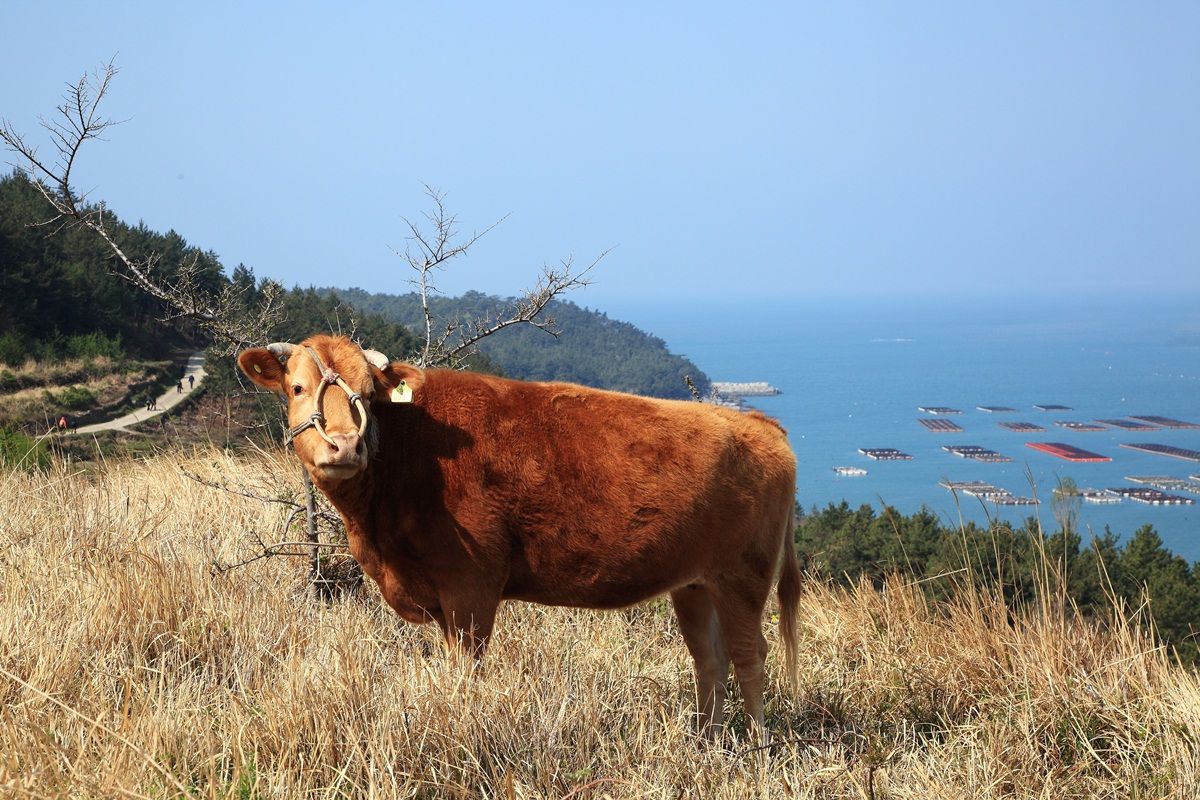 Hanu (Korean native beef)한우Beef from Korea's native cattle, most of them a warm yellow-brown, prized for rich marbling and a deep, beefy flavor. Hanu is the premium beef for grilling, braised galbi-jjim, holiday gift sets and ancestral-rite dishes.
 Soy sauce간장Korean soy sauce, in two main kitchen forms: pale, salty guk-ganjang (soup soy sauce) brewed the traditional way from meju, and darker, sweeter jin-ganjang for braises and marinades.
- Korean Pear배The large, round, crisp and very juicy Korean pear (bae). Beyond eating fresh, it is grated into meat marinades and sliced into mild kimchi for natural sweetness.
 Yangpa (onion)양파The bulb onion, literally the "Western scallion." A latecomer to Korea, it is now everywhere: sweetening stir-fries and braises, pickled in soy sauce as yangpa-jangajji, and served raw beside grilled meat.
 Garlic마늘Used raw, minced, pickled and roasted, garlic is one of the essential aromatics of Korean food — in seasonings, marinades, kimchi and namul.
 Ginger생강Fresh ginger root, used in small amounts to brighten kimchi paste and marinades and to tame the strong smells of fish and meat.
 Green onion파Korean green onion (pa), from thick-stemmed daepa to slender scallions — chopped into nearly every seasoning sauce, soup and kimchi, and the star of pa-kimchi.
 Sesame참깨Toasted sesame seeds and sesame oil (chamgireum) finish countless Korean dishes, adding a nutty aroma and gloss.
Nutrition
| Calories | ~780 kcal |
|---|---|
| Protein | ~36 g |
| Fat | ~57 g |
| Carbohydrates | ~26 g |
| Fiber | ~2.4 g |
| Sodium | ~1575 mg |
Notable forProtein · Iron
Estimated by summing Korean Food Composition Table values for raw Hanwoo beef ribs (I027003D030a, assuming about 800 g edible meat from 1.2 kg bone-in ribs; fiber treated as zero, as in all meat) with USDA FoodData Central (SR Legacy) values for soy sauce (FDC 174277), raw pear (FDC 169118, as a stand-in for Korean pear), onion, sugar, garlic, ginger, scallions, sesame oil and sesame seeds, divided by 4. Assumes all the marinade is eaten; much stays in the bowl, so sodium and sugar are overstated. The database does not report zinc or vitamin B12 for this cut, so they are not counted. Rice wine and side dishes are excluded. Actual values vary with ingredients, portion size and preparation.
Health Benefits
- Protein and iron: beef short rib is a rich source of protein and heme iron, the form the body absorbs most readily.
- Served with greens: the Korean habit of wrapping galbi in lettuce with garlic and seasoned green onion adds vegetables to a rich meal. See ssam culture.
- Salt-seasoned option: the Suwon style uses no soy marinade, letting the meat carry the flavor.
Regional Variations
- Soy-marinated galbi: the classic method above and the usual home version; grated pear or onion is often added to tenderize and sweeten.
- Suwon galbi (Suwon, Gyeonggi): long ribs of 10–13 cm, seasoned with refined salt instead of soy sauce, at about six parts salt to one of sugar, with sesame oil, green onion, garlic, pepper and sesame; the salt keeps the meat's natural color. The founder's grandson described resting the seasoned ribs in the freezer at least a day before grilling.
- Other galbi dishes: the same cut is braised as galbi-jjim and simmered into galbitang.
Pairings
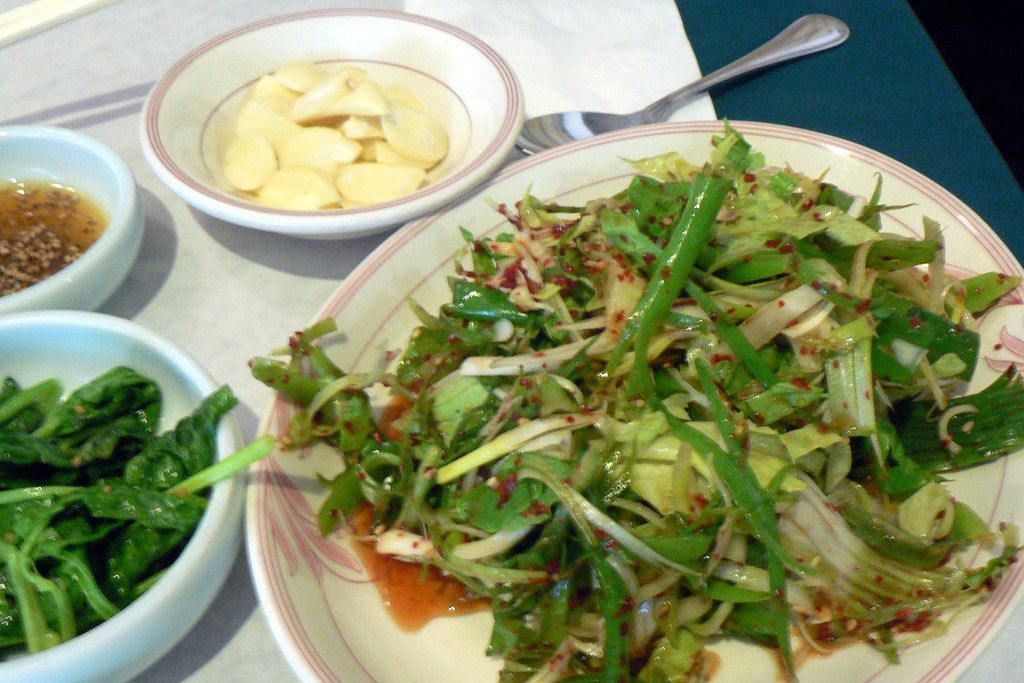 Pajeori (Green Onion Salad)파절이Fine shreds of Korean green onion tossed with chili flakes, soy sauce, vinegar and sesame oil — the sharp, bright salad that cuts the richness of grilled pork.
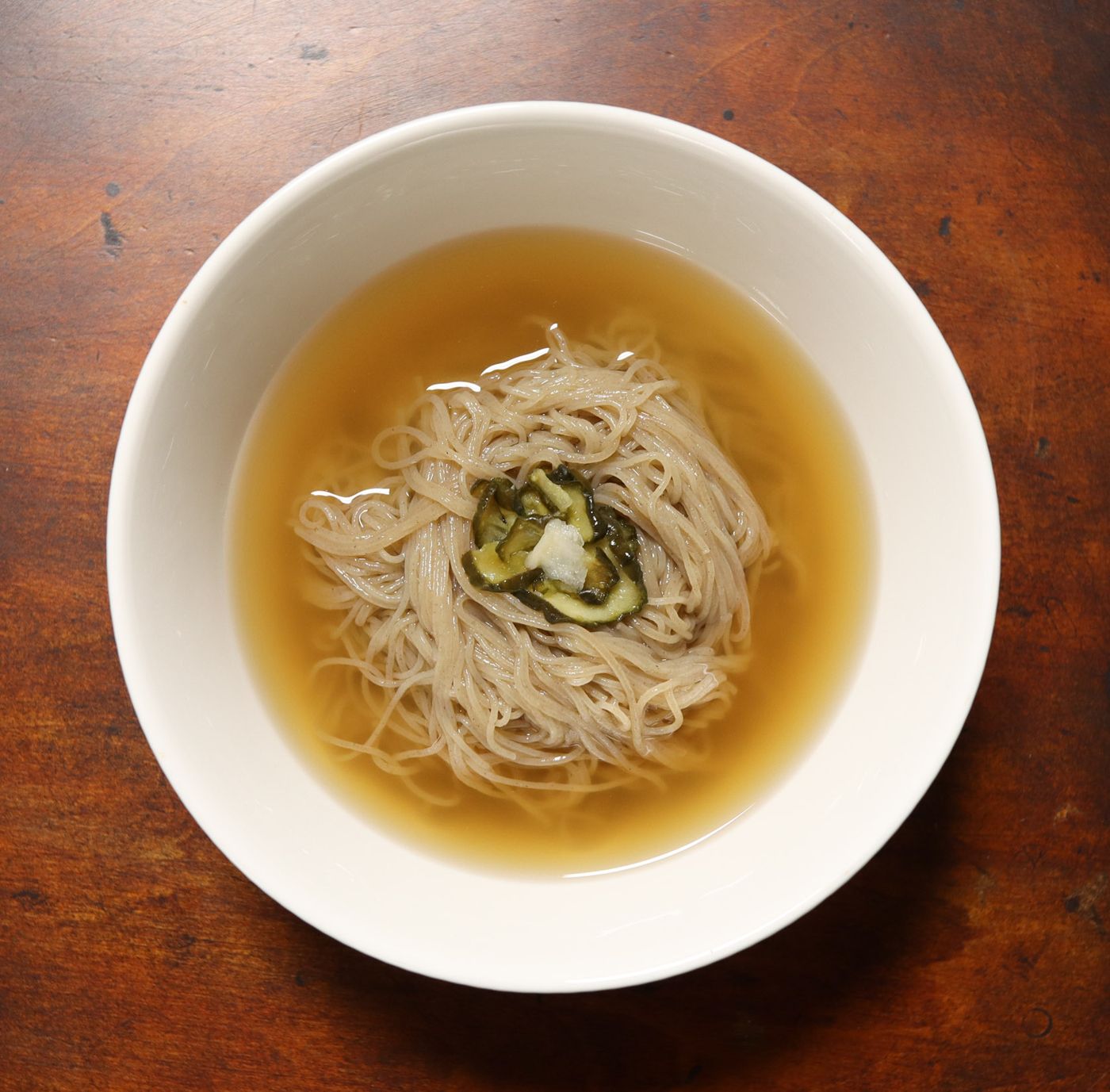 Mul-naengmyeon (Cold Buckwheat Noodles in Broth)물냉면Buckwheat noodles in an icy mix of beef broth and dongchimi, topped with sliced beef, pear, radish and egg — a Pyongyang winter dish now loved in summer.
 Doenjang Jjigae (Soybean Paste Stew)된장찌개A thick, savory stew of fermented soybean paste with tofu, zucchini and whatever the season offers — the everyday pot at the center of the Korean table.
 Napa Cabbage Kimchi배추김치Salted napa cabbage layered with a red paste of chili, garlic, ginger and fermented seafood, then left to ripen: the kimchi most people picture first.
Sources
- 01갈비구이 (Galbi-gui) — Encyclopedia of Korean Culture
- 02수원갈비 (Suwon Galbi) — Encyclopedia of Korean Culture
- 03Beef meat, Hanwoo, Ribs (Galbi), Raw (I027003D030a) — Korean Food Composition Table
- 04Chemicals in Meat Cooked at High Temperatures and Cancer Risk — National Cancer Institute
- 05Safe Food Handling — U.S. Food and Drug Administration
Last updated