 Photo: jyleen21, CC0, via Wikimedia Commons
Jjigae · Stews 찌개
Doenjang Jjigae (Soybean Paste Stew)
된장찌개
Romanization: doenjang-jjigae
A thick, savory stew of fermented soybean paste with tofu, zucchini and whatever the season offers — the everyday pot at the center of the Korean table.
- Serves
- 4
- Prep
- 15 min
- Cook
- 25 min
RegionJeju
Jump to recipeRecipe
Ingredients · Serves 4
- 600 mlAnchovy-kelp stockor rice-rinsing water; see the yuksu technique
- 3 tbspDoenjangabout 54 g; adjust to the saltiness of your paste
- 1 tspGochugaruoptional
- 200 gFirm tofucut into 2 cm cubes
- 120 gKorean zucchini (aehobak)quartered lengthwise and sliced
- 1 smallPotatoabout 100 g, cut into 1.5 cm cubes
- ½ smallOnionabout 70 g, diced
- 2 mediumShiitake mushroomsabout 40 g, sliced
- 1 smallGreen chiliabout 15 g, sliced
- 1 stalkGreen onionabout 20 g, sliced
- 2 clovesGarlicminced
Method
Technique: Making Guk and Jjigae, Making Yuksu: Anchovy-Kelp Stock
Step 1: Put the stock in a *ttukbaegi* or small heavy pot. Press the doenjang through a small sieve into the stock with a spoon (or simply whisk it in) so no lumps remain.
Step 2: Add the potato and bring to a boil over medium-high heat. Simmer 5 minutes, until the potato begins to soften.
Step 3: Add the onion, zucchini, shiitake and garlic. Simmer 5 minutes more.
Step 4: Slide in the tofu and gochugaru, if using, and simmer 4–5 minutes so the tofu absorbs the broth. The stew should be thicker than soup, with the vegetables just covered.
Step 5: Taste: add a little more paste if it is flat, or a splash of stock if it is too salty. Scatter over the chili and green onion and boil 1 minute.
Step 6: Serve straight from the pot with rice and banchan, ladling it into small bowls at the table.
Origin & History
Doenjang-jjigae — also called tojang-jjigae — is fermented soybean paste dissolved in stock and simmered with vegetables, tofu, shellfish or meat. Soybean paste itself is ancient on the peninsula: the Encyclopedia of Korean Culture points to jang and si (fermented soybean cakes) listed among the betrothal gifts for a Silla queen in the Samguk sagi. The stew built on it is so ordinary that, as the Encyclopedia of Korean Folk Culture observes, it rarely appears in old cookbooks.
The word jjigae surfaces late. The nineteenth-century cookbook Siuijeonseo uses jochi as the name for all kinds of jjigae, distinguishing a clear version seasoned with soy sauce from a tojang version thickened with doenjang or gochujang; jochi is remembered as the court term. When the stew split off from guk (soup) is not known. Lee Yong-gi's 1924 cookbook Joseon mussang sinsik yori jebeop praised jjigae for being made in small quantities with careful seasoning, and insisted it be simmered in a small earthenware pot and set on the table in that pot.
That habit survives. Doenjang-jjigae is still brought to the table bubbling in its ttukbaegi, and traditional etiquette had the eldest dip in first. Along with a bowl of rice and kimchi, it is the dish most Koreans would name as home cooking.
Key Ingredients
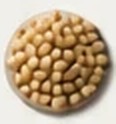 Doenjang된장Fermented soybean paste — the savory foundation of doenjang-jjigae, many soups and dressings for namul. It is one of Korea's core jang, or fermented sauces.
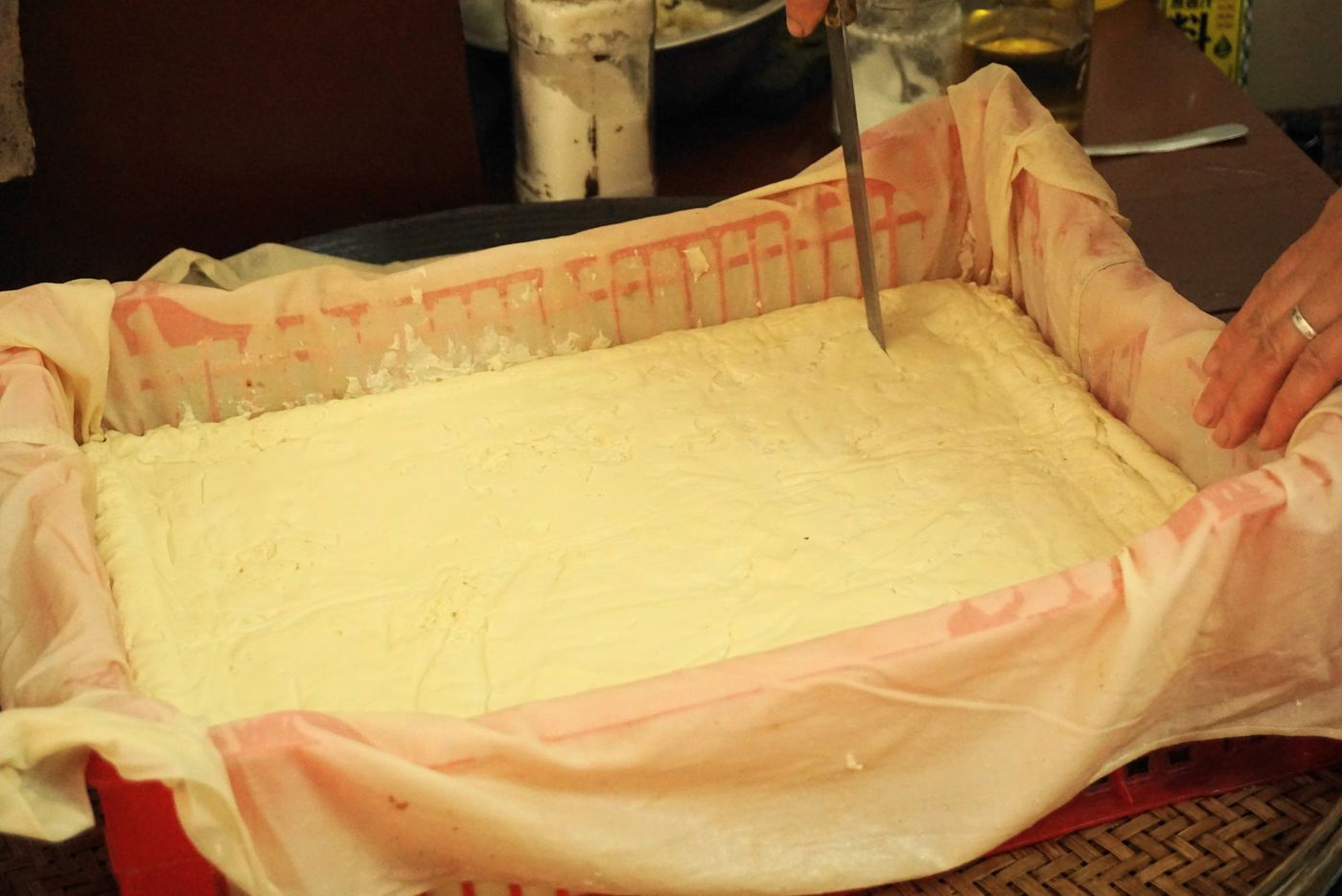 Tofu두부Fresh bean curd made by coagulating soy milk and pressing the curds. A quiet staple of Korean cooking since at least the late Goryeo period, it is pan-fried, braised in spicy soy glaze, or simmered in stews.
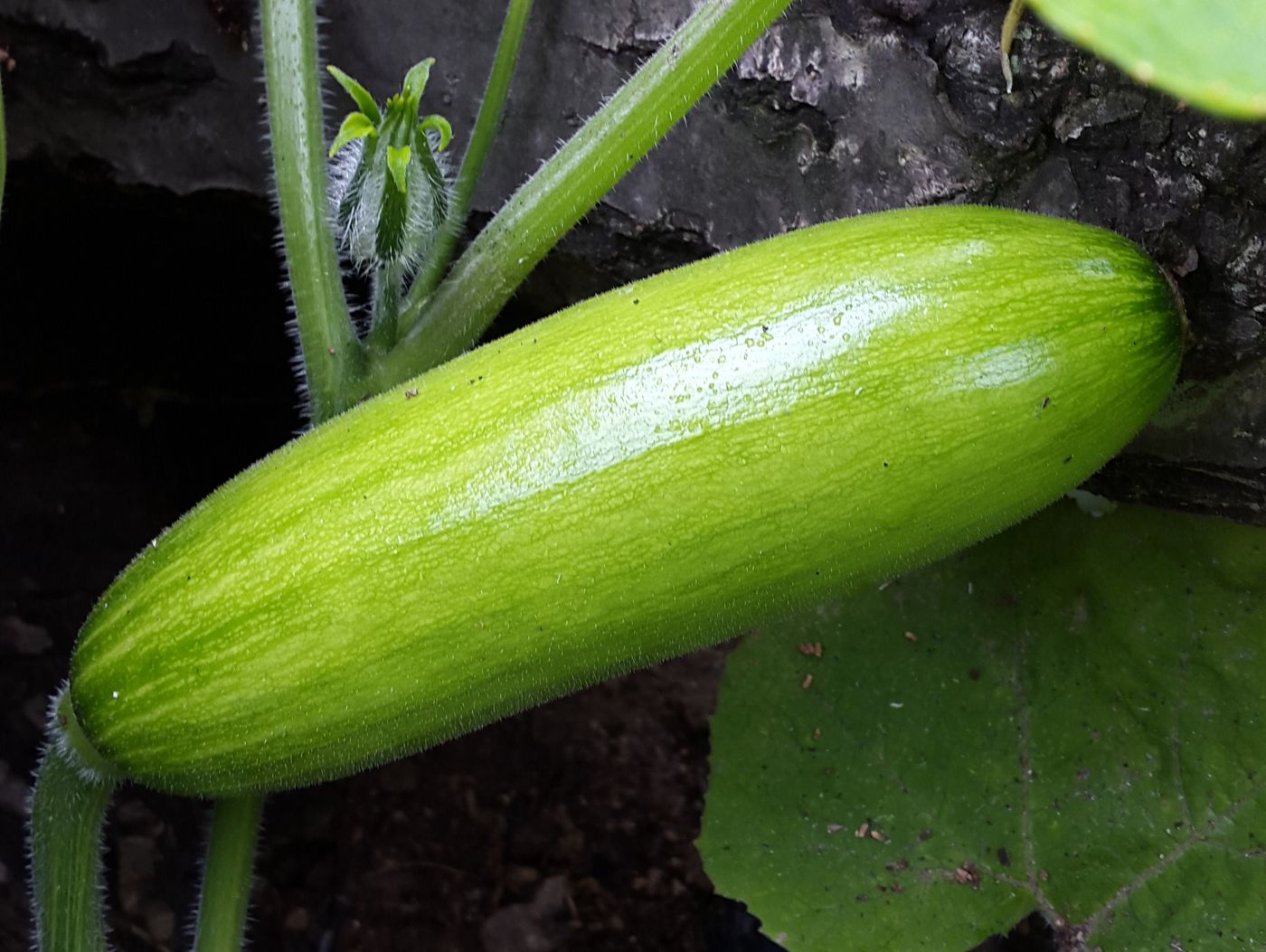 Korean zucchini애호박A pale-green young squash with thin, smooth skin and tender flesh. Sliced into rounds for hobak-jeon, sautéed as namul and added to doenjang stews.
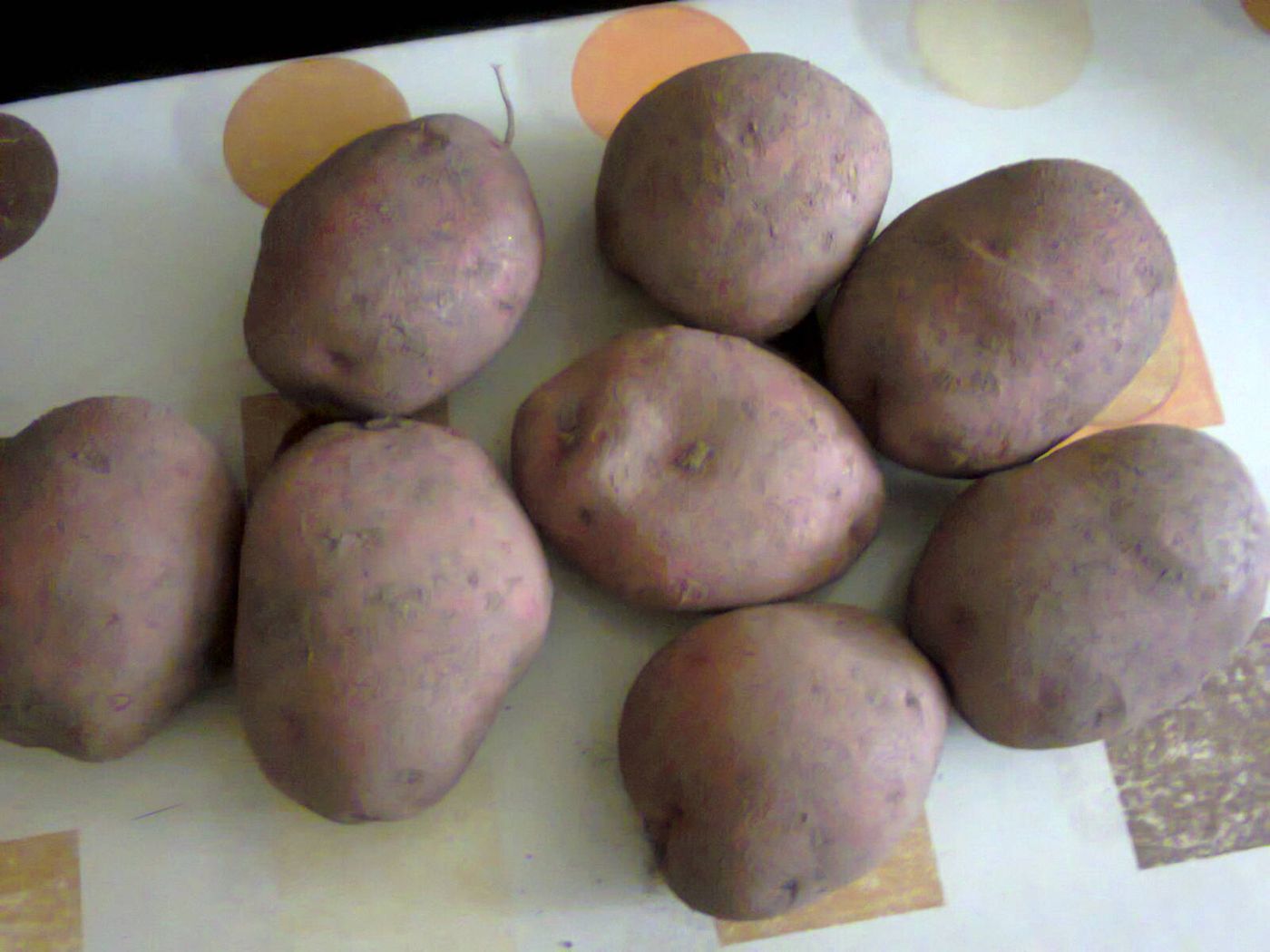 Potato감자A relatively recent arrival that became a mainstay of the mountain provinces. Braised in soy sauce as gamja-jorim, stir-fried in fine matchsticks, grated into crisp gamja-jeon and simmered in countless soups.
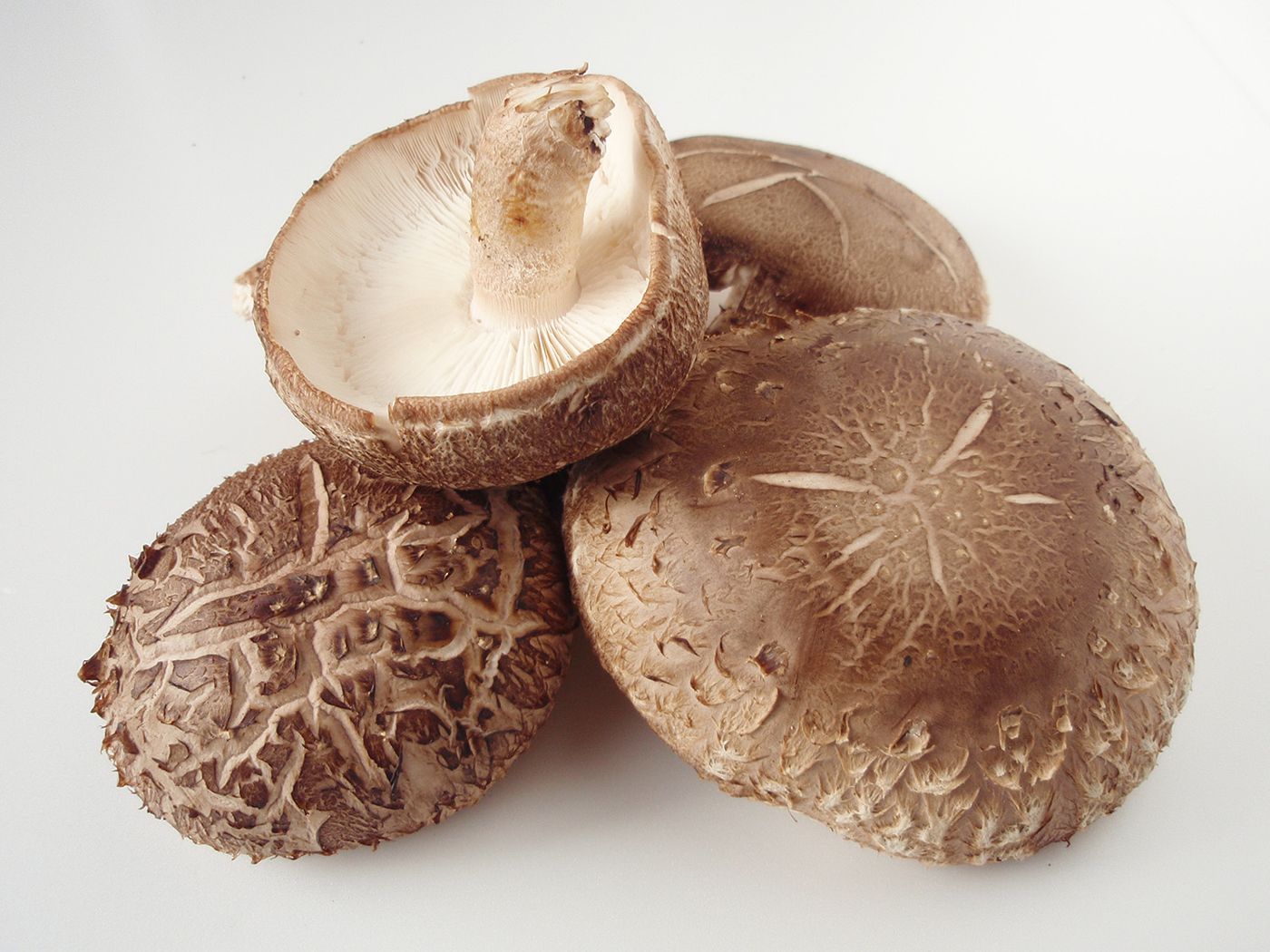 Shiitake mushroom표고Dark-capped, meaty mushrooms known in Korean as pyogo or pyogo-beoseot. Used fresh in stir-fries and pan-fried dishes, and dried for a deeply savory broth and an intensely aromatic bite.
- Korean Chili Peppers (Fresh)고추Fresh Korean chili peppers, eaten green (putgochu) or red (hong-gochu): from the fiery cheongyang-gochu to the small, wrinkled, mild kkwari-gochu that is braised and stir-fried as banchan.
 Green onion파Korean green onion (pa), from thick-stemmed daepa to slender scallions — chopped into nearly every seasoning sauce, soup and kimchi, and the star of pa-kimchi.
 Garlic마늘Used raw, minced, pickled and roasted, garlic is one of the essential aromatics of Korean food — in seasonings, marinades, kimchi and namul.
 Gochugaru고춧가루Korean red chili powder, made from dried red peppers ground coarse or fine. It gives kimchi, gochujang and countless banchan their color and warmth.
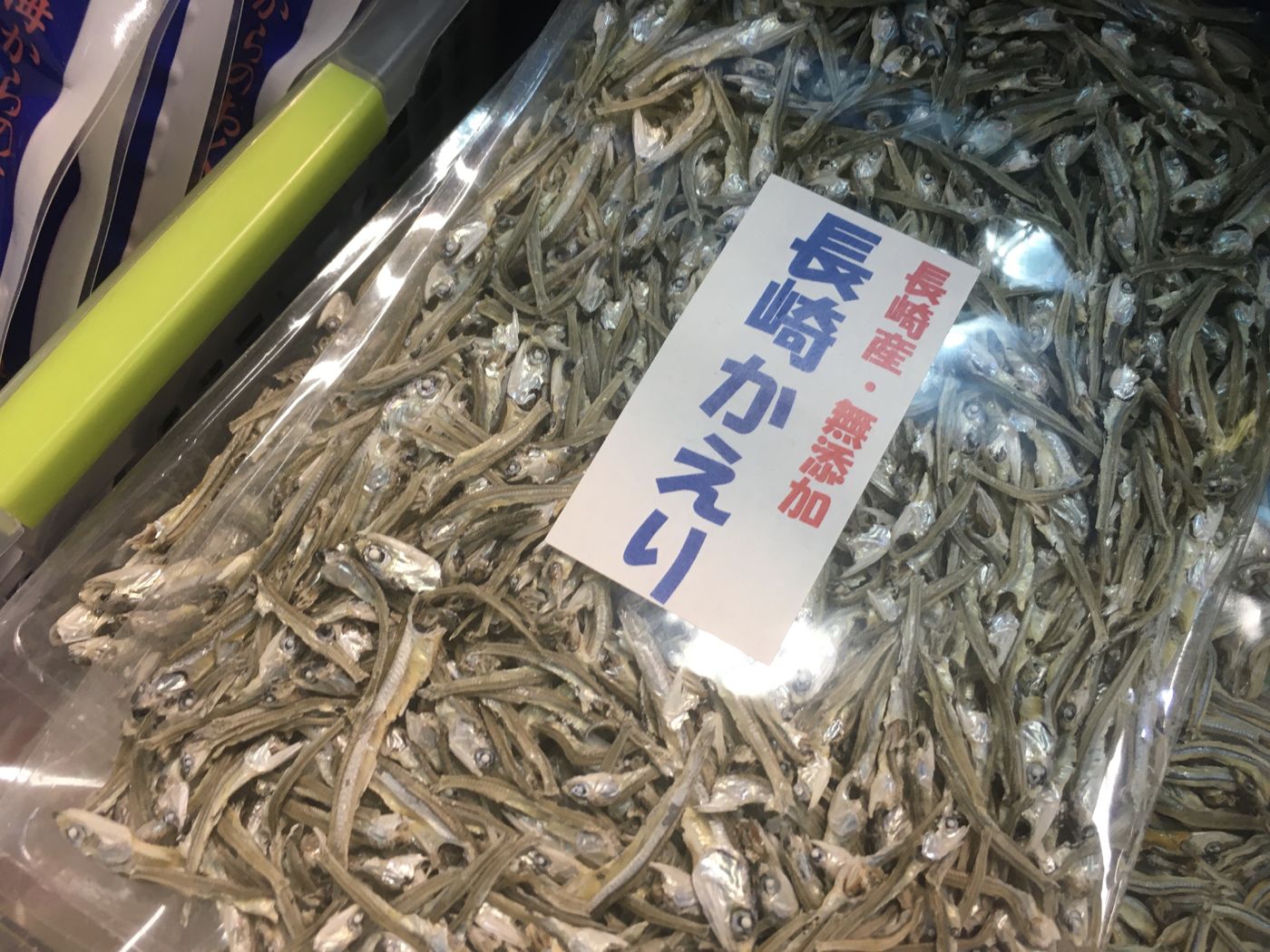 Dried anchovies멸치Small anchovies that are boiled and dried on the coast, then sorted by size. They flavor everyday broths and, stir-fried whole, become the sweet-salty side dish myeolchi-bokkeum.
Nutrition
| Calories | ~119 kcal |
|---|---|
| Protein | ~8.4 g |
| Fat | ~3.6 g |
| Carbohydrates | ~14 g |
| Fiber | ~4.7 g |
| Sodium | ~595 mg |
Notable forPlant protein · Fiber · Potassium
Estimated by summing ingredient values and dividing by four. Doenjang and firm tofu: Korean Food Composition Table (된장, R0120020009a; 두부, D0150000009a); gochugaru approximated with USDA red pepper (FDC 170932); vegetables from USDA FoodData Central (zucchini 169291, potato 170026, onion 170000, shiitake 169242, green chili 170497, green onion 170005, garlic 169230). The anchovy stock was left out, so sodium is a floor. The MFDS analysis of home-style doenjang-jjigae (46 kcal and 318 mg sodium per 100 g) works out to roughly 950 mg sodium for a bowl this size. Actual values vary with ingredients, portion size and preparation.
Health Benefits
- Tofu and soybean paste together make the stew a good source of plant protein, and the vegetables add fiber and potassium.
- Doenjang is a fermented soybean food; fermentation changes its flavor and some of its compounds, and research on any health effects is ongoing.
- The Encyclopedia of Korean Culture notes that combining soybean paste with tofu, vegetables and a little meat or shellfish let a grain-based diet take in a range of nutrients in one pot.
Regional Variations
- By season: the encyclopedia suggests green chilies in summer, mushrooms in autumn and dried radish greens (siraegi) in winter; today potato, onion and Korean zucchini are standard.
- Gang-doenjang: a thick, reduced version with little besides paste and seasoning, cooked in a small pot and spooned over rice or used as a dip for leaf wraps.
- Jeju: cooks saved shiitake stems and simmered them with shark bones before stirring in paste, according to the Encyclopedia of Korean Culture.
- Court style: the late-Joseon court's jeolmi doenjang jochi, said to be a favorite of King Gojong, steamed strained paste with beef, shiitake, sesame oil and honey before finishing it over a brazier.
- Cheonggukjang-jjigae: a close cousin made with quick-fermented cheonggukjang, chunkier and milder, often with sour kimchi and tofu.
Pairings
 Napa Cabbage Kimchi배추김치Salted napa cabbage layered with a red paste of chili, garlic, ginger and fermented seafood, then left to ripen: the kimchi most people picture first.
 Kongnamul Muchim콩나물무침Soybean sprouts cooked under a lid until just tender, then tossed with garlic, green onion and sesame oil — crisp, nutty and on tables across Korea.
 Myeolchi Bokkeum멸치볶음Small dried anchovies stir-fried until crisp, then glazed in a sweet soy and garlic syrup — a keeping banchan found in refrigerators across Korea.
 Gyeran Mari (Rolled Omelet)계란말이Beaten egg cooked in thin layers and rolled into a soft, striped log, then sliced — a gentle, everyday banchan and a lunchbox classic.
Sources
- 01된장찌개 (Doenjang-jjigae) — Encyclopedia of Korean Culture
- 02된장찌개 (Doenjang-jjigae) — Encyclopedia of Korean Folk Culture (한국의식주생활사전)
- 03뚝배기 (Ttukbaegi, earthenware pot) — Encyclopedia of Korean Culture
- 04된장찌개 (Doenjang-jjigae, home-style, analyzed) — MFDS K-FIND food composition database
- 05Trends in sodium intake and major contributing food groups and dishes in Korea: KNHANES 2013–2017 (Jeong et al., Nutrition Research and Practice, 2021)
- 06Sodium reduction — World Health Organization fact sheet
Last updated