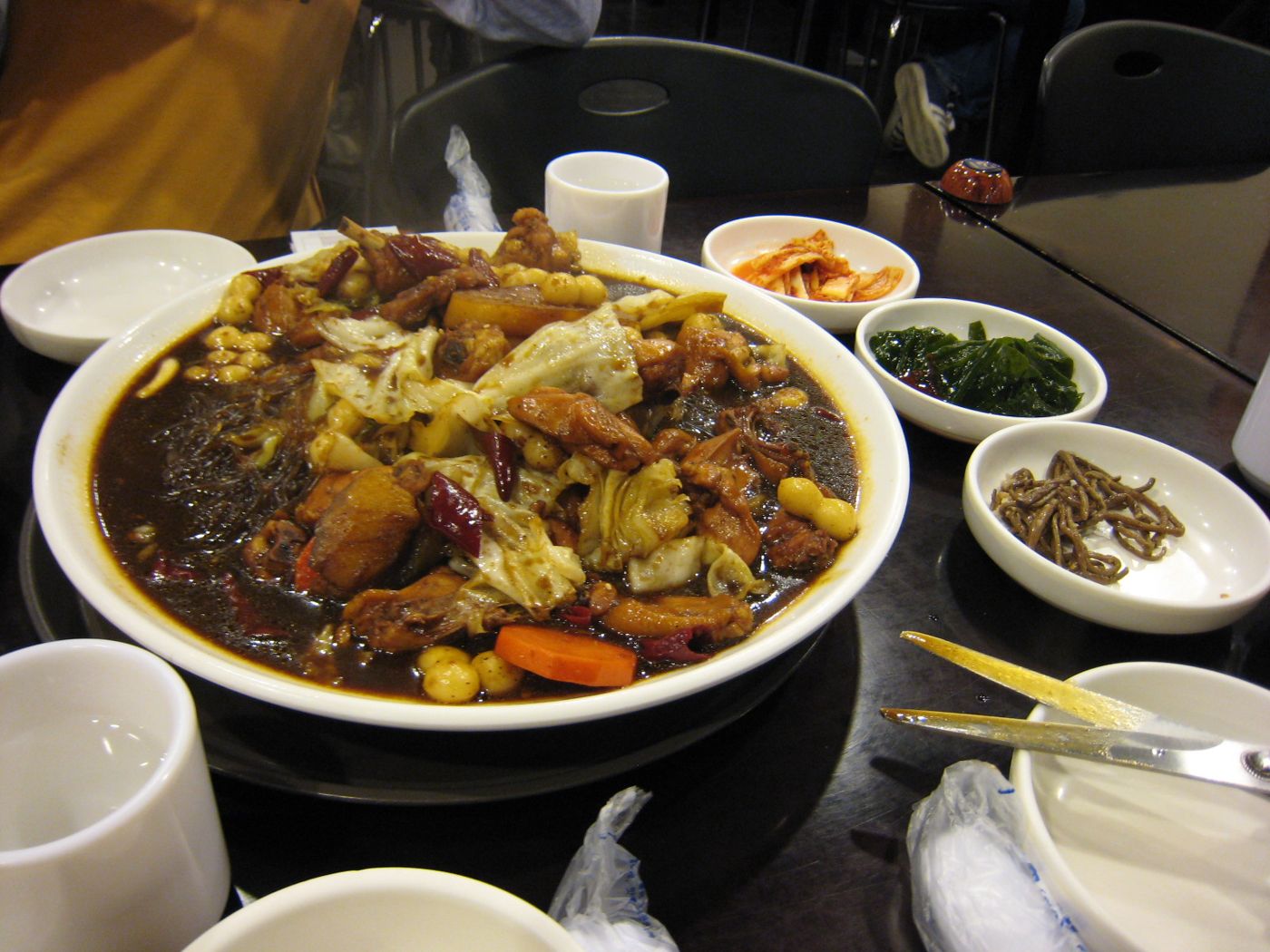
 Photo: karendotcom127, CC BY 2.0, via Wikimedia Commons
Jjim · Steamed 찜
Andong Jjimdak (Soy-Braised Chicken with Glass Noodles)
안동찜닭
Romanization: andong-jjimdak
Chicken braised hard in a sweet soy sauce with potatoes, vegetables, dried chilies and glass noodles — a 1980s invention of Andong's old market, not a yangban heirloom.
- Serves
- 4
- Prep
- 30 min
- Cook
- 40 min
RegionAndong · Gyeongsang · Seoul & Gyeonggi
Jump to recipeRecipe
Ingredients · Serves 4
- 1.2 kgWhole chicken, cut into 12–14 pieces, or bone-in thighsexcess skin and fat trimmed
- 100 gWide or regular sweet-potato glass noodles (dangmyeon)soaked in warm water 30 minutes
- 300 gPotatoescut into large chunks
- 100 gCarrotcut into chunks
- 200 gOnioncut into wedges
- 3 stalksGreen onionscut into lengths
- 4–6 Dried red chiliessnipped; plus 2 fresh cheongyang chilies, sliced
- 6 tbspSoy sauce (jin-ganjang)
- 2 tbspSugar
- 2 tbspMulyeot (rice or corn syrup)
- 6 clovesGarlicminced
- 2 tspGingerminced
- ¼ tspBlack pepper
- 700 mlWater
- 1 tbspNeutral cooking oil
- 1 tbspToasted sesame oil and sesame seedsoil, plus 1 tsp seeds to finish
Method
Technique: Jorim: Braising in Seasoned Liquid, Steaming and Jjim
Step 1: Put the chicken in a pot of boiling water for 2–3 minutes, drain and rinse to remove impurities.
Step 2: Heat the oil in a wide, deep pan over medium-high heat and toss the dried chilies for 30 seconds, then add the chicken and stir-fry 3 minutes.
Step 3: Mix the soy sauce, sugar, mulyeot, garlic, ginger and pepper with the water. Pour over the chicken, bring to a boil, then simmer briskly, uncovered, for 15 minutes, stirring now and then.
Step 4: Add the potatoes and carrot and cook 10 minutes more, until almost tender.
Step 5: Add the onion, fresh chilies and drained noodles, and cook 5–7 minutes, turning everything often, until the noodles are soft and glossy and the sauce has reduced by about half. Chicken should reach 165 °F (74 °C).
Step 6: Add the green onions, drizzle with sesame oil, scatter with sesame seeds and serve straight from the pan.
Origin & History
Many diners assume Andong jjimdak is an heirloom of Andong's aristocratic households. The Encyclopedia of Korean Culture says otherwise: it was developed in the late 1980s in the "fried chicken alley" (tongdak golmok) of Andong's old market (gusijang) in North Gyeongsang. In the early-to-mid 1980s, shops there began selling chicken cooked with glass noodles, a few vegetables, chili powder and factory-made soy sauce as stews and braises — a change from the greasiness of fried chicken. By the late 1980s, with more potato, carrot, green onion, onion, cabbage, starch syrup and sugar added, the dish had reached its present form and the name jjimdak. The encyclopedia suggests the name came from the steamed chicken those same shops sold for local ancestral rites.
The Encyclopedia of Korean Folk Culture gives the same chronology, with fried chicken followed in the late 1970s by garlic chicken, then chicken stews and braises in the early 1980s, and today's jjimdak by the late 1980s. The Korean Food Promotion Institute, quoting a curator at the Andong Folk Museum, places the market traders' invention a little earlier, in the late 1970s, and dismisses the story that it came from the wealthy "inner neighborhood" (an-dongne) of Joseon-era Andong.
The dish spread outward in stages. According to the Encyclopedia of Korean Culture, it reached Andong's university district in the mid-1990s as a cheap student meal; in October 2000 a young Andong native opened a jjimdak business in Seoul, and in October 2001 a KBS program featured it, setting off a nationwide boom. The encyclopedia links that boom to Andong's traditional, aristocratic image — strengthened by Queen Elizabeth II's 1999 visit — and to mad-cow and other meat scares that pushed diners toward chicken. Around 2004 the alley's shops renamed themselves from tongdak to jjimdak, and the street became "jjimdak alley." In Andong it was a snack, a treat or drinking food; in the capital region it became a full meal. See Andong and traditional markets.
Key Ingredients
- Chicken (dak)닭Chicken appears in Korea's founding legends and on its summer tables: young birds simmered whole with ginseng in samgyetang, chili-marinated pieces stir-fried as Chuncheon's dakgalbi, and the fried chicken of modern takeout culture.
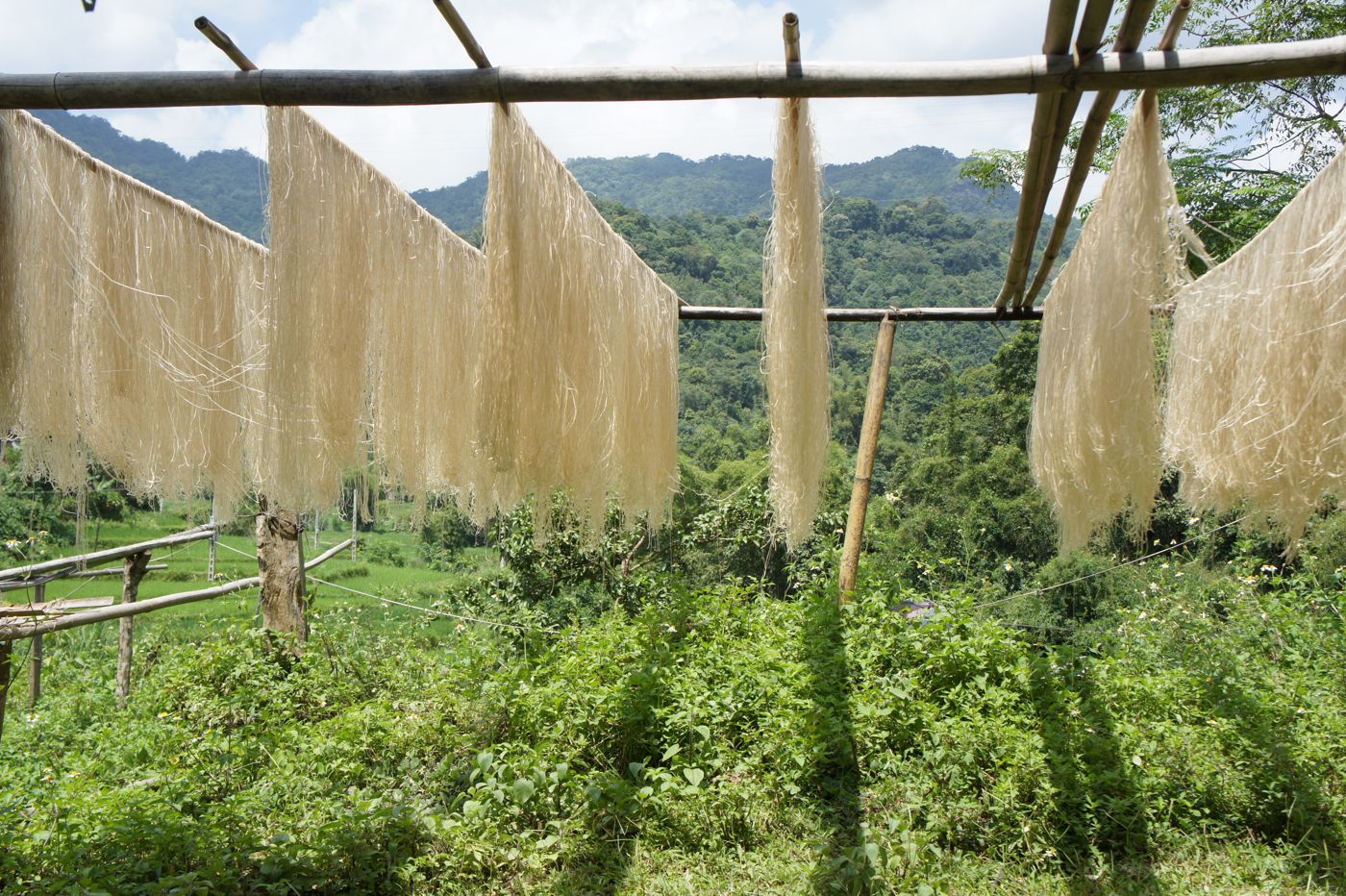 Sweet potato glass noodles당면Chewy, translucent noodles made from sweet potato starch. Introduced from China in the late Joseon period and mass-produced from 1919, they became the heart of modern japchae.
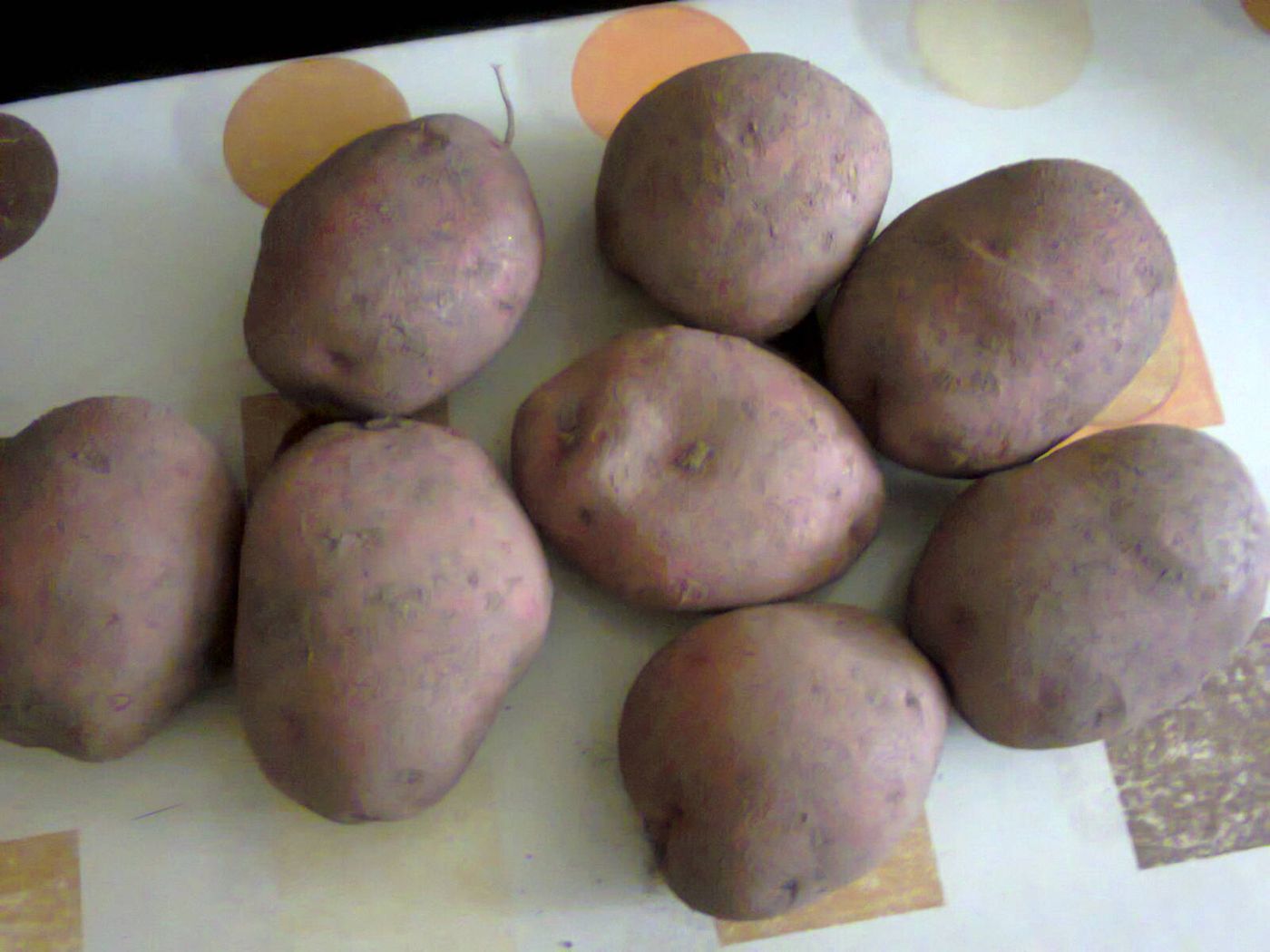 Potato감자A relatively recent arrival that became a mainstay of the mountain provinces. Braised in soy sauce as gamja-jorim, stir-fried in fine matchsticks, grated into crisp gamja-jeon and simmered in countless soups.
- Korean Chili Peppers (Fresh)고추Fresh Korean chili peppers, eaten green (putgochu) or red (hong-gochu): from the fiery cheongyang-gochu to the small, wrinkled, mild kkwari-gochu that is braised and stir-fried as banchan.
 Soy sauce간장Korean soy sauce, in two main kitchen forms: pale, salty guk-ganjang (soup soy sauce) brewed the traditional way from meju, and darker, sweeter jin-ganjang for braises and marinades.
 Korean grain syrup물엿A clear, glossy syrup used to sweeten and glaze braised and stir-fried banchan. Its traditional relative, jocheong, is a darker malt syrup made by slowly boiling down saccharified rice.
 Garlic마늘Used raw, minced, pickled and roasted, garlic is one of the essential aromatics of Korean food — in seasonings, marinades, kimchi and namul.
 Ginger생강Fresh ginger root, used in small amounts to brighten kimchi paste and marinades and to tame the strong smells of fish and meat.
 Green onion파Korean green onion (pa), from thick-stemmed daepa to slender scallions — chopped into nearly every seasoning sauce, soup and kimchi, and the star of pa-kimchi.
 Sesame참깨Toasted sesame seeds and sesame oil (chamgireum) finish countless Korean dishes, adding a nutty aroma and gloss.
Nutrition
| Calories | ~720 kcal |
|---|---|
| Protein | ~39 g |
| Fat | ~35 g |
| Carbohydrates | ~62 g |
| Fiber | ~4.4 g |
| Sodium | ~1480 mg |
Notable forProtein · Niacin · Vitamin A · Potassium
Estimated by summing USDA FoodData Central (SR Legacy) values for raw chicken meat and skin (FDC 171447; USDA's yield of 276 g meat and skin per 454 g ready-to-cook chicken gives about 730 g from 1.2 kg), dehydrated cellophane noodles (FDC 174258, mung bean, as the nearest match for sweet-potato dangmyeon), potatoes, carrot, onion, scallions, soy sauce (FDC 174277), sugar, garlic, ginger, red pepper, green chili, sesame oil and seeds and soybean oil, with starch syrup from the Korean Food Composition Table (C0070000009a), divided by 4. Assumes all the sauce is eaten; leaving some in the pan lowers the sodium. Removing the skin cuts the fat substantially. Actual values vary with ingredients, portion size and preparation.
Health Benefits
- Protein and vegetables in one pan: chicken provides protein and niacin, while potato, carrot and onion add potassium, fiber and vitamin A (from the carrot).
- A shared dish: the folk encyclopedia stresses it is cooked by the whole chicken and eaten together, which encourages modest individual portions.
- Adjustable: trimming skin and fat, and adding more vegetables in place of some noodles, makes a lighter pan.
Regional Variations
- Andong market style (Andong): cooked a whole chicken at a time in a large frying pan over high heat with glass noodles, vegetables and factory soy sauce — braised rather than steamed, despite the name, as the Encyclopedia of Korean Culture points out.
- Capital-region versions (Seoul and Gyeonggi): after 2000 shops outside Andong made it in many different ways; the folk encyclopedia records that Andong cooks felt this muddled the taste and began stressing their original recipe.
- Milder home version: fewer chilies and extra potato and carrot for children.
- Spicy chicken cousins: dak-bokkeumtang uses a red chili-paste sauce instead of soy sauce.
Pairings
 Cubed Radish Kimchi깍두기Korean radish cut into neat cubes and tossed with chili, garlic and salted shrimp — crunchy, juicy and a classic partner to rich soups.
 Napa Cabbage Kimchi배추김치Salted napa cabbage layered with a red paste of chili, garlic, ginger and fermented seafood, then left to ripen: the kimchi most people picture first.
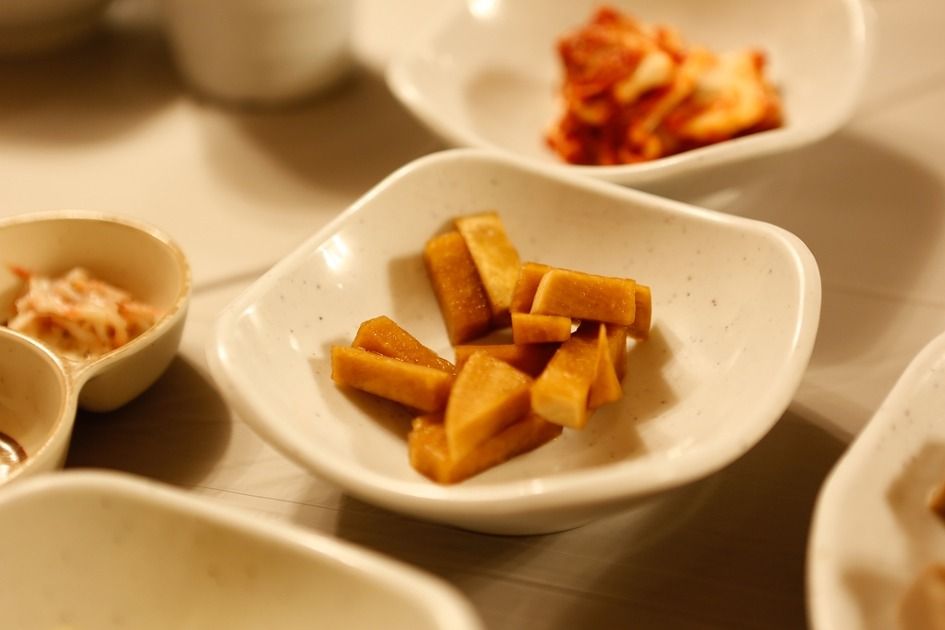 Chili Paste–Cured Radish무장아찌Korean radish salted, dried until leathery and buried in gochujang for weeks, then sliced thin with sesame oil — chewy, savory and deeply seasoned.
Sources
- 01안동찜닭 (Andong Jjimdak) — Encyclopedia of Korean Culture
- 02안동찜닭 (Andong Jjimdak) — Encyclopedia of Korean Folk Culture, National Folk Museum of Korea
- 03한식이야기: 닭볶음탕 (Korean Food Story: Dak-bokkeumtang) — Korean Food Promotion Institute
- 04Chicken, broilers or fryers, meat and skin, raw (FDC 171447) — USDA FoodData Central
- 05Safe Food Handling — U.S. Food and Drug Administration
Last updated