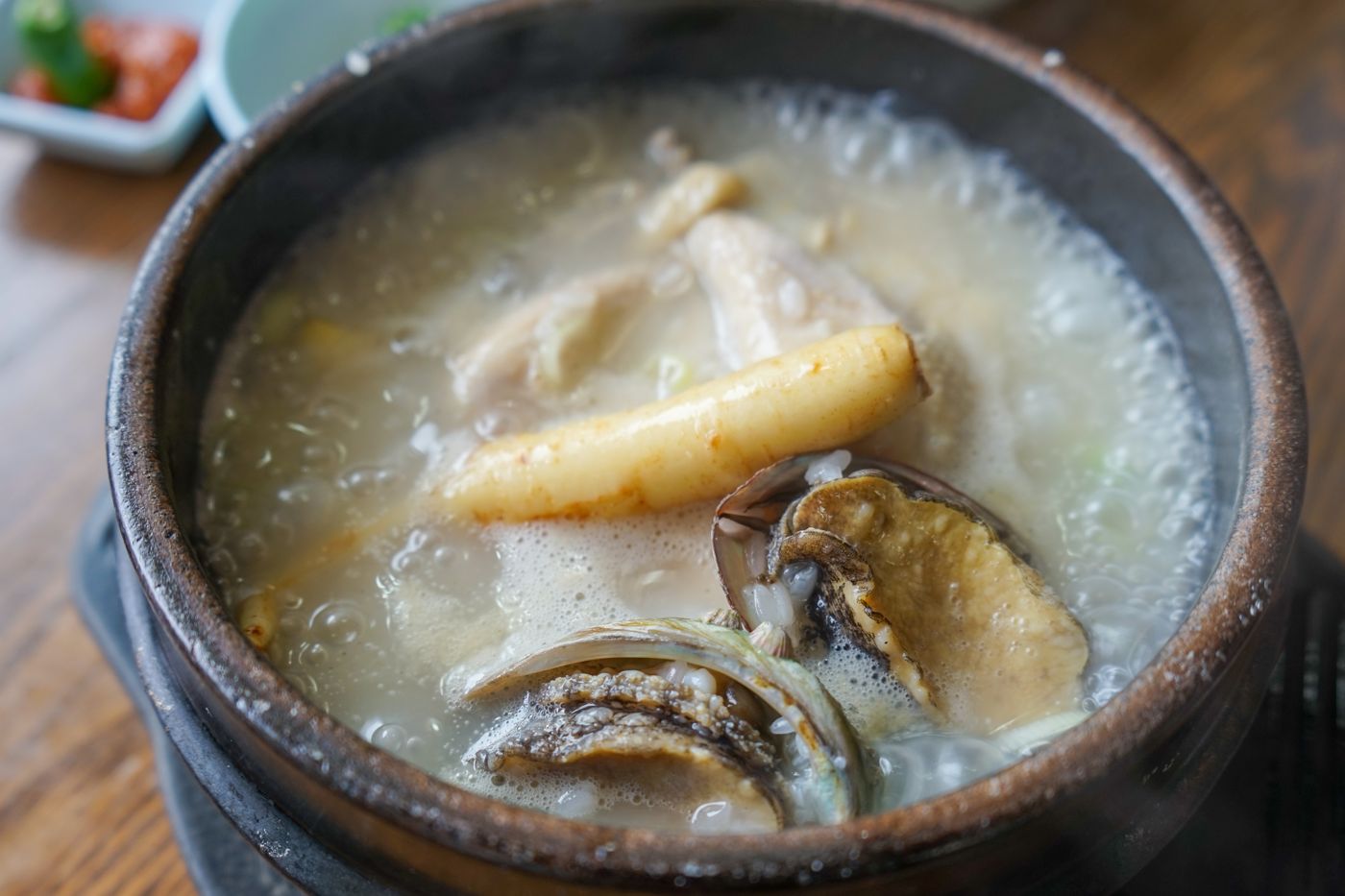
 Photo: 채지형 (Chae Ji-hyung), CC BY 4.0, via Wikimedia Commons
Guk & Tang · Soups 국·탕
Samgyetang (Ginseng Chicken Soup)
삼계탕
Romanization: samgyetang
A whole young chicken stuffed with glutinous rice, ginseng, jujubes and garlic and simmered until tender — the classic hot soup for Korea's dog days of summer.
- Serves
- 2
- Prep
- 70 min
- Cook
- 75 min
Recipe
Ingredients · Serves 2
- 2 Young chickens (poussin or Cornish hens)about 500 g each
- 60 gGlutinous rice (chapssal)soaked 1 hour, drained
- 2 smallFresh ginseng rootsabout 40 g total, scrubbed
- 4 Dried jujubes (daechu)
- 6 clovesGarlicpeeled, whole
- 1.8 lWater
- 1 stalkGreen onionabout 20 g, finely sliced
- to tasteSaltserved at the table
- to tasteBlack pepperserved at the table
Method
Technique: Making Guk and Jjigae, Making Yuksu: Anchovy-Kelp Stock
Step 1: Rinse the chickens inside and out, trim off excess fat from the cavity and neck, and pat dry.
Step 2: Stuff each cavity with half the soaked rice, 2 garlic cloves and a jujube. Don't pack the rice tightly; it swells as it cooks. Cross the legs and tie them, or tuck them through a slit in the skin, to keep the filling in.
Step 3: Put the chickens in a pot just large enough to hold them, with the ginseng, remaining garlic and jujubes. Add the water.
Step 4: Bring to a boil over high heat, skim, then lower the heat and simmer, partly covered, for 60–70 minutes, until the leg meat pulls easily from the bone and the rice inside is fully soft.
Step 5: Transfer each chicken to a deep bowl, ladle the broth over and scatter with green onion. Serve with small dishes of salt and pepper so each person can season the broth and dip the meat.
Origin & History
Samgyetang is the best-known food of boknal, the three hottest days of summer — chobok, jungbok and malbok — when Koreans traditionally fortify themselves with hot, rich dishes. The Encyclopedia of Korean Culture explains the logic of the young chicken: before modern poultry farming, chicks hatched in spring had grown to 400–500 g by midsummer, just right for a restorative soup. Ginseng, milkvetch root and jujube, all native medicinal ingredients, reflect the idea that food and medicine share a source.
The dish as it is now is surprisingly recent. Food historian Joo Young-ha, writing in the Encyclopedia of Korean Folk Culture, notes that no Joseon-era record of it has been found, partly because fresh ginseng spoils within days and was hard to obtain. Bang Sin-yeong's 1917 cookbook gives a chicken soup stuffed with glutinous rice and ginseng powder; under Japanese rule the dish was called gyesamtang, putting the chicken first. Old cookbooks do record related dishes such as yeongye-tang, a soup made from a young chicken.
From the 1960s, refrigeration, a booming government-backed poultry industry and the freeing of ginseng cultivation in 1965 put fresh ginseng and chicken within reach, and Seoul restaurants began selling it under the name samgyetang, now emphasizing the ginseng. The folk encyclopedia adds that as controversy over eating dog meat grew, samgyetang became the signature boknal dish from the 1980s on. A tradition-minded explanation also circulates, rooted in five-elements theory, of warming foods "overcoming" the summer heat.
Key Ingredients
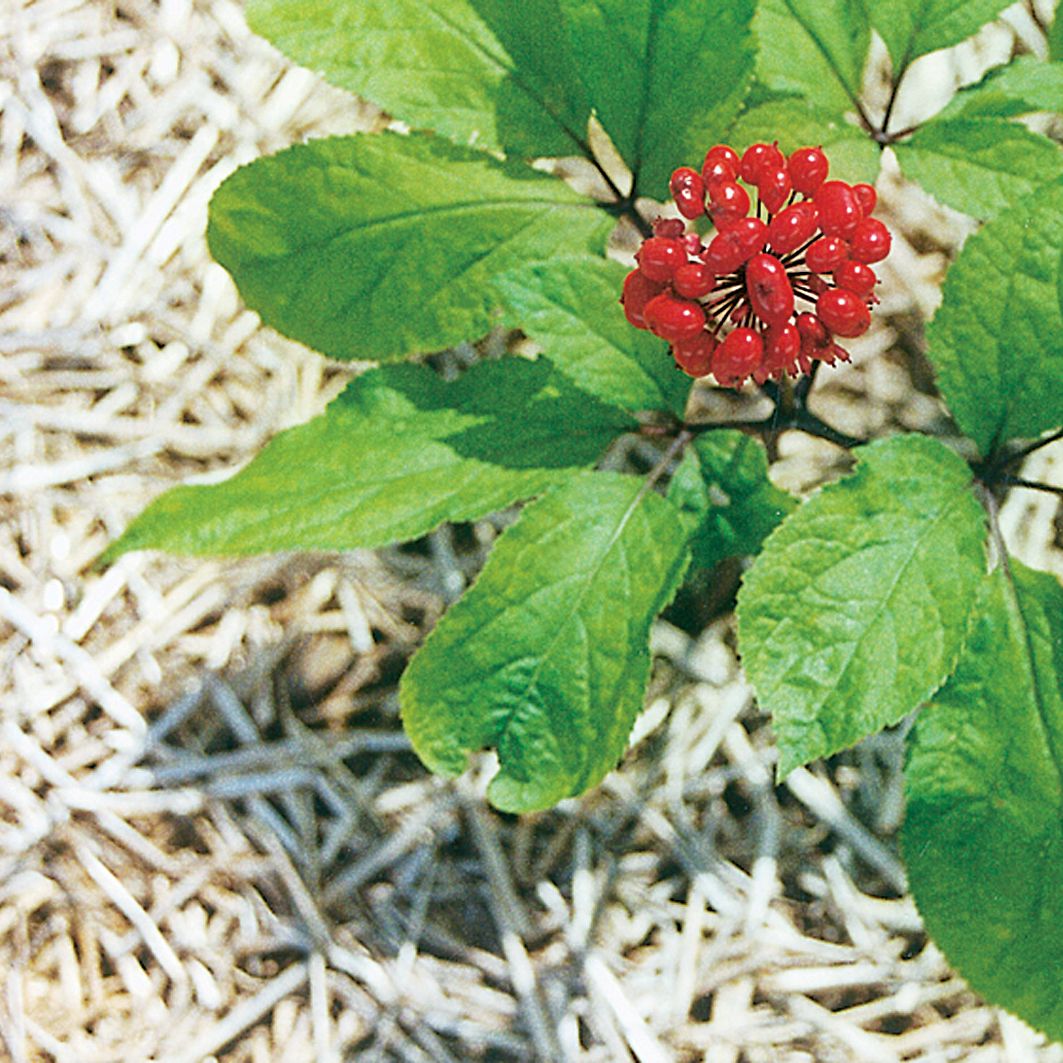 Korean ginseng인삼The forked, pale root of Panax ginseng, eaten fresh as susam or dried and steamed into white and red ginseng. On the table it appears whole in samgyetang, in honeyed slices, teas and liquor, and occasionally as a banchan of its own.
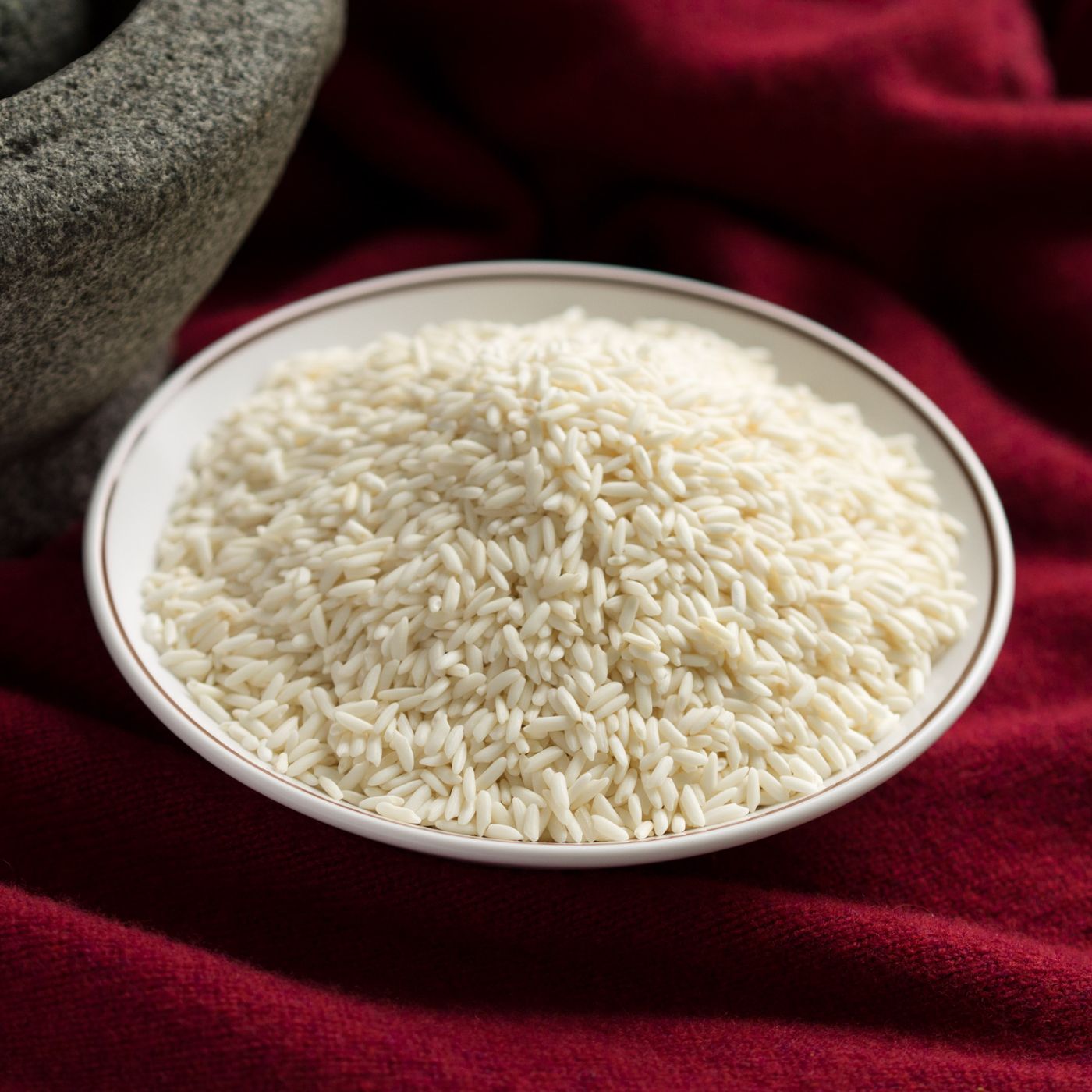 Glutinous rice (sweet rice)찹쌀Opaque, chalk-white grains of glutinous rice that steam into a chewy, elastic mass. Chapssal is the rice of festivals and comfort food: pounded into rice cakes, sweetened into yaksik, and tucked inside the chicken of samgyetang.
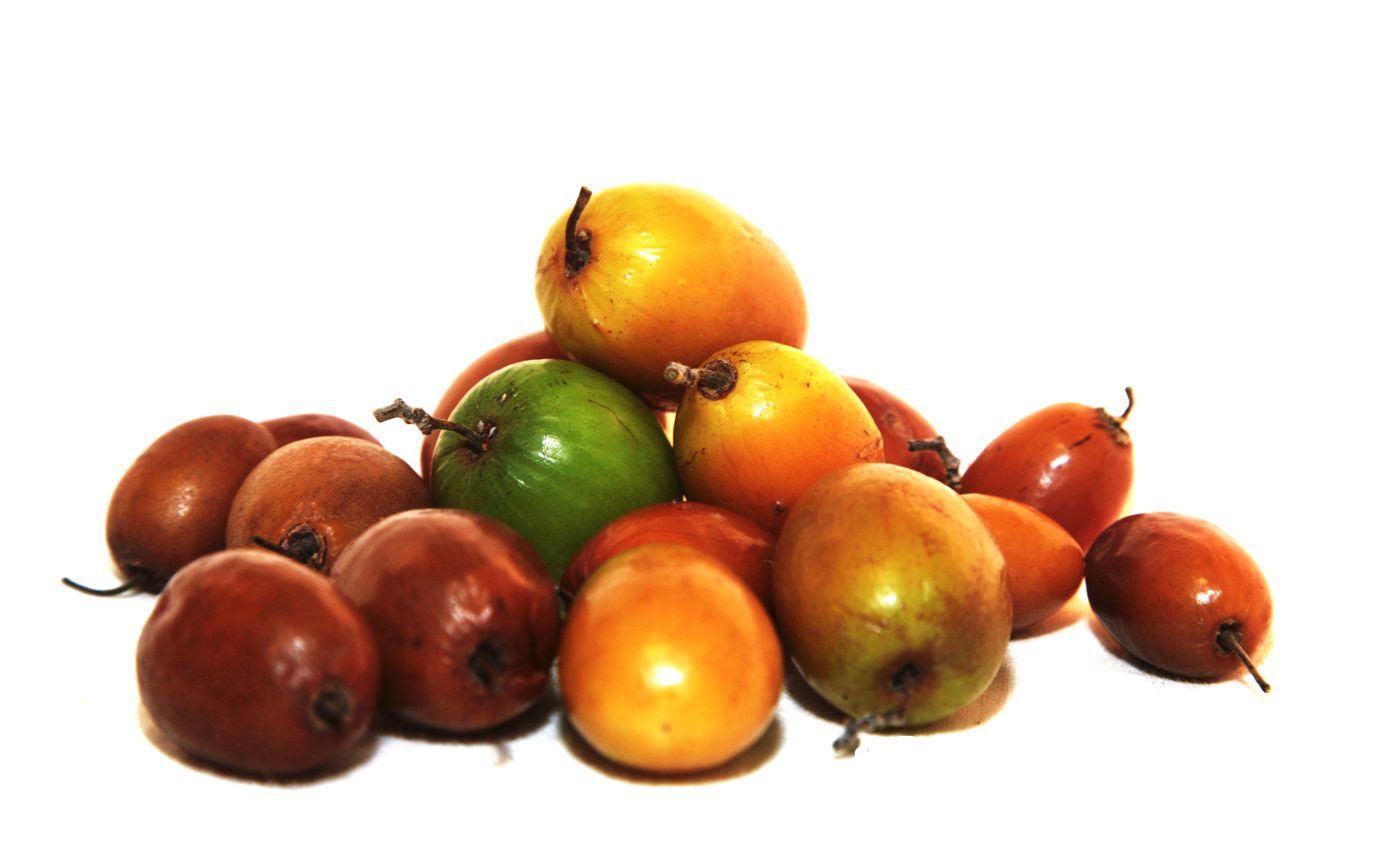 Jujube (red date)대추The small, wrinkled red fruit of the jujube tree, dried until sweet and chewy. An essential of ancestral-rite and wedding tables, it sweetens teas and herbal soups and garnishes rice cakes and festive dishes.
 Garlic마늘Used raw, minced, pickled and roasted, garlic is one of the essential aromatics of Korean food — in seasonings, marinades, kimchi and namul.
 Green onion파Korean green onion (pa), from thick-stemmed daepa to slender scallions — chopped into nearly every seasoning sauce, soup and kimchi, and the star of pa-kimchi.
 Sun-Dried Sea Salt천일염Coarse sea salt made by evaporating seawater with sun and wind in tidal-flat salt pans, most of it from Sinan County off Korea's southwest coast. It is the everyday salt for salting cabbage and making jang.
Nutrition
| Calories | ~777 kcal |
|---|---|
| Protein | ~56 g |
| Fat | ~42.5 g |
| Carbohydrates | ~39.8 g |
| Fiber | ~2.4 g |
| Sodium | ~970 mg |
Notable forProtein · Selenium · Vitamin B12
Estimated by summing ingredient values and dividing by two, assuming about 600 g edible meat and skin from 1 kg of whole birds and about ⅓ tsp table salt per person added at the table. Chicken: USDA FDC 171507 (Cornish game hen, meat and skin); glutinous rice: FDC 168883; dried jujube: FDC 168152; salt: FDC 173468; garlic and green onion from USDA; fresh ginseng: Korean Food Composition Table (T0210020000a). Skimming fat and skipping the skin lower the fat considerably. The MFDS analysis of a 900 g home-style serving (101 kcal per 100 g) gives about 910 kcal, with roughly 146 µg selenium and 3.5 µg vitamin B12 per bowl. Actual values vary with ingredients, portion size and preparation.
Health Benefits
- A protein-rich meal; chicken also supplies selenium and vitamin B12.
- Ginseng contains compounds called ginsenosides. NCCIH notes that research on ginseng for fatigue, blood sugar and other uses is limited or conflicting, so its role in the soup is best seen as traditional.
- The tradition behind it is iyeol-chiyeol, "fighting heat with heat" — eating hot food in hot weather to work up a sweat.
Regional Variations
- Yeongye-baeksuk: the plain version — young chicken simmered with rice, jujube and garlic but no ginseng.
- Ginseng styles: fresh ginseng (susam) is standard today; older recipes and many cooks add milkvetch root (hwanggi), and the plain yeongye-baeksuk style uses chestnuts alongside jujube and garlic.
- Eating it: the meat is torn off the bones at the table and dipped in salt and pepper, and the soft rice from inside the bird is stirred into the broth.
Pairings
 Cubed Radish Kimchi깍두기Korean radish cut into neat cubes and tossed with chili, garlic and salted shrimp — crunchy, juicy and a classic partner to rich soups.
 Napa Cabbage Kimchi배추김치Salted napa cabbage layered with a red paste of chili, garlic, ginger and fermented seafood, then left to ripen: the kimchi most people picture first.
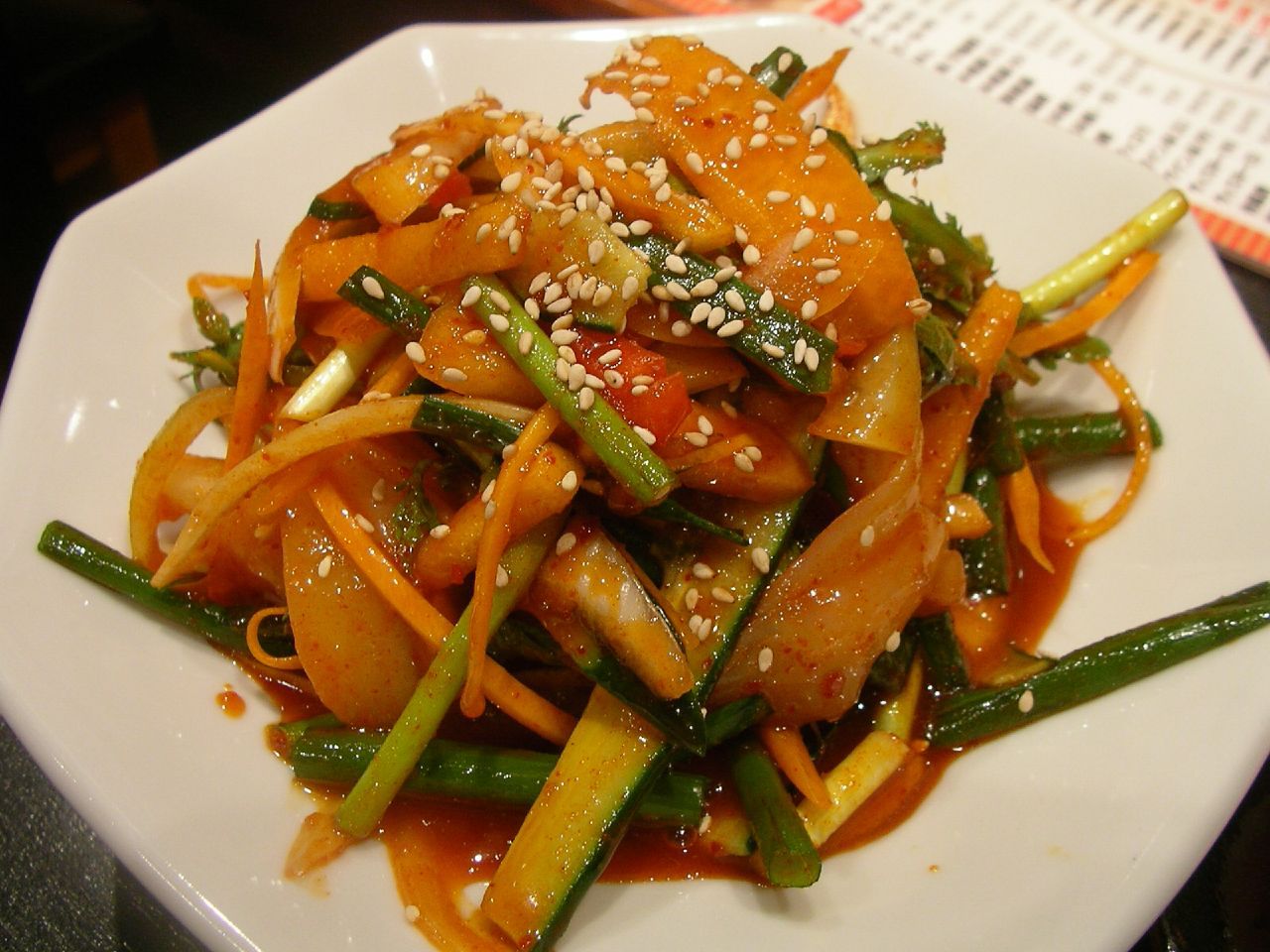 Oi Muchim오이무침Thin-sliced cucumber, briefly salted and tossed with chili flakes, vinegar and garlic — a cool, crunchy quick salad made in minutes, especially in summer.
Sources
- 01계삼탕 (Gyesamtang / Samgyetang) — Encyclopedia of Korean Culture
- 02삼계탕 (Samgyetang) — Encyclopedia of Korean Folk Culture (한국의식주생활사전)
- 03삼계탕 (Samgyetang) — Encyclopedia of Korean Folk Culture (한국세시풍속사전)
- 04삼계탕 (Samgyetang, home-style, analyzed) — MFDS K-FIND food composition database
- 05Asian Ginseng — National Center for Complementary and Integrative Health (NCCIH)
- 06Chicken, cornish game hens, meat and skin, raw (FDC 171507) — USDA FoodData Central
Last updated