 Photo: stuart_spivack (a flickr user), CC BY-SA 2.0, via Wikimedia Commons
Jjim · Steamed 찜
Gyeran Jjim (Steamed Egg)
계란찜
Romanization: gyeran-jjim
Eggs whisked with water or broth and gently steamed into a silky, savory custard, often seasoned with salted shrimp and served bubbling hot.
- Serves
- 4
- Prep
- 5 min
- Cook
- 12 min
Recipe
Ingredients · Serves 4
- 4 largeEggs
- 240 mlWater or anchovy-kelp brothabout the same volume as the eggs; use unsalted broth
- 1 tspSalted shrimp (saeujeot)finely chopped; or ¼ tsp salt
- 1 tbspGreen onionfinely chopped
- ½ tspToasted sesame oiloptional, to finish
- 1 pinchToasted sesame seedsoptional garnish
Method
Step 1: Beat the eggs thoroughly in a bowl, then whisk in the water or broth and the salted shrimp. For the smoothest custard, strain the mixture through a fine sieve.
Step 2: Stir in most of the green onion, reserving a little for garnish. Pour the mixture into a heatproof bowl or small earthenware pot.
Step 3: Steamer method: set the bowl in a steamer over simmering water, cover, and steam over low to medium-low heat for 10–12 minutes, until the center is just set and a knife comes out clean.
Step 4: Pot method: heat the earthenware pot over medium-low heat, stirring the egg gently from the bottom until it begins to thicken. Cover with a lid, turn the heat to low and cook for 3–5 minutes more, until set and puffed.
Step 5: Finish with the reserved green onion, a few drops of sesame oil and a pinch of sesame seeds. Serve hot, straight from the bowl.
Origin & History
Gyeran-jjim (also dalgyal-jjim) belongs to the jjim family of steamed and simmered dishes. Eggs are beaten with water or a light broth, seasoned, and cooked slowly until they set into a soft custard that can be eaten with a spoon.
Joseon-era cookbooks describe several ways of preparing eggs, and the Encyclopedia of Korean Culture notes one called al-jjim: eggs beaten with water, seasoned with salted shrimp (saeujeot), placed in an earthenware bowl and steamed on top of the rice as it cooked. The essentials of the modern dish — egg, liquid, a briny seasoning and gentle heat — are all already there.
Today gyeran-jjim is one of the most familiar comfort foods in Korea. It is a staple of school cafeteria menus, a common home side dish for children, and a standard accompaniment at Korean barbecue restaurants, where it is often cooked and served in a small ttukbaegi (earthenware pot).
Key Ingredients
 Salted fermented shrimp새우젓Tiny shrimp packed in salt and left to ferment — a jeotgal (salted seafood) that seasons kimchi and stews and accompanies boiled pork with briny, savory depth.
 Green onion파Korean green onion (pa), from thick-stemmed daepa to slender scallions — chopped into nearly every seasoning sauce, soup and kimchi, and the star of pa-kimchi.
 Sesame참깨Toasted sesame seeds and sesame oil (chamgireum) finish countless Korean dishes, adding a nutty aroma and gloss.
Nutrition
| Calories | ~77 kcal |
|---|---|
| Protein | ~6.4 g |
| Fat | ~5.3 g |
| Carbohydrates | ~0.5 g |
| Fiber | ~0.1 g |
| Sodium | ~220 mg |
Notable forProtein · Choline · Selenium · Vitamin B12
Estimated by summing USDA FoodData Central (SR Legacy) values for raw whole egg (FDC 171287), raw scallions, sesame oil and ¼ tsp table salt (used in place of saeujeot, which USDA does not list), with water as the liquid, divided by 4. Salted shrimp or a salted broth will change the sodium. Actual values vary with ingredients, portion size and preparation.
Health Benefits
- Gentle protein: each serving provides about one egg's worth of protein in a soft, easy-to-eat form, which is one reason it is popular for children and older adults.
- Egg nutrients: eggs are a source of choline, vitamin B12, selenium and riboflavin, along with lutein and zeaxanthin in the yolk.
- Light on fat: steaming uses no frying oil, so the dish stays relatively low in calories for the amount of protein it provides.
Regional Variations
- Steamer or pot: the classic home method steams a bowl of egg in a steamer or rice cooker for a smooth, custard-like texture; cooking directly in a ttukbaegi on the stove gives a fluffier, more rustic result.
- Puffed restaurant style: some barbecue restaurants cook the egg in a covered earthenware pot until it rises high above the rim, a showy version sometimes nicknamed "volcano" or "bomb" egg.
- Seasoning: saeujeot is the traditional seasoning; others use salt, fish sauce or a little soy sauce, and many cooks replace the water with anchovy-kelp broth for more depth.
- Add-ins: green onion, carrot, mushrooms, or a few small shrimp or clams are common additions.
Pairings
 Napa Cabbage Kimchi배추김치Salted napa cabbage layered with a red paste of chili, garlic, ginger and fermented seafood, then left to ripen: the kimchi most people picture first.
 Kongnamul Muchim콩나물무침Soybean sprouts cooked under a lid until just tender, then tossed with garlic, green onion and sesame oil — crisp, nutty and on tables across Korea.
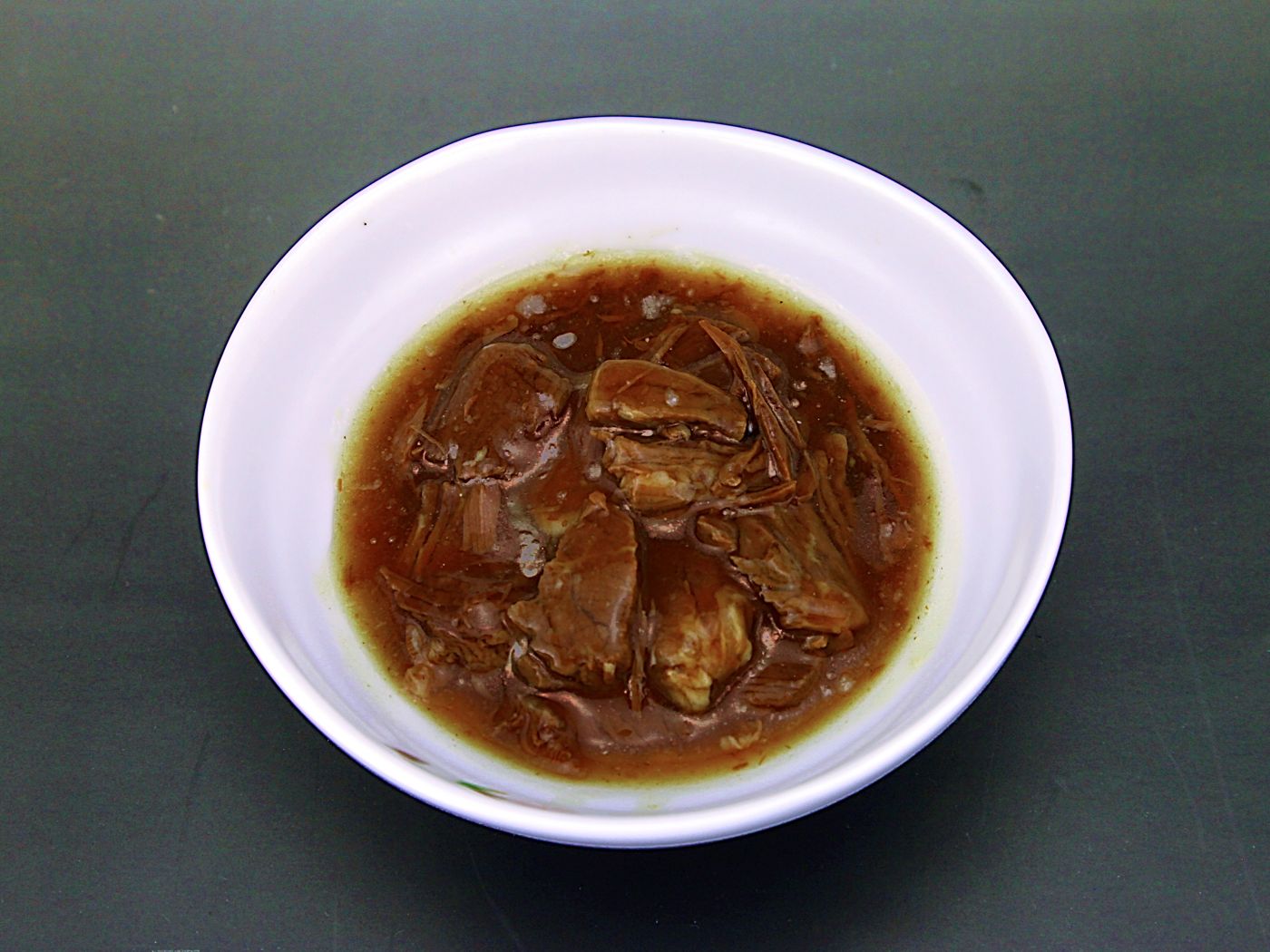 Jangjorim장조림Lean beef simmered in soy sauce until tender, then torn into strands and served in its savory broth, often with eggs, garlic and mild peppers.